What Should Buyers Check Before Buying a Templeton Home with an Older Air Conditioner?
November 27, 2026
November 27, 2026
Review the unit, service history and inspection findings before planning for future costs.
An older air conditioner does not automatically make a Templeton home a poor choice. It does mean you should learn what you are buying before you decide how the system fits your offer, inspection strategy and plans after closing.
The age of the equipment is only one part of the picture. Condition, maintenance, installation quality, repair history and the way the system performs in the home matter too. Two units installed in the same year may have very different histories. One may have been serviced regularly and protected from debris. Another may have repeated repair issues or components that were replaced at different times.
I would not try to answer this question by looking at the outdoor condenser for a few minutes during a showing. Gather the available records, include the system in your home inspection and consider a separate evaluation by a licensed HVAC contractor when the age or findings justify it. The goal is to replace assumptions with useful information.
Ask for the approximate installation date and any available invoices, permits, warranties or service records. Look for the model and serial information on the equipment, but do not rely on a quick internet search as your only source. A contractor or manufacturer may be able to interpret the information more reliably.
A central cooling system may include an outdoor condenser, an indoor coil, a furnace or air handler, a thermostat, electrical components, refrigerant lines, a condensate drain and ductwork. Those parts may not all be the same age. Ask whether the outdoor and indoor components were installed together and whether any major component has been replaced.
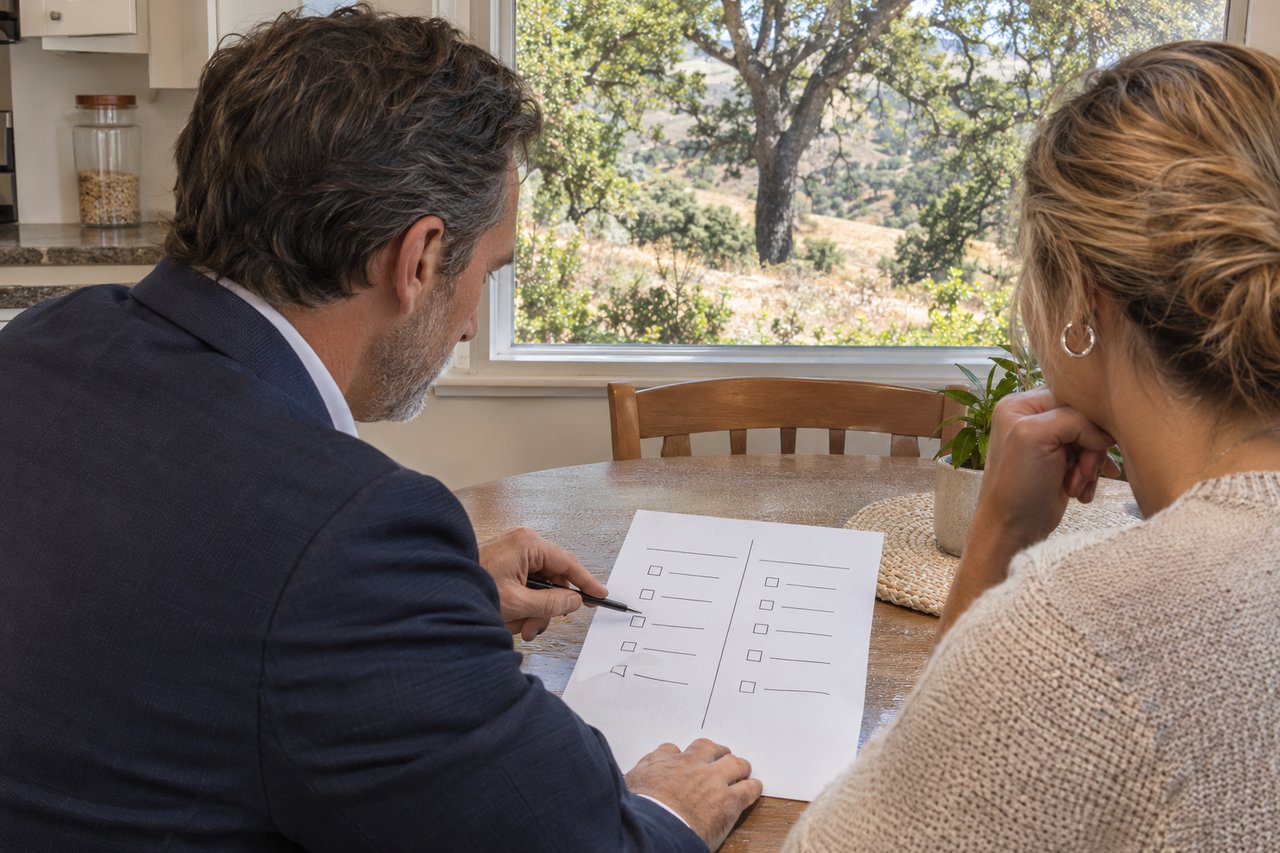
Service records can help you understand the system's history. They may show seasonal maintenance, past repairs or recurring concerns. A lack of records does not prove the system was neglected, but it leaves more unanswered questions for the inspection period.
A general home inspection can provide a useful overview of the visible and accessible parts of the system. The inspector may operate the equipment when conditions allow, observe the temperature response, look at the outdoor unit, review the thermostat, inspect visible ductwork and note signs of leakage, damage or improper installation.
Ask the inspector to explain the limits of the inspection. A home inspection is not always the same as a complete HVAC diagnostic. The inspector may recommend further evaluation when the equipment is old, does not operate normally or shows a condition that requires specialized tools.
My guide to what to expect during a home inspection in SLO County can help you prepare for the broader inspection process. For the air conditioner, make sure you understand what was tested, what could not be tested and what the inspector recommends doing next.
A separate HVAC evaluation can be helpful when the system is near the end of the range you are comfortable owning, the service history is unclear, the home inspection identifies a defect or the system does not cool consistently. It can also be useful when you need better information about a repair, compatibility between components or likely replacement planning.
California's Contractors State License Board provides a license-check tool and recommends verifying that a contractor's license is current and in good standing. If you hire someone for a specialized evaluation, confirm the appropriate license and ask what the visit will include.
An HVAC contractor may be able to evaluate electrical connections, refrigerant-related performance, airflow, coils, drainage, equipment condition and other system details. The exact scope depends on the contractor and the conditions during the visit, so ask before the appointment. You want a written explanation of the findings rather than a vague statement that the unit is simply “old.”
Testing depends on the equipment, weather and professional judgment of the inspector or contractor. Running some cooling systems under unsuitable outdoor conditions can risk damage. Do not insist that someone operate the unit if they advise against it. Ask what alternative checks are possible and what should be verified later.
If the weather allows the system to run, pay attention to more than whether cool air comes from a vent. Ask how long the system was operated, whether the thermostat responded, whether the outdoor and indoor components sounded normal and whether the temperature difference was consistent with the inspector's expectations.
A short test does not recreate several hours of cooling on a hot day. If comfort and cooling performance are major concerns, discuss the limits of the test with the professional evaluating the system.
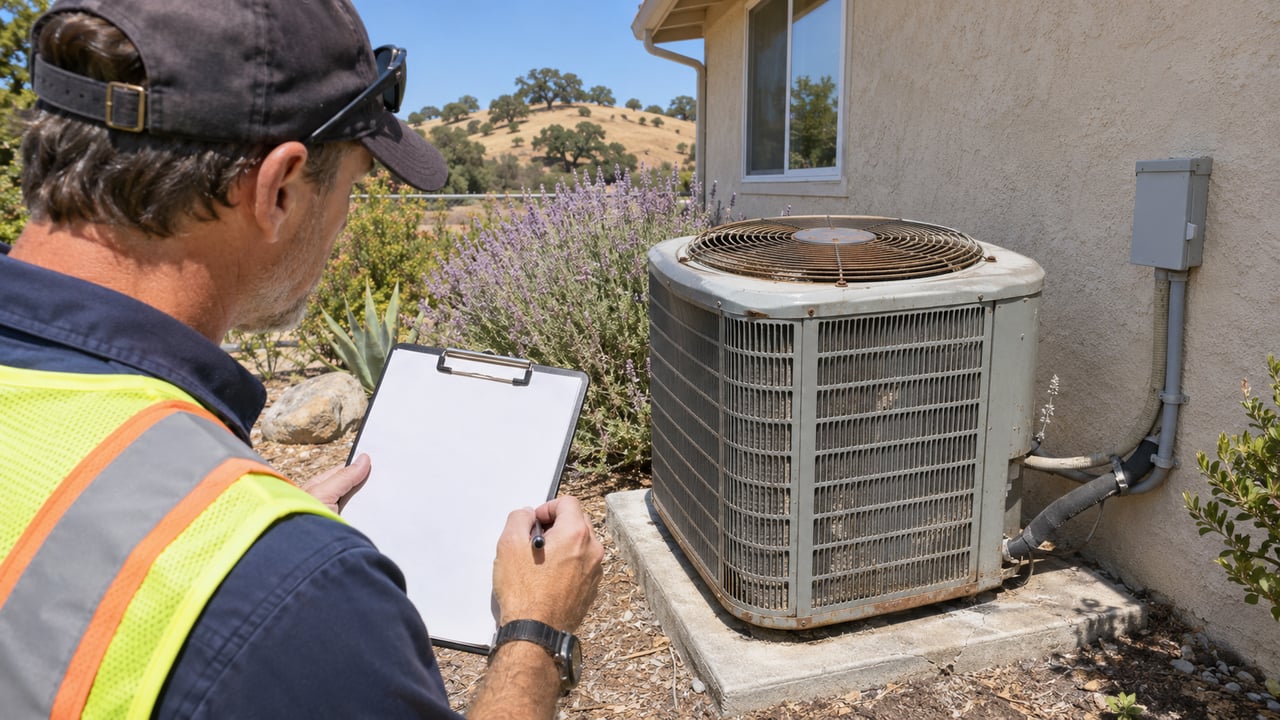
The outdoor unit should have enough open space for airflow and service access. Look for vegetation, stored items or fencing pressed too close to the cabinet. Note corrosion, damaged panels, a bent fan guard, heavy debris or an unstable pad. Also look at the visible refrigerant-line insulation and the electrical disconnect.
Normal wear does not always mean failure is close. At the same time, fresh paint or a clean cabinet does not prove the system performs well. Let the inspection findings and service information carry more weight than appearance alone.
ENERGY STAR's heating and cooling maintenance checklist identifies items a contractor may review during a typical checkup, including thermostat settings, electrical connections, moving parts and the condensate drain. That checklist is a useful reference for questions, but it does not replace an evaluation of the particular system at the home.
The outdoor condenser is the most visible part of many air-conditioning systems, but the indoor side matters just as much. Ask where the air handler, furnace and evaporator coil are located. Look for signs of moisture or staining near the equipment and condensate drain. Ask about filter access and whether the filter appears to have been changed regularly.
Ductwork also affects comfort and performance. Visible gaps, damaged insulation or disconnected sections deserve attention. Rooms that receive very different airflow may point to a duct, balancing or equipment issue, although a professional should determine the cause.
If the house has additions or converted spaces, ask whether the cooling system serves those areas and whether the work was permitted. A unit that was appropriate for the original layout may not perform the same way after the conditioned space changes.
Useful records may include routine service visits, capacitor or motor replacements, coil work, thermostat changes, refrigerant service and drainage repairs. Ask whether the system has had repeated calls for the same problem. A single repaired part is different from a pattern of recurring failures.
If an invoice uses technical language you do not understand, ask the inspecting contractor to explain it. Do not assume that one new component makes the whole system new. It may improve the equipment, but the remaining parts keep their own age and condition.
Also ask how often the system has been used. Templeton buyers should consider the household's actual cooling habits, the home's insulation and shade, and how the property responds during warm weather. Past use will not guarantee future performance, but it can add context.
Older equipment may use a different efficiency rating than current products. The U.S. Department of Energy now uses SEER2 as the current seasonal cooling-efficiency metric for central air conditioners and heat pumps. A rating can help compare equipment, but it does not tell you whether the existing system is well installed, correctly sized or in good condition.
Ask for the equipment model information and any available efficiency documentation. Then discuss the home's actual utility history carefully. Utility use depends on temperature settings, occupancy, weather, insulation, windows and personal habits. A prior bill is not a promise of what your bill will be.
If you are considering a future replacement, ask a licensed contractor about current equipment options and what changes may be needed for the electrical system, ductwork, line set or indoor unit. Avoid choosing a replacement based only on the size of the old condenser.
Ask whether permits were required and obtained for the installation or later work. Permit history may help you understand when work occurred, but it is not a substitute for a physical inspection. If the available records and the visible installation do not line up, ask for clarification during your investigation period.
Pay attention to modifications around the equipment. An addition, patio cover, fence or storage area may have changed airflow or service access after the unit was installed. The contractor should have a safe, practical way to reach the system.
Once you have the inspection findings, separate immediate defects from longer-term planning. An active electrical problem, drainage issue or unsafe condition deserves prompt professional guidance. Age by itself may be a planning item rather than an urgent defect.
Ask the HVAC contractor for a clear description of the current condition, recommended repairs and factors that could affect replacement. If estimates are provided, make sure you understand the scope. A quote for an outdoor unit alone is different from a proposal for a complete matched system with related electrical or duct work.
Do not expect a professional to predict the exact day a unit will stop working. Use the available evidence to decide whether you are comfortable owning the current system and preparing for future work.
Inspection findings are one part of the full property decision. Consider the air conditioner alongside the roof, electrical system, plumbing, foundation and other major components. My article about buying an older home in Cambria explains the same principle: evaluate how the systems work together instead of focusing on one visible item.
Your options may depend on the purchase contract, timing, market conditions and the details of the findings. You might accept the system as it is, request additional information, seek a repair or discuss another solution with your agent. The right response is specific to the property and transaction.
If the Templeton home also has another older feature, keep the investigation organized. For example, buyers evaluating a stove can review my guide to buying a Templeton home with a wood-burning stove. Separate inspections and records make it easier to understand each component without losing sight of the home as a whole.
Check the complete system, not just the date on the outdoor unit. Gather service and installation records, review both indoor and outdoor components, understand what the home inspector tested and obtain a licensed HVAC evaluation when the facts call for one.
An older unit may continue serving the home, or the inspection may show that repair or replacement planning belongs in your decision. You do not need a perfect prediction. You need enough verified information to understand the present condition, the limitations of the testing and the next practical step.
If you’re thinking about selling a home in Paso Robles or elsewhere in San Luis Obispo County, I’d be happy to help you create a marketing plan based on your property, timing, and goals.
Amber
Pillar Real Estate | Amber Johnson, Founder
805.835.3425 | [email protected]
1345 Park St. Paso Robles, CA 93446 | DRE# 01925434

Amber Johnson | November 27, 2026
Test the actual routes between a home, shops and the places you visit most.
Amber Johnson | November 27, 2026
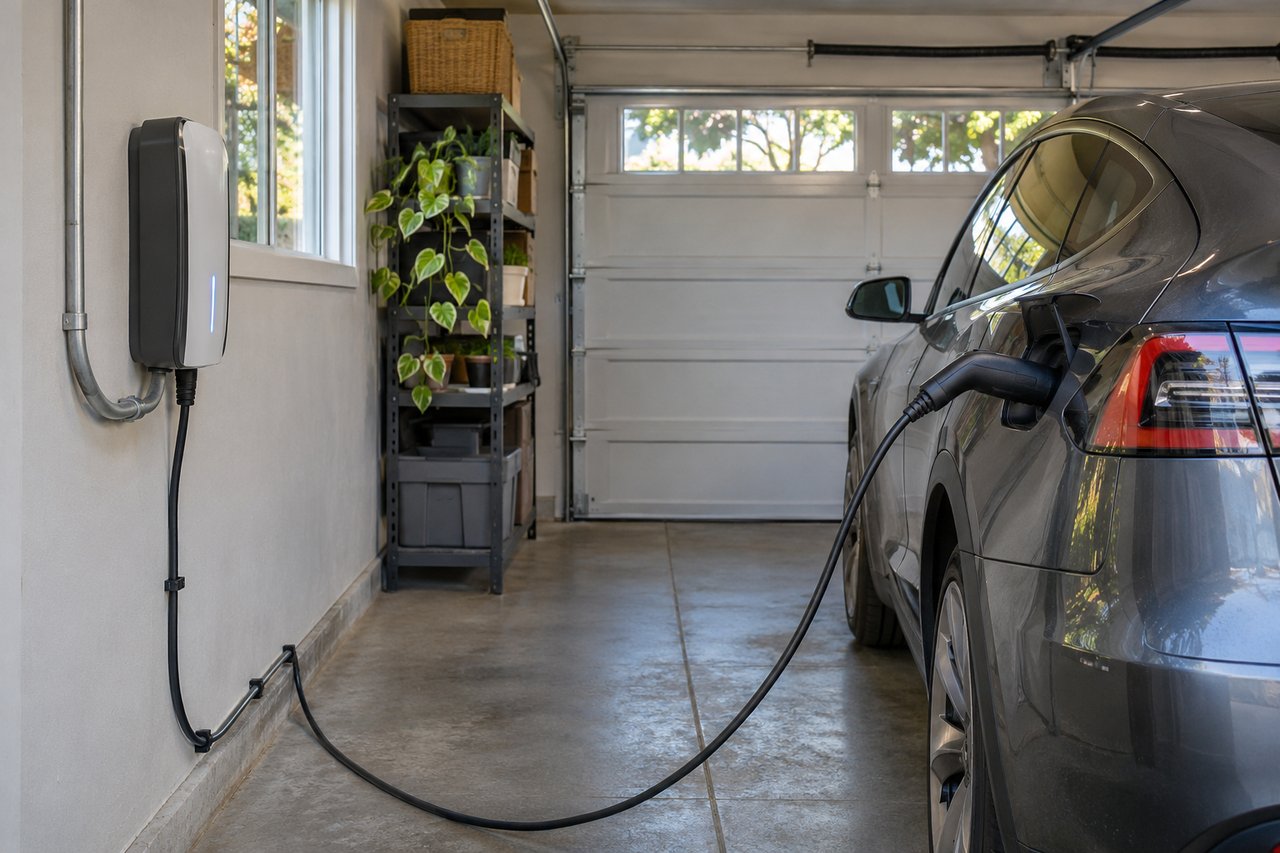
Document the charger accurately and show how the setup works for a buyer.
Amber Johnson | November 27, 2026
Review the unit, service history and inspection findings before planning for future costs.

Amber Johnson | November 26, 2026
Look at where you would live, when you would walk and what access feels realistic.
Amber Johnson | November 26, 2026
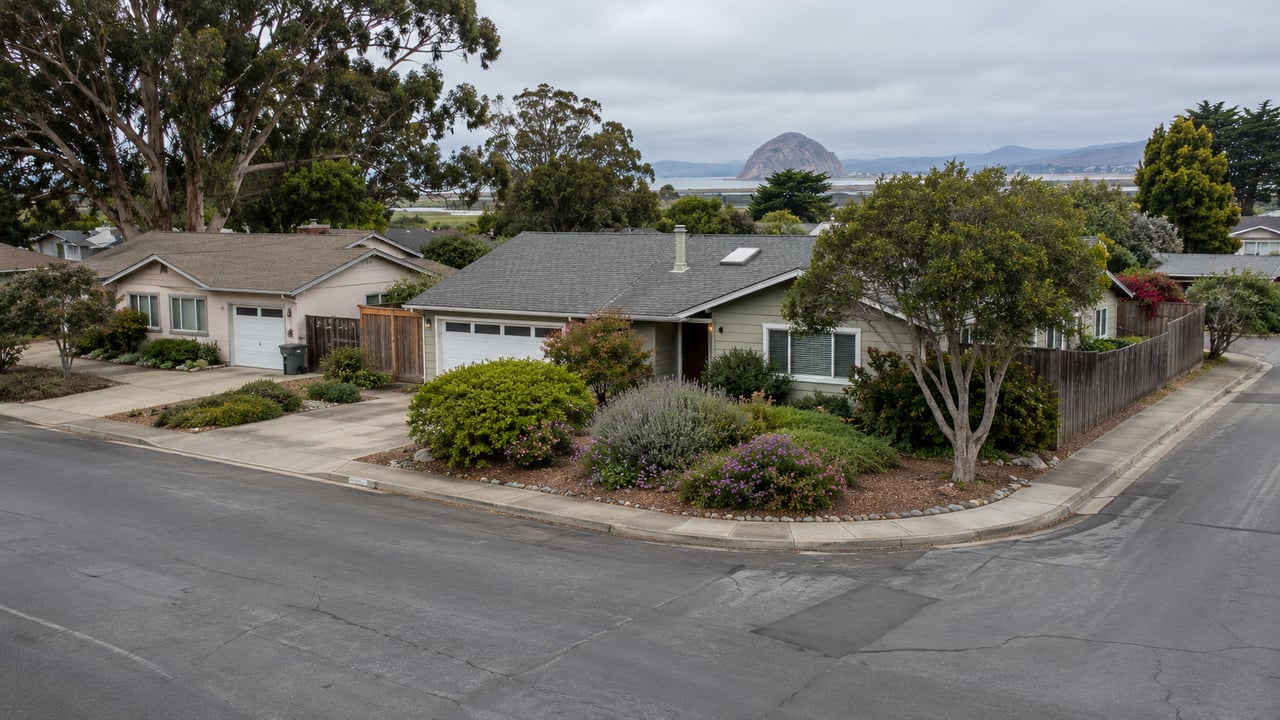
Compare privacy, yard shape, street exposure and day-to-day use before choosing.

Amber Johnson | November 26, 2026
Amber Johnson | November 26, 2026
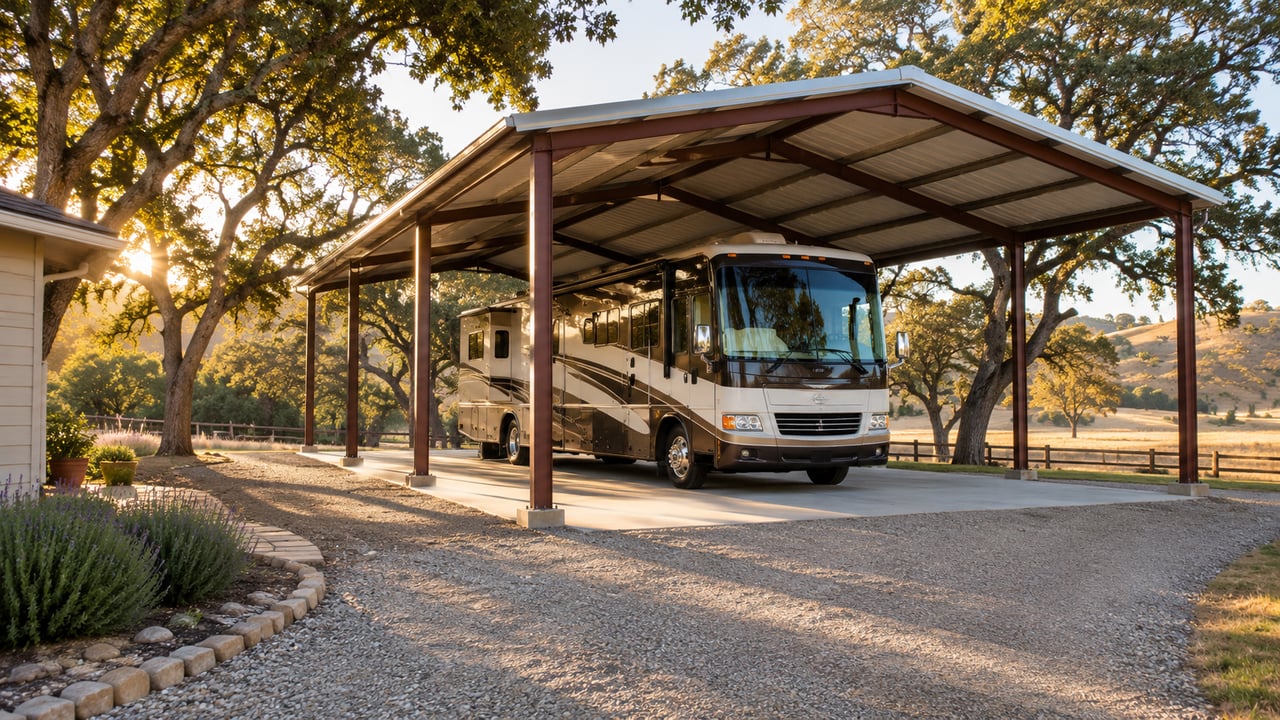
Show the parking area clearly while checking dimensions, access and how buyers may use it.
Amber Johnson | November 26, 2026
Read the two measures together without treating one month as a complete market verdict.
Amber Johnson | November 26, 2026
Confirm the garage's condition, access, utilities, and practical fit for your vehicles and storage.
You’ve got questions and we can’t wait to answer them.

Amber Johnson, Founder
Pillar Real Estate
805.835.3425
DRE# 01925434
1345 Park Street
Paso Robles, CA 93446