Would I Prefer a Corner Lot or an Interior Lot in Los Osos?
November 26, 2026
November 26, 2026
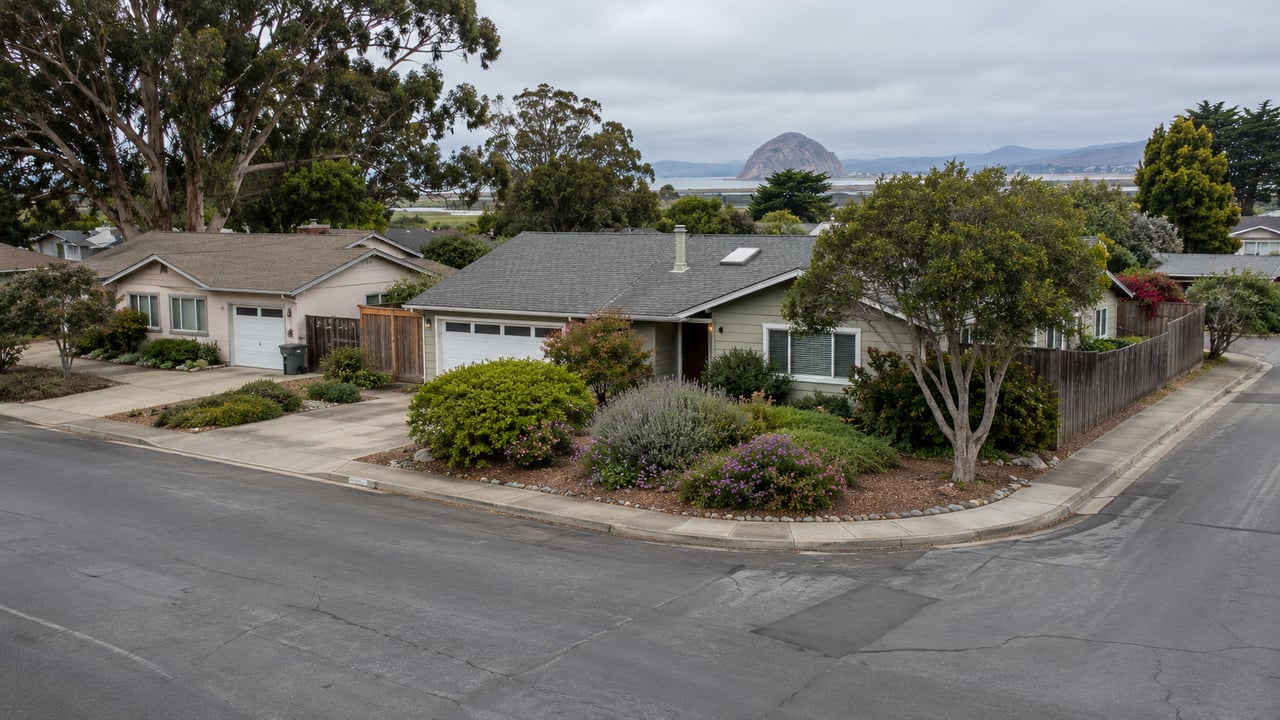
Compare privacy, yard shape, street exposure and day-to-day use before choosing.
If you are choosing between a corner lot and an interior lot in Los Osos, the better fit depends less on the label and more on how the specific property works. A corner lot can feel open, bright and easy to approach from two directions. An interior lot can feel more private, more contained and simpler to maintain. Neither option is automatically better.
The useful question is this: which lot gives you the outdoor space, parking, privacy and daily routine you want without adding trade-offs you will resent later?
In Los Osos, two homes on the same block can have very different lot shapes, setbacks, fencing, driveways and street relationships. Before you choose, look past the front elevation and walk the full property. Pay attention to where you would sit outside, where guests would park, how you would move trash bins, where afternoon activity gathers and how much of the yard is actually usable.
A corner lot has two sides facing public streets. That can create a broader view from the home and a stronger sense of separation from one neighbor. It may also give the house more visual presence from the street. Some buyers like being able to see around the block rather than looking directly at another side yard.
The second street frontage also means more exposure. Cars, pedestrians, bicycles, delivery drivers and neighborhood activity may pass along two sides of the property. The house may have more sidewalk or curb area to consider, and the side yard may feel visible unless fencing and planting provide a comfortable buffer.
The experience depends on the intersection. A quiet corner within a residential area can feel very different from a corner near a busier route, a stop sign or a common turn. Visit at more than one time of day. A calm midmorning visit will not tell you what the corner feels like during school drop-off, the evening commute or a busy weekend.
An interior lot sits between neighboring properties and typically has one street frontage. Many buyers prefer the more enclosed feeling. The backyard may be farther from passing traffic, and the front of the home may receive less attention from people approaching from multiple directions.
With only one street edge, the lot can also feel easier to define. Fencing, gates, side-yard access and planting may follow a more familiar pattern. If the lot is fairly rectangular, it may be easier to picture a patio, garden, play area or dog run without working around a second public-facing side.
The trade-off is that an interior lot usually has neighbors on both sides. Window placement and the height of neighboring homes can affect privacy and natural light. A narrow side yard may also make it harder to move large items into the backyard. Check the actual spacing rather than assuming the interior lot will always feel private.
A larger lot does not always provide more usable yard. A corner lot may devote more area to front and side setbacks, a curved property line, drainage features or a visible side yard. An interior lot may have less total area but a deeper, more practical backyard.
Stand in each outdoor area and picture how you would use it. If you want a dining table, measure where it would go. If you garden, note sun exposure and access to water. If you have a dog, check how the gates connect and whether the yard can be secured without blocking required access. If you need space for children to play, focus on the area that can actually be fenced and supervised from the house.
Do not rely on listing photos to answer this. Wide-angle images can make small or irregular spaces appear more flexible than they are. A simple tape measure, a copy of the parcel map and a slow walk around the property will tell you much more.
Privacy is not only a backyard issue. On a corner lot, side-facing windows may look toward a public street. That can bring in light, but it can also make rooms feel exposed if the home sits close to the sidewalk or curb. Notice whether you would keep blinds closed in the living room, bedrooms or home office.
On an interior lot, windows may face a neighboring house or fence. That can feel private at ground level but less private if a nearby second story overlooks the yard. Look through each major window and note what you actually see.
Existing fences and plants help, but they should not be your only test. Plants change, fences need repair and neighboring conditions can change. Decide whether the basic orientation of the home works for you even without perfect screening.
Street exposure can affect noise, headlights, parking and how comfortable you feel using the front or side yard. On a corner, turning vehicles may sweep headlights across part of the house after dark. A stop sign can create short bursts of braking and acceleration. A painted curb, driveway placement or intersection visibility area may reduce the curb space that looks available during a quick visit.
An interior lot may have fewer of those corner-specific concerns, but it can still sit on a busy block. Count actual vehicle movements. Listen with the windows open and closed. Check whether neighbors regularly park along the street and whether your own vehicles fit comfortably in the driveway and garage.
If a quieter street is high on your list, my guide to choosing between living near Los Osos Valley Road or on a quieter side street gives you another way to assess the block rather than judging the town as one uniform area.
A corner lot may offer flexible access, but do not assume a second street means you can add another driveway or gate. Existing curb cuts, sight-distance needs, utilities, drainage and planning rules can affect what is possible. An interior lot may have one clear driveway and predictable side access, which can be simpler for daily use.
Test the routine you expect. Open the garage. Back out. Walk from the most likely parking spot to the front door. Check whether a bicycle, stroller, trash bin or gardening cart can move from front to back without squeezing past equipment. If you own a larger vehicle, measure both the driveway and the garage opening.
If future changes matter, verify them before making your decision. San Luis Obispo County advises property owners and buyers to use parcel information and speak with Planning staff for accurate zoning and setback requirements. The County's Guide to Zoning and Property Information explains how to start, and its setbacks page points buyers to the applicable ordinances, planning standards and map conditions.
A corner lot can have more visible frontage to maintain. That may include additional fencing, planting, irrigation, leaves, sidewalk edges or curbside areas. Some owners enjoy the chance to create an attractive approach from two directions. Others would rather keep the exterior work focused on one front yard.
Look at what exists today and what it will require over time. Mature shrubs may provide useful privacy but need regular trimming. A long wood fence may need staining or replacement. Large street trees can be appealing, but you should learn who is responsible for care and what restrictions apply before planning work.
An interior lot is not automatically low maintenance. A deep backyard, narrow side passages or dense planting can take just as much attention. Compare the work you would actually own, not the simple lot category.
Corner lots sometimes receive more light because one side is open to the street rather than another house. That can be a benefit in living spaces or a garden. It can also leave a yard more exposed to wind. Interior lots may feel more sheltered, but neighboring homes and trees can cast shade.
Visit when the sun is in a different position if you can. Notice which rooms feel bright and where the yard stays damp or shaded. Look at the direction of outdoor seating and whether the space feels comfortable for the way you plan to use it.
These observations matter more than a broad statement that one lot type is brighter or more protected. The house orientation, neighboring structures, tree canopy and elevation will decide the real experience.
Before you treat a fence, hedge or driveway edge as the legal property line, review the available records. Parcel maps and preliminary title information can reveal boundaries and recorded easements that are not obvious during a showing. If a boundary is important to your plans, ask whether a survey is appropriate.
Also check permits for additions, garages, sheds and converted spaces. A corner-side condition can affect where an improvement was allowed, and a structure that looks useful should still be verified. The same applies to an interior lot with a narrow side setback or shared access concern.
This is one reason I encourage buyers to compare the specific property rather than using a shortcut. The label “corner lot” does not tell you whether the yard, access or future options work. The documents and measurements do.
Your preference may also change depending on the part of Los Osos you are considering. A corner near shops may support a different routine than an interior lot farther from daily destinations. A home closer to the bay may feel different from one nearer the foothills. The lot choice should support the larger location choice.
If you are still narrowing down the area, compare Baywood Park and central Los Osos. You can also review the differences between Cabrillo Estates and a neighborhood near Sweet Springs Nature Preserve. Those comparisons help you separate neighborhood fit from lot fit.
Walk both properties with the same checklist:
Then rank your priorities. If privacy, a contained backyard and simple upkeep matter most, an interior lot may be the better match. If light, openness, fewer immediate neighbors and a wider street presence matter more, a corner lot may appeal to you. The final answer should come from the actual lot, not a general rule.
I would choose the property that gives me the best usable outdoor space and the most comfortable daily routine. I would not pay more for a corner label unless the second frontage added something I truly valued. I also would not reject a corner automatically if thoughtful fencing, orientation and a quiet intersection made it feel private.
In Los Osos, take the time to compare the whole setting: the block, the house orientation, the public-facing edges, the yard and the parcel details. A five-minute exterior impression is not enough. When you slow down and test how each property functions, the better fit usually becomes much clearer.
If you’re thinking about selling a home in Paso Robles or elsewhere in San Luis Obispo County, I’d be happy to help you create a marketing plan based on your property, timing, and goals.
Amber
Pillar Real Estate | Amber Johnson, Founder
805.835.3425 | [email protected]
1345 Park St. Paso Robles, CA 93446 | DRE# 01925434
Amber Johnson | November 27, 2026
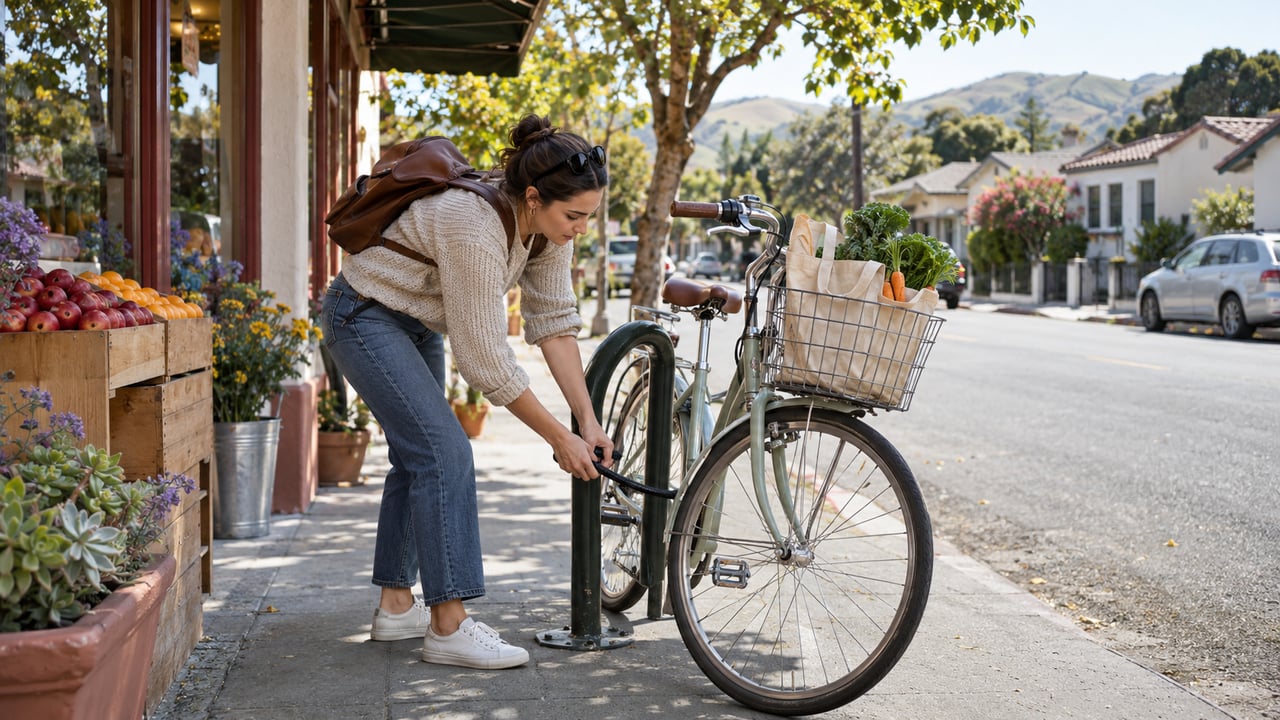
Test the actual routes between a home, shops and the places you visit most.
Amber Johnson | November 27, 2026
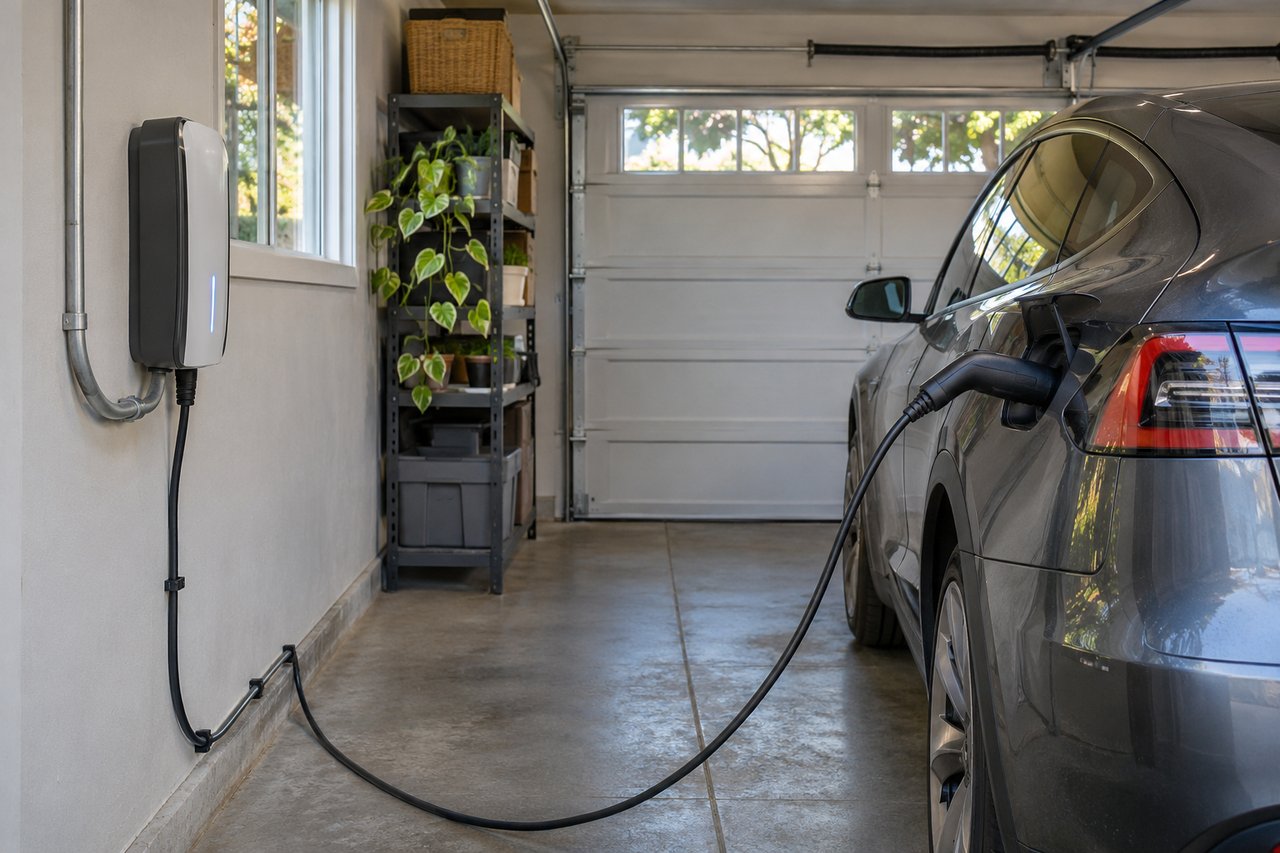
Document the charger accurately and show how the setup works for a buyer.
Amber Johnson | November 27, 2026
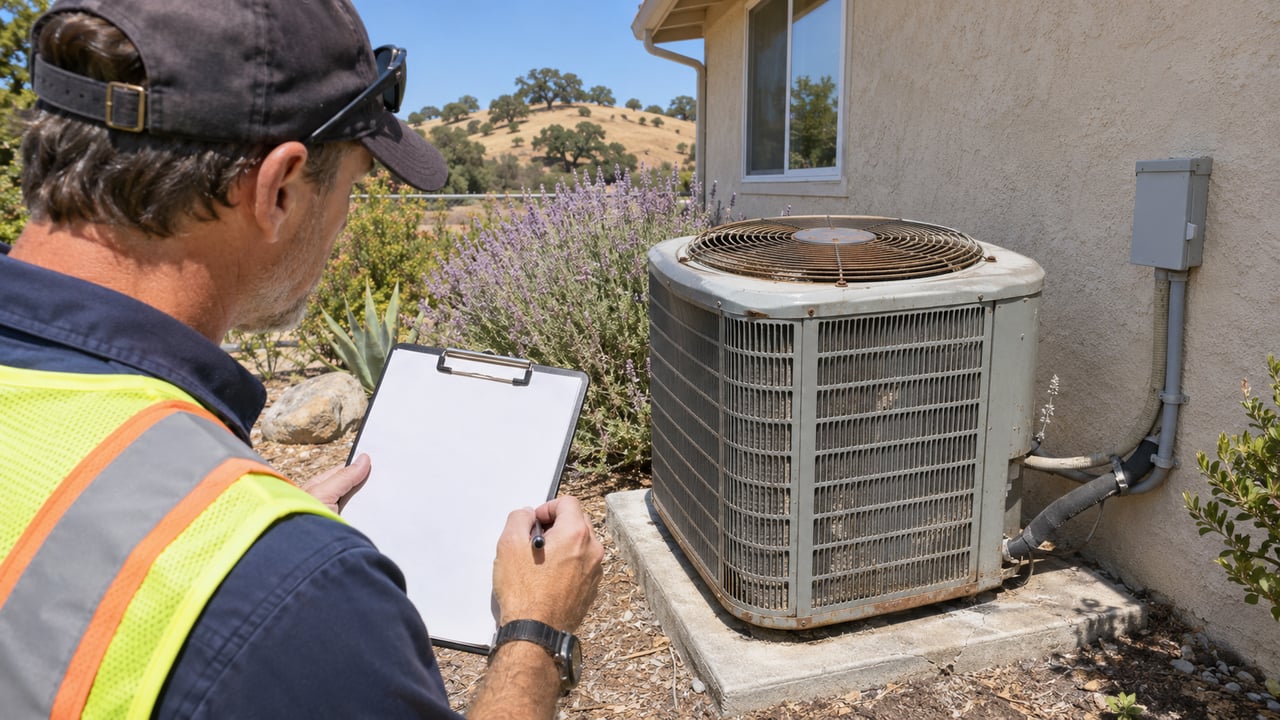
Review the unit, service history and inspection findings before planning for future costs.

Amber Johnson | November 26, 2026
Look at where you would live, when you would walk and what access feels realistic.
Amber Johnson | November 26, 2026
Compare privacy, yard shape, street exposure and day-to-day use before choosing.

Amber Johnson | November 26, 2026
Amber Johnson | November 26, 2026
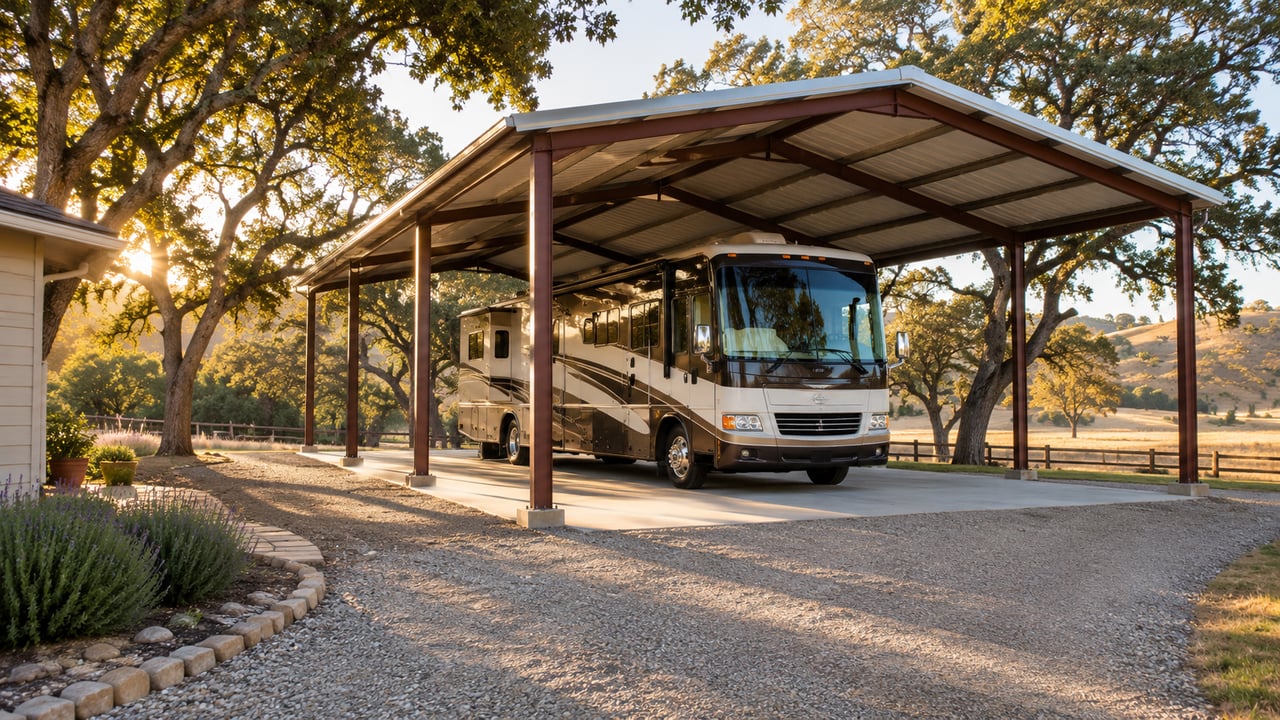
Show the parking area clearly while checking dimensions, access and how buyers may use it.
Amber Johnson | November 26, 2026
Read the two measures together without treating one month as a complete market verdict.
Amber Johnson | November 26, 2026
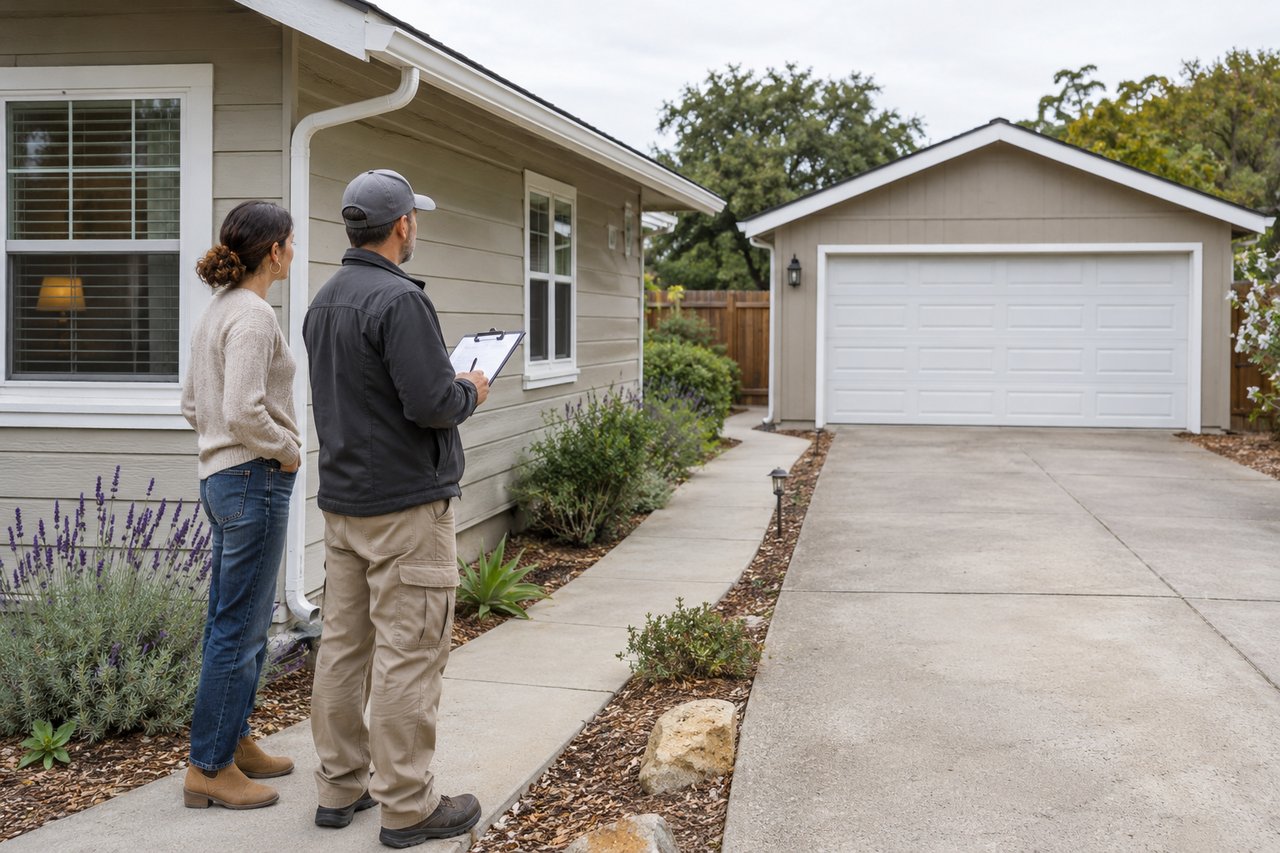
Confirm the garage's condition, access, utilities, and practical fit for your vehicles and storage.
You’ve got questions and we can’t wait to answer them.
Amber Johnson, Founder
Pillar Real Estate
805.835.3425
DRE# 01925434
1345 Park Street
Paso Robles, CA 93446