What Should Buyers Check Before Buying an Older Home in Cambria?
October 9, 2026
October 9, 2026
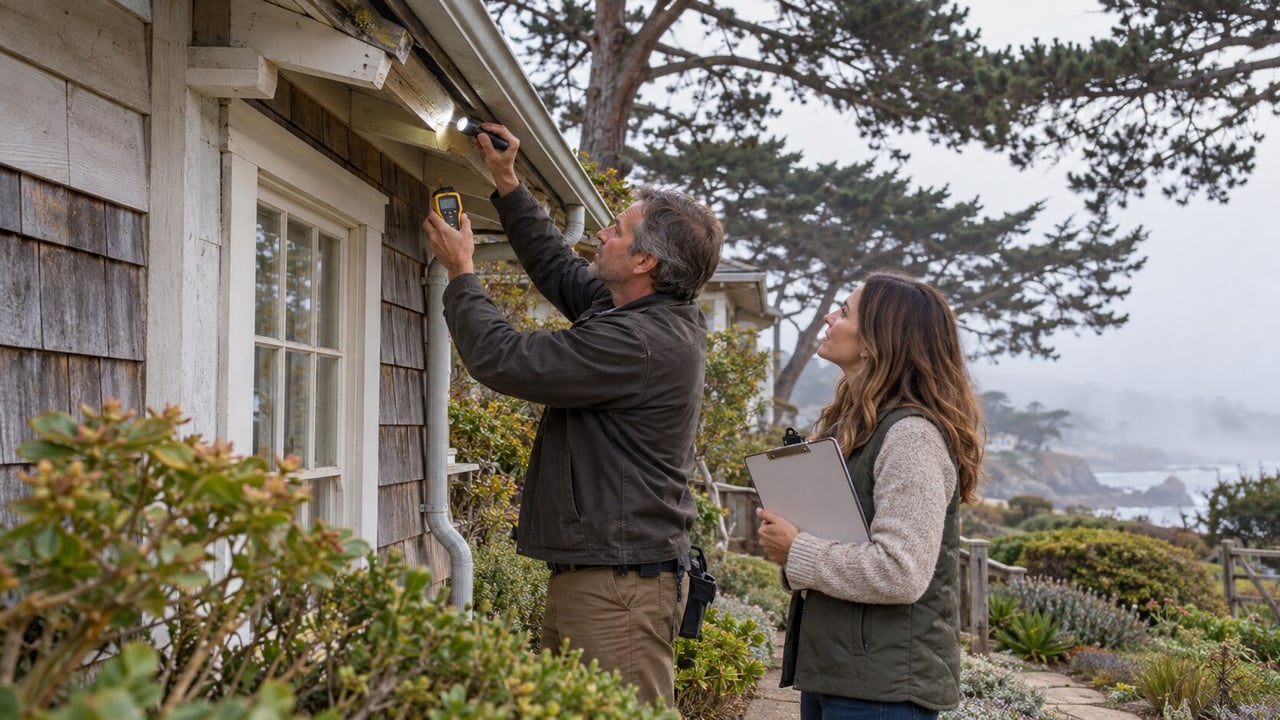
Before buying an older home in Cambria, check the property as a complete system. Look closely at drainage, roof and exterior condition, moisture, electrical and plumbing systems, permits, insurance options, and the inspections that fit the specific home. The goal is not to find a house with no age. It is to understand how the house has been maintained, what needs attention, and whether the likely costs make sense for your plans.
Older Cambria homes can have character that is hard to reproduce. Wood details, established gardens, unusual floor plans, and a setting among the pines can be a big part of the appeal. But charm should not replace due diligence. A cottage that feels comfortable during a showing may still have roof, drainage, ventilation, or systems questions that deserve a closer look.
I’m Amber Johnson, founder of Pillar Real Estate. I help Central Coast buyers slow the decision down enough to separate normal age from meaningful risk. Here’s the thing. An older home does not need to be perfect to be a good purchase. You just need a clear picture of what you are buying.
Two older homes built in the same decade can be in completely different condition. One may have a newer roof, updated electrical work, careful drainage improvements, and years of documented maintenance. Another may look freshly painted while older systems remain untouched.
Begin with the seller’s disclosures, inspection reports, repair invoices, permits, and any available records. Compare what the paperwork says with what you see at the property. If a room, deck, conversion, or addition looks newer than the rest of the house, ask when it was completed and whether permits are available.
San Luis Obispo County provides public access to many construction permit records issued after 1990 through PermitSLO. Older or missing records may require more research. A lack of an online record does not automatically prove work was unpermitted, but it is a reason to ask questions before making assumptions.
If you are still deciding whether the community fits, Cambria Unfurled: From Pine Hikes to Ocean Vibes gives you a broader picture of the setting and daily pace.
Drainage is one of the first things I want buyers to study. Water should move away from the foundation and the house. Walk the full exterior and notice the slope of the lot, downspout locations, low areas, retaining walls, surface drains, and where roof runoff appears to go.
Look for soil that stays damp, staining near the foundation, moss in concentrated areas, eroded paths, or standing water. Inside, check lower walls, closets, crawl spaces, window corners, and areas near exterior doors for stains, swelling, odors, or recent patching.
This is especially important when a property sits on a slope or below neighboring lots. San Luis Obispo County identifies Cambria as one of the communities where historic flooding may be relevant to drainage review for certain projects. That does not mean every Cambria home has a drainage problem. It means the exact lot, elevation, water path, and improvements matter.
Ask the inspector whether the visible drainage system appears complete and whether a drainage specialist should evaluate any concern. If the property has a crawl space, make sure it is accessible and included in the inspection whenever possible.
Coastal weather can be gentle on temperature and demanding on exterior materials. Fog, wind, shade, tree debris, and seasonal rain can affect how a house ages. Focus on the roof covering, flashing, gutters, downspouts, eaves, fascia, siding, trim, decks, and exposed wood.
Ask how old the roof is, what material it uses, whether there have been leaks, and whether repairs were completed by a licensed contractor. A roof that looks acceptable from the street may still have issues at valleys, penetrations, chimneys, skylights, or transitions between additions.
Look for peeling paint, soft wood, gaps, rusted fasteners, failed sealant, uneven deck boards, and areas where vegetation touches the structure. These conditions do not all mean major damage. They help your inspector decide where to look more closely.
If there are signs of wood-destroying organisms, ask whether a separate pest inspection makes sense. A general home inspection and a pest inspection answer different questions. One should not automatically replace the other.
Moisture problems are not always dramatic. Sometimes the first signs are a musty closet, condensation around a window, paint that will not stay smooth, or a bathroom fan that vents poorly.
Check bathrooms, kitchens, laundry areas, windows, skylights, attics, crawl spaces, and rooms against shaded exterior walls. Ask whether exhaust fans vent to the exterior. Notice whether stored items block vents or whether furniture hides staining at walls and floors.
A moisture meter can help an inspector investigate a concern, but it should be interpreted in context. The right next step may be a roofer, plumber, drainage contractor, pest inspector, or indoor environmental professional, depending on where the moisture appears to originate.
Do not assume that every dark spot is active damage. Do not assume fresh paint solves the question either. Ask what caused the condition, whether the source was repaired, and what documentation is available.
An older electrical system may have been updated in stages. Check the service panel, available capacity, visible wiring, grounding, outlets, GFCI protection, smoke and carbon monoxide alarms, and any signs of do-it-yourself work.
Think about how you plan to use the home. Will you need an electric vehicle charger, induction cooking, heat pumps, a workshop, or a home office with more equipment? A system that supports the current owner’s routine may not support yours without improvements.
Ask the home inspector to identify visible concerns and recommend an electrician when further evaluation is appropriate. If the panel has limited capacity or older components, get a realistic opinion about safety, insurability, upgrade scope, and timing before your contingency period ends.
Find out what supply and drain materials are visible, where the shutoff is located, how old the water heater is, and whether past leaks or repairs are disclosed. Test fixtures during the inspection and note pressure, drainage speed, corrosion, cabinet damage, and staining around toilets, tubs, and showers.
Older homes may contain a mix of original and updated plumbing. That is common. What matters is the condition, the quality of the work, and whether a specialist sees a near-term concern.
Ask whether a sewer lateral or drain-line inspection is appropriate for the property. Tree roots, age, access, and prior backups can affect that decision. A camera inspection can provide useful information when the line’s condition is otherwise unknown.
Do not stop at whether the heater turns on. Ask what areas it serves, how evenly the home heats, what fuel it uses, and how old the equipment appears to be. Look at fireplaces, chimneys, wall heaters, floor furnaces, heat pumps, and any supplemental systems that are part of the house.
Check windows and doors for operation, drafts, water staining, and signs of prior replacement. Older windows may be part of the home’s character, but they can affect comfort, noise, and maintenance.
If you expect to work remotely, verify more than the condition of the building. Test service options at the exact address, check cellular reception, and decide where equipment would go. Is Cambria Practical for Someone Who Works from Home? covers that lifestyle question in more detail.
A general home inspection is the starting point, not a promise that every component has been fully diagnosed. The inspector observes accessible systems and reports visible conditions. The findings may support additional review by a roofer, electrician, plumber, drainage professional, pest inspector, chimney specialist, structural engineer, or another qualified contractor.
Do not order every possible specialist automatically. Match the inspection plan to the property. A steep lot, older deck, unusual retaining wall, evidence of moisture, converted space, or aging roof may each justify a different next step.
Attend the inspection if you can. Ask the inspector to separate safety concerns, active defects, deferred maintenance, and normal aging. That distinction helps you make a better decision than a long list of observations with no context.
For a clear overview of the process, read What Should I Expect During a Home Inspection in SLO County?
Do not wait until the end of escrow to ask about homeowners insurance. Contact more than one licensed insurance professional early and provide accurate details about the address, roof, electrical system, heating, plumbing, square footage, claims information, and any updates.
Compare coverage, deductibles, exclusions, conditions, and the estimated premium. Price alone does not tell you whether a policy fits the home. The California Department of Insurance recommends shopping and comparing residential insurance products and treating the FAIR Plan as a last-resort option after a diligent search in the traditional market.
If an insurer asks for repairs, vegetation management, roof documentation, or updated systems, find out whether those conditions must be completed before binding coverage. Your lender may also have coverage requirements, so involve the lender and insurance professional while you still have time to evaluate the answer.
Navigating Homeowners Insurance in California explains the larger insurance conversation for buyers and sellers.
After inspections, organize the findings into four groups:
Then get estimates for the items that could materially change your decision. Do not use a generic online cost range when access, materials, coastal conditions, or the home’s design could affect the work.
Consider your cash after closing, your tolerance for projects, and how quickly the work needs to happen. A buyer who enjoys improving a home may view the list differently from someone who needs a low-maintenance property immediately.
The right question is not simply, “Is this house old?” Ask, “Do I understand its condition, and does the plan make sense for my goals?”
The house and the location should work together. Visit the property in different weather and at different times of day. Notice sun exposure, fog, wind, road access, parking, tree cover, and the distance to the places you will use most.
Maintenance is part of coastal living. Exterior finishes, decks, windows, landscaping, and drainage may need consistent attention. That does not make the lifestyle a poor choice. It means the setting should be valuable enough to you that the care feels worthwhile.
Is Living Near the Beach in San Luis Obispo County Worth It? can help you compare that tradeoff beyond the condition of one property.
What should buyers check before buying an older home in Cambria? Start with water, structure, exterior condition, major systems, records, insurance, and the inspections the property actually calls for. Then put the findings into a realistic repair and maintenance plan.
Age by itself is not the problem. Unanswered questions are. A well-maintained older home with clear records and a manageable list may be a better fit than a newer home that has been poorly cared for.
Thinking about buying an older home in Cambria? I’ll help you compare properties, organize your due diligence, and connect the condition of the home to what makes sense for your goals.
Amber
Pillar Real Estate | Amber Johnson, Founder
805.835.3425 | [email protected]
1345 Park St. Paso Robles, CA 93446 | DRE# 01925434

Amber Johnson | November 11, 2026

Amber Johnson | November 11, 2026

Amber Johnson | November 11, 2026
Compare appearance, operation, window condition and buyer expectations before deciding whether the units should stay.
Amber Johnson | November 10, 2026
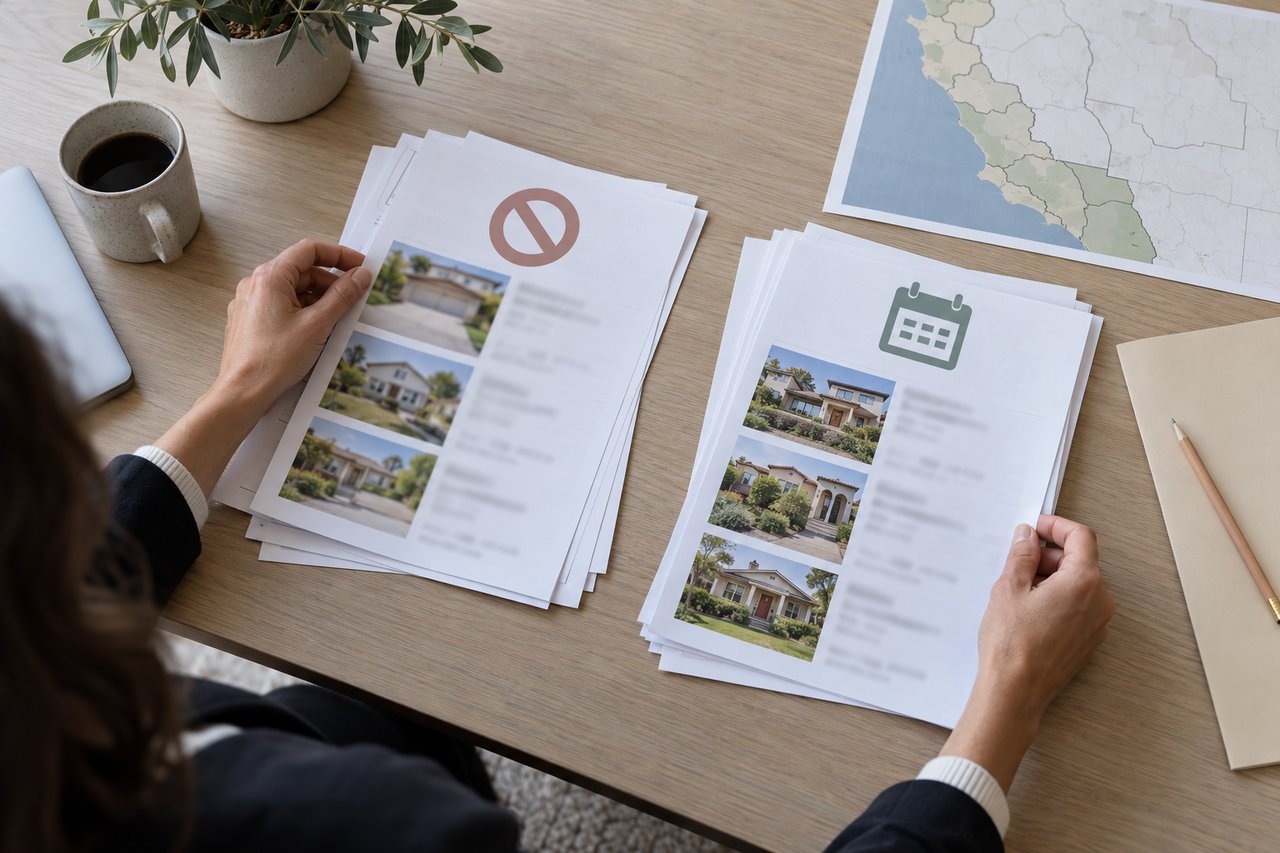
Learn what each listing outcome may mean, what it leaves unanswered and how price range, location and timing affect the comparison.

Amber Johnson | November 9, 2026
Amber Johnson | November 9, 2026
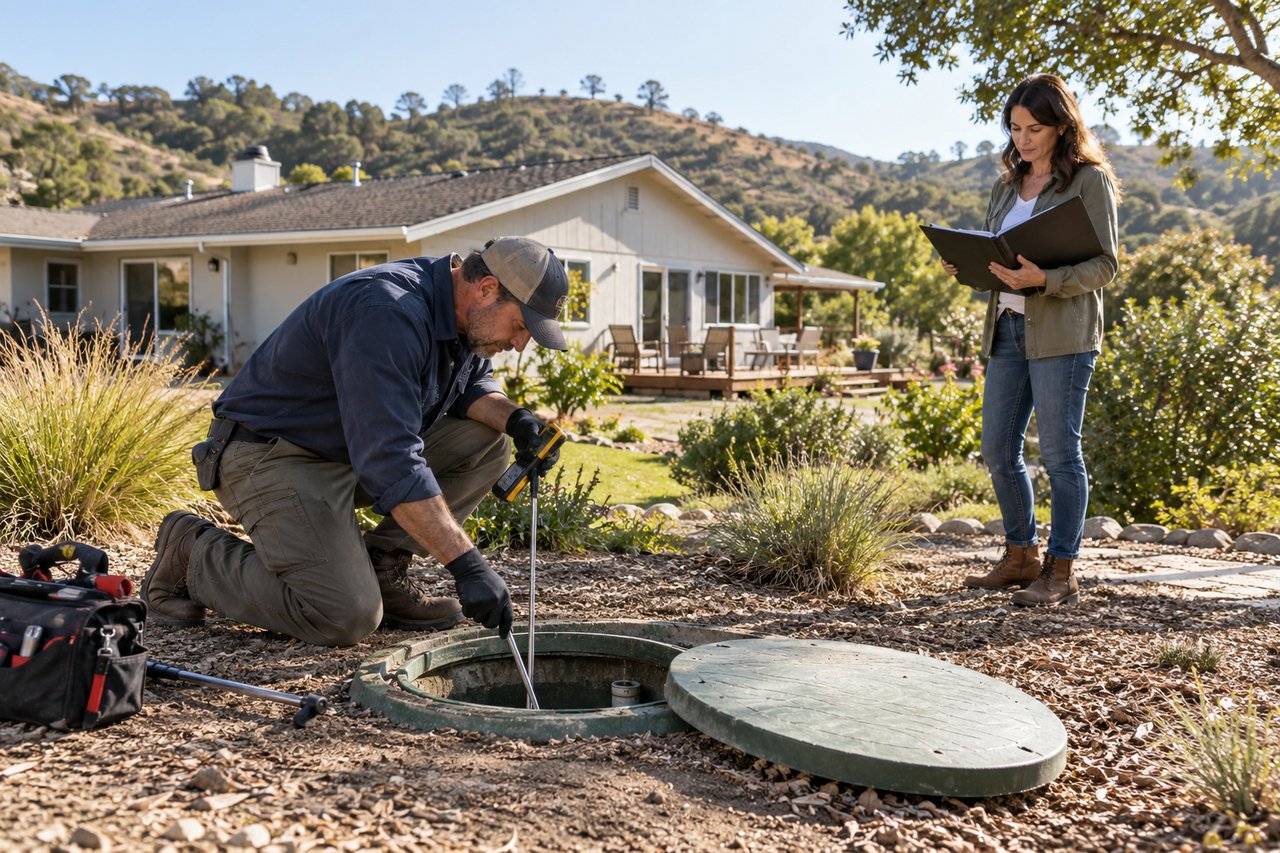
Review inspection findings, service records, capacity, access and local requirements before relying on the system.

Amber Johnson | November 8, 2026
Compare access, timing, seasonal conditions and home-to-trail logistics before building regular birdwatching into life in Los Osos.
Amber Johnson | November 8, 2026
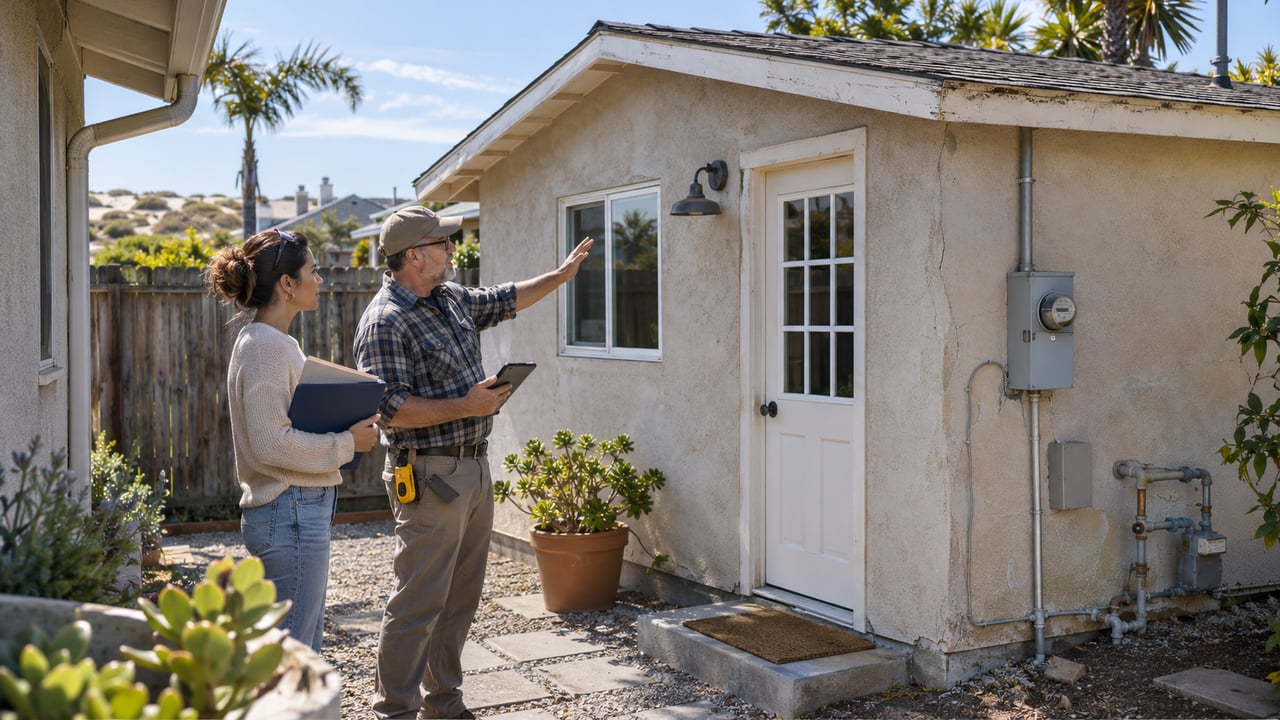
Verify the separate structure's records, condition and permitted use before counting on it.

Amber Johnson | November 7, 2026
Compare specific homes by their street setting, daily routes and access to the places you use.
You’ve got questions and we can’t wait to answer them.
Amber Johnson, Founder
Pillar Real Estate
805.835.3425
DRE# 01925434
1345 Park Street
Paso Robles, CA 93446