What Should Buyers Check Before Buying a Templeton Home with a Wood-Burning Stove?
October 20, 2026
October 20, 2026
Before buying a Templeton home with a wood-burning stove, check the appliance's identity, installation records, full venting system, current condition and insurance acceptability. Then confirm which local requirements apply to that particular stove and transaction. A fire that looks inviting during a showing doesn't answer those questions.
A stove can be a feature you genuinely want. It can also come with repair work, missing records or responsibilities you weren't planning to take on. The goal isn't to reject a home because it has wood heat. It's to understand what you're buying before making decisions you can't easily undo.
I'm Amber Johnson, founder of Pillar Real Estate in Paso Robles. I help buyers, sellers and relocating households make property-specific decisions throughout SLO County. For a Templeton purchase, I'd put the stove on the due-diligence list early, not leave it for the final walkthrough.
Start with the make, model and any available serial number. Ask the seller for the owner's manual, purchase paperwork and installation information. If a label isn't readily accessible, have an appropriate professional locate it rather than moving or dismantling the stove yourself.
Don't rely on a brand name alone. Different models can have different installation instructions and equipment requirements. You want information that matches the unit in the home, not a manual for something that looks similar.
The EPA's wood-burning appliance guidance explains that EPA-certified wood stoves carry a certification label. Ask a qualified professional to help identify and verify the appliance if its status is unclear. A label is useful information, but it doesn't tell you whether this particular installation is sound, maintained or accepted by your insurer.
Also confirm what the appliance actually burns. A wood stove, pellet appliance and gas unit are not interchangeable descriptions. The listing language should not replace identification of the equipment itself.
Request the records before the investigation period becomes rushed. Useful documents include installation invoices, permit information, final inspection records, service reports and chimney-cleaning receipts.
Look for consistency. Do the documents describe the same stove and address? Has the appliance been replaced since the original work? Were the connector, chimney or surrounding finishes changed later?
A receipt saying the chimney was cleaned is not a complete answer about installation or present condition. Likewise, an old approval doesn't establish that nothing has changed since then. Each record answers a different question.
If paperwork is missing, treat that as an open question rather than immediate proof of a defect or automatic approval. Ask the seller what they know, then investigate with the appropriate authority and specialists. Missing records can affect the scope, cost and timing of the work needed to reach a confident decision.
For a property in the County's jurisdiction, use San Luis Obispo County Planning & Building to confirm the relevant permit history and requirements. Verify the parcel's jurisdiction instead of relying only on its Templeton mailing address.
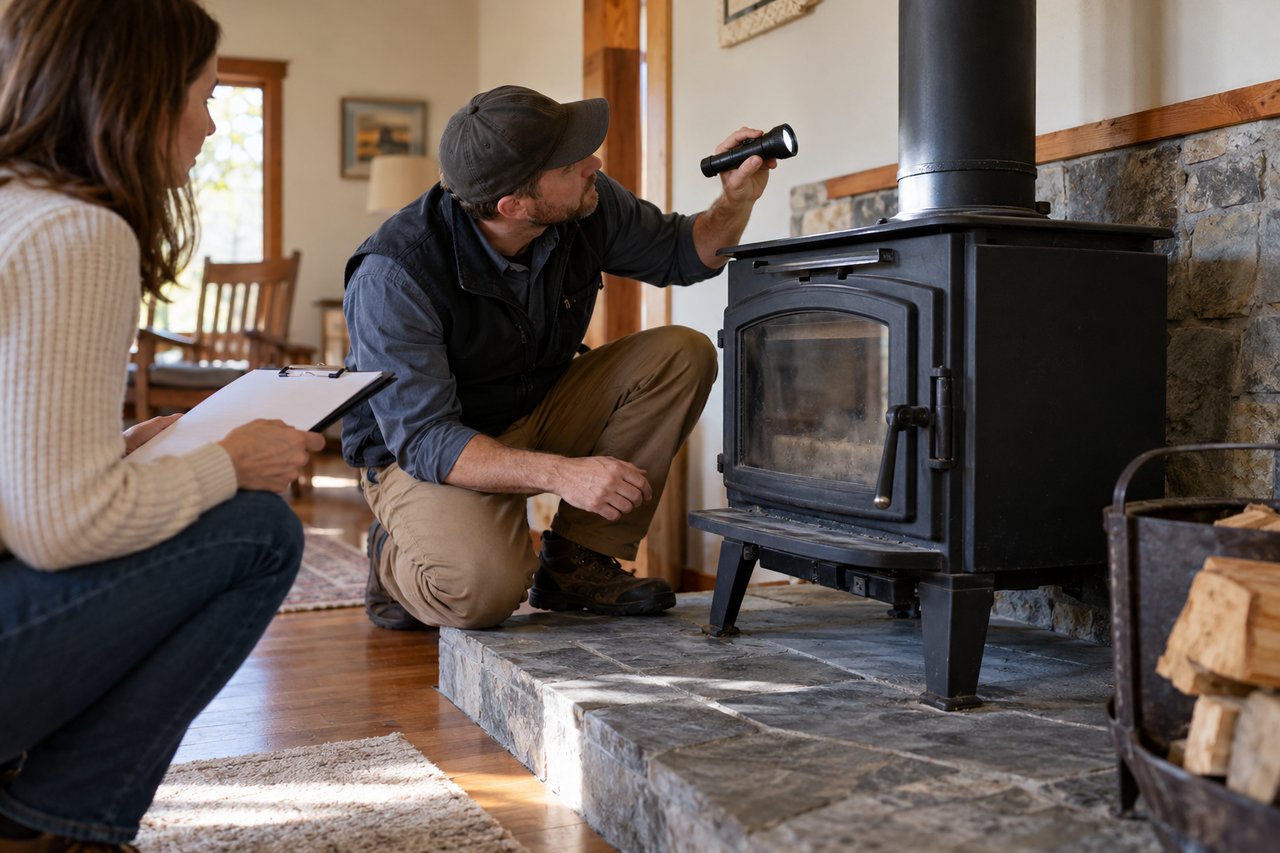
The stove is only part of the picture. The connector and chimney also need attention. Ask a qualified chimney or hearth professional to evaluate the system and explain the inspection scope appropriate to a home purchase.
EPA's installation and maintenance guidance recommends annual professional inspection of the appliance, chimney and vent. It also identifies clearances, floor protection and proper component assembly as important installation considerations.
For your purchase, ask the specialist to document the system's condition, any limitations in what could be inspected and any recommended follow-up. Ask which observations require repair before use, which need further investigation and which are maintenance items.
You don't need to diagnose a dark mark, a pipe joint or a hearth detail during the showing. Photograph questions where permitted and give them to the specialist. An attractive stone surround doesn't establish that the materials or dimensions behind it meet the appliance's requirements.
Don't ask the seller to light an unfamiliar stove as a substitute for inspection. If condition or installation is uncertain, get professional guidance before any demonstration or use.
Schedule the general home inspection, but ask about its scope. Don't assume it includes a detailed evaluation of the entire chimney or every concealed component associated with the stove.
Our guide to what to expect during a home inspection in SLO County explains the broader process. For this purchase, the practical question is what additional stove or chimney expertise you need beyond that report.
If the general inspector recommends further evaluation, arrange it while you still have time to understand the result. A short note recommending a specialist is not the same as the specialist's completed assessment.
Ask for a written report you can use. A verbal assurance that something is probably fine won't help much if the insurer, lender or a contractor later asks for specific documentation.
Be equally clear about access limitations. If part of the system couldn't be examined, identify what remains unknown. Decide whether further access or another inspection is needed before treating the issue as resolved.
San Luis Obispo County Air Pollution Control District Rule 504 addresses residential wood-burning devices. The posted rule distinguishes installation requirements from the sale or transfer of used devices. It also contains an exemption from subsection D.3.a for devices sold with real property through escrow.
That distinction matters. It would be inaccurate to tell every Templeton buyer that an older stove automatically must be removed solely because the home is selling. It would also be a mistake to treat that specific exemption as proof of lawful installation, safe condition or permission for future replacement work.
Give the District the appliance details and ask how its current requirements apply. Separately confirm building requirements with the authority having jurisdiction. If you plan to replace, move or materially alter the stove, ask about that proposed work rather than assuming the existing installation's circumstances carry over.
These are different approvals. Keep the answers and supporting records together so the transaction isn't based on a broad interpretation of one sentence.
Tell your insurance professional that the property has a wood-burning stove. Provide the facts you have and ask what additional information is needed for the policy you're considering.
Questions worth asking include:
Don't assume the seller's existing policy answers your questions. You need an insurance decision for your purchase, based on your application and the actual property information.
Get clear about any conditions rather than treating an initial conversation as final coverage confirmation. If work is required, find out what documentation the insurance professional will need afterward.
Our overview of homeowners insurance in California for buyers and sellers provides broader context. For this decision, keep the discussion specific to the stove, the home and your proposed coverage.
Ask how the stove fits into the home's heating setup. Is it intended as an occasional feature, supplemental heat or something the seller has relied on regularly? Then verify the condition of the other heating equipment as part of your inspections.
What worked for the seller may not match your routine. Consider whether you want the storage, handling and maintenance responsibilities that come with using wood heat. If you don't intend to use it, ask what leaving it unused or removing it would involve rather than assuming either option is effortless.
If you're financing the purchase, tell your lender about the heating arrangement and any unresolved inspection findings. Ask whether the property must satisfy additional conditions for your particular loan. Don't rely on a general statement that every lender treats a wood stove the same way.
This is especially useful when you're comparing different kinds of Templeton properties. Our article on downtown Templeton versus a rural property outside town can help frame the broader choice, but the heating decision still belongs to the individual home.
If a report identifies a problem, get a written scope and estimate from an appropriately qualified professional. Find out whether the issue involves the appliance, venting, surrounding construction, documentation or a combination.
Don't attach a generic replacement price to an unknown installation. A new stove may not be the entire project. Ask what the quote includes, what remains uncertain and whether permits, inspections or finish repairs are part of the proposed work.
Also ask about timing. Can the work be completed before closing if that becomes part of the agreement? If not, what would remain for you afterward, and how would that affect insurance or financing?
I want buyers to know both the likely expense and the unresolved questions. An estimate that excludes a major unknown isn't the same thing as a complete budget.
Keep the decision tied to your priorities. You may prefer a home without wood heat, or you may value the feature enough to address documented work. Neither answer should depend on wishful thinking about the cost.
Once you have the reports, we can discuss a request that reflects what they actually say. That might involve professional repairs, additional documentation, a negotiated credit or a decision not to proceed, depending on your contract and circumstances.
A repair request should identify the work and the documentation expected afterward. If there are several separate issues, avoid collapsing them into a vague request to fix the stove.
A credit does not itself correct a condition or establish that your insurer or lender will accept the property. Confirm those requirements independently before choosing how to handle an issue.
After agreed work is completed, review the invoices, approvals and any required follow-up inspection. The final walkthrough is a chance to check agreed items, not a replacement for the specialist's evaluation.
A Templeton home with a wood-burning stove may fit your goals very well. The right question is whether you understand the specific appliance, installation, condition, local requirements and ongoing responsibilities before committing.
My recommendation is to build the investigation around the actual property. Gather the records, bring in the right specialists, confirm insurance and financing questions, and price any work before deciding how much value the feature adds for you.
That property-specific approach is central to how I work at Pillar Real Estate. Buyers need a clear plan. Sellers benefit from understanding these questions before listing, too. Good preparation replaces uncertainty with information people can evaluate.
If you're considering a Templeton purchase or planning a sale, I can help organize the real estate steps and the questions to take to the appropriate professionals.
Schedule a Strategy Consultation through Sell With Amber.
Amber
Amber Johnson, Founder
Pillar Real Estate
805.835.3425
[email protected]
1345 Park St. Paso Robles, CA 93446
DRE# 01925434

Amber Johnson | November 27, 2026
Test the actual routes between a home, shops and the places you visit most.
Amber Johnson | November 27, 2026
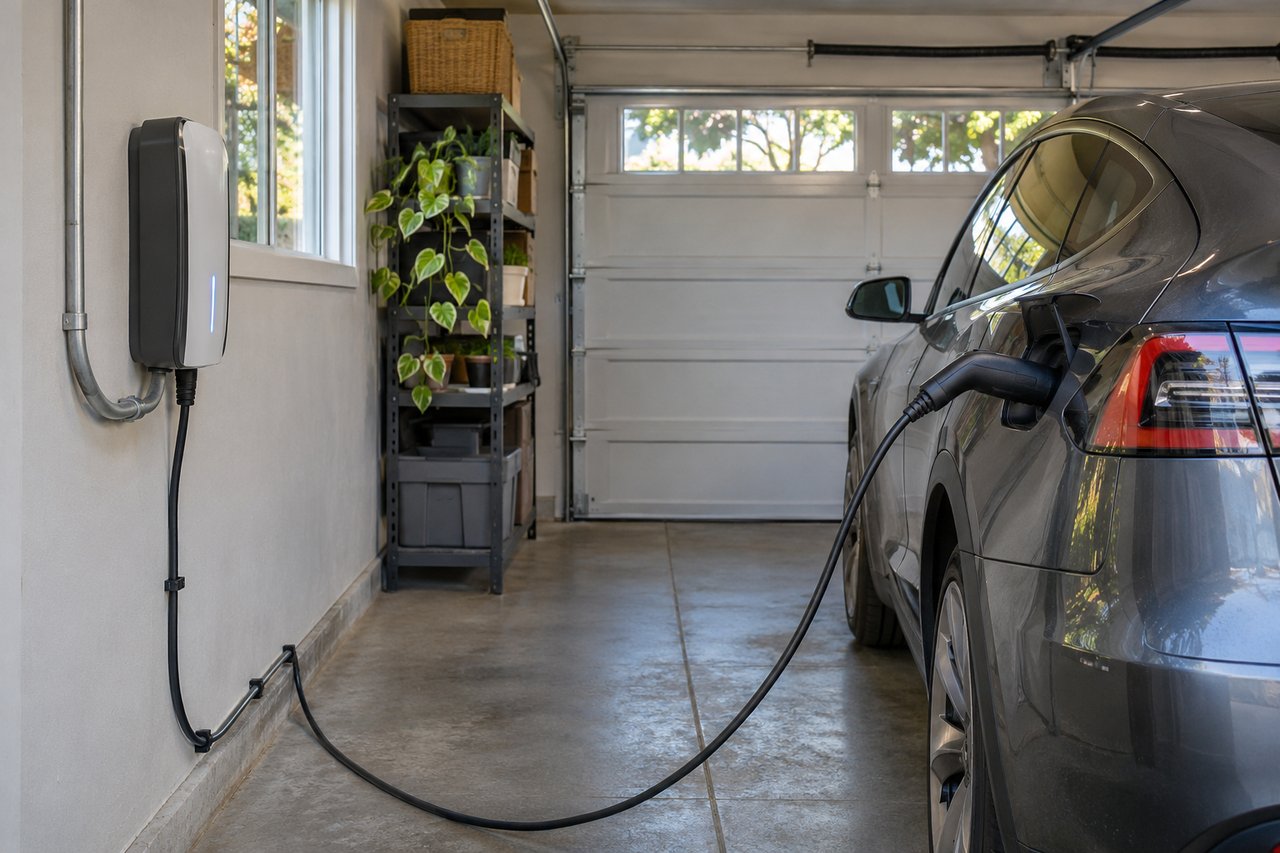
Document the charger accurately and show how the setup works for a buyer.
Amber Johnson | November 27, 2026
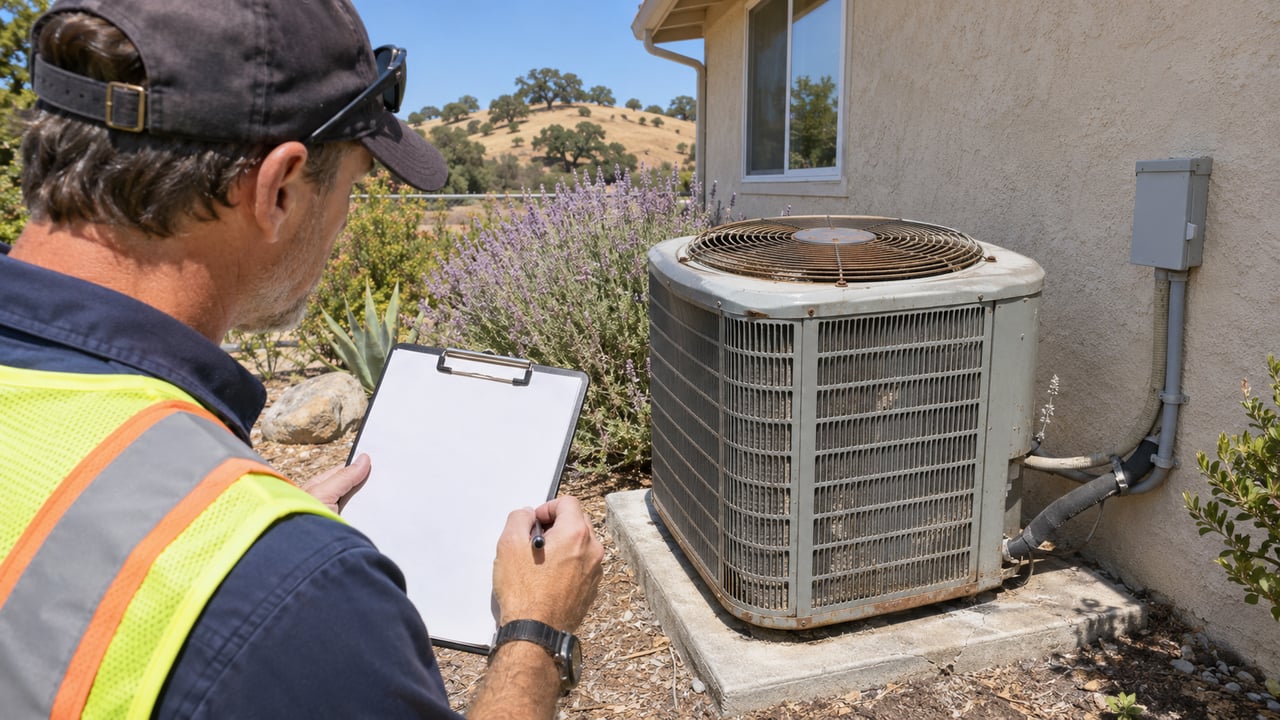
Review the unit, service history and inspection findings before planning for future costs.

Amber Johnson | November 26, 2026
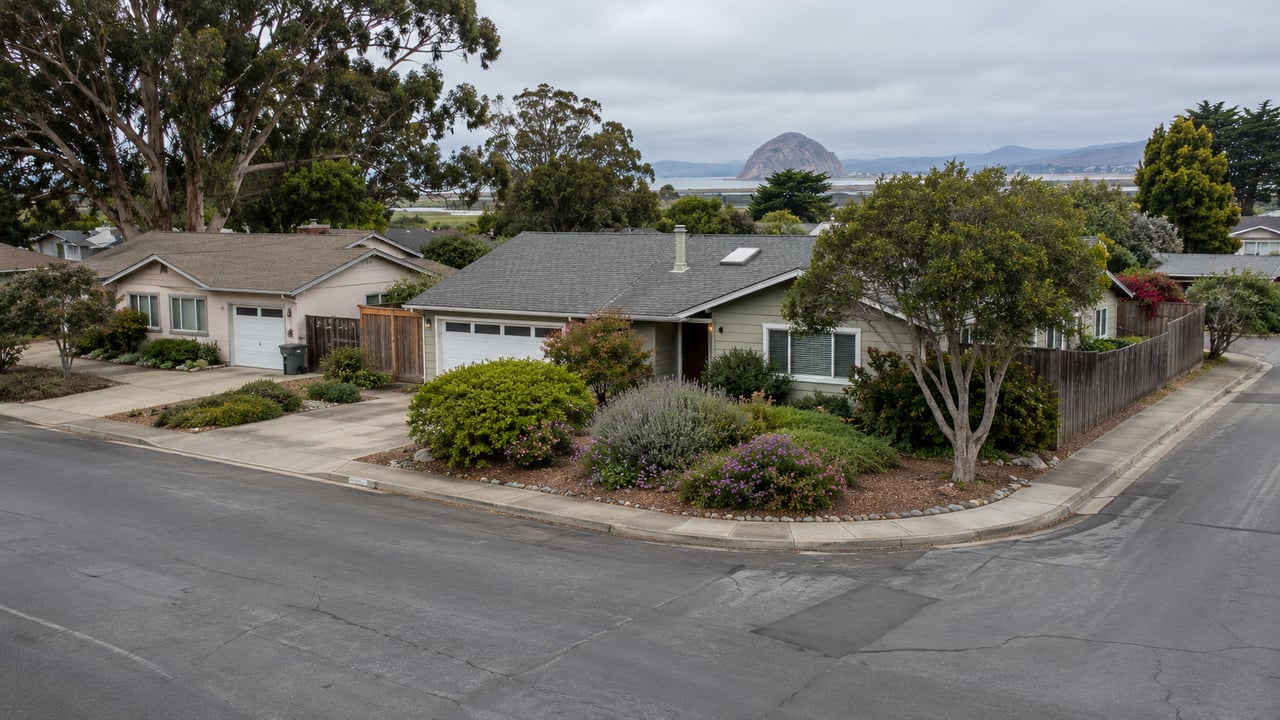
Look at where you would live, when you would walk and what access feels realistic.
Amber Johnson | November 26, 2026
Compare privacy, yard shape, street exposure and day-to-day use before choosing.

Amber Johnson | November 26, 2026
Amber Johnson | November 26, 2026
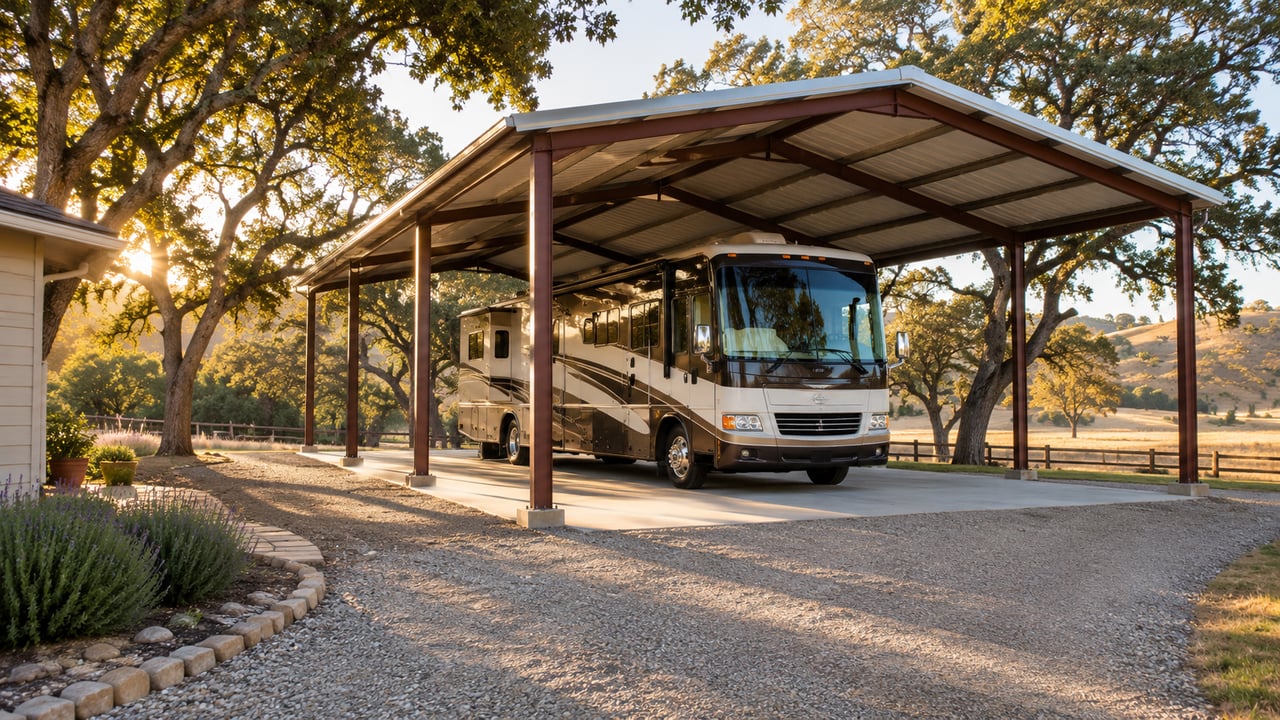
Show the parking area clearly while checking dimensions, access and how buyers may use it.
Amber Johnson | November 26, 2026
Read the two measures together without treating one month as a complete market verdict.
Amber Johnson | November 26, 2026
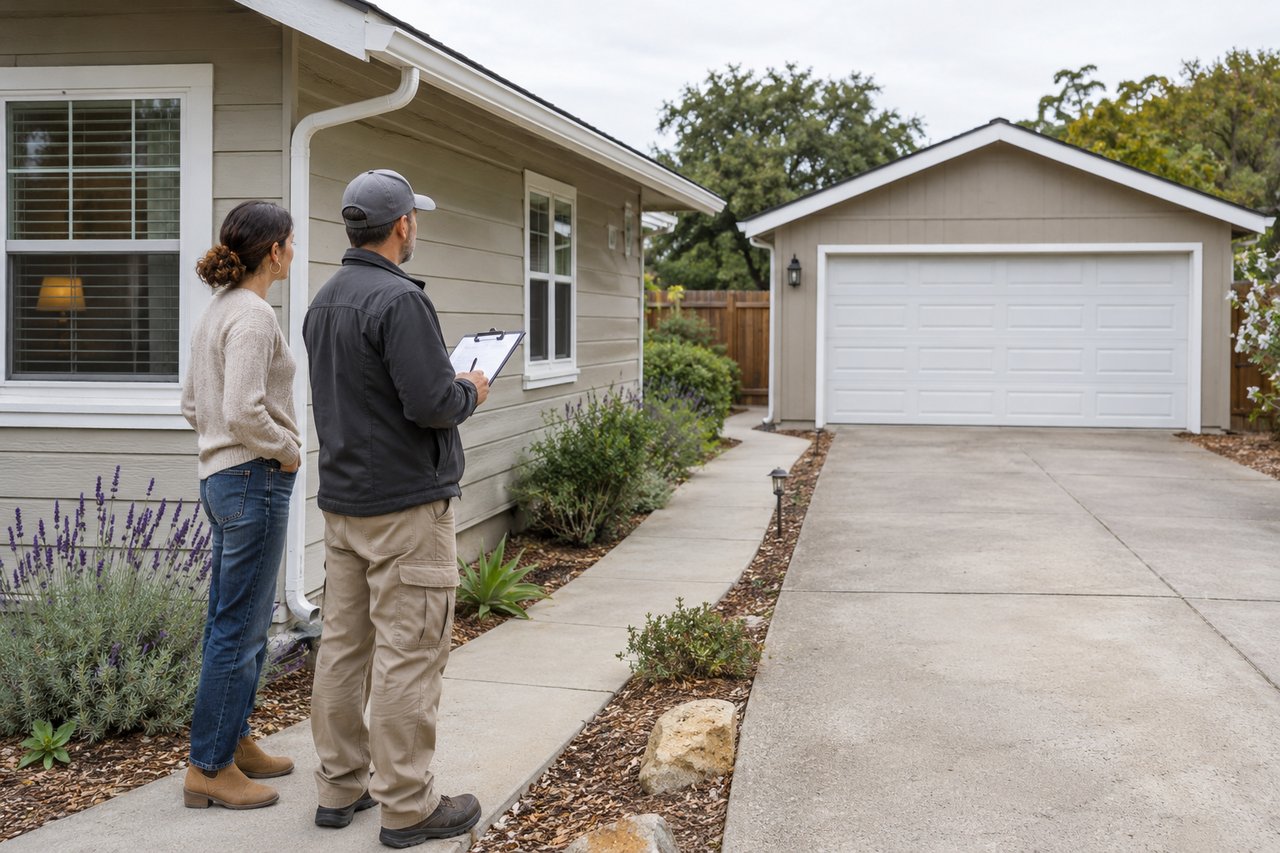
Confirm the garage's condition, access, utilities, and practical fit for your vehicles and storage.
You’ve got questions and we can’t wait to answer them.

Amber Johnson, Founder
Pillar Real Estate
805.835.3425
DRE# 01925434
1345 Park Street
Paso Robles, CA 93446