What Should Buyers Check Before Buying an Arroyo Grande Home with a Detached Garage?
November 26, 2026
November 26, 2026
Confirm the garage's condition, access, utilities, and practical fit for your vehicles and storage.
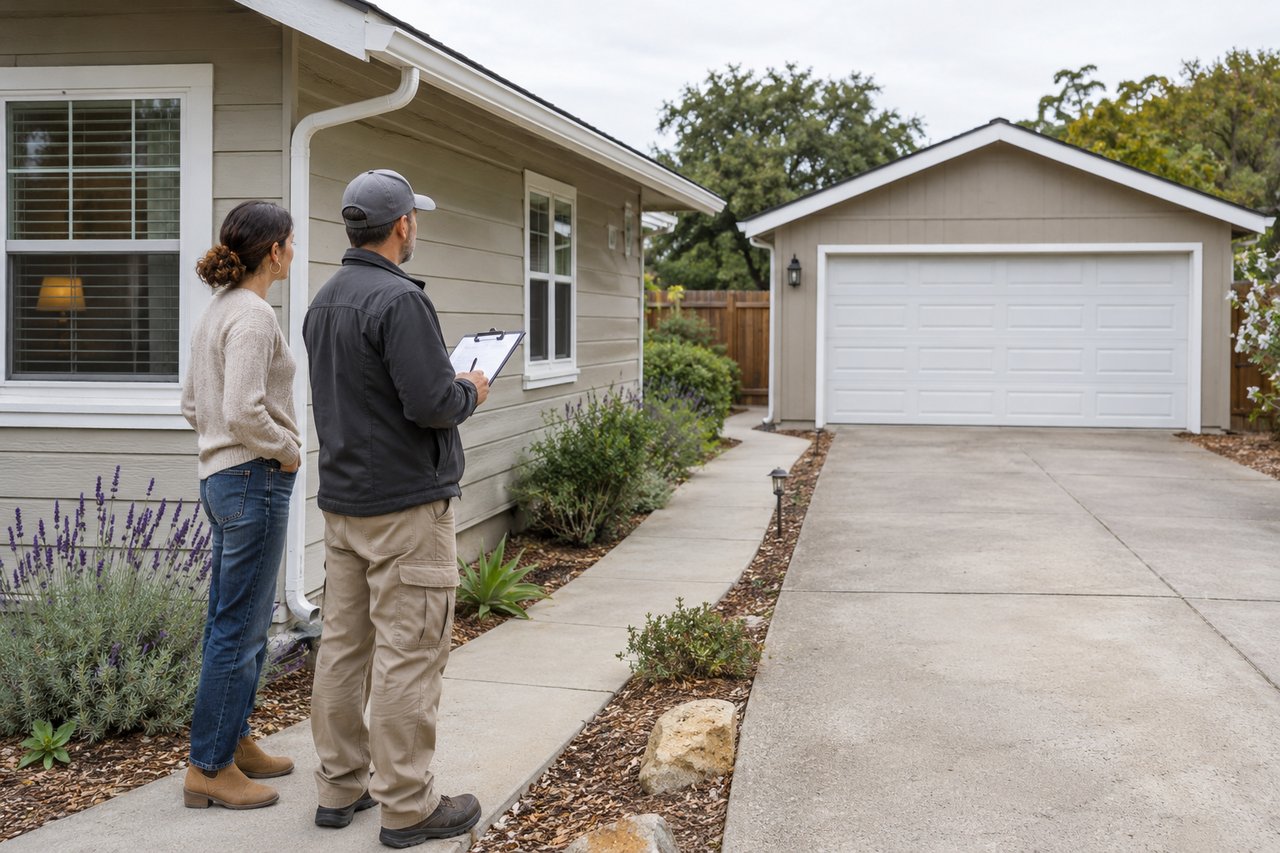
A detached garage can be a useful feature, but it deserves its own careful review during a home purchase. Because the garage stands apart from the house, it may have a different age, construction history, electrical setup, roof condition, drainage pattern, and level of maintenance. The right question is not simply whether the property has a garage. The better question is whether that particular garage works safely and practically for the way you plan to use the property.
For an Arroyo Grande buyer, I recommend looking at the detached garage as a separate structure within the larger purchase. Check its physical condition, confirm how vehicles and people reach it, review any available permit history, and think honestly about whether its size and layout fit your daily routine. A qualified home inspector and, when needed, licensed specialists can help you understand what you are buying before your inspection period ends.
Walk around the entire garage, not just the front. Look at the roof surface, roof edges, gutters if present, exterior walls, trim, doors, windows, and the points where the building meets the ground. Inside, look at the ceiling, framing that is visible, walls, and floor. You are not trying to diagnose a structural problem yourself. You are looking for conditions that deserve a closer professional review.
Water staining, soft or damaged wood, cracks, uneven floors, gaps around doors, and signs of past repairs are all reasons to ask questions. A crack does not automatically mean there is a serious defect, and a fresh coat of paint does not prove the building is sound. The goal is to understand the condition, the likely maintenance needs, and whether a specialist should inspect any particular area.
Ask whether the garage was built at the same time as the house or added later. If the seller has plans, permits, invoices, warranties, or repair records, review them with your agent and inspector. Those documents can provide helpful context, but they do not replace a current inspection.
A detached garage has its own roof and its own exposure to rain, sun, wind, and nearby trees. Even when the main house roof appears to be in good condition, the garage roof may be a different material or age. Ask the inspector to evaluate the garage roof, visible flashing, penetrations, gutters, downspouts, and any evidence of active or past moisture intrusion.
Also watch where water goes after it leaves the roof. Does it drain away from the garage, or does it collect near the walls and slab? Does the driveway direct runoff toward the garage door? Are there low areas between the house and garage? Drainage conditions can affect access, stored belongings, and long-term maintenance. If the property has a complicated slope or persistent moisture signs, a drainage or foundation specialist may be appropriate.
Open and close every vehicle and pedestrian door if the inspection allows it. Look at the condition of the panels, tracks, rollers, springs, hinges, weather seals, locks, and automatic opener. Confirm that the opener responds to its controls and that the safety features are tested by an appropriate professional.
Measure the opening rather than assuming your vehicle will fit. A garage can look spacious in listing photos but have a narrow door, limited interior width, a low opening, or storage that reduces usable space. If you drive a larger vehicle, bring its measurements to the showing or inspection. Check whether you can open the vehicle doors comfortably once parked and whether there is enough room to walk around the car.
If you want space for bicycles, tools, sports equipment, or seasonal storage, map out where those items would go. A two-car label does not guarantee that two current vehicles plus storage will fit the way you expect.
Detached garages can sit beside the house, behind it, or at the end of a long driveway. Each layout affects daily use. Drive or walk the route from the street to the garage. Consider the width, turning radius, grade, surface condition, gates, landscaping, and clearance from the house or fences.
Think about what happens when more than one car is parked on the property. Will one car block another? Is there room to turn around, or will you need to back toward the street? Can visitors park without preventing garage access? If the garage is behind a gate, confirm that the opening is wide enough for your vehicle and that the gate is practical to use regularly.
Then walk from the garage to the house. Is the route paved, level, and reasonably lit? Would you be comfortable carrying groceries in rain or after dark? Is there a covered path, or will you cross an exposed yard? These details may seem small during a sunny showing, but they affect how the property feels every day.
Ask the home inspector to review the visible electrical components serving the garage. Note the number and location of outlets, lighting, switches, panels or subpanels, and any extension cords or improvised wiring. If you plan to use power tools, refrigeration, laundry equipment, an electric vehicle charger, or other higher-demand equipment, a licensed electrician should determine whether the existing service can support it.
Do not assume that an outlet means the circuit has the capacity you need. Also confirm whether power to the detached garage is separately metered, supplied from the house, or configured another way. If the garage has plumbing, a sink, a water heater, gas service, or heating equipment, have the relevant systems inspected and ask about permits for added work.
Internet and cellular reception can matter if you hope to use part of the garage for hobbies, exercise, or occasional desk work. Test reception during your visit and ask what would be required to extend a reliable connection.
The City of Arroyo Grande Building Division reviews plans, issues permits, and performs inspections for work covered by building, electrical, plumbing, mechanical, fire, and energy codes. Building permits generally document authorized construction, alteration, repair, or demolition, and permitted work may require inspections before final approval.
Ask for available permit records and compare them with what you see. If the garage appears to have been expanded, converted, rewired, plumbed, or substantially remodeled, ask when the work occurred and whether it received required permits and final inspection. Your agent can help you identify the right city department, and qualified professionals can help you understand the records.
A finished room, bathroom, kitchenette, or sleeping setup does not automatically mean that space is approved for living use. Confirm the legal and permitted use before relying on it as a bedroom, rental, guest suite, office, or future accessory dwelling unit. If a planned future use matters to your purchase, investigate feasibility during your contingency period rather than assuming the change will be allowed.
A detached garage close to a fence or property line can raise practical questions. Review the preliminary title information, available survey materials, and property disclosures for easements, shared driveways, access rights, or boundary concerns. If the exact location of a boundary is important, discuss whether a survey is appropriate.
Confirm that doors, roof overhangs, gates, and normal vehicle movements stay within the property and do not depend on a neighbor's land. If access is shared, understand who maintains the surface, how costs are handled, and whether recorded documents describe each owner's rights.
Detached structures may receive less attention than the main house. Look for damaged wood, droppings, nesting material, holes, chewed wiring, or gaps where pests could enter. Ask whether the garage is included in any pest inspection and whether recommended repairs cover both structures.
Pay attention to odors, stained concrete, old containers, or evidence that fuel, paint, pesticides, or automotive products were stored in the garage. An odor or stain does not establish contamination, but it can justify more questions or a specialist's opinion. If the property includes a workshop, ask about ventilation and how materials were handled.
Write down how you expect to use the garage before you fall in love with the rest of the property. Will you park daily, store a classic car, charge an electric vehicle, keep bicycles, run a workshop, or simply need protected storage? Each plan calls for different space, power, ventilation, security, and access.
If you hope to convert or expand the garage later, treat that as a separate project that requires research. Check zoning, setbacks, parking requirements, utilities, building condition, and potential permit needs. Get professional estimates before deciding that a future change will be simple or affordable.
Also consider how the detached layout affects insurance and financing. Share the actual features and any known unpermitted work with your lender and insurance professional early enough to address questions before closing.
The California Department of Real Estate advises buyers to use qualified professionals to evaluate major components such as electrical, plumbing, heating and cooling, roofing, foundations, and structural condition. For a property with a detached garage, make sure the scope of your inspection clearly includes that building.
When the general inspection identifies a concern, decide promptly whether a licensed electrician, roofer, contractor, structural professional, pest inspector, drainage specialist, or other expert should take a closer look. Keep your questions tied to the property's actual condition and your intended use.
Your purchase agreement and contingency deadlines matter. Work with your real estate agent to understand the documents, request available information, schedule inspections, and evaluate findings within the required time.
A detached garage is one part of the decision. It should be weighed alongside the home's location, condition, floor plan, lot, price, and other features. If garage access and storage are important, compare the property with alternatives instead of talking yourself into a feature that does not work for you.
Related examples can help sharpen that comparison. A Grover Beach home without a garage may require buyers to think differently about parking and storage. An Arroyo Grande home with a garage conversion raises questions about approved use and lost parking. A bonus room that is not a bedroom is another reminder to separate practical use from legal classification. Even an Avila Beach condo with assigned parking shows why dimensions, access, and daily convenience deserve attention.
Before buying an Arroyo Grande home with a detached garage, confirm five things: the structure is understood, access works for your vehicles, utilities support your plans, permits and approved use make sense, and the building fits your everyday needs. A detached garage can be a strong asset when those pieces line up. It can also become a source of frustration if buyers rely on listing photos and assumptions.
I help buyers look beyond the headline features and ask the practical questions that shape a sound purchase. If a detached garage is important to you, we can make it part of the property search, showing strategy, inspection plan, and final comparison.
If you’re thinking about selling a home in Paso Robles or elsewhere in San Luis Obispo County, I’d be happy to help you create a marketing plan based on your property, timing, and goals.
Amber
Pillar Real Estate | Amber Johnson, Founder
805.835.3425 | [email protected]
1345 Park St. Paso Robles, CA 93446 | DRE# 01925434
Amber Johnson | November 26, 2026
Confirm the garage's condition, access, utilities, and practical fit for your vehicles and storage.

Amber Johnson | November 25, 2026
Think about route access, weather, parking, and how often you would actually get out.

Amber Johnson | November 23, 2026

Amber Johnson | November 21, 2026

Amber Johnson | November 21, 2026
Test the route, travel schedule and home location against your actual week.

Amber Johnson | November 21, 2026
Use both measures to judge current competition and buyer activity without overreading one week.
Amber Johnson | November 21, 2026
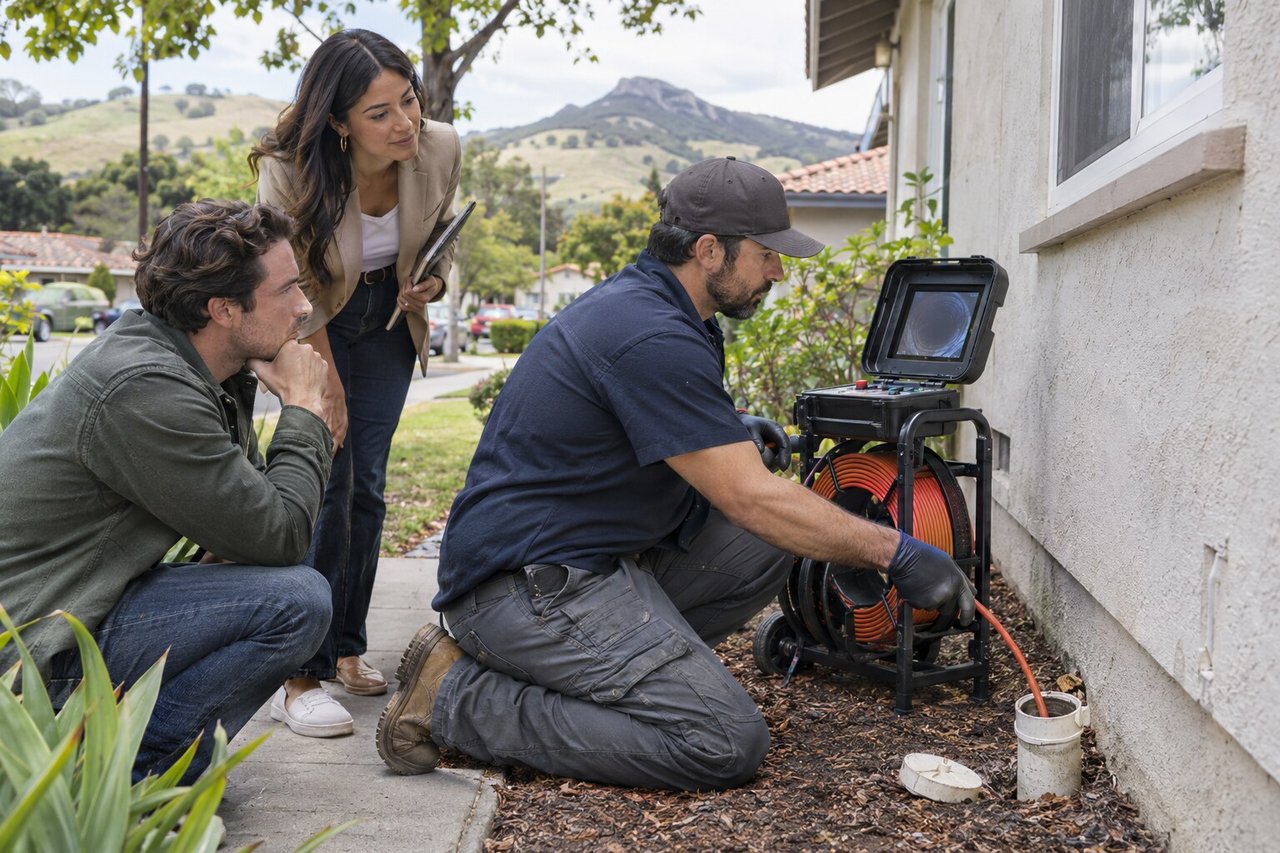
Understand inspection options, service history and the scope of any needed work.

Amber Johnson | November 20, 2026
Consider bike storage, route access and how rides fit into your ordinary week.
Amber Johnson | November 20, 2026
Compare commute convenience with traffic exposure at the specific homes you tour.
You’ve got questions and we can’t wait to answer them.
Amber Johnson, Founder
Pillar Real Estate
805.835.3425
DRE# 01925434
1345 Park Street
Paso Robles, CA 93446