What Is a Home Appraisal and Can It Affect My Sale?
August 14, 2026

August 14, 2026
By now, you've made it through a lot.
You've accepted an offer.
The inspection is complete.
Negotiations are behind you.
Then another question comes up.
"Now the appraisal is scheduled. Should I be worried?"
If you're selling a home in Paso Robles, Templeton, Atascadero, San Miguel, or San Luis Obispo, this is one of the most common questions sellers ask during escrow.
The answer is usually...
No.
An appraisal is a normal part of many home sales.
But it does serve a very different purpose than the inspection.
Understanding that difference helps take a lot of the stress out of the process.
Amber is a real estate agent in Paso Robles, CA helping homeowners throughout San Luis Obispo County sell for top dollar with thoughtful preparation, clear communication, and collaborative negotiation. After more than 13 years, she's learned that appraisal questions are much less intimidating once sellers understand how the process actually works.
The appraisal isn't about whether your home passes or fails.
It's about determining the property's market value.
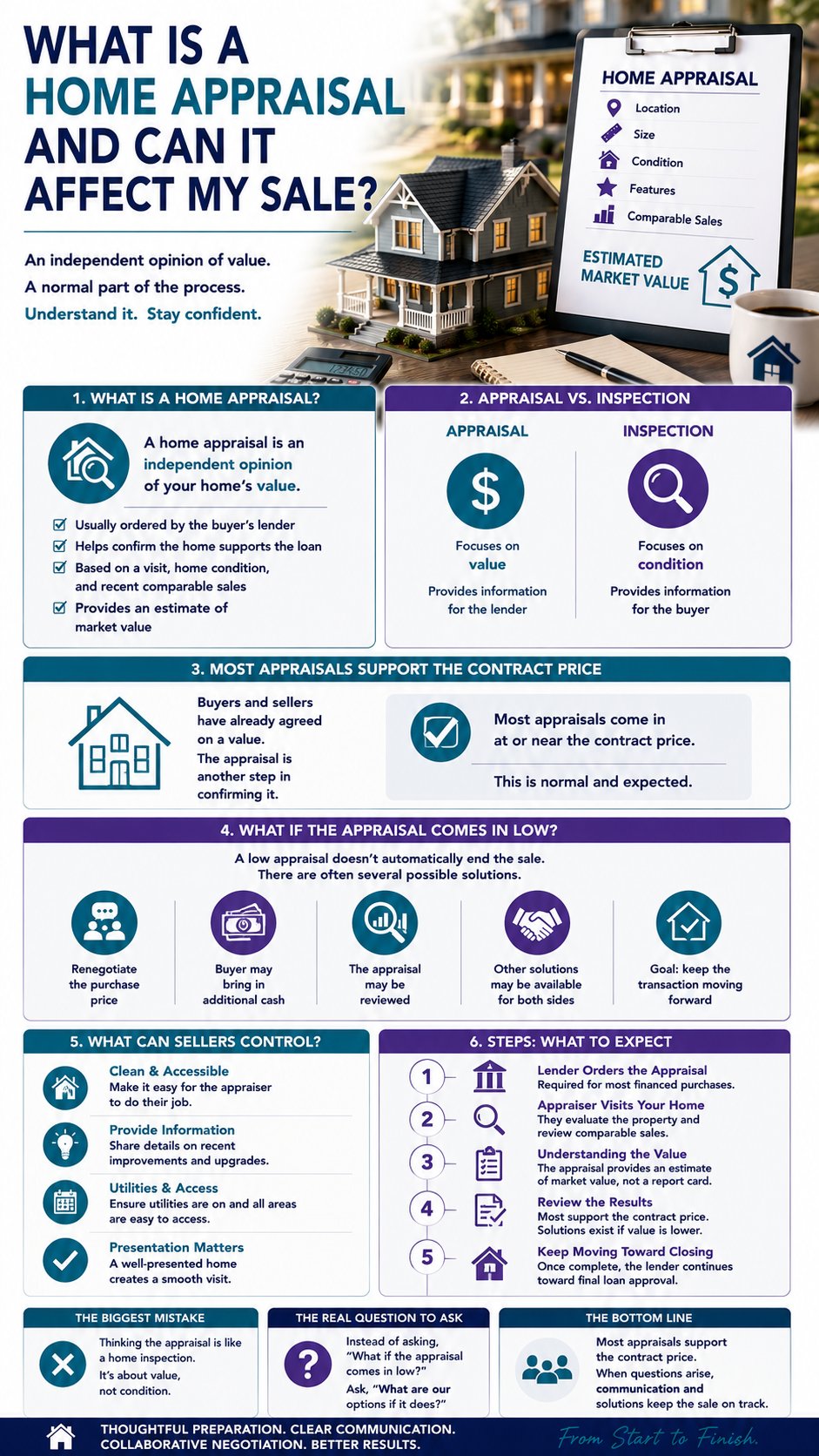
What Is a Home Appraisal?
A home appraisal is an independent opinion of your home's value.
If the buyer is using a mortgage, the lender usually orders the appraisal.
Why?
Because the lender wants to confirm the home is worth the amount they're lending.
The appraiser visits the property.
Measures the home.
Reviews its condition.
And compares it to similar homes that have recently sold.
They then prepare a report estimating the property's market value.
An Appraisal Is Different From an Inspection
These two are often confused.
But they have completely different purposes.
A home inspection focuses on the condition of the property.
An appraisal focuses on value.
The inspector works for the buyer.
The appraiser provides information for the lender.
Both are important.
But they're evaluating different things.
Most Appraisals Match the Contract Price
Here's something many homeowners don't realize.
Most appraisals support the agreed-upon purchase price.
That's because buyers and sellers have already reached a value both sides believe is fair.
The appraisal is simply another step in confirming that value.
What Happens If the Appraisal Comes In Low?
This is the question that creates the most anxiety.
The good news?
A low appraisal doesn't automatically mean the transaction is over.
Several options may be available.
The buyer and seller might renegotiate the purchase price.
The buyer may choose to bring in additional cash.
The appraisal may be reviewed if there are questions about the comparable sales used.
Every situation is different.
The right solution depends on the circumstances and what makes sense for both parties.
What Can Sellers Control?
You can't control the appraiser's opinion.
But you can control how well your home is presented.
Having the home clean and accessible.
Providing information about recent improvements.
Making sure the appraiser can easily view every part of the property.
Those details help create a smooth appointment.
What I'm Seeing Right Now
After helping homeowners throughout Paso Robles, Templeton, Atascadero, San Miguel, and San Luis Obispo County for more than 13 years, I've found that appraisal day is usually much less dramatic than sellers expect.
Most appraisals come back without creating any major issues.
When questions do arise, the best approach isn't panic.
It's communication.
Understanding the options.
And working together to find a solution that supports everyone's goals.
That's what keeps transactions moving toward a successful closing.
From start to finish.
A Real-Life Example
I remember working with sellers who were feeling great.
The inspection was complete.
Repairs had been negotiated.
Everything seemed to be on track.
Then the appraisal was scheduled.
The seller called and asked,
"What happens if it comes in low?"
It's one of the most common questions I hear.
I explained that most appraisals support the agreed-upon purchase price.
And even if an appraisal comes in lower than expected, it doesn't automatically end the transaction.
There are usually several possible solutions.
The buyer and seller may renegotiate.
The buyer may contribute additional funds.
Or there may be other options depending on the circumstances.
Fortunately, their appraisal came in where it needed to.
But having that conversation ahead of time helped them feel much more relaxed while they waited for the report.
Sometimes simply knowing what to expect removes most of the stress.
The Biggest Mistake
The biggest mistake sellers make is thinking the appraisal is another home inspection.
It isn't.
The inspector looks at the condition of the home.
The appraiser estimates its market value.
Those are two completely different jobs.
Understanding that difference helps sellers focus on what actually matters during this stage of the transaction.
What This Process Should Feel Like
Waiting for the appraisal shouldn't feel like you're holding your breath.
It should feel like another step in a well-organized process.
You'll know when it's scheduled.
You'll understand why it's happening.
And if questions come up afterward, you'll have a plan for how to address them.
That's what creates confidence during escrow.
How This Connects to the Bigger Picture
In the last article, we talked about what happens if the home inspection finds problems.
Once those conversations are complete, the next milestone for many financed buyers is the appraisal.
It's another important step toward closing.
And understanding how it works helps remove another layer of uncertainty.
Related: What Happens If the Home Inspection Finds Problems?
Steps: What to Expect During the Appraisal
Step 1: The Lender Orders the Appraisal
If the buyer is financing the purchase, the lender typically orders the appraisal to confirm the property's market value.
Step 2: The Appraiser Visits the Property
The appraiser evaluates the home's size, condition, features, and overall appeal.
They'll also compare it to similar homes that have recently sold.
Step 3: Understand What the Appraisal Measures
If you're selling a home in Paso Robles, Templeton, Atascadero, San Miguel, or San Luis Obispo, remember that the appraisal focuses on value.
It is not another home inspection.
Step 4: Review the Results
Most appraisals support the agreed-upon purchase price.
If questions arise, there are often several possible solutions depending on the transaction.
Step 5: Keep Moving Toward Closing
Once the appraisal is complete, the lender continues working toward final loan approval.
Each completed milestone brings you one step closer to closing day.
So... Can the Appraisal Affect Your Sale?
Yes.
But it doesn't automatically create a problem.
Most appraisals simply confirm the value that the buyer and seller have already agreed upon.
When questions do arise, they're usually addressed through communication and thoughtful negotiation.
That's why it's important to stay focused on the process instead of assuming the worst.
The Best Transactions Stay Flexible
After helping homeowners throughout San Luis Obispo County for more than 13 years, I've learned that successful transactions aren't the ones without surprises.
They're the ones where everyone stays informed, communicates clearly, and works together to solve problems if they arise.
That's how transactions continue moving forward with confidence.
From start to finish.
The Real Question to Ask
Instead of asking:
"What if the appraisal comes in low?"
Ask:
"If something unexpected happens, what are our options?"
That question shifts the focus from worrying about the unknown to understanding the solutions that may be available.
Next Steps
If you're thinking about selling a home in Paso Robles, Templeton, Atascadero, San Miguel, or San Luis Obispo, understanding the appraisal process before your home goes under contract can help you feel much more confident throughout escrow.
Learn more about how I help homeowners prepare, negotiate, and successfully navigate every step of the selling process by visiting:
👉 https://pillarrealestate.com/selling
Whether you're getting ready to list or already under contract, knowing what to expect makes the process feel much more manageable.
From start to finish.
FAQ
What is a home appraisal?
A home appraisal is an independent estimate of a property's market value. It's typically ordered by the buyer's lender to help determine whether the home supports the loan amount.
Is a home appraisal the same as a home inspection?
No. A home inspection evaluates the condition of the property, while an appraisal focuses on its market value.
What happens if the appraisal comes in lower than the purchase price?
A low appraisal doesn't automatically end the sale. Depending on the situation, the buyer and seller may renegotiate the price, the buyer may contribute additional funds, or other solutions may be available.
Can I prepare my home for the appraisal?
Yes. Having your home clean, accessible, and providing information about recent improvements can help the appointment go smoothly, although you can't control the appraiser's final opinion of value.
Do most homes appraise for the contract price?
Many do. In many transactions, the appraisal supports the value that the buyer and seller have already agreed upon.
How can a real estate agent help if there's an appraisal issue?
An experienced agent can explain your options, communicate with the other parties involved, and help negotiate a solution that supports your goals while keeping the transaction moving toward closing.
Amber Johnson, Founder
Pillar Real Estate
805.835.3425
[email protected]
1345 Park St. Paso Robles, CA 93446
DRE# 01925434

Amber Johnson | October 21, 2026

Amber Johnson | October 21, 2026

Amber Johnson | October 21, 2026
Check privacy, shared-space rules and activity near the unit before deciding whether courtyard-facing condo living suits you.
Amber Johnson | October 20, 2026
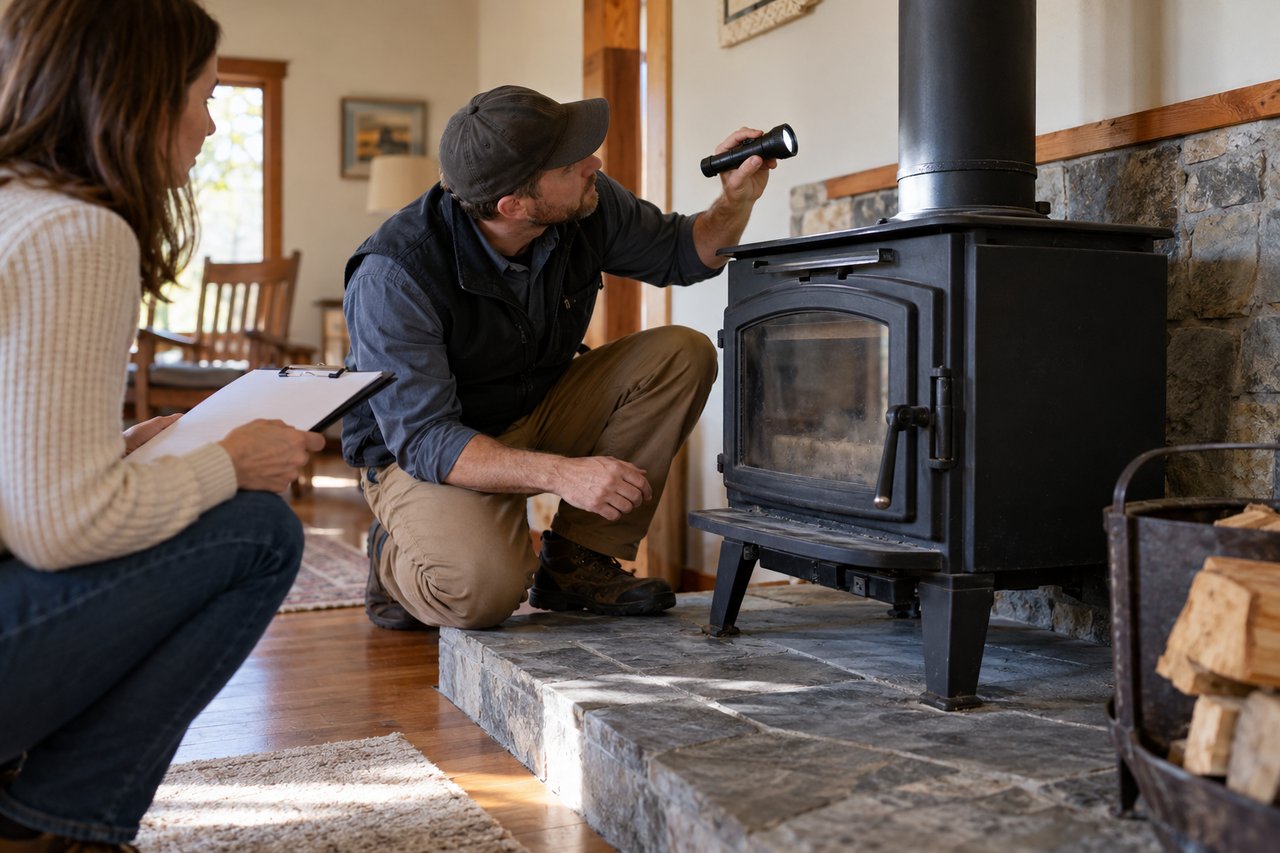
Review the stove, venting, documentation and insurance questions before treating wood heat as a benefit of the purchase.

Amber Johnson | October 20, 2026
Test the routes to your actual errands, what you need to carry and your backup options before choosing a home around cycling.

Amber Johnson | October 20, 2026
Compare these two Morro Bay areas through the specific homes, daily routes and property features that matter to your household.
Amber Johnson | October 20, 2026
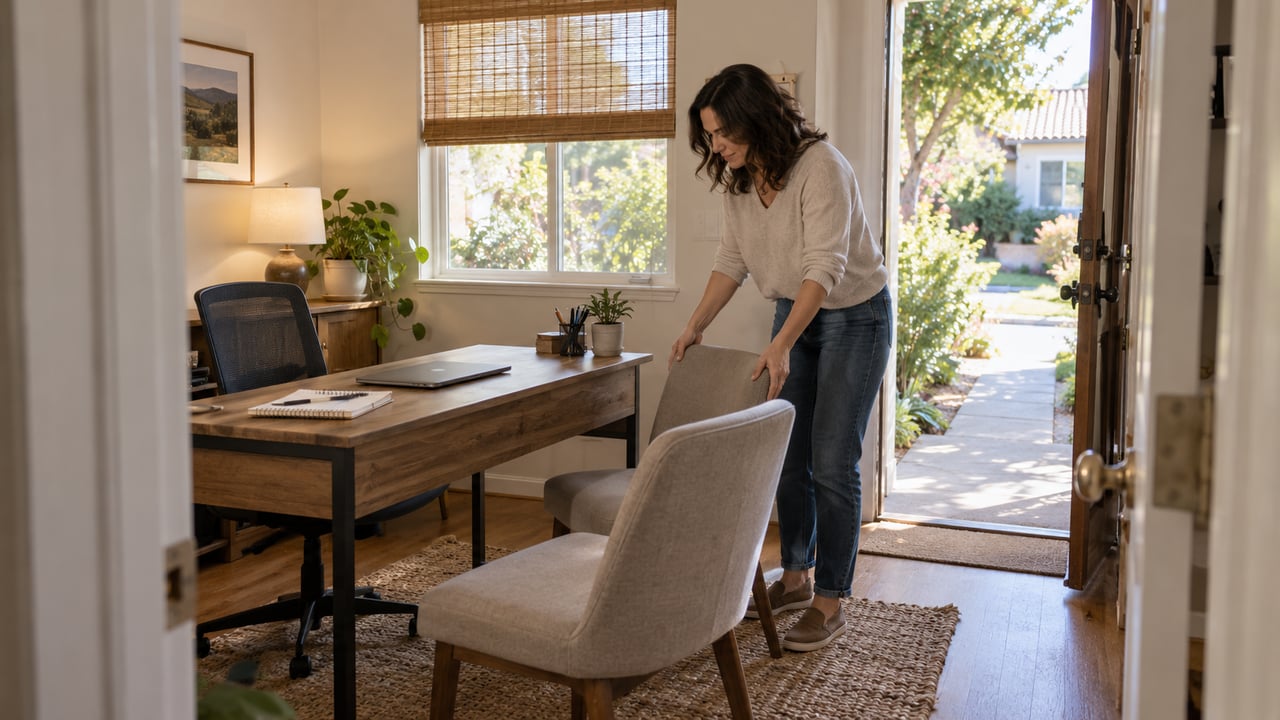
Check the property’s jurisdiction, current home-business rules and private restrictions before assuming clients can visit your home.
Amber Johnson | October 20, 2026
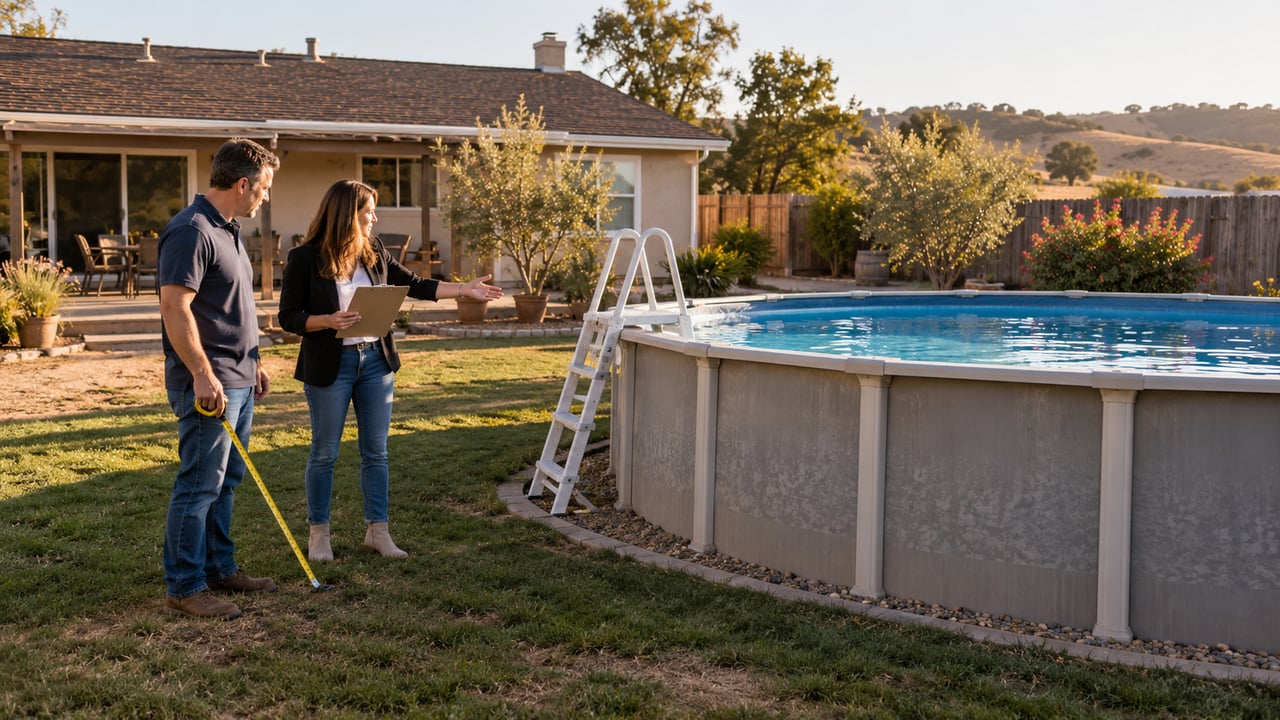
Compare keeping the pool with removal, site restoration and buyer appeal before spending money on pre-sale work.

Amber Johnson | October 20, 2026
Compare a consistent property type and reporting period within relevant price brackets before treating a broad market headline as guidance for a particular home.
You’ve got questions and we can’t wait to answer them.

Amber Johnson, Founder
Pillar Real Estate
805.835.3425
DRE# 01925434
1345 Park Street
Paso Robles, CA 93446