Is Arroyo Grande a Good Fit if I Want to Bike for Everyday Errands?
October 20, 2026
October 20, 2026
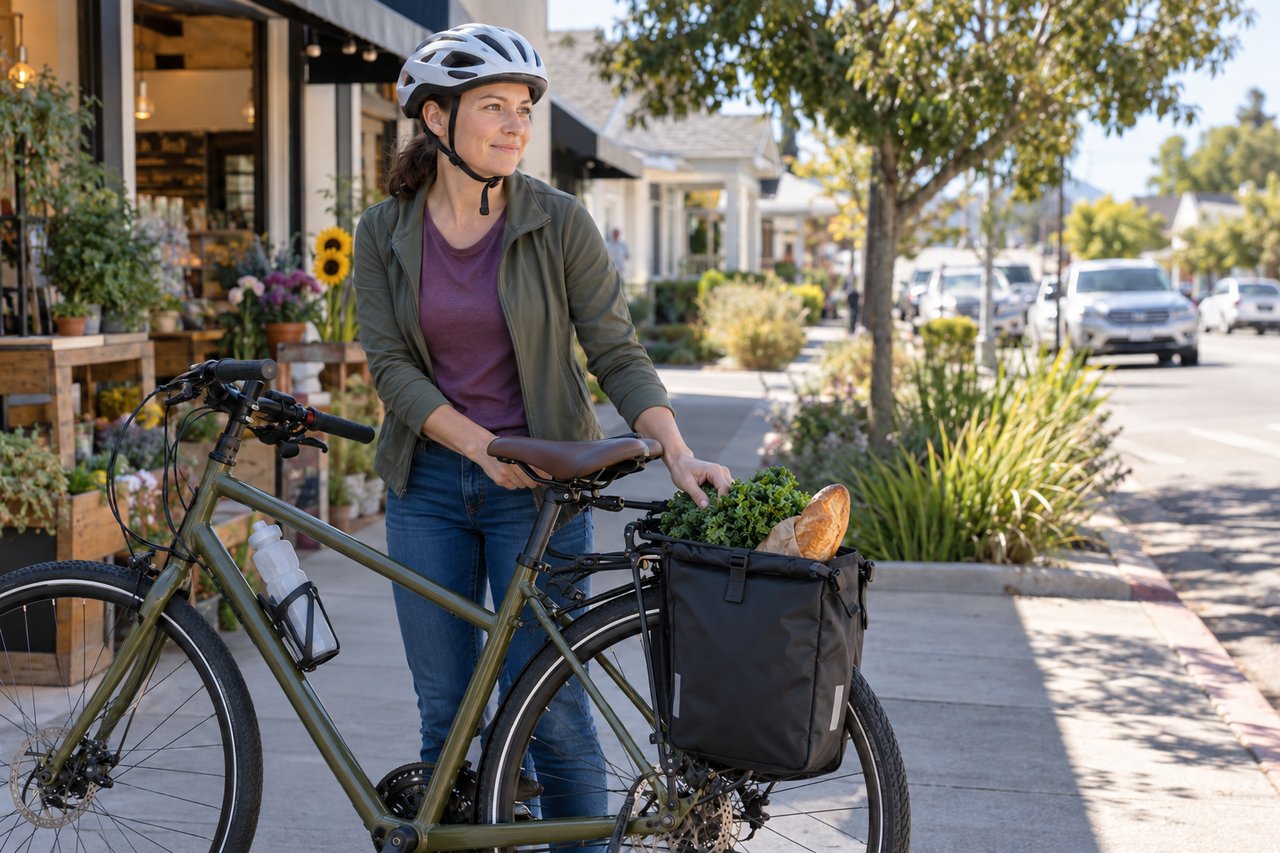
Arroyo Grande can be a good fit if you want to bike for everyday errands, but I wouldn't give the whole city one yes-or-no label. The better question is whether a particular home connects comfortably to the places you actually use, on the bicycle you'll actually ride.
A pleasant weekend ride and a grocery run are different tests. With errands, you're thinking about the return trip, a loaded bag, somewhere to lock the bike and whether you'll still want to go when you're tired.
I'm Amber Johnson, founder of Pillar Real Estate in Paso Robles. When I help buyers and relocating households compare SLO County homes, I want the property to support their real routine. Here's how I'd evaluate an Arroyo Grande address if riding for errands matters to you.
Before choosing a neighborhood, write down the destinations you use during an ordinary week. Be specific about which grocery store, pharmacy, coffee stop or other business you mean. A nearby shopping area isn't automatically useful if it doesn't have what you need.
Then separate the trips you'd like to ride from the trips you need to ride. Picking up a few dinner ingredients may be an appealing bicycle trip. Transporting a large household shopping order might remain a car trip. Neither choice cancels the other.
Ask yourself:
That last distinction matters. Replacing selected errands is a different goal from relying on a bicycle for nearly everything. Give the home a test that matches your goal, not an idealized version of your future habits.
Start at the home's actual driveway or building entrance. Don't start at the nearest attractive street or at a convenient point on a map. The first connection out of the property is part of every ride.
Follow a possible route to the entrance you'd use at the destination. Look at the street crossings, driveways, turns, surface condition and transitions between different types of bicycle accommodation. A comfortable stretch doesn't answer what happens where that stretch ends.
Check the return route separately. The turn that looks straightforward going to the store may feel different heading home. If there's an incline near the property, consider it with groceries rather than only with an empty bicycle.
I wouldn't treat a distance estimate as a comfort rating. A short trip can include a connection you don't want to repeat. A longer alternative may fit your preferences better, provided it is lawful, open and practical for your schedule.
Use maps to organize questions, then confirm conditions on the ground. Don't assume a sidewalk, private passage or apparent shortcut is a lawful bicycle connection. Verify access and applicable rules rather than building the home purchase around an uncertain route.
Arroyo Grande has a January 2025 Active Transportation Plan listed among the City's planning documents. A transportation plan is useful background, but it isn't a promise that every proposed connection is already available.
For a concrete example, the City's Halcyon Complete Streets Project page includes a status update dated September 11, 2026. That update describes construction work, while the project description includes planned bicycle improvements. It should not be read as confirmation that every planned feature is finished and open for your errands.
If a home depends on a connection through a project area, ask the City's Public Works staff about current access and check posted conditions. Project schedules, work areas and temporary arrangements can change. Make the purchase decision using what you can confirm, not a rendering of what may come later.
My approach is simple: evaluate today's usable route first. Consider future improvements separately, without making them responsible for solving a problem the home has now.
If it is lawful and you feel comfortable doing so, test a representative trip on the type of bicycle you expect to use. If a section doesn't feel appropriate to ride, don't push yourself through it for the sake of completing a test. Review it another way and seek knowledgeable local guidance.
A useful test includes the unglamorous parts. Get the bike out, reach the destination, find appropriate parking, shop and return. Notice how much time and effort you spend before and after the riding itself.
Visit at a time that resembles your expected routine. A quiet viewing during a home tour doesn't tell you what the same connection feels like when you'd normally buy groceries. Observe more than once if this is a major purchase priority.
Keep a few practical notes rather than relying on a general impression. Where did you hesitate? Did you find a route you'd willingly repeat? Was your concern one particular turn or most of the trip?
You don't need to prove you're a confident cyclist to justify buying a home. You need an honest picture of whether the routine suits you.
The ride home deserves its own test. Think about the weight and size of your normal purchases, not just whether a small bag fits somewhere on the bike.
A pannier, basket or other cargo setup needs to suit your particular bicycle and its manufacturer's limits. Have a qualified bicycle shop help with fit and secure attachment if you're unsure. Don't assume equipment from an online photo will work on your bike.
Consider how you would load the groceries, keep them secure and carry them into the house. Think about fragile items, temperature-sensitive purchases and whether you prefer frequent small shops to a large weekly trip.
If you're considering an electric bicycle, assess the actual bike you'll own. Assistance doesn't answer every question about handling, storage, loading or the route. Its weight may matter when getting it through a gate or into a building.
There is no need to buy equipment before choosing a home. There is a need to understand what your intended routine would require.
A home can be close to errands and still make cycling inconvenient. If getting the bicycle out means moving several things every time, the practical appeal may disappear quickly.
During a showing, look at the route between storage and the street. Check doorways, steps, gates and the space you'd use to load bags. Think about where wet or dirty equipment would go without blocking normal household access.
For a condo or a property with shared areas, read the applicable documents. Confirm bicycle-storage rules, use rights and restrictions rather than assuming a hallway, patio or shared room is available to you.
Ask about a secure storage solution appropriate to the property and bike. If charging is part of your plan, follow the manufacturer's instructions and verify any building requirements. Don't assume an outlet or shared storage area is suitable just because it is nearby.
These are property questions, not finishing touches. They belong in the comparison before you decide which home works best.
Getting to a store is only part of the errand. Check where you could appropriately lock the bike and whether that location works with the entrance you use.
Don't assume you can take a bicycle inside, attach it to any convenient object or leave it in a pedestrian path. Ask the business about its arrangements when the answer isn't clear. A destination can be physically close without being convenient for bicycle shopping.
Also look at the final approach. Does the route end where you expected, or would you still need to work out access across a busy parking area? Observe actual conditions without assuming the map has captured every detail.
If the Village is central to your plan, our guide to what buyers should check before buying near the Arroyo Grande Village can help with the broader property and block-level questions. Proximity alone doesn't settle the cycling decision.
Even a good errand route won't be your preferred option every day. Think about poor weather, a mechanical issue, a bulky purchase or a day when you simply don't want to ride.
Decide what your alternative would be. That might be driving, combining errands with another trip or using an available service after confirming its coverage and terms. Don't assume a particular transit connection or delivery option serves the home without checking.
Be careful about counting projected savings before you know how your habits will change. If you're keeping a car, replacing some trips doesn't automatically remove its ownership costs. Treat fewer drives as a lifestyle benefit first, then evaluate your own costs honestly.
For more context on the community beyond cycling, read Living in Arroyo Grande, CA: What You Need to Know. Your errand routine should fit alongside the other reasons you're considering a move.
Enjoying cycling in SLO County doesn't mean every home supports the same daily routine. A scenic ride may begin somewhere else, happen only in favorable conditions or involve no cargo at all.
Our overview of scenic cycling routes in San Luis Obispo County addresses a different side of riding. Use it for recreation ideas, not as proof that a specific Arroyo Grande address has a suitable grocery route.
For a purchase, I'd place more weight on a repeatable trip to your chosen destinations than on a broad reputation for outdoor living. What matters is what you'll actually do after moving in.
Arroyo Grande may make sense if you've confirmed routes you want to repeat, workable destination parking and convenient home storage. It may be less suitable for your goal if the errands you consider essential depend on connections you dislike or unverified future changes.
Compare candidate homes with the same short list: actual destinations, complete outbound and return routes, carrying needs, storage and backup options. Record the differences while they're fresh. A home that looks slightly less convenient on a map may work better in practice, or the reverse.
That's the same property-specific thinking I bring to real estate decisions throughout the Central Coast. Generic advice isn't enough. The right strategy starts with your particular property, your routine and what makes sense for your goals.
If you're considering an Arroyo Grande move, I can help you organize the home search around those priorities. We'll keep the real estate comparison grounded in the homes themselves, while you verify riding conditions and comfort for your own needs.
Schedule a Strategy Consultation through Sell With Amber.
Amber
Amber Johnson, Founder
Pillar Real Estate
805.835.3425
[email protected]
1345 Park St. Paso Robles, CA 93446
DRE# 01925434

Amber Johnson | November 13, 2026
Amber Johnson | November 13, 2026
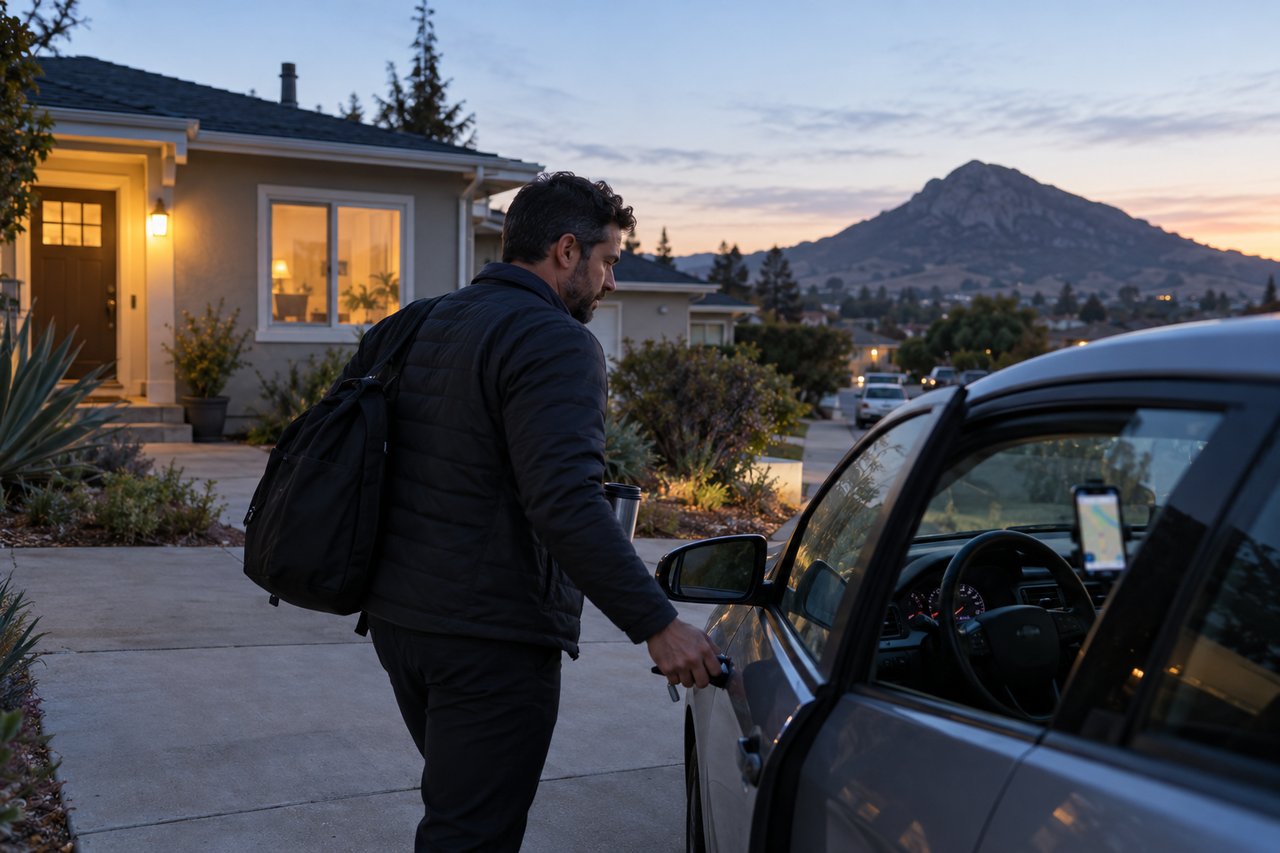
Test the route, schedule, backup plans and the trip from a specific home before deciding whether the commute fits.
Amber Johnson | November 12, 2026
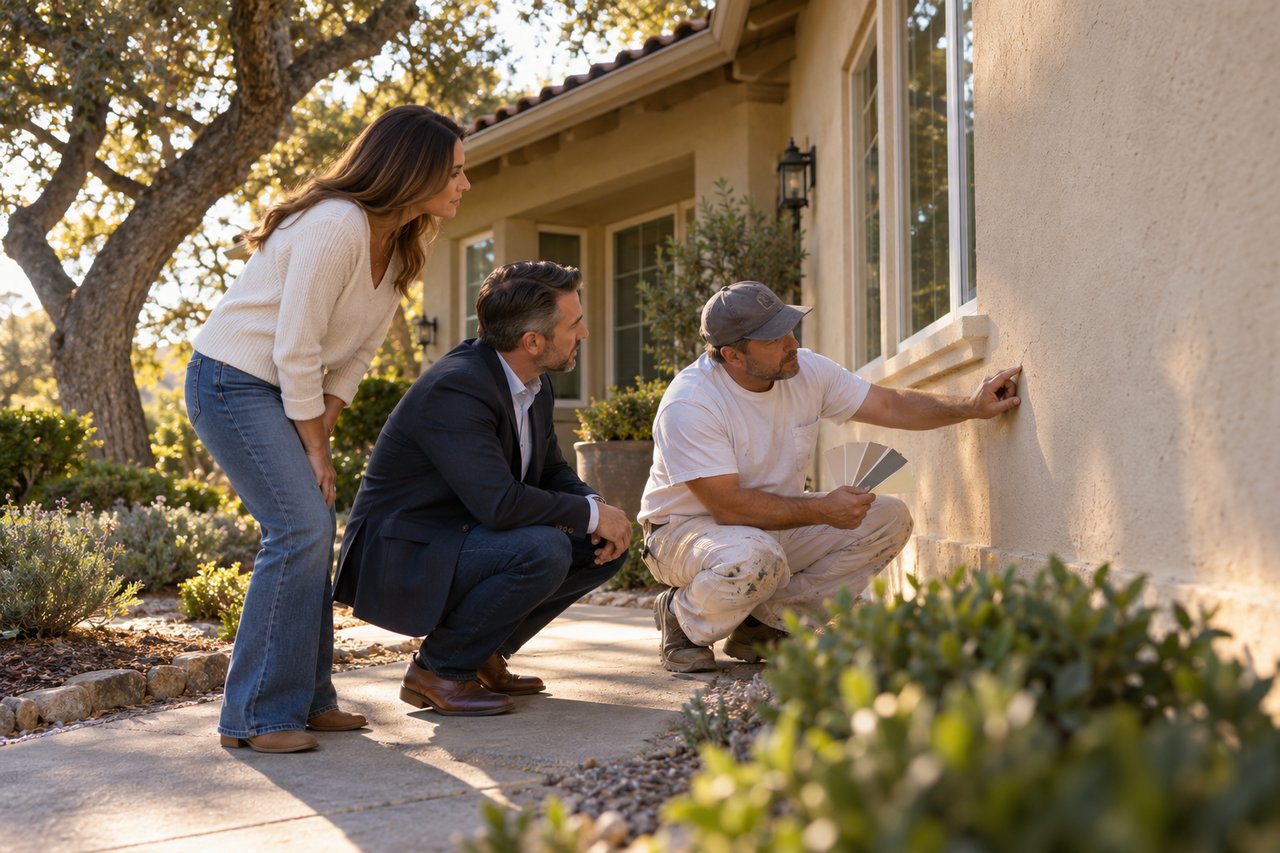
Compare coating condition, underlying damage, cost and curb appeal before deciding whether repainting makes sense.

Amber Johnson | November 11, 2026

Amber Johnson | November 11, 2026
Amber Johnson | November 11, 2026
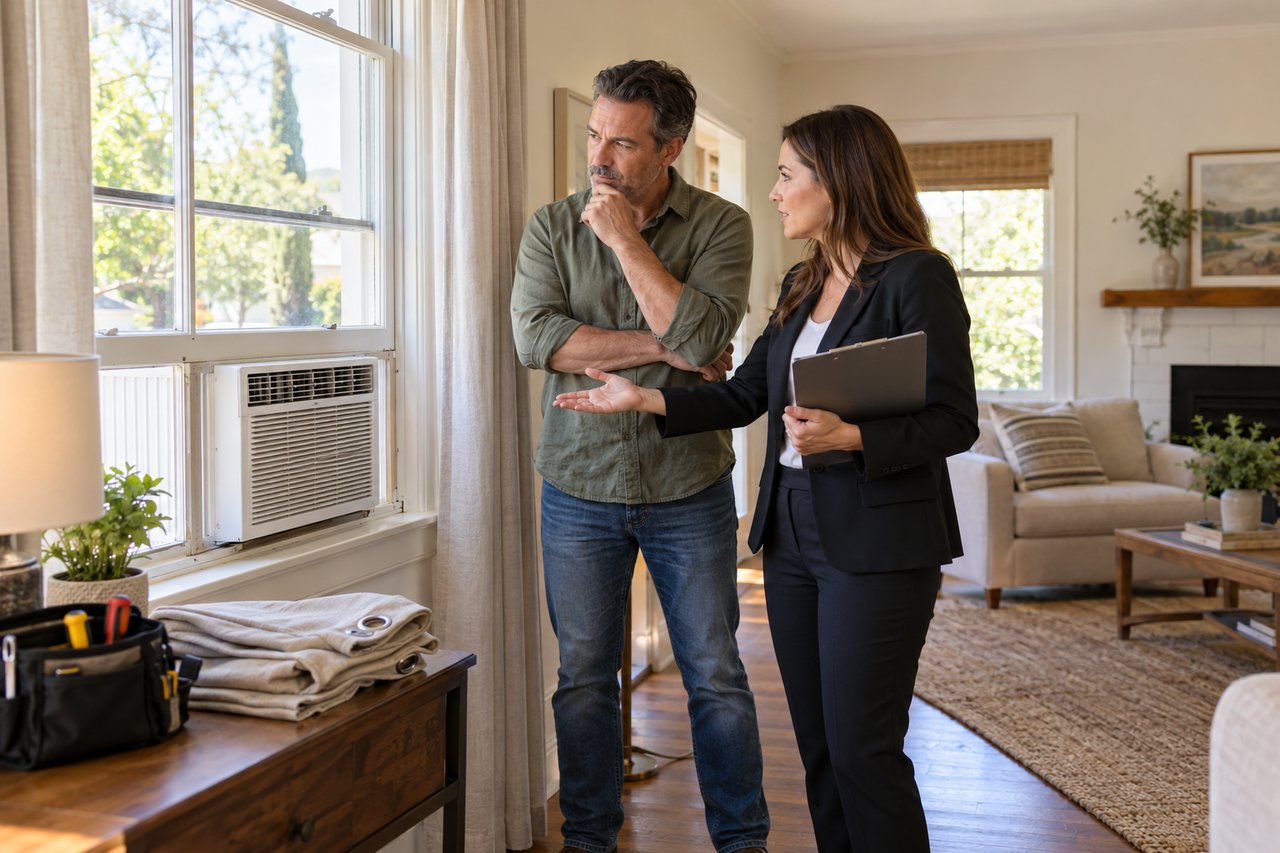
Compare appearance, operation, window condition and buyer expectations before deciding whether the units should stay.
Amber Johnson | November 10, 2026
Learn what each listing outcome may mean, what it leaves unanswered and how price range, location and timing affect the comparison.

Amber Johnson | November 9, 2026
Amber Johnson | November 9, 2026
Review inspection findings, service records, capacity, access and local requirements before relying on the system.
You’ve got questions and we can’t wait to answer them.
Amber Johnson, Founder
Pillar Real Estate
805.835.3425
DRE# 01925434
1345 Park Street
Paso Robles, CA 93446