Would I Prefer Living in Morro Heights or the Cloisters in Morro Bay?
October 20, 2026
October 20, 2026
You may prefer Morro Heights if you’re drawn to a varied residential setting, hillside terrain and mature trees. The Cloisters may be a stronger starting point if nearby beach access, neighborhood paths and open coastal surroundings are central to your routine.
But I wouldn’t choose between them on a neighborhood name alone. The better choice depends on the actual house, its approach, the outdoor space and the trips you’ll make each week.
A setting you love during a weekend visit can feel different when you’re carrying groceries, leaving for work or coming home after dark.
I’m Amber Johnson, founder of Pillar Real Estate in Paso Robles. I help buyers, sellers and relocating households throughout SLO County compare properties around what they actually want. For these two Morro Bay areas, I’d start with daily life before narrowing the home search.
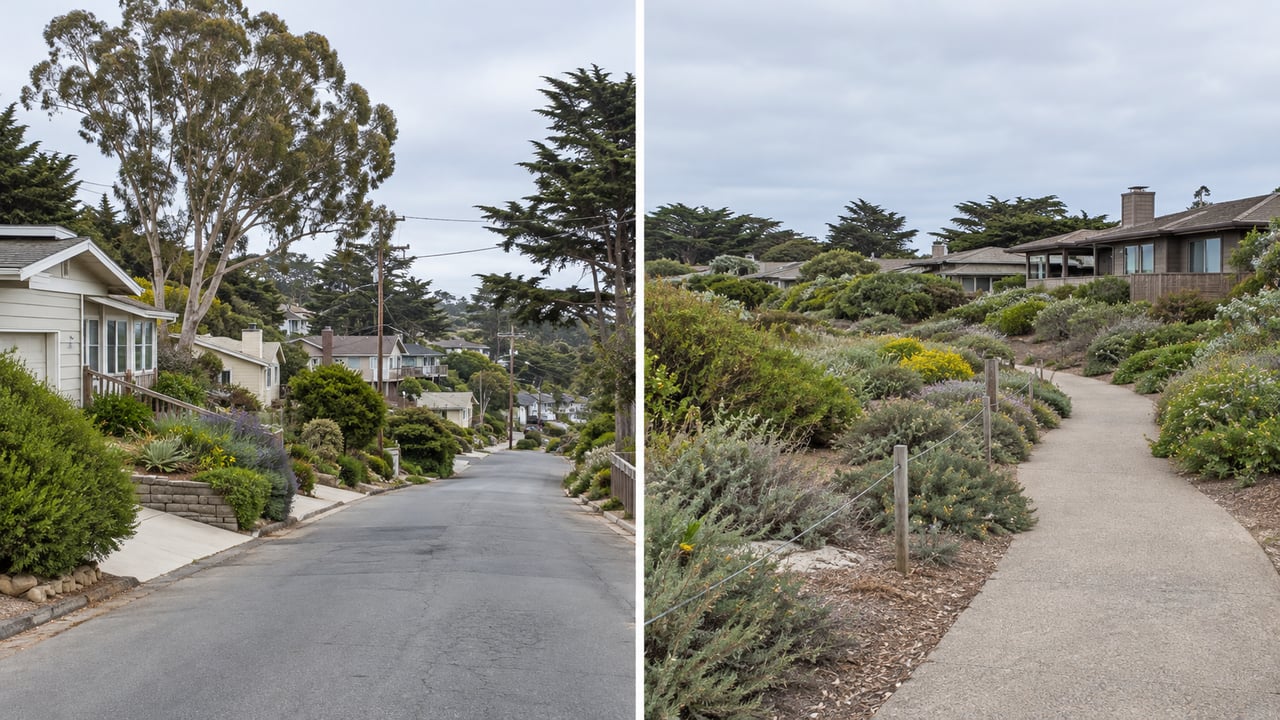
The City’s community-design materials describe Morro Heights as a residential neighborhood on a hill near the south end of Morro Bay. They note varied one- and two-story homes, diverse designs and mature eucalyptus and cypress trees.
The same materials place the Cloisters west of Highway 1, south of the Beach Tract. They describe clustered single-family homes near sensitive dune habitat, wetlands and the beach. The City’s Cloisters Park page also identifies walking paths leading toward beach access.
Those descriptions give you a useful starting point. They don’t tell you a particular home’s condition, its exact walking route or what you’ll see from the living room.
Use the broad setting to decide where to look. Use the property itself to decide whether to buy.
If you’re still getting familiar with the city, my guide to living in Morro Bay provides wider context. This comparison is about choosing between two specific residential settings within that city.
Start your search in Morro Heights if the appeal is a residential area with varied homes and a more individual property-by-property feel.
You might be comfortable comparing different layouts, grades and approaches rather than looking for a consistent type of house. That flexibility can help you focus on a home that suits your priorities.
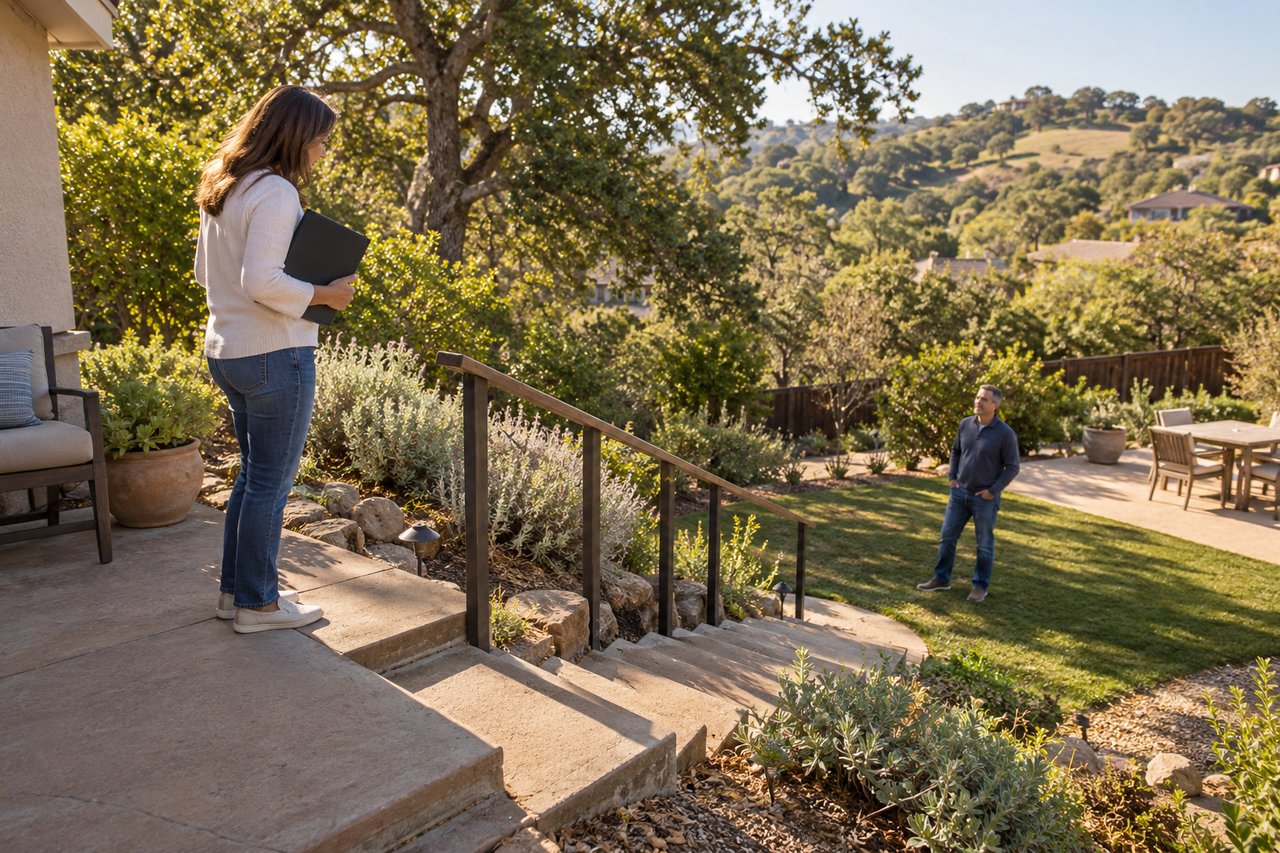
Look closely at how each lot works. Does the outdoor space connect comfortably to the main living area? Are the parts you’d use regularly easy to reach? What does the driveway feel like in practice?
The hillside setting should prompt questions, not assumptions. Don’t decide that every Morro Heights home has difficult access, or that every elevated property has a useful view.
A particular house may have a very workable everyday arrangement. Another may ask you to accept steps, a grade or a layout you wouldn’t enjoy using.
If you like the setting but struggle with the property’s basic routine, that’s worth recognizing before you become attached to its best feature.
The Cloisters deserves a closer look if you want the relationship between the neighborhood, paths and beach access to be part of ordinary life.
Ask yourself whether you’d genuinely use that setting on a regular weekday. A short outdoor break, a walk before dinner or an easy change of scenery may matter more to you than another interior feature.
Then confirm the route from the specific home. Which path would you use? Where does it begin? What surface and crossings would you encounter?
Don’t turn “near the beach” into a promise about direct access, an ocean view or how comfortable a walk will be. Those are separate questions.
Also consider the relationship between the home and nearby shared routes or open areas. You may enjoy that connection. You may prefer more separation from people passing nearby.
The right answer is personal. Open surroundings aren’t automatically private, and privacy isn’t automatically better than connection.
People often remember the pleasant part of a neighborhood visit. They remember reaching a path, seeing the water or finding a home they like.
For a buying decision, test the entire trip. Start at the front door, go to a destination you’d actually use and return by the same realistic route.
In Morro Heights, pay attention to changes in grade and how the return feels. In the Cloisters, check the actual connection between the property, neighborhood paths and your destination.
Wear the shoes you’d normally use. Carry what you’d usually bring, within reason. If a route is unfamiliar, evaluate it carefully rather than assuming it will suit everyone.
My article on choosing Morro Bay for a walkable coastal routine explains that broader question. Here, the point is to compare two actual starting addresses, not two map labels.
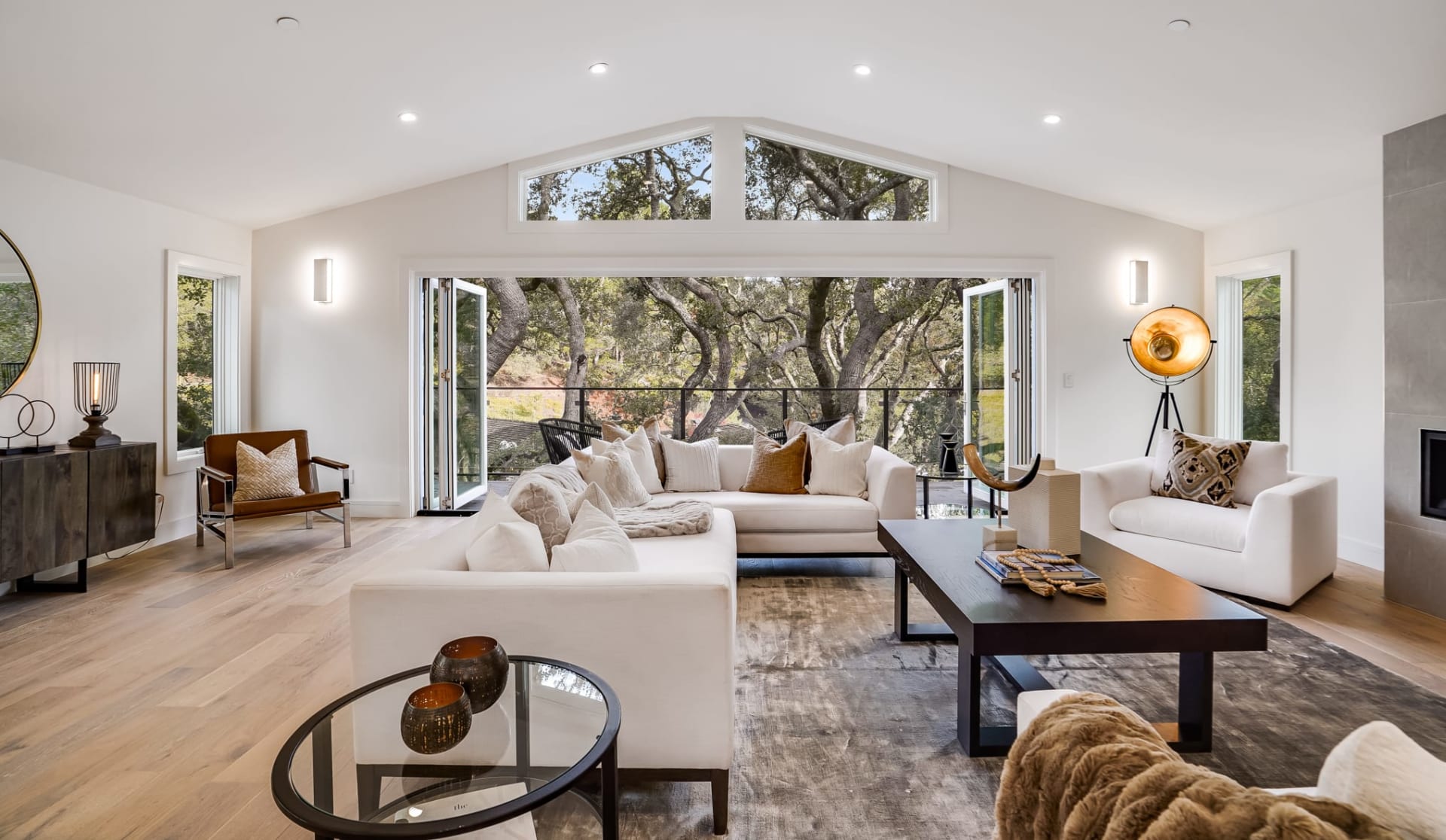
If a view is a major reason you’re considering Morro Heights, evaluate it from the spaces you’ll use most. Stand and sit where your furniture would go.
Is the outlook part of daily living, or does it require standing in one corner of a room? Would you still like the house if the day’s visibility were limited?
Use the same discipline in the Cloisters. Proximity to open coastal surroundings doesn’t establish an ocean view from every home.
Compare windows, outdoor seating and sightlines at the property. Ask questions about nearby parcels and review the relevant documents with qualified help where needed.
Don’t treat existing trees, neighboring rooflines or open space as a guarantee that a particular view can never change.
A view can be valuable to you without becoming the only reason the purchase makes sense. The house still needs to work when you’re looking inward.
Two properties with similar lot measurements can provide very different outdoor experiences. What matters is the portion you can comfortably use for your plans.
In Morro Heights, inspect the relationship between the house, any changes in level and the areas you’d maintain. Don’t judge a yard only from an elevated listing photograph.
In the Cloisters, distinguish the private yard from any nearby path, planted buffer or protected area. A pleasant outlook doesn’t mean every visible space belongs to the home.
Walk the boundaries with the appropriate information. Confirm ownership and permitted uses rather than relying on the visual impression of open space.
Then think about upkeep. How much planting, exterior work or yard care do you want to manage? Compare the actual condition and maintenance needs of the properties you’re considering.
Neither neighborhood name answers those questions for you.
Beach access may help you choose the Cloisters. A particular residential setting may pull you toward Morro Heights. Neither one replaces checking the rest of your week.
List the destinations you use most: groceries, work, appointments, friends and anything else that genuinely shapes your schedule.
Test the relevant trips from each candidate home at useful times. Don’t use a single quiet showing as your only evidence of how the routine will feel.
If you drive regularly to San Luis Obispo or another SLO County community, compare the actual approaches you would use. Avoid making a decision from an unverified commute-time estimate.
You may find that one property makes the rest of your week easier, even if the other has the more appealing weekend setting.
That isn’t a compromise you should ignore. It’s part of understanding what makes sense for your goals.
It’s possible to prefer the Cloisters as a setting but find a better-fitting house in Morro Heights. The opposite can happen, too.
Keep two separate lists. One is about the home: layout, condition, storage, parking and outdoor use. The other is about the location: the surrounding setting and your real routes.
Then identify which items are requirements and which are preferences. A well-arranged living space may matter more than the particular architectural style you pictured.
Don’t assume that a newer appearance means less investigation. Don’t assume that an older-looking house is automatically the harder purchase. Review records, disclosures and inspections for the individual property.
The purpose is to compare real options fairly. You don’t want a strong neighborhood preference to excuse a house that doesn’t work for you.
I wouldn’t give either area a blanket value advantage without reviewing relevant properties and current evidence. The homes available to you may differ in size, condition, setting and useful features.
Look at the asking price alongside the property’s specific strengths and tradeoffs. Then compare it with appropriate recent sales and the alternatives a buyer could actually choose.
Don’t use one striking sale, or an average drawn from unlike homes, as the entire argument for your offer.
The guide to interpreting new listing activity in Morro Bay can help you understand the role of available choices. It doesn’t establish a current price for either neighborhood.
For a buyer choosing between Morro Heights and the Cloisters, the useful question is which actual property delivers the best fit at a supportable price.
Visit one candidate in each area with the same checklist. Give yourself time to look beyond the rooms and notice the approach, surroundings and outdoor space.
After each visit, write down what you liked and what you’d have to accept. Be specific. “I liked the path connection” tells us more than “it felt coastal.”
In Morro Heights, record how the grade, home layout and residential surroundings affect your routine. In the Cloisters, record how access, open surroundings and the private yard fit together.
Ask what would still matter after the excitement of moving wears off. The view from a favorite chair? The route you’d walk each day? A manageable yard? A comfortable arrival home?
Those answers usually make the comparison clearer than trying to name one neighborhood the winner for everyone.
Begin with Morro Heights if a varied hillside residential setting is what draws you to Morro Bay. Begin with the Cloisters if paths, beach access and nearby open coastal surroundings lead your priorities.
Then let the individual properties test that preference. You’re choosing a home and a routine together.
At Pillar Real Estate, I help relocating buyers and local homeowners compare those details before making a commitment. My Paso Robles roots don’t change the approach: understand the specific property, use reliable information and keep your goals clear.
If you’re deciding between Morro Heights and the Cloisters, let’s build a comparison around the homes and daily life you’re actually considering.
Schedule a Strategy Consultation through Sell With Amber.
Amber
Amber Johnson, Founder
Pillar Real Estate
805.835.3425
[email protected]
1345 Park St. Paso Robles, CA 93446
DRE# 01925434
Amber Johnson | October 21, 2026
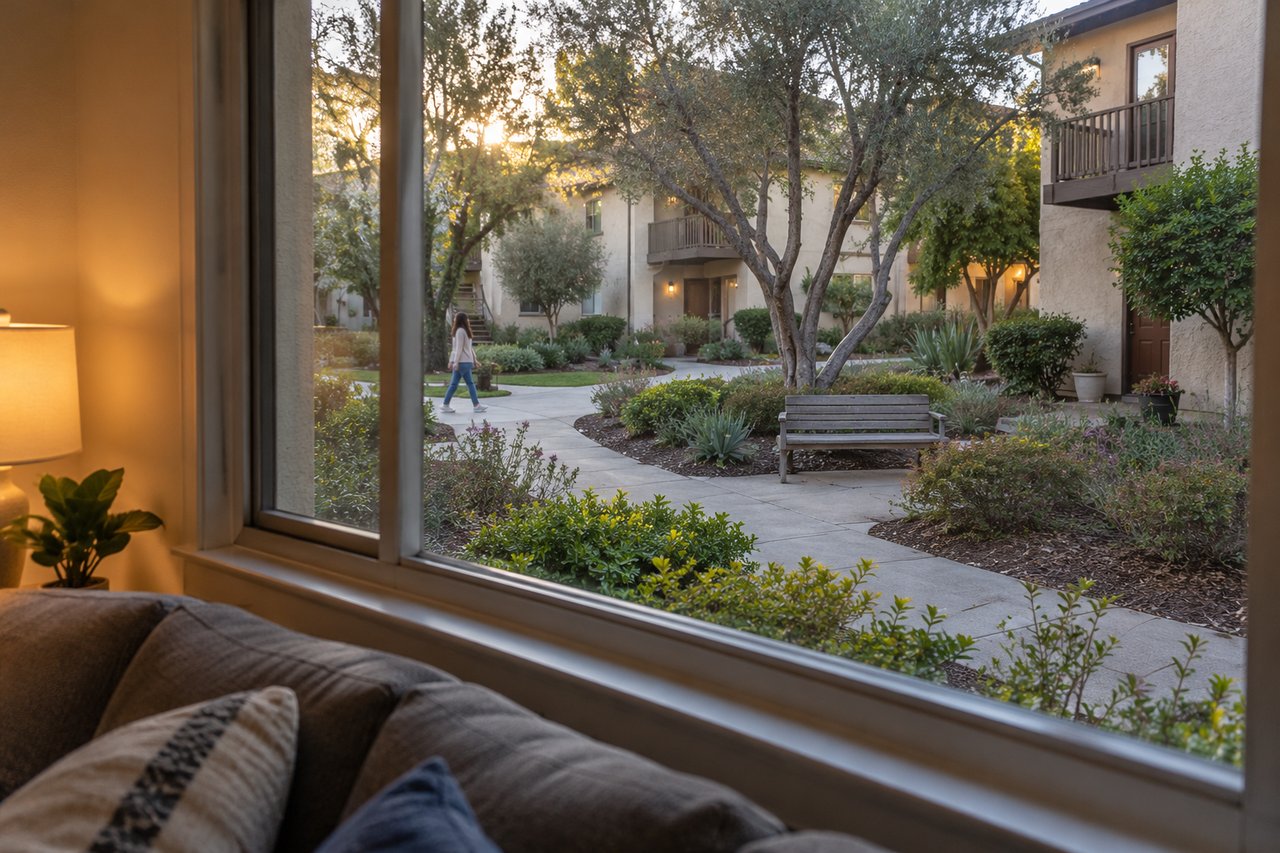
Check privacy, shared-space rules and activity near the unit before deciding whether courtyard-facing condo living suits you.
Amber Johnson | October 20, 2026
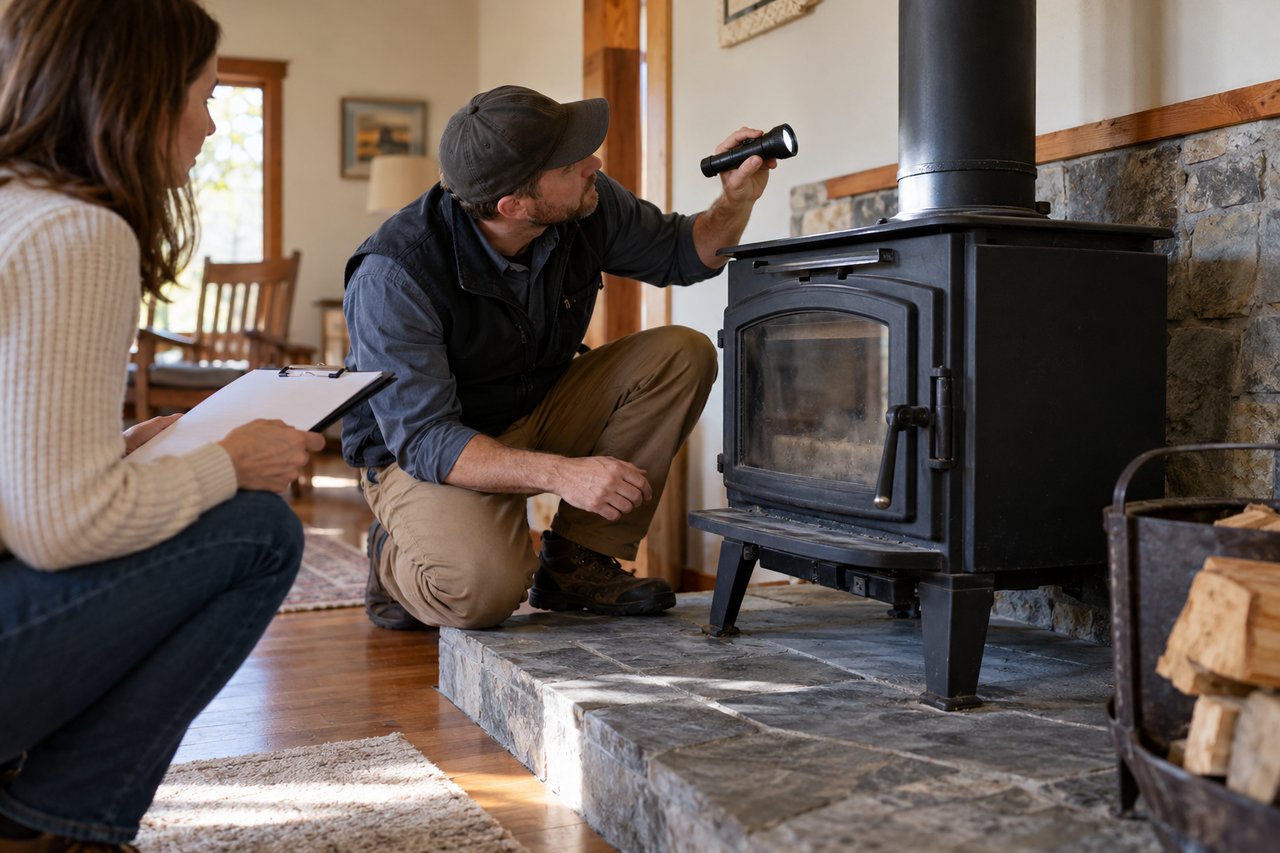
Review the stove, venting, documentation and insurance questions before treating wood heat as a benefit of the purchase.
Amber Johnson | October 20, 2026
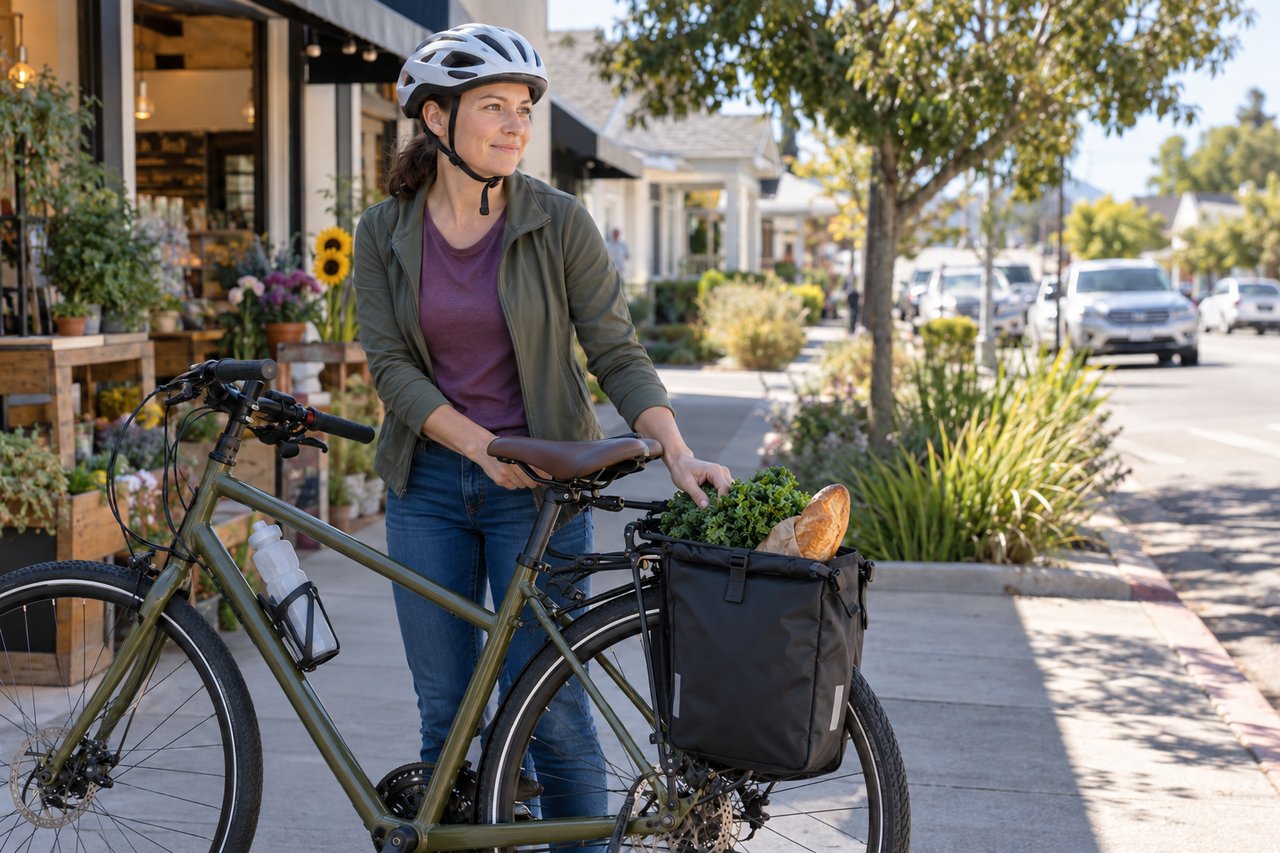
Test the routes to your actual errands, what you need to carry and your backup options before choosing a home around cycling.
Amber Johnson | October 20, 2026
Compare these two Morro Bay areas through the specific homes, daily routes and property features that matter to your household.
Amber Johnson | October 20, 2026
Check the property’s jurisdiction, current home-business rules and private restrictions before assuming clients can visit your home.
Amber Johnson | October 20, 2026
Compare keeping the pool with removal, site restoration and buyer appeal before spending money on pre-sale work.
Amber Johnson | October 20, 2026
Compare a consistent property type and reporting period within relevant price brackets before treating a broad market headline as guidance for a particular home.
Amber Johnson | October 19, 2026
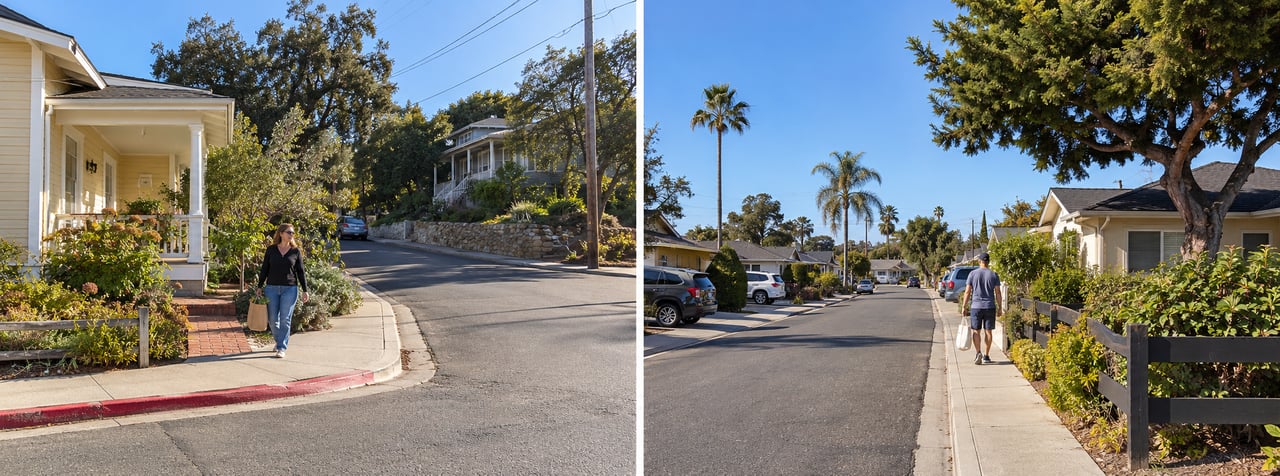
Compare your regular errands, routes, parking needs, and preferred street setting from specific homes in each area before deciding which routine fits.
Amber Johnson | October 19, 2026
Compare everyday access, usable outdoor space, upkeep, and the views you would actually enjoy at each property rather than choosing on the view alone.
You’ve got questions and we can’t wait to answer them.
Amber Johnson, Founder
Pillar Real Estate
805.835.3425
DRE# 01925434
1345 Park Street
Paso Robles, CA 93446