Can Los Osos Homes in Different Price Ranges Have Different Market Conditions?
October 20, 2026

October 20, 2026
Yes. Los Osos homes in different price ranges can face different levels of competition, even during the same reporting period. A buyer shopping in one bracket may have several suitable choices while someone in another bracket struggles to find a close match.
That doesn't tell us which bracket is stronger today. It tells us why a single community-wide headline isn't enough to guide the price of your home or the terms of your offer.
I'm Amber Johnson with Pillar Real Estate. When I help buyers and sellers consider Los Osos, I want the comparison to reflect the homes they would actually buy or compete against. The useful question is not just whether the market is moving. It's whether the evidence applies to this property, at this price, right now.
A price bracket brings together homes and buyers, but it doesn't make them identical. The available homes may differ in size, condition, setting, and features. Buyers also have different budgets and requirements.
One bracket might contain several similar listings competing for attention. Another might have few homes that meet a particular set of needs. Those situations can produce different showing activity, negotiation patterns, and time on the market.
Neither situation can be assumed from the price alone. Higher-priced homes aren't automatically slow sellers, and lower-priced homes don't automatically attract multiple offers. The relationship between suitable choices and interested buyers needs to be checked.
This is why I'd avoid describing all of Los Osos as a buyer's market or a seller's market without explaining the property group behind that description. A broad label can hide the differences that matter to your decision.
Before comparing price ranges, decide what belongs in the report. Use the same geographic boundaries, property type, reporting dates, and listing-status definitions for each group.
If one bracket includes detached houses and another includes a different ownership or property type, the difference may reflect the homes themselves rather than a change in market strength. Keep those categories separate when the data allows.
Then consider the features that make homes realistic alternatives. Living area, bedroom layout, condition, lot use, parking, and setting can affect whether buyers would place two properties on the same shortlist.
Location still matters within the community. My comparison of Baywood Park and central Los Osos can help you think about which setting fits your routine. A price-bracket report should not erase those property-level differences.
The goal isn't to filter until only your favorite answer remains. It's to define a sensible comparison first, then accept what the available evidence can and cannot show.
There isn't one set of price brackets that answers every Los Osos buying or selling question. A buyer needs to understand the choices near a comfortable purchase budget. A seller needs to understand the homes likely to compete with the property.
Start with ranges that are wide enough to contain useful information but narrow enough to remain relevant. Record the boundaries so that later comparisons use the same approach.
Be careful near a cutoff. A home just above the boundary may compete directly with one just below it. The line on a spreadsheet doesn't create a meaningful difference in condition, appeal, or buyer interest.
Also ask which price places a property in a group. Active listings usually have asking prices available, while closed sales have final sale prices. A home can move between brackets after a reduction or at closing, so the report needs to explain its sorting rule.
Don't choose a higher asking price simply to appear in a supposedly stronger bracket. Buyers compare what the home offers with the alternatives, not just the heading under which the listing appears.
The number of active listings tells you about the available choices at the time of the report. It doesn't, by itself, tell you how quickly those homes are being purchased.
Review recent new listings, homes going under contract, and completed sales alongside the active inventory. Keep each status separate. An accepted contract is useful evidence of activity, but it is not a completed sale or a confirmed final price.
A bracket with more active homes isn't automatically weaker than one with fewer. It may also have more buyers completing purchases. Conversely, a small inventory count doesn't prove strong demand if very little activity is occurring.
For a seller, I'd ask which current homes would make a buyer choose something else. For a buyer, I'd ask how many listings actually meet the must-have criteria. A long list of unsuitable properties can exaggerate how much practical choice you have.
Countywide figures can provide background, but they answer a broader question. My article on using countywide market data when buying or selling in San Luis Obispo County explains why that background shouldn't replace a closer property comparison.
A higher median sale price doesn't automatically mean every home in that bracket gained value. The median is the middle of the sale prices being measured. A different mix of homes selling can change that middle point.
For example, if the sold group contains more larger or more extensively updated homes, its price summary may differ from a period with more modest properties. That is a reason to inspect the sales, not a reason to discard the report.
Days on market also needs a definition. Ask whether the report measures active listings or sold properties, when the clock stops, and how relisted homes are handled. Compare the same measure across brackets.
Price reductions deserve the same care. A reduction shows that an asking price changed. It doesn't prove the home is now a bargain, establish the seller's minimum, or demonstrate that every home in the bracket needs a similar adjustment.
If you review sale-to-list-price comparisons, check whether the reference is the original asking price or the final asking price. Where concessions are available in the records, consider those separately rather than treating the headline sale price as the entire negotiation.
Splitting a community into price brackets leaves fewer properties in each group. A small group can make a single unusual sale look like a major shift.
Ask to see the count behind every summary. A percentage without the number of listings or sales can sound much more convincing than the underlying evidence deserves.
If there isn't enough recent activity, consider a longer reporting window while keeping the other filters consistent. Label that change clearly. Older sales add context, but they may reflect different conditions from the choices available today.
Broadening the geography is another possible step, not a silent shortcut. Nearby communities may offer useful comparisons, but their properties and buyer appeal need to be evaluated rather than assumed to match Los Osos.
The same caution appears in my guide to interpreting a small number of recent sales in Avila Beach. The location differs, but the question about sample size applies whenever a narrowly defined group has limited activity.
Sometimes the honest finding is that there isn't enough evidence to rank the brackets confidently. That's still useful. It prevents a thin report from becoming a promise about your sale or purchase.
Use the price-bracket comparison to set expectations about competition, then return to your actual home. Look at the listings buyers can tour now and the closed sales that provide the closest support for pricing.
If your relevant bracket has several similar choices, presentation and a defensible asking price deserve close attention. If suitable alternatives are limited, that may help your position, but it doesn't establish that buyers will accept any price or terms.
Separate market conditions from property-specific feedback. A home can receive little interest because of its asking price, condition, access, or presentation even when other homes in the bracket are attracting buyers.
Before listing, agree on what you'll review after launch: showing activity, repeated feedback, new competition, and nearby status changes. Decide when to reassess instead of promising a sale deadline based on a bracket average.
Use your relevant bracket to understand your alternatives, not to justify stretching beyond a comfortable budget. A report showing more choice doesn't change the costs or condition of the specific home you want.
If you have several suitable options, compare them carefully before deciding your offer terms. If there are few, prepare to act thoughtfully without treating scarcity as a reason to skip important due diligence.
Negotiation should still reflect the property's history and comparable sales. A slower bracket doesn't guarantee a discount. A more competitive bracket doesn't establish that every listing deserves an above-asking offer.
Keep your own requirements visible throughout the comparison. A home in a different bracket is not a substitute if the price or daily living tradeoffs don't work for you.
Before relying on a Los Osos price-range report, ask what dates it covers, which homes are included, how the brackets are defined, and how many properties support the conclusion. Then ask which current listings and recent sales most closely relate to your decision.
That conversation should end with a practical next step, not just a market label. For a seller, that might be a pricing review against current competition. For a buyer, it might be a closer comparison of the homes that fit both the budget and the daily routine.
Los Osos can have different conditions at different price levels. The best guidance connects that possibility to consistent, dated evidence and the home in front of you.
If you're considering selling in Los Osos, I can help you look at the relevant competition and decide what to review before setting an asking price. Visit Sell With Amber to start that conversation with Pillar Real Estate.
Amber
Amber Johnson, Founder
Pillar Real Estate
805.835.3425
[email protected]
1345 Park St. Paso Robles, CA 93446
DRE# 01925434

Amber Johnson | November 10, 2026
Learn what each listing outcome may mean, what it leaves unanswered and how price range, location and timing affect the comparison.

Amber Johnson | November 9, 2026
Amber Johnson | November 9, 2026
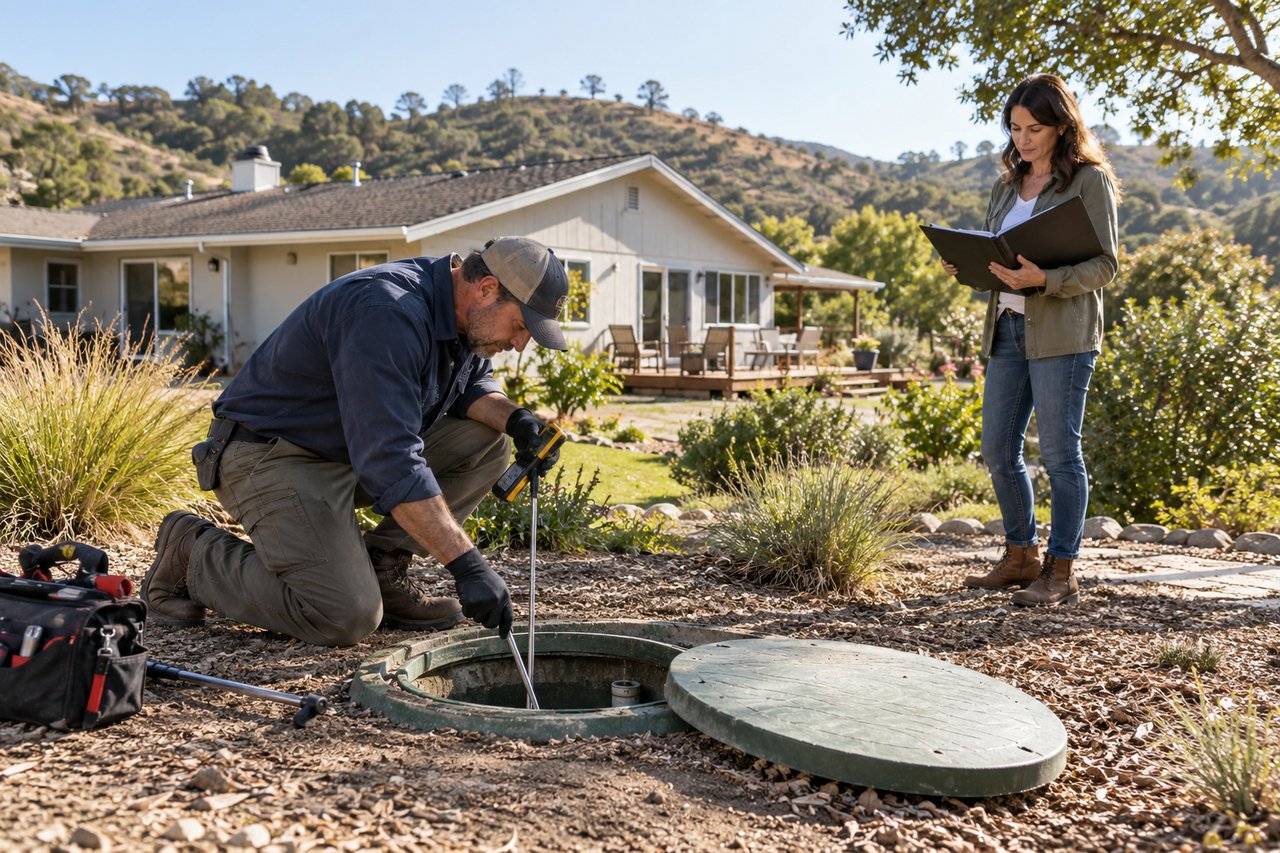
Review inspection findings, service records, capacity, access and local requirements before relying on the system.

Amber Johnson | November 8, 2026
Compare access, timing, seasonal conditions and home-to-trail logistics before building regular birdwatching into life in Los Osos.
Amber Johnson | November 8, 2026
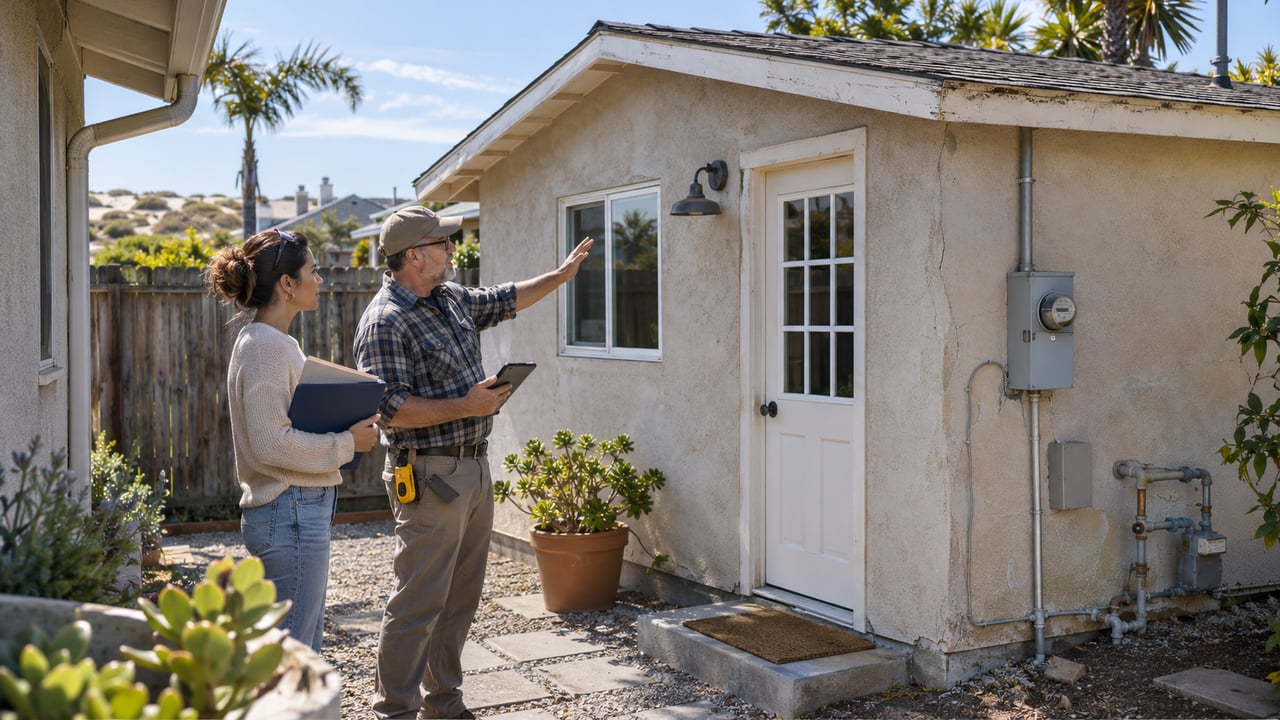
Verify the separate structure's records, condition and permitted use before counting on it.

Amber Johnson | November 7, 2026
Compare specific homes by their street setting, daily routes and access to the places you use.

Amber Johnson | November 7, 2026
Test school logistics, activities and daily routes from the specific home you are considering.

Amber Johnson | November 7, 2026
Amber Johnson | November 7, 2026
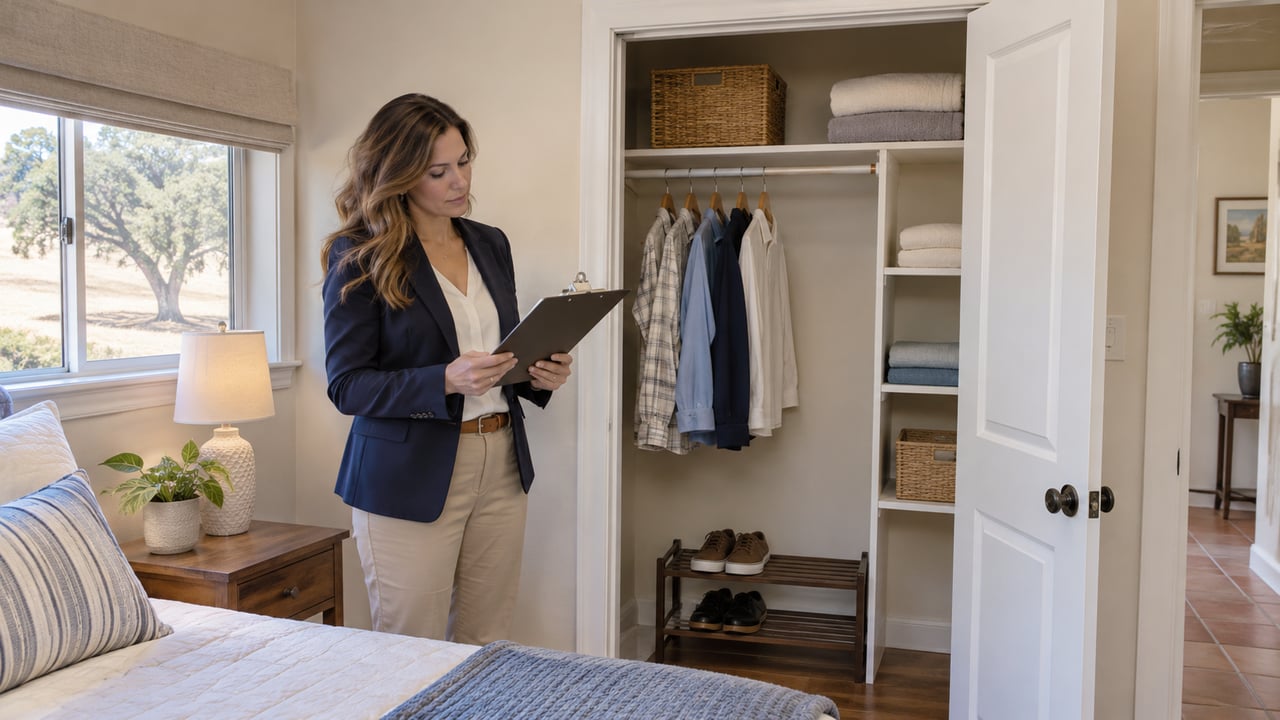
Show usable storage honestly and help buyers see how the home's layout fits daily life.
You’ve got questions and we can’t wait to answer them.
Amber Johnson, Founder
Pillar Real Estate
805.835.3425
DRE# 01925434
1345 Park Street
Paso Robles, CA 93446