What Should Buyers Check Before Buying a San Luis Obispo Condo Facing a Shared Courtyard?
October 21, 2026
October 21, 2026
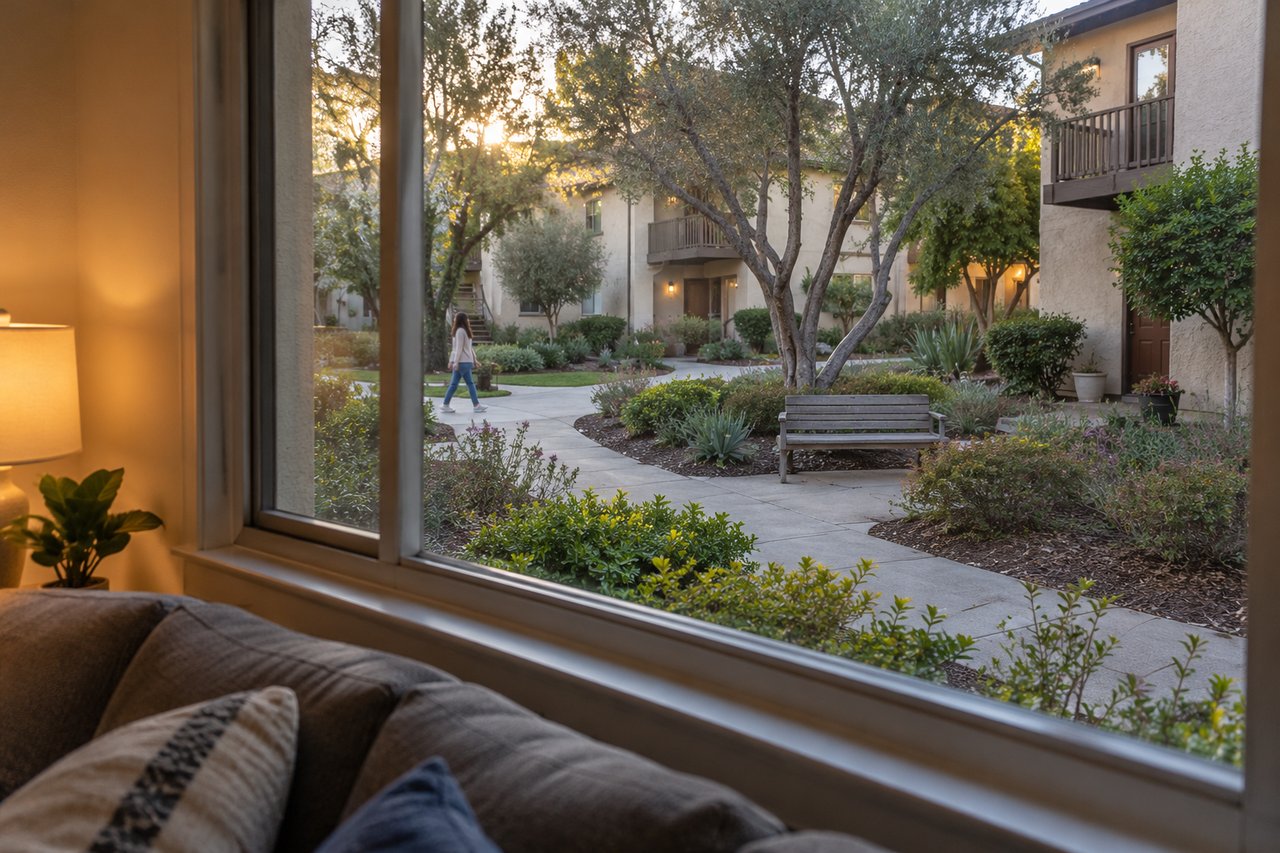
Before buying a San Luis Obispo condo facing a shared courtyard, check what people can see into the unit, how the space is used and what the HOA documents allow. Then look at the practical details: paths near your windows, evening lighting, maintenance access and who handles repairs.
A courtyard can give you a pleasant outlook without a private yard to manage. But looking onto shared outdoor space is not the same as owning a quiet, private garden. The right fit depends on the particular unit and how you want to live in it.
I'm Amber Johnson, founder of Pillar Real Estate in Paso Robles. I help buyers, sellers and relocating households compare homes throughout SLO County. With a courtyard-facing condo, I'd spend as much time looking outward from the rooms as I would looking around the interior.
During a showing, pause where your furniture would go. Sit where you might watch television, work at a desk or eat dinner. A window view from the middle of an empty room can feel different from the view beside your future sofa.
Notice the relationship between each room and the courtyard. Does a main path pass near the living room? Do shared seats face the bedroom? Are neighboring windows directly opposite yours?
There isn't one ideal distance or layout for everyone. You may enjoy seeing occasional activity outside. You may prefer a room where you can leave the shades open without feeling on display. Be honest about your preference before deciding whether this particular view is a benefit.
Check more than the room used for listing photos. A condo might have an appealing living-room outlook and a less comfortable bedroom sightline. That difference matters if you would spend most of your time in the bedroom-facing room.
Ask to revisit at a different time if privacy is a major priority. Look from inside at the same places you'd use in daily life. With permission and without approaching neighbors' windows, observe the unit from the common path as well.
The question isn't whether someone could theoretically look toward the home. It's whether normal use of the shared space gives you the privacy you want.
Consider these details:
Evaluate the actual window coverings rather than assuming you'll install a particular solution later. If changes would affect the exterior appearance or shared areas, verify the applicable requirements first. Don't make an uncertain modification responsible for fixing a privacy concern.
Some courtyard activity comes from people passing through. Other activity comes from people staying there. Identify which uses appear relevant to this development, then confirm them rather than drawing conclusions from one quiet showing.
Trace the authorized routes to unit entrances, parking, mailboxes and any shared facilities. Notice whether the path near your window serves just a few nearby doors or connects other parts of the property. Don't enter restricted areas or treat a private patio as a shortcut.
Look at benches, tables and other shared features. Ask how the courtyard is intended to function and what the current rules say about gatherings, hours and guests. A planted courtyard may still be a place where neighbors reasonably spend time.
Neither arrangement is automatically better. A social shared area could be appealing if that's what you want. If your priority is separation from outdoor activity, a different unit orientation may fit better than hoping the courtyard stays unused.
Spend a few quiet minutes in the unit with conversation and background music paused. If the seller permits it, compare conditions with the windows open and closed. Listen from the rooms where sound would matter most to you.
Ask about recurring activity: grounds maintenance, gates, shared seating, deliveries or movement to nearby facilities. These are questions to investigate, not assumptions that the development has a noise problem.
A single visit can't establish what every evening or weekend will sound like. A quiet showing is one observation. Combine it with another visit, the seller's disclosures and specific questions to the association or management.
Keep your questions neutral. Ask about the use and operation of the space, not who lives nearby. You're evaluating a property and your own comfort with its surroundings, not trying to select neighbors.
Don't decide ownership or use rights from the placement of a planter, a chair or a low wall. Ask for the relevant recorded documents and plans so you can distinguish the unit, shared areas and any area assigned for a particular unit's use.
Have the title and HOA documents reviewed when a boundary or right is unclear. If the documents conflict with a verbal description or what you see on site, resolve that question before relying on the space as part of your purchase.
The California Department of Real Estate's August 21, 2026 guidance on common-interest developments emphasizes that important ownership and use information may not be visible in a physical inspection. Governing documents deserve their own review.
A courtyard-facing location does not, by itself, establish that you can reserve seating outside the window or prevent other authorized users from passing. Ask what the documents actually provide. For a legal interpretation of an uncertain provision, consult an attorney familiar with common-interest developments.
Request the current CC&Rs, association rules and architectural guidelines. Then connect them to what you expect to do in this home.
Would you want pots near the door, a screen beside a window or different exterior-facing shades? Do you expect to use shared seating for guests? Are you counting on storing something outside? Each plan needs a confirmed answer, not a guess based on another owner's setup.
Ask who approves changes, what documentation is needed and whether any existing alteration affecting this unit has an unresolved approval question. Don't assume an item is permitted simply because it was present during the showing.
Our guide to what buyers should check before buying a condo in Pismo Beach offers a broader condo-review framework. For this San Luis Obispo purchase, apply that process to the actual association documents and the courtyard-facing unit, rather than carrying over another development's rules.
Ask who is responsible for the courtyard planting, irrigation, drainage, paths, lighting and shared furnishings. Separately clarify responsibility for the unit's windows, exterior doors and any adjacent area assigned for its use.
Don't assume the same party handles every item. Identify the relevant provisions and ask the association or management to explain its current process. If the allocation is ambiguous, seek appropriate professional review.
Find out how maintenance workers reach the areas near your windows or patio. Ask about routine scheduling and how owners receive notice of planned work. You want to understand the normal operation of the property, not expect a shared area to function like a fenced backyard.
Also ask about planned courtyard projects. A view that feels settled today may be affected by work already under discussion. Review available meeting minutes and project information, while recognizing that future conditions can't be guaranteed.
Have the condo inspected and point out concerns around the courtyard-facing openings. Ask the inspector about the inspection's scope and any limits on evaluating common areas.
If you notice staining, damaged surfaces, irrigation close to the building or a drainage concern, document the question and obtain the appropriate evaluation. Don't diagnose the cause from appearance alone.
Request the available history of related repairs. If someone says a recurring issue was resolved, ask what work was performed and whether there is supporting documentation. Identify who would be responsible if additional investigation or repair is needed.
The courtyard may be attractive and still deserve careful review. Good planting does not replace an inspection, and an association-maintained area doesn't eliminate the need to understand its condition.
For any proposed repairs, clarify the scope, approvals and responsible party before assuming you can arrange work yourself.
Review the association's budget, reserve information, assessments and disclosed projects. Keep the courtyard in that discussion. Ask whether planned work involving its surfaces, drainage, irrigation or adjacent building components has an identified funding plan.
A small patch of shared outdoor space isn't a reason to skip the larger association review. At the same time, don't invent a future assessment simply because an area looks older. Look for the actual documents and ask about unresolved questions.
DRE's guidance recommends reviewing the financial and management information alongside the physical condition. If a financial or legal question goes beyond the practical real estate discussion, bring in the appropriate advisor.
If you're financing the purchase, give your lender the requested association information early. Confirm any requirements that affect this condo rather than assuming all projects are treated the same way.
Be clear about what you're hoping the courtyard will replace. If you want an outdoor outlook and somewhere shared to sit, it may meet that need. If you need private gardening space, storage or control over outdoor activity, verify whether the property offers those things elsewhere.
Our article on whether San Luis Obispo is a good fit when you want a yard without a large property can help you separate the desire for greenery from the desire for a private yard. They aren't the same purchase priority.
Before making an offer, compare this unit with another orientation if possible. Look at privacy, light, shared routes and the rooms you use most. Don't compare only the size of the courtyard or the quality of its planting.
For the broader location decision, our overview of San Luis Obispo neighborhoods and their tradeoffs offers context. The unit-level check still matters, even after you've chosen an area you like.
A shared-courtyard condo can be a good fit when its sightlines, activity and rules match your routine. It may be a poor fit if the appeal depends on unconfirmed privacy changes, exclusive use you haven't established or a courtyard that must stay unusually quiet.
My approach is property-specific. We'll identify what matters to you, gather the documents, arrange the right inspections and separate confirmed information from open questions. Then you can decide whether the home makes sense for your goals.
That clarity helps sellers, too. Accurate descriptions of shared space and organized records give buyers something useful to evaluate. At Pillar Real Estate, I want the decision grounded in the actual home, not a general promise about condo living.
If you're considering a San Luis Obispo condo purchase or preparing to sell, I can help organize the real estate questions and the next steps.
Schedule a Strategy Consultation through Sell With Amber.
Amber
Amber Johnson, Founder
Pillar Real Estate
805.835.3425
[email protected]
1345 Park St. Paso Robles, CA 93446
DRE# 01925434

Amber Johnson | November 23, 2026

Amber Johnson | November 21, 2026

Amber Johnson | November 21, 2026
Test the route, travel schedule and home location against your actual week.

Amber Johnson | November 21, 2026
Use both measures to judge current competition and buyer activity without overreading one week.
Amber Johnson | November 21, 2026
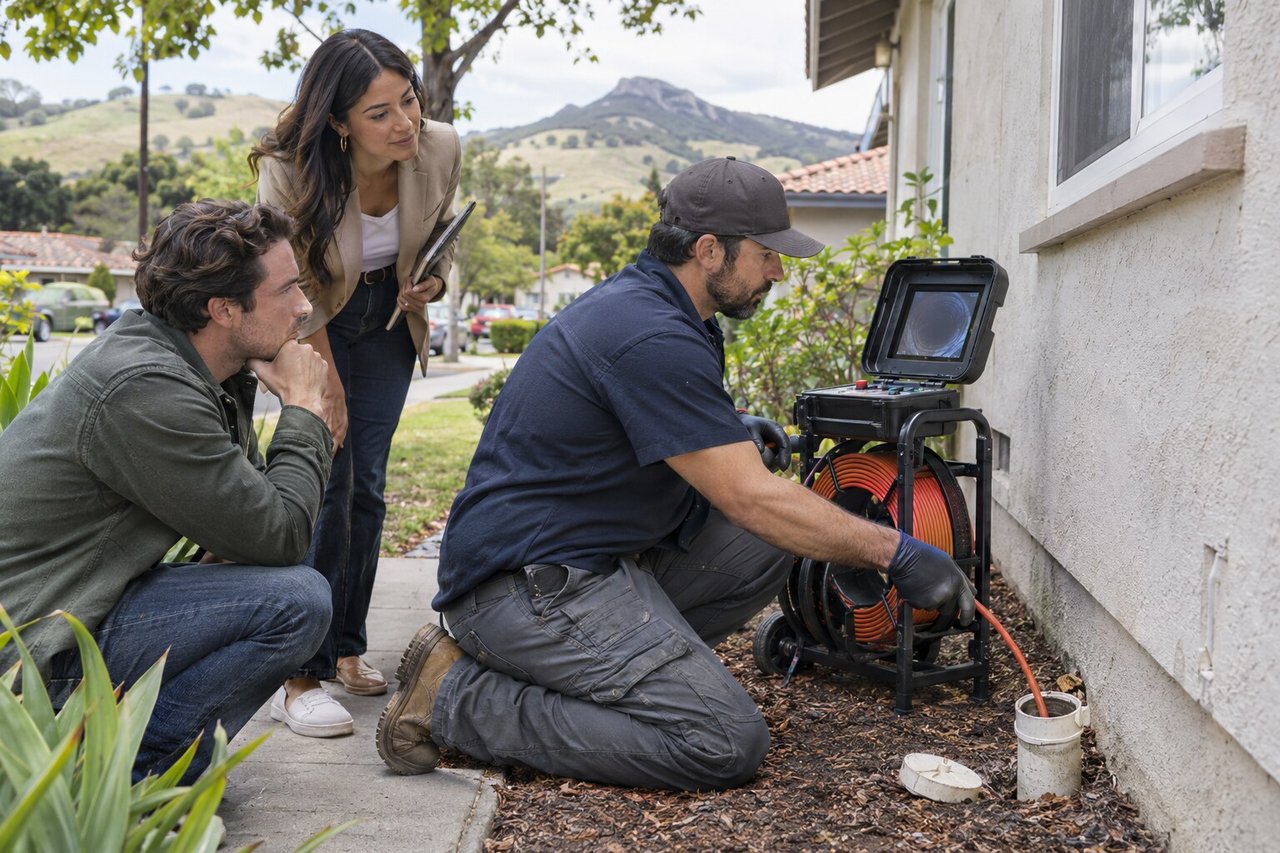
Understand inspection options, service history and the scope of any needed work.

Amber Johnson | November 20, 2026
Consider bike storage, route access and how rides fit into your ordinary week.
Amber Johnson | November 20, 2026
Compare commute convenience with traffic exposure at the specific homes you tour.

Amber Johnson | November 20, 2026
Amber Johnson | November 20, 2026
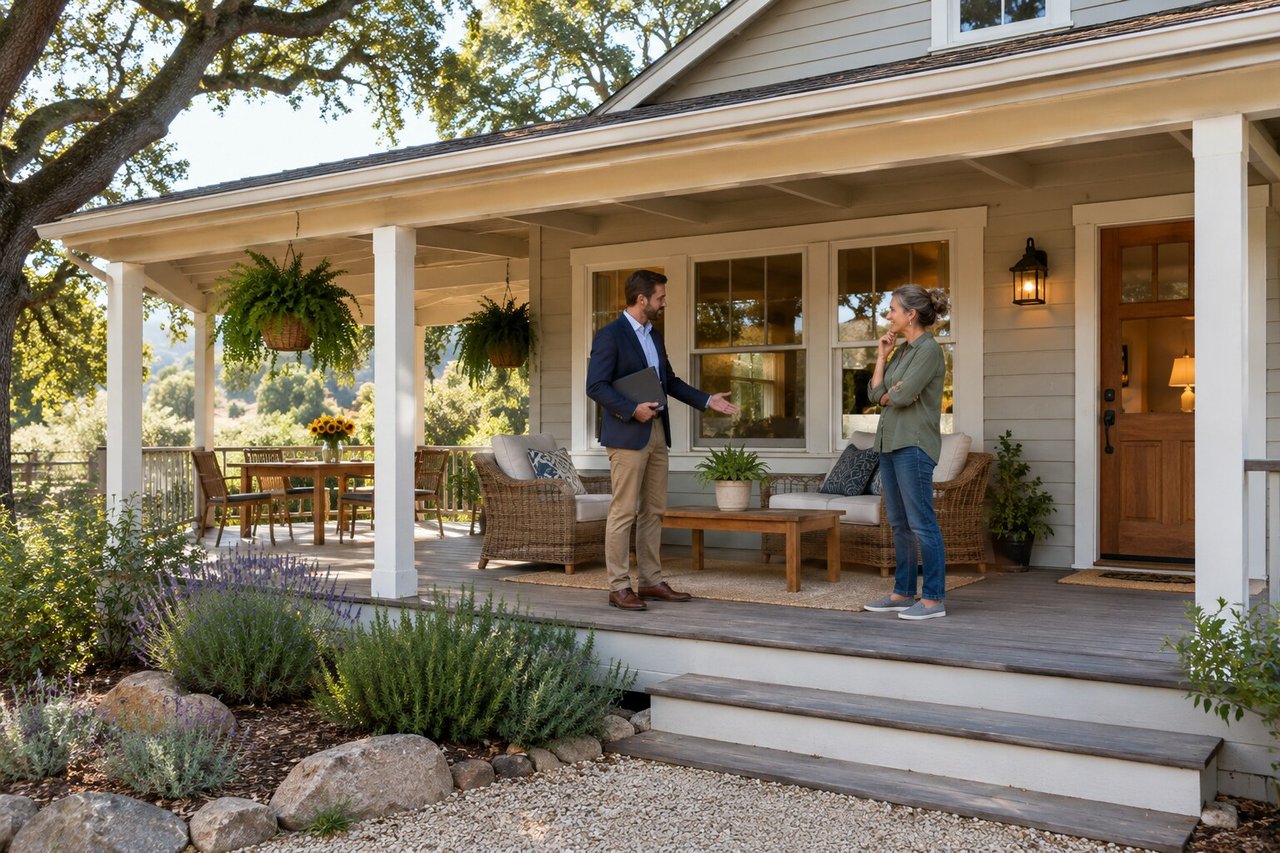
Show how the porch connects to daily living while presenting its condition honestly.
You’ve got questions and we can’t wait to answer them.
Amber Johnson, Founder
Pillar Real Estate
805.835.3425
DRE# 01925434
1345 Park Street
Paso Robles, CA 93446