What Happens If the Home Inspection Finds Problems?
August 14, 2026

August 14, 2026
The inspection is over.
The report has been delivered.
Now you're waiting to hear from the buyer.
For many sellers...
This is the most stressful part of the transaction.
"What if they found something major?"
"Are they going to ask me to fix everything?"
"Could the sale fall apart?"
If you're selling a home in Paso Robles, Templeton, Atascadero, San Miguel, or San Luis Obispo, these are completely normal concerns.
Here's the thing.
Finding issues during a home inspection doesn't automatically mean there's a problem with your sale.
In fact, it's one of the most common parts of the escrow process.
Amber is a real estate agent in Paso Robles, CA helping homeowners throughout San Luis Obispo County sell for top dollar through thoughtful preparation, clear communication, and collaborative negotiation. After more than 13 years, she's learned that inspection findings rarely end a transaction. More often, they begin an informed conversation about what makes sense for both the buyer and the seller.
Most inspection reports contain findings.
The important question isn't whether the report has items.
It's what happens next.
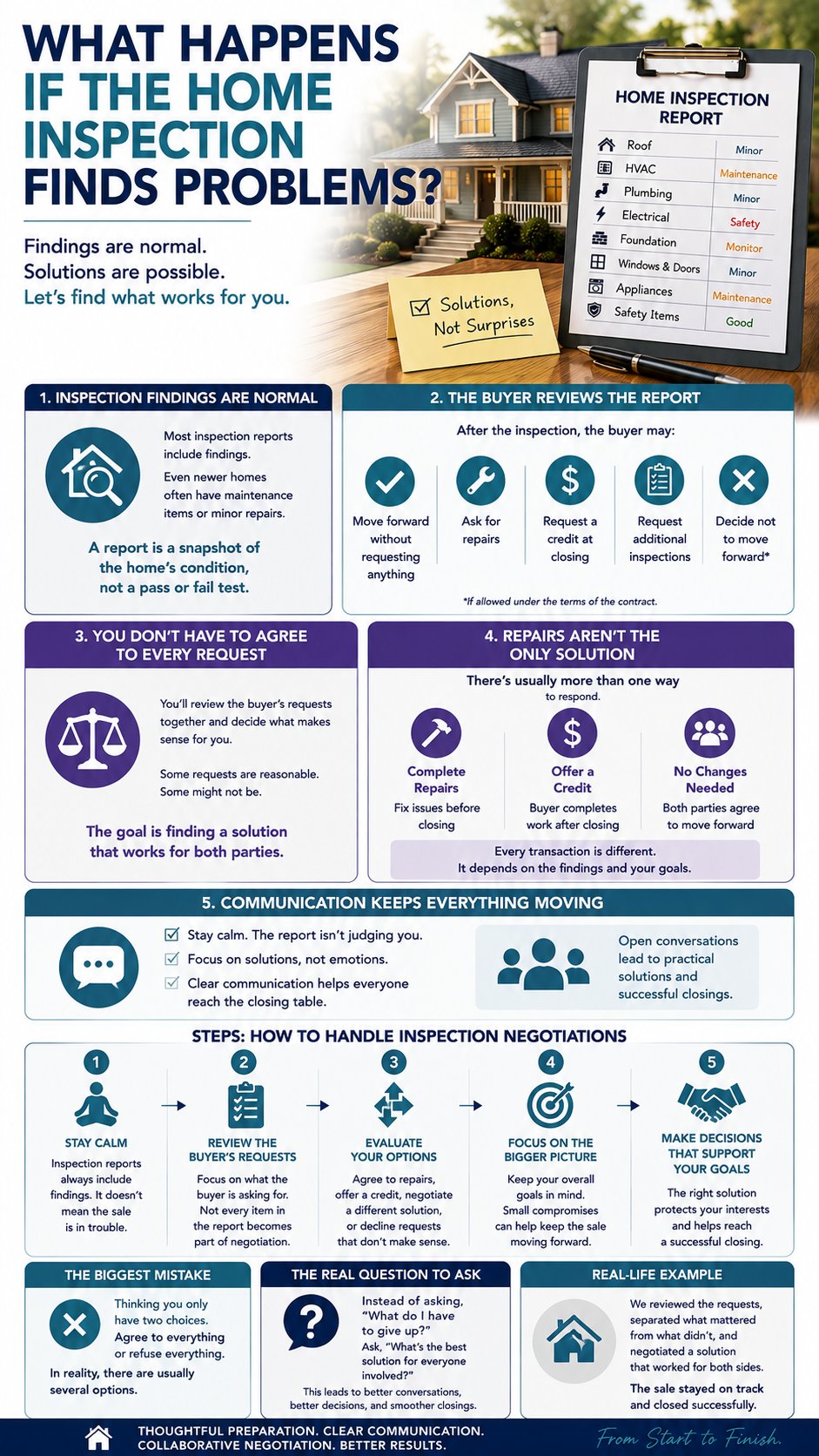
Inspection Findings Are Normal
One of the biggest misconceptions is that a home inspection should come back "clean."
That's rarely the case.
Even newer homes often have inspection reports filled with maintenance recommendations, safety notes, and minor repairs.
Older homes usually have even more observations.
That doesn't mean the home is in poor condition.
It simply reflects the age, maintenance history, and current condition of the property.
The Buyer Reviews the Report
After receiving the inspection report, the buyer has several options.
They may:
Every transaction is different.
The response depends on the inspection findings and the terms of the purchase agreement.
You Don't Have to Agree to Every Request
Many sellers are surprised to learn this.
If the buyer requests repairs or a credit, you aren't automatically required to say yes.
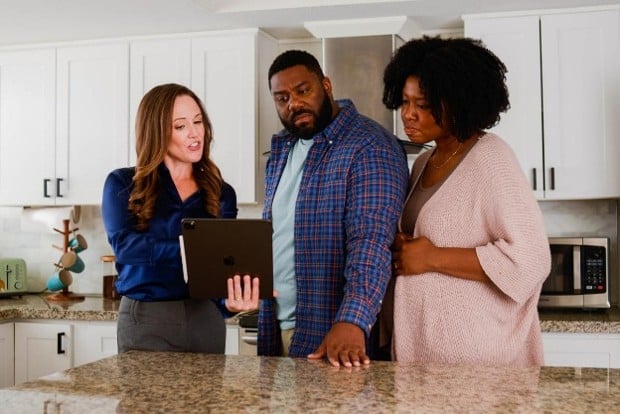
Instead, you'll review the requests together.
Some requests may be reasonable.
Others may not make sense based on the condition of the home or the terms of the contract.
The goal is finding a solution that works for both parties.
That's where thoughtful negotiation becomes so valuable.
Repairs Aren't the Only Solution
Many people assume every inspection issue has to be repaired before closing.
Sometimes that's true.
Sometimes it isn't.
Another option may be offering a credit so the buyer can complete the work after closing.
In other situations, both parties may decide no changes are necessary.
There isn't one answer that fits every transaction.
It depends on your situation, the findings, and what makes sense for your goals.
Communication Keeps Everything Moving
Inspection negotiations can feel emotional.
That's understandable.
You've spent years caring for your home.
Seeing a long inspection report can feel personal.
But remember...
The report isn't judging you.
It's simply identifying observations about the property.
Clear communication helps everyone focus on solutions instead of emotions.
What I'm Seeing Right Now
After helping homeowners throughout Paso Robles, Templeton, Atascadero, San Miguel, and San Luis Obispo County for more than 13 years, I've found that most inspection negotiations are much less dramatic than sellers expect.
The strongest transactions aren't the ones with perfect inspection reports.
They're the ones where buyers and sellers communicate openly, stay focused on practical solutions, and work together toward a successful closing.
That's what collaborative negotiation looks like.
And that's what helps transactions reach the finish line.
From start to finish.
A Real-Life Example
I worked with homeowners who were feeling confident after the inspection.
Then the buyer submitted a repair request.
Their first reaction was,
"Do we have to agree to all of this?"
The answer was no.
We reviewed every request together.
Some items were reasonable.
A couple involved routine maintenance that the buyers were comfortable handling themselves.
There were also a few requests that didn't make sense based on the home's condition and the local market.
Instead of reacting emotionally, we looked at the bigger picture.
What was important to the buyer?
What mattered most to my sellers?
How could we keep the transaction moving while protecting my clients' goals?
After a few conversations, both sides reached an agreement they were comfortable with.
The sale continued without unnecessary stress.
That's how most inspection negotiations should work.
Not as a battle.
As a conversation focused on finding a practical solution.
The Biggest Mistake
The biggest mistake sellers make is assuming they have only two choices.
Agree to everything...
Or refuse everything.
In reality, there are usually several options.
You might agree to complete certain repairs.
Offer a credit instead.
Negotiate a different solution.
Or decide that a request isn't appropriate.
Every situation is different.
The best answer depends on the property, the buyer's concerns, and your goals.
What This Process Should Feel Like
Inspection negotiations shouldn't feel like you're losing control of the transaction.
They should feel like you're making informed decisions.
You'll understand what the buyer is requesting.
You'll discuss your options.
And together, we'll determine what makes the most sense for your situation.
That's what thoughtful negotiation looks like.
How This Connects to the Bigger Picture
In the last article, we talked about what a home inspection is and why sellers shouldn't fear it.
Now the inspection is complete.
The next step is understanding how to respond if the buyer requests repairs or credits.
The goal isn't to "win" the negotiation.
The goal is to keep the sale moving while protecting your priorities.
Related: What Is a Home Inspection and Should Sellers Be Worried?
Steps: What to Do If the Inspection Finds Problems
Step 1: Stay Calm
Inspection reports almost always include findings.
Don't assume the transaction is in trouble simply because the report is detailed.
Step 2: Review the Buyer's Requests
Focus on what the buyer is actually asking for.
There's a difference between an inspection report and a repair request.
Not every item in the report becomes part of the negotiation.
Step 3: Evaluate Your Options
If you're selling a home in Paso Robles, Templeton, Atascadero, San Miguel, or San Luis Obispo, you have several ways to respond.
You may agree to complete repairs.
Offer a credit.
Negotiate a different solution.
Or decline requests that don't make sense.
Step 4: Focus on the Bigger Picture
It's easy to get caught up debating individual repairs.
Instead, keep your overall goals in mind.
Sometimes a small compromise helps keep the transaction moving toward a successful closing.
Step 5: Make Decisions That Support Your Goals
Every negotiation is different.
The right decision is the one that protects your interests while giving the transaction the best opportunity to reach the closing table.
So... What Happens If the Home Inspection Finds Problems?
Most of the time...
You have a conversation.
You review the requests.
You explore your options.
And you negotiate a solution that works for everyone involved.
Inspection findings are a normal part of selling a home.
They don't automatically mean the transaction is falling apart.
The Best Negotiations Focus on Solutions
After helping homeowners throughout San Luis Obispo County for more than 13 years, I've learned that successful negotiations aren't about saying yes to everything or no to everything.
They're about understanding what's important.
Finding common ground.
And keeping the transaction moving toward the outcome that makes sense for your goals.
That's what collaborative negotiation is all about.
From start to finish.
The Real Question to Ask
Instead of asking:
"What do I have to give up?"
Ask:
"What's the best solution for everyone involved?"
That question usually leads to better conversations, better decisions, and a smoother closing.
Next Steps
If you're thinking about selling a home in Paso Robles, Templeton, Atascadero, San Miguel, or San Luis Obispo, understanding how inspection negotiations work can help you feel much more confident before your home ever goes on the market.
Learn more about how I help homeowners prepare, negotiate, and sell for top dollar by visiting:
👉 https://pillarrealestate.com/selling
Whether you're preparing to list or already under contract, having the right strategy can help you move through every negotiation with confidence.
From start to finish.
FAQ
What happens after the buyer receives the home inspection report?
The buyer reviews the report and may choose to move forward as-is, request repairs, ask for a credit, request additional inspections, or, depending on the contract, decide not to proceed.
Do I have to agree to every repair request?
No. Repair requests are negotiable. You can agree, propose an alternative such as a credit, negotiate different terms, or decline requests that don't make sense for your situation.
What's the difference between a repair and a credit?
A repair means the seller completes the work before closing. A credit allows the buyer to receive money at closing to complete the work after they take ownership.
Can inspection negotiations cause the sale to fall through?
They can, but most inspection negotiations are resolved through communication and compromise. The goal is to find a solution that works for both the buyer and the seller.
Should I make repairs or offer a credit?
It depends on the specific request, the condition of the home, your timeline, and what best supports your goals. Every transaction is different.
How can a real estate agent help during inspection negotiations?
An experienced agent helps you evaluate the buyer's requests, explain your options, negotiate thoughtfully, and keep the transaction moving toward a successful closing.
Amber Johnson, Founder
Pillar Real Estate
805.835.3425
[email protected]
1345 Park St. Paso Robles, CA 93446
DRE# 01925434
Amber Johnson | September 21, 2026
How traffic patterns, privacy, parking, lot shape, and buyer preferences can influence marketing and value.
Amber Johnson | September 21, 2026
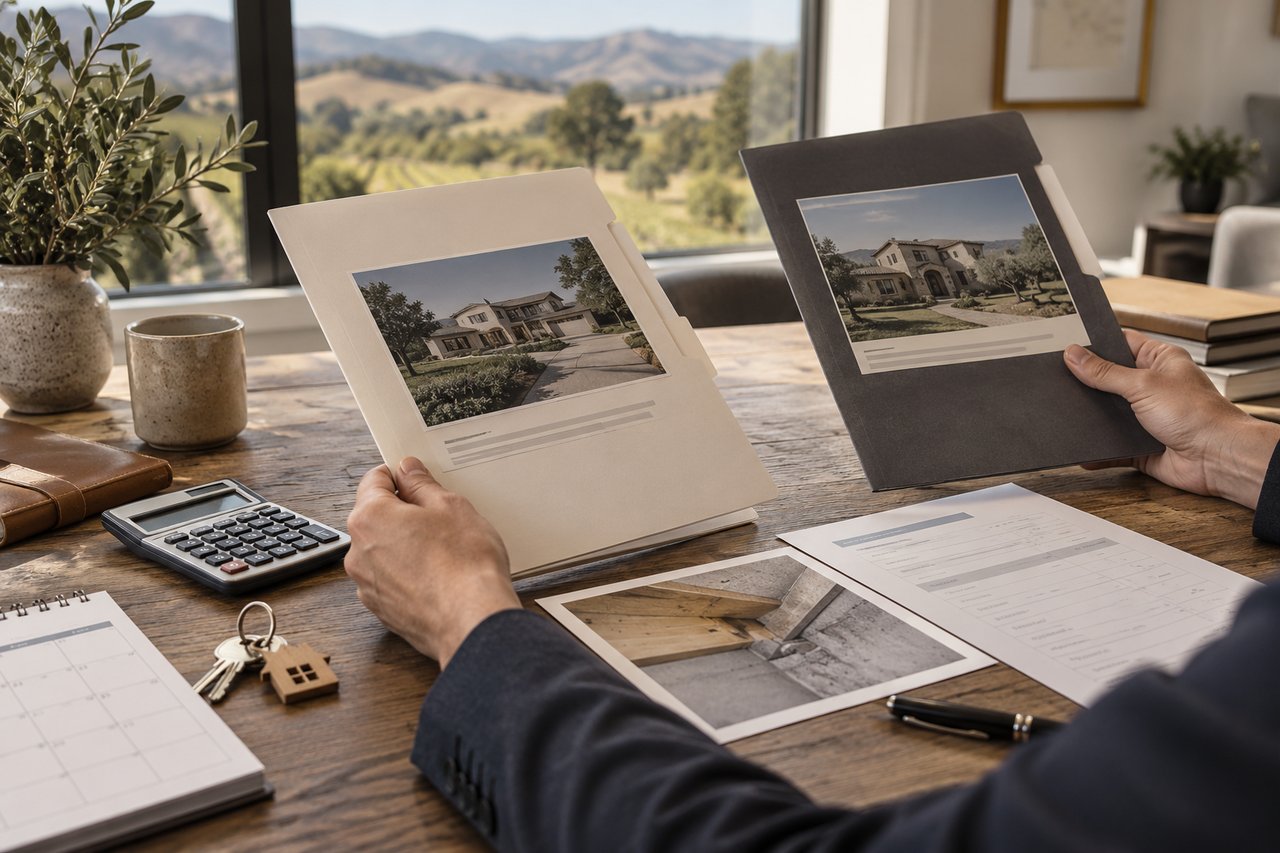
The price, credits, repairs, timing, and other terms Paso Robles sellers may need to evaluate this season.
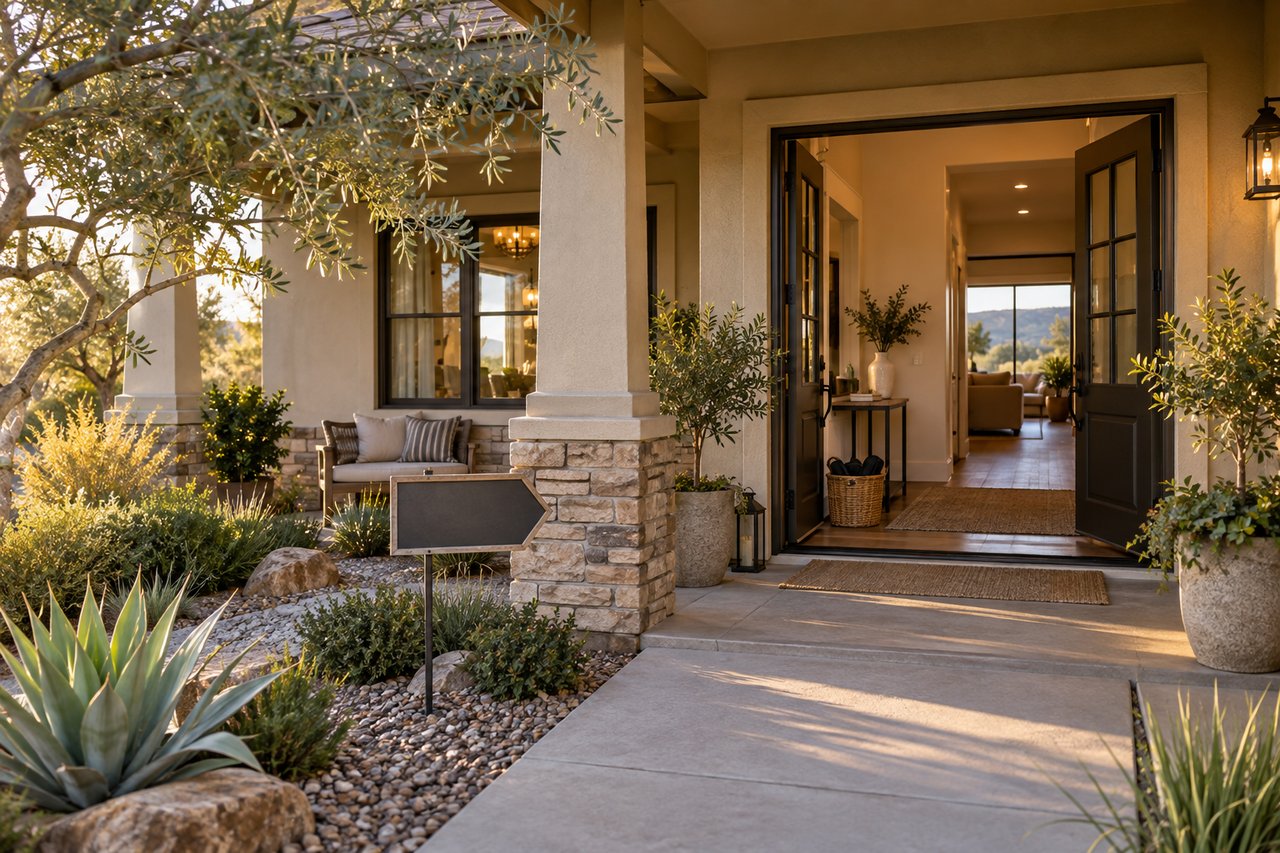
Amber Johnson | September 21, 2026
When an open house can support a launch, when private showings may matter more, and how to judge the results.
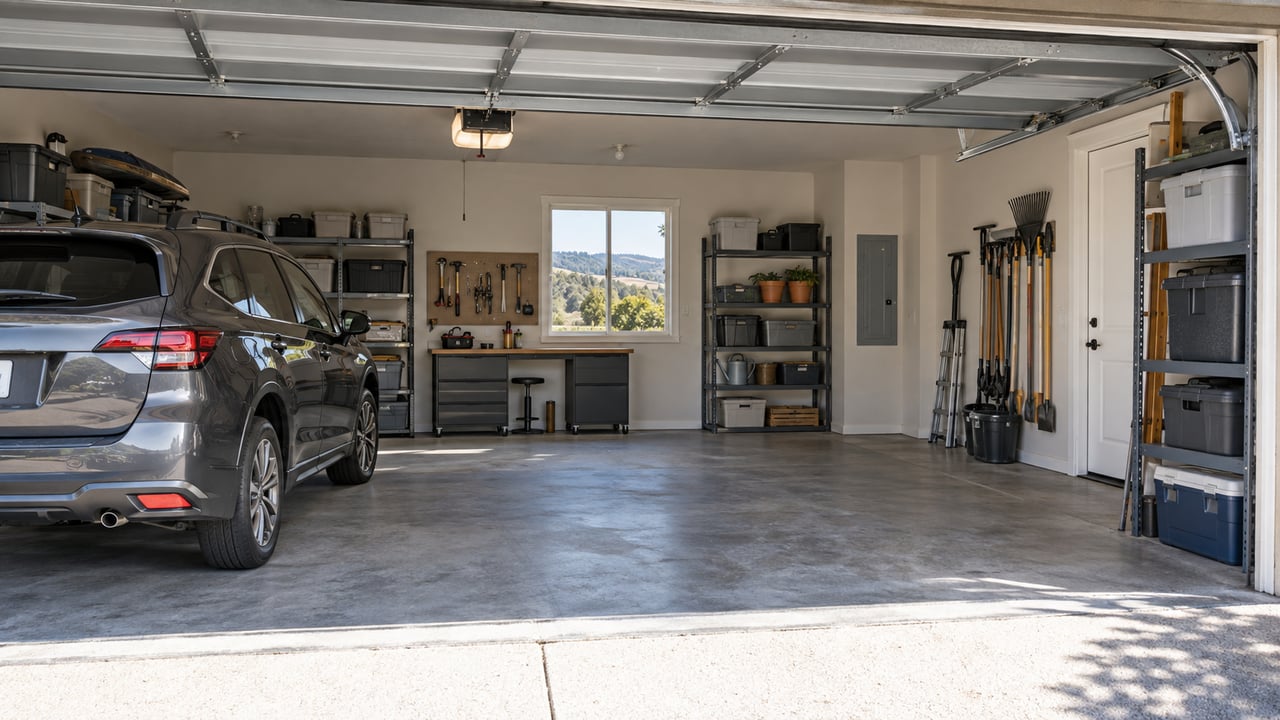
Amber Johnson | September 20, 2026
How garage organization, storage, access, and visible maintenance can influence a buyer’s overall impression.
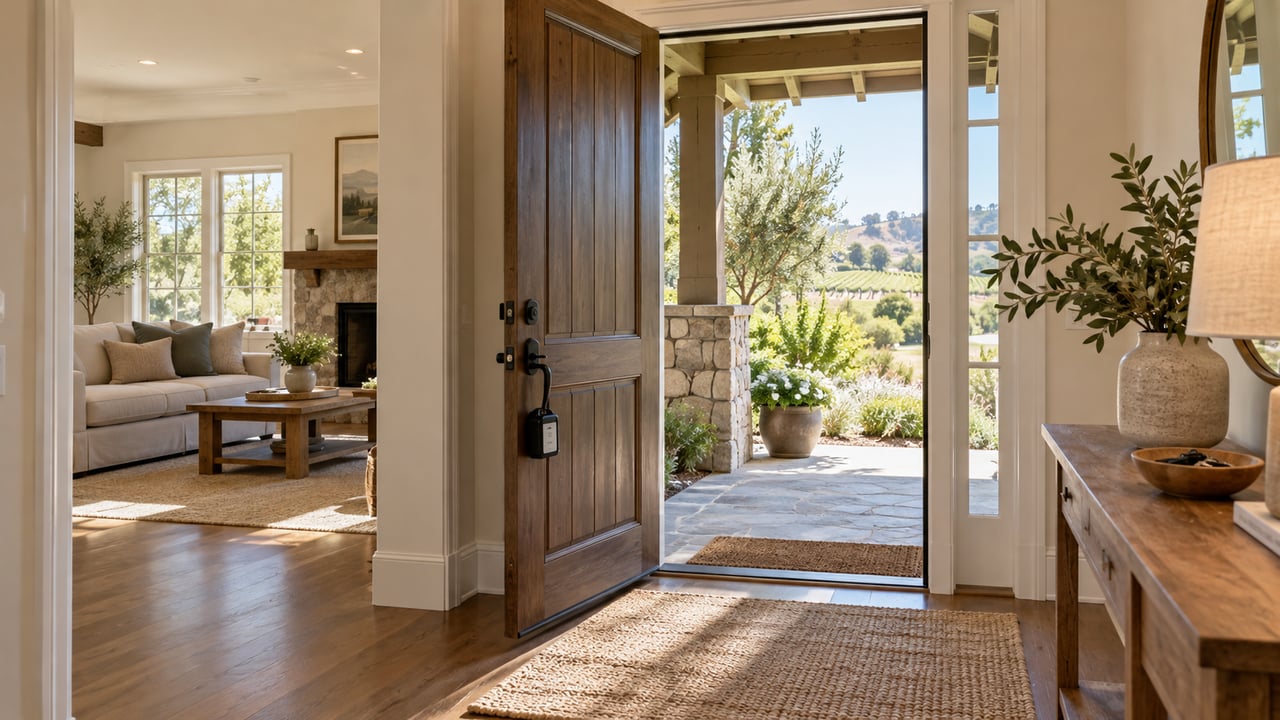
Amber Johnson | September 20, 2026
Why seller absence usually gives buyers more freedom to look, talk, and form an honest impression.
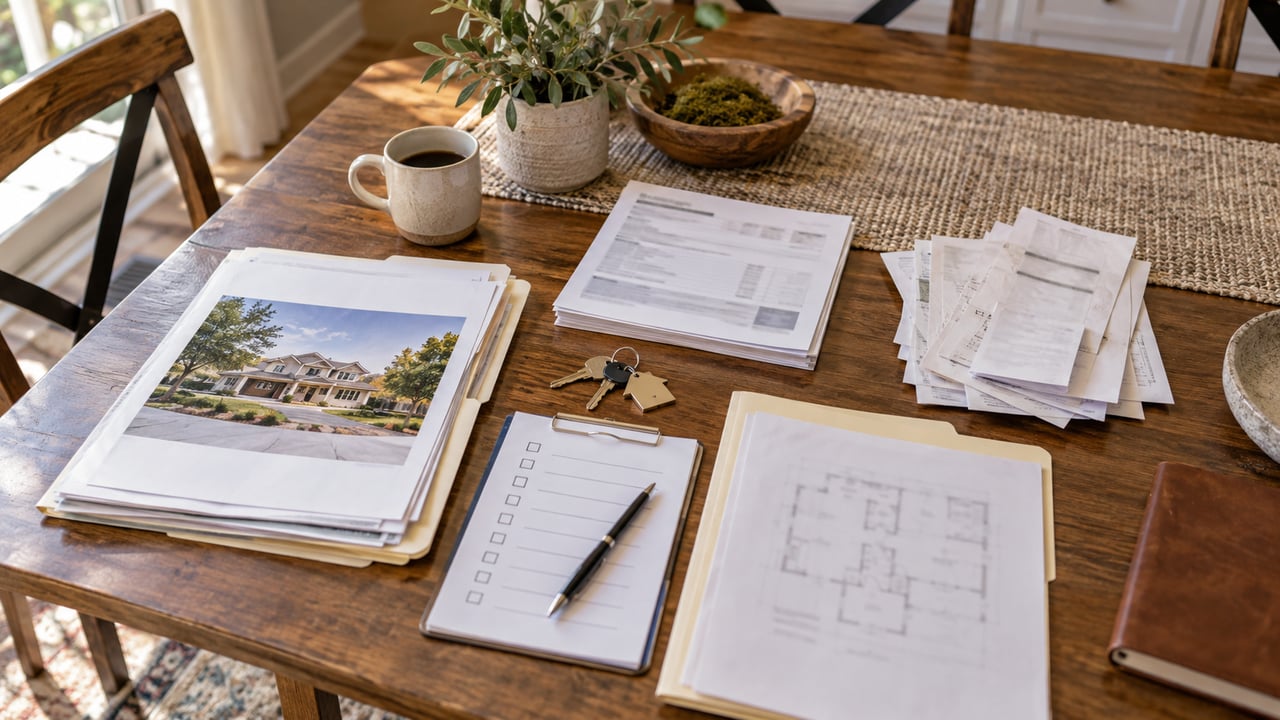
Amber Johnson | September 20, 2026
The records that help confirm ownership, payoff information, property history, and a smoother listing process.

Amber Johnson | September 18, 2026

Amber Johnson | September 18, 2026

Amber Johnson | September 18, 2026
How wells, septic systems, acreage, access, and the buyer pool shape a rural-property sale.
You’ve got questions and we can’t wait to answer them.

Amber Johnson, Founder
Pillar Real Estate
805.835.3425
DRE# 01925434
1345 Park Street
Paso Robles, CA 93446