Should I Repair Chipped Bathroom Tile Before Selling My Paso Robles Home?
September 28, 2026
September 28, 2026
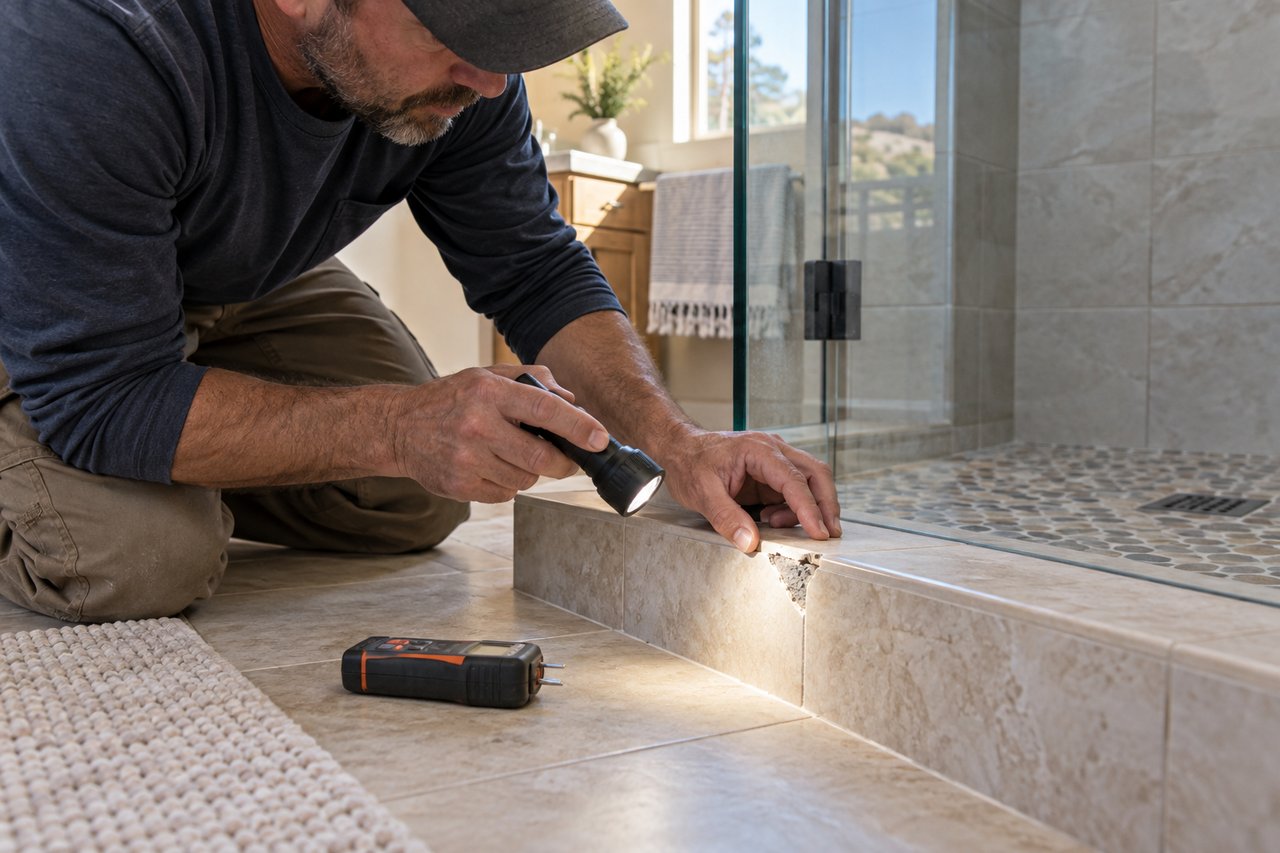
A chipped bathroom tile does not always call for a renovation. It does call for a closer look. If the chip is small, dry, and away from the shower, a careful repair may be enough. If it is sharp, loose, or near a wet area, I would have it assessed before putting the home on the market. The right choice depends on the tile's location, the condition around it, and what a proper repair would cost.
I am Amber Johnson, founder of Pillar Real Estate in Paso Robles. When I walk through a home with a seller, I do not hand them a generic list of updates. We look at what buyers will see, what an inspector may flag, and where the seller's preparation budget will do the most good. A chipped tile is a good example of why that approach matters. One chip may be a simple cosmetic detail. Another may point to a moisture problem that deserves attention.
A chip on a dry bathroom floor has a different meaning from a chip on the edge of a shower pan. A small nick on a backsplash is different again. In a shower or at a tub surround, water reaches the area regularly. The concern is not only whether the tile looks imperfect. It is whether water can get behind the surface, whether the grout or sealant has failed, and whether the material underneath is sound.
Look closely at the chipped tile and its neighbors. Is the damaged edge sharp enough to catch a bare foot or hand? Is the tile firmly attached? Are there cracks running from the chip? Do you see discolored grout, soft trim, staining, a musty smell, or a history of water appearing outside the shower? Those observations can help you decide whether to call a tile professional, a plumber, or another qualified tradesperson. They are not a substitute for an inspection.
If the chip is on a dry wall and the surrounding tile is stable, the scope may be modest. If it sits where water collects or where someone could be cut, I would put it higher on the preparation list. That is a more useful starting point than asking whether every bathroom tile needs to look new.
Buyers notice small defects, but they also look for patterns. One chipped tile in an otherwise clean, well-maintained bathroom may read as ordinary wear. Several cracked or loose tiles, failing grout, and water marks tell a different story. Even if the source is minor, a buyer may wonder what is happening behind the surface.
Pay attention to how the bathroom actually works. Does water stay inside the shower? Does the floor feel firm underfoot? Does the door or curtain close properly? Is the caulk intact at changes of plane and around fixtures? A tile repair can improve appearance, but it will not solve a leak or failed waterproofing. Covering a symptom without addressing the cause can create a bigger problem during a buyer's inspection.
If you are uncertain, ask a qualified professional to identify the cause and give you a written scope. You can then compare a spot repair with replacement of the affected section. That is also a clearer way to discuss the issue with buyers than saying a chip was fixed when the underlying condition was never checked.
I would lean toward repairing the tile before listing when the edge is sharp, the chip is easy to see in a principal bathroom, the damage is in a wet zone, or the tile is loose. These situations can distract buyers during a showing and may raise reasonable questions about safety or moisture. They can also affect how the bathroom photographs. A close, bright listing photo is unforgiving of a broken edge at eye level.
A repair is also worth exploring when the rest of the bathroom is in good condition and one damaged tile stands out. A small, well-executed fix can help buyers focus on the room rather than on a single flaw. The aim is not to make an older bathroom pretend to be brand new. It is to present the home honestly and remove avoidable concerns.
Before spending anything, get a realistic estimate. Tile work can be straightforward, or it can involve removing surrounding material to avoid damage. The type of tile, the location, and access all matter. A tradesperson who has seen the actual area can give you a far better answer than a generic online cost range.
There are cases where repairing one tiny chip is not the best use of a seller's time. The mark may be hard to notice, outside a wet area, and safely sealed. The tile may be a discontinued pattern that is nearly impossible to match. A rushed replacement could leave a much more obvious patch than the original chip. If the bathroom is likely to be renovated by the next owner, a seller might reasonably choose to price and present the property with its current finishes.
That decision should be made with the full home in mind. If you have a limited budget, roof concerns, a sticking door, and a chipped tile, the order of work matters. I discuss those tradeoffs with sellers after reviewing their property and likely buyer pool. For a broader starting point, see my guide to which repairs to make before selling a home in Paso Robles. The goal is to choose work that helps your specific sale, not to complete every item on a general checklist.
A chip can be visible long before anyone thinks about what lies behind it. In a shower, tile and grout are part of a larger assembly. Water management depends on the materials and installation beneath the visible finish. You cannot determine from the chip alone whether that assembly is sound. If the area has recurring dampness, loose tile, staining, or failed caulk, bring in a qualified professional before picking a cosmetic patch.
Ask what the repair will actually address. Will the person replace a tile, fill a small surface chip, renew surrounding grout, or investigate water intrusion? Is there a chance nearby tile will break during removal? Will the finished surface be suitable for a regularly wet location? These are practical questions. They help you avoid paying for a quick touchup that does not solve the condition buyers may ask about.
Keep any estimate, invoice, and explanation of the work. If an inspection later raises a question, documentation gives everyone a clearer record of what was done. My article on what happens when a home inspection finds problems explains why being prepared for that conversation can matter during a sale.
Matching old tile can be harder than expected. A replacement from the same product line may look different because the original tile has aged, the finish has changed, or the new batch has a different shade. Grout color can vary too. Ask for a sample or a clear explanation of the expected appearance before approving the work.
A neat repair that blends into the room may be helpful. A patch that draws the eye could have the opposite effect. This is especially true at a shower entrance or along a row of repeated tiles, where a change in color or alignment is easy to notice. Good work should also preserve the bathroom's function. A tile that looks right but sits proud of the surrounding surface may create an awkward edge or collect water.
There may be a way to repair a small chip without replacing the whole tile, but the product must suit the location and surface. I would let a tile professional advise on that choice. I would not promise a seller that a filler will be durable in a wet area without seeing the condition and the proposed method.
Most buyers will not decide on a Paso Robles home because of one tile. They may, however, use visible maintenance as one clue about the rest of the property. In a competitive price range, buyers compare homes closely. A bathroom that feels clean, dry, and cared for supports confidence. A broken tile next to stained grout may lead to questions that extend well beyond the bathroom.
The effect is not something I can put into a fixed dollar figure. Buyer reactions depend on the home, price, competing listings, and the exact condition. A buyer who plans to remodel may care less about the tile itself but still care about possible water damage. Another buyer may want a move-in-ready bathroom and notice the flaw immediately. This is why I evaluate preparation alongside positioning and photography, rather than treating every small repair as a guaranteed return.
My guide to how much to spend preparing a home before selling offers a useful framework for deciding where to invest. The first step is to understand the issue. The next is to decide whether fixing it will make the home clearer and easier for buyers to evaluate.
You can still make a thoughtful plan. Clean the bathroom thoroughly, photograph it accurately, and understand the condition well enough to answer questions. If a professional inspected the area, keep the findings. If you received an estimate but chose not to do the work, keep that too. Do not describe a potentially wet or loose area as purely cosmetic unless the evidence supports that description.
A home does not have to be flawless to sell. It does need a strategy that matches its condition. Sometimes an as-is approach makes sense because other work would cost more than it adds to the sale. Sometimes a modest repair is the simplest way to prevent an avoidable inspection issue. I explain the larger tradeoff in whether to sell a Paso Robles home as-is or fix it up.
Disclosure questions deserve careful attention. Share what you know about past leaks, repairs, and current conditions through the proper transaction process. If you are unsure what must be disclosed, ask the appropriate qualified professional. Repainting or patching over evidence of a water problem is not a sound preparation plan.
Here is how I would work through the choice with a seller. First, identify whether the chip is dry and cosmetic, sharp or loose, or connected to possible moisture. Second, get a professional opinion if the cause or repair scope is unclear. Third, compare the cost and expected finished appearance with the rest of the home's preparation needs. Fourth, decide how the condition will be presented and documented if it remains.
That sequence keeps the tile in proportion. A small chip in a dry corner may deserve a simple fix or no work at all. A damaged shower threshold with signs of dampness deserves a different response. The right strategy comes from the actual condition of your home, the buyers you are trying to reach, and the decisions you need to make before listing.
If you are getting your Paso Robles home ready to sell and want a practical plan for repairs, presentation, and pricing, I can help you sort the priorities. Visit Sell With Amber to start the conversation.
Amber
Pillar Real Estate | Amber Johnson, Founder
805.835.3425 | [email protected]
1345 Park St. Paso Robles, CA 93446 | DRE# 01925434
pillarrealestate.com
Amber Johnson | October 25, 2026
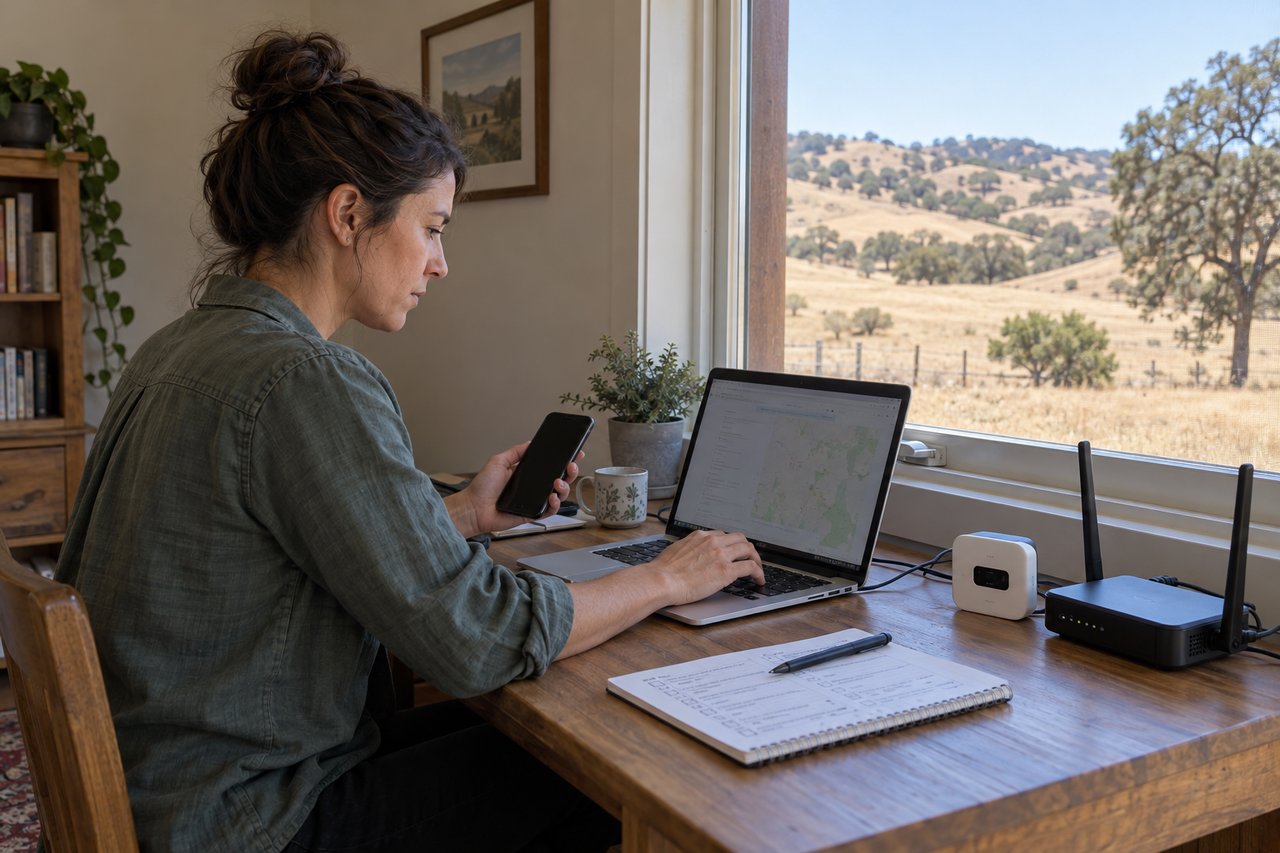
Verify service at the exact address, backup connectivity, power reliability and workspace needs before choosing a Creston property.

Amber Johnson | October 25, 2026
Set buyer expectations with accurate positioning, thoughtful presentation and firsthand checks at different times of day.

Amber Johnson | October 24, 2026

Amber Johnson | October 21, 2026

Amber Johnson | October 21, 2026
Amber Johnson | October 21, 2026
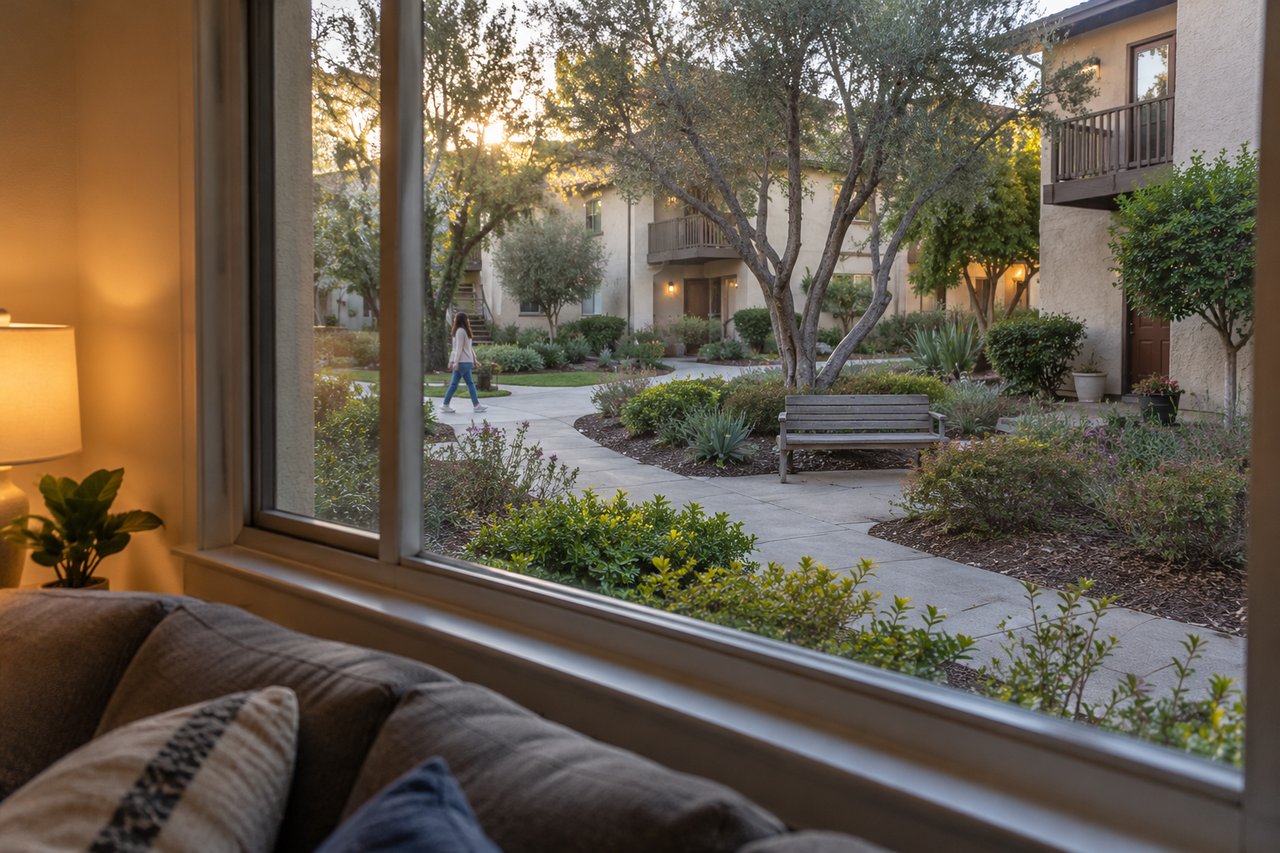
Check privacy, shared-space rules and activity near the unit before deciding whether courtyard-facing condo living suits you.
Amber Johnson | October 20, 2026
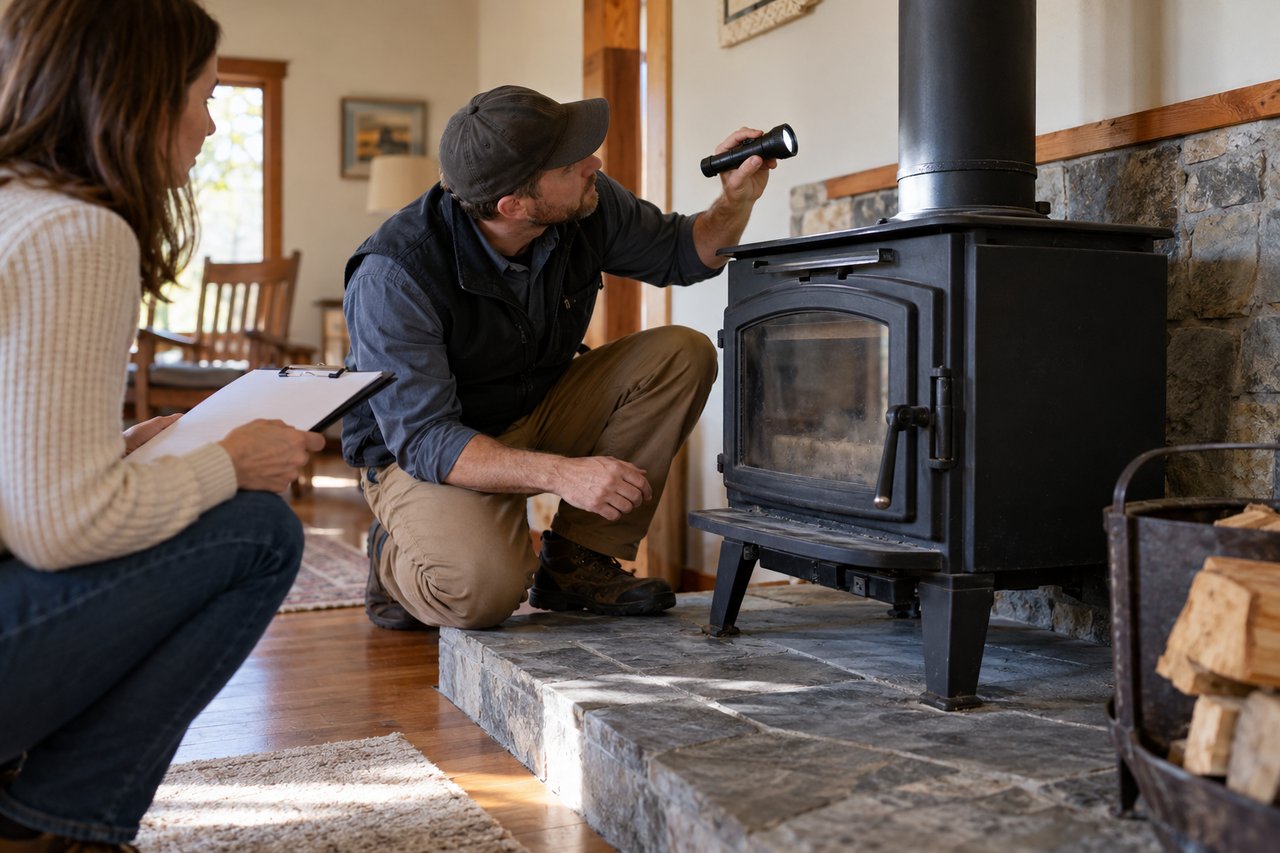
Review the stove, venting, documentation and insurance questions before treating wood heat as a benefit of the purchase.

Amber Johnson | October 20, 2026
Test the routes to your actual errands, what you need to carry and your backup options before choosing a home around cycling.
Amber Johnson | October 20, 2026
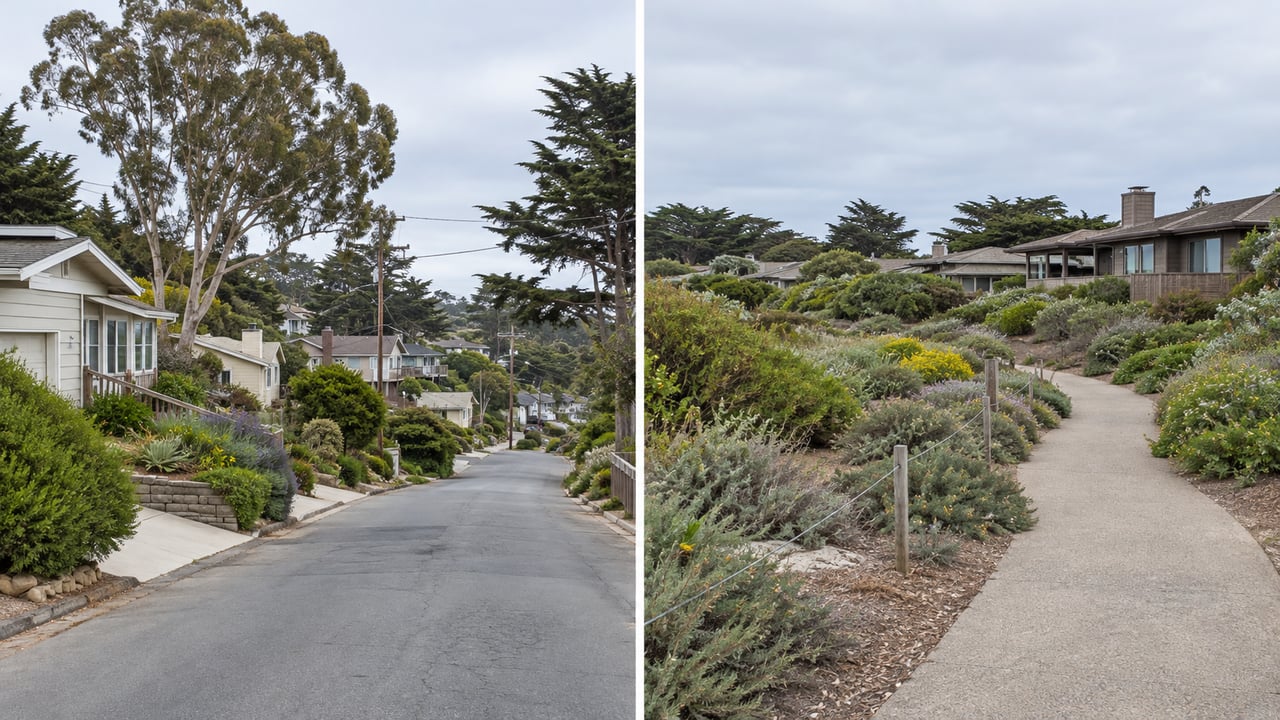
Compare these two Morro Bay areas through the specific homes, daily routes and property features that matter to your household.
You’ve got questions and we can’t wait to answer them.

Amber Johnson, Founder
Pillar Real Estate
805.835.3425
DRE# 01925434
1345 Park Street
Paso Robles, CA 93446