How Does Living Near a Fire Station Affect a Paso Robles Home Sale?
September 28, 2026
September 28, 2026
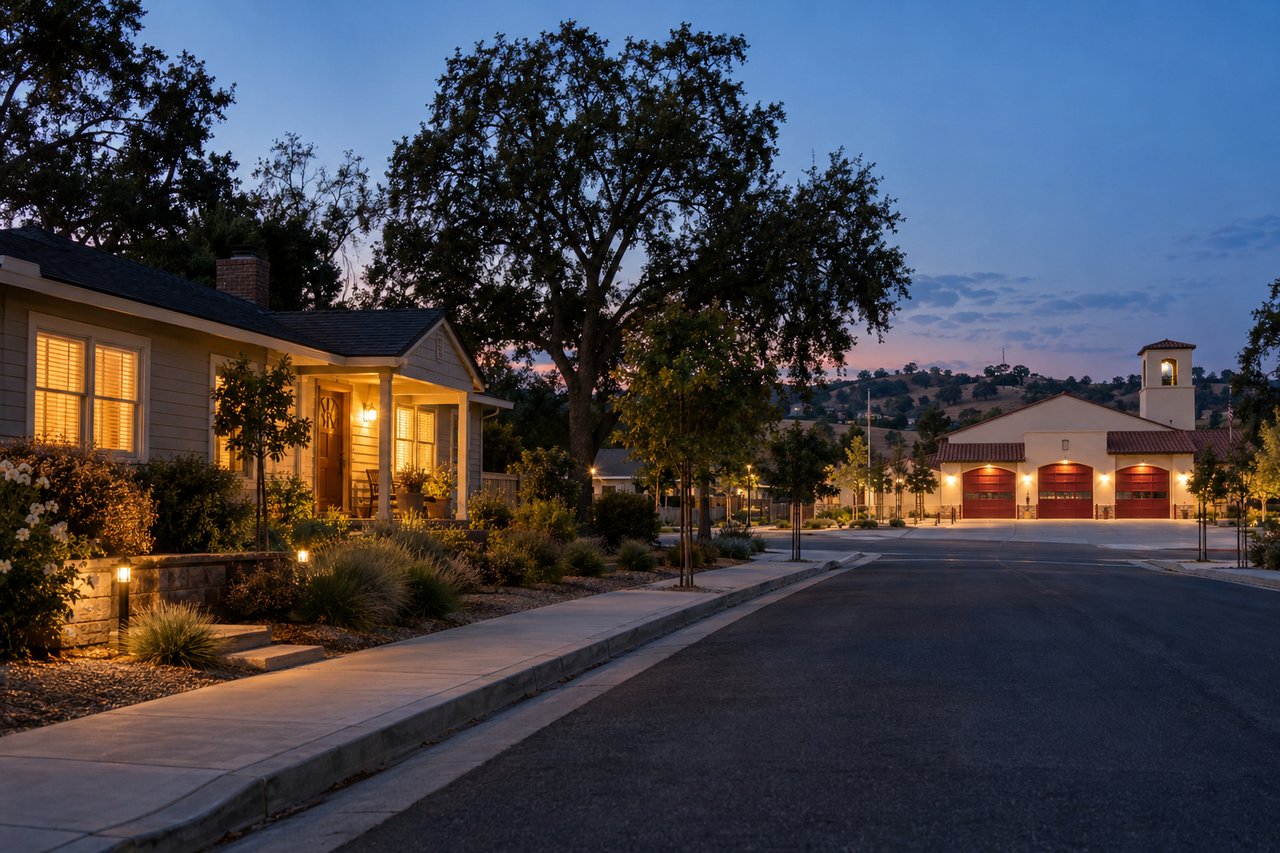
Living near a fire station can affect a Paso Robles home sale, but there is no universal premium or discount. Some buyers value proximity to emergency services and a convenient location. Others focus on sirens, vehicle movement, lighting, or the feel of the street. The effect depends on the home’s exact distance and orientation, the station’s actual operations, and what a buyer experiences at different times.
For a seller, the right approach is to understand the setting and present it honestly. A house down the block from a station may feel quite different from a house beside the vehicle exit. A front bedroom facing the street may be affected differently from a rear room behind a buffer. I would look at those details before deciding how to price or describe the property.
Map distance is a poor substitute for a visit. Walk from the property to the station, observe the route vehicles would take, and look at the home's windows, outdoor areas, driveway, and entrances. Is the station visible? Does the street lead directly past the house? Is there a turn or intersection that changes the traffic pattern?
Street geometry matters. A home across from a closed bay, a home beside an exit, and a home several blocks away will not have the same experience. Buildings, trees, setbacks, fencing, and window orientation can change sightlines and sound. Buyers often evaluate a location through the living spaces and yard, not through a map pin.
My article about how a neighborhood affects a Paso Robles home's sale price
One quiet visit tells you little about the typical pattern. Observe the street on a weekday, an evening, and a weekend if practical. Listen from inside the main living room, bedrooms, patio, and front entry. Note what you actually hear. A station may have routine arrivals, departures, equipment checks, or emergency responses, but frequency and routing vary by location and over time.
Don't rely on a neighbor's estimate or claim that sirens sound a fixed number of times. If buyers want operational information, direct them to the relevant public agency for current, verifiable details. Your own observations can be shared as observations, not as a guarantee of future activity.
Think about how the house itself responds. Windows, insulation, floor plan, and yard layout affect the perceived sound. A front bedroom may be more exposed than a back bedroom. The experience during a showing can be different from a late-night visit. An honest description gives buyers a better basis for deciding whether the location fits their routines.
A station may bring vehicles along a particular route, with occasional periods of activity. Ask whether its access is on the same street, across an intersection, or away from the home. Check parking and turning patterns at the hours buyers would likely be home. Do not block station access or stop in restricted areas to observe.
At the same time, some buyers may appreciate the presence of a public facility nearby. They may like knowing where the station is or value the street's access to services. That preference is personal. We should not promise a faster emergency response or an insurance benefit for a particular property without appropriate verification from the relevant provider.
A clear road network, usable driveway, and practical guest parking remain part of the property's story. If the street occasionally carries emergency vehicles, describe the location accurately and let buyers experience it. Avoid both minimizing and exaggerating the activity.
Someone who works from home or keeps an early bedtime may pay close attention to possible sirens. Another buyer may focus on convenient access to a central part of town and see the station as one of many nearby services. Neither reaction is wrong. The seller's job is to market the actual home to a broad, appropriate audience, without assuming every buyer has the same priorities.
A buyer may ask about safety, noise, light, or traffic. Answer what you know, distinguish personal experience from official facts, and encourage independent visits. They can observe the area at the times that matter to them. A single showing is too narrow to capture every possible condition.
My guide to choosing a Paso Robles neighborhood
It would be tempting to add value because a fire station is nearby or subtract it because of possible noise. Neither shortcut is reliable. We need relevant closed sales and active competition that reflect the property's size, condition, street, setting, and buyer alternatives. A home next to an exit lane may warrant a different comparison from one that merely shares a neighborhood with the station.
Sometimes the data will be limited. Few homes may share the same relationship to a station. We can study nearby sales, examine other locational influences, and compare how buyers responded, but should be honest about uncertainty. One transaction does not establish a fixed dollar adjustment for every home.
At Pillar Real Estate, I help Paso Robles sellers consider the property and its likely buyer together. The goal is a credible asking price that accounts for the setting without turning one nearby feature into the whole story.
Use accurate photographs of the home and its immediate surroundings. If the station is plainly visible from the property, don't use an angle intended to conceal it. Buyers will see the street when they arrive. A clear presentation protects trust and lets the property's strengths stand on their own.
The station shouldn't replace the home as the focus of the listing. Buyers still need to understand the floor plan, condition, outdoor areas, parking, and neighborhood access. Describe proximity factually rather than promising “peace of mind,” “quiet,” or a particular response time. Those phrases imply outcomes that may not be verifiable or that vary by buyer.
If the home has practical features that address street activity, show them honestly. A comfortable rear patio, useful window coverings, or a floor plan that places bedrooms away from the road may matter. Don't claim a specific sound reduction without evidence. Let the buyer assess the spaces.
A station can be part of a street with schools, shops, parks, or other public uses. Some traffic or parking patterns may have another cause. Observe the whole block before assigning every concern to the fire station. Buyers will experience the street as a combination of features.
If parking is tight, check the home's own garage, driveway, and available curb space at different times. The article on limited street parking and a Paso Robles home sale
Keep any local rules or signs in view. Buyers should verify restrictions independently. A seller can provide factual information about the property without claiming to control a public street or the station's future operations.
Collect the station's public name and location if relevant, then direct buyers to official sources for current operations or planned changes. If you have lived in the home, you may describe your own experience, making clear that it is personal and can differ from another person's. Avoid invented statistics, assurances, or neighborhood rumors.
Consider the home's condition separately. Sound or privacy features should be described accurately. Repair loose windows or doors because they need repair, not because you want to make a broad claim about station noise. A well-prepared home gives buyers a clearer picture of what is part of the property and what is part of the setting.
Proximity to a public park raises a similar need to distinguish access from activity. My article on selling a home near a public park
My recommendation is to treat the fire station as one part of the home's location. Understand what a buyer can see and hear, assess the likely tradeoffs, and price and market the specific property. Some buyers will welcome the location; others will not. Honest presentation helps the right buyer make an informed choice.
Before launch, I would revisit the property's strongest features apart from the station. A pleasant floor plan, well-kept yard, useful parking, and clear information about maintenance should remain central to the buyer's decision. That balanced view allows the location to be evaluated in context. It also helps us respond to feedback after showings with facts rather than assumptions.
If you're considering a Paso Robles sale near a fire station, I can help you review the immediate street, comparable homes, and your goals. At Pillar Real Estate, my focus is a clear strategy for the property you actually own.
Amber
Amber Johnson
Founder, Pillar Real Estate
805.835.3425 | [email protected]
1345 Park St. Paso Robles, CA 93446 | DRE# 01925434

Amber Johnson | October 21, 2026

Amber Johnson | October 21, 2026
Amber Johnson | October 21, 2026
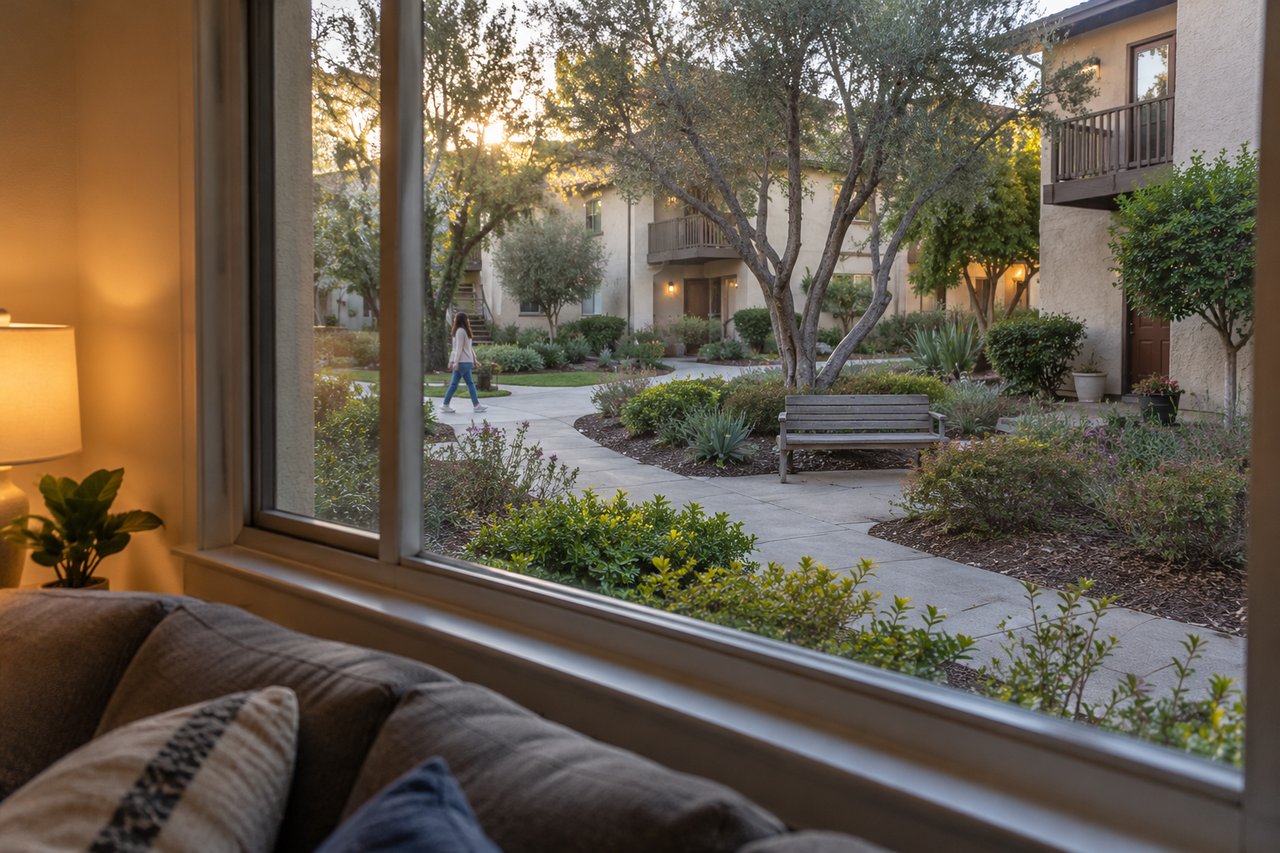
Check privacy, shared-space rules and activity near the unit before deciding whether courtyard-facing condo living suits you.
Amber Johnson | October 20, 2026
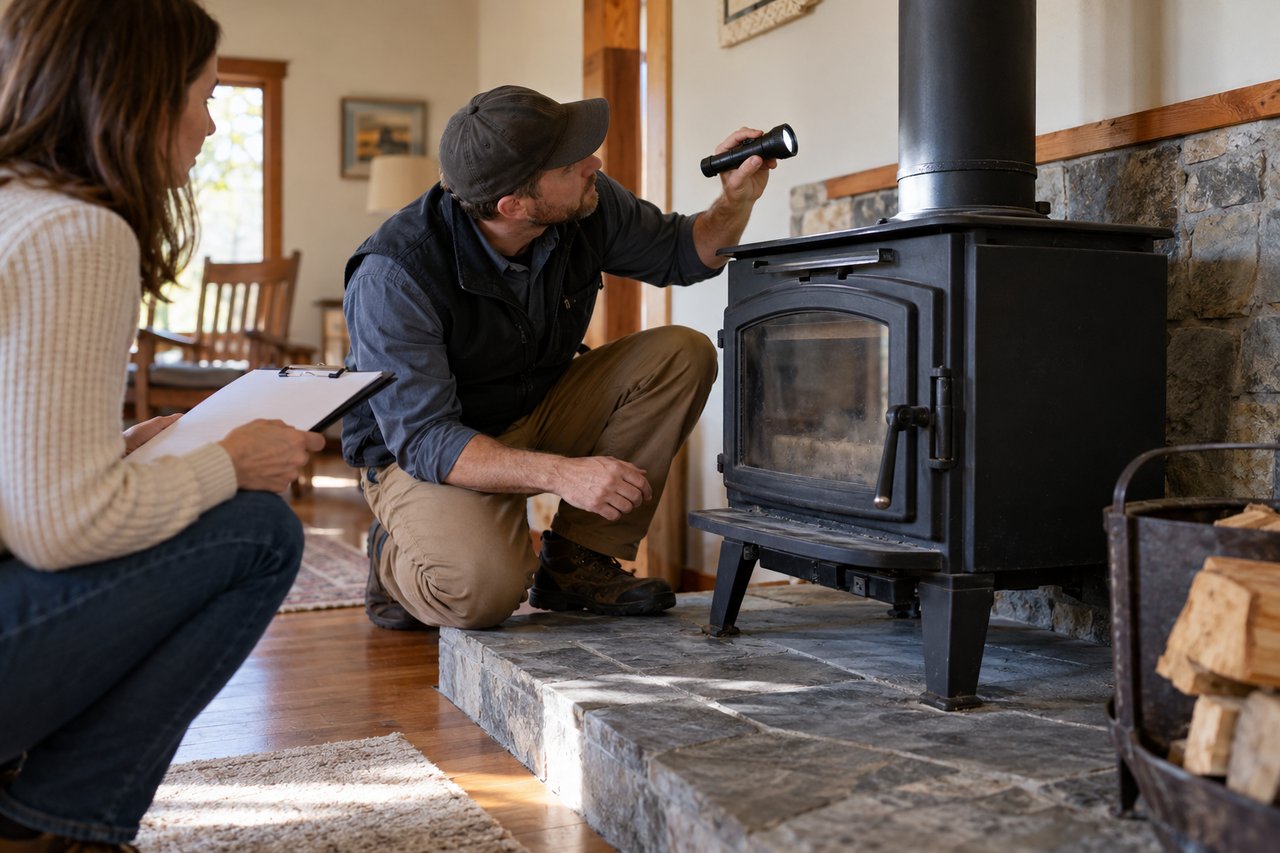
Review the stove, venting, documentation and insurance questions before treating wood heat as a benefit of the purchase.

Amber Johnson | October 20, 2026
Test the routes to your actual errands, what you need to carry and your backup options before choosing a home around cycling.
Amber Johnson | October 20, 2026
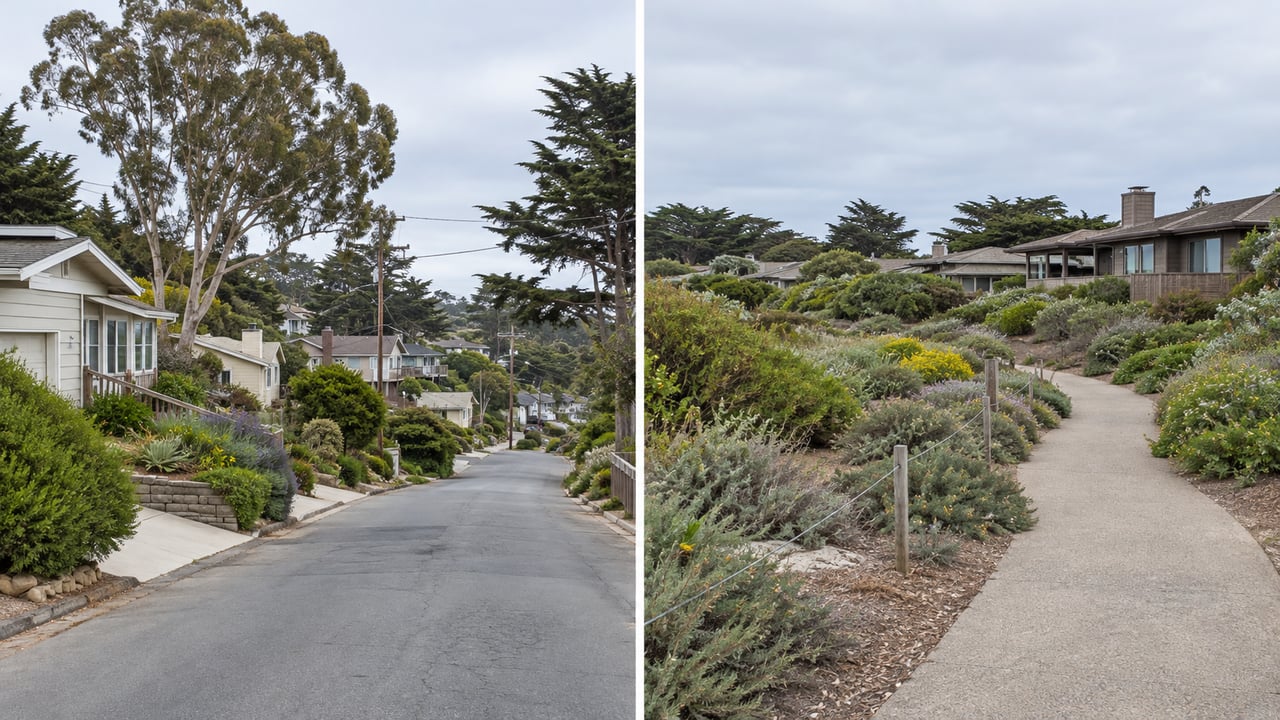
Compare these two Morro Bay areas through the specific homes, daily routes and property features that matter to your household.
Amber Johnson | October 20, 2026
Check the property’s jurisdiction, current home-business rules and private restrictions before assuming clients can visit your home.
Amber Johnson | October 20, 2026
Compare keeping the pool with removal, site restoration and buyer appeal before spending money on pre-sale work.
Amber Johnson | October 20, 2026
Compare a consistent property type and reporting period within relevant price brackets before treating a broad market headline as guidance for a particular home.
You’ve got questions and we can’t wait to answer them.
Amber Johnson, Founder
Pillar Real Estate
805.835.3425
DRE# 01925434
1345 Park Street
Paso Robles, CA 93446