How Does Living Near a Public Park Affect a Paso Robles Home Sale?
September 25, 2026
September 25, 2026
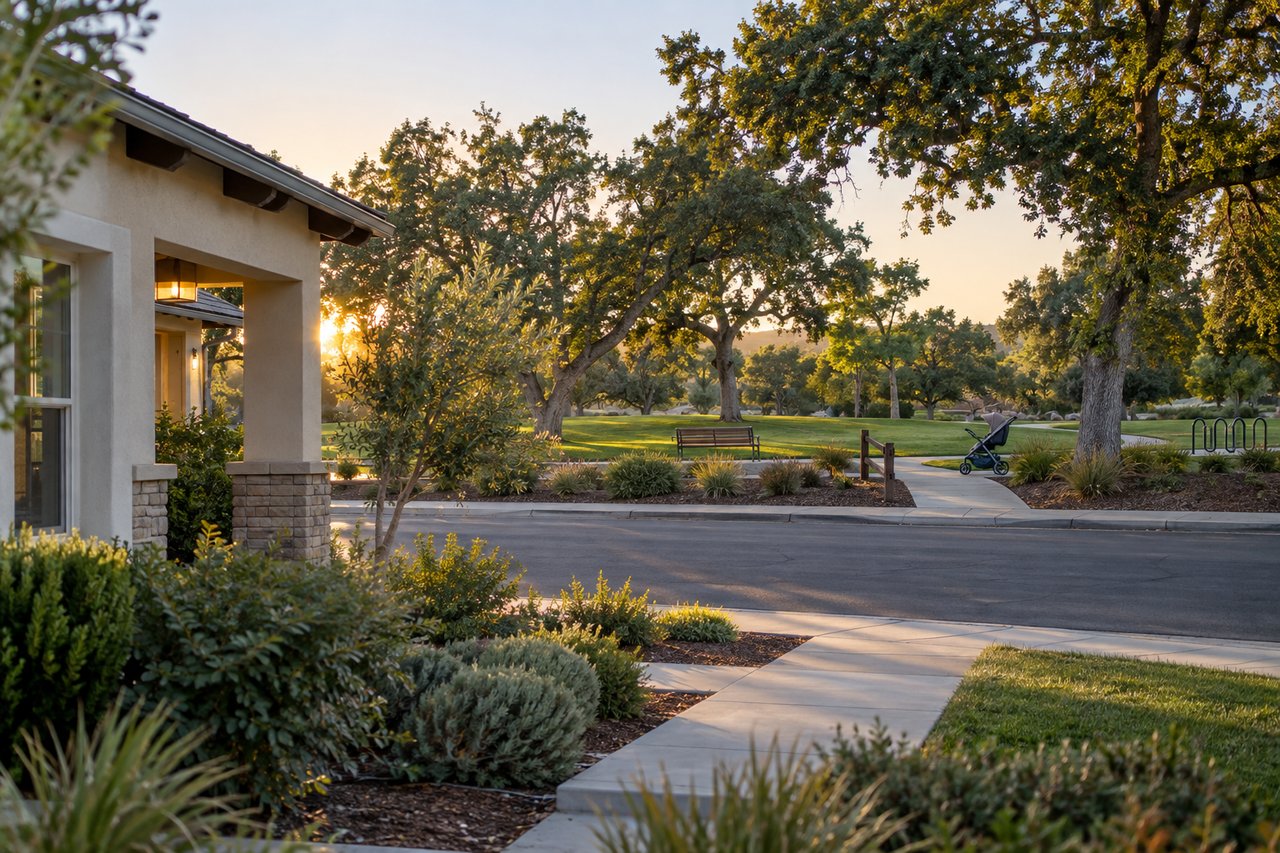
Living near a public park can help a Paso Robles home sale when the park adds usable outdoor space, walkability, views, or an easy place for recreation. It can also narrow the buyer pool when the home is affected by traffic, parking, noise, lighting, or reduced privacy. My short answer is that the park itself is neither automatically a benefit nor a drawback. The effect depends on the specific street, the distance from the park, the way the home faces it, and how the property feels at different times of day.
For sellers, the useful question is not simply, “Is there a park nearby?” It is, “What does this location give the buyer, and what tradeoffs will the buyer notice?” A home with a pleasant walking route to a neighborhood park may appeal to people who value outdoor access. A home directly beside a busy field, parking lot, or gathering area may require more careful positioning.
Distance matters, but the physical relationship matters more. A home across from open lawn may feel different from a home behind a playground, next to a restroom building, or near a parking entrance. Two houses on the same block can have very different experiences depending on windows, fencing, setbacks, street width, and the location of park features.
Stand at the front door, living-room windows, primary bedroom, yard, and driveway. What can you see? Can you hear normal activity? Does the home feel open and connected, or exposed? Is there a clear path to the park? Do park visitors park in front of the house? These details shape a buyer's reaction more than a map pin does.
I also recommend visiting the immediate area at more than one time. A quiet weekday morning may not show what happens after school, during youth sports, or on a weekend. An evening visit can reveal lighting, pedestrian activity, and how the street functions when residents are home.
A nearby park can extend the way a buyer uses the neighborhood. It may provide a walking route, open space, a place to exercise, room for children to play, or a convenient destination for spending time outside. Buyers who do not want to maintain a large yard may appreciate having green space nearby without owning it.
The setting can also create a sense of openness. A home facing mature trees or lawn may feel less confined than one facing another row of houses. If the park is attractive and well maintained, that outlook can strengthen listing photos and the experience of arriving at the property.
Convenience matters too. A park that is safely reachable on foot can support the neighborhood story, particularly when the route is direct and the street crossings are comfortable. My guide to what to look for when choosing a Paso Robles neighborhood explains why buyers should pay attention to daily routines, access, and the feel of the immediate area rather than relying only on a neighborhood name.
The features that attract one buyer can concern another. Activity can mean voices, games, dogs, music, or people arriving and leaving. A walking path can feel convenient, but a path close to a side or rear fence may affect privacy. Open space can improve a view while also making some buyers think about lighting, maintenance, or people gathering nearby.
Parking is often one of the most visible issues. If park visitors regularly use curb space near the home, a buyer may wonder where guests will park or whether the street feels crowded at certain times. The answer depends on the property. A home with a generous driveway and garage may be less affected than a home that relies heavily on street parking.
Traffic patterns deserve attention as well. A park entrance, sports field, school connection, or event area may create short periods of heavier traffic. Buyers may accept that easily when access is convenient and the home is set back from the street. Others may prefer a quieter interior location.
A home near a park can still feel private. Fencing, hedges, tree placement, window orientation, elevation, and outdoor-room design can all shape the experience. The question is whether those features create comfortable separation without making the property feel closed off.
Look at sightlines from the park toward the home. Can people on a path see directly into the yard or main living areas? Does the front porch face open lawn, or a busy entrance? Are bedroom windows positioned above or away from public activity? These are practical questions buyers may ask during a showing.
If privacy needs improvement, use measured solutions. A cleaned-up hedge, repaired gate, appropriate window treatment, or better-defined patio may help. Avoid creating a tall wall of landscaping that blocks light or makes the front of the home feel hidden. The goal is to show that the home can enjoy the park while retaining its own comfortable spaces.
Buyers will notice whether the nearby public space appears cared for. Paths, landscaping, lighting, trash areas, benches, play equipment, and parking areas contribute to the impression. Sellers should describe what is visible and verifiable, without promising how the park will be managed in the future.
Do not assume a buyer knows the park well. Provide the park's public name if applicable and point buyers toward official information for amenities, hours, rules, and planned programs. If a buyer asks about future changes, encourage independent verification with the appropriate public agency. Avoid repeating neighborhood rumors or presenting a proposed project as certain.
The home's own exterior should also be ready for comparison. A park can draw attention to the front yard, fence, or outdoor areas because buyers are already thinking about the relationship between private and public space. Clean paths, working gates, and intentional landscaping can help the property feel well defined.
Different buyers will weigh the location differently. Someone who walks daily may see the park as part of the home's usable space. A buyer with children may value convenient access to play areas. A buyer who works from home, keeps an early schedule, or prioritizes quiet may pay closer attention to activity near the property.
This does not mean the seller should choose one narrow audience or make assumptions about who belongs in the neighborhood. It means the marketing should present the property's real features clearly so buyers can decide whether the location supports their routines.
Location choices are personal. My article on choosing between the preferred location and the preferred house explains why buyers often balance the property itself against the setting. A home near a park may be an excellent fit for one person and less suitable for another, even when both agree that the home is attractive.
It is tempting to add or subtract value simply because a park is nearby. That approach is too broad. We need comparable properties that reflect the home, the street, and the park relationship as closely as possible.
A home with an open park view may not compare directly with one behind active courts. A house one block away may receive the access benefit without the same parking or privacy concerns. A corner lot next to a park entrance may function differently from an interior lot across from quiet green space.
I look at relevant closed sales, current competition, lot and home features, condition, and the reaction buyers have shown to the immediate setting. My article about how a neighborhood can affect a Paso Robles home's sale price covers why value is shaped by the details buyers experience, not just the city or subdivision name.
If there are no close park-adjacent comparisons, we should be honest about the limits of the evidence. We can still study nearby sales, competing homes, and buyer response, but we should avoid pretending there is one fixed park premium or discount.
If the park is a meaningful benefit, show the relationship clearly. A photo or video can establish the route, view, or open-space connection. The listing description can explain that the park is nearby or across the street, using accurate language. Avoid describing a park as private, quiet, or permanently protected unless those claims can be verified.
The home should remain the center of the marketing. Buyers need to understand the floor plan, condition, outdoor space, and property features first. Park imagery should support the location story, not substitute for strong real estate presentation.
Online presentation matters because many buyers will form an opinion before they visit. My guide to what makes a listing stand out online in San Luis Obispo County explains how clear photography and a well-organized property story help buyers understand value. The same principle applies at every price point.
Buyers may ask about noise, parking, park hours, events, lighting, safety, and maintenance. Answer what you know from direct experience, and separate personal observations from official facts. If you do not know, say so and provide a reliable place to verify the information.
It can help to gather official park information before listing. Keep the material factual. Do not guarantee that schedules, amenities, or public uses will remain the same. Public spaces can change, and buyers should complete their own review.
If the property has a known issue connected to the location, do not try to hide it through selective showing times. A buyer who discovers a different experience later may lose confidence. Good positioning explains the benefit and allows the tradeoff to be evaluated honestly.
Treat the park as part of the home's setting, not as a simple selling point. Identify the real benefits, understand the tradeoffs, and price the property according to how the specific location functions. When the park offers attractive open space or easy recreation, market that connection clearly. When activity, parking, or privacy may concern buyers, address the property features you can improve and present the rest honestly.
At Pillar Real Estate, I help Paso Robles sellers evaluate the street, the nearby amenities, the likely buyer response, and the home's condition together. That creates a more credible plan than assuming every buyer will react to park proximity in the same way.
If you are considering selling a Paso Robles home near a public park, I can help you assess the exact setting and build a marketing plan around what buyers will experience. We can review the property at different times, compare relevant sales, and decide how to present the location accurately.
Amber
Amber Johnson
Founder, Pillar Real Estate
805.835.3425 | [email protected]
1345 Park St. Paso Robles, CA 93446 | DRE# 01925434
Amber Johnson | September 25, 2026
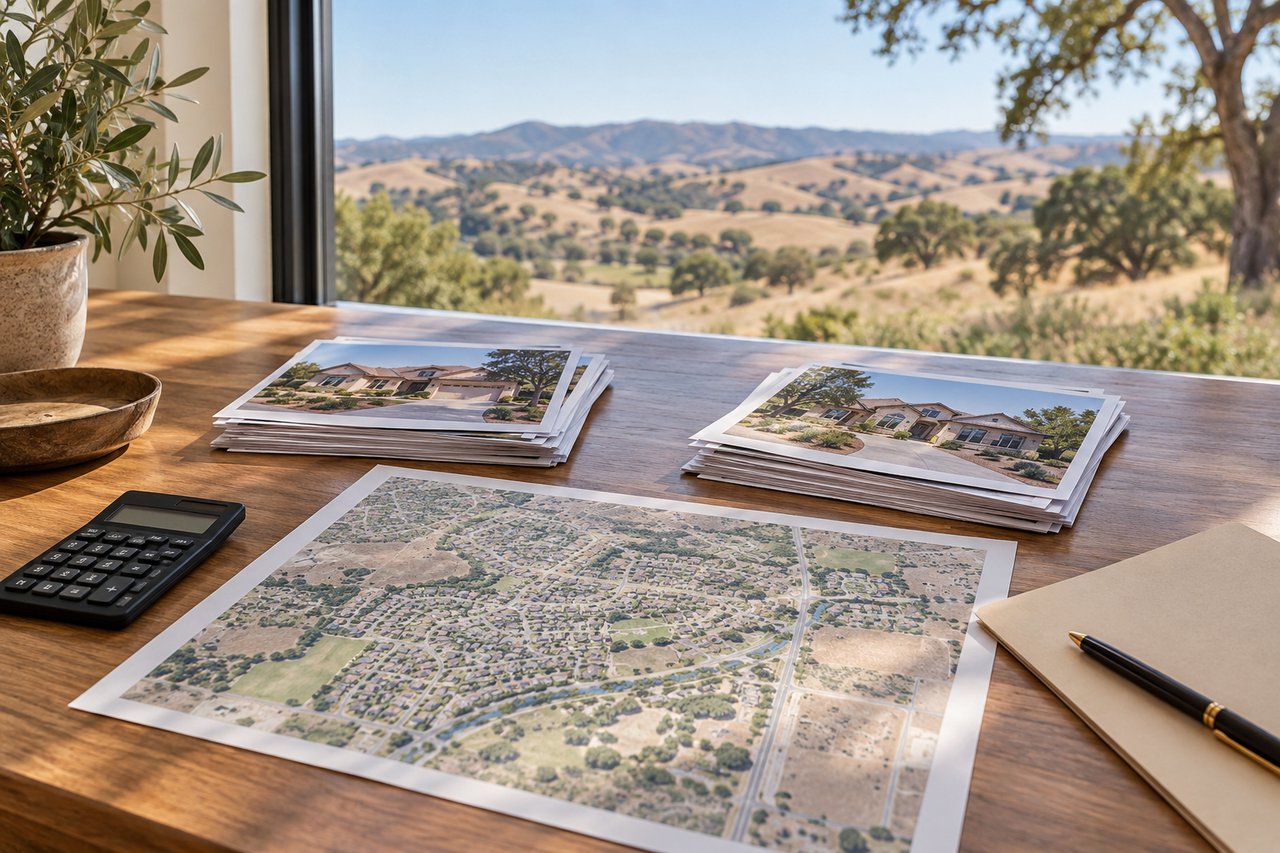
How access, activity, privacy, and the specific street setting can influence buyer interest.
Amber Johnson | September 24, 2026
How to read pending activity alongside available homes, recent closings, and the type of property you plan to sell.
Amber Johnson | September 24, 2026
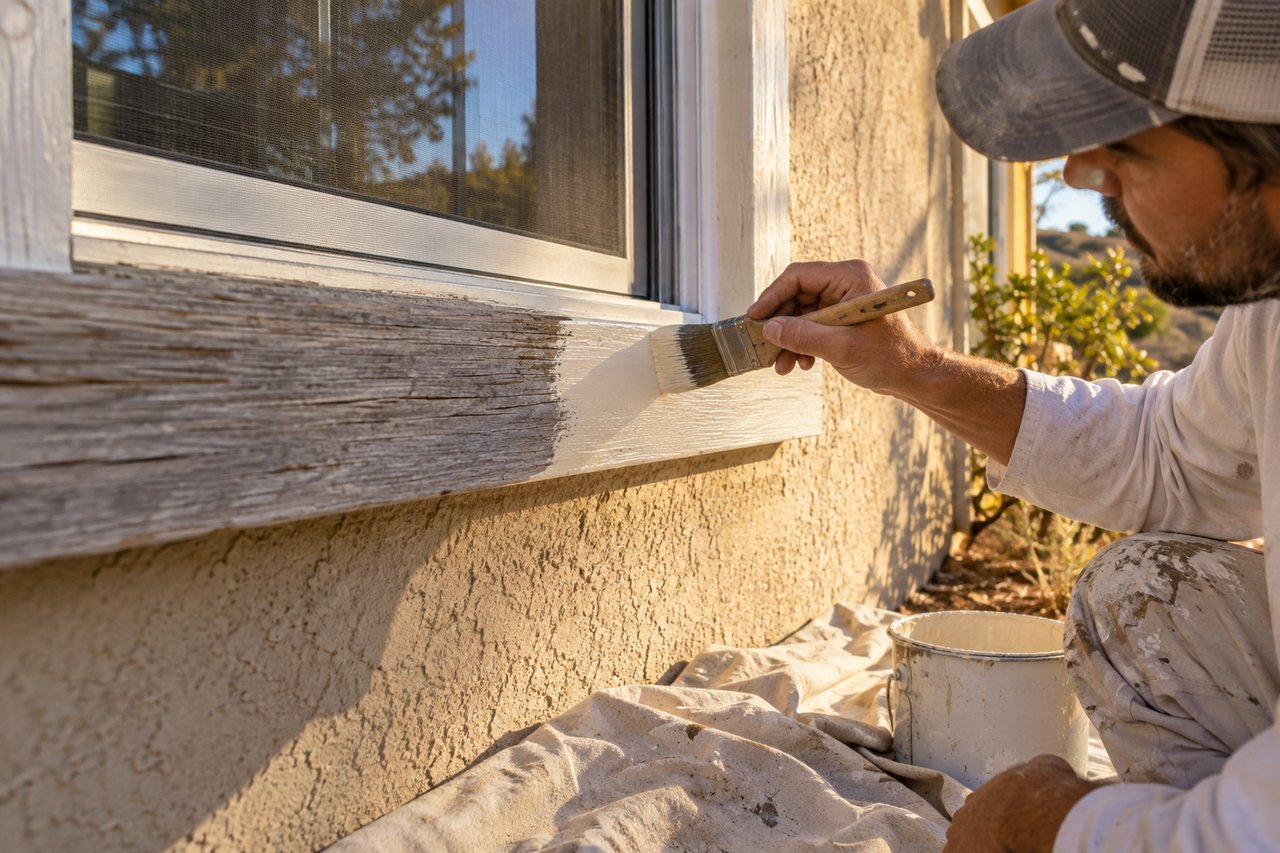
How a focused paint touch-up may affect presentation, maintenance concerns, and the preparation budget.
Amber Johnson | September 24, 2026
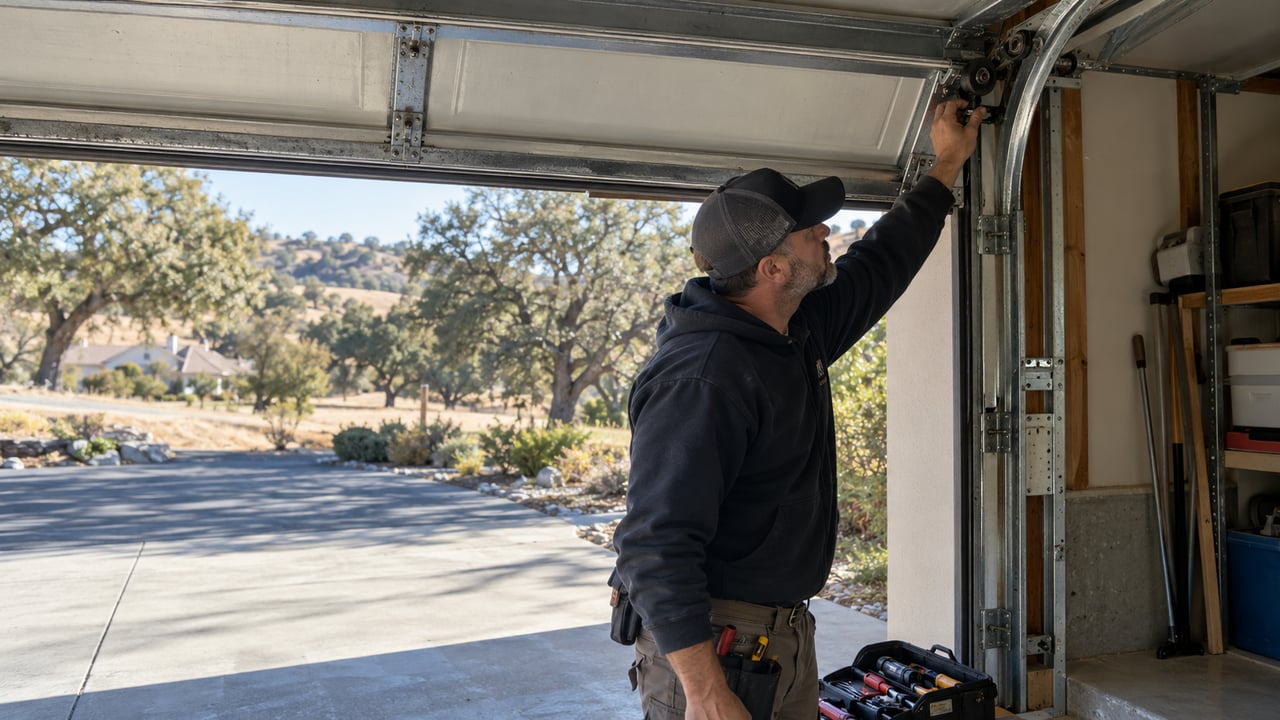
How reliable operation, visible condition, inspection concerns, and buyer use affect the repair decision.
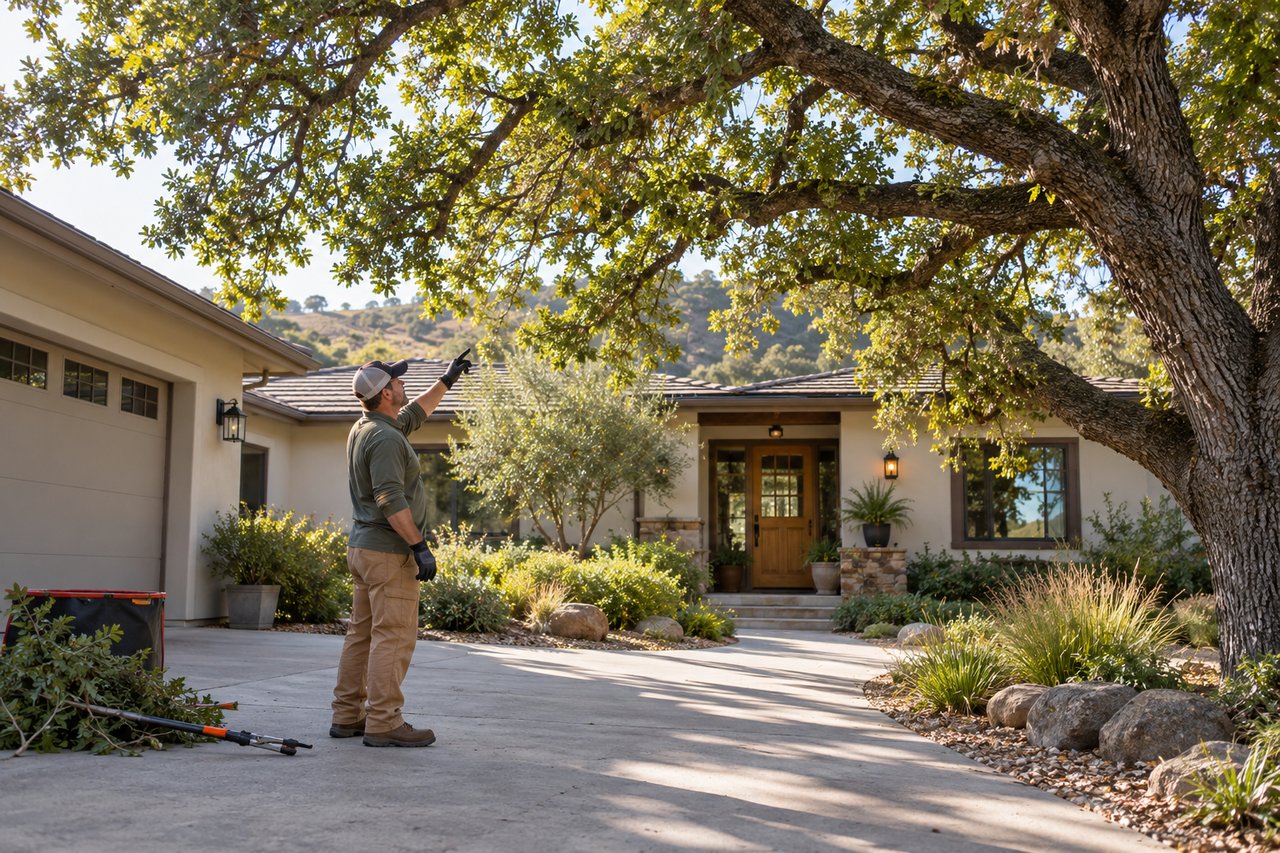
Amber Johnson | September 24, 2026
How tree condition, access, light, safety, and the property's character can guide selective trimming.
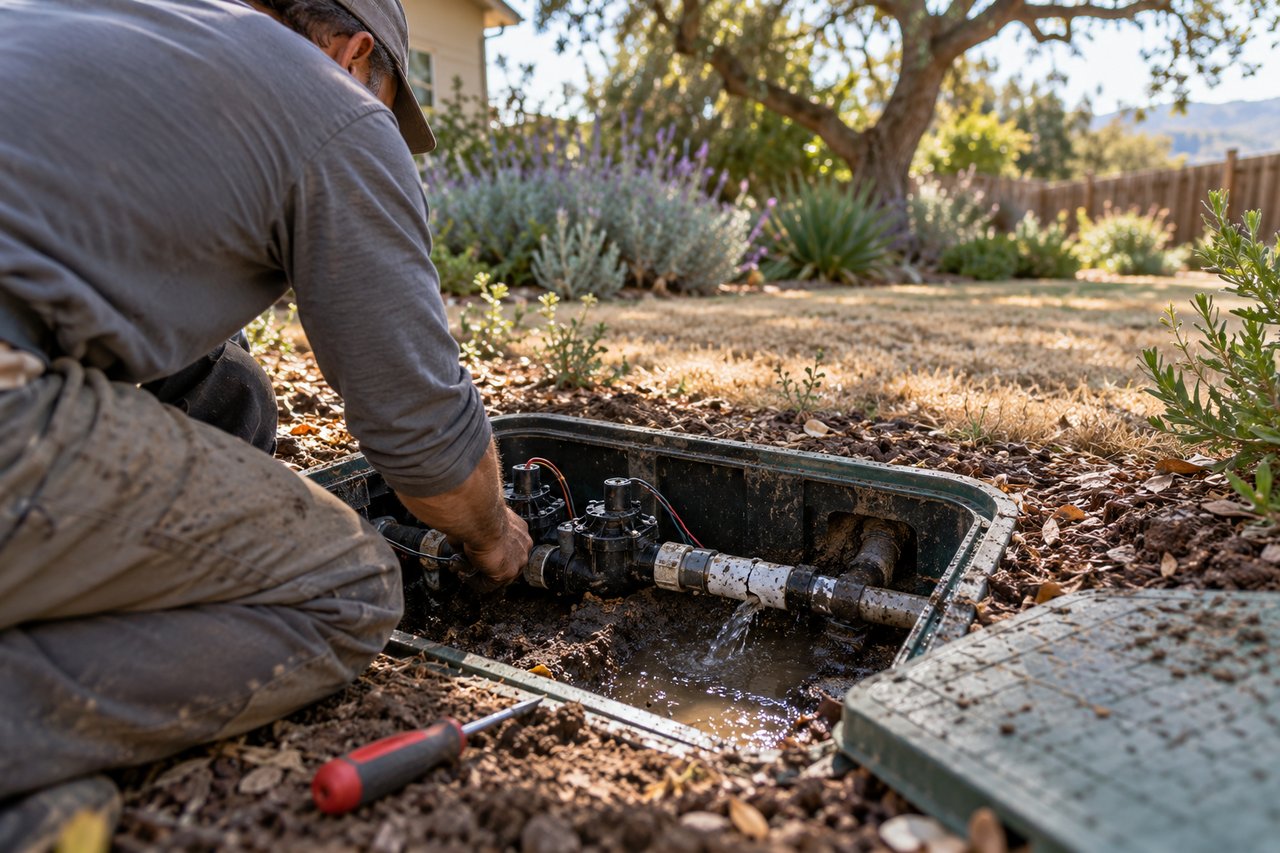
Amber Johnson | September 24, 2026
How to weigh water waste, landscape condition, repair scope, and buyer confidence before listing.
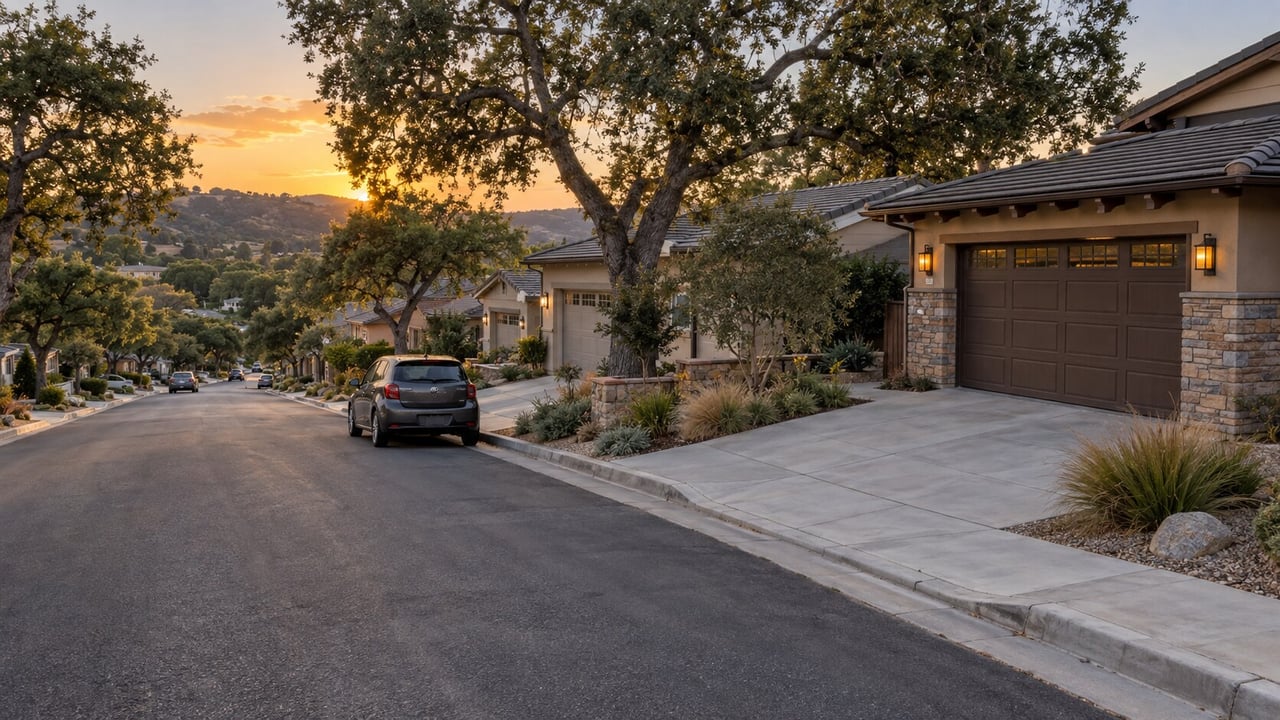
Amber Johnson | September 24, 2026
How guest access, household needs, street layout, garages, and buyer preferences can influence marketing and value.
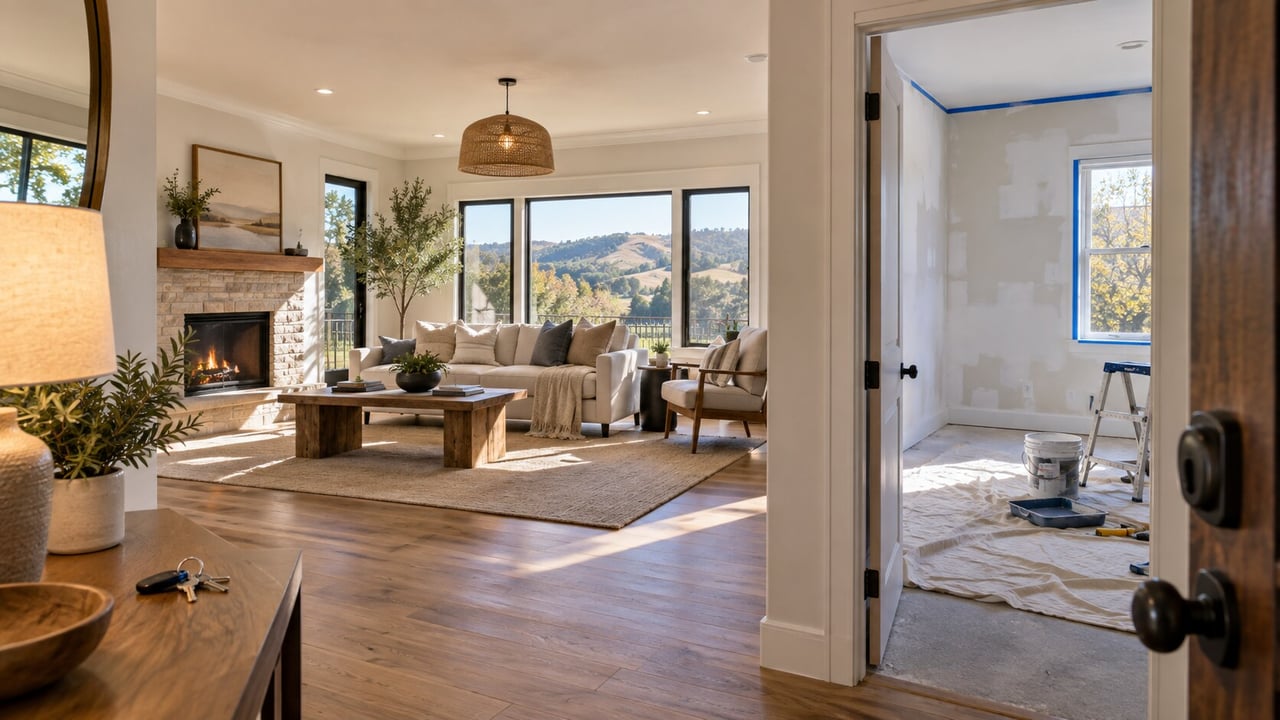
Amber Johnson | September 23, 2026
How condition, financing limits, repair tolerance, and competing choices can shape buyer response.
Amber Johnson | September 23, 2026
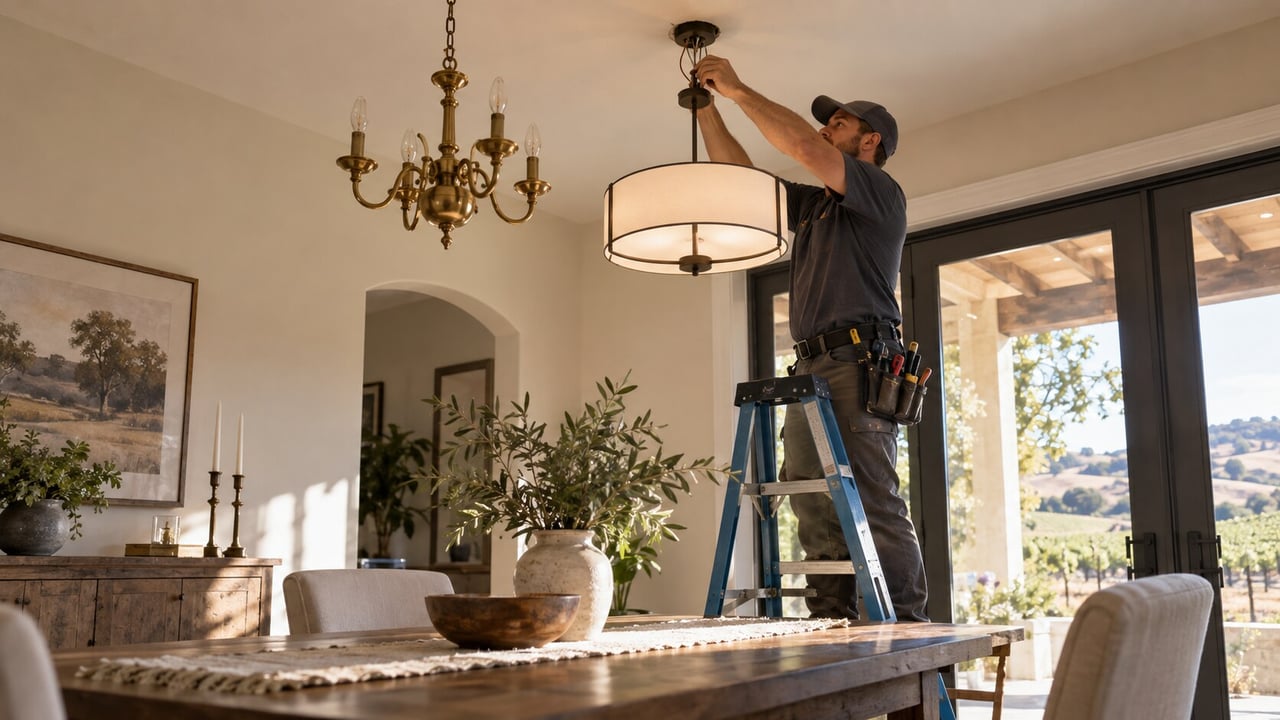
How lighting, style, room presentation, installation cost, and buyer expectations can guide the decision.
You’ve got questions and we can’t wait to answer them.
Amber Johnson, Founder
Pillar Real Estate
805.835.3425
DRE# 01925434
1345 Park Street
Paso Robles, CA 93446