Why Do First-Time Buyers Feel Ready One Day and Not the Next?
July 28, 2026
July 28, 2026
If you're buying your first home, you may have noticed something surprising.
One day you're excited.
You're scrolling through listings.
Imagining where your furniture will go.
Thinking about finally having a place that's yours.
Then the next day...
You're wondering if you should wait.
If you're making a mistake.
If you're ready.
If you can really do this.
Here's the thing.
Almost every first-time buyer experiences this.
It doesn't mean you're making the wrong decision.
It usually means you're making a big one.
Buying your first home is exciting, but it's also one of the biggest financial decisions you'll ever make. Feeling confident one day and uncertain the next is more common than you probably realize.
Amber is a real estate agent in Paso Robles, CA helping first-time buyers throughout San Luis Obispo County navigate the home buying process with clarity and confidence. She believes the right strategy starts with understanding your goals, asking good questions, and making decisions that make sense for your situation.
Buying your first home isn't just a financial decision. It's an emotional one, too.
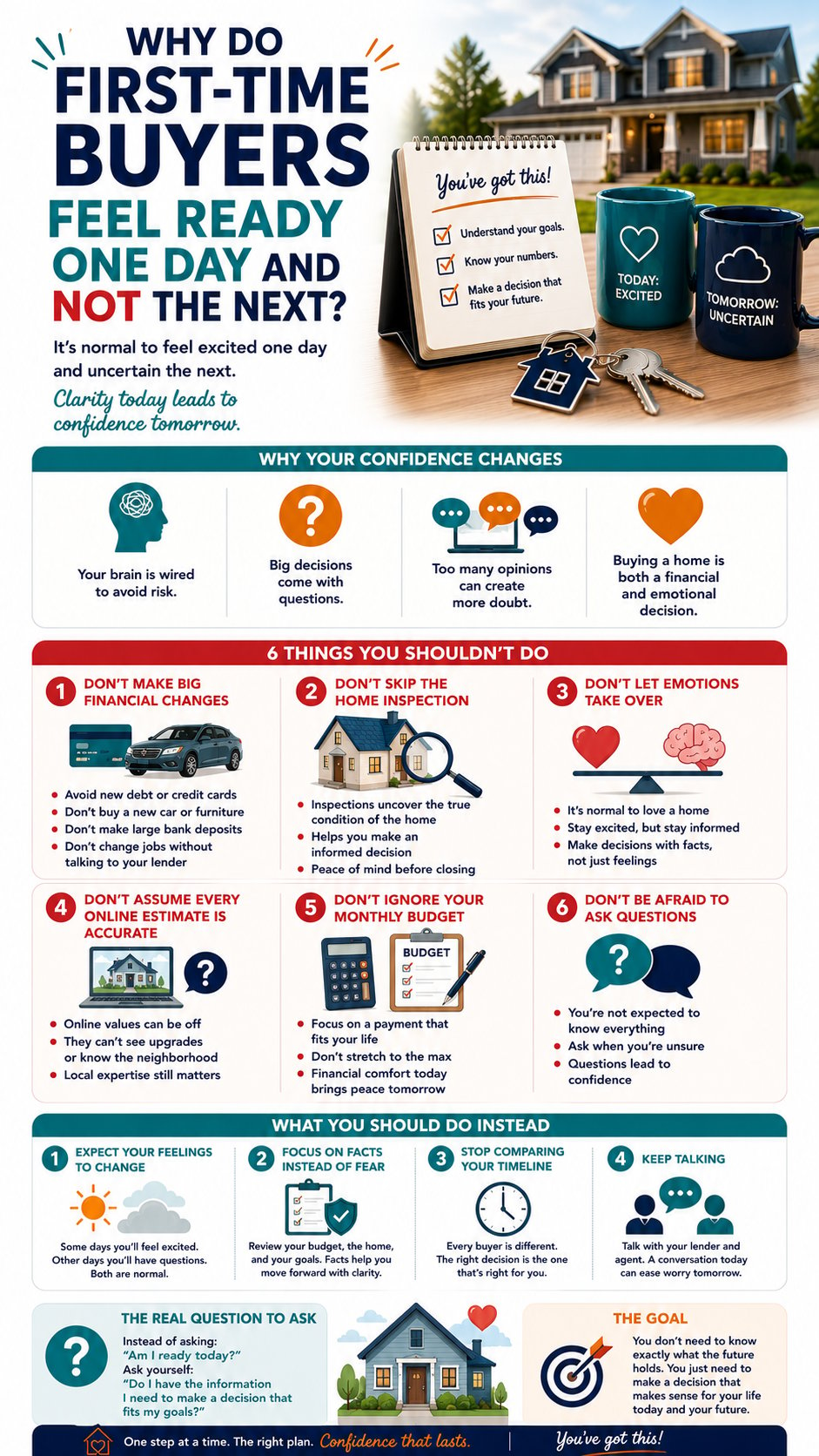
Why Your Confidence Changes
Think about almost any major life decision.
Starting a new job.
Getting married.
Having children.
Starting a business.
There are moments when you feel completely certain.
Then there are moments when doubt creeps in.
Buying a home is no different.
One day you're thinking about paint colors.
The next day you're wondering if interest rates will change.
Or if prices will come down.
Or if you should keep renting for another year.
That back-and-forth doesn't mean you're unprepared.
It means you're human.
The Biggest Misconception
Many buyers believe:
"If I were really ready, I wouldn't have any doubts."
I don't think that's true.
The buyers I work with who make great decisions still ask questions.
They still wonder if they're doing the right thing.
They still want reassurance before making an offer.
Confidence doesn't mean having zero questions.
Confidence means understanding your options well enough to make an informed decision.
Your Brain Is Trying to Protect You
Our brains are wired to avoid risk.
Buying a home feels risky because there's a lot at stake.
A mortgage.
A new neighborhood.
A long-term commitment.
Your brain naturally starts asking questions like:
"What if prices go down?"
"What if I lose my job?"
"What if I find a better house next month?"
"What if I regret this?"
Those questions aren't a sign that you're making a mistake.
They're your brain trying to prepare for uncertainty.
The goal isn't to eliminate every question.
The goal is to answer the ones that actually matter.
Information Can Create More Doubt
One thing I see with many first-time buyers is information overload.
You read one article that says now is a great time to buy.
The next article says you should wait.
A friend tells you one thing.
Your parents remember buying a home thirty years ago and offer different advice.
Social media has another opinion.
Pretty soon, you're trying to make one decision using twenty different voices.
That becomes exhausting.
Sometimes the best thing you can do is stop listening to everyone else and focus on your own goals.
What makes sense for someone else may not make sense for you.
It depends on your situation.
The more clarity you have about your own goals, the easier it becomes to tune out outside opinions.
What I'm Seeing Right Now
One thing I've noticed working with buyers across Paso Robles, Templeton, Atascadero, and the rest of San Luis Obispo County is that uncertainty isn't stopping people from buying.
Trying to eliminate uncertainty before making a decision is.
The buyers who move forward with confidence aren't waiting until every question disappears.
They're asking good questions.
Learning the process.
Understanding their budget.
Then making a decision that fits their life today.
That's very different from trying to predict everything that could happen over the next five years.
No one can do that.
The buyers who enjoy the process the most accept that there will always be some unknowns.
Then they focus on the things they can control.
A Real-Life Example
I remember working with first-time buyers who were excited from the moment we started looking at homes.
Every showing felt like a possibility.
Then, when we found a home that checked all the boxes, something changed.
They became quiet.
Not because they didn't love the home.
Because suddenly the decision became real.
They looked at me and said,
"This feels a lot bigger now."
I smiled and told them something I still tell buyers today.
"That's completely normal."
Buying a home always feels different when you're actually writing an offer than it does when you're casually looking online.
We slowed the conversation down.
We reviewed the numbers one more time.
We talked through why this home fit their goals.
Once they understood that nothing had changed except the reality of the decision, they felt much more comfortable moving forward.
Sometimes buyers don't need more information.
They just need someone to remind them that what they're feeling is completely normal.
The Biggest Mistake
The biggest mistake isn't feeling uncertain.
The biggest mistake is assuming uncertainty means you should stop.
There's a difference.
If something about the numbers doesn't make sense, slow down.
If you don't understand the process, ask questions.
If the home doesn't fit your goals, keep looking.
But don't confuse normal nerves with a bad decision.
Every meaningful decision in life comes with a little uncertainty.
Buying your first home is no different.
What This Process Should Feel Like
Buying your first home should feel exciting.
It should also feel thoughtful.
There will probably be moments when you feel nervous.
That's okay.
What you shouldn't feel is pressured.
You shouldn't feel rushed.
And you shouldn't feel like you're making decisions alone.
The right process gives you room to ask questions.
It gives you time to think.
And it gives you confidence because you understand why you're making each decision.
That's what I'm hoping every first-time buyer experiences.
How This Connects to the Bigger Picture
Over the last few articles, we've talked about getting pre-approved, understanding the true costs of buying a home, avoiding overpaying, and steering clear of common mistakes.
All of those articles point to one thing.
Confidence isn't something you either have or don't have.
It's something you build.
Every question you ask.
Every step you understand.
Every conversation you have.
Those things build confidence over time.
Related: What Should I NOT Do During the Home Buying Process?
Confidence doesn't come from knowing exactly what the future holds. It comes from making a decision that fits your goals and feeling good about the process that got you there.
Steps: How to Handle the Emotional Ups and Downs of Buying a Home
Step 1: Expect Your Feelings to Change
Some days you'll feel excited.
Other days you'll have questions.
Both are normal.
Don't assume changing emotions mean you're making the wrong decision.
Step 2: Focus on Facts Instead of Fear
Go back to the reasons you decided to buy.
Review your budget.
Review the home.
Review your goals.
Facts are much more helpful than "what if" thinking.
Step 3: Stop Comparing Your Timeline
It's easy to compare yourself to friends, family, or people online.
Don't.
Every buyer has different finances, different priorities, and different timing.
The right decision is the one that makes sense for your situation.
Step 4: Keep Talking
Don't keep your concerns to yourself.
Talk with your lender.
Talk with your real estate agent.
Ask questions.
Sometimes a five-minute conversation removes hours of unnecessary worry.
So... Why Do First-Time Buyers Feel Ready One Day and Not the Next?
Because buying a home is both a financial decision and an emotional one.
It's completely normal to feel excited one day and cautious the next.
The key isn't trying to eliminate those feelings.
It's understanding them.
When you have a clear plan, understand your budget, and know why you're buying, confidence usually follows.
Not because every question disappears.
Because you've answered the ones that matter.
The Real Question to Ask
Instead of asking:
"Why do I keep changing my mind?"
Ask yourself:
"Do I have the information I need to make a decision that fits my goals?"
That's the question that helps buyers move forward with confidence.
Next Steps
If you're thinking about buying your first home in Paso Robles, Templeton, Atascadero, or anywhere in San Luis Obispo County, I'd love to help you build a plan that makes sense for you.
You don't have to know everything before you begin.
You just need to understand the next step.
We'll take it one decision at a time.
FAQ
Is it normal to feel excited one day and nervous the next?
Absolutely. Buying your first home is one of the biggest financial decisions you'll ever make. It's completely normal for your emotions to change throughout the process.
Does feeling nervous mean I'm making the wrong decision?
Not necessarily. Feeling nervous often means the decision is important. The key is making sure your decision is based on facts, not fear.
How can I feel more confident about buying a home?
Confidence comes from understanding your budget, asking questions, and working with professionals who can explain each step of the process.
Should I wait until I feel 100% certain?
Most buyers never feel 100% certain. The goal isn't perfect certainty. The goal is making an informed decision that fits your financial situation and long-term goals.
What's the best way to reduce stress during the home buying process?
Take one step at a time. Focus on the decisions directly in front of you instead of trying to predict everything that might happen in the future. That's usually where confidence begins.
Amber Johnson, Founder
Pillar Real Estate
805.835.3425
[email protected]
1345 Park St. Paso Robles, CA 93446
DRE# 01925434
Amber Johnson | October 25, 2026
Set buyer expectations with accurate positioning, thoughtful presentation and firsthand checks at different times of day.

Amber Johnson | October 24, 2026

Amber Johnson | October 21, 2026

Amber Johnson | October 21, 2026
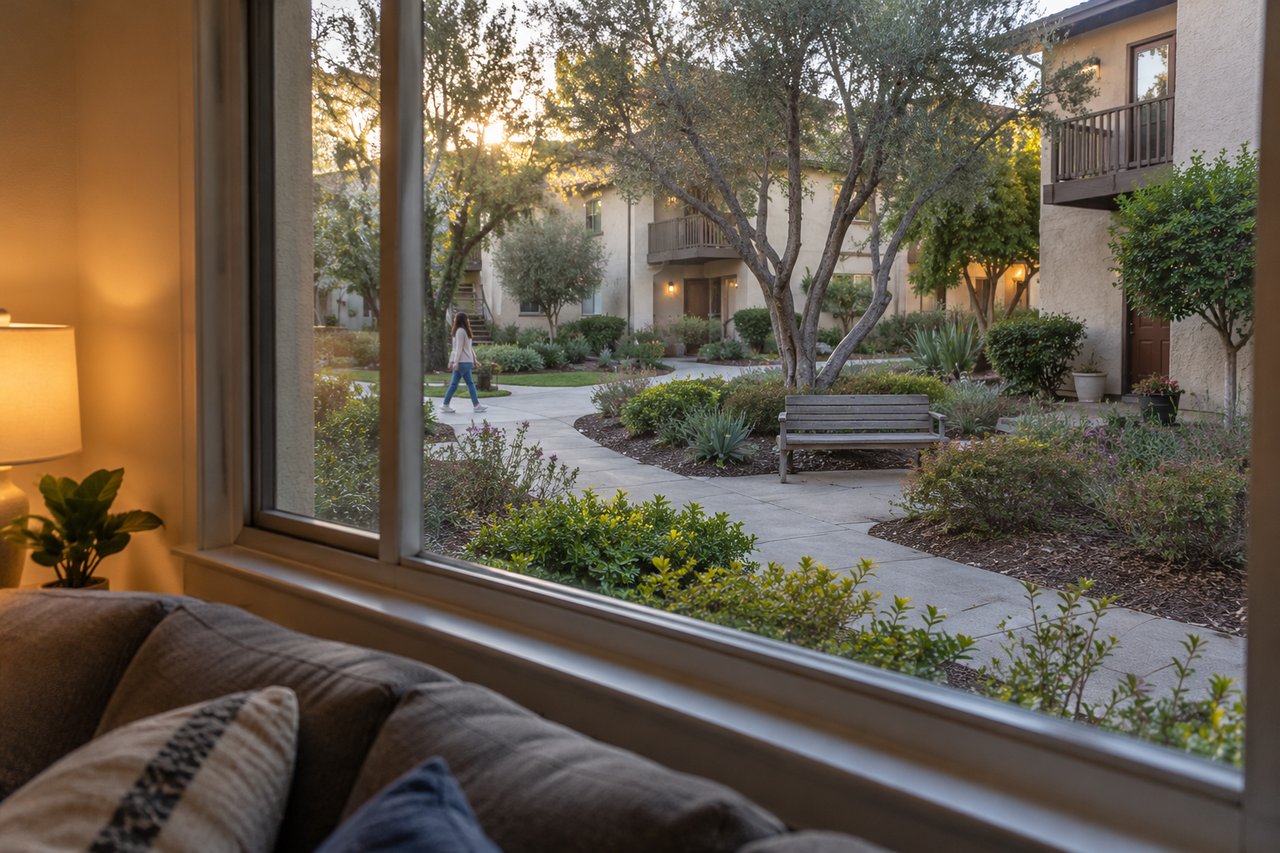
Amber Johnson | October 21, 2026
Check privacy, shared-space rules and activity near the unit before deciding whether courtyard-facing condo living suits you.
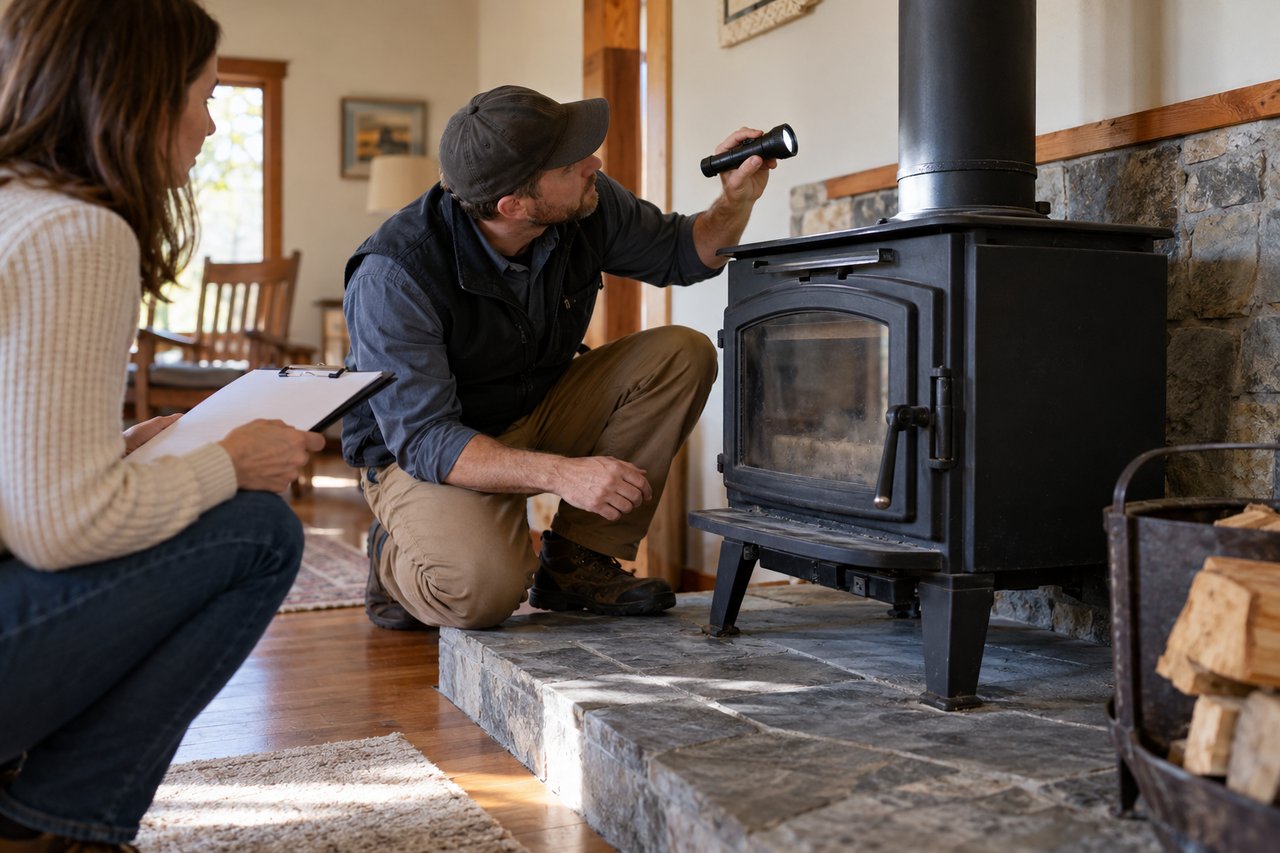
Amber Johnson | October 20, 2026
Review the stove, venting, documentation and insurance questions before treating wood heat as a benefit of the purchase.
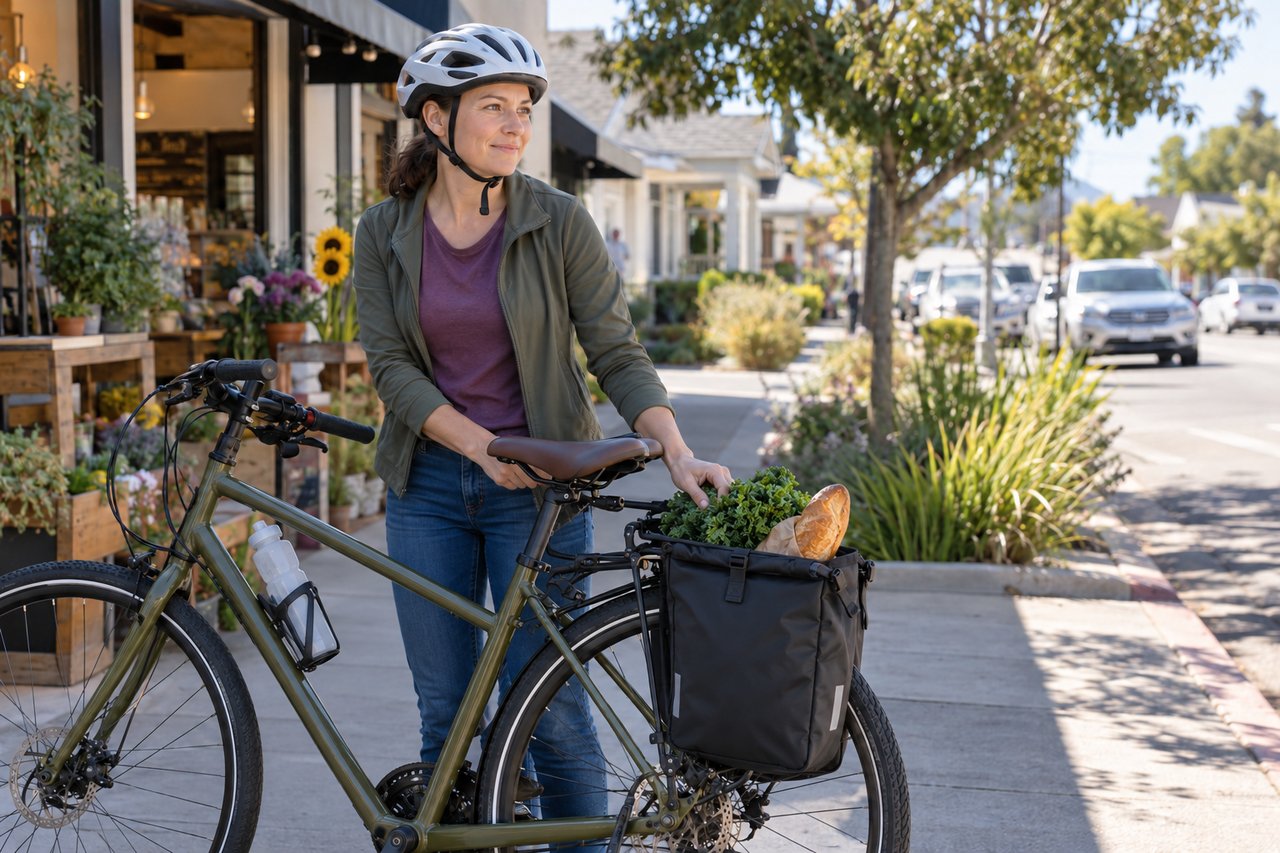
Amber Johnson | October 20, 2026
Test the routes to your actual errands, what you need to carry and your backup options before choosing a home around cycling.
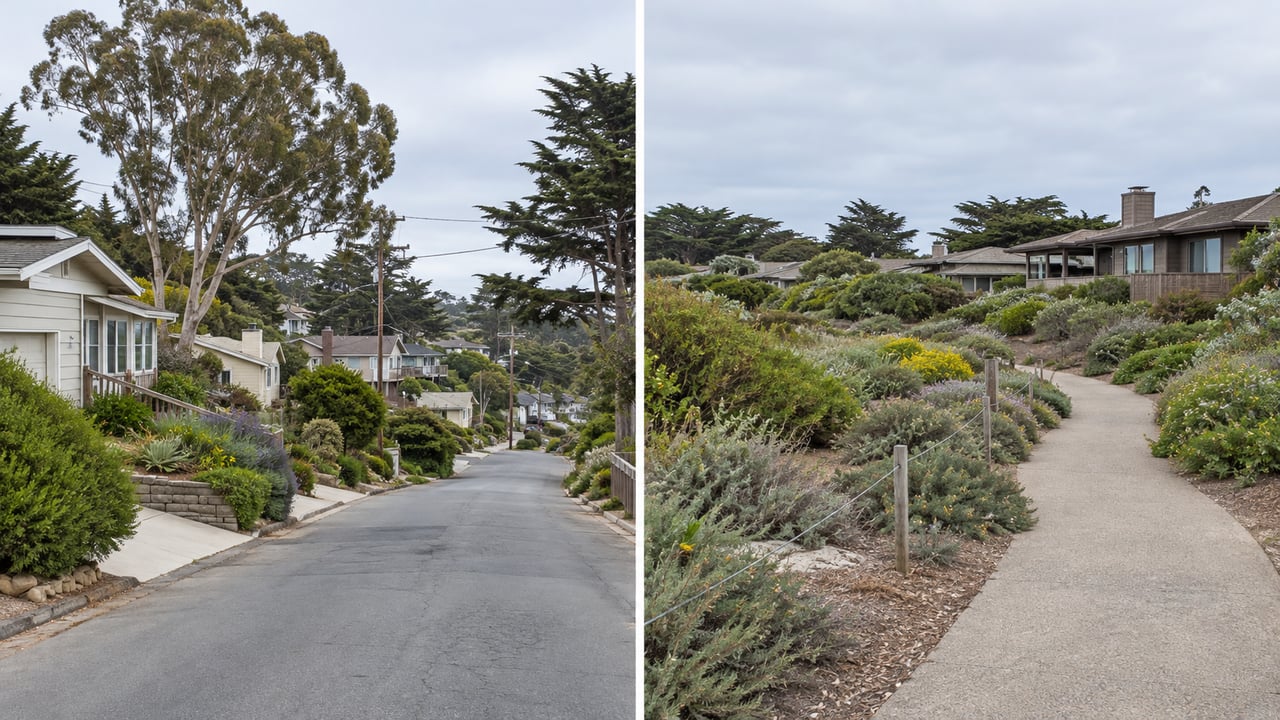
Amber Johnson | October 20, 2026
Compare these two Morro Bay areas through the specific homes, daily routes and property features that matter to your household.
Amber Johnson | October 20, 2026
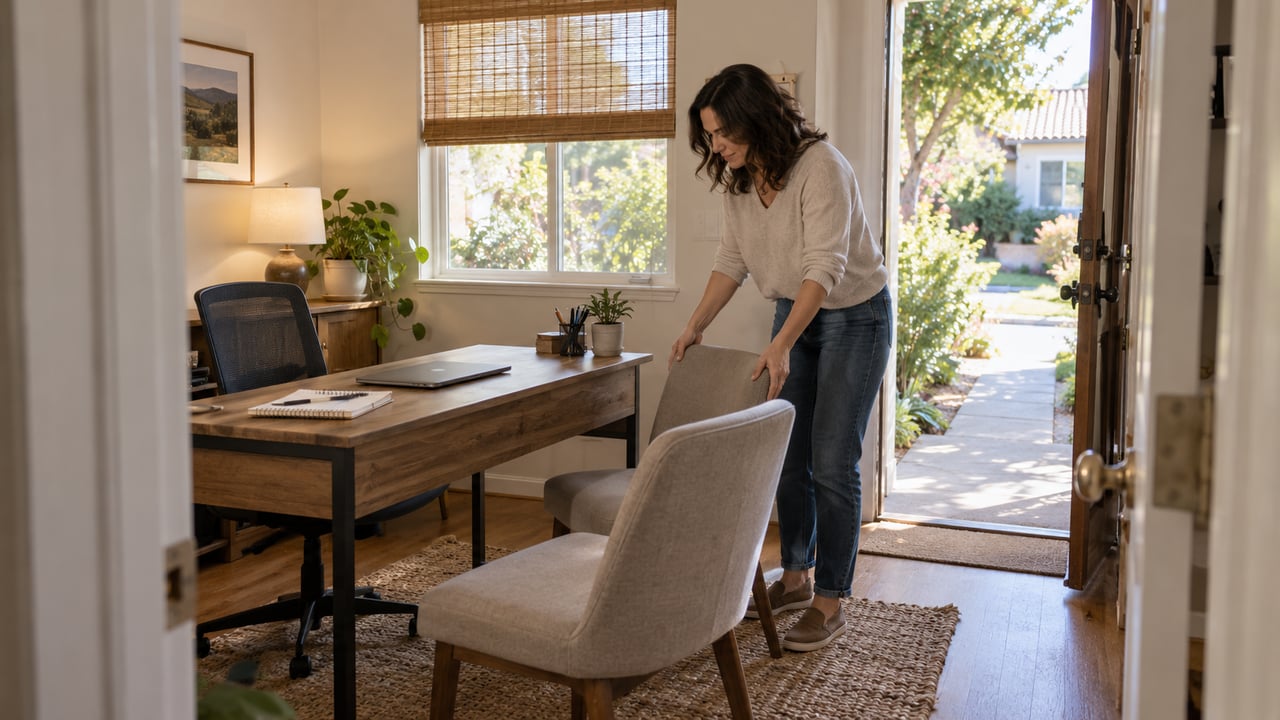
Check the property’s jurisdiction, current home-business rules and private restrictions before assuming clients can visit your home.
You’ve got questions and we can’t wait to answer them.
Amber Johnson, Founder
Pillar Real Estate
805.835.3425
DRE# 01925434
1345 Park Street
Paso Robles, CA 93446