Would I Prefer Downtown Templeton or a Rural Property Outside Town?
October 2, 2026
October 2, 2026
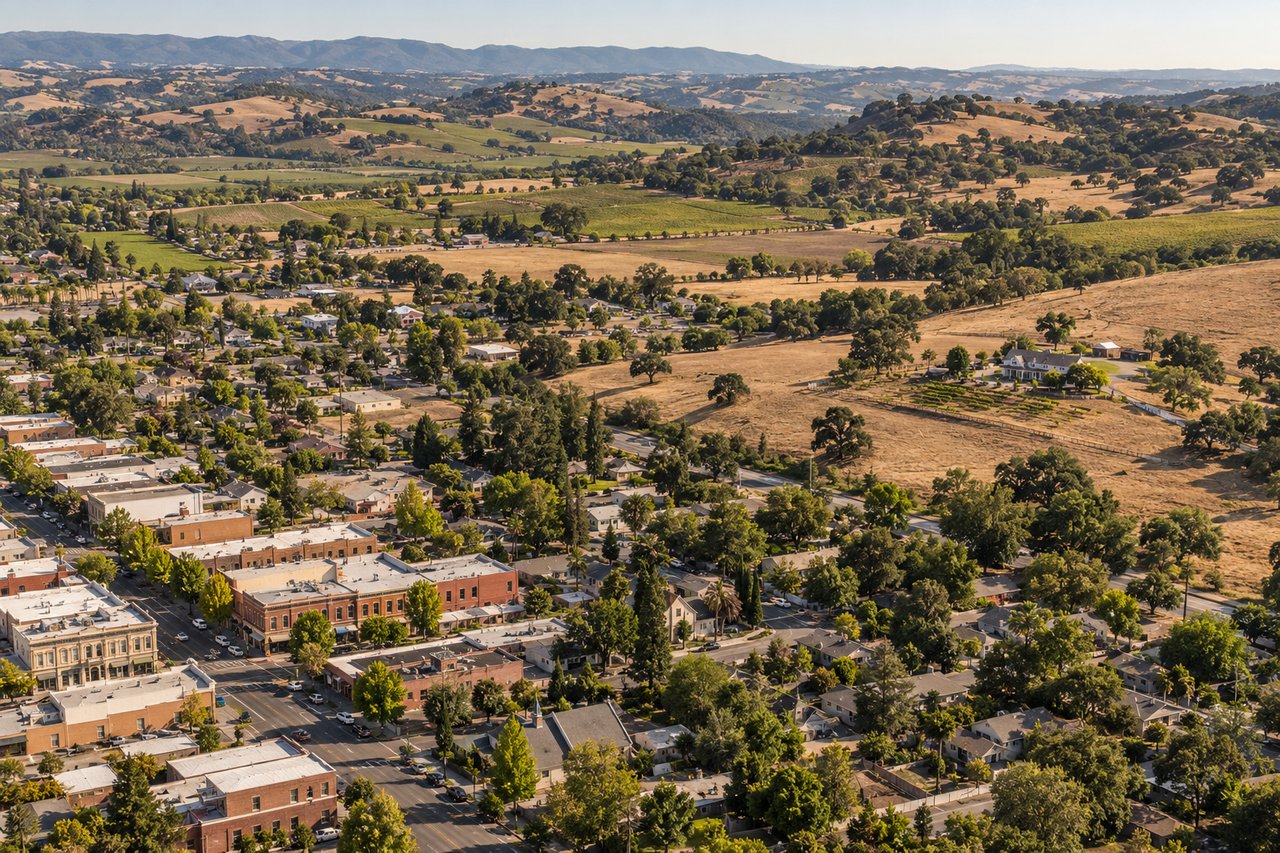
Downtown Templeton and the rural areas outside town can offer two very different ways to live in the same community. One puts you closer to local streets, businesses, and a compact daily routine. The other may give you more space, privacy, and room for projects, animals, or outdoor living. Neither option is automatically better. The right fit comes down to the property, the work it requires, and how you want an ordinary week to feel.
I am Amber Johnson with Pillar Real Estate. I help buyers compare Templeton homes through practical details, not a postcard version of town or country living. A downtown address can be convenient but still have parking, traffic, or lot-size tradeoffs. A rural property can feel peaceful but add upkeep, systems, and travel time. Here is how I would compare the two before deciding.
Start with the places you use most. A downtown Templeton home may put local businesses, community activities, and familiar routes closer to your front door. Whether that feels walkable depends on the exact address, your mobility, the route, and the time of day. Tour the neighborhood on foot if walking is part of the appeal. A map cannot tell you how comfortable a crossing or sidewalk will feel.
A rural property may place you farther from the center of town while giving you a different sense of space. That can be a good trade when you enjoy being home, want separation from nearby houses, or need room for a use that a smaller lot may not support. It can feel less convenient if your household makes several trips a day for work, school, appointments, or activities.
Write down your five most common destinations. Drive those routes from each home you are considering. The winner is not always the property closest to downtown. It is the one that supports the routine you actually have.
More land sounds appealing. The better question is what you would do with it. Some buyers have a clear purpose: a garden, workshop, animals, equipment storage, or room for family to gather. Others like the idea of acreage but do not want the maintenance that comes with it. Be honest about the difference between useful space and space you will need to manage.
Downtown lots are generally chosen for a different reason. You may be willing to accept less yard for a simpler routine or a closer connection to town. A smaller property can still have outdoor areas, a garage, or room for a project, but you need to evaluate the exact layout. Do not assume “downtown” means no privacy, and do not assume “rural” means every acre is usable.
Slopes, drainage, trees, access, existing improvements, and property boundaries affect how rural land functions. Our guide on what to look for when touring acreage property can help you build a more complete inspection list. Walk the land carefully and ask qualified professionals about concerns that matter to your plans.
A downtown home may concentrate maintenance on the house, yard, and any older features tied to that specific property. A rural home may add driveways, gates, fencing, vegetation, drainage, outbuildings, private systems, or larger exterior areas. Not every rural property has all of these, but each additional component needs time, planning, and a realistic budget.
Ask who will do the work. If you enjoy hands-on projects and already own the equipment, the upkeep may feel satisfying. If every task will require a vendor, get a sense of availability and cost before you buy. A peaceful setting can lose its appeal when the maintenance plan depends on assumptions.
Request records for important systems and improvements. Review inspection findings closely. If the property has a well, septic system, propane arrangement, private road, or other nonstandard feature, learn how it works and what the owner is responsible for. This is not a reason to avoid rural property. It is a reason to buy with clear expectations.
Rural property often appeals to buyers who want more distance from neighboring homes. That extra separation may support outdoor hobbies, animals, or quiet time. Still, privacy depends on the actual parcel. A long lot can place a house close to a road or neighboring use. Stand outside at different points and look at the property from the driveway, road, and likely outdoor living areas.
Downtown living may place neighbors closer and make daily interaction more common. Some people enjoy seeing activity and recognizing familiar faces. Others want more personal space. Check window placement, yards, parking, and outdoor areas instead of judging privacy from the lot size alone.
Community can show up differently in both settings. Downtown connections may grow from walking routes and nearby activity. Rural connections may grow through neighbors who share a road, fence line, or practical interest. Think about the type of connection you want, along with the amount of separation.
A downtown property may make trips within Templeton simpler, but you still need to test your commute and parking. Look at garage use, driveway width, street parking, delivery access, and how guests will arrive. Visit when nearby activity is more noticeable. An address that feels calm during a weekday showing may feel different at another time.
For a rural property, drive the complete route from the public road to the house. Ask whether the road is public, private, or shared. Review any recorded access and maintenance documents with the appropriate professionals. Note the surface, grade, drainage, gates, turnarounds, and how emergency or service vehicles would reach the home. If you expect regular deliveries or large equipment, include that in the comparison.
Weather and seasonal conditions can also change how a route functions. Do not rely only on a dry afternoon visit. Ask specific questions, review the seller's disclosures, and inspect the property with people qualified to evaluate what you see.
Downtown properties may connect to a different mix of services than homes outside town. Rural homes can use private or shared systems, depending on the property. Confirm each utility rather than assuming. Ask about water source, wastewater, power, heating, trash service, internet options, and any ongoing agreements or maintenance responsibilities.
Internet deserves a real test when anyone works from home, streams regularly, or relies on connected devices. A provider's general service map may not reflect the exact home. Ask what is currently installed, request available documentation, and verify service directly before relying on it.
Insurance should be part of the early review too. Coverage and pricing depend on the property, improvements, location, and current carrier requirements. Get property-specific guidance during your investigation period. The purpose is not to predict a problem. It is to avoid choosing a home before understanding a basic ownership cost.
There is no single family answer. Some households value a compact routine and shorter trips. Others want room for outdoor play, animals, or projects. School location is only one part of the day. Consider childcare, practices, friends, work schedules, and the way each person will get where they need to go.
Our article on what it is like living in Templeton as a family covers the broader community. When choosing between town and country, build the comparison around your household's calendar. A property can meet a dream on Saturday and create stress from Monday through Friday.
If children will spend time outdoors independently, look at the actual street, driveway, fencing, terrain, and visibility. If older relatives visit often, think about stairs, distance from parking, and access to services. The label attached to the setting matters less than the home’s ability to support the people who will live there.
Buy for your needs, but keep the next buyer in mind. Downtown and rural properties can attract different buyer groups. A downtown home's appeal may depend on condition, parking, lot function, and its exact relationship to town. A rural home's appeal may depend on access, usable land, systems, improvements, and how clearly the property is documented.
A unique feature is helpful when it serves a real need and is presented honestly. It can narrow the buyer group when it adds work without clear benefit. Keep records for improvements and systems. Maintain access areas and outbuildings. Do not make a future resale decision based only on a broad belief that land or proximity will always be enough.
For a wider local comparison, see where to live in Templeton. Buyers considering rural property may also find our discussion of rural North County living useful, while remembering that every parcel and community is different.
Tour at least one strong example of each setting. Compare the home, lot, route, utilities, maintenance, and total ownership picture. Then describe your hardest normal weekday at each address. Where do you park? How long do errands take? What needs attention when you get home? Which property gives you space you will truly use?
Downtown Templeton may be the better fit when proximity, a compact routine, and less land responsibility matter most. A rural property may be the better fit when privacy, usable space, and room for specific plans justify the additional work. The right strategy is to verify the tradeoffs before the charm of either setting makes the decision for you.
Amber Johnson and Pillar Real Estate can help you compare Templeton properties through the details that matter to your goals. Tell me what you want your daily life to look like, and we can focus on homes that support it. Start at Sell With Amber.
Amber
Pillar Real Estate | Amber Johnson, Founder
805.835.3425 | [email protected]
1345 Park St. Paso Robles, CA 93446 | DRE# 01925434
Website: pillarrealestate.com
Amber Johnson | October 2, 2026
Compare lot size, upkeep, access, and everyday routines before choosing your Templeton setting.
Amber Johnson | October 2, 2026
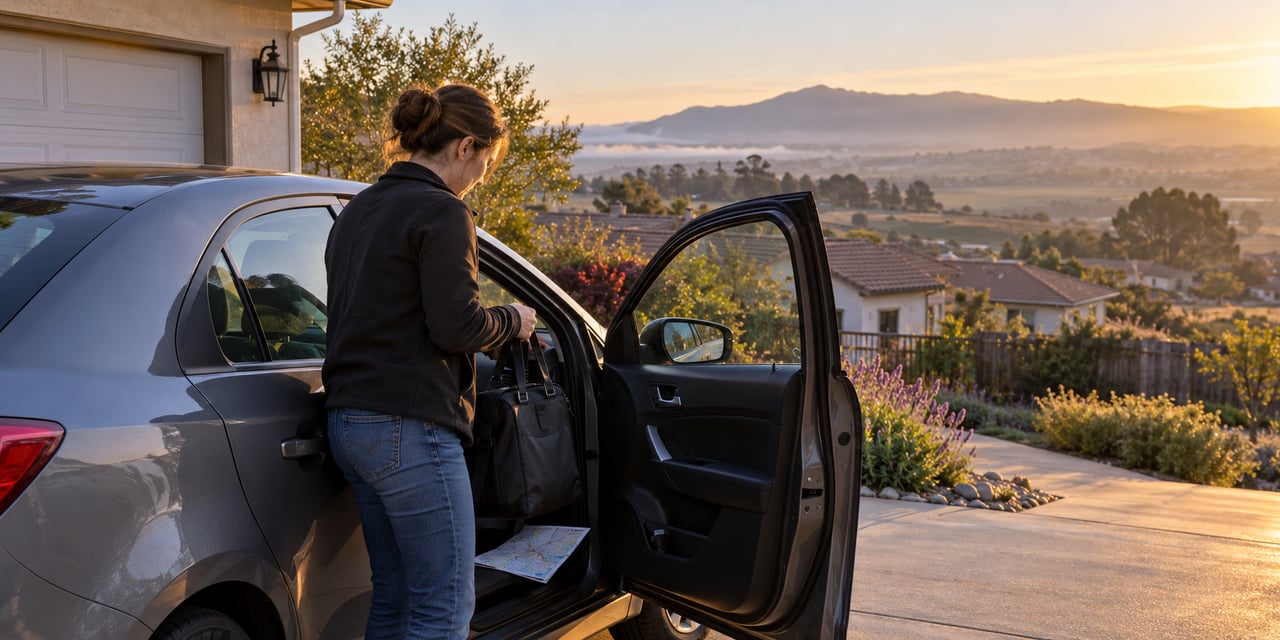
Consider your route, schedule, transportation costs, and the daily routine before choosing a home.

Amber Johnson | October 2, 2026
Amber Johnson | October 2, 2026
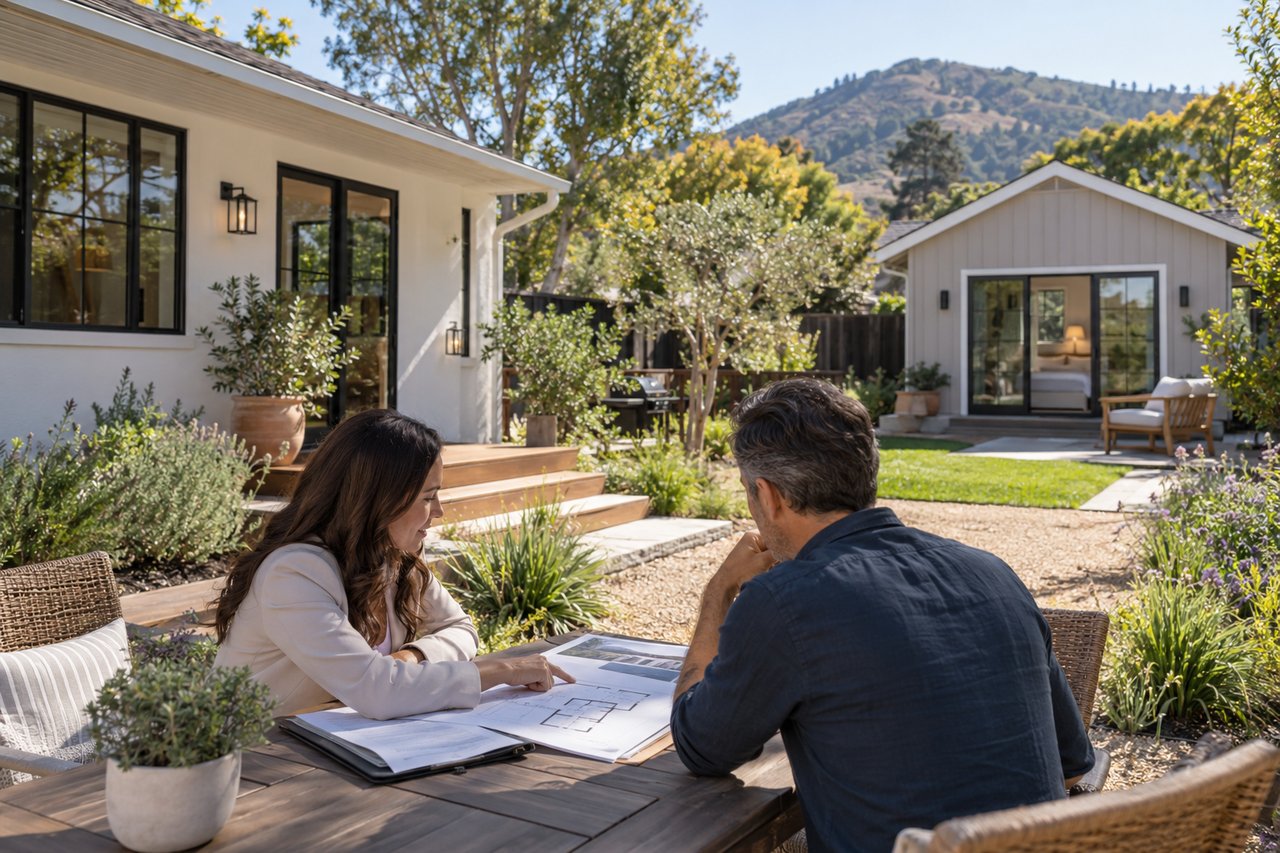
Assess the main home and accessory unit, permitted details, comparable sales, and the likely buyer pool.
Amber Johnson | October 2, 2026
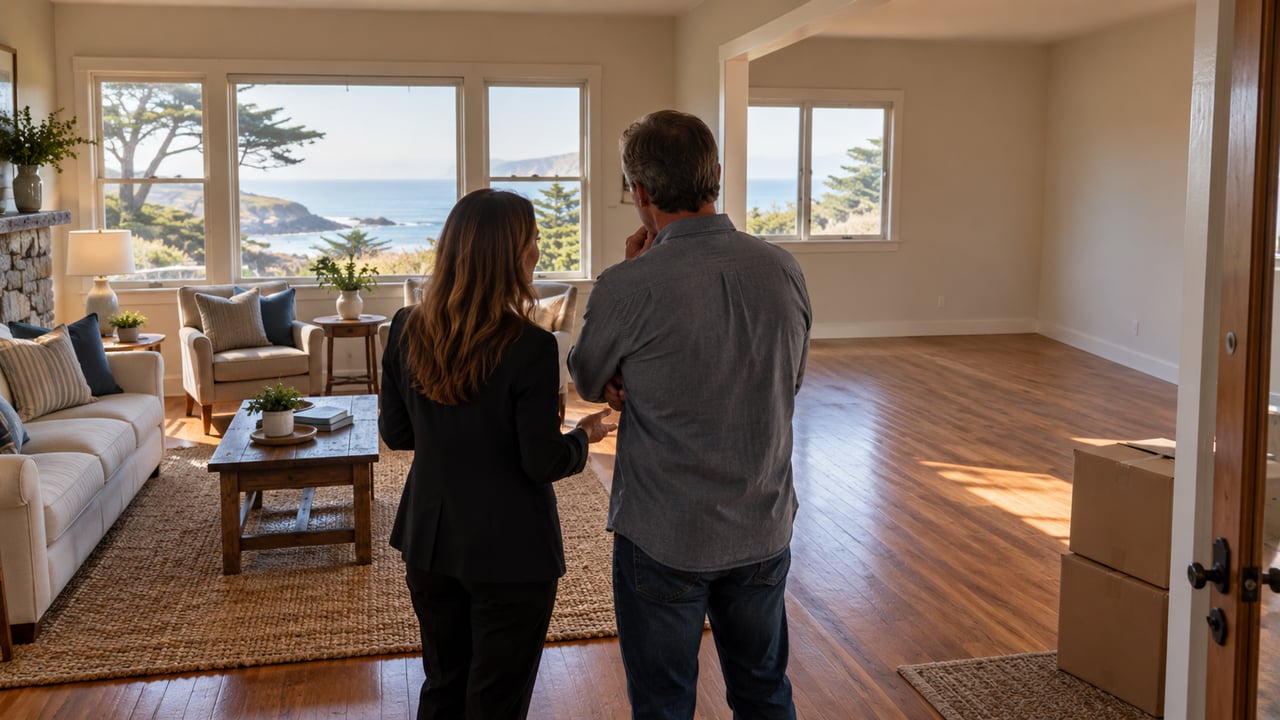
Compare buyer expectations, photography, showings, moving plans, and what a furniture decision may cost.
Amber Johnson | October 1, 2026
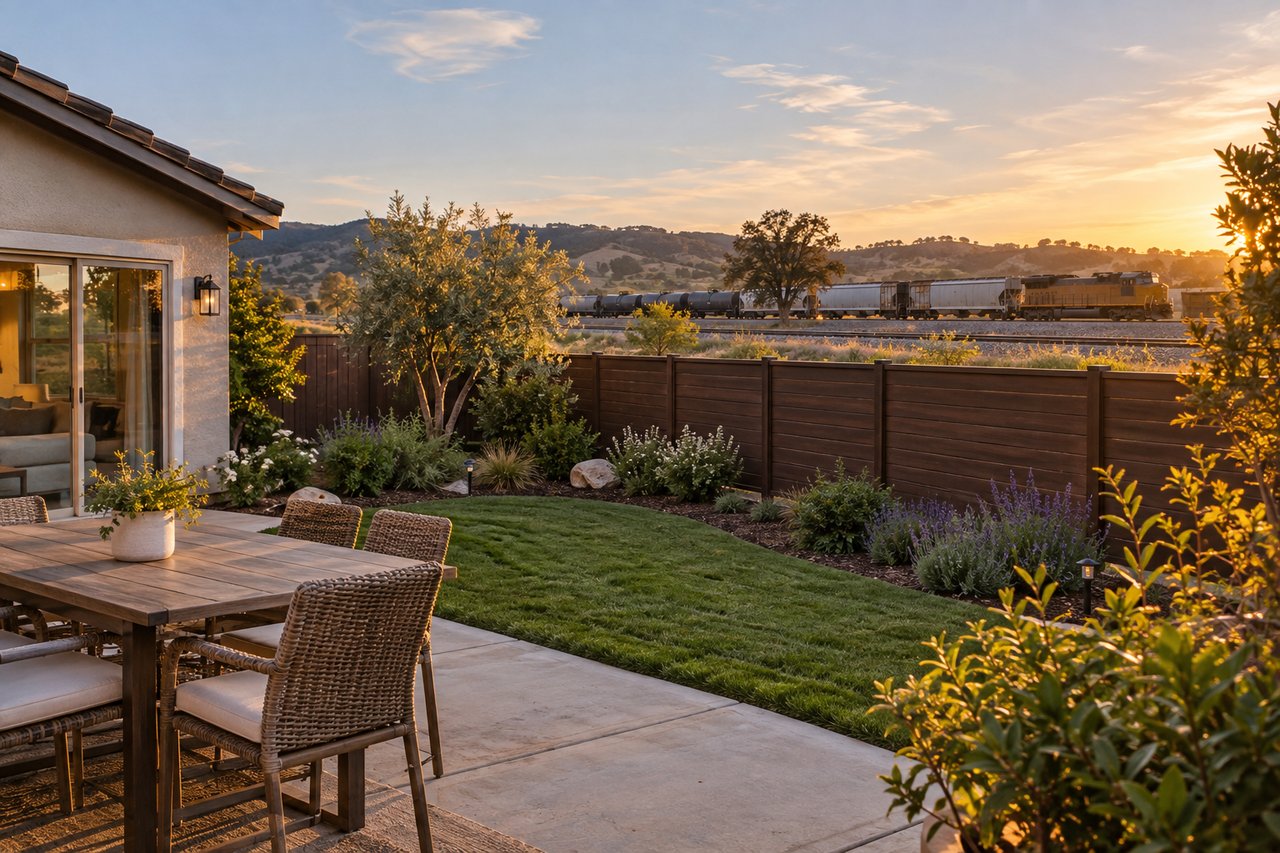
How train frequency, noise, crossings, property position, and buyer preferences can influence demand.
Amber Johnson | September 30, 2026
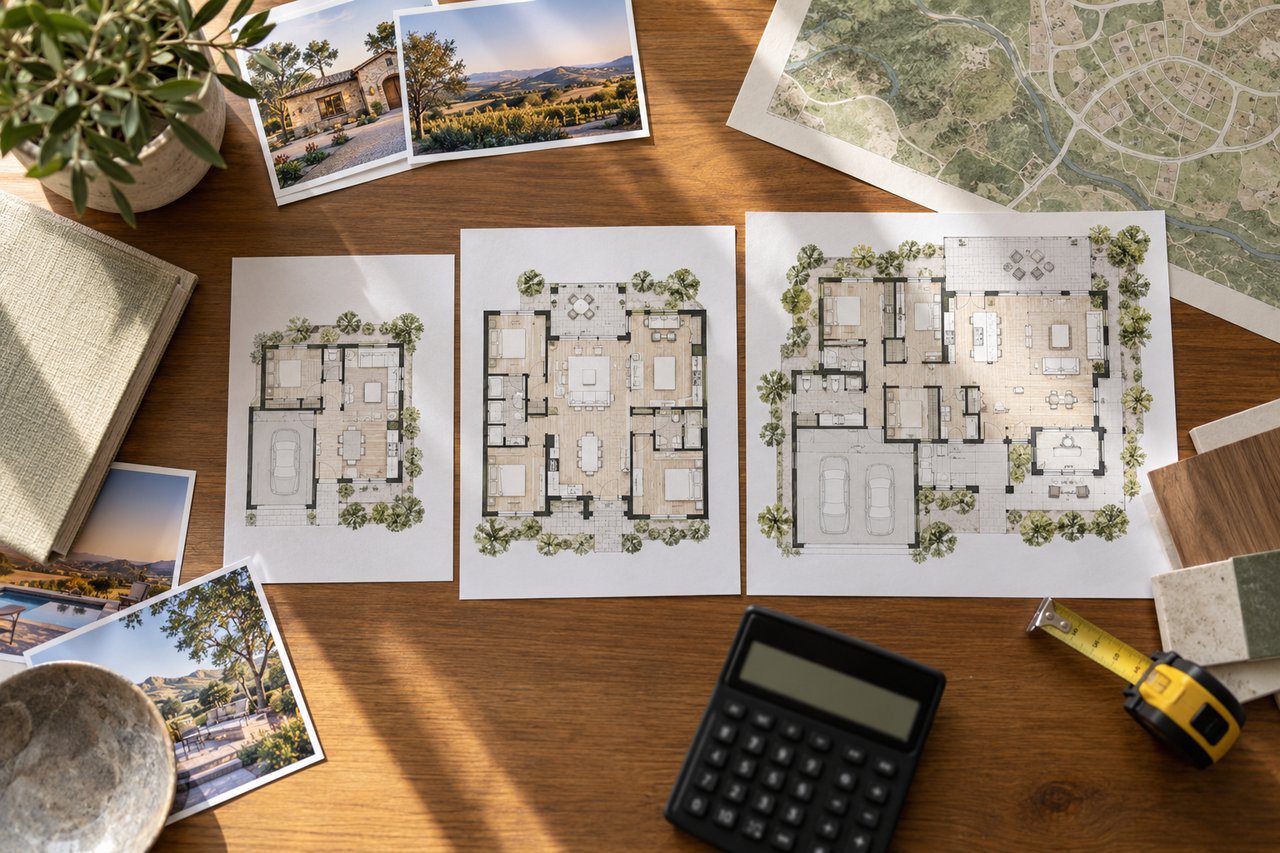
How home size, condition, lot, location, and comparable sales can limit what this metric means.

Amber Johnson | September 30, 2026
How worn sealant, moisture protection, appearance, and project scope can guide the decision.
Amber Johnson | September 30, 2026
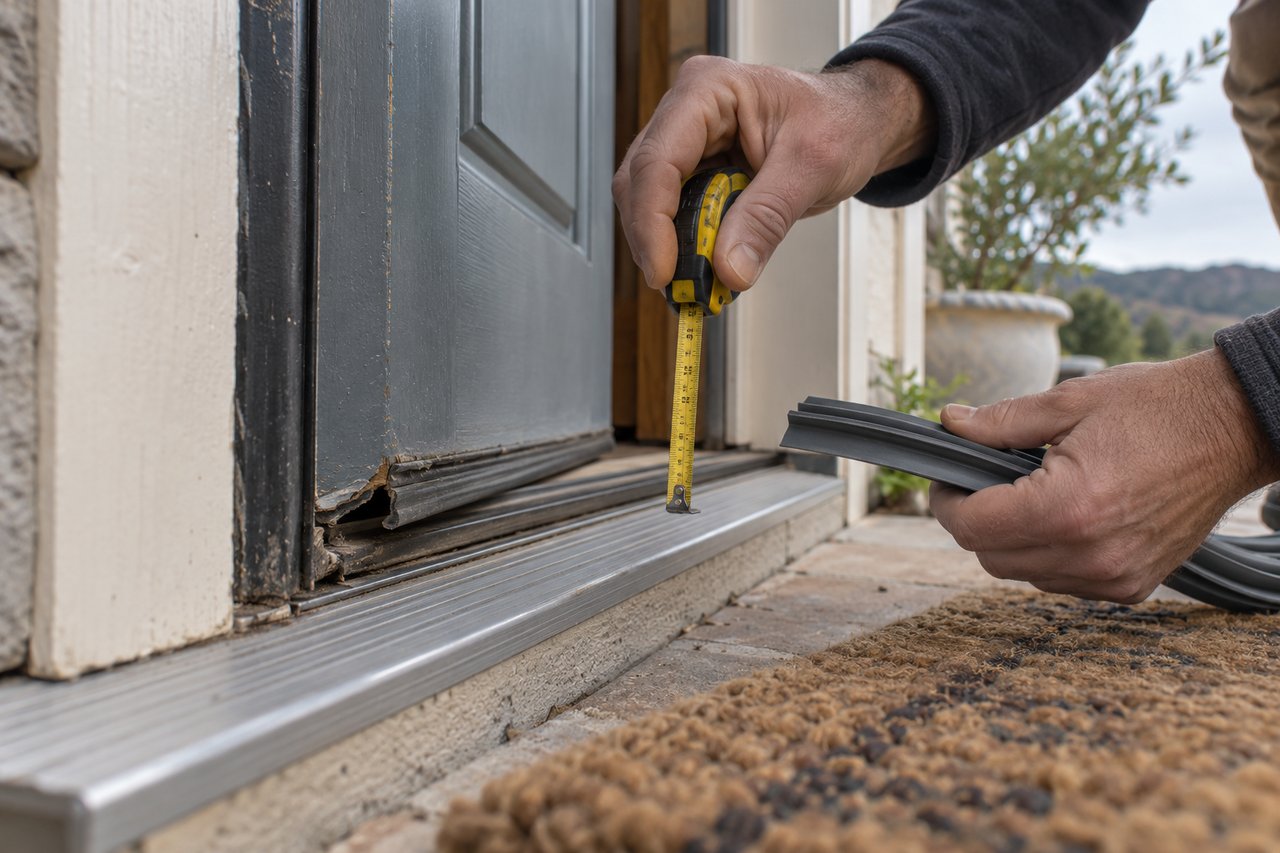
How air gaps, door operation, comfort concerns, and replacement cost can shape the decision.
You’ve got questions and we can’t wait to answer them.
Amber Johnson, Founder
Pillar Real Estate
805.835.3425
DRE# 01925434
1345 Park Street
Paso Robles, CA 93446