Should I Remove a Dead Tree Before Selling My Paso Robles Home?
September 29, 2026
September 29, 2026
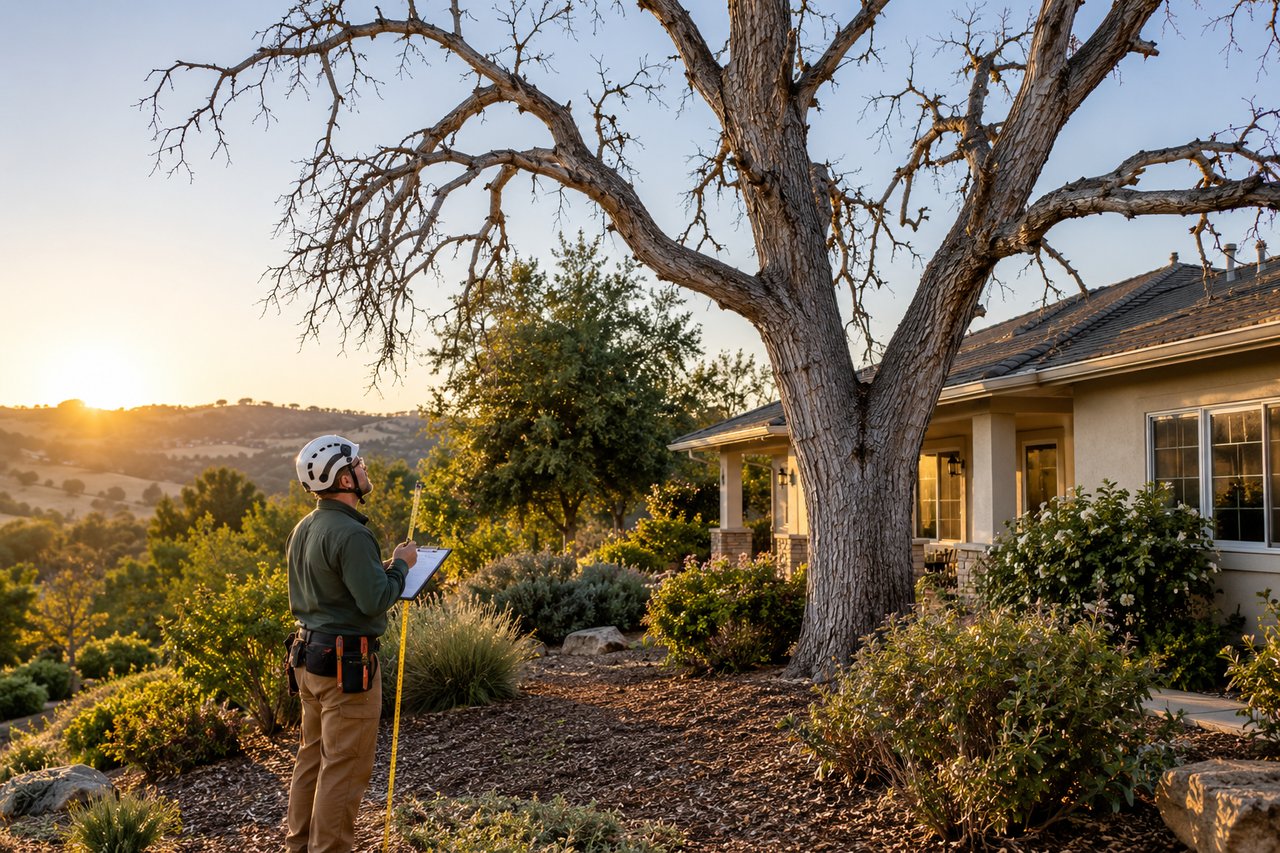
A dead tree near a Paso Robles home deserves a professional evaluation before the property goes on the market. Whether you remove it before listing depends on its condition, distance from the house and usable outdoor areas, the safety assessment, permit or access requirements, the removal quote, and the role it plays in the yard’s presentation. A visibly dead tree is not automatically a reason to delay every sale, but an unexplained hazard can worry buyers far beyond the tree’s actual removal cost.
I would start with a qualified arborist, not an assumption based on photographs. A tree that has dropped leaves seasonally can look bare without being dead. A truly dead tree may have brittle branches, decay, or structural concerns that are difficult to judge from the ground. A professional assessment gives you a clearer basis for deciding whether to remove, prune, monitor, or simply document the condition.
Identify the species and ask a qualified tree professional to assess whether the tree is dead, declining, or dormant. Ask about trunk and root condition, branch stability, and any signs that failure could affect the home, a driveway, a neighboring property, a fence, or a place people use. Keep the written findings and photographs. They can help you compare bids and explain the decision to a buyer.
Do not climb, cut, or pull at a questionable tree to test it. A professional should determine safe access and equipment needs. If the tree is near overhead wires, coordinate with the appropriate utility and qualified crew. Removal logistics can change substantially with slope, limited access, nearby structures, and the size of the tree. Those details belong in the estimate.
Also ask whether local rules, protected-tree provisions, an HOA, or other property-specific restrictions apply. Requirements vary by location and tree. The right professional or local authority can help determine whether a permit or additional review is necessary. Do not promise buyers that removal is unrestricted until that is confirmed.
A dead tree close to a structure or regular foot traffic is different from a small dead tree at the far edge of an open parcel. If an arborist identifies an immediate concern, address the safety issue promptly rather than treating it only as a marketing calculation. A sale date should not be the reason to leave a known hazard unmanaged.
Ask the arborist to be specific. Which part of the tree presents a concern? What could it reach if it fell? Is there a safe short-term measure, or is removal the recommended course? What timing matters? A written recommendation helps you take proportionate action. It also distinguishes an expert assessment from a buyer’s impression that any dead tree could fall onto the house.
Neighboring property raises another practical issue. A tree near a boundary may require access arrangements or coordination. Confirm the trunk’s location and the scope of the work instead of assuming who owns it based on the reach of its branches. If the situation is disputed, obtain appropriate legal or survey guidance before making a representation in the sale.
Buyers notice what they can see from the street, main windows, patio, and driveway. A dead tree beside the entry can make an otherwise well-kept landscape feel neglected. A large tree near a roof may prompt questions about damage or insurance. A distant tree on a larger lot may be a less central part of the experience, though its condition still deserves accurate disclosure.
Walk the property as a buyer would. Is the tree one of the first things visible in online photos? Does it cast an awkward silhouette over the house or dominate a small yard? Does it affect shade, privacy, or the view? Removal may open the space and improve curb appeal, but it can also leave a conspicuous stump, disturbed soil, or an empty area. Include cleanup and finishing in the plan rather than stopping at the cut.
Buyers are evaluating the whole property, not just one plant. What to do before listing a Paso Robles home covers the wider preparation picture. The yard should feel safe, cared for, and honest in photographs and in person.
A useful quote should say whether it includes cutting, hauling, stump grinding or removal, debris cleanup, protection of nearby improvements, and any needed access arrangements. Ask how the crew will work around fencing, irrigation, paving, and landscaping. A low initial number can become less appealing if the stump and damaged surrounding area remain your responsibility.
Obtain more than one comparable written bid when timing allows. Verify the provider’s qualifications, appropriate coverage, and the scope of work. A qualified arborist’s assessment and a removal company’s bid may answer different questions. Do not confuse a price to cut a tree with a professional opinion on whether the tree is hazardous.
The schedule matters too. A crew may need equipment access and a suitable workday. If photographs are planned for the next morning, removal that leaves branches, ruts, or exposed dirt could weaken presentation. Ask how long full cleanup and restoration will take. The result buyers see should be the finished yard.
Some tree removal work is a clear priority because of safety or a highly visible problem. Other projects are discretionary. Compare the quote with your broader preparation budget and your likely listing position. A seller with a tight timeline may value a clean resolution before marketing. A seller who is pricing for substantial renovation may choose to provide the assessment and estimate for a buyer to consider.
My discussion of how much to spend preparing a home before selling is relevant here. The best expenditure is not always the one that produces the most dramatic before-and-after photograph. It is the one that removes a meaningful obstacle or improves the property’s presentation in proportion to its cost.
Ask whether the tree is likely to become a negotiation issue. A buyer who sees a dead trunk near the house may estimate a cost without knowing the access requirements and add a risk premium to the concern. A written bid narrows that uncertainty. If you can complete safe, appropriate work before listing, you may make the transaction simpler. Still, no repair guarantees a particular price or a faster sale.
I would give removal serious priority when a qualified professional identifies a safety issue, the tree threatens a structure or a regularly used area, it dominates the entry or outdoor living space, or the work is practical to complete cleanly before photos. A well-documented removal can resolve a visible question and make the yard easier for buyers to imagine using.
Take care with the aftercare. Grind or address the stump as agreed, remove debris, make irrigation repairs if needed, and tidy the ground. If you plan to replace the tree or landscape the area, choose an approach appropriate for the property and season rather than rushing into a planting that will require more maintenance during showings.
Some sellers wonder whether they should sell as-is rather than complete repairs. The choice between selling as-is and fixing up a Paso Robles house helps frame that broader decision. A serious tree concern should be evaluated independently from a preference to avoid cosmetic work.
If the tree is far from improvements, an arborist does not identify a pressing hazard, removal is complicated, or the buyer may want to redesign the landscape, you may decide to list with clear information instead. That is different from ignoring the issue. Keep the assessment and a scoped quote, understand the disclosure obligations for known conditions, and price the property in light of its actual state.
Be careful with language. Do not call a tree safe forever because one inspection found no urgent issue. Do not describe a dormant tree as dead without confirmation. Do not imply that a buyer can remove it freely if restrictions have not been checked. State what the professional found, what work was quoted, and what has or has not been done.
A buyer may request a removal before closing, a credit, or more investigation. The response depends on the contract and the overall offer. If work is to occur during escrow, specify who hires the contractor, how the scope is approved, when it will be finished, and what evidence of completion will be provided. A vague promise to “take care of the tree” can create avoidable disagreement.
Even a dead tree may have been an important part of the landscape’s shape. Removing it changes light, sight lines, and sometimes the feel of the yard. Buyers may welcome more sunlight or a clearer view. They may also notice the loss of screening. A thoughtful plan for the area can keep the property looking intentional after the work.
Do not let an appealing view distract from the safety assessment. The sequence should be condition and risk first, then presentation. If a healthy neighboring tree provides most of the shade, removal may be visually straightforward. If the dead tree was the main landscape feature, consider modest cleanup or a realistic future landscaping plan rather than promising mature replacement on a short timeline.
Professional photographs should show the property honestly. If the tree remains, do not crop every image solely to conceal it while buyers will confront it on arrival. If removal is scheduled, photograph the finished work. Clear expectations support trust and reduce surprises at showings.
These answers make the decision specific to the tree and the home. They help avoid two extremes: paying for work that does little for the sale, or leaving a known concern unexplained until a buyer is under contract.
Have the tree evaluated, get a complete quote, verify any requirements, and decide whether the work can be finished before marketing. If you remove it, document the work and make sure the yard is clean. If you leave it, retain the assessment and quote and present the known facts through the proper disclosure process. Revisit the plan if conditions change.
At Pillar Real Estate, I help Paso Robles homeowners weigh preparation against timing, budget, and the way buyers will experience the property. The dead tree should be treated as one concrete decision within that plan. The question is not whether every seller must remove every dead tree; it is what this tree means for safety, presentation, and buyer confidence at this home.
So, should you remove it before selling? If the professional assessment shows a meaningful risk or the tree is a prominent, practical obstacle to the sale, removal is often the clearest path. If the risk is limited and the work is complex, a documented condition and thoughtful pricing may be more appropriate. Start with evidence, then choose the action that fits the property.
If a dead tree or another property condition is complicating your next move, I can help you decide which preparation steps support your sale. Visit Sell With Amber to start the conversation.
Amber
Amber Johnson, Founder
Pillar Real Estate
805.835.3425
[email protected]
1345 Park St. Paso Robles, CA 93446
DRE# 01925434
https://pillarrealestate.com/
Amber Johnson | September 29, 2026
How safety, proximity to structures, removal cost, and curb appeal can shape the decision.
Amber Johnson | September 29, 2026
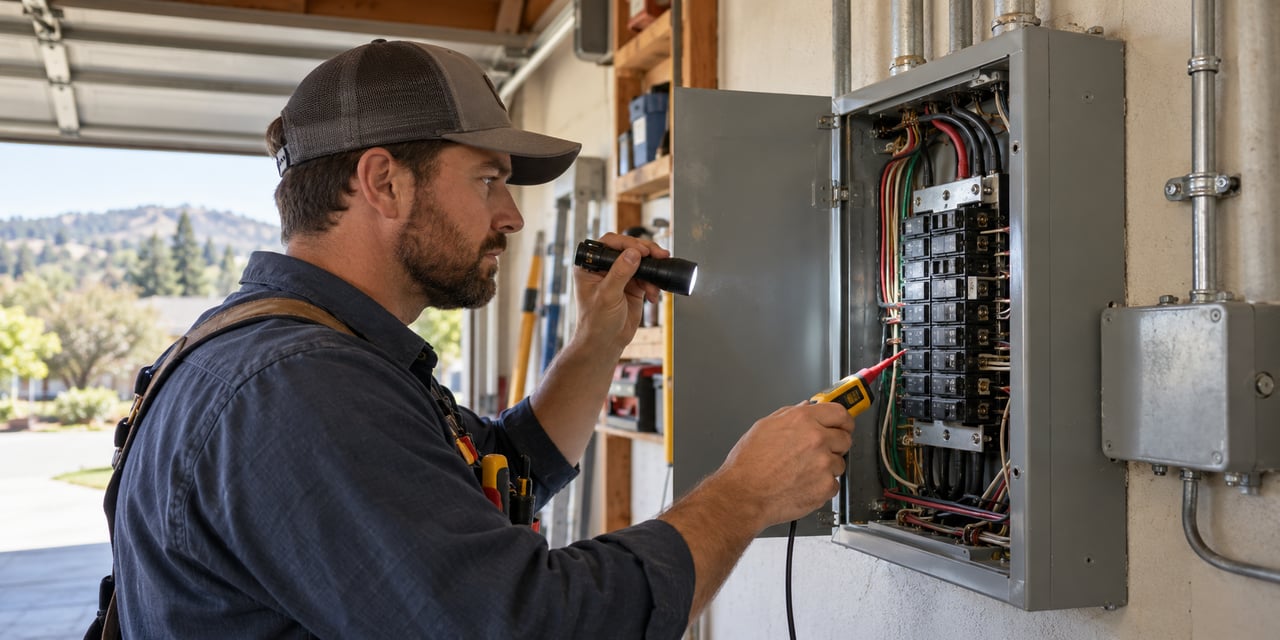
How panel age, labeling, visible condition, and buyer confidence can influence preparation.

Amber Johnson | September 29, 2026

Amber Johnson | September 29, 2026
Amber Johnson | September 29, 2026
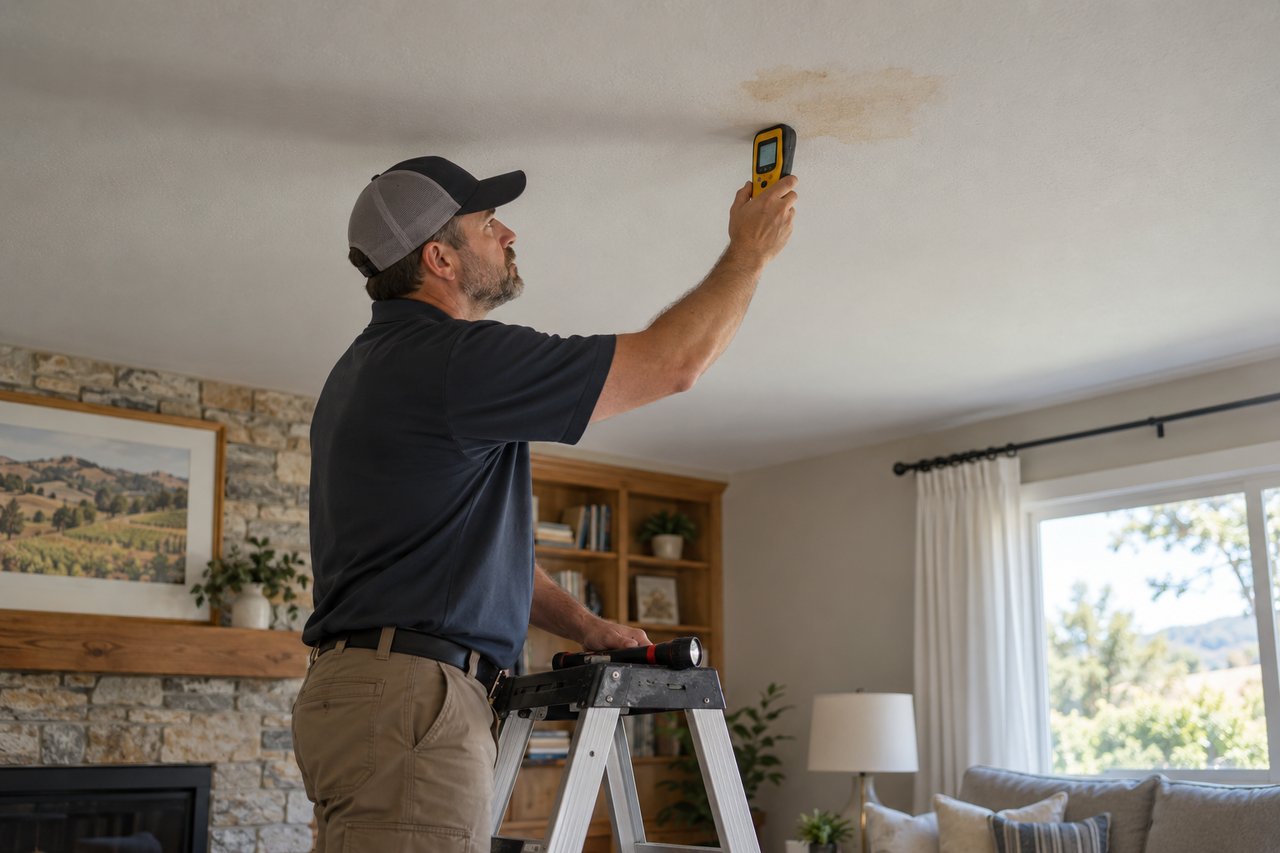
How moisture source, current dryness, repair scope, and buyer questions can guide the next step.
Amber Johnson | September 29, 2026
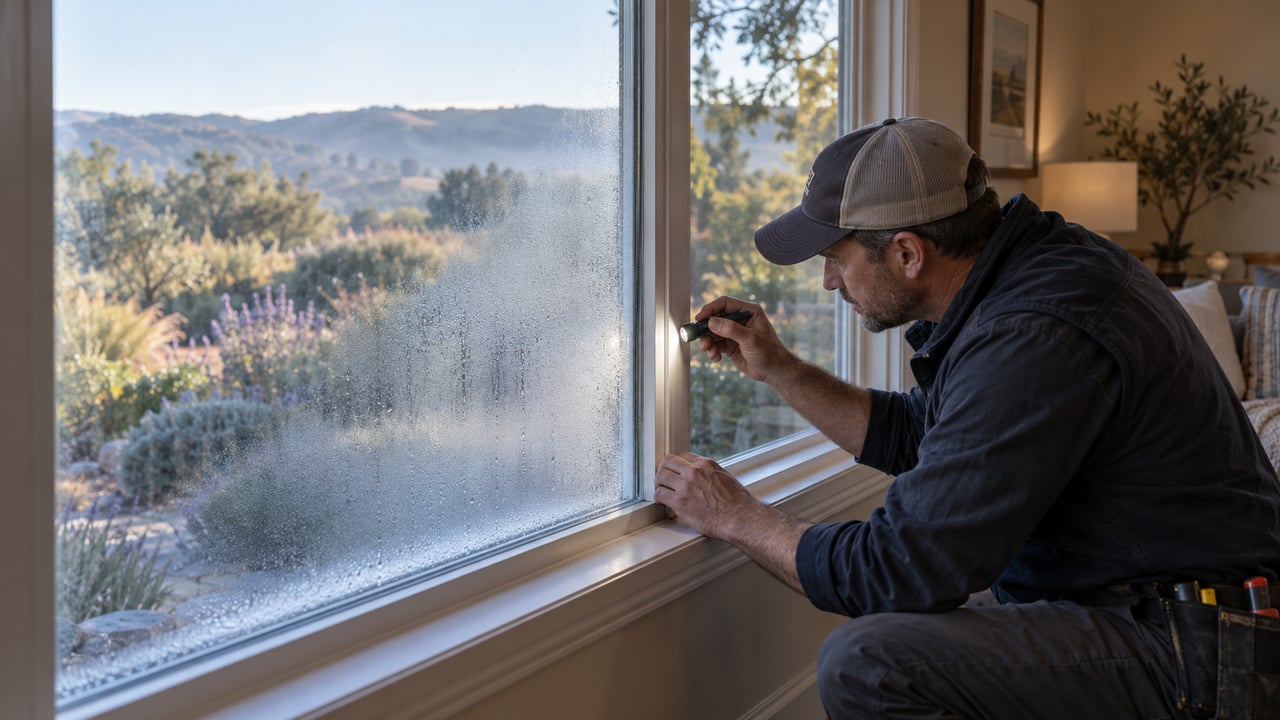
How seal failure, visibility, energy concerns, and repair cost can shape the decision.

Amber Johnson | September 28, 2026
Amber Johnson | September 28, 2026
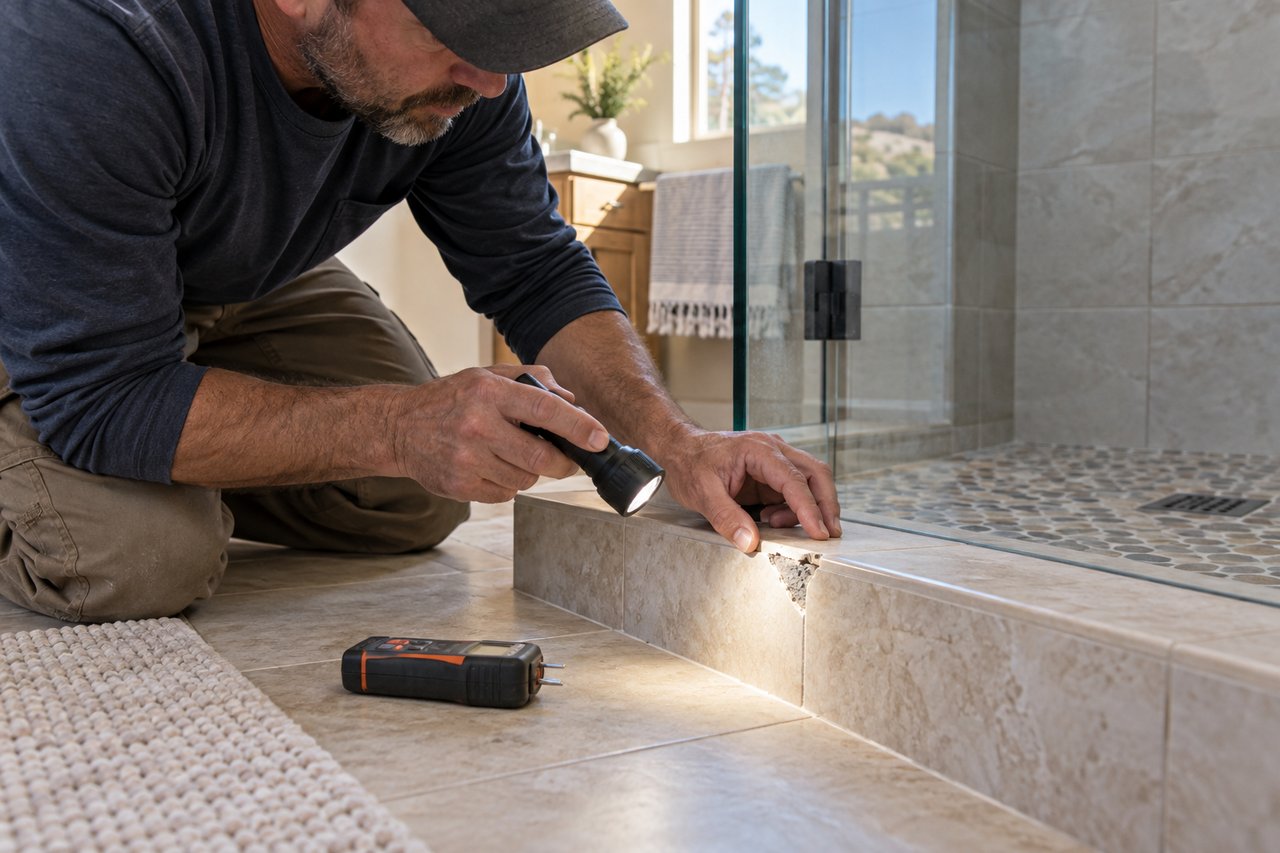
How chip location, sharp edges, moisture exposure, and repair scope can shape the decision.
Amber Johnson | September 28, 2026
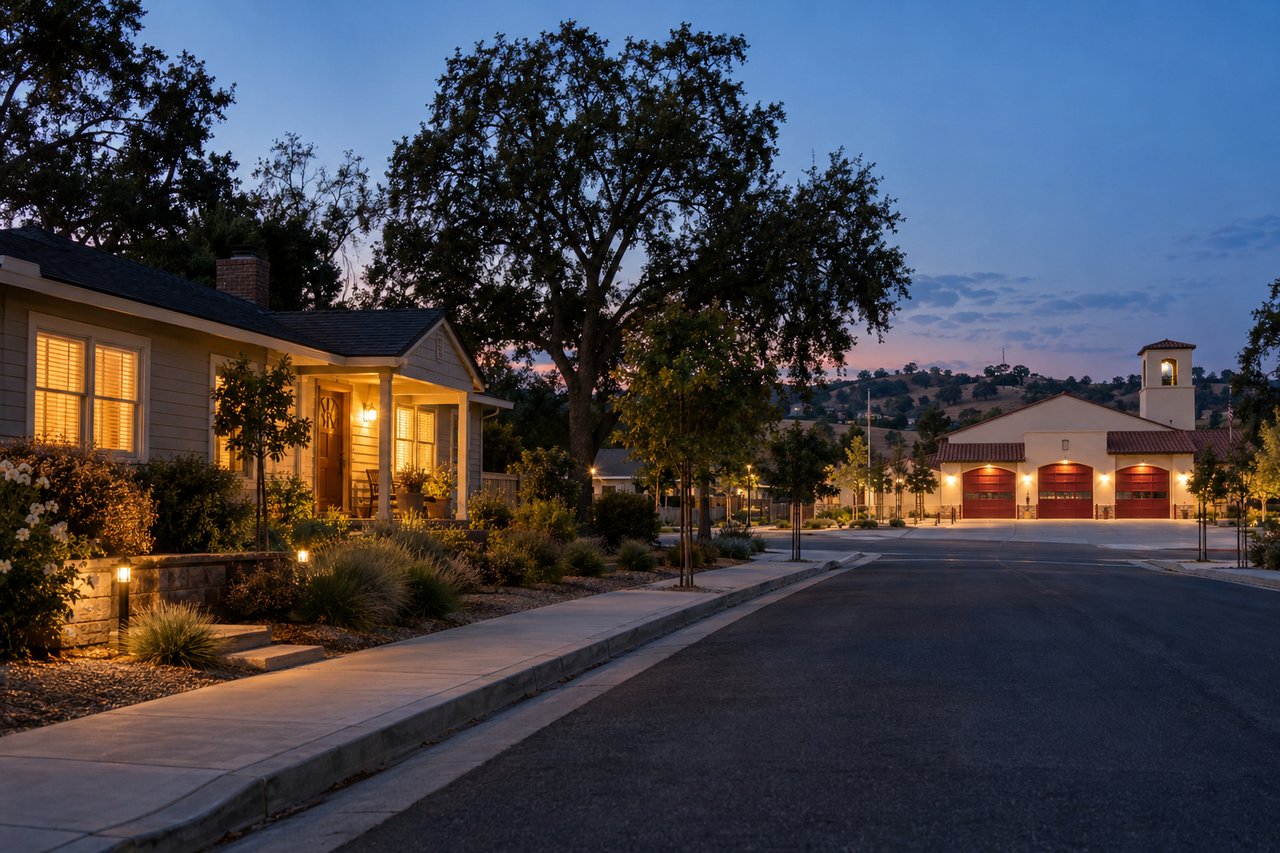
How sirens, traffic patterns, emergency access, and buyer priorities can shape demand.
You’ve got questions and we can’t wait to answer them.
Amber Johnson, Founder
Pillar Real Estate
805.835.3425
DRE# 01925434
1345 Park Street
Paso Robles, CA 93446