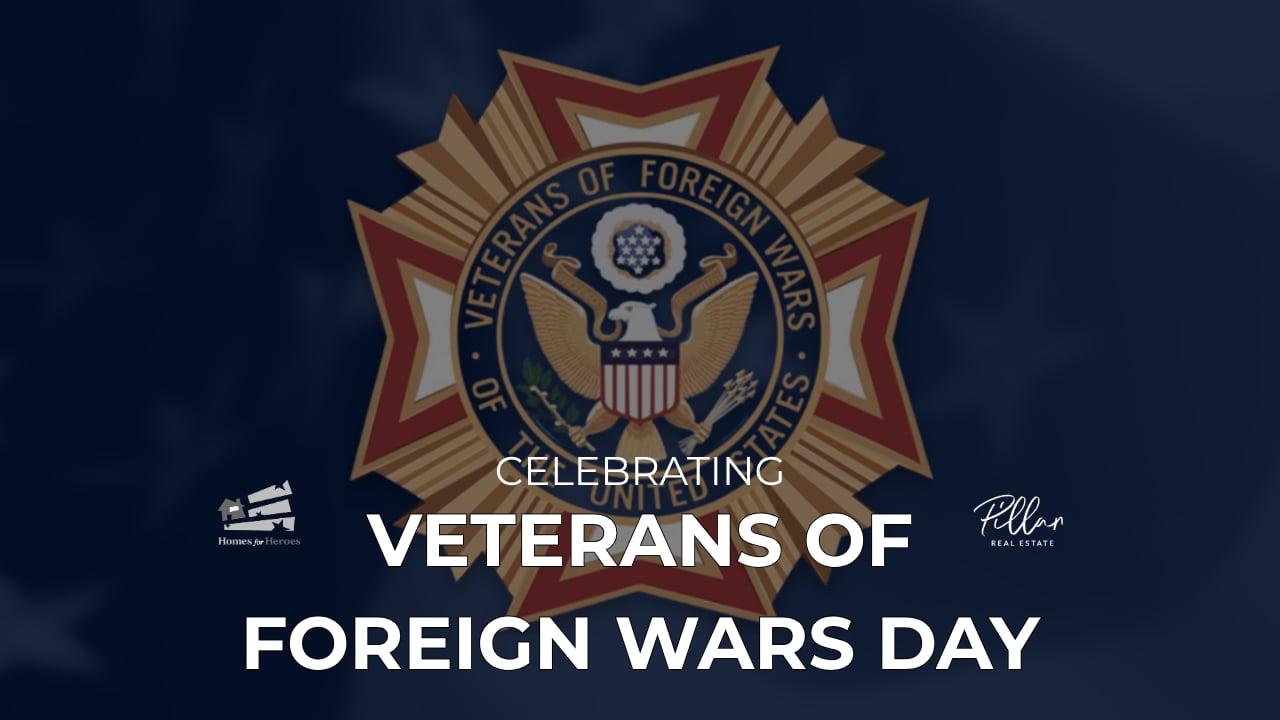
VFW Day: Honoring Veterans Who Continue to Serve
September 29, 2026
September 29, 2026
VFW Day: Honoring Veterans Who Continue to Serve
Service doesn’t always end when the uniform comes off.
Sometimes it simply changes.
A veteran comes home.
Builds a career.
Raises a family.
Starts a business.
Coaches a team.
Volunteers.
Mentors another veteran.
Helps a military family through a difficult time.
Advocates for people who served alongside them.
And sometimes, they join organizations like the Veterans of Foreign Wars and continue serving long after their own military service has ended.
That’s what makes VFW Day worth recognizing.
It honors people who served our country and reminds us that many veterans continue giving to others long after coming home.
Service Can Take a Different Form
Military service has a clear beginning.
Someone raises their hand.
Takes an oath.
Puts on the uniform.
What happens after that can look very different from one person to another.
Some serve for several years.
Others make the military a career.
Some return home and rarely talk about their experience.
Others stay closely connected to the veteran community for the rest of their lives.
But for many, the instinct to serve doesn't disappear.
It simply finds somewhere new to go.
Maybe it's helping another veteran.
Maybe it's volunteering in the community.
Maybe it's mentoring someone younger.
Maybe it's advocating for military families.
Maybe it's being the person who understands when someone else needs to sit down and talk.
That kind of service matters too.
Veterans Helping Veterans
One of the most meaningful things about veteran organizations is something very simple.
The person sitting across from you understands.
They may not have had the exact same experience.
They may have served in a different branch, during a different era, or in a completely different part of the world.
But there's a shared understanding of military service that most civilians can't completely replicate.
Sometimes support comes through advocacy or resources.
Sometimes it comes through practical help.
And sometimes it's simply another veteran saying:
I've been there.
You aren't doing this alone.
There is real value in that.
Why the VFW Still Matters
The Veterans of Foreign Wars has spent more than a century advocating for veterans and supporting military families and communities.
Think about how much has changed during that time.
Wars have changed.
Technology has changed.
Communication has changed.
The way service members deploy and return home has changed.
Entire generations have served.
But some things remain remarkably consistent.
Veterans still need advocates.
Military families still need support.
Service members still make the transition back into civilian life.
And sometimes people who spent years taking care of everyone else need someone willing to take care of them.
Organizations built around veterans supporting veterans continue to have an important role.
Coming Home Doesn't Mean Everything Goes Back to Normal
We often talk about military service as though there's a clear finish line.
Someone serves.
Then they come home.
But life doesn't always reset that easily.
Military experiences come home too.
So do relationships.
Responsibilities.
Memories.
Friendships.
Sometimes injuries.
Sometimes questions about what comes next.
Veterans may be building careers, raising children, managing health concerns, helping aging parents, figuring out finances, moving to a new community, or simply trying to establish a new routine.
Life keeps going.
Support shouldn't disappear simply because active service ended.
Veterans Are Part of Everyday Life in SLO County
Military service can sound distant when we talk about it nationally.
Veterans themselves aren't distant.
They're part of everyday life right here in San Luis Obispo County.
They live in Paso Robles.
Templeton.
Atascadero.
San Miguel.
San Luis Obispo.
And communities throughout the Central Coast.
They're business owners.
Parents.
Grandparents.
Teachers.
Coaches.
Coworkers.
Volunteers.
Neighbors.
Friends.
Sometimes you know someone served because they talk openly about it.
Sometimes you can know someone for years before learning they were in the military.
Service is part of their story.
It isn't always the first thing you see.
Military Families Are Part of the Story Too
When one person joins the military, the effects rarely stop with that individual.
Families adapt too.
Spouses adjust careers.
Children change schools.
People move.
Plans change.
Holidays are missed.
Birthdays happen through phone calls or video screens.
Families learn to build lives around schedules they don't fully control.
Then military service eventually ends, and another adjustment begins.
Where do we live now?
What's next?
Do we stay here?
Move closer to family?
Start a new career?
Build a different life?
For many families, civilian life is another transition.
Veteran organizations can become part of the community around them during that change.
The Community Benefits When Veterans Keep Serving
There's something easy to overlook when we talk about veterans.
The country benefited from their military service.
But local communities often continue benefiting from them afterward.
Veterans bring years of experience back home.
Leadership.
Responsibility.
Teamwork.
Perspective.
And often a strong habit of showing up when someone needs help.
That can turn into volunteer work.
Community leadership.
Mentoring.
Supporting local organizations.
Helping younger veterans.
Serving on boards.
Organizing events.
Advocating for a cause.
A veteran may stop serving in the military without ever really stopping service altogether.
That's a pretty meaningful legacy.
Why Homes for Heroes Means Something to Me
Through Homes for Heroes, I have the opportunity to work with military members and veterans here in San Luis Obispo County.
That's one of the parts of my work I value most.
These are people who have spent a significant part of their lives serving others.
When they're the ones facing a major transition, I get the opportunity to help.
Sometimes that involves a home.
Sometimes it involves figuring out what comes next.
But what I've come to appreciate even more is the person behind the veteran label.
Someone has a family.
Goals.
Plans.
Concerns.
A life they're building after military service.
Homes for Heroes gives me one way to serve people who have already given so much through their own service.
I'm grateful for that opportunity.
But VFW Day belongs to the veterans.
Veterans Aren't Defined Only by Their Service
Military service can be an important part of someone's identity.
It isn't the entirety of who they are.
A veteran may also be someone's dad.
Mom.
Grandparent.
Spouse.
Friend.
Neighbor.
Business partner.
Fishing buddy.
Little League coach.
The person who always brings too much food to the barbecue.
Someone can have extraordinary experiences and still spend most of life doing very ordinary things.
That's worth remembering.
Respecting veterans doesn't require reducing someone to the fact that they once wore a uniform.
Sometimes respect looks like recognizing the full person standing in front of you.
A Place to Belong Still Matters
Community matters at every stage of life.
For veterans, having people around who understand part of their experience can mean something different.
Military service creates bonds that can be difficult to explain to someone who hasn't lived it.
Leaving the military changes the structure around those relationships.
The people you've spent years with may suddenly live across the country.
Or across the world.
Veteran organizations can help create another kind of community.
A place where stories don't need as much explanation.
Where shared experience creates common ground.
Where someone who served years ago can sit beside someone who returned much more recently.
Sometimes belonging itself is a form of support.
Generations of Veterans Supporting the Next
One of the strongest things veteran communities can offer is connection across generations.
A younger veteran may be working through something an older veteran remembers facing decades ago.
Their experiences aren't identical.
Their military service happened in different times.
But perspective can still help.
Advice can help.
Listening can help.
Sometimes knowing someone made it through a difficult transition is enough to make the next step feel possible.
That's what mentoring often looks like.
Not having all the answers.
Simply being willing to stay in the conversation.
Recognition Shouldn't Be Limited to Veterans Day
Veterans Day receives a lot of attention each November, and rightly so.
But veterans don't contribute to their communities only once a year.
Neither does the VFW.
The advocacy continues.
The volunteering continues.
The mentoring continues.
The support continues.
The community work continues.
VFW Day gives us another opportunity to recognize that service.
Not just what veterans did while wearing the uniform.
What many of them continue doing afterward.
What Can We Do on VFW Day?
Recognition doesn't have to be complicated.
If you know a veteran, thank them.
If someone in your life is involved with the VFW, ask them about the work they do.
Listen if a veteran wants to share a story.
Learn about the veteran organizations serving your community.
Support local efforts that help military families.
And don't assume someone's service ended just because their military career did.
There are veterans throughout our communities who have spent decades continuing to give.
Sometimes the best thing we can do is simply notice.
Service After Service
Maybe that's the best way to think about VFW Day.
Service after service.
Men and women served our country.
Then many of them came home and continued serving.
They became advocates.
Mentors.
Volunteers.
Community leaders.
Friends to veterans who needed one.
People willing to stand beside military families.
People willing to keep showing up.
Their military service deserves our gratitude.
So does everything they've continued giving since.
To the Veterans Who Continue to Serve
To the men and women who served our country, thank you.
To the veterans who came home and continued serving their communities, thank you.
To the VFW members who stand beside fellow veterans and military families, thank you.
And to the families who supported them during military service and beyond, your sacrifices matter too.
I'm grateful to live and work alongside veterans throughout San Luis Obispo County, and I'm proud that Homes for Heroes gives me one way to serve people who have spent so much of their lives serving others.
But today belongs to them.
To our veterans and the VFW members who continue showing up for others:
Your service mattered then.
It matters now.
And we thank you for it.
Amber Johnson, Founder
Pillar Real Estate
805.835.3425
[email protected]
1345 Park St. Paso Robles, CA 93446
DRE# 01925434
Amber Johnson | October 24, 2026
Amber Johnson | October 21, 2026
Amber Johnson | October 21, 2026
Amber Johnson | October 21, 2026
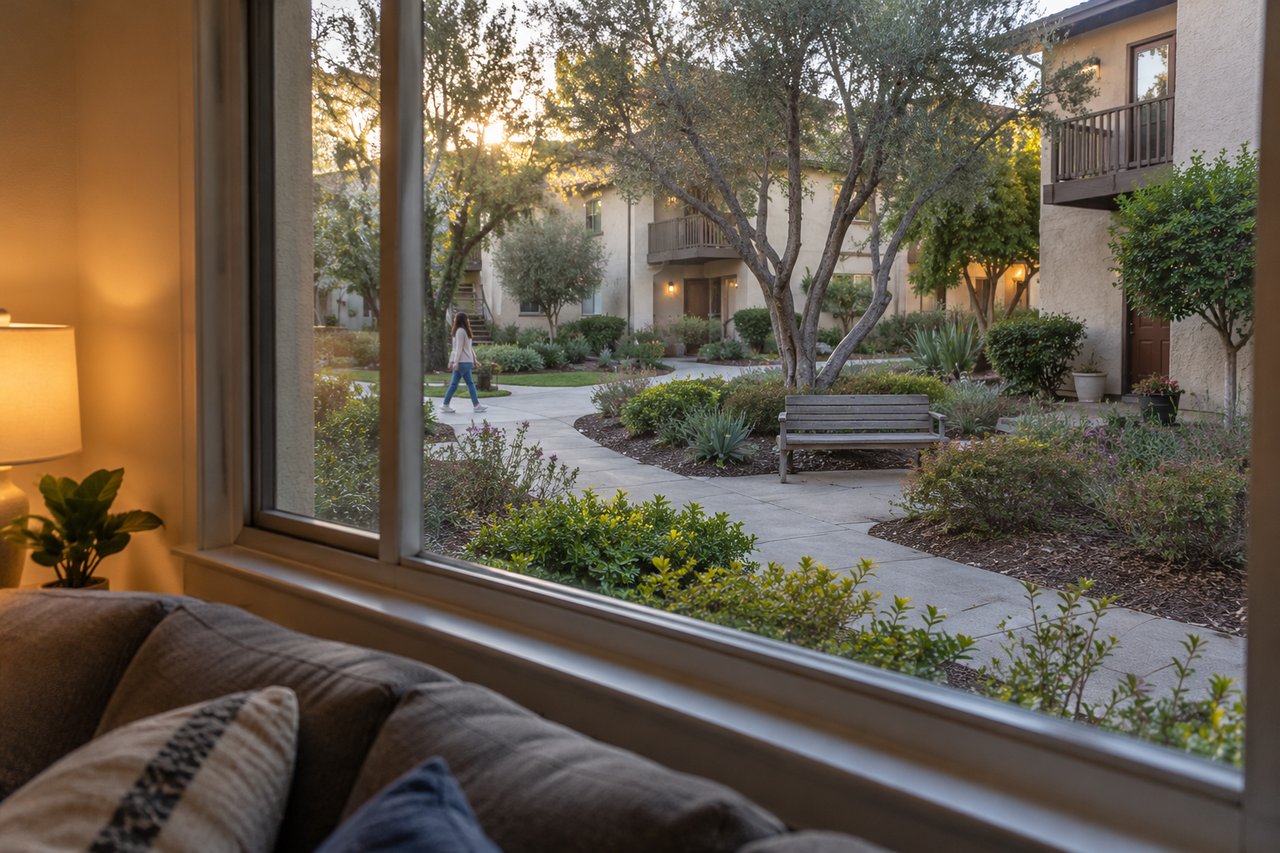
Check privacy, shared-space rules and activity near the unit before deciding whether courtyard-facing condo living suits you.
Amber Johnson | October 20, 2026
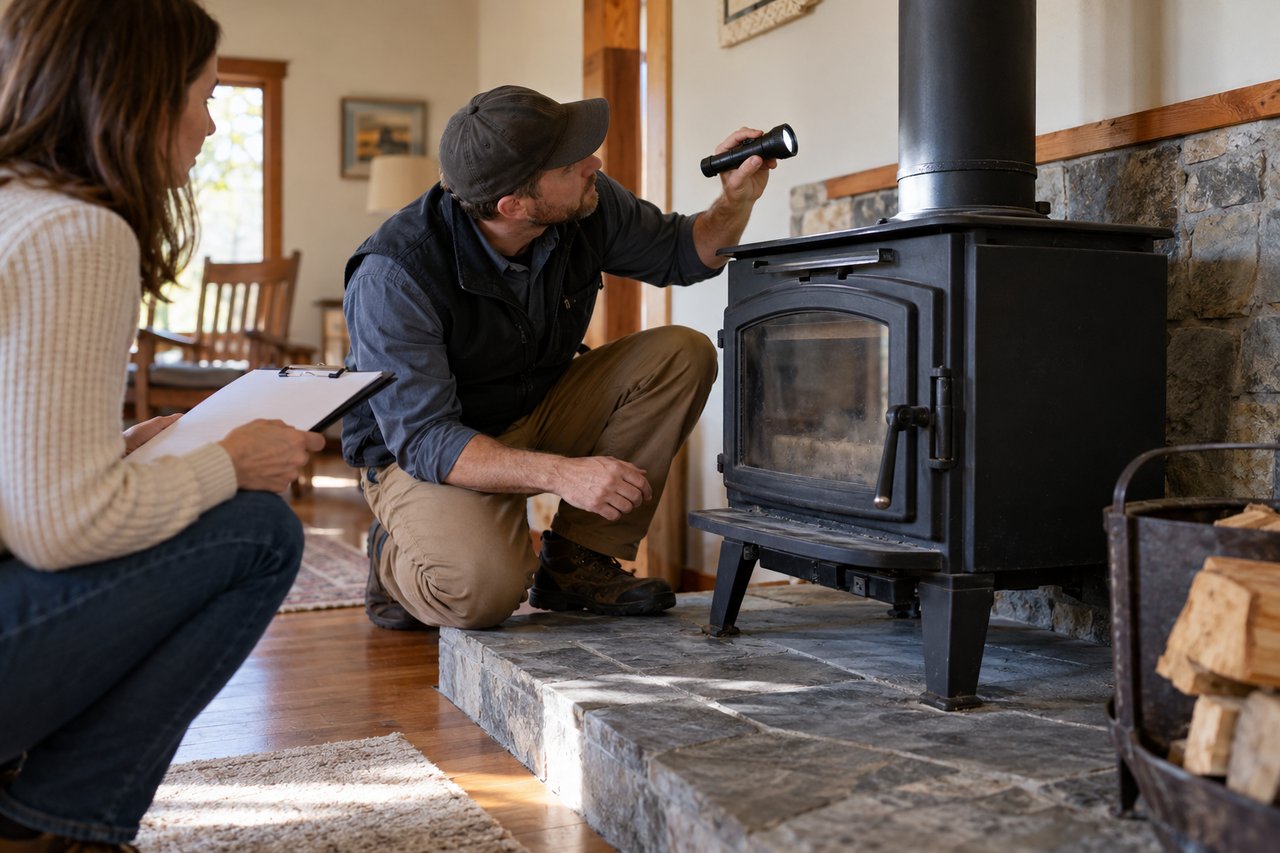
Review the stove, venting, documentation and insurance questions before treating wood heat as a benefit of the purchase.
Amber Johnson | October 20, 2026
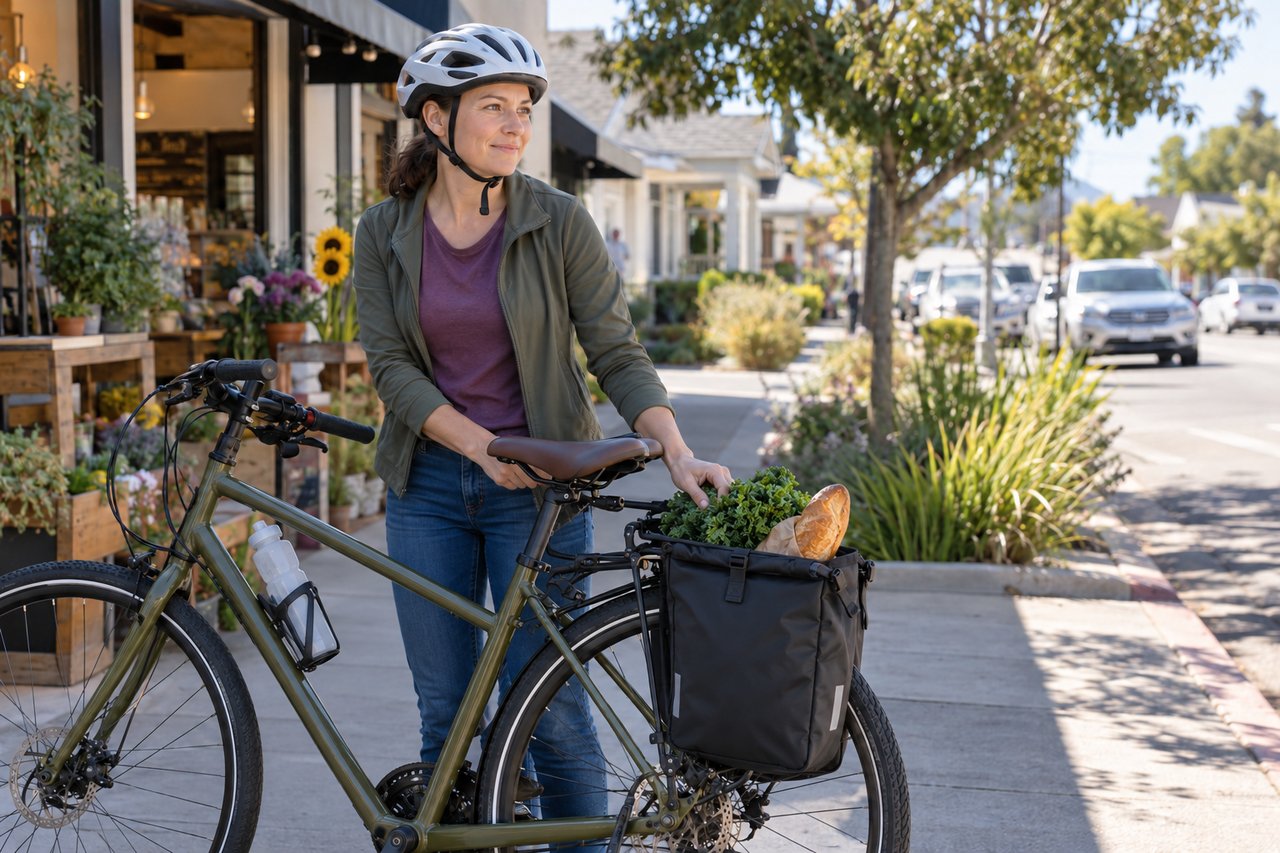
Test the routes to your actual errands, what you need to carry and your backup options before choosing a home around cycling.
Amber Johnson | October 20, 2026
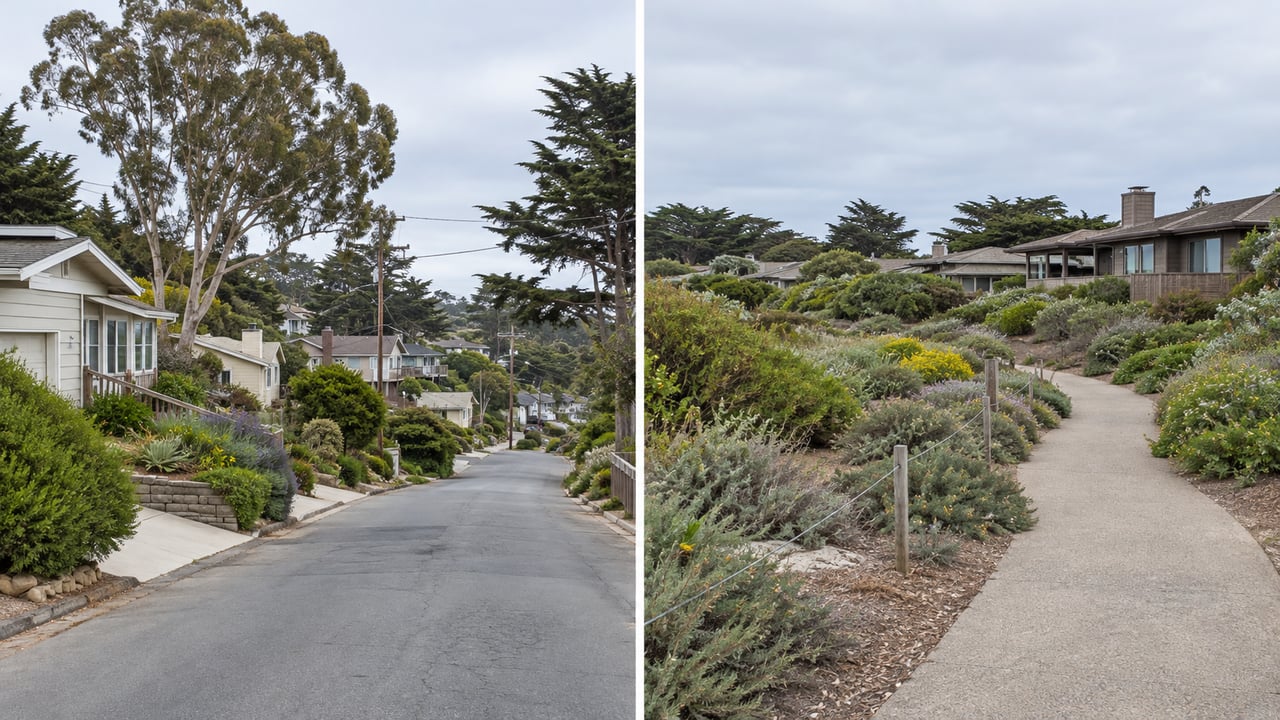
Compare these two Morro Bay areas through the specific homes, daily routes and property features that matter to your household.
Amber Johnson | October 20, 2026
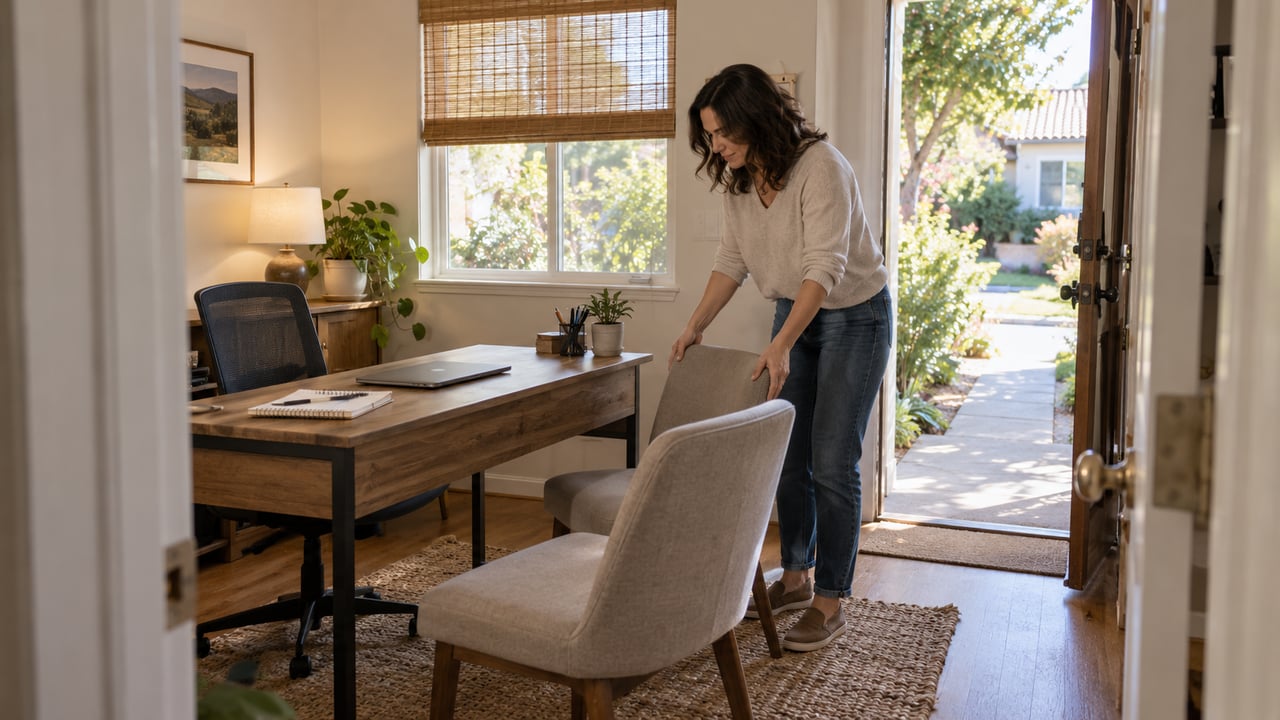
Check the property’s jurisdiction, current home-business rules and private restrictions before assuming clients can visit your home.
Amber Johnson | October 20, 2026
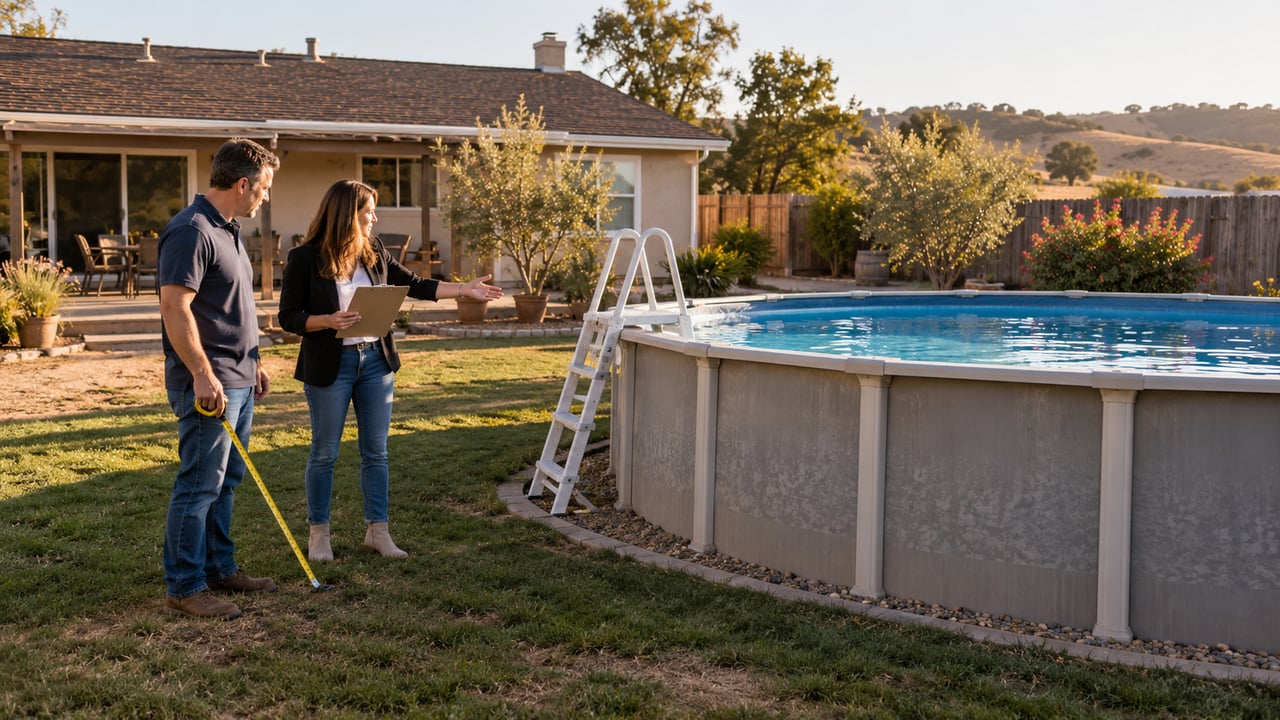
Compare keeping the pool with removal, site restoration and buyer appeal before spending money on pre-sale work.
You’ve got questions and we can’t wait to answer them.
Amber Johnson, Founder
Pillar Real Estate
805.835.3425
DRE# 01925434
1345 Park Street
Paso Robles, CA 93446