Should I Investigate a Ceiling Stain Before Selling My Paso Robles Home?
September 29, 2026
September 29, 2026
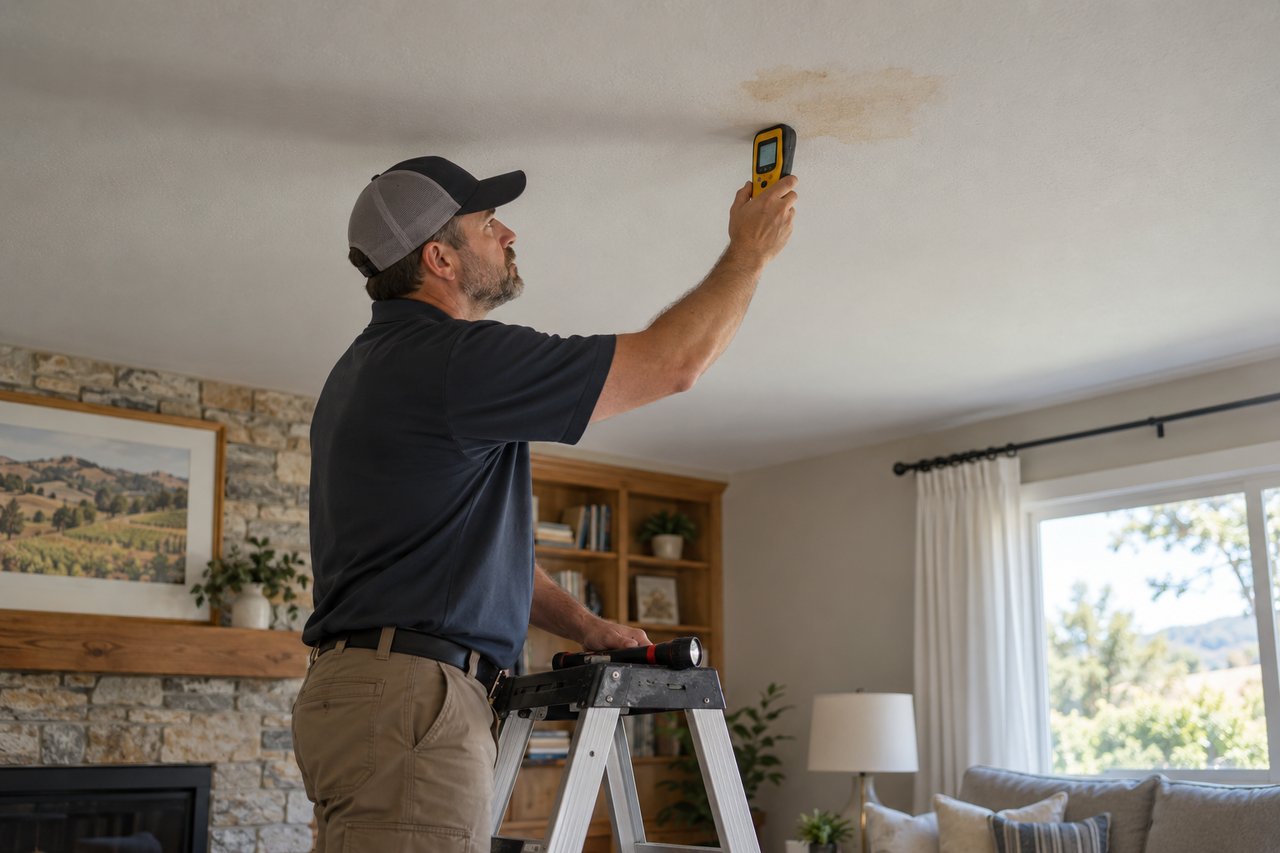
A ceiling stain is easy to postpone when the room otherwise looks ready for photos. Maybe it appeared years ago and hasn't changed. Maybe you noticed it after a storm, or you don't know when it started. Should you investigate it before putting your Paso Robles home on the market? In most cases, yes. Find out what caused it, whether moisture is still present, and what a sensible repair would involve before you decide how to present the home.
That doesn't mean every mark calls for a major project. It means you shouldn't ask buyers to solve a mystery that you could clarify first. A stain is visible evidence of something, but the color and size alone won't tell you whether that something is old, active, or already resolved. A measured investigation gives you a better basis for your next decision.
The tempting shortcut is to cover the mark with primer and paint. Fresh paint may improve the appearance, but it doesn't explain why the stain appeared. If moisture is still getting in, the mark can return. More importantly, covering an unexplained stain can leave buyers wondering what was hidden rather than reassure them.
Begin with the room and the area above it. Is there a bathroom, laundry room, plumbing line, attic, roof surface, or HVAC component nearby? Has the stain grown, changed shape, or felt damp? Was there a known past event, such as a leak that was repaired? These are useful observations to share with a qualified inspector or appropriate repair professional. They aren't a diagnosis on their own.
For example, a ceiling mark below a bathroom may suggest a different investigation than a mark near an exterior roof edge. An older stain below a repaired plumbing connection also calls for a different conversation than a stain that appeared after the last rain. The right first call depends on the location and what you actually know. If you have noticed a separate plumbing concern, my article on small plumbing leaks before selling explains why leaving even a small issue unexplained can complicate preparation.
One of the most useful distinctions is whether the area is currently dry. A qualified home inspector or relevant specialist can assess the visible condition and use appropriate tools to check for moisture. Depending on what they find, they may recommend looking farther into the source. A single reading, or a dry surface on one day, may not settle every question, especially if the concern appears only during certain conditions.
If the stain followed a known leak that was repaired, gather the records you have. The invoice, description of work, photographs, or other documentation can help establish what was done. You may still want someone to confirm the area is dry and the repair is holding. If there is no clear history, investigation matters even more. “It has always looked like that” is not the same as knowing why.
Don't climb into an unsafe space or open a ceiling yourself just to get an answer quickly. The appropriate professional can decide what access and testing make sense. If there is active dripping, a sagging ceiling, or another immediate hazard, address safety and the underlying problem before thinking about marketing. A listing plan can wait until you know the home is safe to show.
An old, dry stain can still affect a buyer's impression, but it may be a manageable preparation item once the cause is understood. If a professional confirms the source was corrected or finds no present moisture, you can consider a proper cosmetic repair. That may involve treating the stained surface and repainting so the finish looks consistent with the rest of the room. The appropriate scope depends on the material and condition.
Keep the explanation grounded in what you can document. You don't need to promise that a problem can never recur. You do need a clear account of what was observed, what was repaired, and what remains unknown. Buyers tend to respond better to a specific answer than to a vague assurance that the stain is “nothing.” Your agent can help decide how to organize those records for the selling process, while qualified professionals handle the technical assessment.
Here's the thing: the cosmetic mark and the underlying cause are separate decisions. A tidy ceiling helps the room photograph well. A documented answer helps a buyer understand the property. Doing only the first part may not solve the second.
If the area is wet or the source is active, the priority shifts to stopping the intrusion and understanding the repair. The work might be limited, or it could extend beyond the visible patch. You won't know from the stain alone. Ask the appropriate professional to identify the likely source, explain the proposed scope, and provide a written estimate when possible. If there are multiple possible sources, clarify what further testing would narrow them down.
Once the cause has been addressed, ask what should happen before the ceiling is closed or refinished. Drying, repair, and final surface work are different stages. Skipping ahead to the finish can make it harder to show buyers what was done. Save invoices and any useful before-and-after photos. If a follow-up check is appropriate, keep that record too.
This is also the point to compare the cost of the work with your selling goals. A complete repair before listing may create a cleaner presentation and fewer open questions. In other cases, a seller may choose to sell with a known issue and price or negotiate accordingly. That decision should be based on the actual condition, the likely buyer pool, the timing of your move, and professional advice about the repair, not on a guess about what the stain means.
Buyers rarely have the full history when they first walk through a house. They see a mark overhead and wonder whether the roof leaks, a pipe is failing, or a past repair was incomplete. Some will ask right away. Others will wait for their inspection. Either way, uncertainty can become part of their evaluation of the home.
That doesn't mean a stain automatically ruins a sale. It means the seller's preparation should answer the obvious question: what happened here? A professional assessment and organized records can keep the discussion tied to the actual condition. Without that information, a buyer may imagine a larger repair than the evidence supports or ask for more time and concessions to investigate.
The inspection process can still raise new questions, even after your own preparation. That's normal. My article on what happens when a home inspection finds problems covers how sellers can think through an inspection response. The goal before listing isn't to guarantee a perfect report. It's to avoid knowingly leaving a visible concern unexplored.
A pre-listing inspection may be useful when the stain is one of several unknowns, the home is older, or you want a broader picture before deciding where to spend money. For a single localized mark, the most direct specialist may make more sense first. It depends on your situation. An inspector can assess and identify concerns; the appropriate trade professional can then diagnose and propose repairs within their scope.
Think of the inspection as information for a decision, not a promise that every buyer will agree with every finding. You can use the results to plan repairs, gather estimates, or decide how to present an as-is condition. There may be costs and follow-up work, so choose the level of investigation that fits the question you need answered. For a broader look at this choice, see why a pre-listing inspection may be worth it.
Once you know the source and current condition, weigh four practical factors. First, is there an active issue that needs attention regardless of a sale? Second, can the work be completed and documented within your timeline? Third, what will buyers see and reasonably ask during showings or inspections? Fourth, how does this item compare with other preparation spending that could improve the home's presentation?
A small, clearly understood repair may be worth completing before photographs and showings. A larger project may call for bids and a discussion about price, timing, and likely buyer expectations. Don't spend blindly to make every surface look new. Don't ignore a source of moisture because the stain looks small. The right strategy is specific to this property and this sale.
In Paso Robles, homes vary widely in age, construction, and setting. A single rule for every ceiling mark won't serve every seller. As a local broker with Pillar Real Estate, I look at the home's condition alongside comparable homes and the buyers most likely to consider it. A stain in an otherwise well-prepared room may draw attention precisely because the rest of the property feels cared for. That makes a clear answer especially valuable.
My article on which repairs to make before selling in Paso Robles explains the larger preparation decision. The same principle applies here: investigate first, then choose the work that makes sense for your home, budget, and goals.
If the assessment finds no active problem, you can make a confident cosmetic decision. If it finds an active one, you can plan a real repair or make an informed selling decision. Either outcome is better than leaving the question unanswered.
Yes, I would investigate a ceiling stain before selling a Paso Robles home. The investigation may show an old, dry mark with a straightforward finish repair, or it may reveal an issue that needs professional attention. You cannot reliably tell which from appearance alone. A clear account of the source, present condition, and work completed helps you prepare honestly and lets buyers evaluate the home on facts.
If you're weighing what to inspect or repair before listing, I'd be glad to help you build a plan that fits your property and your goals. Visit Sell With Amber to start the conversation.
Amber
Pillar Real Estate | Amber Johnson, Founder
805.835.3425 | [email protected]
1345 Park St. Paso Robles, CA 93446 | DRE# 01925434
pillarrealestate.com

Amber Johnson | September 29, 2026

Amber Johnson | September 29, 2026
Amber Johnson | September 29, 2026
How moisture source, current dryness, repair scope, and buyer questions can guide the next step.
Amber Johnson | September 29, 2026
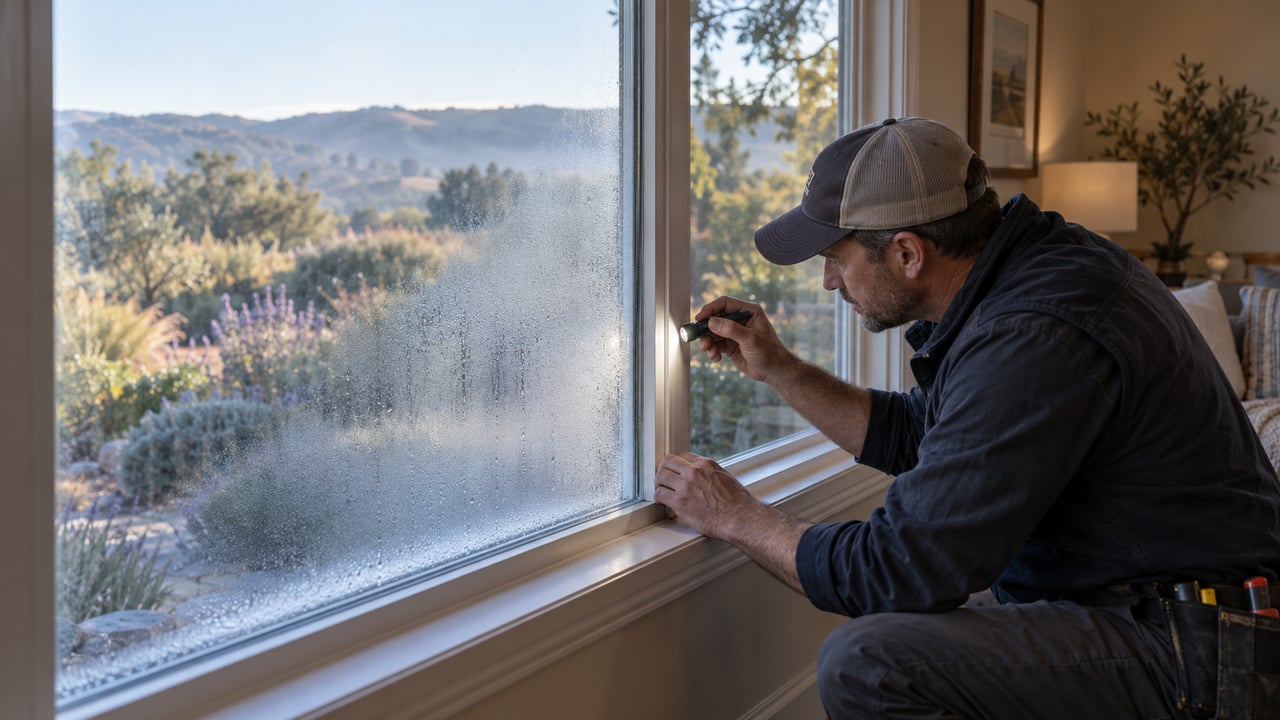
How seal failure, visibility, energy concerns, and repair cost can shape the decision.

Amber Johnson | September 28, 2026

Amber Johnson | September 28, 2026
How chip location, sharp edges, moisture exposure, and repair scope can shape the decision.

Amber Johnson | September 28, 2026
How sirens, traffic patterns, emergency access, and buyer priorities can shape demand.

Amber Johnson | September 27, 2026
How available supply and the pace of sales can help frame pricing and competition.
Amber Johnson | September 27, 2026
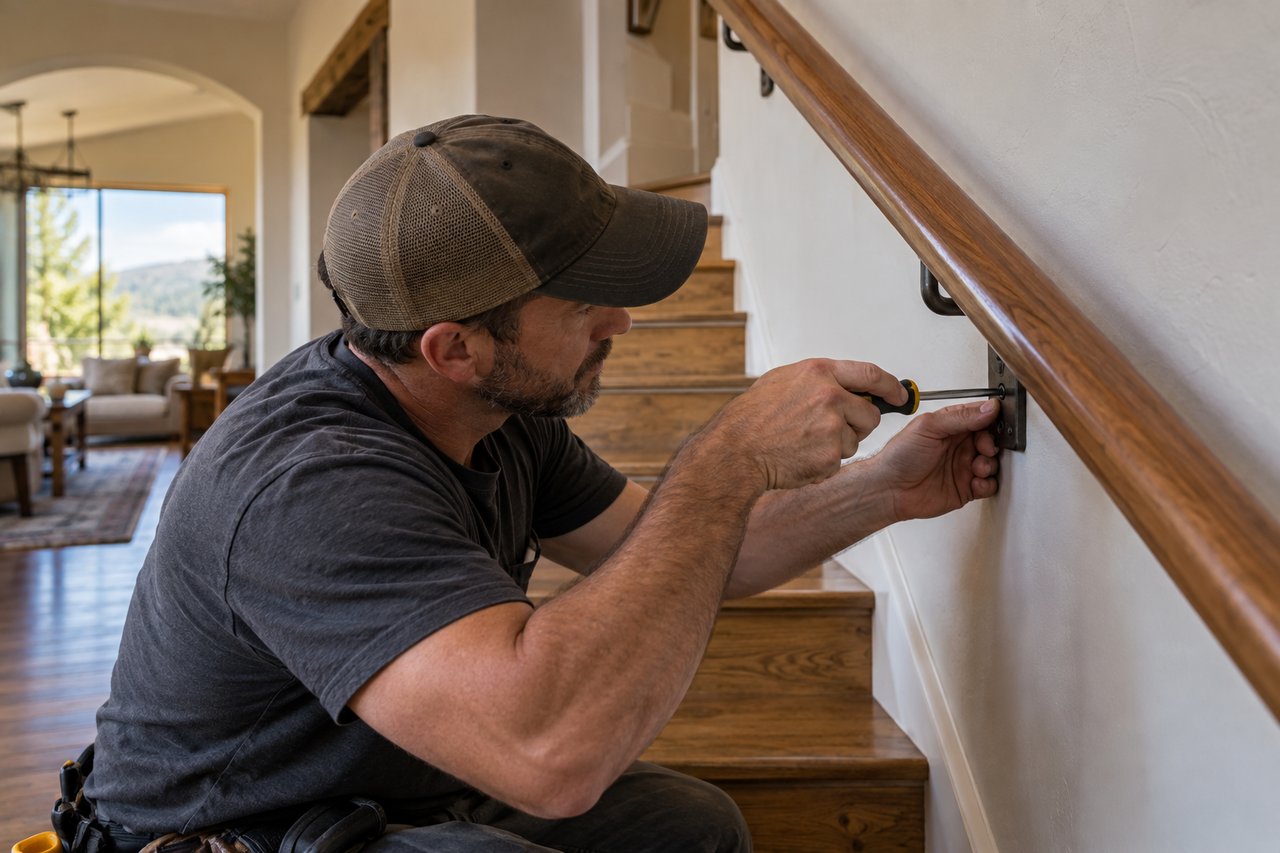
How stability, placement, inspection concerns, and repair cost can affect the decision.
You’ve got questions and we can’t wait to answer them.

Amber Johnson, Founder
Pillar Real Estate
805.835.3425
DRE# 01925434
1345 Park Street
Paso Robles, CA 93446