Should I Have an Older Electrical Panel Inspected Before Selling My Paso Robles Home?
September 29, 2026
September 29, 2026
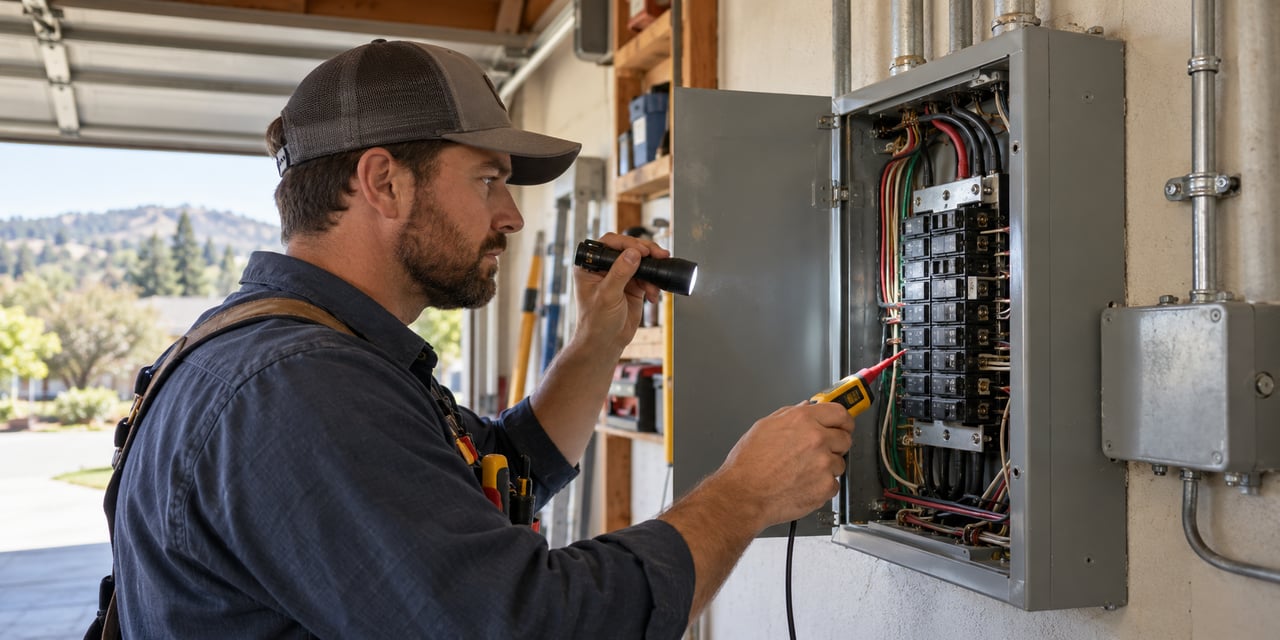
An older electrical panel can make a seller pause. It may have served the home for years without an obvious problem, yet a buyer may take one look at it and ask whether it is safe, adequate, or expensive to replace. Should you have it inspected before selling your Paso Robles home? Usually, yes, if its age, labeling, visible condition, or history leaves you with an unanswered question. Ask a qualified electrician to assess it before you decide whether any work is necessary.
That is a narrower recommendation than replacing every older panel. Age alone does not tell you the panel's condition. A licensed electrician can examine the actual installation and explain what the findings mean. You can then make a selling decision based on evidence, not on a photograph, a rumor about a brand, or a buyer's guess during a showing.
The electrical panel is not a decorative feature, but buyers know it supports much of the home. They may wonder whether the breakers, wiring, available capacity, and past changes match how the home is used today. An older house can have an older panel that has been maintained, an upgraded panel with incomplete documentation, or alterations that need a closer look. The cover and the date of the house do not resolve those questions.
In Paso Robles and across North County, homes differ in age and layout. Some have additions, workshops, outdoor equipment, or other electrical demands that were introduced after the original construction. That does not mean an issue exists in your home. It means the useful question is what a qualified person finds at this particular property, not what a generic checklist says about every older home.
Buyers also respond to uncertainty. If a panel has unreadable circuit labels, a missing cover component, signs of past work, or a history no one can explain, the uncertainty can become part of their inspection and negotiation. A professional assessment helps you distinguish a simple documentation or labeling task from a condition that calls for repair.
Before you call anyone, gather the information already available. Do you know when the panel was installed or last serviced? Do you have permits, invoices, inspection reports, or records from a prior owner? Have you noticed breakers tripping, flickering lights, heat, unusual smells, or other concerns? Note what you actually observed and when. Do not try to diagnose the cause yourself.
Look at the accessible exterior without removing a cover. Is the panel location easy to reach? Are the circuit descriptions legible enough to identify what they control? Do you see damage or water staining around the enclosure? These observations can help you describe the concern when arranging an inspection. They do not replace an electrician's evaluation, and an apparently neat panel is not proof that everything inside is sound.
Do not remove the panel cover, touch wiring, or test components to prepare for a sale. Electrical work presents real hazards. If there is an urgent symptom such as heat, sparking, or a burning smell, treat it as a safety matter and contact an appropriate professional promptly. The listing calendar comes second.
Tell the electrician you are considering a sale and want a written assessment of the existing panel's condition and any recommended work. The scope should fit the installation and your concerns. Ask what they can determine about the panel, breakers, connections, labeling, visible wear, moisture, and evidence of previous modifications. If an issue is found, ask whether it needs repair, further investigation, or a larger change.
Capacity is another reasonable question, especially when a home has changed over time. Do not assume the answer from the number printed on the panel or from the presence of modern appliances. A qualified electrician can assess the system in context and explain the limitations of a visual visit. If a buyer is likely to ask about future equipment or expansion, avoid promising capacity for work that has not been designed or evaluated.
Request clear, written findings. A useful report or invoice should identify what was inspected, what was found, and what work, if any, was completed. If a recommendation is conditional, ask what additional information would settle it. You are looking for a defensible answer to a specific property question, not a blanket certificate that no electrical issue could ever arise.
A broader pre-listing inspection can sometimes identify other items worth addressing at the same time. My article on why a pre-listing inspection may be worth it explains how that information can support a more focused preparation plan. For the panel itself, follow a general inspector's findings with the appropriate electrical professional when specialized assessment is needed.
No. An older panel may warrant inspection without automatically warranting replacement. The right decision depends on its condition, the electrician's findings, the scope and cost of any recommended work, and the home's broader selling plan. Some findings may be addressed with a targeted repair or improved labeling. Others may call for more substantial work. Let the qualified professional define the technical options and their limits.
Ask for an estimate that separates necessary corrective work from optional improvements. If a replacement is recommended, understand why, what is included, whether related work is required, and the likely timeline. A low initial quote may not answer every scope question. Conversely, spending on a full replacement without a documented reason may take money away from another preparation item that matters more to this sale.
This is where local strategy meets technical advice. I help sellers compare the proposed work with their timeline, the likely buyer pool, and the property's presentation. I do not decide whether a panel is safe or design electrical repairs. That is the electrician's role. My job with Pillar Real Estate is to help you use the findings to make a clear selling decision from start to finish.
If the panel is visibly older and you wait until a buyer's inspection to learn more, you may face a short response window. You could then be collecting estimates while also negotiating other inspection items, managing a move, and trying to protect the transaction timeline. It can be done, but it gives you less time to compare options.
Inspecting before listing can put you in a better position to choose. You might complete a reasonable repair, collect documentation of a satisfactory assessment, or decide to present a known issue with an estimate. You can discuss the appropriate disclosures and documents with the professionals involved. The point is not to script away every buyer concern. It is to know what you are offering and what questions remain.
Even a completed repair does not guarantee a buyer will waive their own inspection. Their inspector may raise a different question. My article on what happens if a home inspection finds problems covers how sellers can respond to findings without treating every request as the same problem. Good preparation gives you facts for that conversation.
A buyer may also have lender or insurance questions that are outside an agent's technical role. Requirements vary with the property and the organizations involved. Do not make claims about a specific lender's or insurer's decision based only on the panel's appearance. Obtain the relevant professional assessment and let the buyer confirm any requirements with their own providers.
I would prioritize an electrical assessment when you have a known symptom, visible damage, uncertain alteration history, unclear records, or a prior report recommending follow-up. It can also make sense when a buyer is likely to focus on the panel because the home is older or has changed significantly. These are reasons to get facts, not proof of a defect.
If your budget or timeline is tight, ask what targeted evaluation will answer the immediate question. A qualified electrician may be able to scope an initial visit and identify whether further work is needed. Get the expected cost and deliverable in advance. You want a usable written explanation, not simply a verbal impression that will be hard to relay accurately later.
The decision can be different if you already have recent, credible documentation and no new concerns. Review what the record actually covers. An invoice for one outlet does not establish that the entire panel was inspected. A permit for an earlier project may answer one question while leaving the current condition open. If you are unsure, ask the professional who did the work or arrange a current assessment.
First, read the assessment closely. Separate urgent safety concerns from maintenance, labeling, documentation, and optional upgrades. Ask the electrician to clarify any term you do not understand. Then obtain a written scope and estimate for recommended work. If the scope is substantial, compare qualified bids and realistic timing rather than making a rushed decision based on the first number.
Second, decide how the work fits the sale. An item that affects safety or function may need prompt attention. A manageable repair may reduce uncertainty before photography and showings. For a larger project, you may need to compare doing the work with selling in its known condition and allowing buyers to evaluate it. Discuss disclosure and contractual questions with appropriate professionals rather than relying on a generic article for a legal answer.
Third, keep records in one place. Save the inspection findings, estimates, permits when applicable, invoices, and any follow-up documentation. If work is completed, confirm that the written record describes the actual work. A tidy folder can answer buyer questions more clearly than a vague claim that the panel was “taken care of.”
My article on what repairs to make before selling in Paso Robles provides the broader framework. The panel is one part of the home's condition. The best use of preparation dollars depends on the property, comparable homes, and what the likely buyers will actually see and ask.
It is easy to let a technical item consume the entire preparation conversation. Sometimes the electrician identifies a clear repair that should move to the top of the list. Sometimes the panel is satisfactory and a seller can turn to other work. You will not know which until the assessment is complete.
When you compare projects, look at their purpose. Is this work addressing a safety or function concern? Is it resolving a buyer's likely uncertainty? Is it primarily cosmetic? Does it have to be completed before the home can be shown as planned? Those questions keep you from spending by habit. For a fuller budget discussion, see how much to spend preparing a home before selling.
In my Paso Robles seller consultations, I want the plan to reflect the actual home rather than a generic list of upgrades. A well-presented property and a clear account of its condition work together. Repainting the garage around an unexplained panel concern does not answer the concern. On the other hand, replacing functional equipment simply to make it look newer may not be the best use of a seller's resources.
That sequence gives you room to choose. It also helps you avoid two common mistakes: assuming an older panel must be replaced without evaluation, and assuming years without a visible problem settle every buyer's concern. Neither assumption is a substitute for an assessment of your own home.
If an older electrical panel raises a real question before you sell, have it inspected by a qualified electrician. Find out what is there, what condition it is in, and whether any work is recommended. Then decide what makes sense for your Paso Robles home and your goals. A clear professional finding can support a targeted repair, a documented explanation, or a more considered sale plan. It is much easier to make that choice before a buyer's deadline is running.
If you are planning to sell and wondering where to start with inspections and repairs, I would be glad to help you put the pieces in order. Visit Sell With Amber to start the conversation.
Amber
Pillar Real Estate | Amber Johnson, Founder
805.835.3425 | [email protected]
1345 Park St. Paso Robles, CA 93446 | DRE# 01925434
pillarrealestate.com
Amber Johnson | September 29, 2026
How panel age, labeling, visible condition, and buyer confidence can influence preparation.

Amber Johnson | September 29, 2026

Amber Johnson | September 29, 2026
Amber Johnson | September 29, 2026
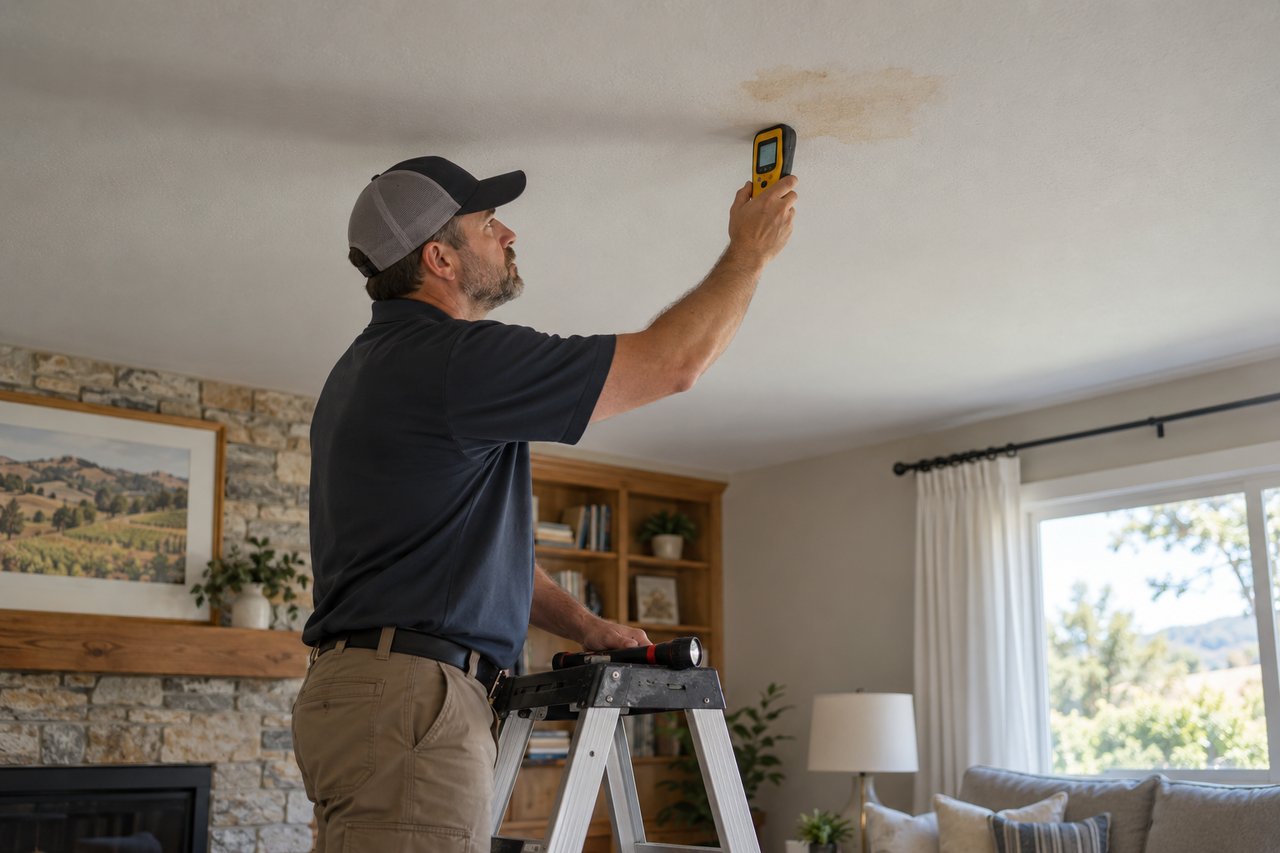
How moisture source, current dryness, repair scope, and buyer questions can guide the next step.
Amber Johnson | September 29, 2026
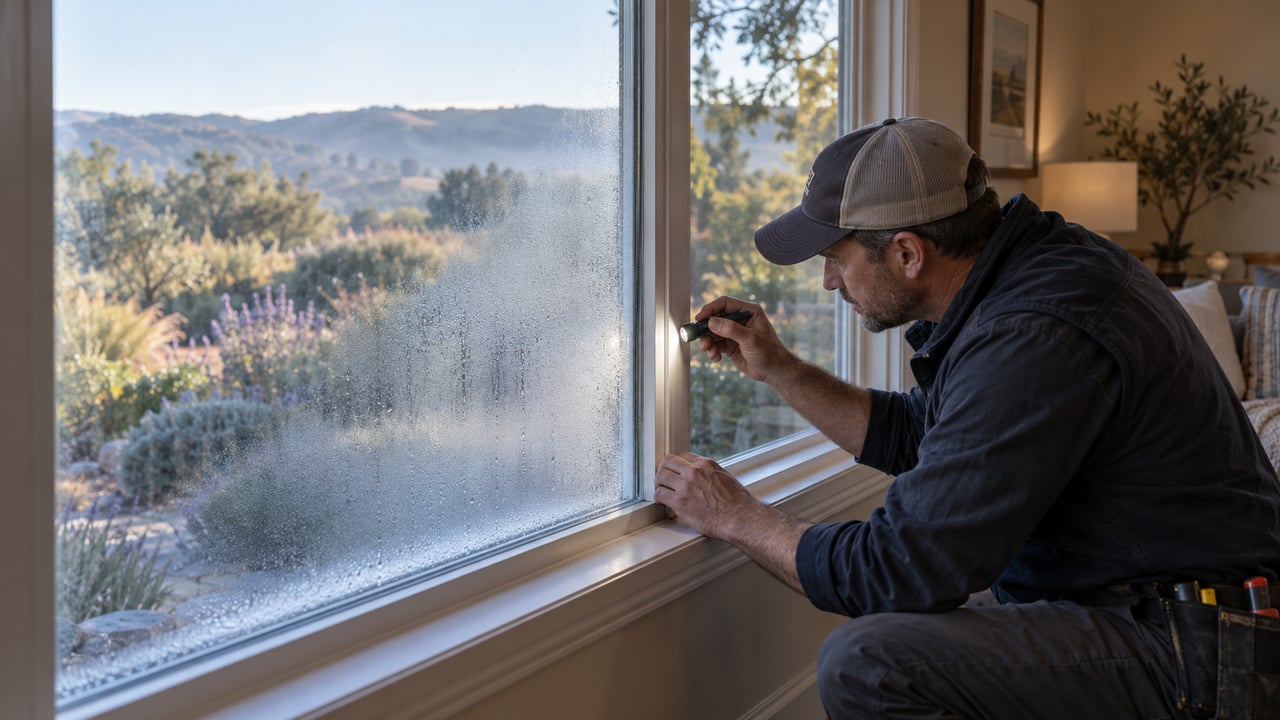
How seal failure, visibility, energy concerns, and repair cost can shape the decision.

Amber Johnson | September 28, 2026
Amber Johnson | September 28, 2026
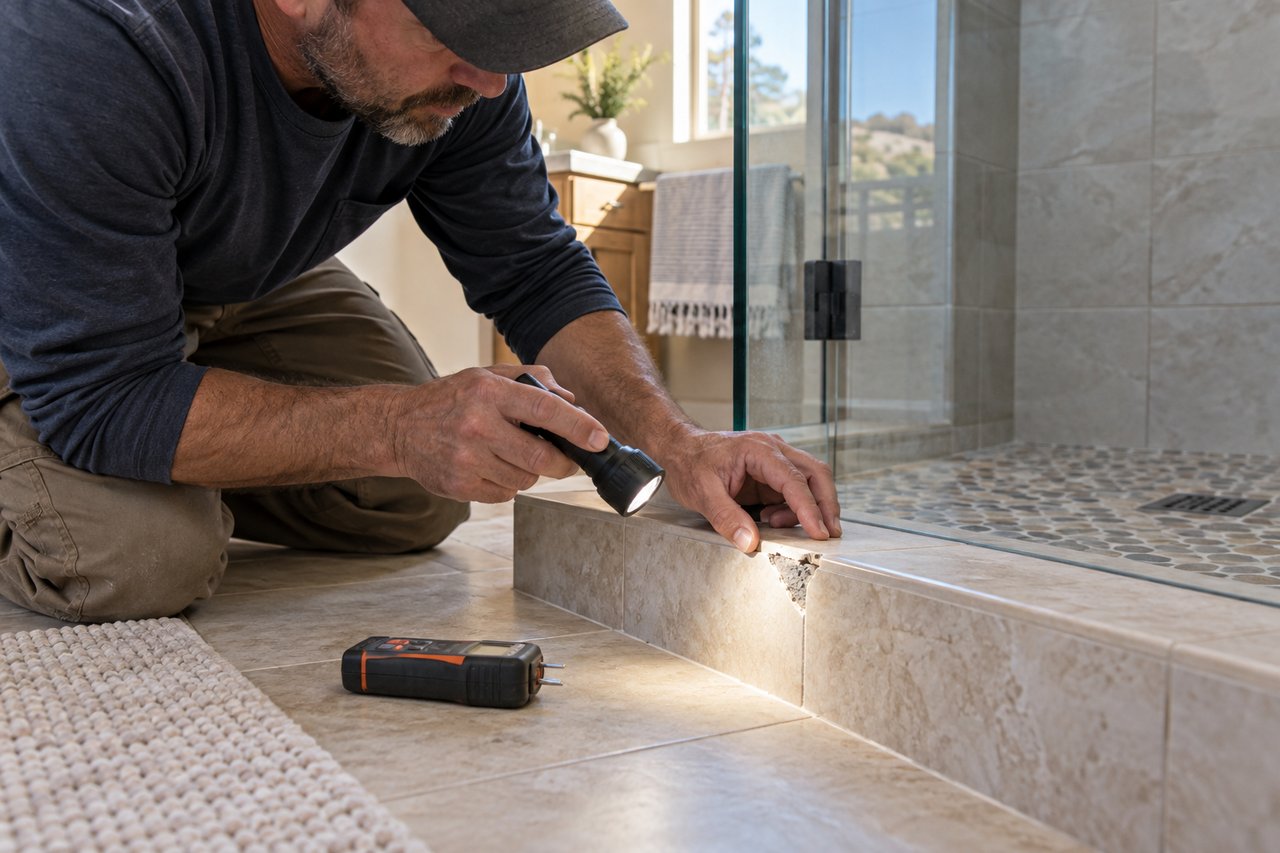
How chip location, sharp edges, moisture exposure, and repair scope can shape the decision.

Amber Johnson | September 28, 2026
How sirens, traffic patterns, emergency access, and buyer priorities can shape demand.

Amber Johnson | September 27, 2026
How available supply and the pace of sales can help frame pricing and competition.
You’ve got questions and we can’t wait to answer them.
Amber Johnson, Founder
Pillar Real Estate
805.835.3425
DRE# 01925434
1345 Park Street
Paso Robles, CA 93446