Should I Fix Small Plumbing Leaks Before Selling My Paso Robles Home?
September 23, 2026
September 23, 2026
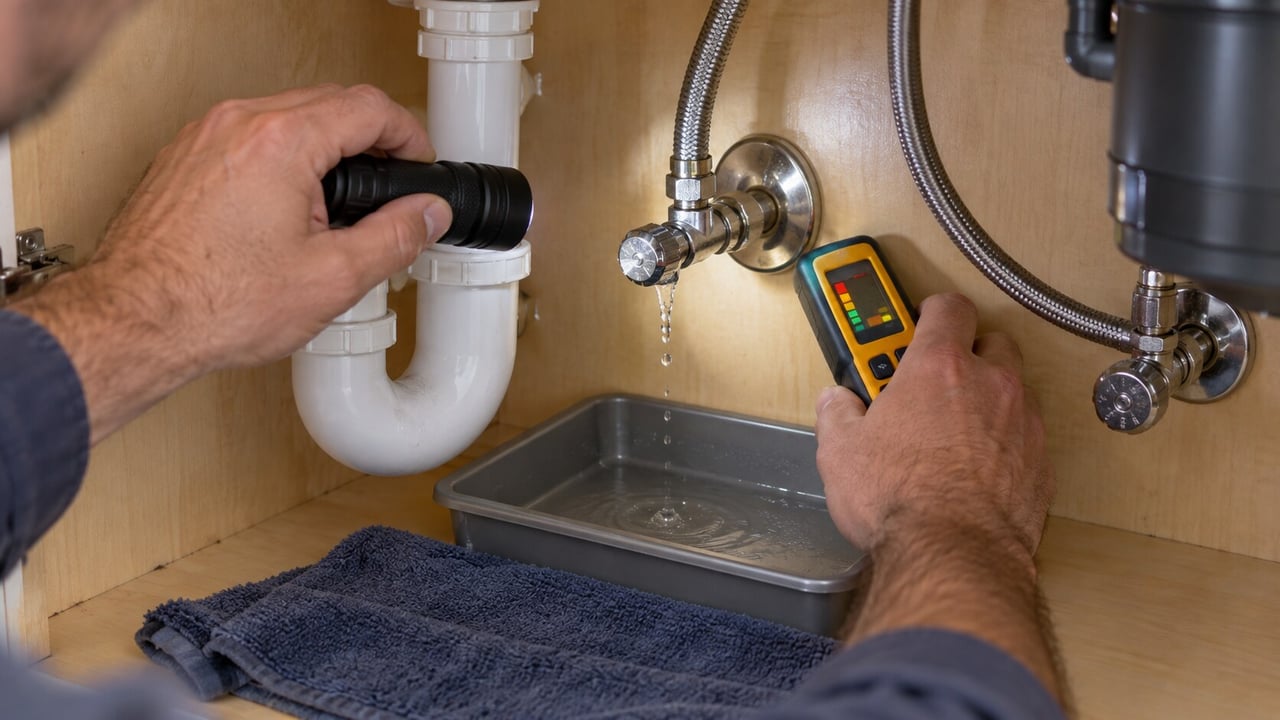
A small plumbing leak may not feel urgent when you are living with it. A slow drip under the sink or a damp connection near a fixture can be easy to ignore. During a home sale, however, that same issue can create questions about moisture, damage, maintenance, and what else a buyer might find.
In most cases, an active minor leak is worth evaluating and correcting before listing. The repair may be simple, while the uncertainty created by visible moisture can be much larger.
The key is to address the source, not just hide the evidence.
Buyers rarely see a drip as only a drip. They wonder how long it has been present, whether water reached the cabinet or wall, and whether mold or hidden damage exists. Even when the actual repair is modest, unanswered questions can make the problem feel bigger.
A leak can also affect the way buyers view the home's overall maintenance. One loose supply connection may be isolated. Several wet cabinets, stained ceilings, or corroded valves can suggest a pattern.
This is why small functional repairs often deserve attention before cosmetic projects. A buyer may forgive an older light fixture. Active water is harder to overlook.
Fixing a leak involves two separate questions:
The source could be a supply line, shutoff valve, drain connection, faucet, toilet seal, appliance connection, or another component. The visible drip may not be the full problem.
Then look at surrounding materials. Is the cabinet swollen? Is drywall stained or soft? Is flooring discolored? Is there a persistent odor? Has water reached an adjacent room or lower level?
A qualified plumber or other appropriate professional can diagnose the source. Additional professionals may be needed if moisture has damaged finishes or building materials.
A fresh liner under the sink, a coat of paint over a stain, or a towel placed beneath a fitting is not a repair. Buyers and inspectors may notice the signs anyway, and covering evidence without addressing the cause can create more concern.
The better approach is straightforward:
This gives you a clear explanation if the issue comes up later.
A buyer may request more than the expected repair cost because they are pricing uncertainty. They may not know whether a drip is new, whether damage is hidden, or whether a plumber will find other problems.
When you correct a small issue before listing, you choose the professional and timing. When it appears during the buyer's investigation, the buyer may request a repair, credit, price adjustment, or further evaluation. The guide to what happens when a home inspection finds problems explains how quickly a simple condition can become part of a larger negotiation.
Not every repair must be completed before sale. But active water should not be treated casually.
A focused visual check can help identify where professional attention may be needed. Look under kitchen and bathroom sinks, around toilets, near washing-machine connections, around the water heater, and beneath accessible appliance connections.
Also pay attention to:
This is not a substitute for an inspection or plumbing evaluation. It is a way to recognize visible warning signs before buyers begin touring the property.
If you are worried that a small leak may be part of a larger pattern, a pre-listing inspection can provide useful information. It gives you time to evaluate findings, obtain estimates, and make deliberate choices.
That is one reason a pre-listing inspection may be worth considering. Information gives you options. Surprise takes them away.
You do not have to repair every item an inspector mentions. You do need to understand the issues that could affect safety, function, disclosure, price, and buyer confidence.
A home inspector may document active moisture, staining, corrosion, loose fixtures, slow drains, damaged cabinets, or other visible conditions. The inspector may recommend evaluation by a qualified plumber or specialist.
If you are unfamiliar with the process, review what a home inspection is and whether sellers should be worried. An inspection is an information-gathering step, not a demand that an older home become new.
Preparation helps you respond calmly because you already understand the condition and the available options.
Water damage can tempt sellers to focus on what buyers will see. Paint the ceiling. Replace the cabinet liner. Touch up the baseboard.
Those steps should come after the source has been corrected and the area has dried. Otherwise the stain may return, materials may continue to deteriorate, and the repair may look misleading.
If damaged material needs removal or replacement, use the appropriate professionals. Plumbing, moisture, mold, electrical, and structural concerns can overlap. Do not guess when the condition is outside your expertise.
For a truly small leak with no meaningful damage, the answer may be a focused service call and minor finish repair. If the leak has been present for a long time, reaches multiple materials, or connects to a larger plumbing concern, the scope may be different.
Ask for clear documentation of the diagnosis and recommended work. If several options exist, compare what is necessary for function with what is optional improvement.
This fits the broader framework in deciding which repairs to make before selling in Paso Robles. Prioritize function and confidence before spending on changes that only look new.
Save the plumber's invoice, description of work, parts information, and any related repair documentation. If the affected area was professionally dried or restored, keep those records too.
Good records do not guarantee that a buyer will have no questions. They make your answer clearer. Instead of saying, “I think it was fixed,” you can explain what was observed, who performed the work, and when it was completed.
Once the source is corrected, do not rush immediately into finish work. Give the area enough time to dry and confirm that moisture does not return. A dry cabinet after one hour is not always the same as a dry cabinet after normal use over several days.
Use the fixture as you normally would. Check the connections again. Look beneath the cabinet and around adjacent materials. If the plumber recommends a follow-up, complete it before the home is photographed or shown.
This step is especially important when the leak was intermittent. A dishwasher connection, toilet seal, or drain may only show a problem during a certain cycle or use pattern. Confirmation protects you from repairing the visible surface while the cause continues.
Plumbing repairs can affect cabinets, walls, flooring, paint, and cleaning. Schedule the work in the right order. Correct the leak first, allow proper drying, complete necessary material repairs, then finish cosmetic work and cleaning.
Keep the area accessible until the work is complete and documented. Packing the cabinet too early can hide a returning drip. It can also make a buyer's inspector wonder why access is blocked.
A coordinated plan is usually faster than calling several trades in the wrong sequence. It also produces a cleaner result for photography and showings.
If you know about an active plumbing leak, address it before listing whenever practical. Correct the source, evaluate the surrounding area, repair resulting damage appropriately, and keep the paperwork.
Do not spend blindly. A small service call may be enough. But do not assume a small drip will be viewed as a small issue once buyers and inspectors start asking questions.
Most important, make the decision as part of the home's full preparation strategy. The right work should support safety, function, disclosure, and buyer confidence.
Before the first showing, check the repaired area one final time and make sure the documentation is easy to find. A dry, accessible cabinet and a clear service record communicate more than a rushed cosmetic cover-up. Buyers may still ask questions, but you will be prepared to answer them with facts.
If you are preparing a Paso Robles home for sale, I can help you organize the visible issues, decide which professionals to call, and determine which repairs make sense for your goals before the property reaches the market.
Amber Johnson
Founder, Pillar Real Estate
805.835.3425 | [email protected]
1345 Park St. Paso Robles, CA 93446 | DRE# 01925434

Amber Johnson | October 24, 2026

Amber Johnson | October 21, 2026

Amber Johnson | October 21, 2026
Amber Johnson | October 21, 2026
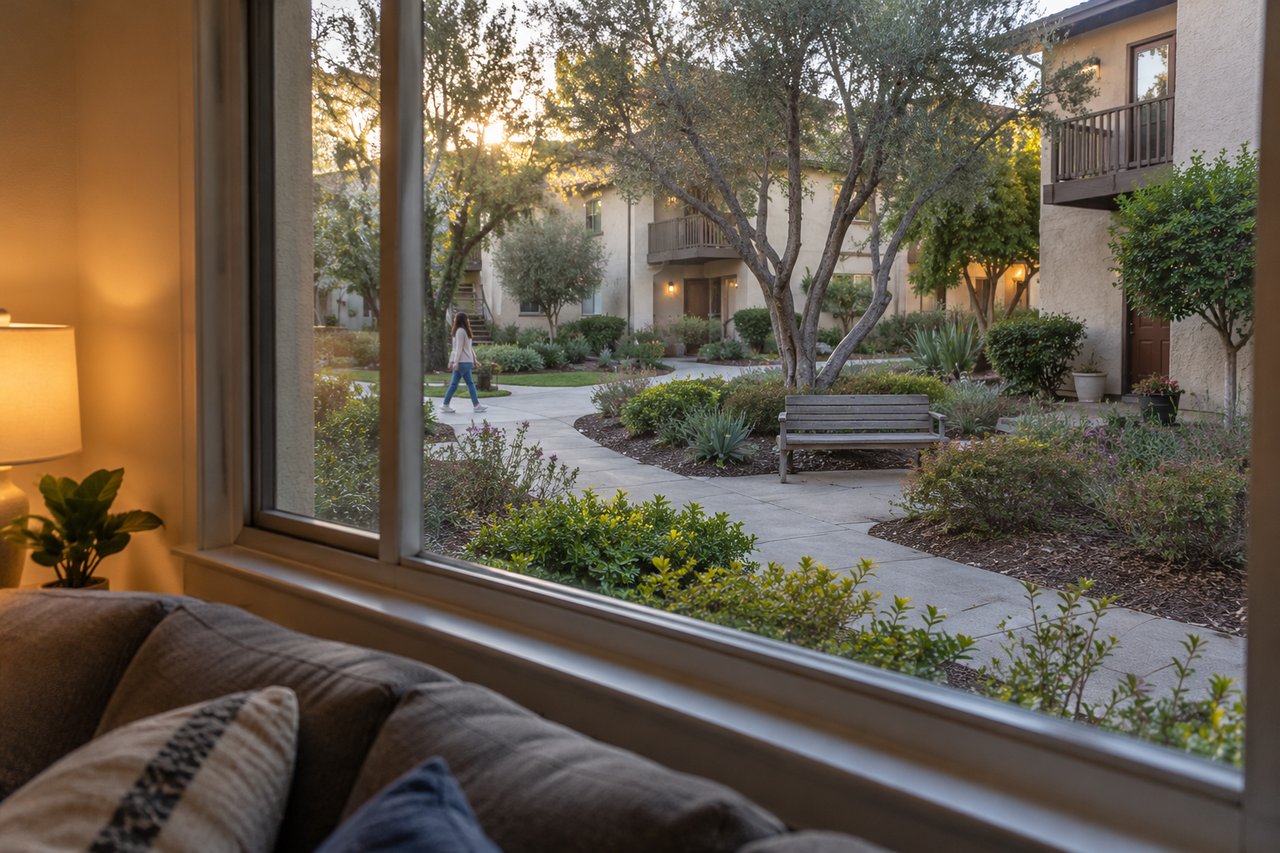
Check privacy, shared-space rules and activity near the unit before deciding whether courtyard-facing condo living suits you.
Amber Johnson | October 20, 2026
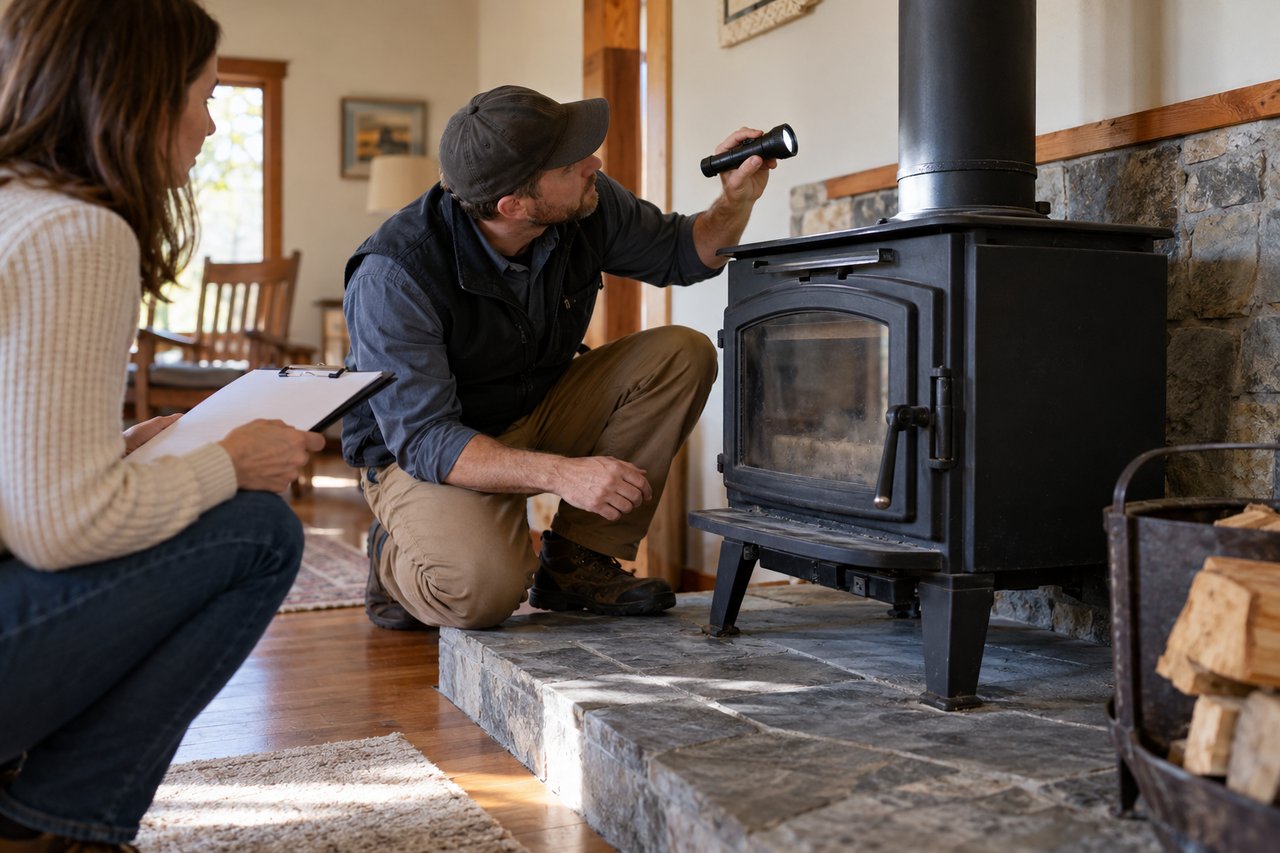
Review the stove, venting, documentation and insurance questions before treating wood heat as a benefit of the purchase.

Amber Johnson | October 20, 2026
Test the routes to your actual errands, what you need to carry and your backup options before choosing a home around cycling.

Amber Johnson | October 20, 2026
Compare these two Morro Bay areas through the specific homes, daily routes and property features that matter to your household.
Amber Johnson | October 20, 2026
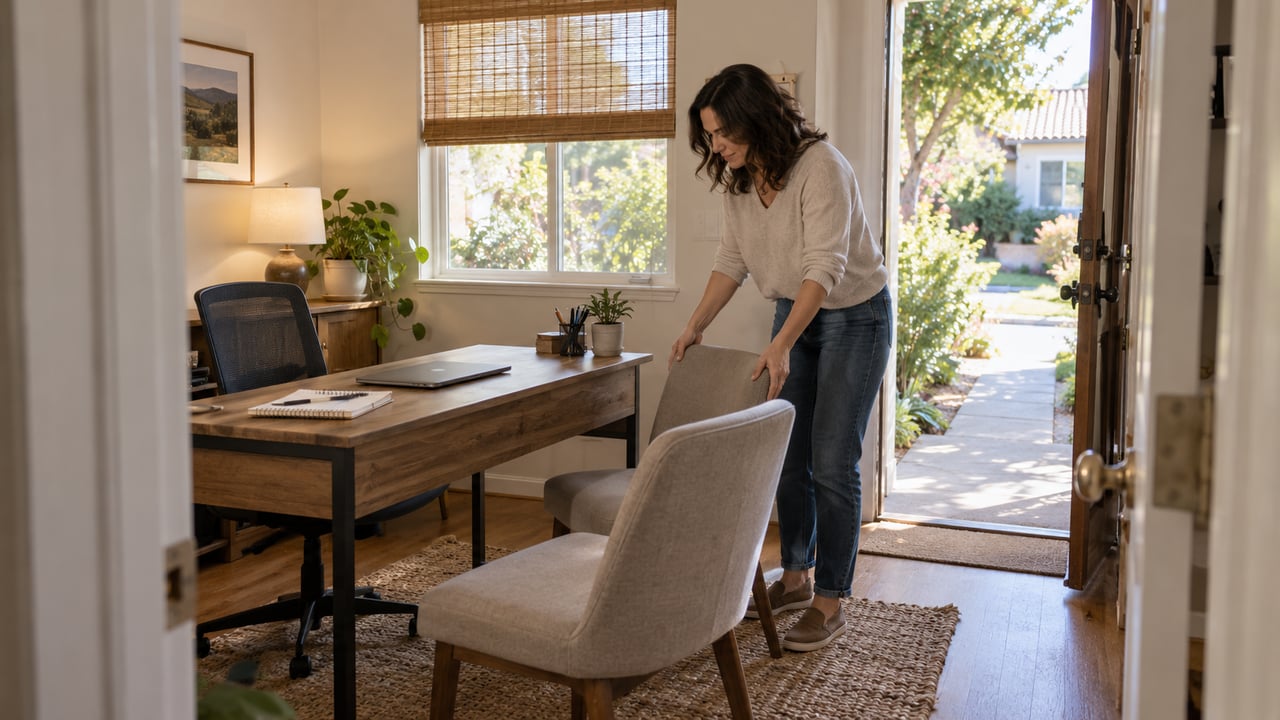
Check the property’s jurisdiction, current home-business rules and private restrictions before assuming clients can visit your home.
Amber Johnson | October 20, 2026
Compare keeping the pool with removal, site restoration and buyer appeal before spending money on pre-sale work.
You’ve got questions and we can’t wait to answer them.

Amber Johnson, Founder
Pillar Real Estate
805.835.3425
DRE# 01925434
1345 Park Street
Paso Robles, CA 93446