How Should I Market a Paso Robles Home with a Basement?
November 28, 2026
November 28, 2026
A Paso Robles home with a basement should be marketed by showing the space honestly, explaining how it connects to the rest of the home, and giving buyers enough detail to decide how it may fit their needs. Start with records and condition. Then use clear photos, a simple floor plan, and listing language that describes what is actually there without assigning a use the property documents do not support.
Here’s the thing. A basement can catch a buyer’s attention, especially in an area where many homes do not have one. It can also create immediate questions. Is it finished? How is it accessed? Does it stay dry? Is it included in the reported living area? The right marketing answers the practical questions before buyers start filling in the blanks themselves.
Before deciding what to call the basement, collect the information you already have. Look for permits, plans, prior inspection reports, invoices, and any documentation related to electrical, plumbing, waterproofing, windows, stairs, or other improvements. If the basement was altered before you owned the property, review your purchase file and prior listing materials, but treat those as starting points rather than final proof.
For homes within the City of Paso Robles, the City Building Division oversees plan review and inspections for work that requires a building permit. The City also directs property owners to its electronic permit system. If the property is outside city jurisdiction, San Luis Obispo County provides public permit searches through PermitSLO. Confirm which agency serves the property before relying on a search result.
A permit for one part of the basement may not answer every question about the space. Electrical work, a water heater replacement, or a foundation repair may have been reviewed separately from other improvements. Read the scope of each record. Check whether the relevant permit was finalized. If the file is incomplete or unclear, ask the correct agency or an appropriate professional what the records support.
The safest description is the one you can support with documents and visible facts. “Basement,” “unfinished basement,” “lower-level storage,” and “finished bonus area” can suggest very different things. A room with flooring and furniture may look finished in photographs, but appearance alone does not establish an approved use or determine whether the area belongs in the home’s reported living space.
Talk with your agent about the room label, square footage, bedroom count, and where any explanatory notes belong. If measurements differ between records, document the source of each number. An assessor record, prior listing, permit plan, and current floor-plan measurement may not use the same standards or include the same areas.
This is similar to marketing a home with a room that serves a practical purpose but is not documented as a bedroom. My article about marketing an Arroyo Grande home with a bonus room that is not a bedroom explains why the room label should match the facts instead of the furniture.
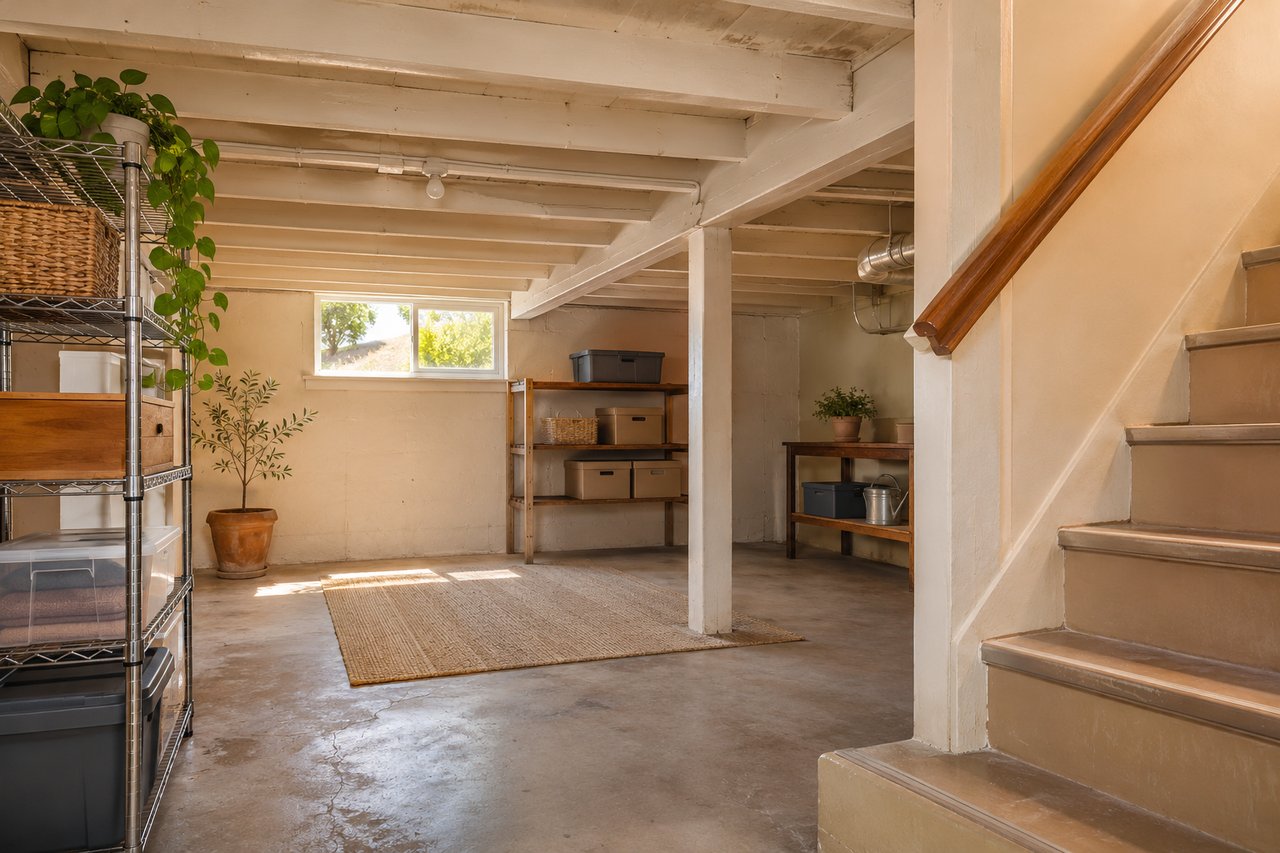
Basement access affects how buyers understand the space. Some basements are reached from an interior staircase. Others have exterior access, a narrow stairway, or more than one entrance. Your marketing should show the route clearly. Include a photo near the top of the stairs, another from the bottom looking into the room, and a floor plan that shows where the stairs connect to the main level.
Do not hide a steep, narrow, or low-clearance section with selective framing. Buyers will see it during a showing. Clear images help the right buyers decide whether the access works for them and reduce surprises when they arrive.
Before photography, remove stored items from the stairs and landing. Check the handrail, lighting, and door operation. If something appears damaged or unsafe, ask the appropriate contractor or inspector to evaluate it. A cleaner path improves the photographs, but safety questions deserve a qualified opinion.
A basement can look larger or smaller depending on the camera angle. Ask the photographer to show the full width of the room, the ceiling, the floor, and at least one point of reference such as the staircase, window, or support column. Wide photographs can be useful, but heavy distortion may make the space look taller or broader than it is.
Natural light is helpful when the basement has windows. Keep the exposure balanced so the interior details remain visible. Include the small windows, utility areas, structural posts, and changes in ceiling height when those features help explain the layout.
If the basement is mostly used for storage, organize it around that purpose. Use neat shelving and leave walking paths open. Avoid filling every wall with stacked boxes. Buyers should be able to see the floor, walls, and major systems. If the space is empty, a few simple items may provide scale without creating an unsupported impression that it is a bedroom or separate living unit.
Walk through the basement with the lights on and look at what a buyer or inspector will notice. Check for visible staining, musty odors, damaged finishes, exposed wiring, pest evidence, standing water, or items blocking access to the electrical panel, water heater, or other equipment. This is not a substitute for an inspection. It is a practical review that helps you identify questions before the first showing.
Basements can raise questions about moisture and drainage. Do not make broad claims such as “completely dry” unless you have reliable support and your agent agrees the statement is appropriate. If there has been past water entry, repairs, drainage work, or waterproofing, gather the invoices, warranties, and related records. Discuss disclosure questions with your agent and the appropriate professionals.
A pre-listing inspection may make sense when the basement includes older systems, visible repairs, or conditions that buyers are likely to investigate. The decision depends on the property and your selling goals. My guide to what to expect during a home inspection in SLO County covers the broader inspection process and why access to major systems matters.
You do not need to remodel a basement simply because it feels less polished than the main living areas. Start with condition, documentation, and buyer expectations. Cleaning, improving lighting, removing unused items, and correcting an obvious maintenance issue may do more for the presentation than adding decorative finishes.
Ask which work will help buyers understand the space and which work creates new questions. New flooring over an unresolved moisture issue is not a marketing strategy. Neither is covering a wall before determining why it is stained. Handle known defects appropriately, keep records of completed work, and let the property’s facts guide the preparation plan.
The same approach applies to other features that are useful but easy to oversell. My article on marketing a Paso Robles home with a narrow side yard explains how accurate presentation can turn an unusual area into a useful part of the buyer’s evaluation.
Good listing copy tells buyers where the basement is, how they reach it, what visible features it offers, and how it is currently used. Keep the wording tied to the specific property.
For example, a supported description might say: “Interior stairs lead to a basement with a small window, open storage area, utility access, and room for organized household storage.” If the documents support a different description, use that. If a feature remains unverified, resolve it before including it in the headline, remarks, photo captions, or floor plan.
Avoid vague promises about “endless possibilities.” Buyers need usable information. Mention ceiling height only if the measurement is reliable. Describe ventilation, heating, electrical service, plumbing, or a separate entrance only when you can confirm the details. Keep the same room label across the listing, photographs, video, floor plan, and property website.
The basement may be an important feature, but it should not crowd out the home’s main selling points. Lead with the property’s strongest overall benefits. Then introduce the basement where it makes sense in the visual sequence.
If the basement provides valuable storage in a home with limited closets, show it soon after the main interior photos. If it contains utility equipment, workshop space, or access to part of the foundation, place the images near the floor plan and property-detail section. A short video can begin on the main level, follow the actual route downstairs, and pause long enough to show the full room.
Think about the buyer who will value the space most. Someone with seasonal items, outdoor gear, a hobby, or a need for household storage may see a clear benefit. You can help that buyer understand the layout without predicting a use that has not been approved.
Keep the relevant documents together so your agent can answer questions consistently. Include permit records, invoices, warranties, inspection reports, measurements, and notes about completed work. Separate what you know firsthand from what a contractor, inspector, permit record, or prior owner reported.
Before listing, compare the marketing draft with the actual property. Does the title match the room? Do the photographs show the access? Does the floor plan use the same label? Are the square-footage references consistent? Can you support the statements about improvements or condition?
A Paso Robles basement can help a home stand out. The best way to market it is simple: verify what the space is, show how it works, and give buyers accurate details. That approach creates useful attention without setting expectations the property cannot meet.
If you’re thinking about selling a home in Paso Robles or elsewhere in San Luis Obispo County, I’d be happy to help you create a marketing plan based on your property, timing, and goals.
Amber
Pillar Real Estate | Amber Johnson, Founder
805.835.3425 | [email protected]
1345 Park St. Paso Robles, CA 93446 | DRE# 01925434

Amber Johnson | November 28, 2026
Amber Johnson | November 28, 2026
Describe the space accurately and show how it works without overstating its use.
Amber Johnson | November 28, 2026
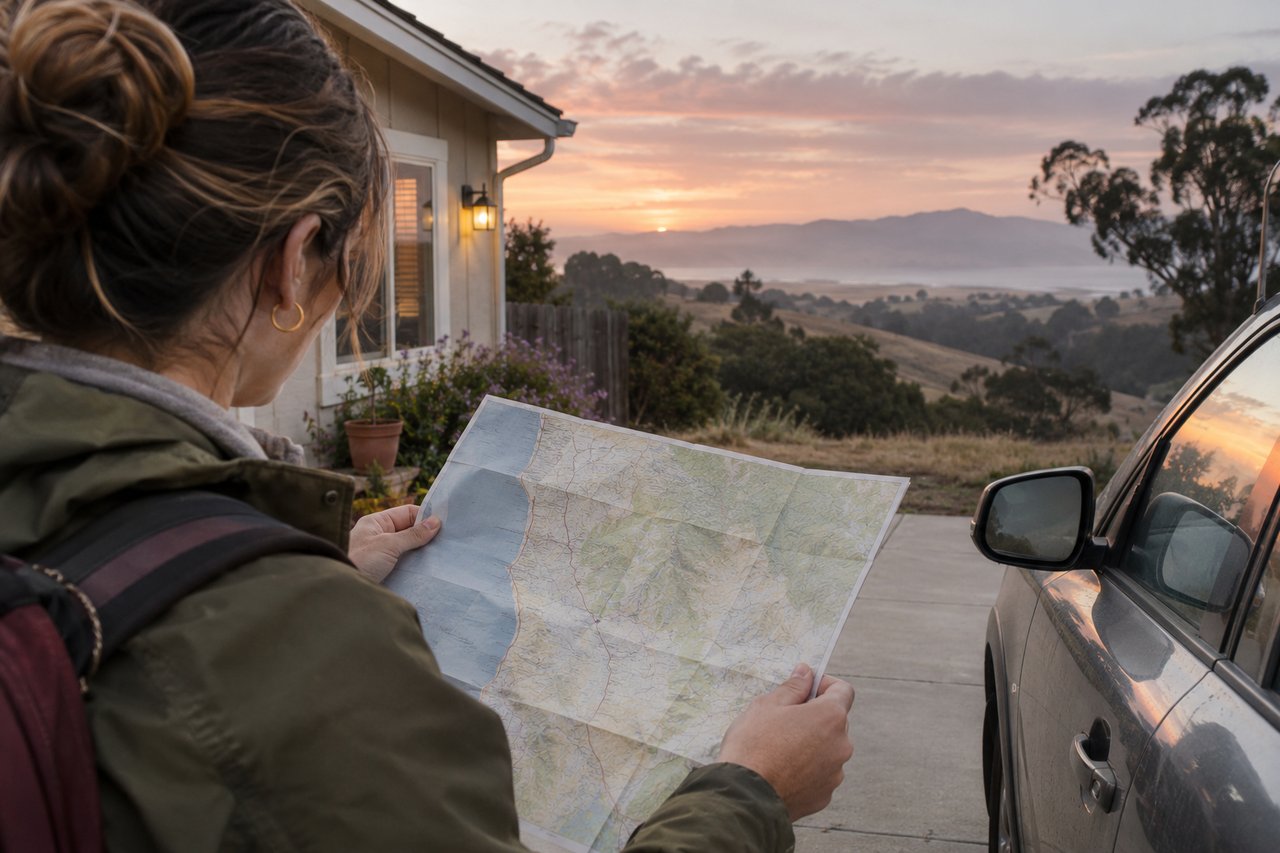
Test the trip against your schedule, home location and tolerance for time on the road.
Amber Johnson | November 28, 2026
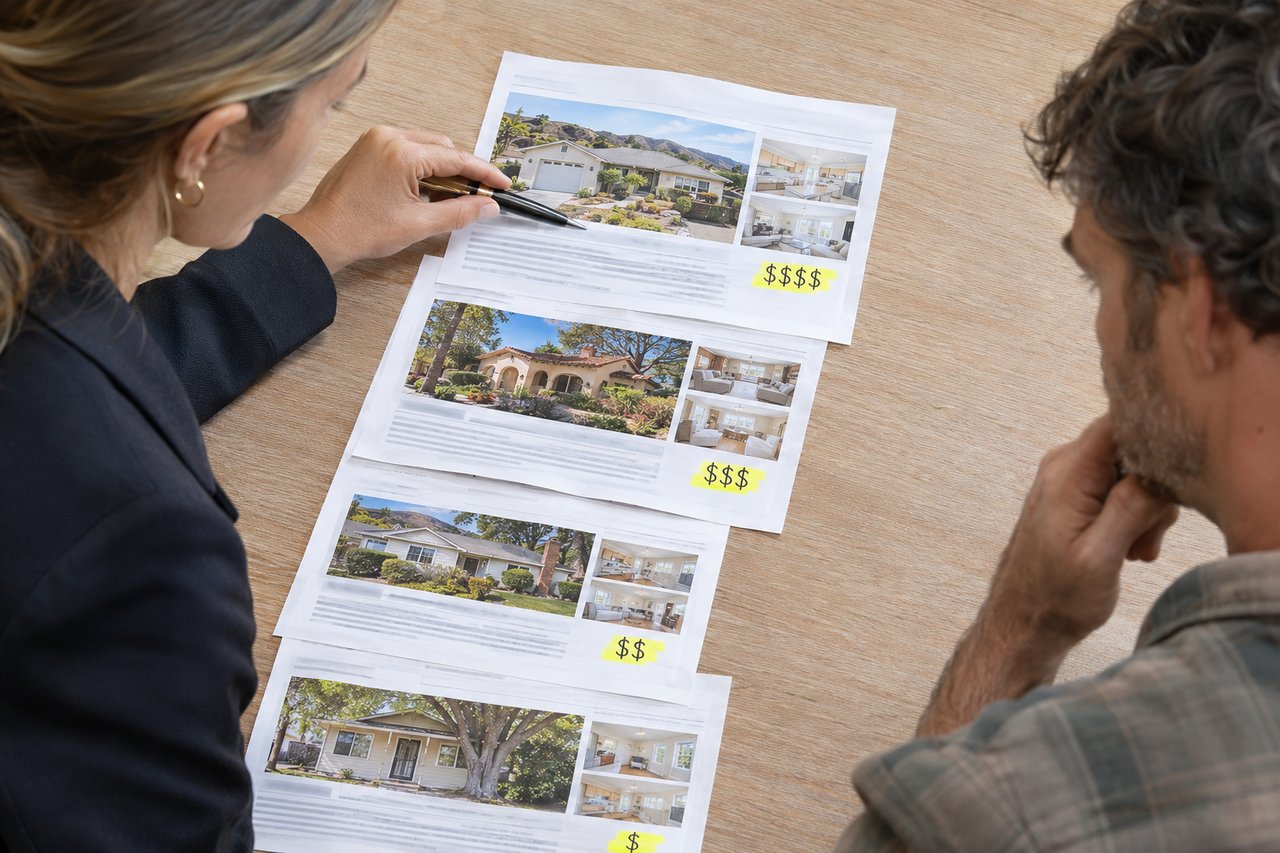
Read the listing history alongside condition, competition and the current asking price.
Amber Johnson | November 28, 2026
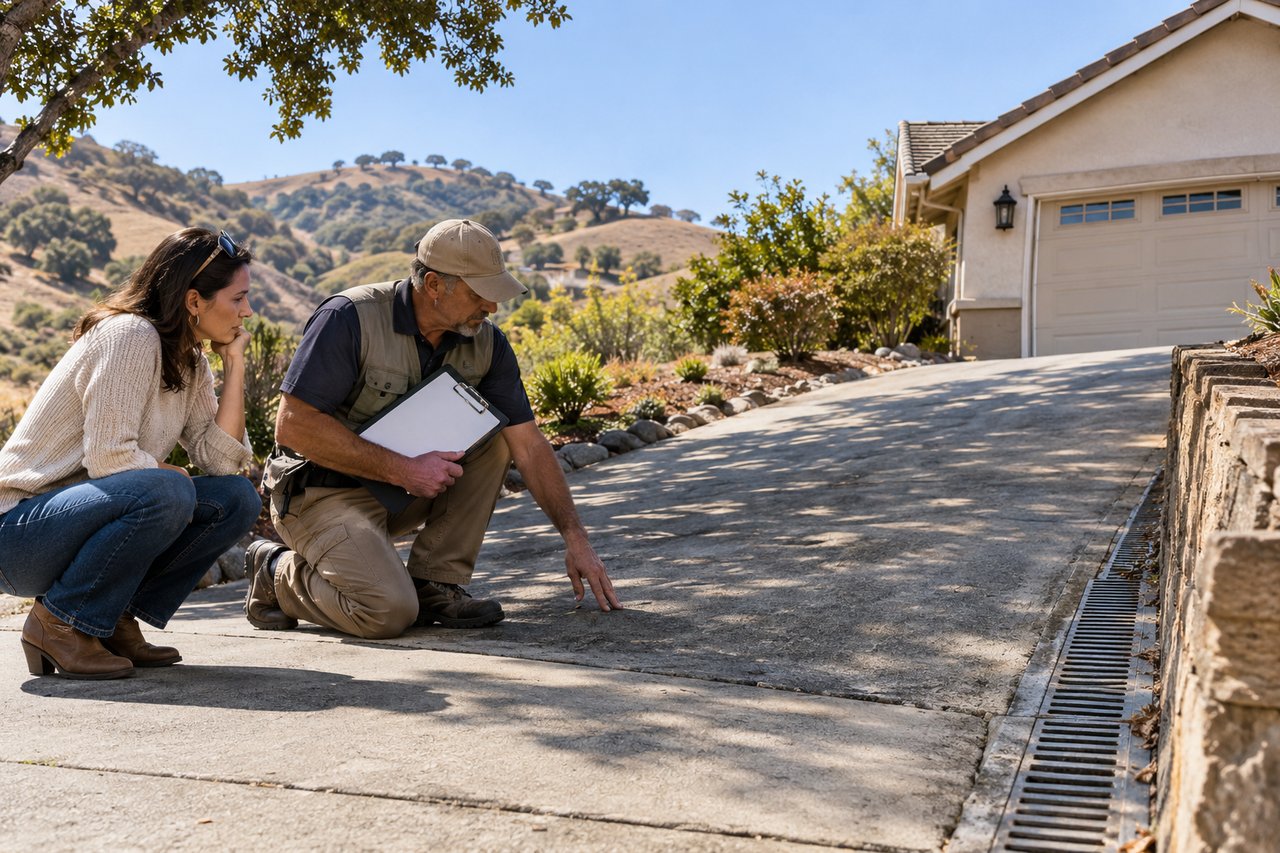
Consider access, drainage and everyday vehicle use before deciding the slope works.

Amber Johnson | November 27, 2026
Think about access, seasonality and the routine you would actually keep.

Amber Johnson | November 27, 2026
Compare the surrounding streets and daily routines, not just the park names.

Amber Johnson | November 27, 2026
Amber Johnson | November 27, 2026
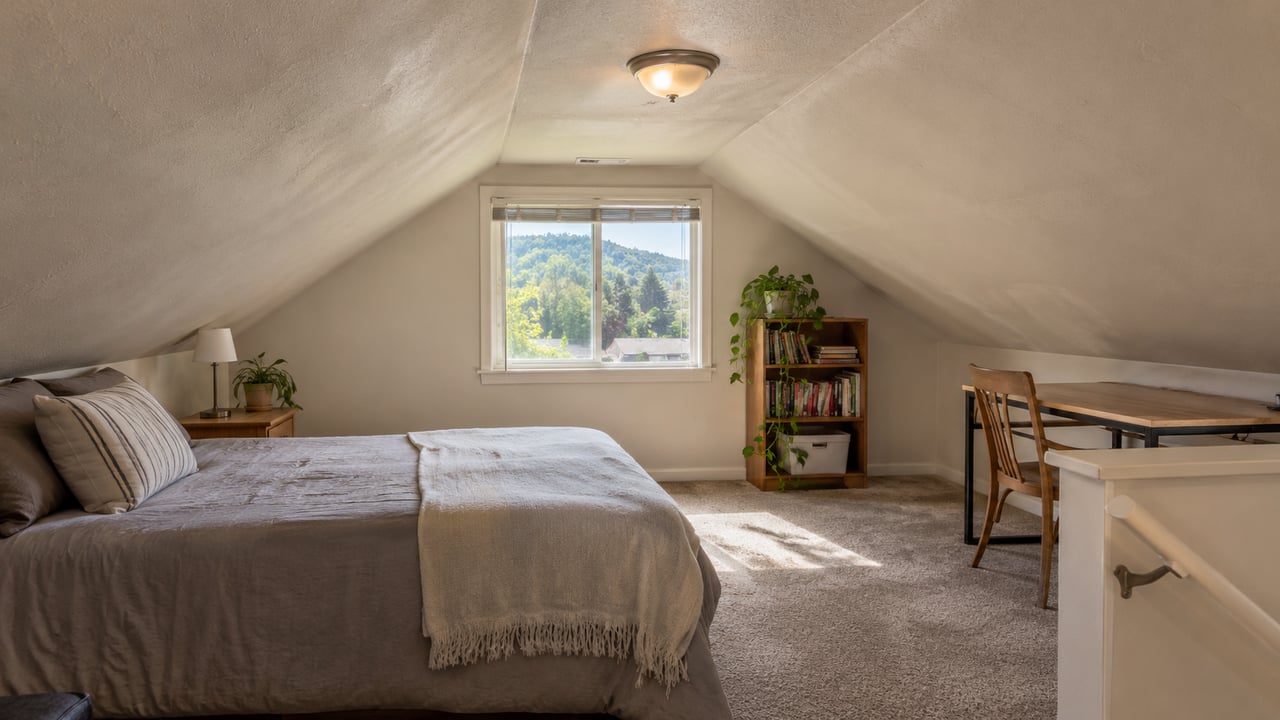
Show the space accurately and verify how it may be described before listing.
You’ve got questions and we can’t wait to answer them.
Amber Johnson, Founder
Pillar Real Estate
805.835.3425
DRE# 01925434
1345 Park Street
Paso Robles, CA 93446