Is Nipomo Practical If I Need to Travel to Santa Barbara Twice a Week?
November 28, 2026
November 28, 2026
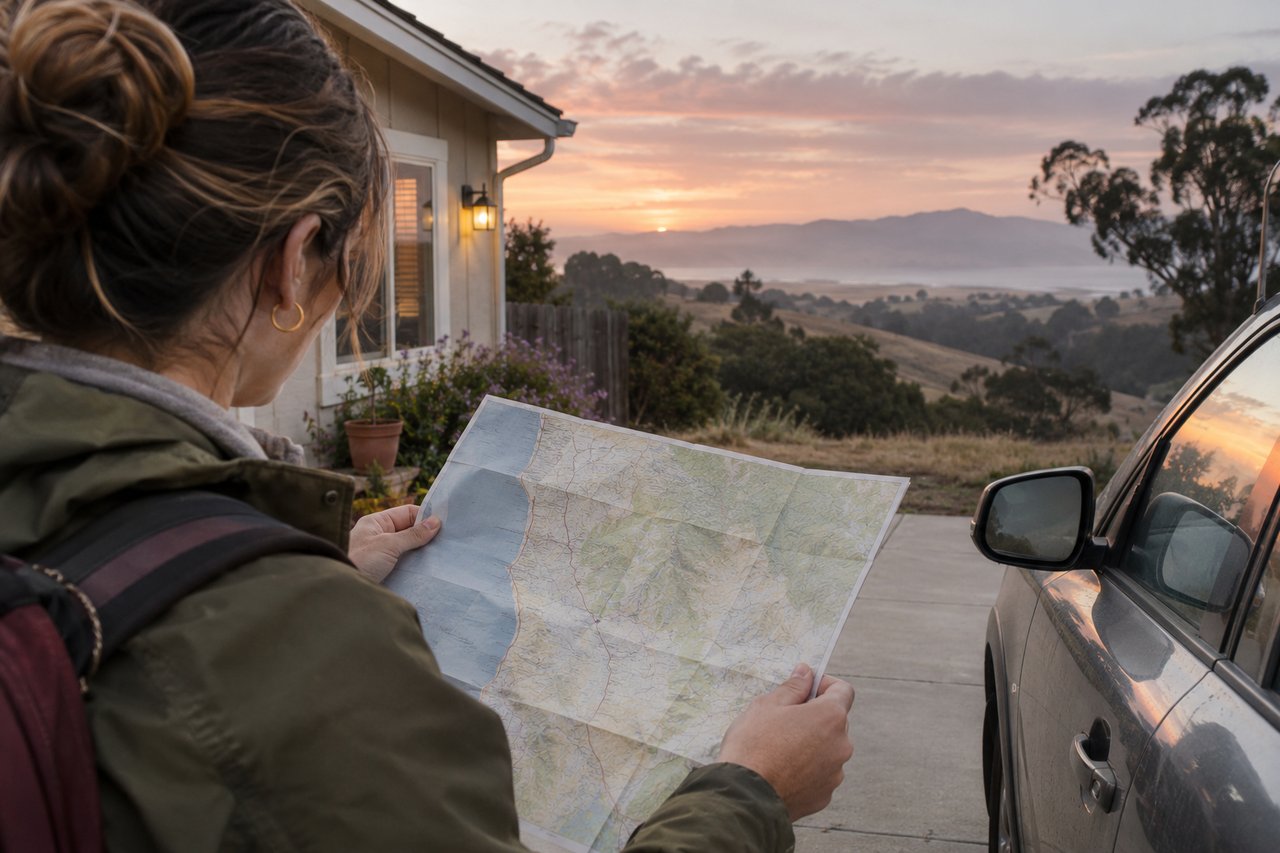
Nipomo can be practical if you need to travel to Santa Barbara twice a week and have some control over when you leave, where you park, and when you get home. I’d be more cautious if both trips require an early arrival and a firm return time. Test both directions on the days you’ll travel, starting at the actual Nipomo home and ending at the door you need to walk through in Santa Barbara.
Two round trips a week can sound manageable on paper. Then you add the drive from the house to US 101, a few minutes to find parking, and a meeting that regularly runs late. The real question is how those two days fit into the rest of your week. Here’s how I’d work through that before choosing a home.
Put the full destination address into your route planner. If you’re going downtown, use your office or the parking garage you expect to use. If someone says their office is in Santa Barbara and the address turns out to be in Goleta, run the trip to Goleta. The freeway exit and the last few streets change the plan. If you have two destinations, test each one separately.
Define what “on time” means before you run the numbers. If you need to be at your desk at 8:30, the trip ends when you’ve parked, walked in, and had time to get settled. A route estimate that puts you at the parking entrance at 8:29 gives you a different answer. The same applies if you’re headed to a recurring appointment or need to sign in at a front desk.
Check parking rules, hours, and walking distance at your destination. Ask your employer where employees actually park or look up the facility’s visitor instructions. It’s easier to decide whether the drive works when you know what happens after you take the exit.
When you tour a home, drive from the driveway to the southbound US 101 entrance you’d normally take. Notice turns, signals, and anything that could slow you down at your departure hour. Then try coming home from the northbound exit. Your return route can be different, especially if your next stop is a pickup or an errand before you go home.
Do the same thing for your top two addresses. A house you like may add only a few minutes to the drive each way. You may gladly take that trade for the layout or outdoor space. Add it up first. Even an extra five minutes at each end of the drive days adds twenty minutes over four one-way trips. If the local route is easy for the rest of the week, that may still feel like a fair trade.
My guide to living in Nipomo and commuting to San Luis Obispo shows why I start at the address when I compare trips in either direction. If you’re also looking closer to Santa Maria, my Nipomo and Orcutt comparison can help you see how your everyday stops would fit around those two Santa Barbara days.
Run the route planner with an arrival time for each of your two days. Use the times you’re actually expected there. Then run the return using your likely departure from Santa Barbara. I’d write down the low and high estimates each way, plus the time you expect to spend parking and walking. A range gives you more room to plan than a single estimate from the middle of the day.
If you can, make a test drive on a normal workday before you commit. Start where you would live and arrive at the same time you’d normally need to be there. Take the return trip when you’d normally finish, too. Write down the time you pulled out, the time you parked, and when you walked through the door. If a holiday or school break makes the test day unusual, repeat it on an ordinary weekday.
Check Caltrans QuickMap for incidents and planned closures before leaving. It helps explain a delay and gives you a better idea of what you’re testing. On your first few trips, keep a note of where time went. A long wait to park every visit calls for a different fix than a road closure on one morning.
Start with an example using your own numbers. If the whole trip were 90 minutes each way, two round trips would take six hours a week. Allowing another 15 minutes each way would bring that to seven hours. Those are examples for budgeting your time. Your test drives and the route estimates for your actual addresses will give you your own range.
Now look at where those hours land. A slower morning might be easy to handle if you choose your start time. An evening delay could matter more if there’s a pickup deadline or a standing appointment. Decide what’s flexible, who can cover a pickup, and what time you’d have to leave Santa Barbara to make the evening work. Put those items on the calendar next to the trip itself.
Also consider the cost of four legs. Use the distance from your actual route, your vehicle’s typical fuel or energy use, and any parking fees. If rail becomes an option on one day, compare the full cost of getting to the station and reaching your destination from the other end. The comparison is more useful when it reflects the week you actually expect to live.
If your schedule is flexible, try shifting the hour of one trip and see what that does to the rest of your day. If both days are fixed, think about an alternate plan before you need one. That might mean a coworker you can share a ride with, someone who can cover your last stop at home, or keeping the following morning free if you expect a late return.
If you’d like to use the train sometimes, look up both legs on the Pacific Surfliner timetable. Start with the station you can realistically reach from Nipomo and confirm the service for the exact date, including any connecting segment. Then check how you’d get from the Santa Barbara station to your destination and back. An outbound trip can look good until you see the time of the last return that fits your day.
Price out the whole rail day and compare the door-to-door time with driving. You might be comfortable spending longer in transit if you can work or read during part of it. For early appointments or several stops spread out around town, driving may fit the day better. Pick the plan that still works if one part takes longer than expected.
Say you work locally or from home on the other three weekdays and keep your usual errands nearby. In that case, you might be comfortable setting aside two longer days to live in a Nipomo home that fits the rest of your week. If a partner already drives in a different direction, map both schedules before you decide. My guide to weighing Oceano for a household with jobs in two cities has a similar way to lay out overlapping travel days and see who can cover what.
Then consider what would happen if the Santa Barbara schedule changed. Would an occasional third day be manageable? What if an appointment moved from midday to first thing in the morning? You know your own tolerance for the drive. I’d base the decision on a normal week you can repeat and a busy week you can handle without constantly rearranging things.
When friends or coworkers offer their own trip times, ask where they start, where they finish, and when they travel. Someone who leaves before most traffic and parks at work has a different routine from someone driving to a midday appointment and returning during the evening. Their experience can help you think of things to test from your own address.
I’d call Nipomo practical if both outbound trips meet your arrival requirements with time to spare, the returns work with your commitments, and you’re comfortable giving those hours to the drive most weeks. I’d take a closer look at other addresses if your routine only works when every leg comes in at the low end of the estimate.
Before narrowing your home search, run the same two trips from each serious contender. Use the same arrival deadlines, parking plan, and return commitments. Keep the results with the notes from your showings. When it’s time to choose, you’ll know what the home gives you all week and exactly what you’re asking of yourself on the two days you head south.
If you’re thinking about selling a home in Paso Robles or elsewhere in San Luis Obispo County, I’d be happy to help you create a marketing plan based on your property, timing, and goals.
Amber
Pillar Real Estate | Amber Johnson, Founder
805.835.3425 | [email protected]
1345 Park St. Paso Robles, CA 93446 | DRE# 01925434

Amber Johnson | November 28, 2026
Amber Johnson | November 28, 2026
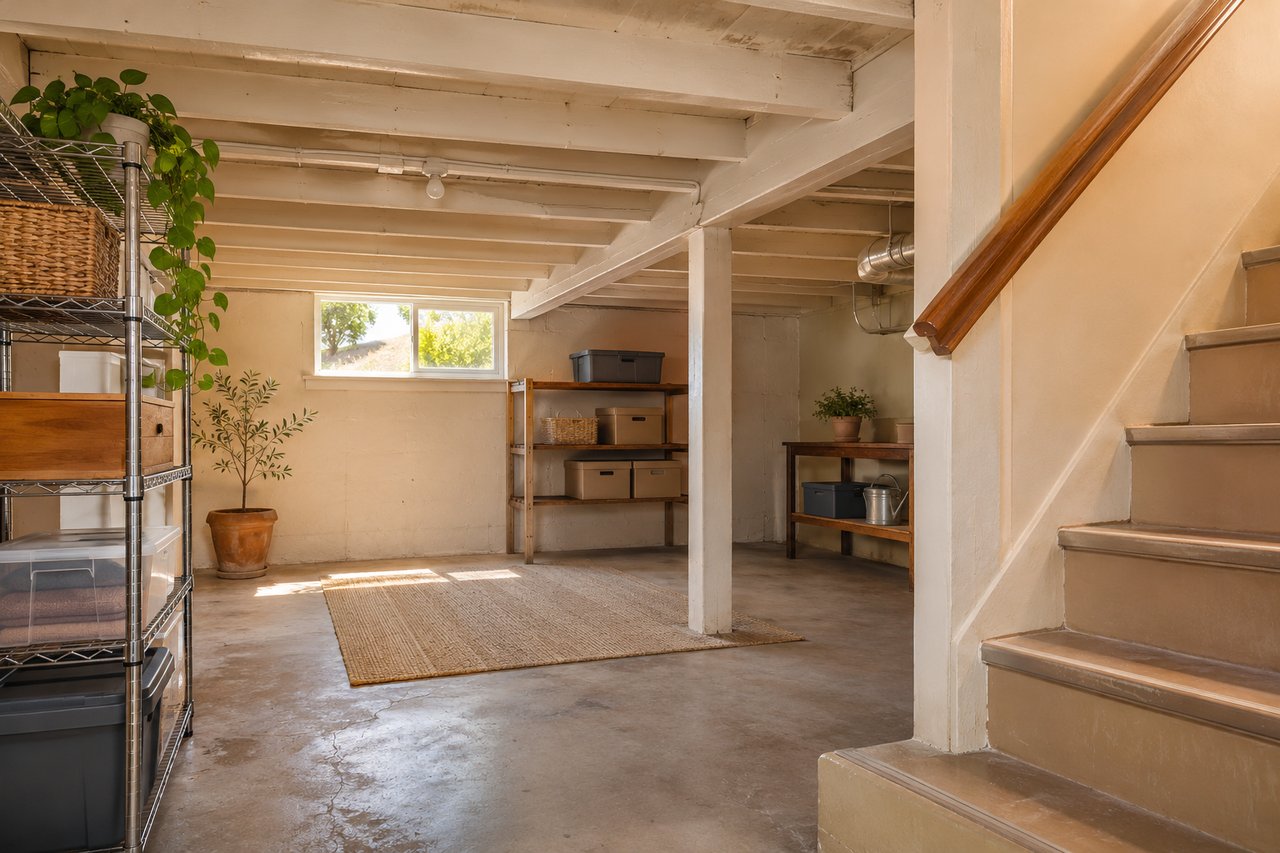
Describe the space accurately and show how it works without overstating its use.
Amber Johnson | November 28, 2026
Test the trip against your schedule, home location and tolerance for time on the road.
Amber Johnson | November 28, 2026
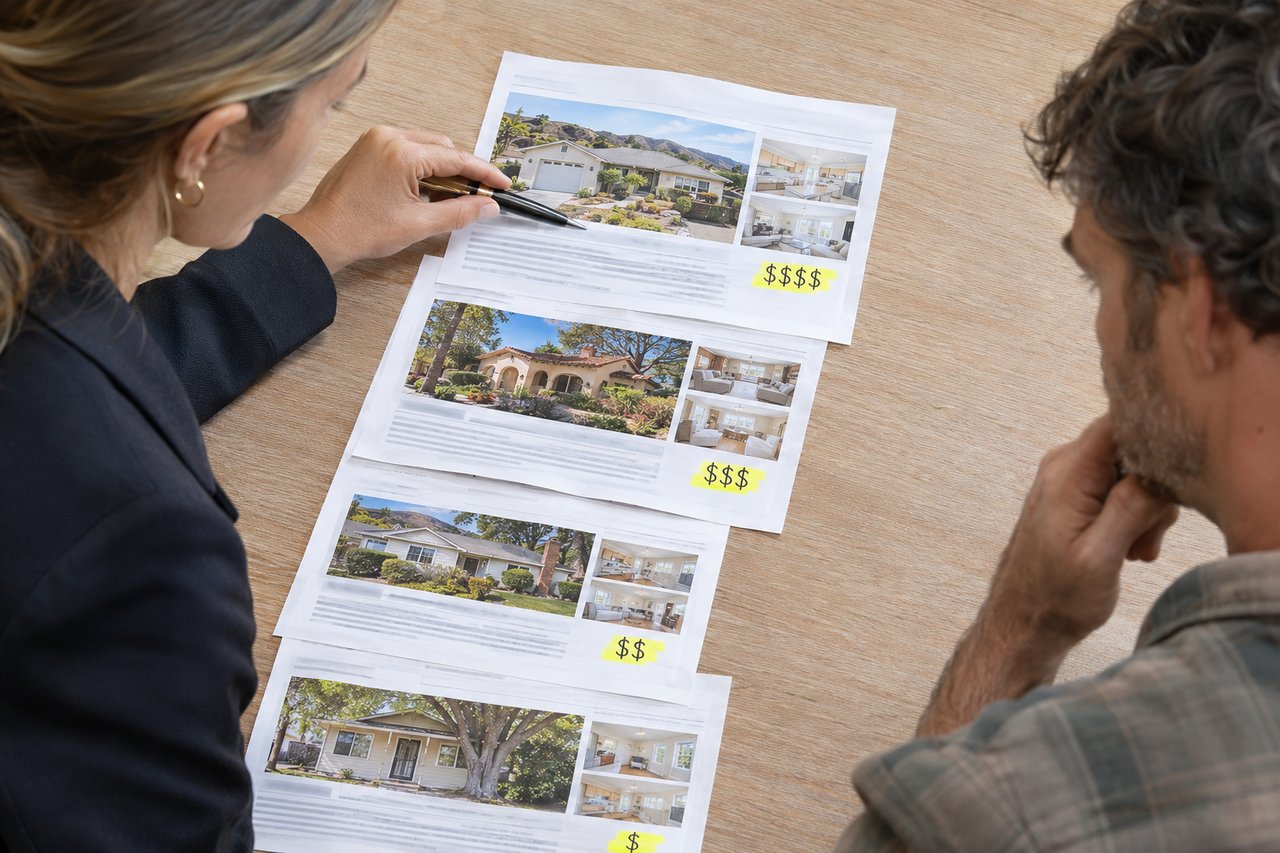
Read the listing history alongside condition, competition and the current asking price.
Amber Johnson | November 28, 2026
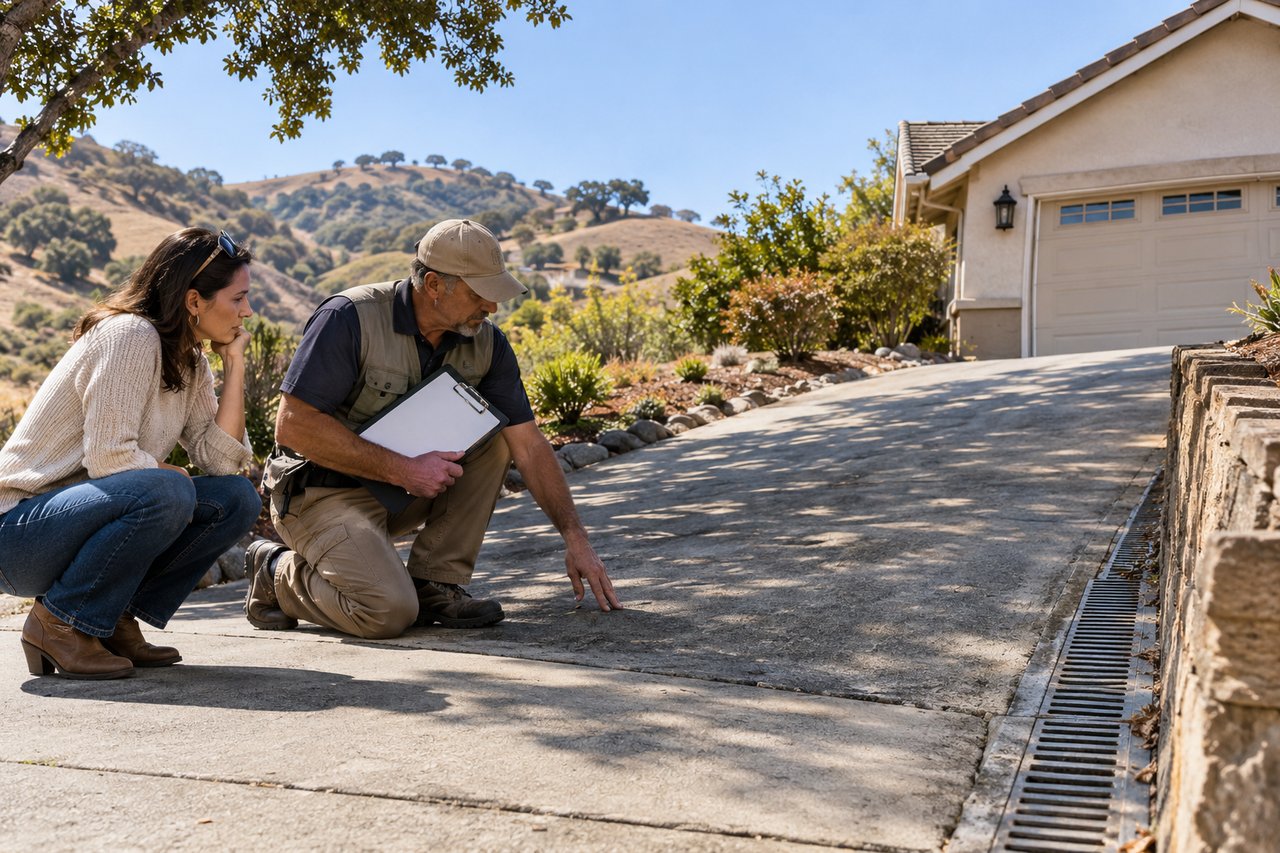
Consider access, drainage and everyday vehicle use before deciding the slope works.

Amber Johnson | November 27, 2026
Think about access, seasonality and the routine you would actually keep.

Amber Johnson | November 27, 2026
Compare the surrounding streets and daily routines, not just the park names.

Amber Johnson | November 27, 2026
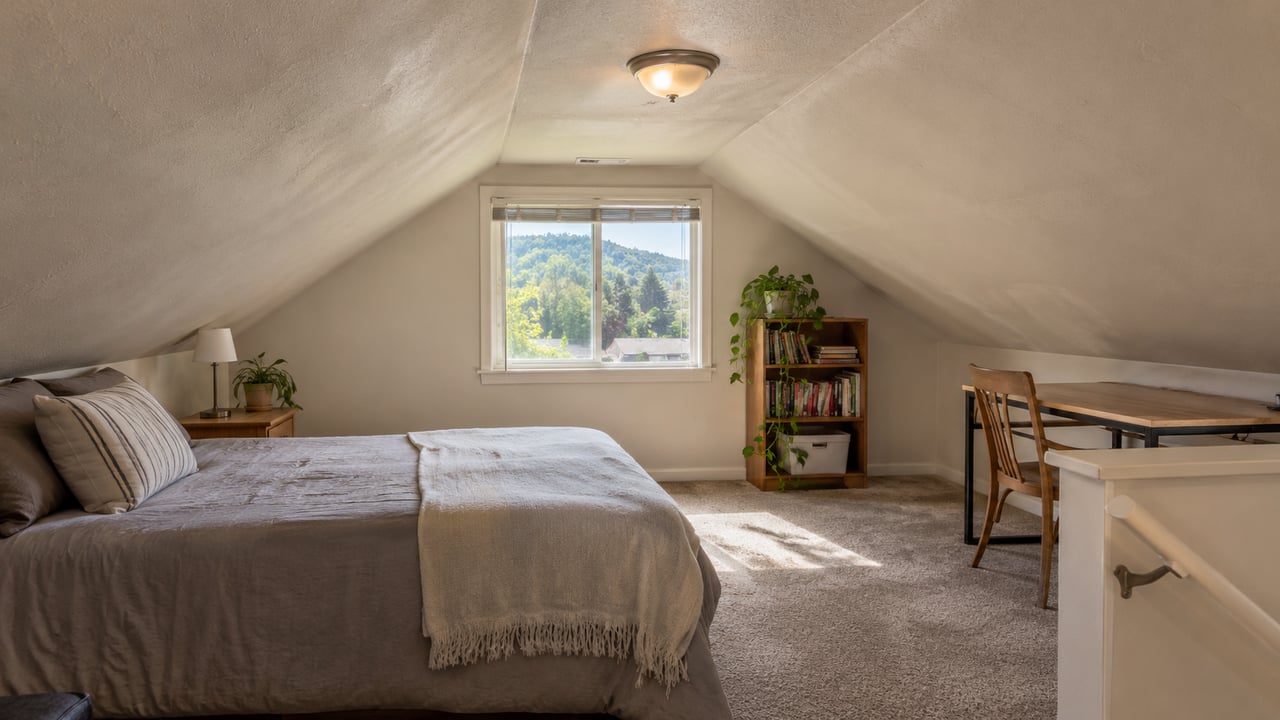
Amber Johnson | November 27, 2026
Show the space accurately and verify how it may be described before listing.
You’ve got questions and we can’t wait to answer them.
Amber Johnson, Founder
Pillar Real Estate
805.835.3425
DRE# 01925434
1345 Park Street
Paso Robles, CA 93446