What Should Buyers Check Before Buying a Heritage Ranch Home with a Steep Driveway?
November 28, 2026
November 28, 2026
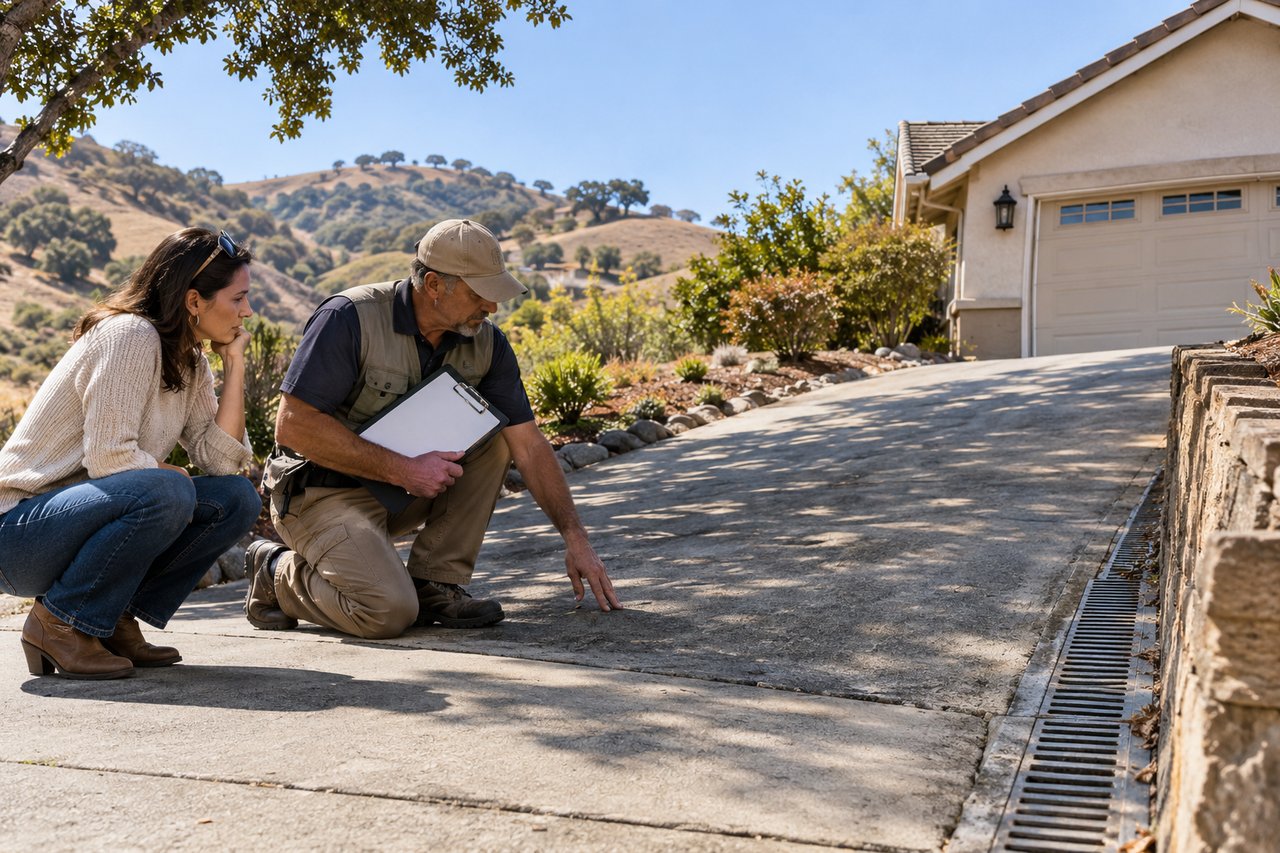
Before you buy a Heritage Ranch home with a steep driveway, check how you’ll get in and out, where water goes, and what the driveway needs to stay usable. Start with the vehicle you drive most often. Then ask the seller for maintenance and installation records and have your inspector walk the driveway with you. If you have a question about drainage, a retaining wall, or a change you’d need to make, get an answer specific to that property.
I’d run these checks before deciding whether the slope works for you. A few minutes looking uphill from the street helps, but living there means coming home in the dark, parking when someone else is already there, and walking from the car with whatever you’re carrying.
Approach the house the way you expect to come home. See when you can spot the driveway and how much of the street you can see from the entrance. Pay attention to curves, parked vehicles, walls, landscaping, and anything else that could affect the view. Then think about how you’d leave. Getting in can feel simple even if getting back out would take more room or a different approach.
With permission, and only if you can do it comfortably and safely, try entering and leaving in the car you use most. Go slowly through the transition from the street to the driveway and from the slope to the parking pad or garage. If you’re unsure about clearance, stop and ask how to check it without scraping the car. A vehicle can fit in the garage and still have trouble reaching it because of the shape of one of those transitions.
If your household uses more than one vehicle, consider both. The pickup and a low sedan can give you very different answers. If there’s a trailer or boat in your plans, ask where it can be kept and whether the actual driveway and street give you enough room to maneuver. A photo of an empty driveway rarely answers that question.
Start with both household vehicles parked where you intend to leave them. Can each driver get out without moving the other vehicle? Can you open the doors and unload where you need to? If the only spot for a second car is on the slope, note whether you’d be comfortable using it every day. Also check the room to turn around when the garage or a parking position is occupied.
Ask where visitors can park and what route they’d take to the front door. Walk that route yourself. Look at the distance, grade, stairs, lighting, and handrails along the way. If you plan to come in through the garage, walk from that parking spot to the level you’d use most often. A house can give the owners a straightforward route and still ask guests to take several steps from the street.
Check whether there’s practical room for deliveries, contractors, and moving day. Ask where a service vehicle could stop and how someone carrying a large item would reach the door. For an evening visit, look at the area from a lawful public spot or arrange another showing with your agent. My comparison of hillside homes and flatter lots in Heritage Ranch can help you decide how this driveway fits the bigger trade-off you’re considering.
Start above the driveway and work down. Where could runoff come from? Where would it cross the pavement? Where is it supposed to go next? Look for visible drains, grates, channels, or other features your inspector can identify. If you see staining, sediment, or a change in the pavement, make a note of where it is and ask what might explain it. A dry showing gives you a place to start the conversation.
Ask the seller what they’ve seen during heavier rain and what maintenance they’ve done. Photos or invoices may help you understand where work was done, when, and what prompted it. Ask who clears any channel or grate and where the outlet is, if it’s known. If the driveway slopes toward a garage or below-grade parking area, ask the inspector to take a close look at how water is directed around that opening.
If an outlet can’t be located or the inspector sees signs that warrant a closer look, ask which specialist should evaluate it. A drainage contractor may be able to trace where water goes. An engineer may be appropriate when there are questions about grading or a wall that supports the driveway. Ask for a written explanation that names the area reviewed and any parts that weren’t accessible.
Tell your inspector what matters to you before the visit. Mention any clearance concerns, the parking location you plan to use, and where you noticed repairs or uneven edges. Ask what they can evaluate within their scope. If a measurement would affect your decision, such as the grade where the driveway meets the street, have the right professional measure that section. A number for the whole driveway can miss the transition you’re concerned about.
Walk the pavement and look at the edges as well as the center. Ask about cracks, changes in height, patched areas, loose material, and places where support is hard to see. The purpose is to distinguish what the inspector can observe from what still needs a closer look. If a wall supports the driving surface, ask whether it should be evaluated together with the driveway. My guide to what buyers should check about an elevated deck in Heritage Ranch gives another example of the questions to ask when a feature’s support is difficult to see from a showing.
If traction is a concern, ask about the surface material, finish, and its condition. Check what the seller can tell you about ordinary cleaning and repairs. Schedule a follow-up visit in conditions you can assess safely if it would help you decide. If a contractor recommends work, ask what it would improve and what parts of the existing access would stay the same.
If you’re counting on widening the driveway, adding a turnaround, changing the approach, or redirecting water, find out what that would involve before you build it into your plans. Ask for available plans, prior work records, and any relevant approvals. Review the title materials and HOA documents for access, parking, maintenance, and any restrictions that could affect the proposed work. Ask the Heritage Ranch Owners Association which documents or review process apply to the specific address and project.
Confirm who maintains the road and where your proposed work would occur. The County’s Public Works encroachment permit guidance is a starting point if work would involve a driveway approach in the County right-of-way. Ask the agency and association for direction based on the location and scope. The answer may depend on where the work starts, where it ends, and whose property or road it affects.
When the plan matters to your ability to use the home, get the feasibility and cost in writing before you make a decision. A quote to resurface a driveway covers a different scope from a proposal to change its grade or move its entrance. Ask who would do the work, how access would be handled during construction, and what the estimate includes. The seller’s photos and disclosures can help frame your questions. My Atascadero steep-driveway marketing guide explains how photos and documentation can make this feature easier to evaluate.
Ask where the private driveway begins and what area is shared, if any. Request the documents that show who can use a shared approach and who pays for upkeep. If the driveway crosses a feature that serves other properties, ask how access for maintenance is handled. It’s worth knowing who to contact if a drain needs clearing or repairs affect access.
Put the answers next to what you saw during the showing. You may feel comfortable with the incline and still need a clear answer about who maintains the entrance. If two answers conflict, ask your agent to help you identify the right records and the person who can explain them before you rely on either version.
After the showing and inspection, write down how your usual vehicle enters, where you would park, how guests would reach the door, and what you know about runoff and maintenance. Mark which answers you’ve confirmed and which depend on someone else’s review. Keep an estimate or email with your notes if the answer affects how you’d use the property.
I’d feel more comfortable when the access works for the way you live now, the maintenance responsibilities are clear, and any remaining inspection questions have a clear next step. If making it work depends on a change that hasn’t been reviewed, give yourself time to check it. You’ll have a better basis for deciding whether the house and its driveway fit the same plan.
If you’re thinking about selling a home in Paso Robles or elsewhere in San Luis Obispo County, I’d be happy to help you create a marketing plan based on your property, timing, and goals.
Amber
Pillar Real Estate | Amber Johnson, Founder
805.835.3425 | [email protected]
1345 Park St. Paso Robles, CA 93446 | DRE# 01925434
Amber Johnson | November 28, 2026
Consider access, drainage and everyday vehicle use before deciding the slope works.
Amber Johnson | November 27, 2026
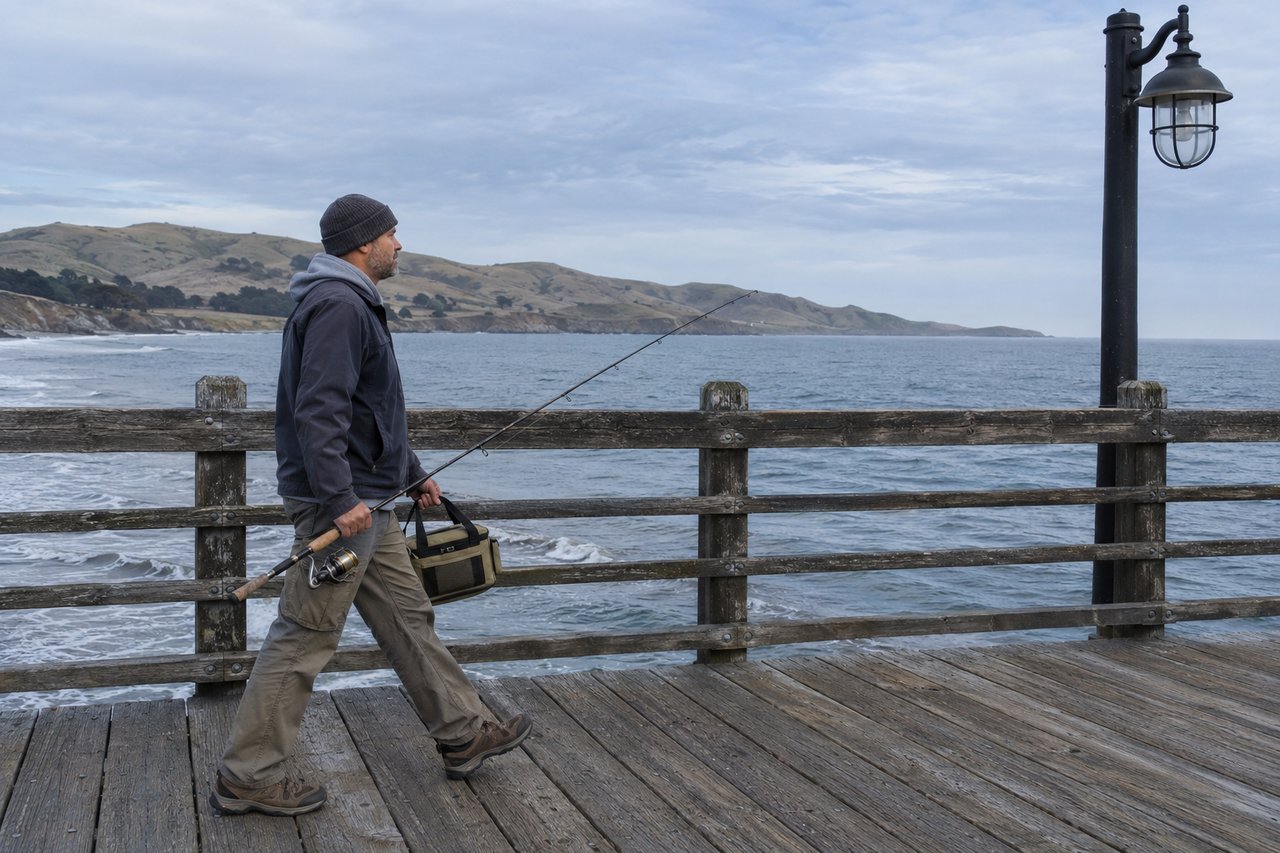
Think about access, seasonality and the routine you would actually keep.
Amber Johnson | November 27, 2026
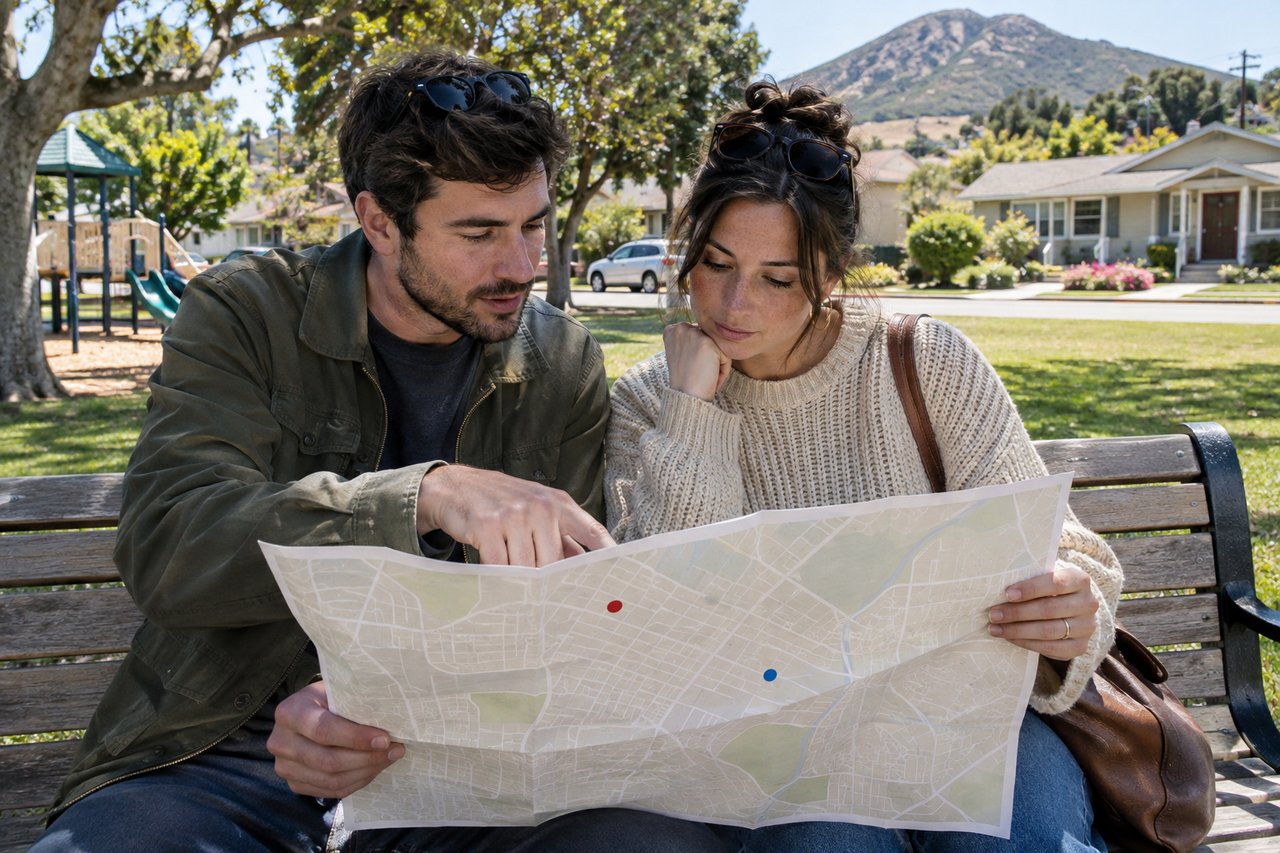
Compare the surrounding streets and daily routines, not just the park names.

Amber Johnson | November 27, 2026
Amber Johnson | November 27, 2026
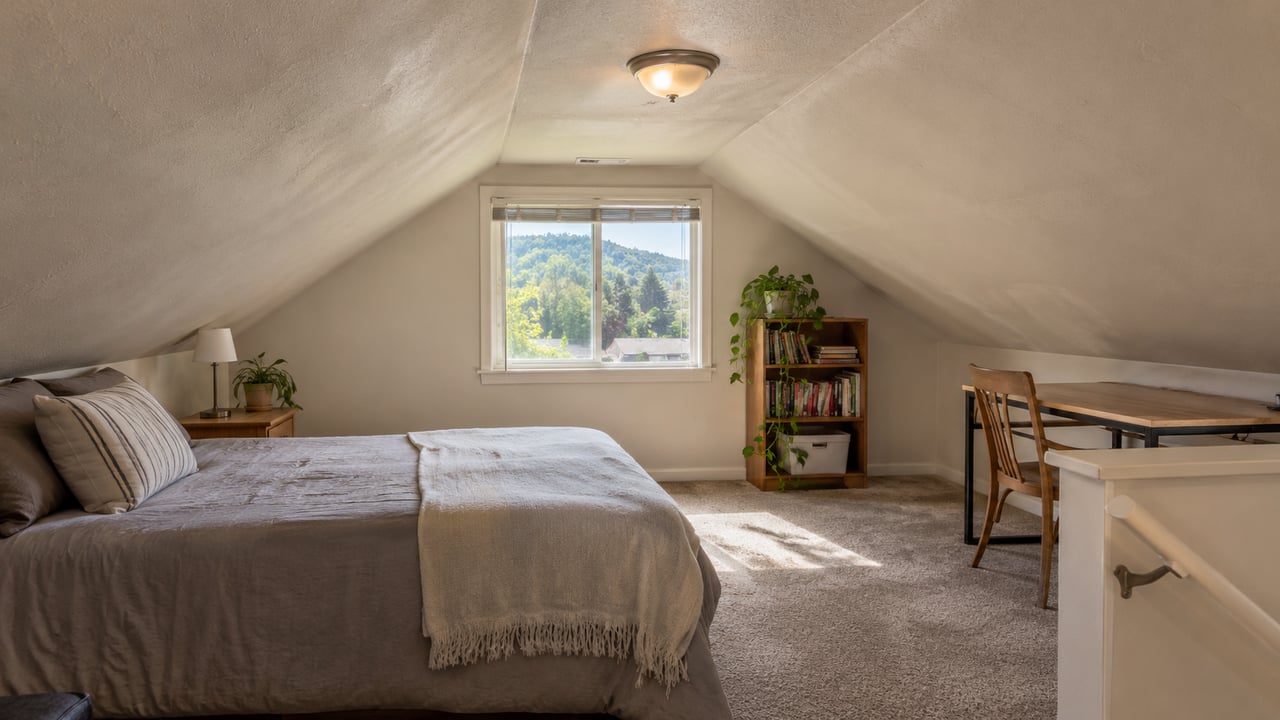
Show the space accurately and verify how it may be described before listing.
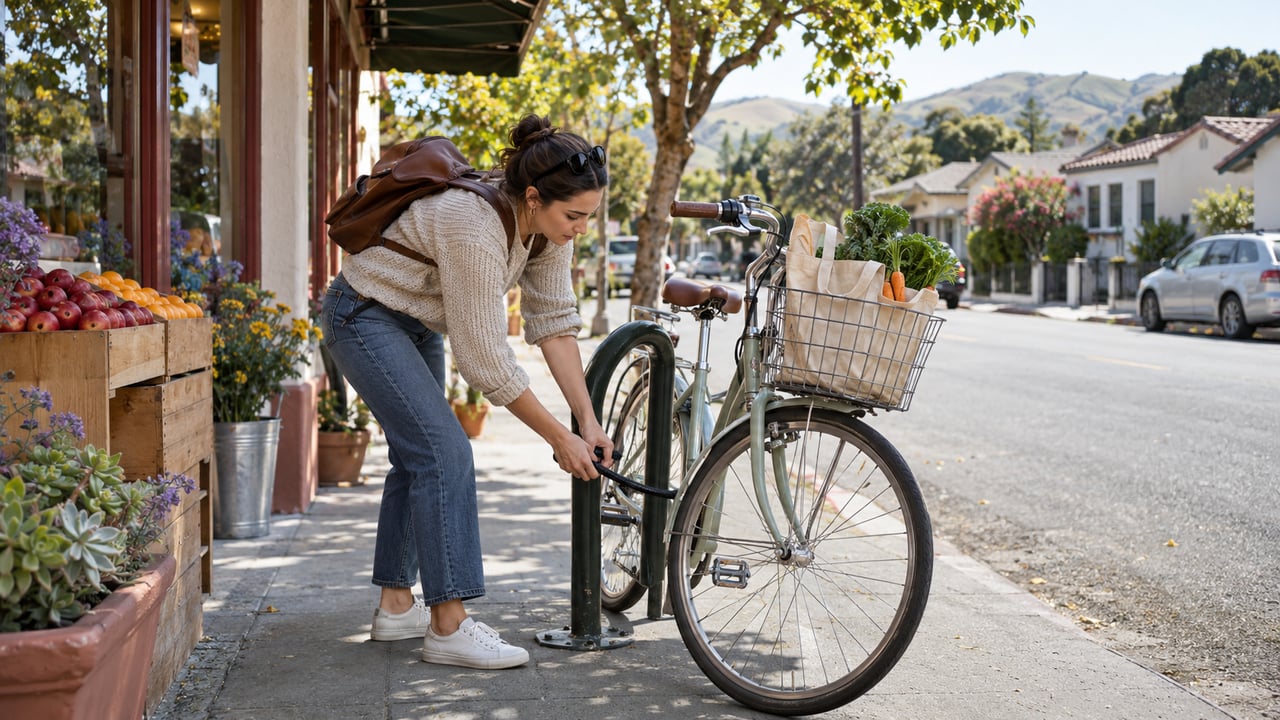
Amber Johnson | November 27, 2026
Test the actual routes between a home, shops and the places you visit most.
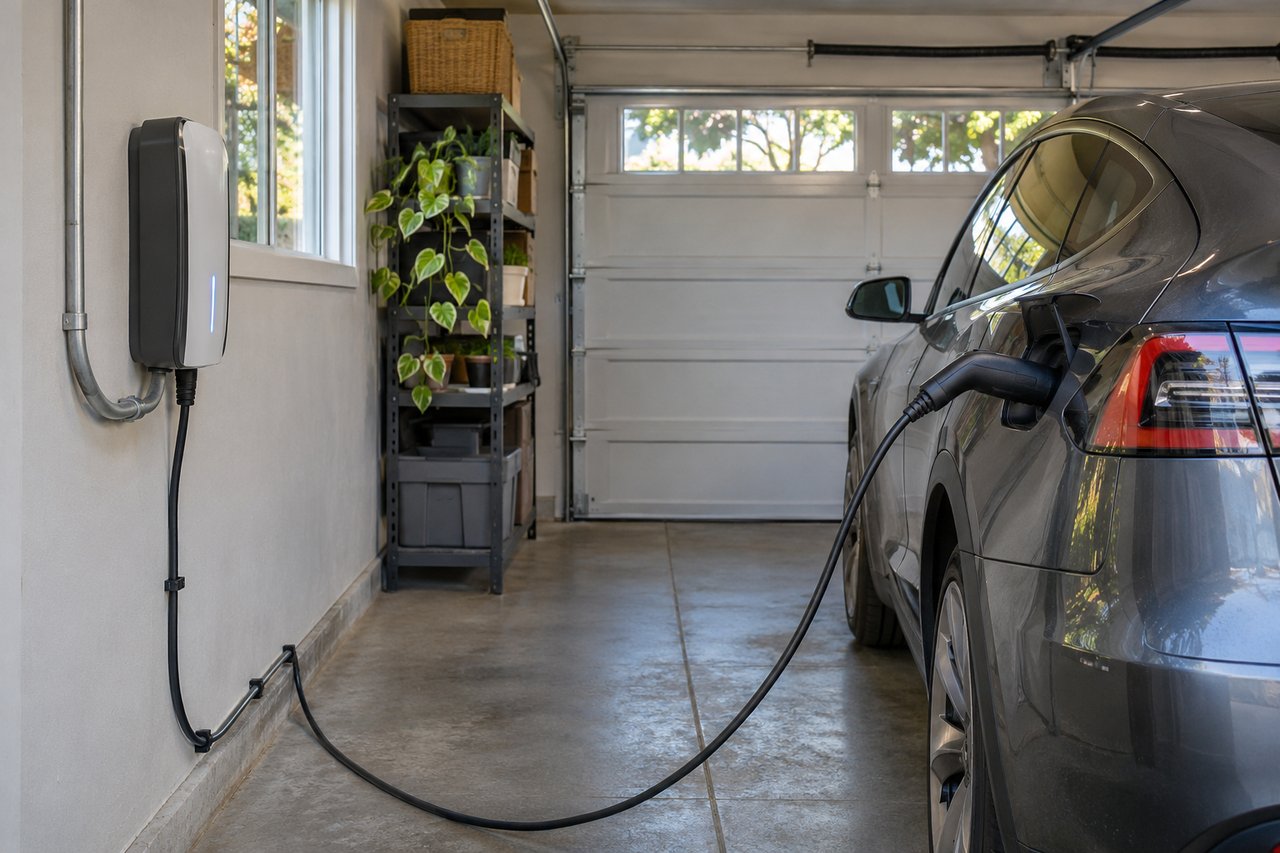
Amber Johnson | November 27, 2026
Document the charger accurately and show how the setup works for a buyer.
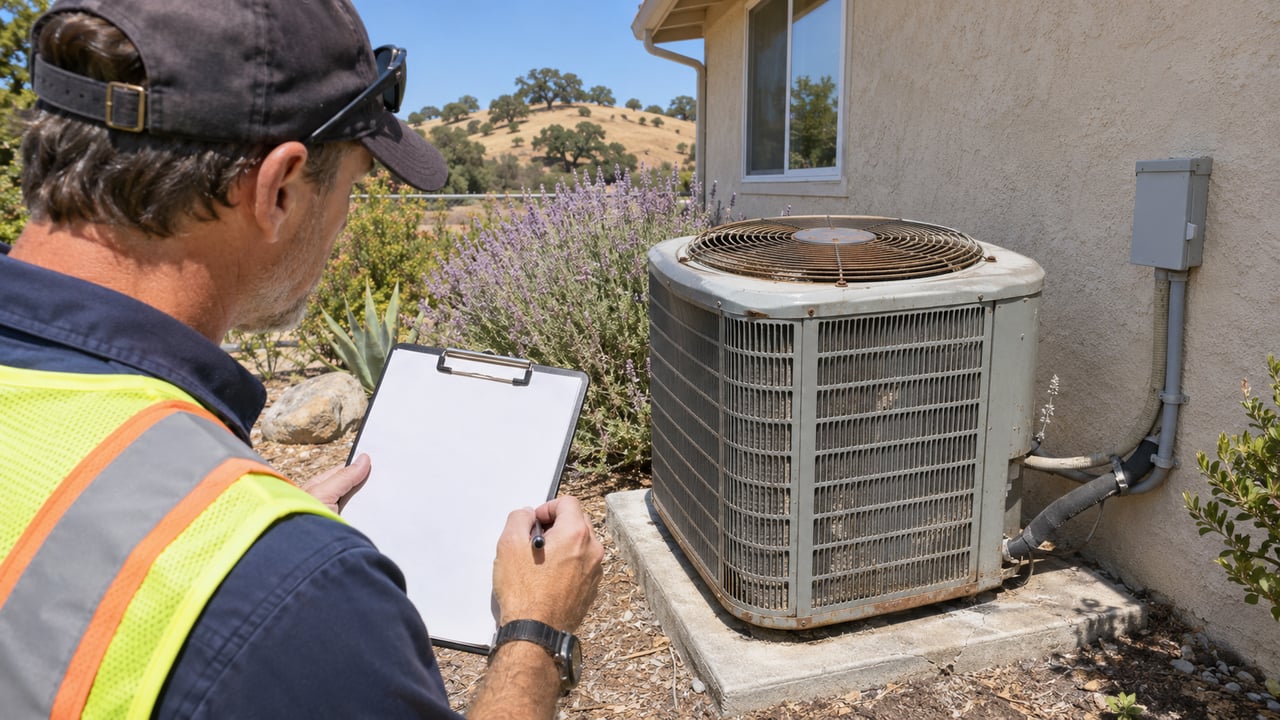
Amber Johnson | November 27, 2026
Review the unit, service history and inspection findings before planning for future costs.
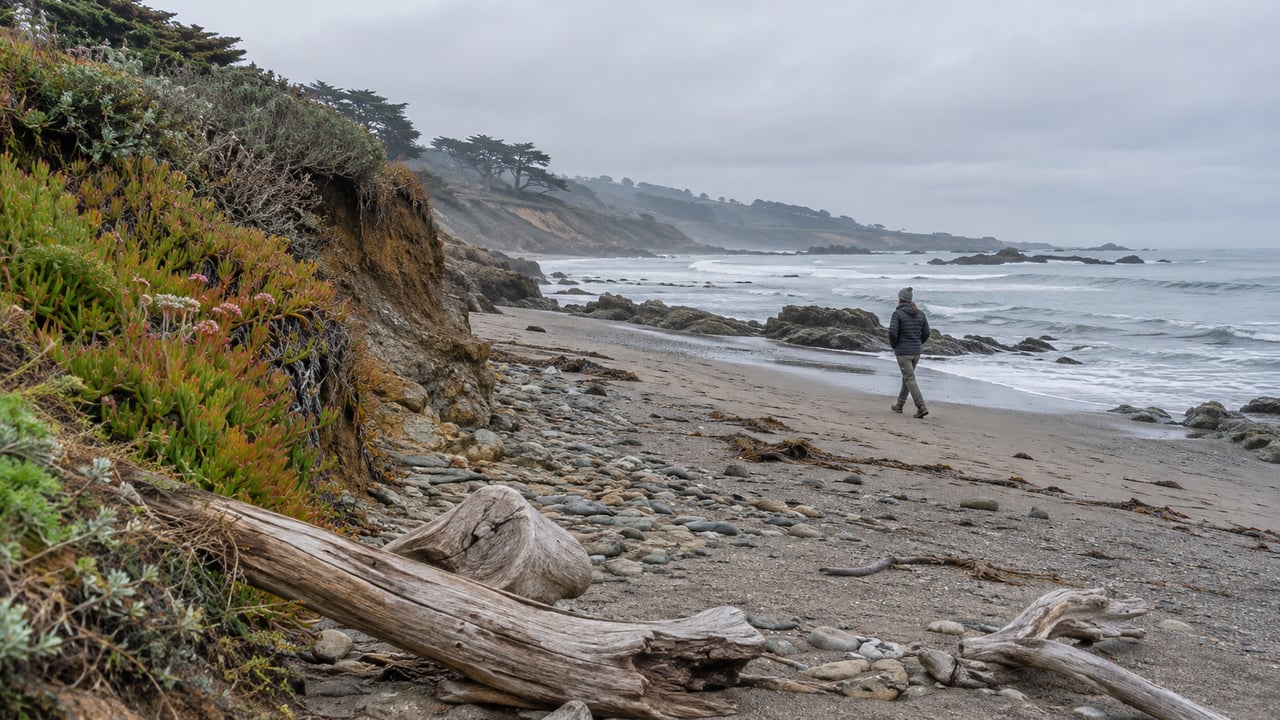
Amber Johnson | November 26, 2026
Look at where you would live, when you would walk and what access feels realistic.
You’ve got questions and we can’t wait to answer them.
Amber Johnson, Founder
Pillar Real Estate
805.835.3425
DRE# 01925434
1345 Park Street
Paso Robles, CA 93446