How Should I Market a Paso Robles Home with a Narrow Side Yard?
October 29, 2026
October 29, 2026
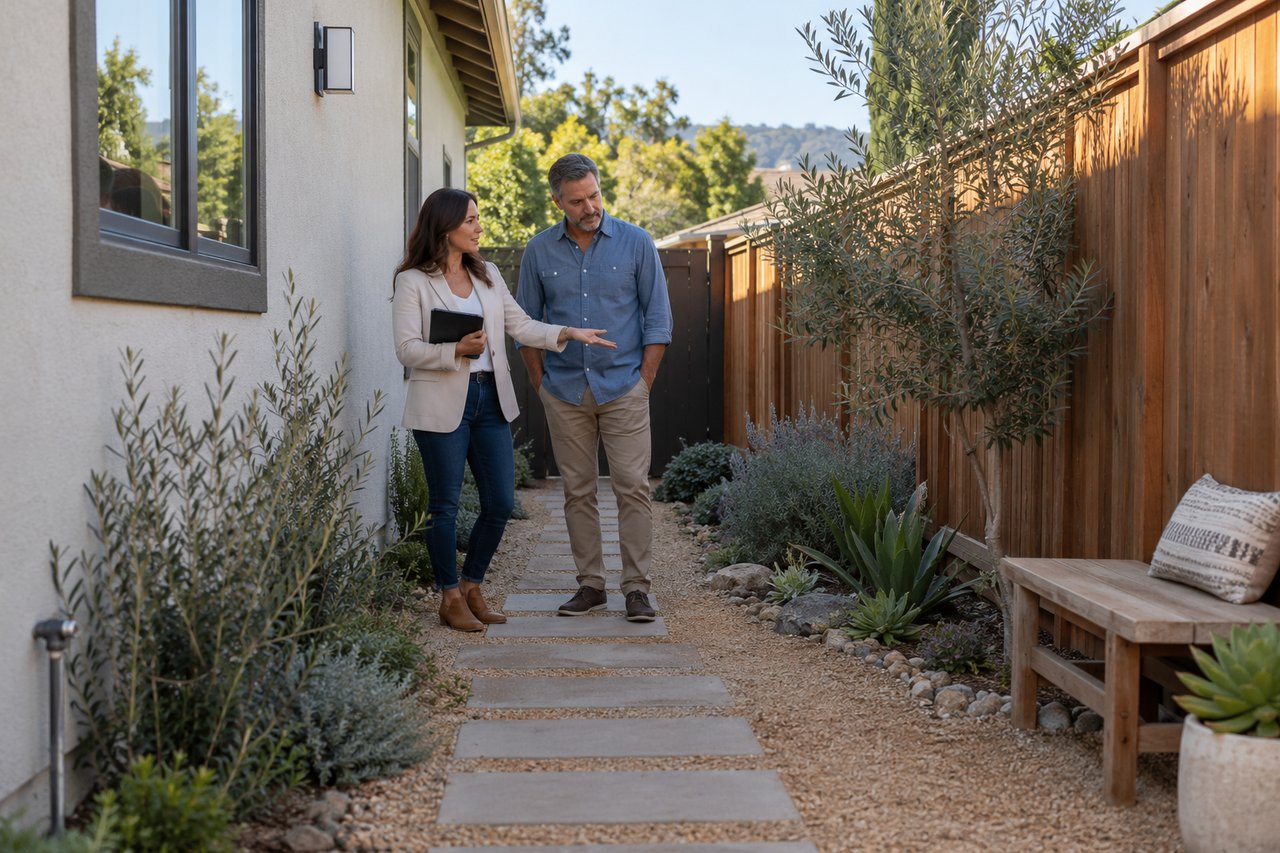
Market a Paso Robles home with a narrow side yard by showing what the space actually does well, making the route clear and helping buyers understand its scale. You don't need to make it look like a second backyard. You do need to present it as a cared-for, useful part of the property.
Start with access and condition. Then choose a simple presentation that fits the available width, photograph it honestly and explain any confirmed practical uses. Buyers can appreciate a modest space when they understand how it connects the house, yard and everyday tasks.
I'm Amber Johnson, founder of Pillar Real Estate in Paso Robles. I help sellers prepare homes around their actual features and the buyers they are likely to serve. A narrow side yard is a good example of a detail that benefits from a clear plan instead of an expensive attempt to disguise its size.
Walk the side yard and identify its current role. Does it connect the front and back of the property? Provide access to equipment? Offer a place for a small planting area? Keep the answer grounded in the actual layout and any applicable restrictions.
Choose the most useful function to emphasize. Trying to show storage, seating, gardening and a wide passage in the same tight space can make each use less convincing. A clear purpose is often easier for buyers to understand than a collection of possibilities.
If the area primarily serves as a passage, present that function confidently. A clean, straightforward route can be useful without pretending it is an outdoor entertaining room. The marketing should help buyers see the property clearly.
Remove loose items and unnecessary clutter that interrupt the route. Notice where bins, tools or stored materials make the space feel tighter than it is. Find appropriate locations for them without simply moving the clutter into another area buyers will need to evaluate.
Check the gate, surface and access points. If something is damaged or difficult to use, ask the appropriate professional what work is needed. Don't cover a condition concern with decorative items or assume a fresh surface treatment addresses every problem.
Walk the route with an ordinary task in mind. Picture carrying a bag of garden supplies or reaching the backyard. That helps you judge whether your preparation makes the actual use easier, rather than only improving one photograph.
Look at the home's exterior along the side yard as well as the ground and fence. Note any concern that needs qualified evaluation. A narrow space can bring buyers close to surfaces they might not examine as carefully from farther away.
Ask appropriate professionals about drainage, exterior damage or other technical questions. Your agent can help organize the preparation plan, but technical conclusions should come from the people qualified to make them. Keep the work connected to the actual findings.
If repairs are completed, retain the relevant records and describe the scope accurately. A cleaned or repainted surface is not evidence that every underlying condition was evaluated. Clear information and good presentation should support each other.
Verify dimensions that matter to the intended use, such as a passage, gate opening or small seating area. A buyer may need to understand whether the route works for their equipment or routine. Don't promise a fit from visual impressions alone.
If a particular use is important, encourage the buyer to check it directly. Their needs may differ from yours, and the arrangement that served your household may not accommodate every item they own.
Keep measurements and descriptions consistent across the materials you provide. Avoid approximate language that implies more usable width than the property has. An accurate impression helps attract buyers who are comfortable with the actual space.
Review existing plants for condition, overgrowth and how they affect the route. Appropriate pruning or maintenance may help reveal the space more clearly. Use qualified advice for plants or work that require it.
If you add planting, keep its scale and mature size in mind. A few suitable plants can give the area a cared-for appearance without filling the walkway. Confirm that the choice fits the light, water arrangements and actual location.
Don't install a complicated landscape project simply to create a photograph. Consider its upkeep, cost and the time available before listing. A restrained, finished presentation can be easier for buyers to understand and for you to maintain during showings.
A compact bench may make sense where there is enough room and a reason to sit. Place it only if it leaves the required access and works with the actual width. An item that blocks movement undermines the purpose of the presentation.
Use a small number of objects to provide scale rather than filling every empty surface. A crowded arrangement can make a narrow area feel less useful. Buyers should be able to understand the route and imagine their own ordinary use.
If the space doesn't comfortably support seating, leave that idea out. You can still present a pleasant passage or planting area. The most persuasive feature is the one the property can actually provide.
Choose an angle that shows the connection between the house, walkway and yard. Include enough context for buyers to understand where the space leads. A close detail of a plant or bench should not be the only image explaining the area.
Avoid a lens treatment or edit that makes the yard appear materially wider. Buyers will see the actual proportions at a showing. An accurate photograph helps the online presentation and the in-person experience feel consistent.
Review the image with your agent before it is used. Ask whether a buyer unfamiliar with the property would understand the scale and purpose. The goal is a useful, inviting representation rather than a misleading impression of extra outdoor square footage.
Use straightforward language about what is present. A clear side-yard route, a small planting area or a connection to the backyard can be described according to the actual property. Avoid promises about future uses that have not been investigated.
If a buyer asks about adding a structure, changing access or using the area in a different way, direct the question to the appropriate records and professionals. Don't turn a marketing suggestion into an unsupported approval.
Our article on marketing a Paso Robles home with a small backyard offers a related way to think about usable outdoor space. The principle is to make the real function understandable while keeping expectations accurate.
Show how the space fits the overall layout rather than treating it as an isolated weakness. Buyers may care about the main backyard, parking, indoor rooms and the way those areas connect. The side yard can support that larger picture.
If it leads to an important area, keep that destination prepared too. A clear passage is less useful in a showing if the area beyond it is cluttered or inaccessible. Review the full route as one part of the buyer's visit.
Our discussion of marketing a home with mature oak trees raises another property-specific presentation question. Each feature should be understood in relation to the actual home, rather than handled with a generic staging rule.
If the side yard has access, drainage, boundary or other questions, address them through appropriate investigation and documentation. A neat appearance doesn't settle rights, responsibilities or technical conditions. Keep those questions visible in the preparation process.
Our article on marketing a home with a seasonal creek offers a related example of presenting a distinctive feature with care. An appealing description should stay consistent with confirmed information and the property's actual condition.
Don't use a fence, planter or carefully chosen camera angle to conceal a known concern. Coordinate the marketing and disclosure plan with your agent and get qualified legal or technical guidance when the circumstances require it.
Separate needed condition work from optional presentation. Obtain appropriate estimates before committing to a project, and compare the complete scope with the rest of your preparation priorities. A narrow side yard should not absorb the budget simply because it is easy to focus on.
Ask what each expense is intended to accomplish. Clearing access, completing a supported repair and adding a small amount of suitable planting can have different purposes. Keeping those purposes clear makes the plan easier to evaluate.
Don't assume any particular project guarantees a sale-price increase. Buyer response depends on the whole home and current competition. The goal is to present the property thoughtfully within a plan that makes sense for your circumstances.
Walk the route once preparation is complete. Check that the gate works as intended, loose items are removed and the presentation matches the photographs. Consider the experience of someone seeing the property for the first time.
Maintain that condition while the home is on the market. Plants, bins and stored items can gradually change how the space functions. A simple reset before a showing helps keep the area consistent without turning it into a daily project.
I help Paso Robles sellers identify the details that make a home easier to understand. With a narrow side yard, we can focus on access, honest scale and a practical use that supports the property as a whole.
Visit Sell With Amber to discuss preparing and marketing your Paso Robles home with a clear, property-specific plan.
Amber
Pillar Real Estate | Amber Johnson, Founder
805.835.3425 | [email protected]
1345 Park St. Paso Robles, CA 93446 | DRE# 01925434
Amber Johnson | October 30, 2026
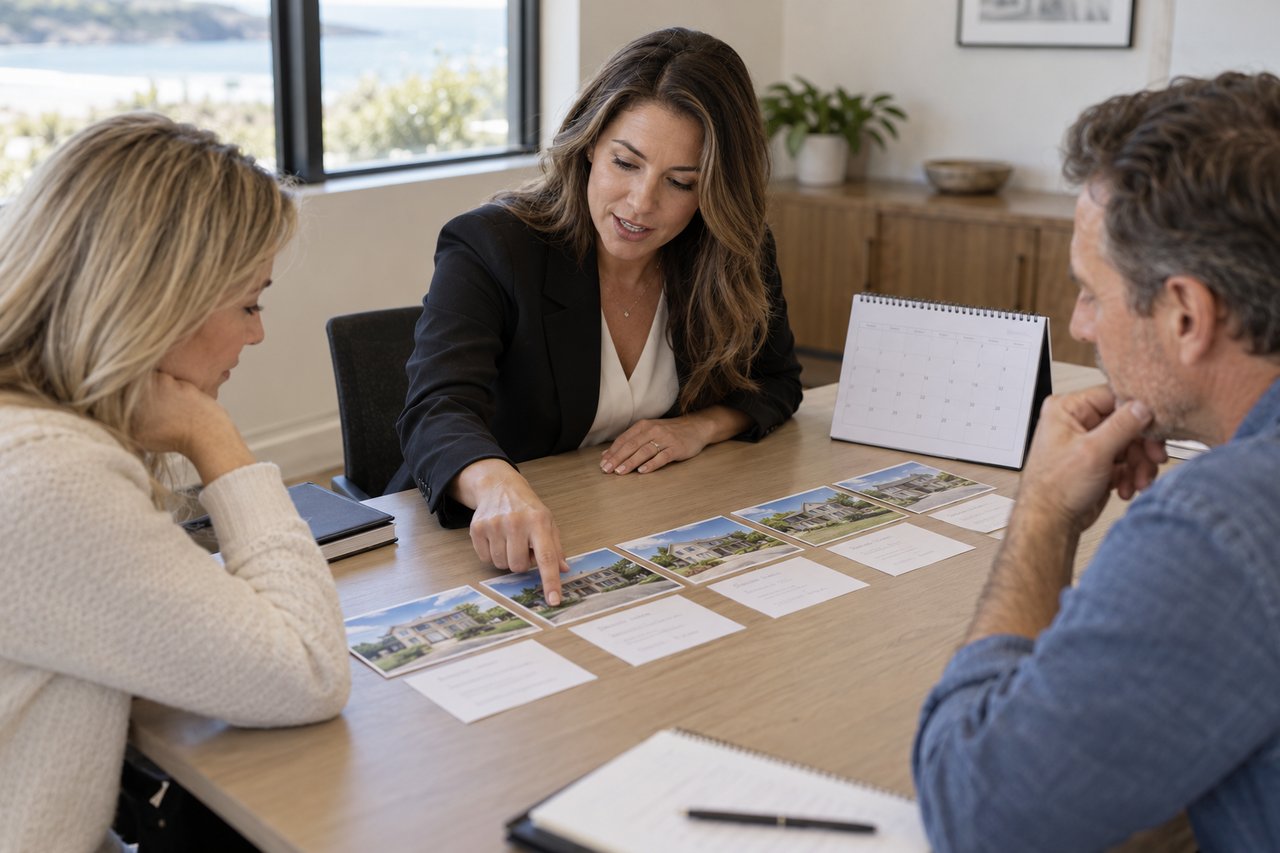
Use days on market with price changes, property condition and local competition before deciding how much negotiating room exists.
Amber Johnson | October 29, 2026
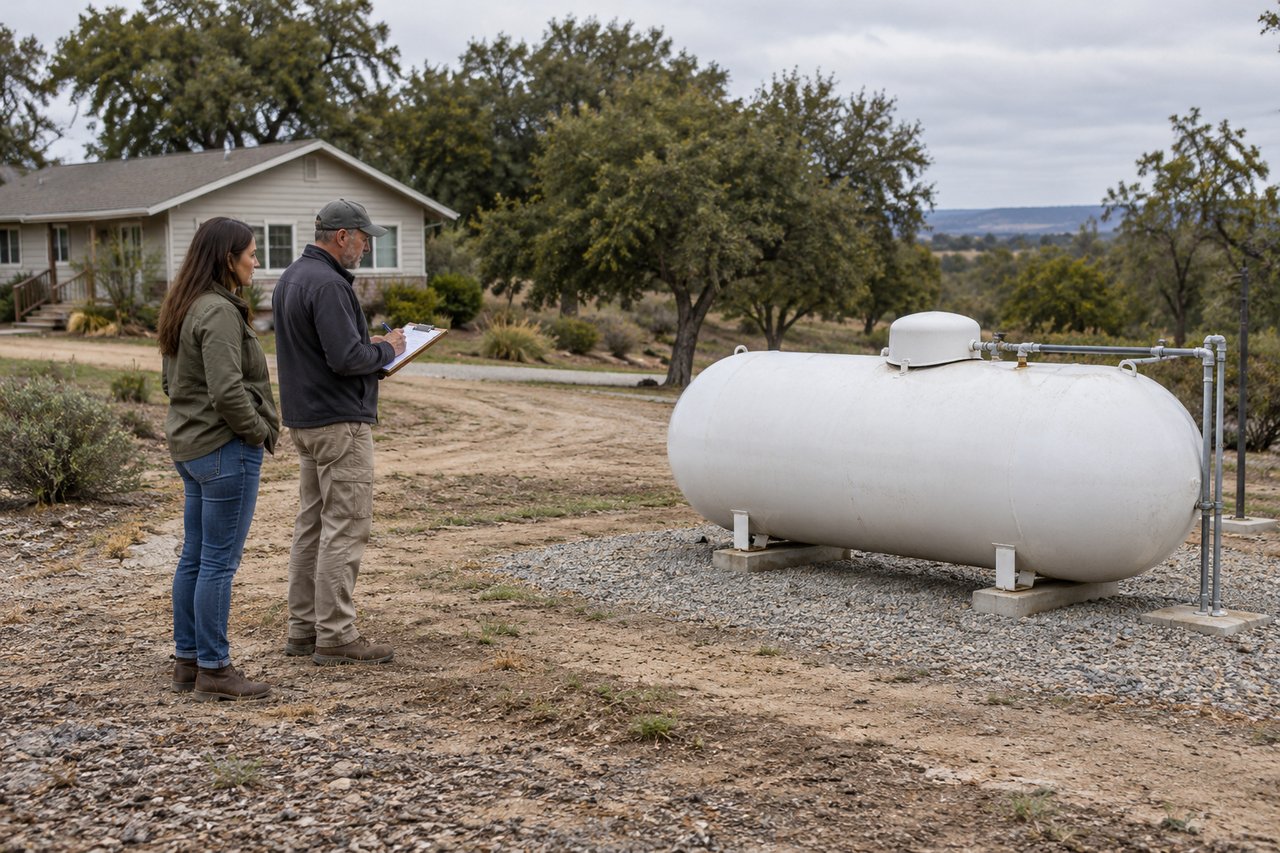
Confirm ownership, records, fuel access, tank condition and service history before relying on propane at the property.

Amber Johnson | October 29, 2026
Compare bay access, storage, weather, cleanup and weekday timing before making paddling part of your routine.

Amber Johnson | October 29, 2026
Test the route, schedule, lighting and daily errands from the exact homes and workplaces you are considering.
Amber Johnson | October 29, 2026
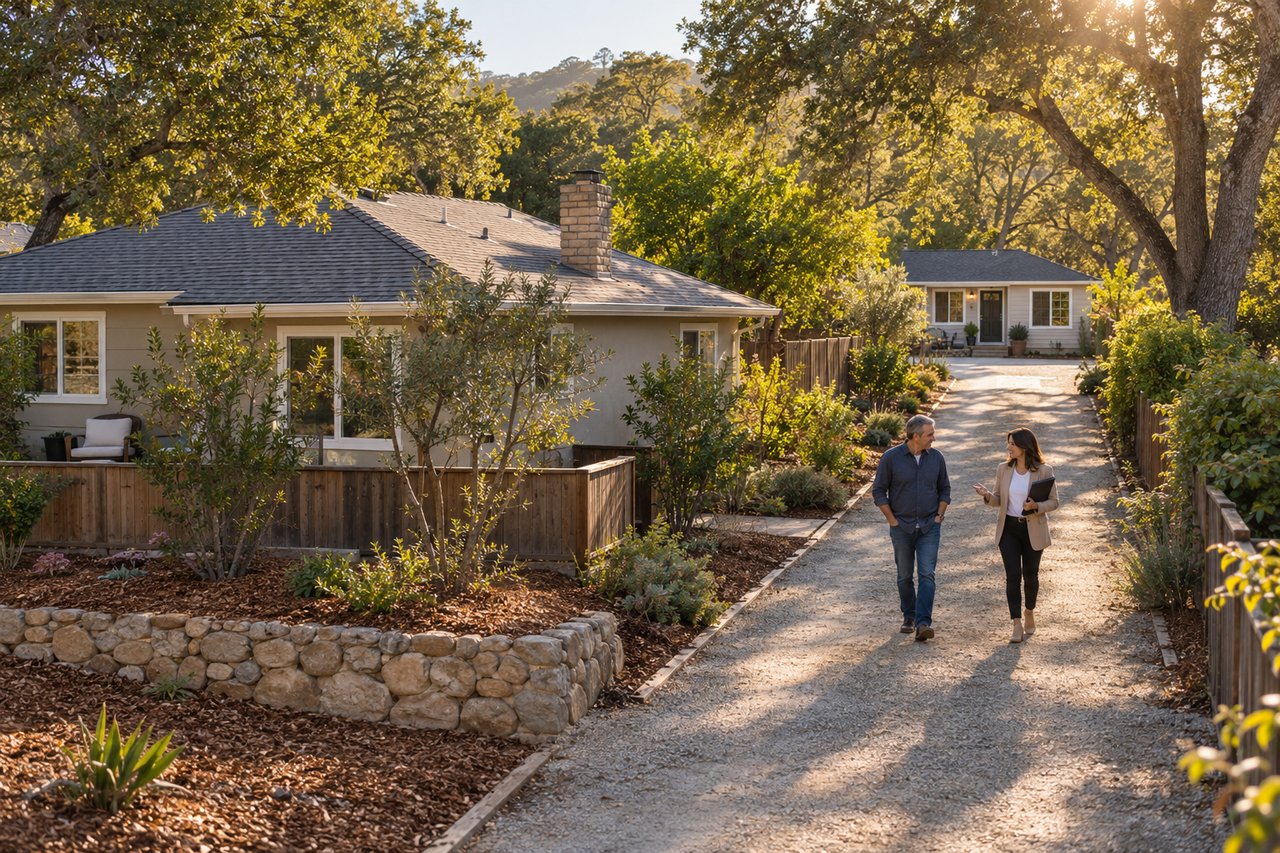
Lead with privacy and setting, then answer access, address visibility and driveway questions before buyers have to ask.
Amber Johnson | October 29, 2026
Show buyers how the space functions, improve access and frame realistic outdoor uses without overselling it.

Amber Johnson | October 28, 2026

Amber Johnson | October 28, 2026

Amber Johnson | October 26, 2026
You’ve got questions and we can’t wait to answer them.
Amber Johnson, Founder
Pillar Real Estate
805.835.3425
DRE# 01925434
1345 Park Street
Paso Robles, CA 93446