How to Sell a Home in SLO County When You Live Somewhere Else
November 27, 2026
November 27, 2026
How to Sell a Home in SLO County When You Live Somewhere Else
Selling a home is already a project.
Selling one when you live several hours away, in another part of California, or in another state can feel like a much bigger one.
Who checks the property?
Who meets the cleaner?
Who lets the photographer in?
What happens if landscaping needs attention?
Who coordinates inspections?
How do you know what the house actually looks like right now?
The good news is that you do not have to be physically present for every step of the sale.
You can sell a SLO County property from out of the area.
But having someone local who can manage the details matters.
Start With a Real Property Check-In
Before making decisions about repairs, preparation, pricing, or marketing, I want to understand what condition the property is actually in right now.
That is especially important when the owner does not live nearby.
Maybe the home has been vacant.
Maybe tenants recently moved out.
Maybe it belongs to a family member.
Maybe it is a second home that has not been used much lately.
Or maybe you simply have not seen it in several months.
The first step is getting an accurate picture of the property as it sits today.
I am looking at things like:
Once we understand the property, we can start building the plan.
Someone Needs to Coordinate the Vendors
This is one of the biggest challenges for out-of-area sellers.
Even a fairly simple preparation plan may involve several people.
That could include:
You should not have to drive back to SLO County every time someone needs access to the house.
A local agent can help keep those pieces moving and communicate what is happening along the way.
That does not mean the agent becomes the contractor or makes decisions on your behalf.
It means you have someone nearby helping coordinate access, timing, and communication so you are not trying to manage every detail from a distance.
Decide What Is Worth Doing Before Listing
Being out of the area can make sellers especially vulnerable to spending on the wrong things.
You may see an old photo of the kitchen and think it needs to be remodeled.
You may assume the entire interior needs paint.
You may think buyers expect certain upgrades.
But until we look at the home, the competition, and the likely buyer, we do not know whether those projects make sense.
The better questions are:
What actually needs attention?
What is mostly cosmetic?
What would buyers likely notice?
What could strengthen the property’s position?
And what should we leave alone?
Some homes benefit from preparation.
Others may be better sold with less work.
The goal is not to spend the most.
It is to make smart decisions based on the property and your goals.
Access Has to Be Managed
A home sale involves a lot of people coming and going.
Vendors.
Photographers.
Inspectors.
Appraisers.
Agents.
Buyers.
Possibly contractors.
If you do not live nearby, access needs to be organized carefully.
That can include coordinating lockbox access, appointment windows, vendor schedules, and showing availability.
The easier and more organized we make access, the smoother the process becomes.
And you should not have to fly in or drive several hours just because someone needs to get through the front door.
Inspections May Require Local Follow-Up
Depending on the property and the strategy, pre-listing inspections may make sense.
Or inspections may happen later once a buyer is under contract.
Either way, the inspection itself is only one part of the process.
If something comes up, someone may need to:
That is where local coordination becomes especially useful.
You can make the decisions from wherever you are.
You just need reliable information coming back to you.
Pricing Still Requires Local Market Knowledge
Being out of the area does not change how the home should be priced.
We still need to look at:
An online estimate can be a starting point, but it cannot tell you everything about how a specific property competes right now.
That is why local market context matters.
Marketing Can Be Handled Without You Being Here
Once the home is prepared and positioned, the marketing process can move forward even if you are not local.
That may include:
You do not have to be physically present for those pieces.
But you should still know what is being done, when it is happening, and how the property is being positioned.
Communication Becomes Even More Important
This is probably the biggest one.
You should not have to wonder what is happening simply because you are not in SLO County.
You should know:
What has been completed?
What is still pending?
What did the cleaner find?
Did the landscaping get handled?
Are the photos scheduled?
What feedback are buyers giving?
How many showings have there been?
What is happening with competing properties?
What is the next decision you need to make?
Selling remotely works much better when communication is proactive.
You should not have to chase down updates.
Remote Does Not Mean Hands-Off
Selling from another city or state does not mean you disappear from the process.
You are still making the important decisions.
You decide:
What work gets approved.
What price you accept.
How you respond to offers.
Whether to make repairs.
Whether to give credits.
Which terms matter most.
The difference is that you have someone local gathering information, coordinating details, and helping you make those decisions without needing to physically be at the property.
Out-of-Area Sales Are Common With Inherited Properties
This situation comes up often with inherited homes.
A family member may own a property in SLO County while living in Los Angeles, the Bay Area, another state, or somewhere else entirely.
In addition to the real estate itself, there may be furniture, personal belongings, deferred maintenance, and family decisions to work through.
That can feel like a lot.
The key is not trying to solve everything at once.
Start with the property.
Understand its condition.
Decide what actually needs to happen.
Then move through the process step by step.
It Also Applies to Second Homes and Investment Properties
You do not have to inherit a property to be an out-of-area seller.
You may own:
The same basic principles apply.
Get accurate information about the home.
Build the preparation plan.
Coordinate what needs to happen locally.
Create the marketing.
Keep communication clear.
Then manage the transaction through closing.
You Can Sell From Out of the Area
You do not need to move back temporarily.
You do not need to make constant trips.
You do not need to coordinate every vendor personally.
And you do not need to guess what is happening at the property.
The key is having someone local who can manage the pieces that require a local presence and keep you informed about what comes next.
Selling a SLO County Property From Somewhere Else?
If you own a home in Paso Robles, Atascadero, Templeton, San Miguel, San Luis Obispo, along the coast, or elsewhere in San Luis Obispo County and you live outside the area, we can still build a clear selling plan.
I can start with a property check-in, help identify what needs attention, coordinate local access and vendors, and keep you updated throughout the preparation and selling process.
You can make the decisions from wherever you are.
I will help manage what needs to happen here.
Amber Johnson
Founder
Pillar Real Estate
805.835.3425
[email protected]
1345 Park St. Paso Robles, CA 93446
DRE# 01925434
Amber Johnson | November 28, 2026
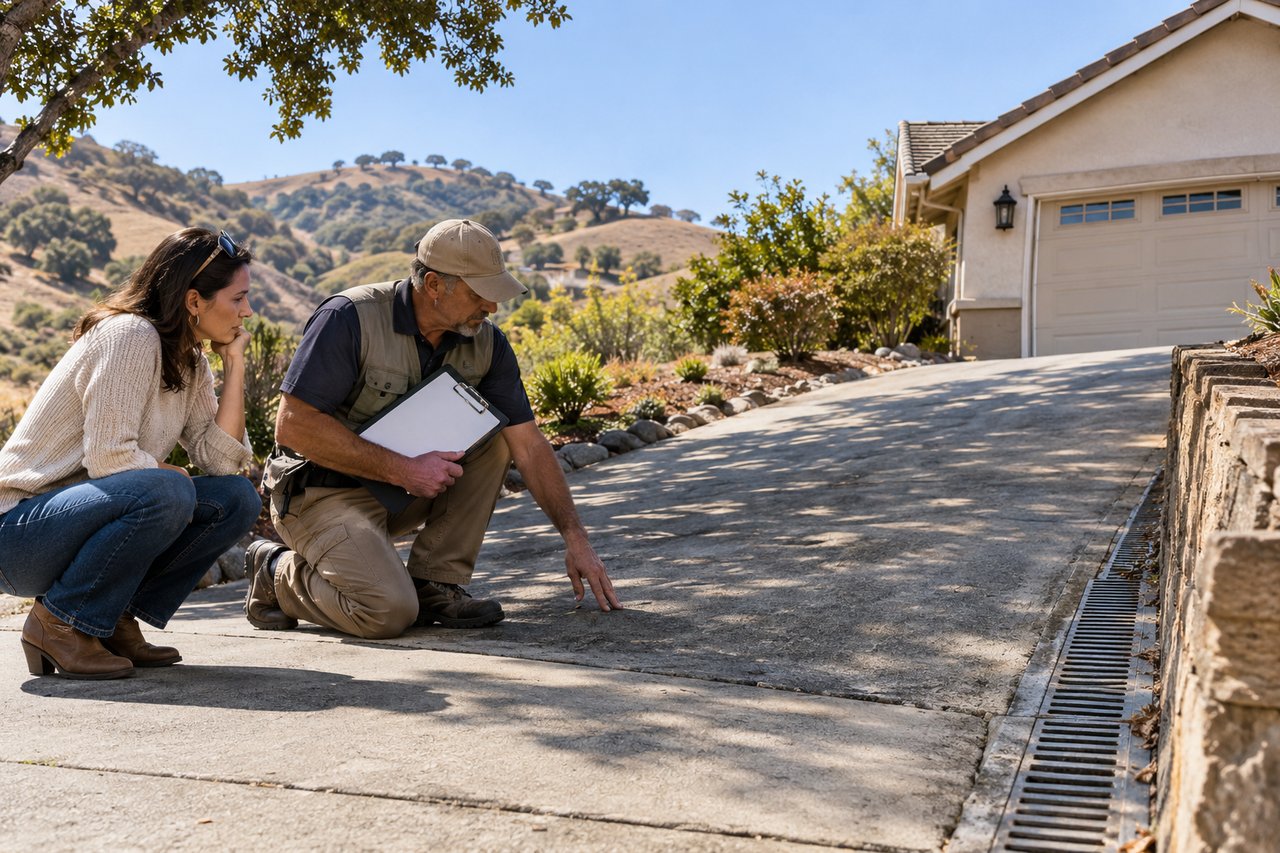
Consider access, drainage and everyday vehicle use before deciding the slope works.

Amber Johnson | November 27, 2026
Think about access, seasonality and the routine you would actually keep.
Amber Johnson | November 27, 2026
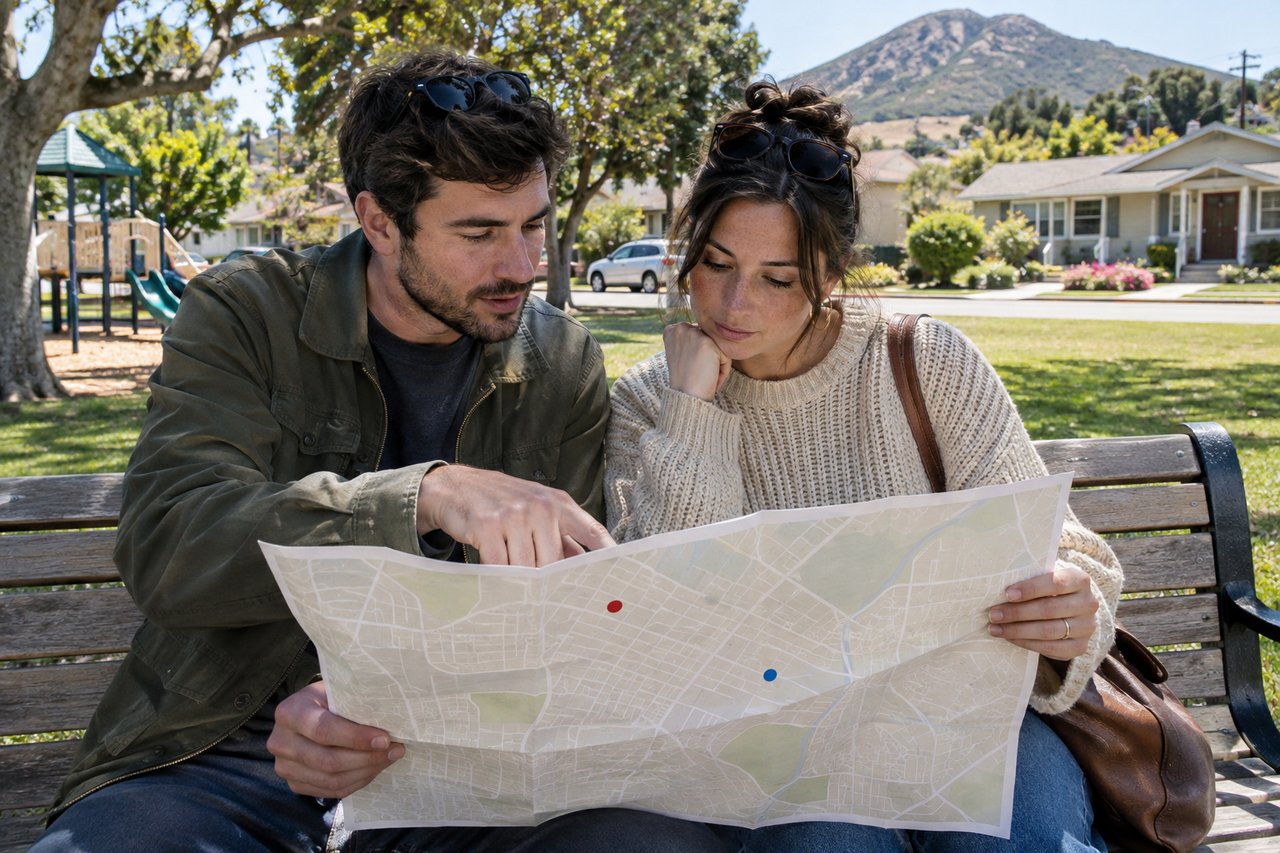
Compare the surrounding streets and daily routines, not just the park names.
Amber Johnson | November 27, 2026
Amber Johnson | November 27, 2026
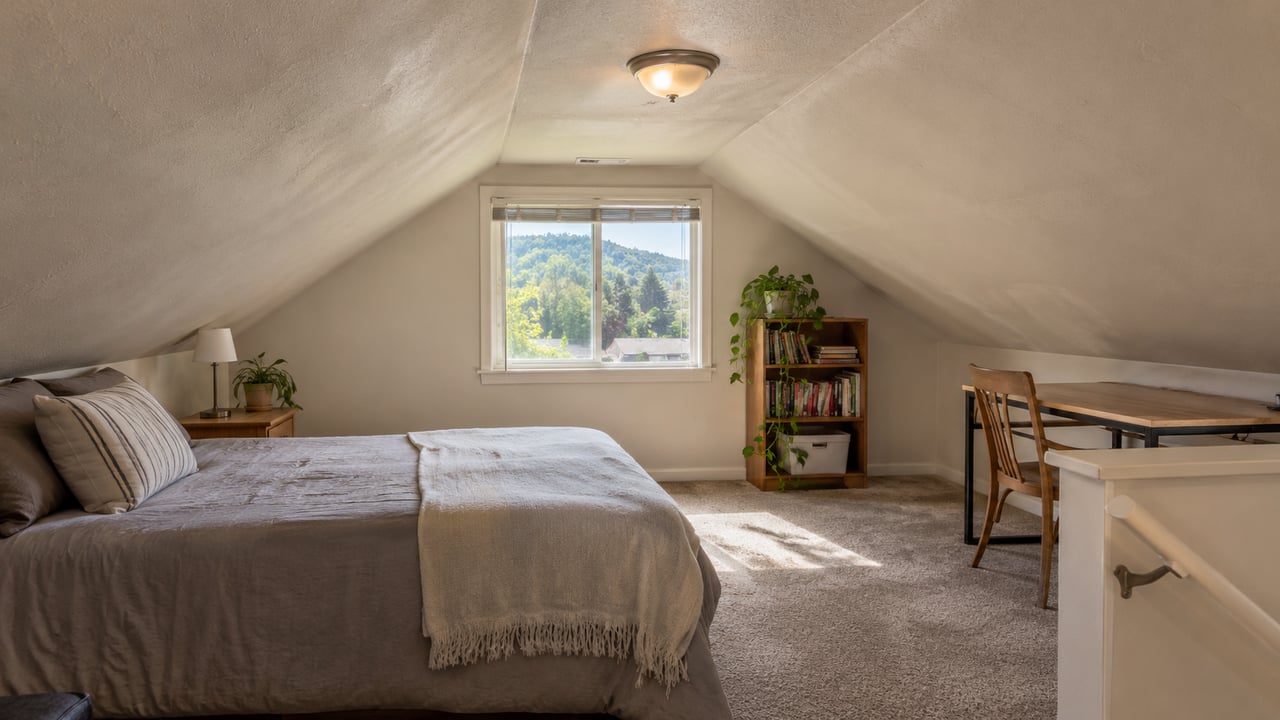
Show the space accurately and verify how it may be described before listing.

Amber Johnson | November 27, 2026
Test the actual routes between a home, shops and the places you visit most.
Amber Johnson | November 27, 2026
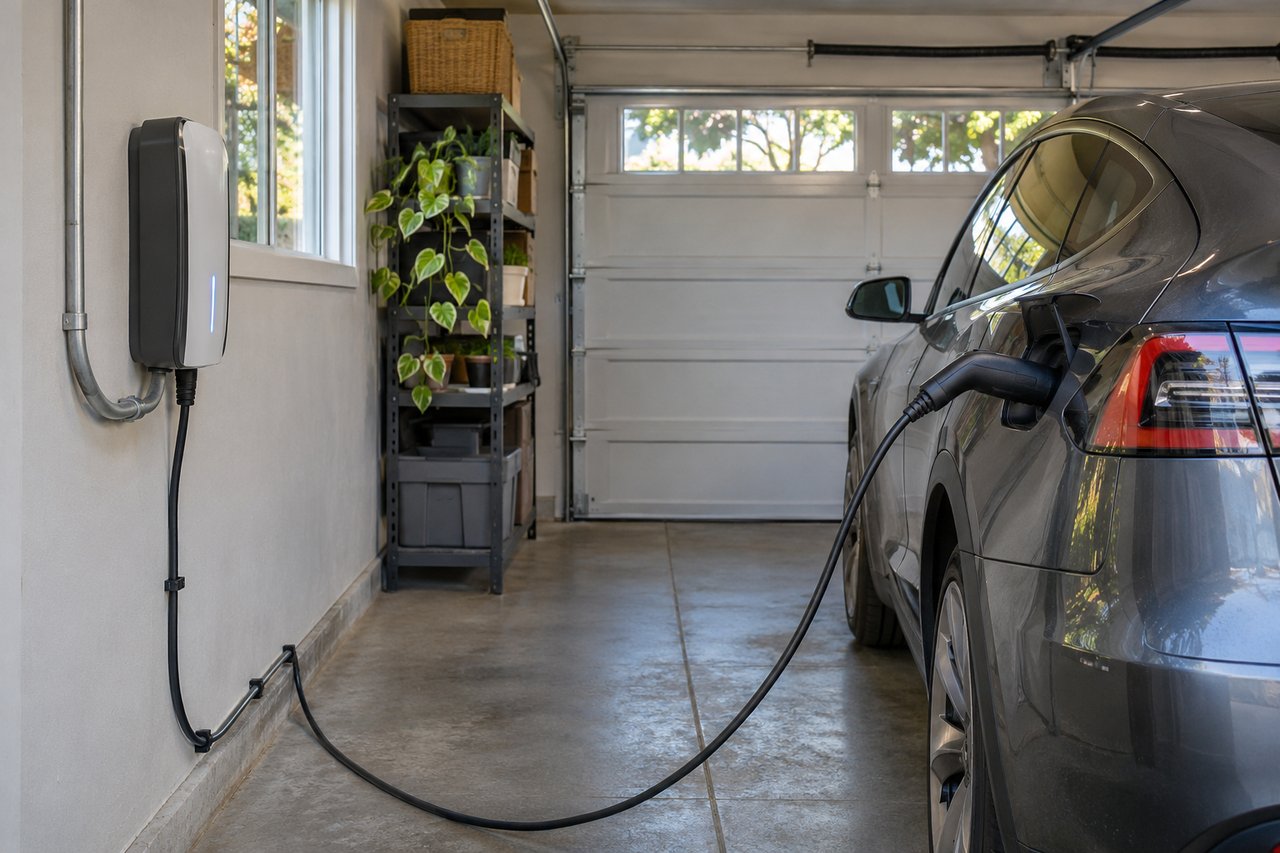
Document the charger accurately and show how the setup works for a buyer.
Amber Johnson | November 27, 2026
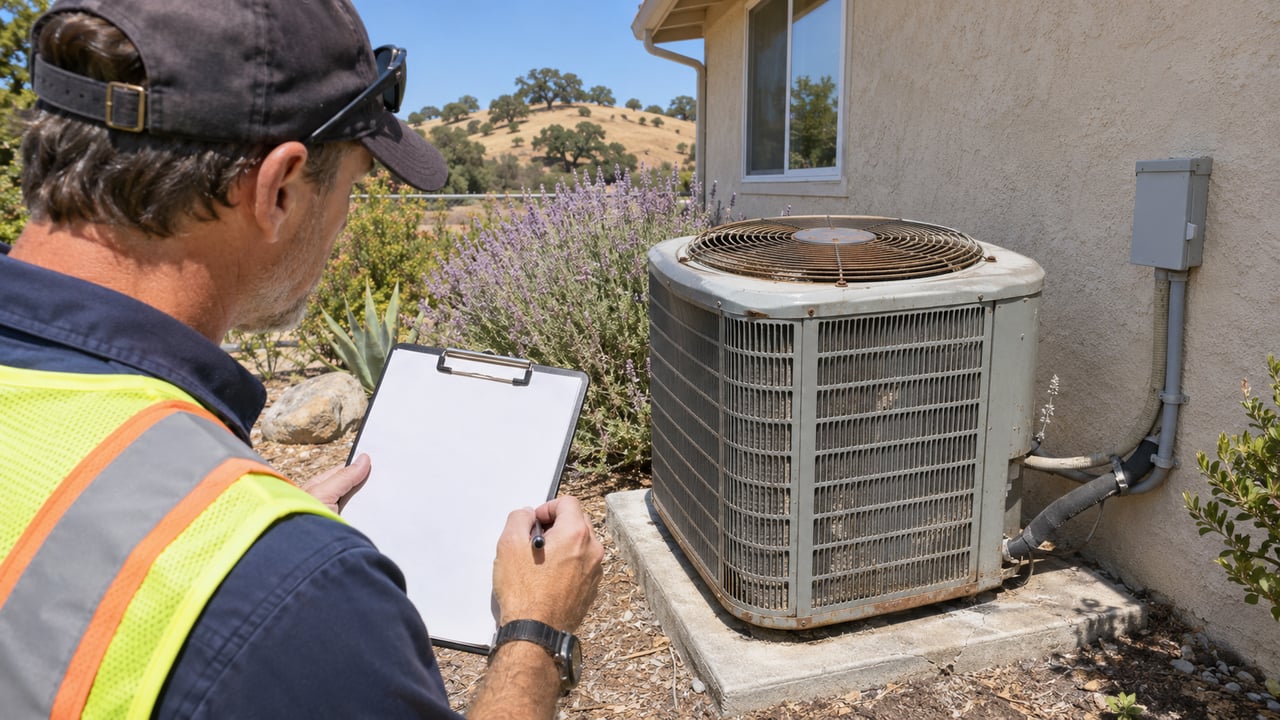
Review the unit, service history and inspection findings before planning for future costs.
Amber Johnson | November 26, 2026
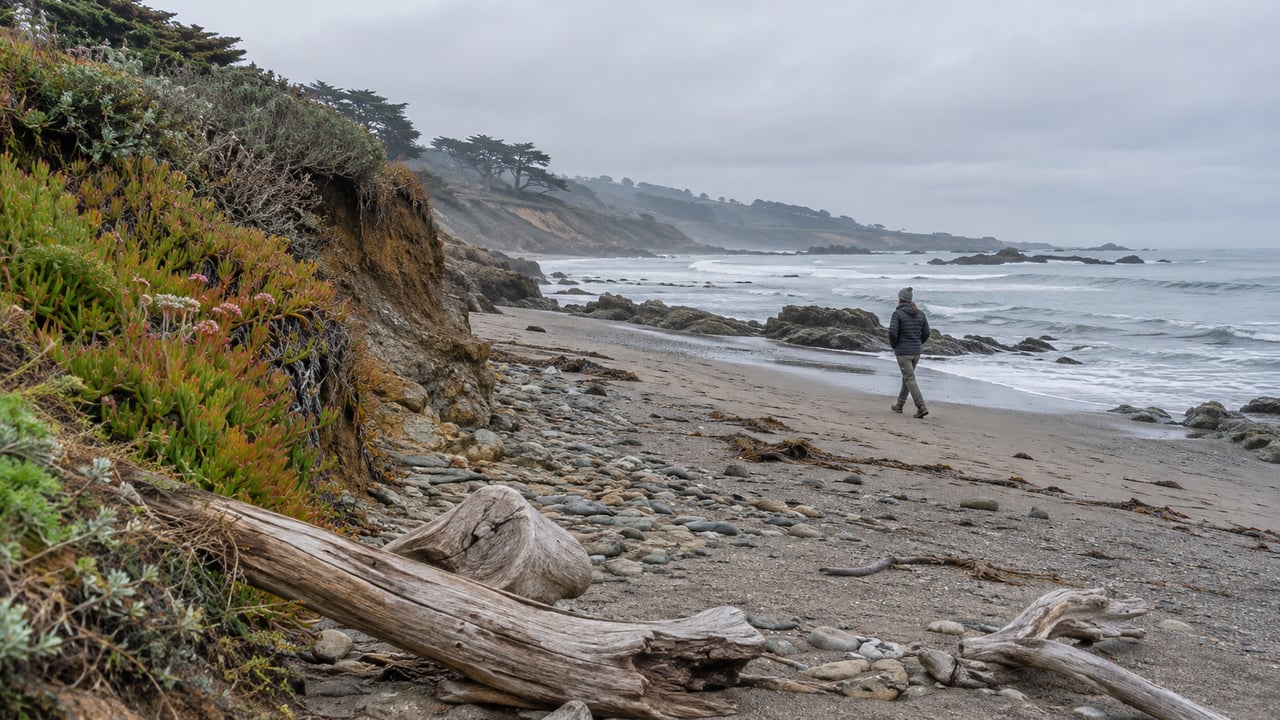
Look at where you would live, when you would walk and what access feels realistic.
You’ve got questions and we can’t wait to answer them.
Amber Johnson, Founder
Pillar Real Estate
805.835.3425
DRE# 01925434
1345 Park Street
Paso Robles, CA 93446