Why Today’s Mortgage Debt Isn’t a Sign of a Housing Market Crash
November 25, 2024

November 25, 2024
One major reason why we’re not heading toward a foreclosure crisis is the high level of equity homeowners have today. Unlike in the last housing bubble, where many homeowners owed more than their homes were worth, today’s homeowners have far more equity than debt.
That’s a big part of the reason why even though mortgage debt is at an all-time high, this isn’t 2008 all over again. As Bill McBride, Housing Analyst for Calculated Risk, explains:
“With the recent house price increases, some people are worried about a new housing bubble – but mortgage debt isn’t a concern . . .”
Today’s homeowners are in a much stronger position than ever before. So, let’s break it down and see why today’s mortgage debt isn’t anything to fear.
According to the St. Louis Fed, total homeowner equity is nearly triple the total mortgage debt today (see graph below):
High equity makes it less likely for homeowners to face foreclosure because they have more options. If someone struggles to make their mortgage payments, they could potentially sell their house and still come out ahead thanks to their built-up equity.
Even if home values were to dip, most homeowners would still have a comfortable cushion of equity. That’s a big contrast to the 2008 crisis, where many homeowners were underwater on their mortgages and had few options to avoid foreclosure.
Another reassuring sign is that, according to the NY Fed, the number of mortgage payments that are more than 90 days late is still near historic lows (see graph below):
This is partly due to a variety of programs designed to help homeowners through temporary hardships. As Marina Walsh, VP of Industry Analysis at the Mortgage Bankers Association (MBA), says:
“. . . servicers are helping at-risk homeowners avoid foreclosures through loan workout options that can mitigate temporary distress.”
So, even if someone falls behind on their payments, there are support systems in place to help them avoid foreclosure.
One other important factor is today’s low unemployment rate. More people have stable jobs, which means they’re better able to afford their mortgage payments. As Archana Pradhan, Principal Economist at CoreLogic, explains:
“Low unemployment numbers have helped reduce the overall delinquency rate . . .”
During the last housing crisis, unemployment was much higher, which led to a wave of foreclosures. Today’s unemployment rate is very different (see graph below):
That stability in how many people are employed is one of the reasons the market doesn’t have the same risks as it did the last time.
There’s no need to worry about a wave of distressed sales like the one we saw in 2008. Most homeowners today are employed and have low-interest mortgages they can afford, so they’re able to make their payments. As McBride states:
“The bottom line is there will not be a huge wave of distressed sales as happened following the housing bubble.”
While mortgage debt is high, rest assured the market isn’t on the brink of another crash. Instead, most homeowners are in a strong position. If you have questions or concerns, connect with a local real estate agent.
Amber Johnson | November 10, 2026
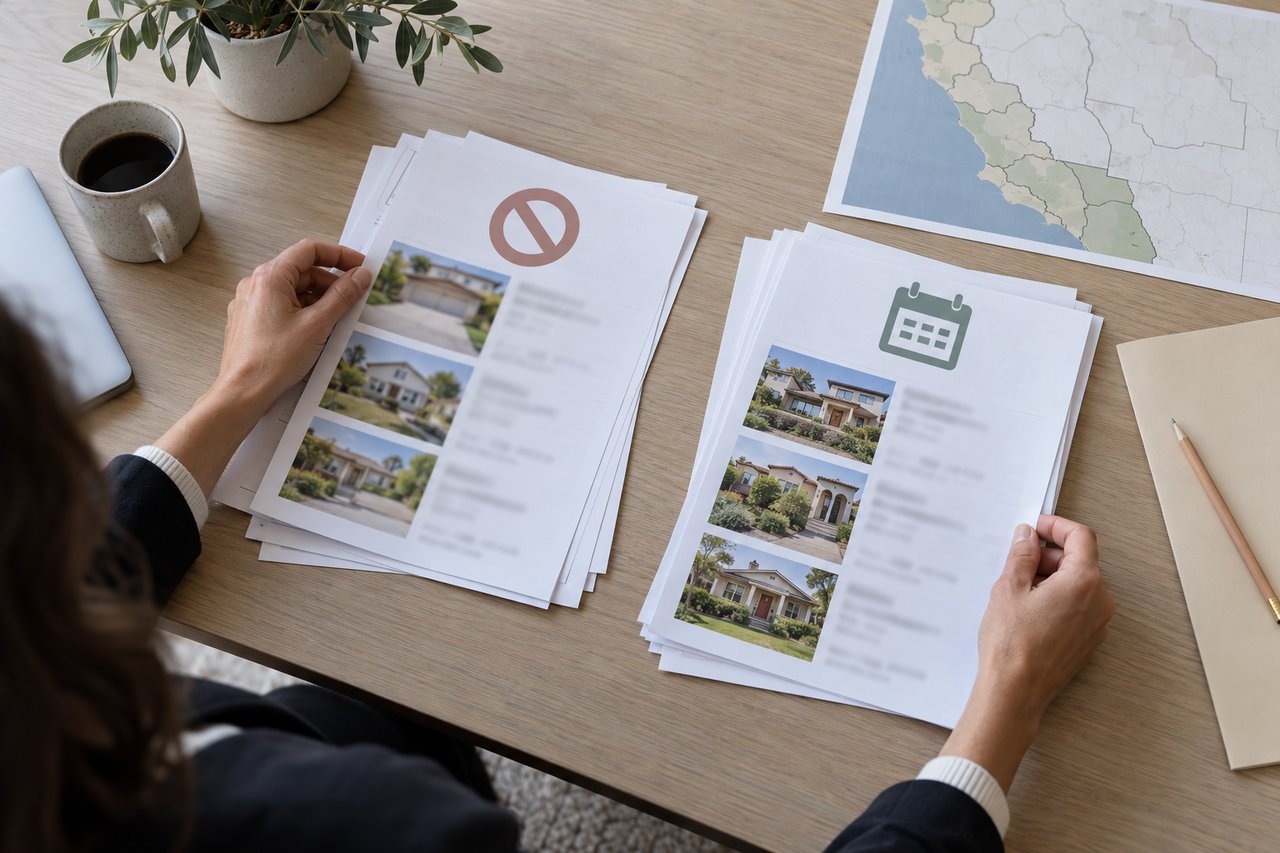
Learn what each listing outcome may mean, what it leaves unanswered and how price range, location and timing affect the comparison.

Amber Johnson | November 9, 2026

Amber Johnson | November 9, 2026
Review inspection findings, service records, capacity, access and local requirements before relying on the system.

Amber Johnson | November 8, 2026
Compare access, timing, seasonal conditions and home-to-trail logistics before building regular birdwatching into life in Los Osos.
Amber Johnson | November 8, 2026
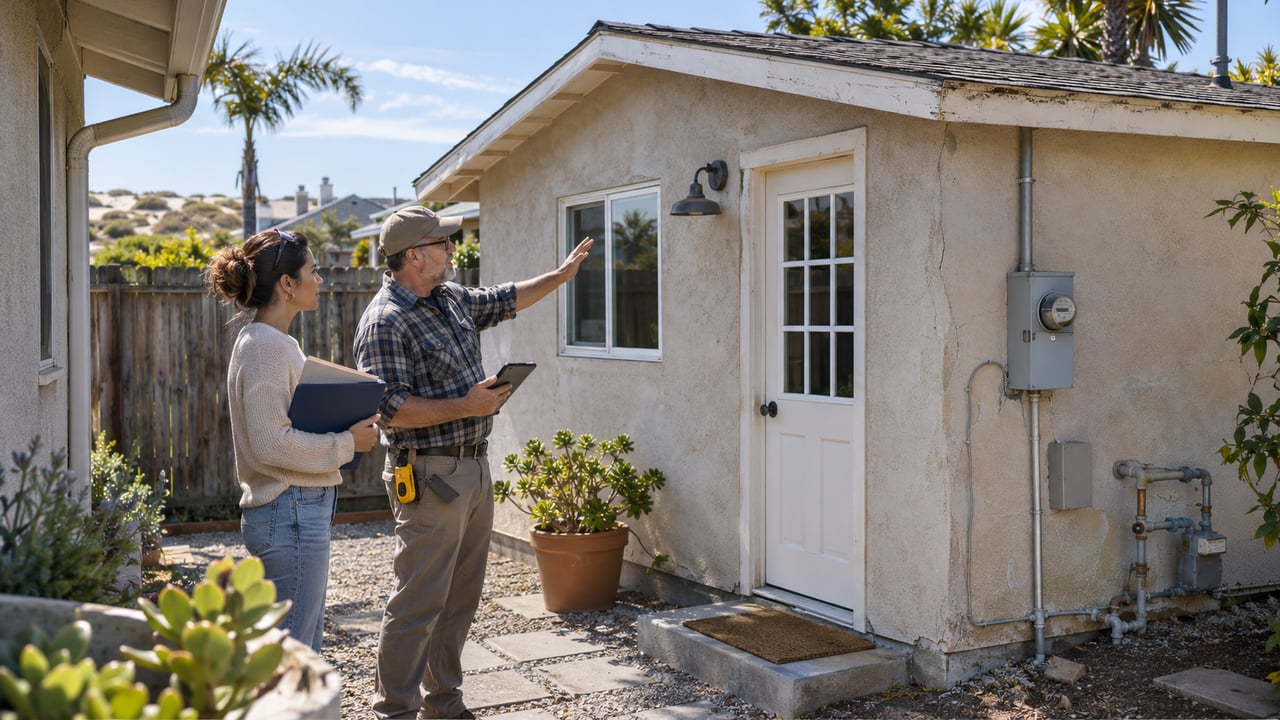
Verify the separate structure's records, condition and permitted use before counting on it.
Amber Johnson | November 7, 2026
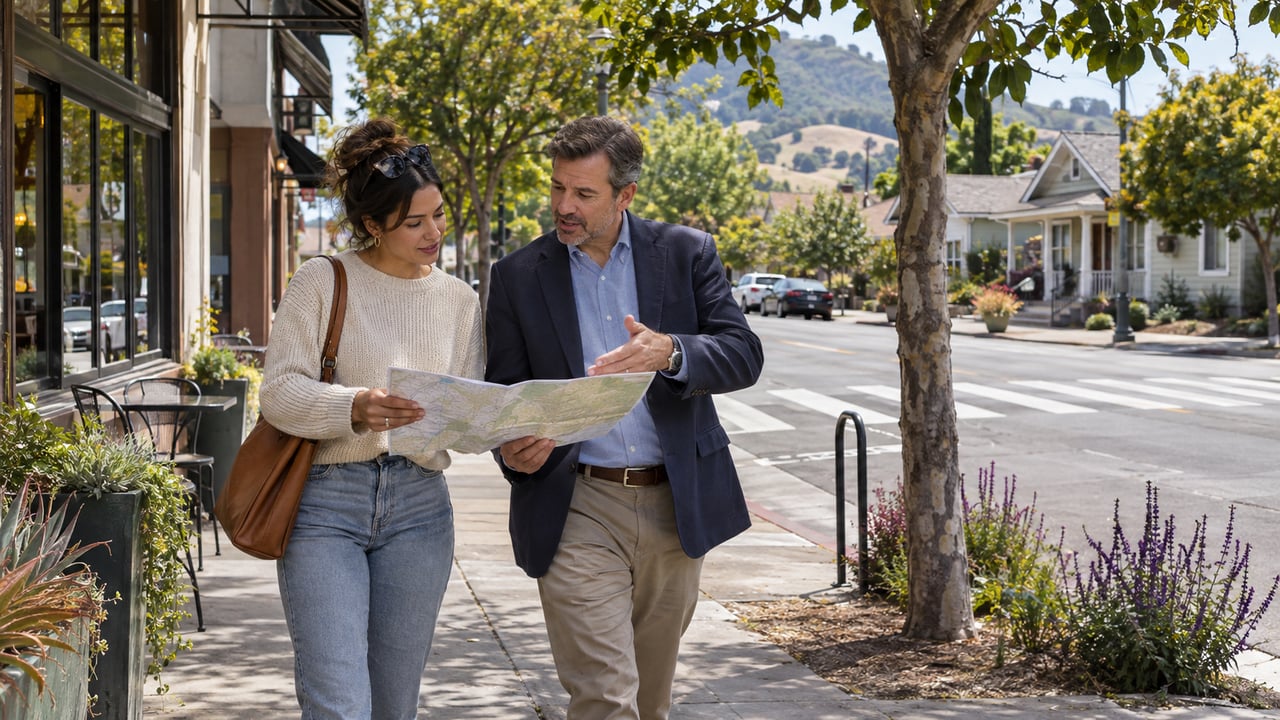
Compare specific homes by their street setting, daily routes and access to the places you use.

Amber Johnson | November 7, 2026
Test school logistics, activities and daily routes from the specific home you are considering.

Amber Johnson | November 7, 2026
Amber Johnson | November 7, 2026
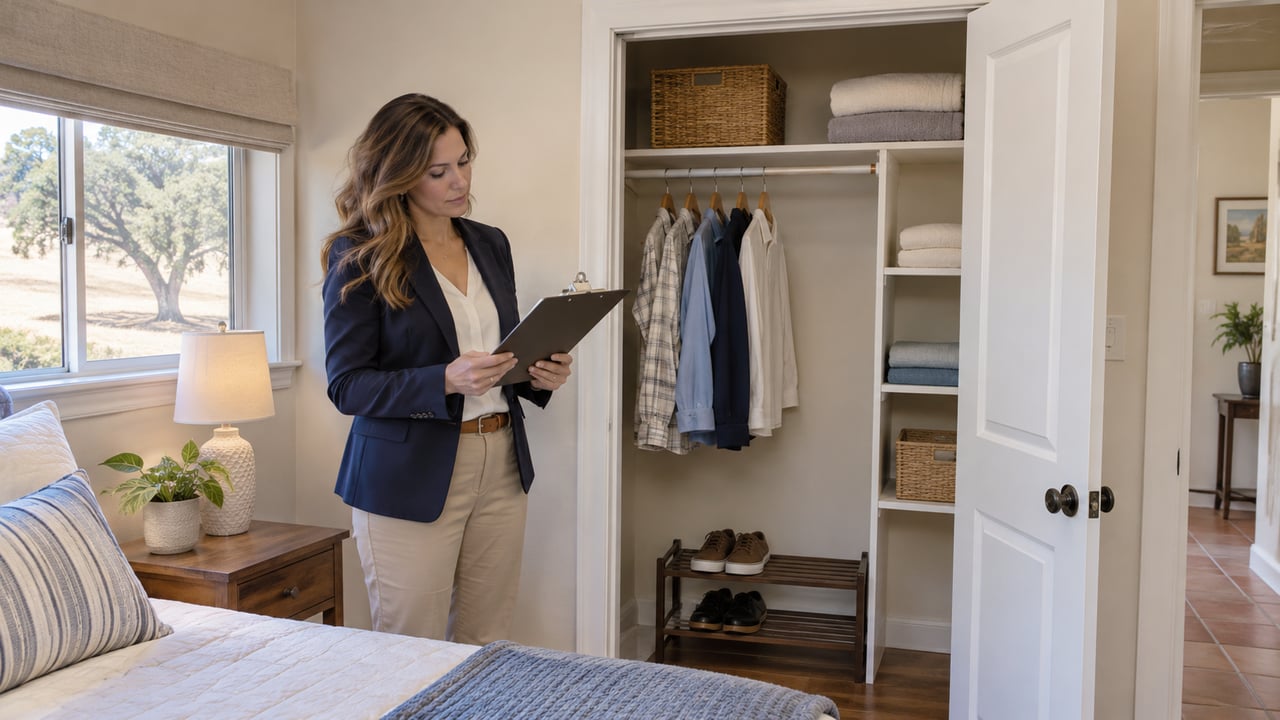
Show usable storage honestly and help buyers see how the home's layout fits daily life.
You’ve got questions and we can’t wait to answer them.

Amber Johnson, Founder
Pillar Real Estate
805.835.3425
DRE# 01925434
1345 Park Street
Paso Robles, CA 93446


