What Should Buyers Check Before Buying a Home on a Busy Street in San Luis Obispo?
October 6, 2026
October 6, 2026
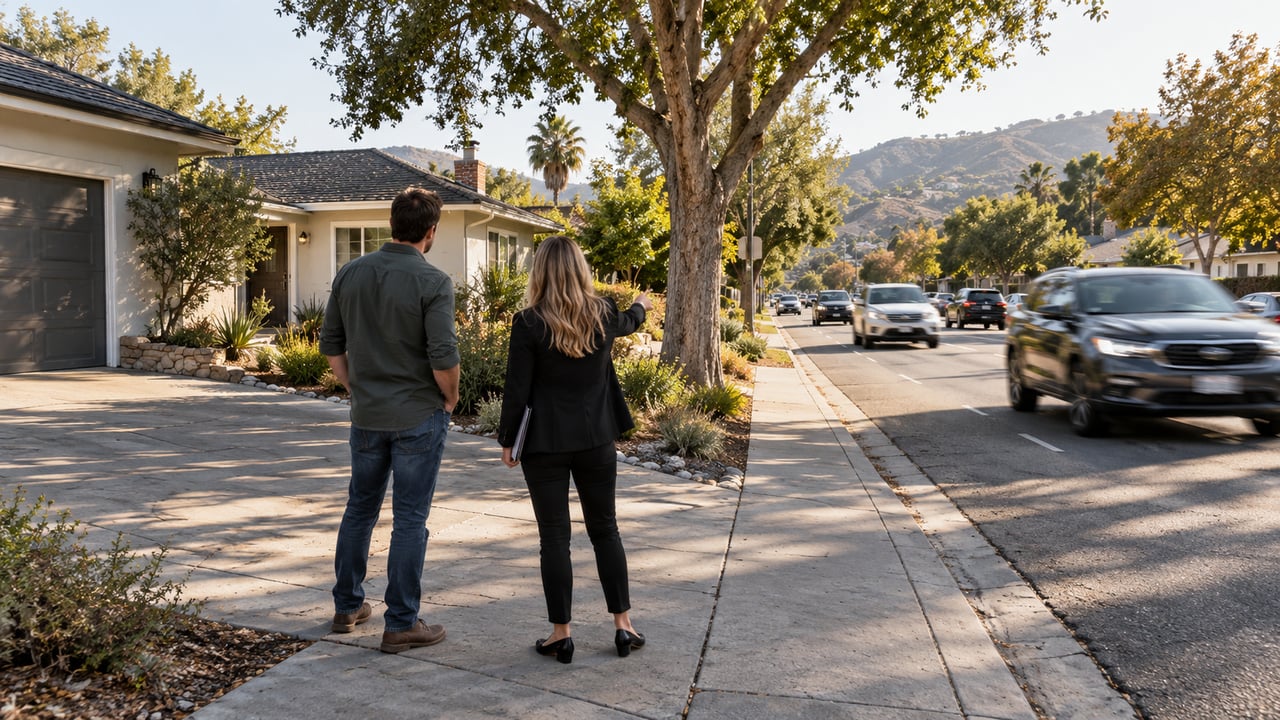
A home on a busy San Luis Obispo street can be a good fit, but buyers should test how the street affects the property before making an offer. Check the sound inside and outside, the safety and ease of entering the driveway, parking, pedestrian activity, condition, and how the location may affect future resale. A short showing in a quiet moment is not enough to answer those questions.
Some buyers are comfortable with activity when the home, price, and location work well. Others need more quiet or easier vehicle access. The right answer depends on your daily routine, not on a rule that every busy street is bad or that an attractive interior makes traffic irrelevant.
Here’s the thing. You are buying both the house and the way it meets the street. Spend time at the property when the street is working the way it normally does. Then compare that experience with other homes you could buy, not just with the listing photos.
Start with a weekday morning, a late afternoon, and a weekend visit if access is possible. Traffic patterns can change dramatically. A street that seems calm during a midday showing may carry commuters at the time you would be backing out. A road that feels active on a Saturday may be quieter when you work from home.
Stand in the front yard and on the sidewalk. Listen from the living room, a bedroom, and the backyard. If you are considering a home near an intersection, observe stopping, acceleration, turning, and whether vehicles queue nearby. Pay attention to delivery vehicles and pedestrians as well as cars.
Bring your actual schedule to the visit. When would you sleep, work, take a call, use the yard, or arrive home? What is tolerable during a short tour may feel different every day. Write down what you notice so you can compare homes fairly.
A driveway is useful only if you can enter and leave it comfortably. Look at sight lines in both directions from the point where a driver would stop. Are parked cars, landscaping, a curve, or a grade blocking the view? Does a vehicle have room to turn around on the property, or would you routinely back into moving traffic?
Notice how other drivers behave. The posted limit is not a substitute for observing actual movement. If the driveway is close to an intersection, consider turning movements and how often gaps appear. Bring the vehicle you normally drive if practical; a compact car and a larger SUV can feel very different in a narrow approach.
Do not rely on an agent's informal assurance that an access arrangement is safe or permitted. If a proposed change to a driveway or curb would be important to your purchase, verify it with the appropriate city, contractor, and other professionals during due diligence. The fact that an improvement looks simple does not establish that it can be made.
Look beyond the number of spaces mentioned in the listing. Measure how the garage and driveway function with the household's vehicles. Can one person leave without moving another car? Is there room for guests? Is curb parking available when you would need it, or is it often occupied?
Read posted restrictions and verify local rules if on-street parking is important. Consider how trash collection, deliveries, and school or event activity may affect the curb. If you have children or frequently carry groceries, note the distance and route between your vehicle and the front door.
A property with adequate off-street parking may handle a busy road more comfortably. A home that depends on curb space may require a closer look. Use the actual layout, not an assumption based on what appears in one photograph.
Road noise is personal. During a showing, spend a few quiet minutes in the rooms you would use most. Close the windows, then open them if appropriate. Turn off music or television. Listen for engines, tire noise, braking, horns, and the repeated rhythm of passing vehicles. The home may buffer sound well in one room and poorly in another.
Ask about window condition, insulation, and any sound-related improvements, but verify the work and its effect. A new window may help with indoor comfort, yet it does not change the front porch or yard. If quiet outdoor time is a priority, sit in the area you would actually use.
Think about a home office, infant's bedroom, or shift-work schedule if those apply. Do not let a lively open house hide the sound profile. Return for a calmer visit in which you can hear the building and street together.
Some San Luis Obispo streets support a walkable routine. That may be a real advantage, but it can also bring more people past a front window, driveway, or yard. Walk the block in both directions. Check crossings, curb cuts, lighting, and the separation between pedestrians and vehicles.
If you expect to walk to errands or activities, test the route rather than relying on a distance estimate. If you need privacy, notice whether landscaping, fencing, setbacks, or room placement create enough separation. Also consider how visitors approach the home and whether they can stop safely.
For a broader picture of the city, What Is It Like Living in San Luis Obispo, CA? can help frame the lifestyle decision. Apply those broad points to the precise property and block.
Every buyer should evaluate condition. On an active street, pay special attention to doors, windows, seals, exterior surfaces, fencing, drainage, and the usable outdoor areas. Some conditions may have nothing to do with traffic, so avoid assigning a cause without evidence. A qualified inspector can identify defects and recommend further evaluation where needed.
Check whether the windows operate as expected and whether rooms have adequate ventilation for the way you would use them. Examine the yard and entry areas for privacy, maintenance, and practical access. Ask about past improvements and obtain documentation when a claim matters to your decision.
Read What Should I Expect During a Home Inspection in SLO County? before the investigation period. It is a useful starting point for separating a visual impression from a professional inspection.
Buyers sometimes see a busy street and immediately imagine a taller fence, new driveway, gate, or different landscaping. Those ideas deserve verification. Check property lines, easements, applicable rules, permits, and any visibility requirements with the appropriate sources. Do not buy on the assumption that a proposed change will be approved.
Review the preliminary title report and disclosures with your real estate and legal professionals as appropriate. A report can identify recorded matters that affect use, while a survey or agency review may be needed for a specific boundary or improvement question. What Is a Preliminary Title Report and Why Is It Important? explains why this document deserves attention.
If a modification is central to making the home livable for you, get qualified advice and estimates during the allowed investigation period. A vague plan to fix it later is a weak basis for a major purchase.
A busy street may influence what buyers are willing to pay, but there is no universal discount. The effect depends on the home, street, traffic pattern, access, condition, competing options, and the buyer pool at the time of sale. Look at relevant comparable sales and current listings with a local professional. Give the street its proper weight without ignoring a strong floor plan or location benefit.
Ask what you gain in exchange for the tradeoff. Does the property offer more space, a better layout, a useful neighborhood connection, or a price that gives you room to address a verified concern? Would you still choose it if another similarly priced home sat on a quieter block?
It depends on your situation. A buyer who is rarely home during peak activity may view the street differently from someone who works from a front-facing room. The price should make sense for your use and for the likely future buyer, not just for the excitement of winning a house.
One day you may need to sell. A feature that narrows the buyer pool for you may do the same then. Consider how you would explain the street honestly to a future buyer. Strong presentation and a clear pricing strategy can help, but marketing cannot move the home to a different road.
Look at how long comparable homes on active streets took to sell and what else differed. Do not treat one sale as a fixed rule for the entire city. The market can change, and the precise street conditions matter. If the home otherwise fits your goals, resale is one factor to plan for rather than an automatic reason to walk away.
The online presentation will matter when you eventually sell. What Makes Buyers Decide They Want to See One Home Instead of Another? discusses how buyers judge the complete package before a showing. A future listing should answer the street question with accurate photos and facts.
Before writing an offer, list your questions in order of importance. What level of sound is acceptable? Can you enter the driveway at your usual hour? Where will guests park? Does the home provide privacy where you need it? Which improvements, if any, would be necessary?
During the investigation period, return at relevant times and bring in appropriate inspectors or contractors. Review disclosures, title materials, and public rules. Ask for documents rather than relying on memory. If a question remains unresolved, understand the contract deadlines and your options before the time to investigate passes.
A good plan does not eliminate every uncertainty. It gives you enough reliable information to decide whether the tradeoff is one you can live with. That is the right strategy for any home, especially one where the street is a meaningful part of the decision.
It can make sense when the home meets your priorities, the street conditions have been tested at realistic times, the access and parking work, and the price reflects the complete property. You should be able to explain the tradeoff in plain language and feel comfortable with it after more than one visit.
If noise, safety, or access would keep you from using the home as you hoped, listen to that concern. An attractive kitchen or a short walk to a favorite destination may not compensate for an issue you will face every day. Compare alternatives while you still have a choice.
Amber Johnson and Pillar Real Estate help San Luis Obispo County buyers evaluate details that are easy to miss in listing photos. I want you to understand what you are buying from the curb to the back door, then make a decision that fits your life and long-term plans.
Considering a home on a busy street in San Luis Obispo? I can help you compare the property with other options, plan your investigation, and decide which tradeoffs make sense for your goals.
Amber Johnson
Founder, Pillar Real Estate
805.835.3425
[email protected]
1345 Park St. Paso Robles, CA 93446
DRE# 01925434
Website: https://pillarrealestate.com/
Amber
Amber Johnson | October 6, 2026
Review noise, driveway access, parking, pedestrian activity, home condition, and resale considerations before making an offer.
Amber Johnson | October 5, 2026
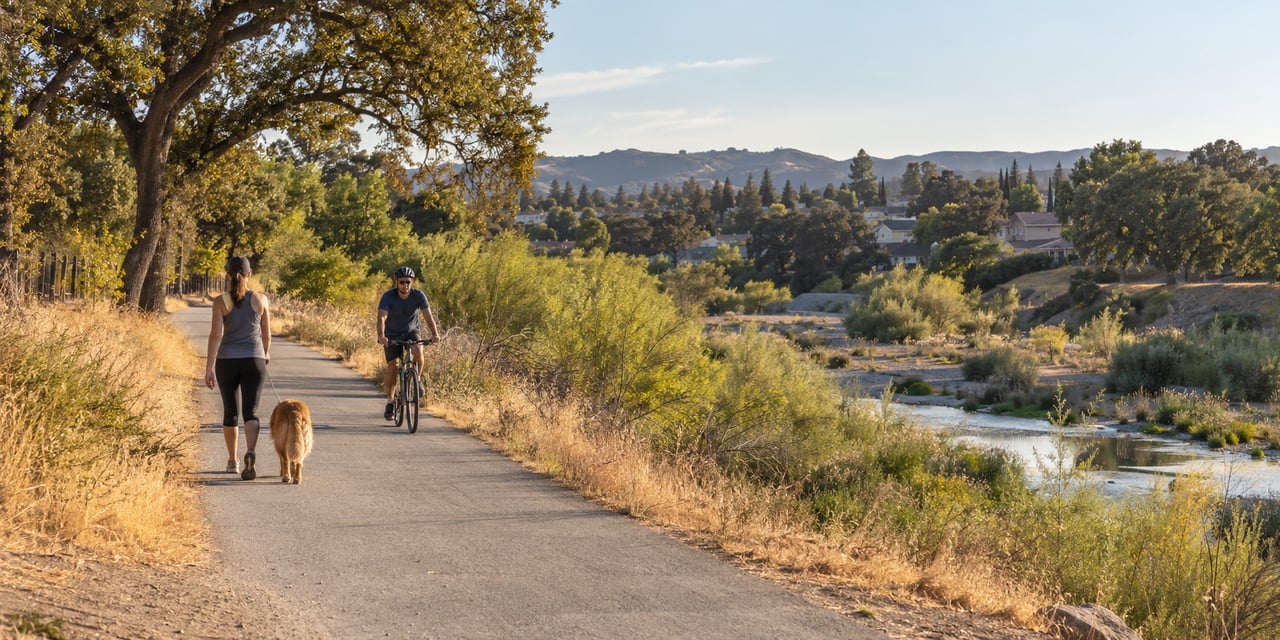
Consider trail access, seasonal conditions, nearby streets, recreation, and practical neighborhood routines.

Amber Johnson | October 5, 2026

Amber Johnson | October 5, 2026

Amber Johnson | October 5, 2026
Amber Johnson | October 5, 2026
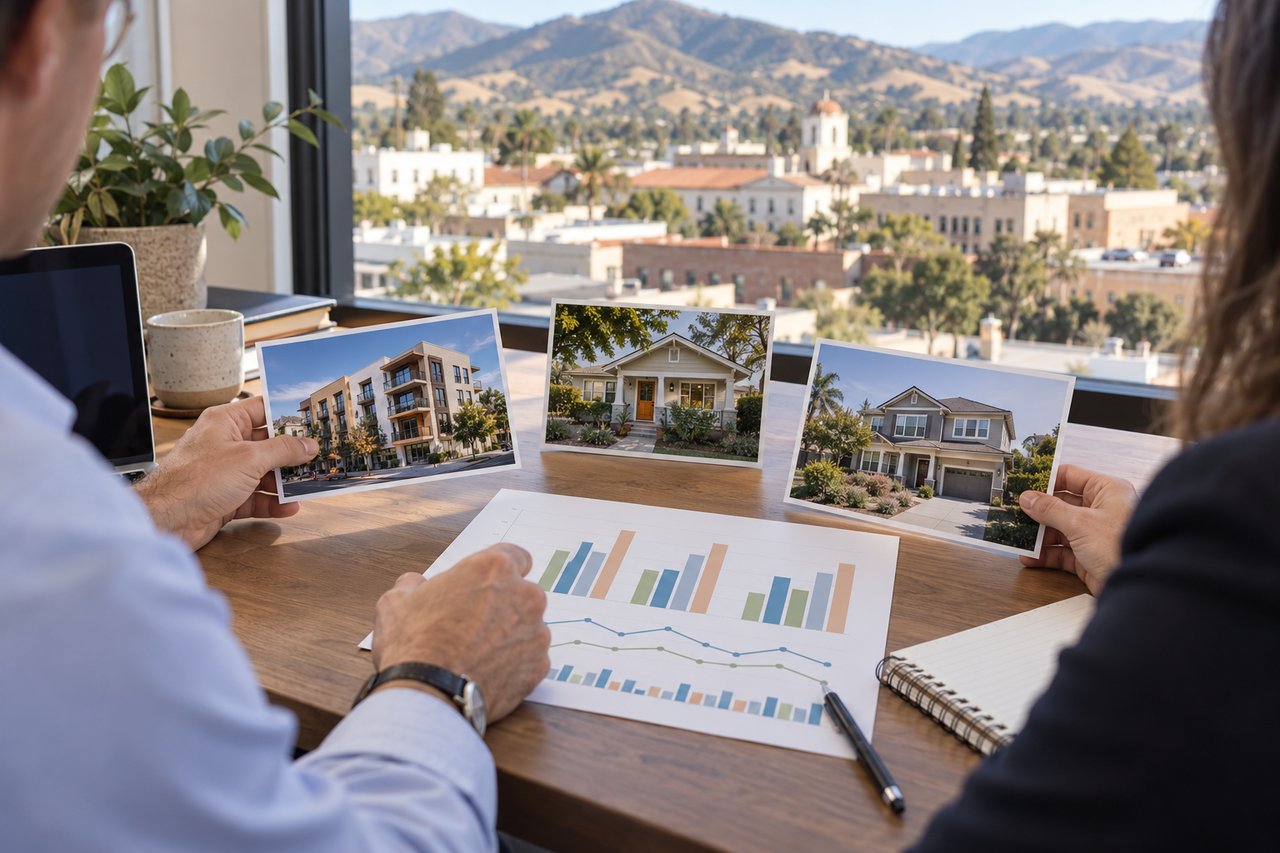
Learn why property type, size, condition, and neighborhood mix can shift local medians and averages.
Amber Johnson | October 4, 2026
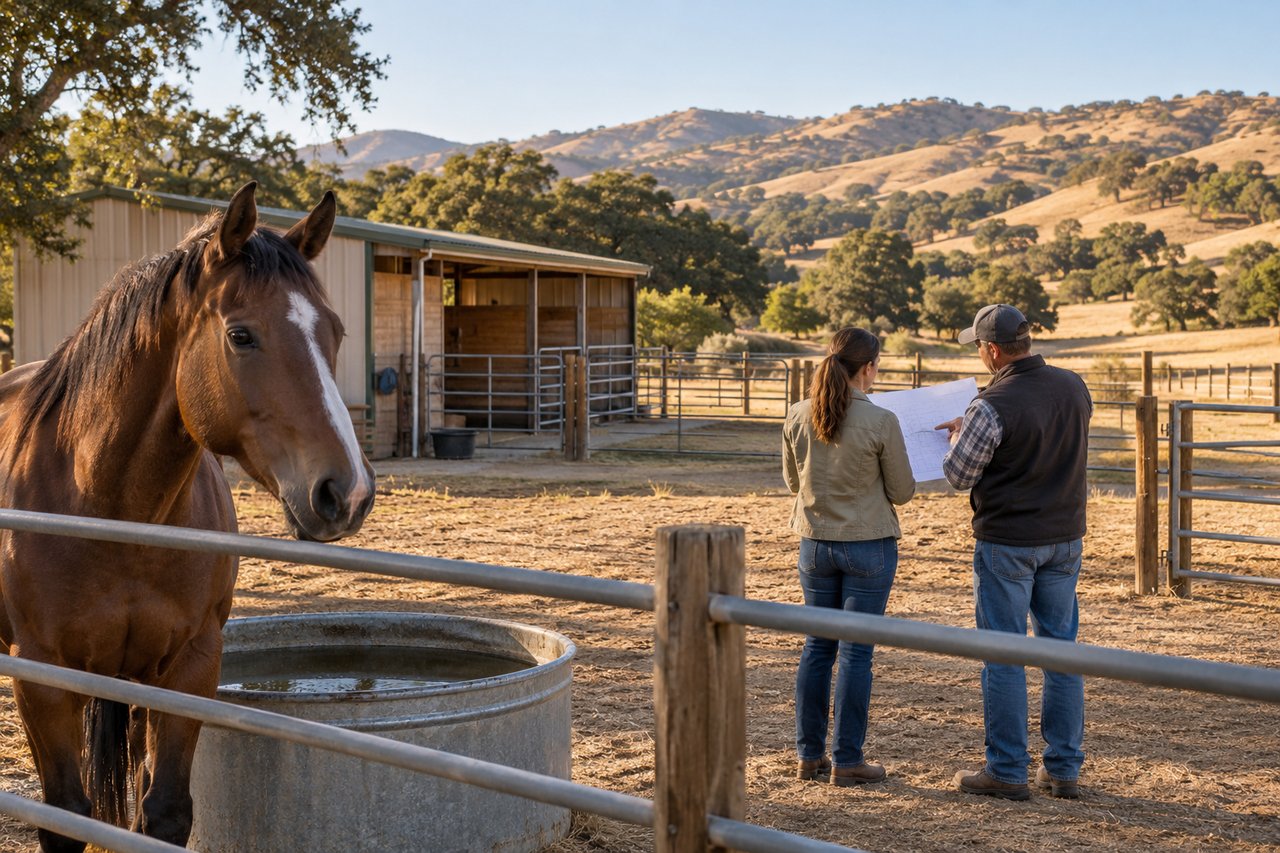
Review water, fencing, access, outbuildings, land use, and everyday upkeep before making an offer.
Amber Johnson | October 4, 2026
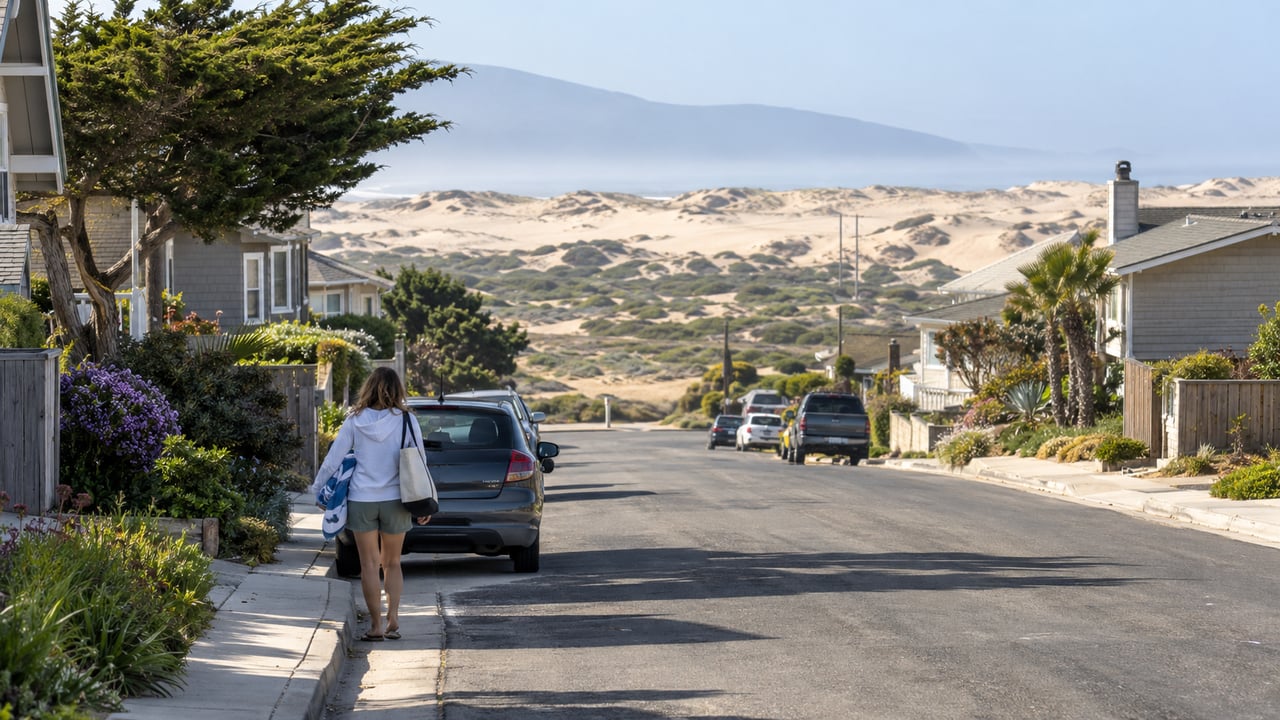
Consider coastal weather, recreation activity, neighborhood streets, sand, noise, and everyday errands before choosing a home.
Amber Johnson | October 4, 2026
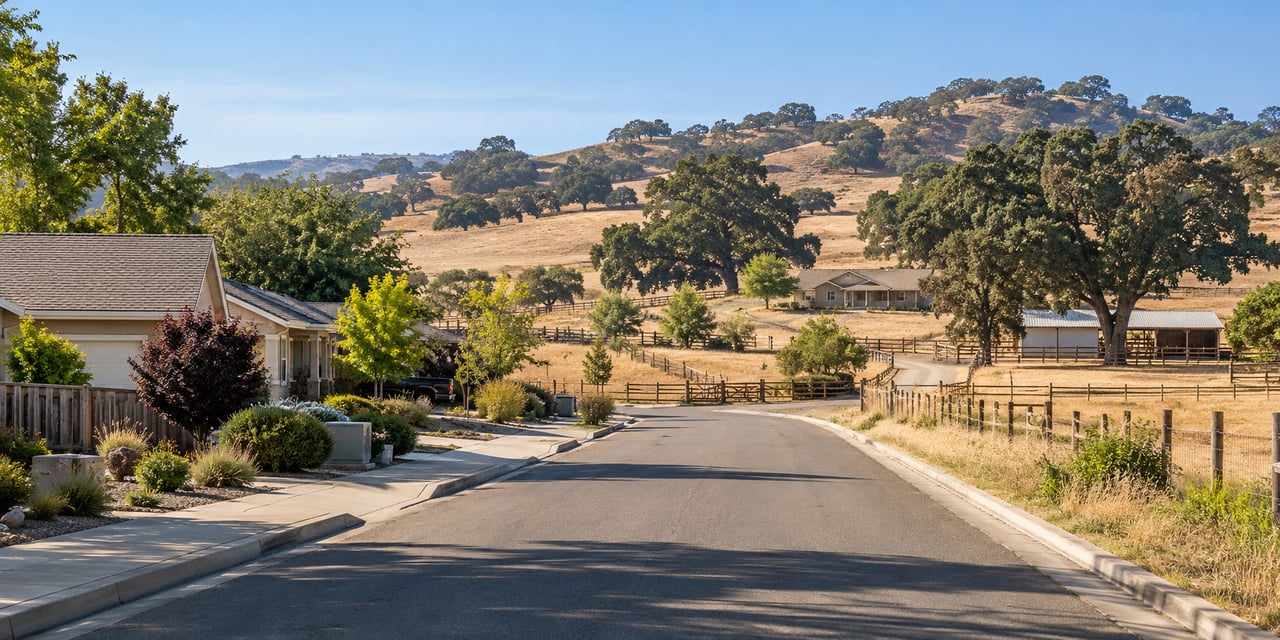
Compare lot size, utilities, maintenance, access, and daily routines before choosing a San Miguel setting.
You’ve got questions and we can’t wait to answer them.
Amber Johnson, Founder
Pillar Real Estate
805.835.3425
DRE# 01925434
1345 Park Street
Paso Robles, CA 93446