What Should Buyers Check Before Buying a Horse Property in Creston?
October 4, 2026
October 4, 2026
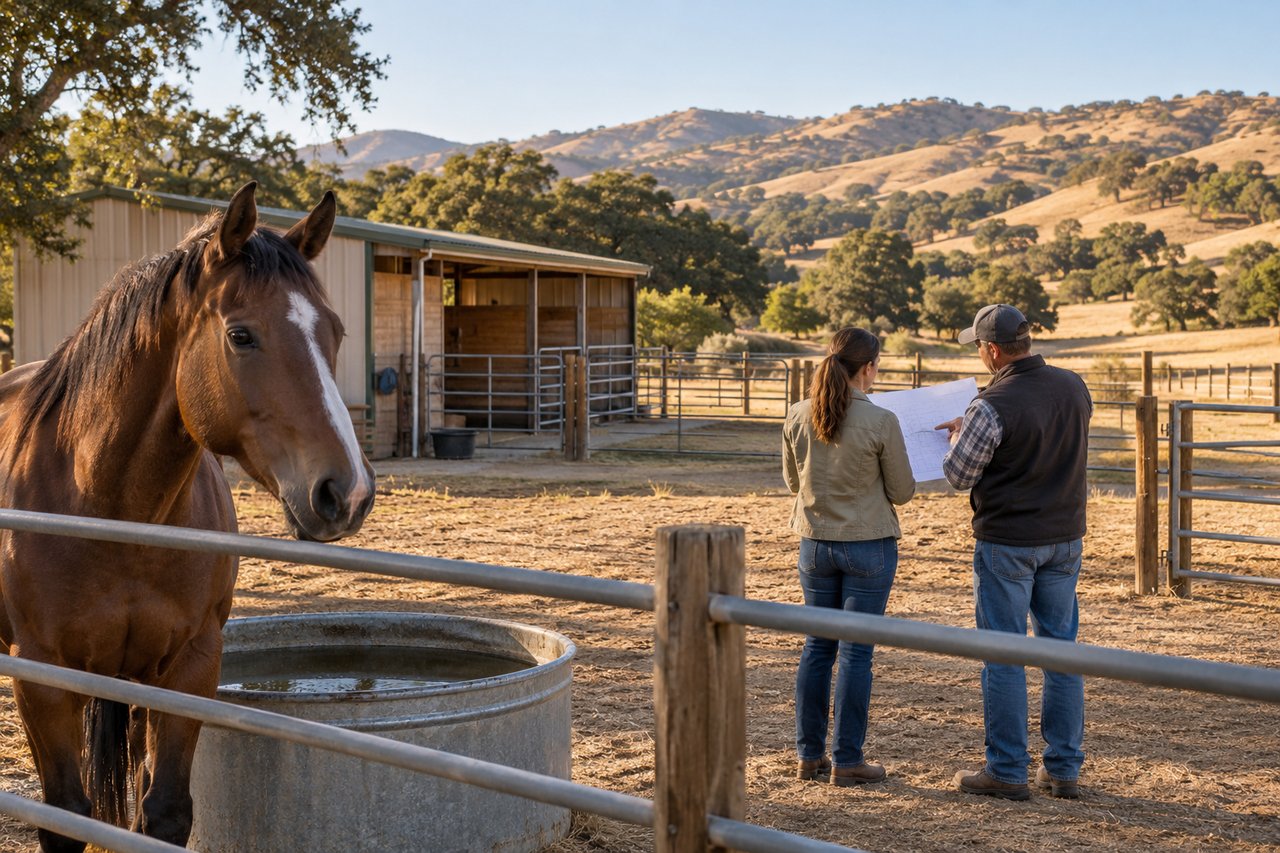
Buying a horse property in Creston is not the same as buying a home with a large yard. You are evaluating a house, land, water, access, fencing, outbuildings, animal safety, and the daily work required to keep the property functioning. A beautiful barn or a wide view can be appealing, but those features do not tell you whether the property fits your horses, your budget, or the way you plan to use the land.
The best approach is to inspect the property as a complete working system. Start with your actual needs, then verify every important detail at the exact address. Creston properties can differ in terrain, improvements, water setup, road access, and permitted uses, so general assumptions are not enough.
Before you tour, write down how you plan to use the property. The needs of someone keeping two retired horses are different from those of a buyer who rides regularly, keeps several animals, uses a trailer often, or hopes to add facilities later.
Consider the number and size of your horses, turnout needs, feeding routine, storage, manure management, trailer access, and whether you need an arena, round pen, wash rack, tack room, or covered stalls. If you expect to board horses, train, teach, breed, or operate another business, say that clearly at the beginning. A property that works for personal use may not support a more intensive plan.
Your checklist should separate nonnegotiable features from improvements you could make after closing. That keeps a charming barn from distracting you from a weak water system, unsafe fencing, difficult access, or land that is not usable for your intended purpose.
Acreage on paper does not tell you how much land is practical for horses. Walk as much of the property as you can. Look at slope, footing, drainage, vegetation, shade, exposed areas, existing paddocks, and how the different sections connect.
Ask yourself whether horses can move safely between turnout areas, shelter, water, and working spaces. Notice low spots where water may collect, steep areas that could be hard to maintain, and rocky or uneven ground. Look for evidence of erosion and ask how the property performs during wet weather, not only on the day of the showing.
Boundaries also matter. Review available maps and title information, then confirm what evidence exists for the property lines. Do not assume that a fence follows the legal boundary. The guide to what to look for when touring acreage property can help you keep the entire site in view rather than concentrating only on the house and barn.
Water deserves early attention because it affects the household, the horses, landscaping, fire planning, and future improvements. Identify the source. A property may rely on a well, storage tanks, shared arrangements, or another setup, and the details need to be verified for that parcel.
For a well, review any available records and ask when the equipment was installed or serviced. Discuss appropriate testing with qualified professionals. Buyers often want to understand production, storage, recovery, water quality, pressure, the condition of pumps and tanks, and how water reaches troughs and other improvements. A single number rarely tells the full story, especially when household and animal use overlap.
Inspect troughs, hydrants, exposed lines, valves, and automatic waterers. Ask whether lines are protected from horses and vehicles, whether there are shutoffs for separate areas, and how the owner handles leaks or equipment failures. Find out what backup plan exists if power or a pump is unavailable.
Do not rely on the appearance of green pasture or a full tank during one visit. Verify the system and its operating history as carefully as you would any major property component.
Walk the fence lines instead of viewing them from the driveway. Look for loose posts, sagging wire, protruding hardware, broken boards, gaps, sharp edges, and places where footing has worn down. Evaluate the fence for the specific horses you plan to keep. Height, visibility, spacing, and material all matter, and a setup that worked for the seller may not be appropriate for your animals.
Check how gates swing, latch, and align. Make sure openings are wide enough for the equipment and trailers you expect to use. Notice whether horses can crowd a gate, reach a latch, or become trapped in a narrow area. If multiple horses need to be separated for feeding, care, or introductions, decide whether the current layout makes that practical.
Price necessary repairs before you make an offer. Replacing a short section is different from rebuilding a complete perimeter or creating safer cross-fencing. A property can have plenty of space and still require substantial work before it is ready for horses.
Inspect every stall, shelter, tack room, feed area, wash area, arena, corral, and equipment structure. Look at roofs, posts, doors, flooring, drainage, ventilation, lighting, electrical work, and signs of pests or moisture. Check clearances and hardware from an animal-safety perspective, not simply as a building inspection.
Ask how each structure was built and whether permits or approvals were required. Review public records with the appropriate county department and use qualified inspectors when needed. Do not assume an improvement is permitted because it has been standing for years or appears on a listing.
Consider how the facilities work together. Can you move a horse safely from a paddock to a stall? Is hay stored away from obvious moisture and ignition risks? Can a veterinarian or farrier work in a level, accessible area? Is there room for deliveries and equipment without creating conflicts at the house?
The broader discussion of what buyers should know about acreage property is useful here. Rural improvements add function, but they also add inspection, repair, and maintenance responsibilities.
Access should work in real life, not only for a passenger vehicle. Drive the route you would use with a horse trailer. Look at road width, turns, grades, surfaces, overhead clearance, gate placement, sight distance, and turnaround space.
If access crosses a private or shared road, ask who maintains it, how costs are handled, and whether a written agreement is recorded. Review easements and restrictions through the title process. A preliminary title report can help identify recorded matters, but discuss questions with the title company and appropriate legal professionals rather than making assumptions from a map.
Think about all the vehicles that may need to reach the property: feed deliveries, a veterinarian, a farrier, contractors, emergency vehicles, septic service, and fire equipment. Visit at more than one time of day if possible. An entry that feels simple in good light may be harder to use at night or with oncoming traffic.
Do not treat “horse property” as a legal designation. Verify zoning, parcel information, animal allowances, setback rules, building requirements, and any restrictions that apply to the exact property. If you want to add a barn, arena, accessory structure, lighting, fencing, or another improvement, ask the appropriate agencies what is allowed and what approvals may be required.
Also review recorded covenants, easements, and other limitations. If the property is part of an association or road group, understand those rules and costs. A seller or agent can provide useful background, but your decision should rely on current, address-specific information from the responsible sources.
If you are comparing different rural areas, the overview of areas for acreage near Paso Robles can help you frame questions about terrain, access, and lifestyle. Creston still needs its own property-by-property review.
Horse facilities can take so much attention that buyers under-review the residence. Complete a normal home inspection and evaluate the roof, foundation, electrical, plumbing, heating, cooling, drainage, trees, and other relevant components.
Identify the wastewater system and review available records. If the property uses septic, learn where the tank and disposal area are located, what capacity and condition are reported, and how the horse facilities or future plans relate to them. Confirm propane, power, internet, cellular service, trash, and other utilities at the address.
Insurance should be investigated early. Provide the insurer with accurate details about the home, acreage, barns, animals, access, and intended use. Availability, requirements, and pricing can vary by property and carrier. If you expect any business activity, discuss that specifically rather than assuming a standard residential policy will address it.
A rural horse property needs a practical emergency plan. Review vegetation, defensible space, access, gate operation, address visibility, water resources, trailer parking, and evacuation options with the appropriate professionals and agencies.
Think through how you would load and move horses, where trailers would be positioned, and whether routes remain usable when several vehicles are present. Confirm that gates and driveways can accommodate responders. Ask the seller how seasonal vegetation work is handled and which parts of the property require the most attention.
This is not a reason to assume a Creston property is unsuitable. It is a reason to evaluate readiness before closing. A clear plan is far better than discovering an access or maintenance problem during an emergency.
The purchase price is only one part of the decision. Estimate the immediate work needed to make the property safe for your horses, then build an annual plan for feed storage, fencing, water equipment, manure handling, vegetation management, road or driveway care, pest control, barn repairs, tree work, and private systems.
Ask which jobs the current owner completes personally and which require contractors. Request records when available. Learn what equipment is included and what you would need to purchase. Consider whether the property can function while repairs are underway or whether you would need temporary boarding.
A smaller, well-organized property may be more useful than a larger parcel that needs extensive work. Compare total ownership plans, not acreage alone.
A standard home inspection may not cover every feature of a horse property. Depending on the parcel, you may need specialists for the well, septic system, barns, electrical work, fencing, drainage, trees, survey questions, insurance, title matters, or other components.
Share your intended use with each professional. An inspector cannot evaluate a future plan they do not know about. Keep a written list of open questions and match each question to the right source: seller records, public agencies, title professionals, inspectors, insurers, contractors, or legal and tax advisers.
Here’s the thing. Good due diligence is not about expecting every feature to be perfect. It is about knowing what you are buying, what needs attention, and whether the property supports your horses and your routine.
When those answers are clear, you can compare Creston horse properties based on function rather than appearance alone. Amber Johnson and Pillar Real Estate can help you organize the property questions, local due diligence, and purchase steps so you can make a confident decision from start to finish.
Amber Johnson
Founder, Pillar Real Estate
805.835.3425
[email protected]
1345 Park St. Paso Robles, CA 93446
DRE# 01925434
Website: https://pillarrealestate.com/
Amber Johnson | October 4, 2026
Review water, fencing, access, outbuildings, land use, and everyday upkeep before making an offer.
Amber Johnson | October 4, 2026
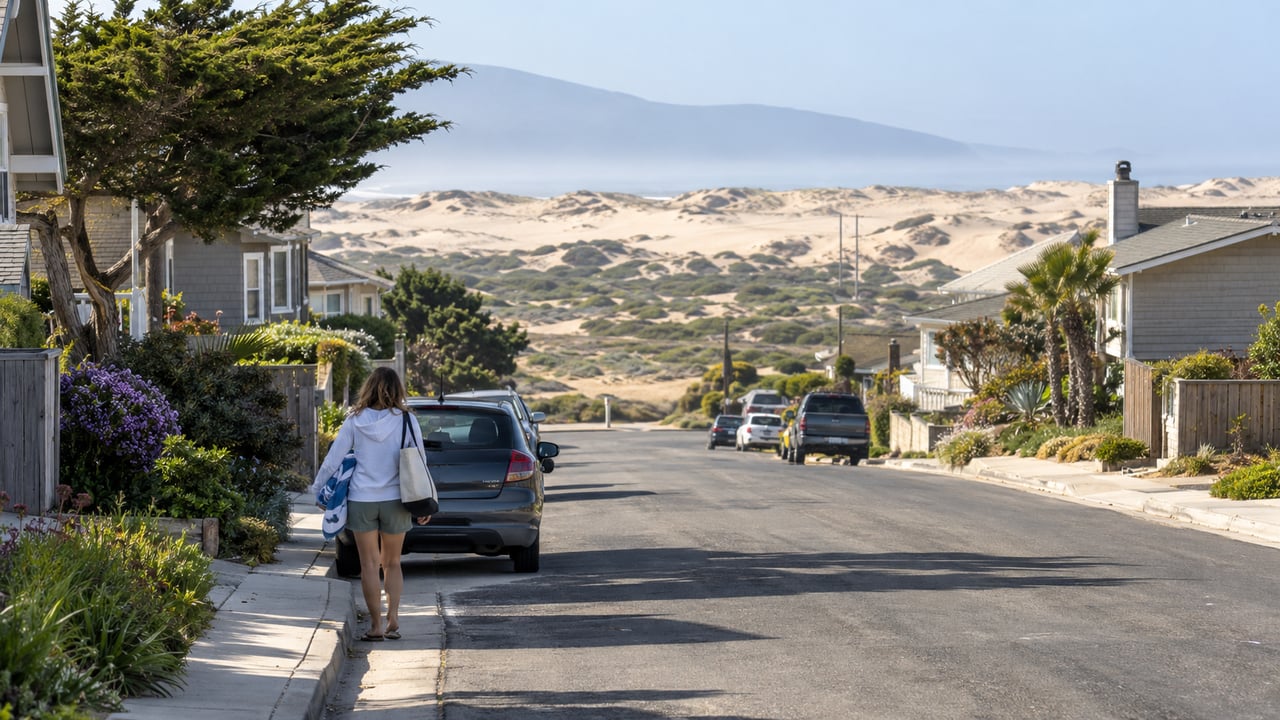
Consider coastal weather, recreation activity, neighborhood streets, sand, noise, and everyday errands before choosing a home.
Amber Johnson | October 4, 2026
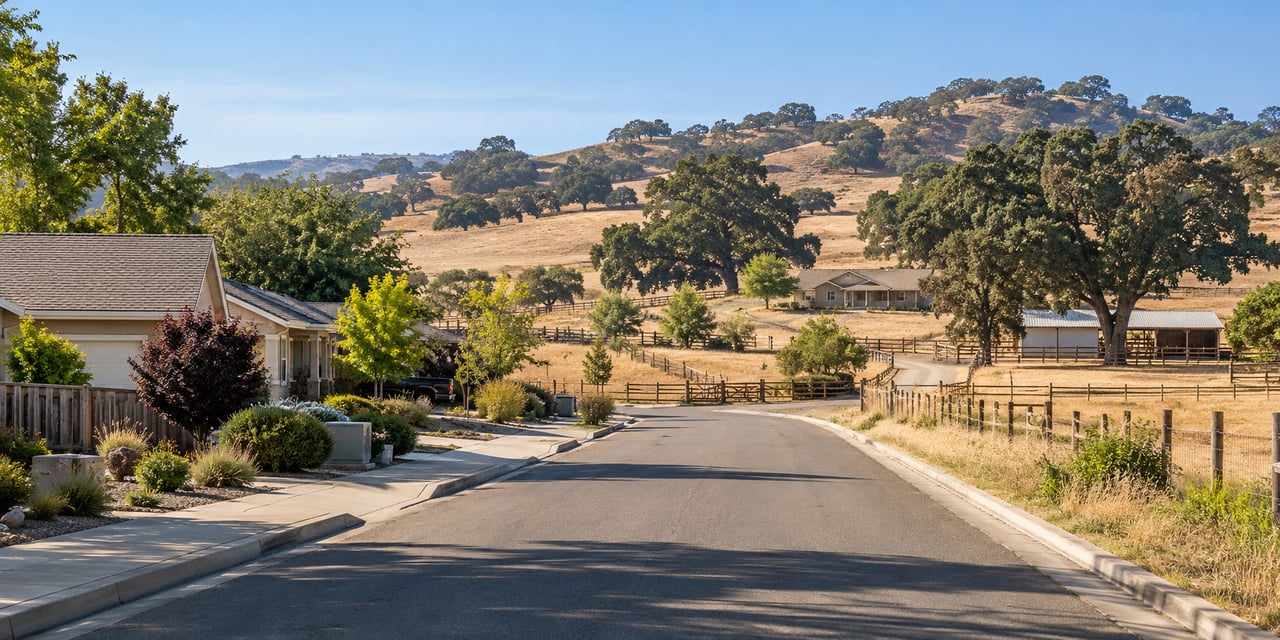
Compare lot size, utilities, maintenance, access, and daily routines before choosing a San Miguel setting.
Amber Johnson | October 4, 2026
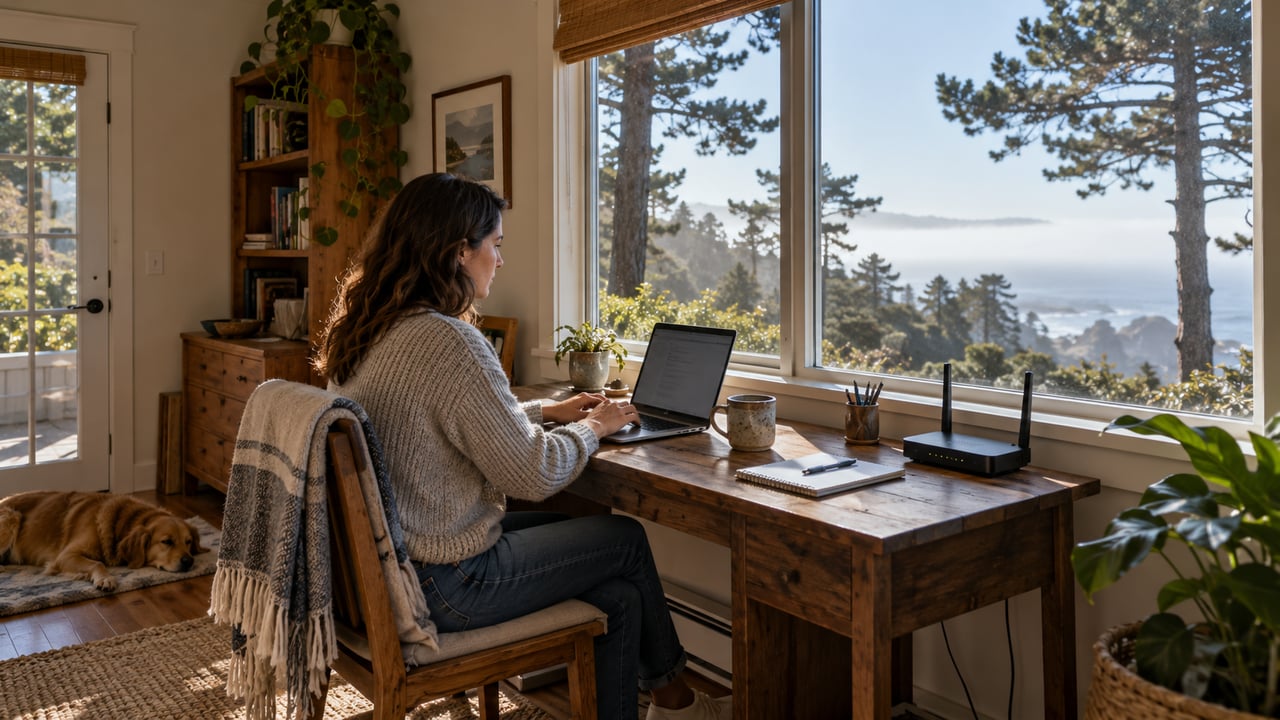
Consider internet service, backup plans, coastal weather, workspace needs, and everyday errands before moving.
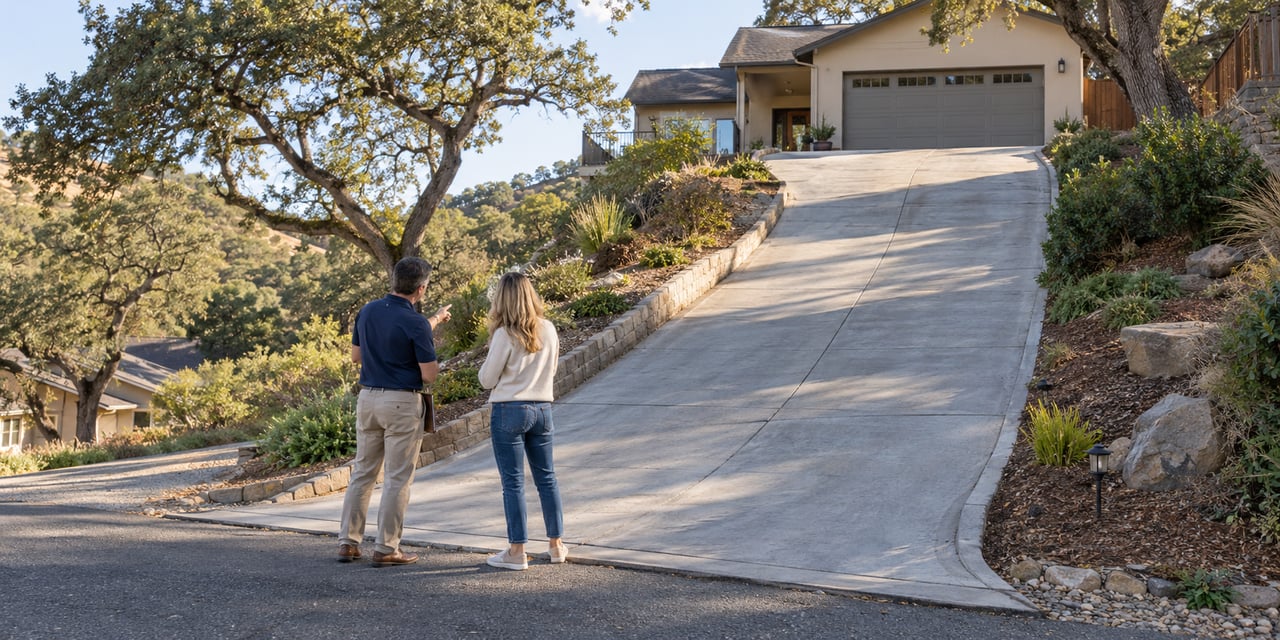
Amber Johnson | October 4, 2026
Show access, parking, turnaround space, and the property’s strongest features so buyers can assess the tradeoff clearly.
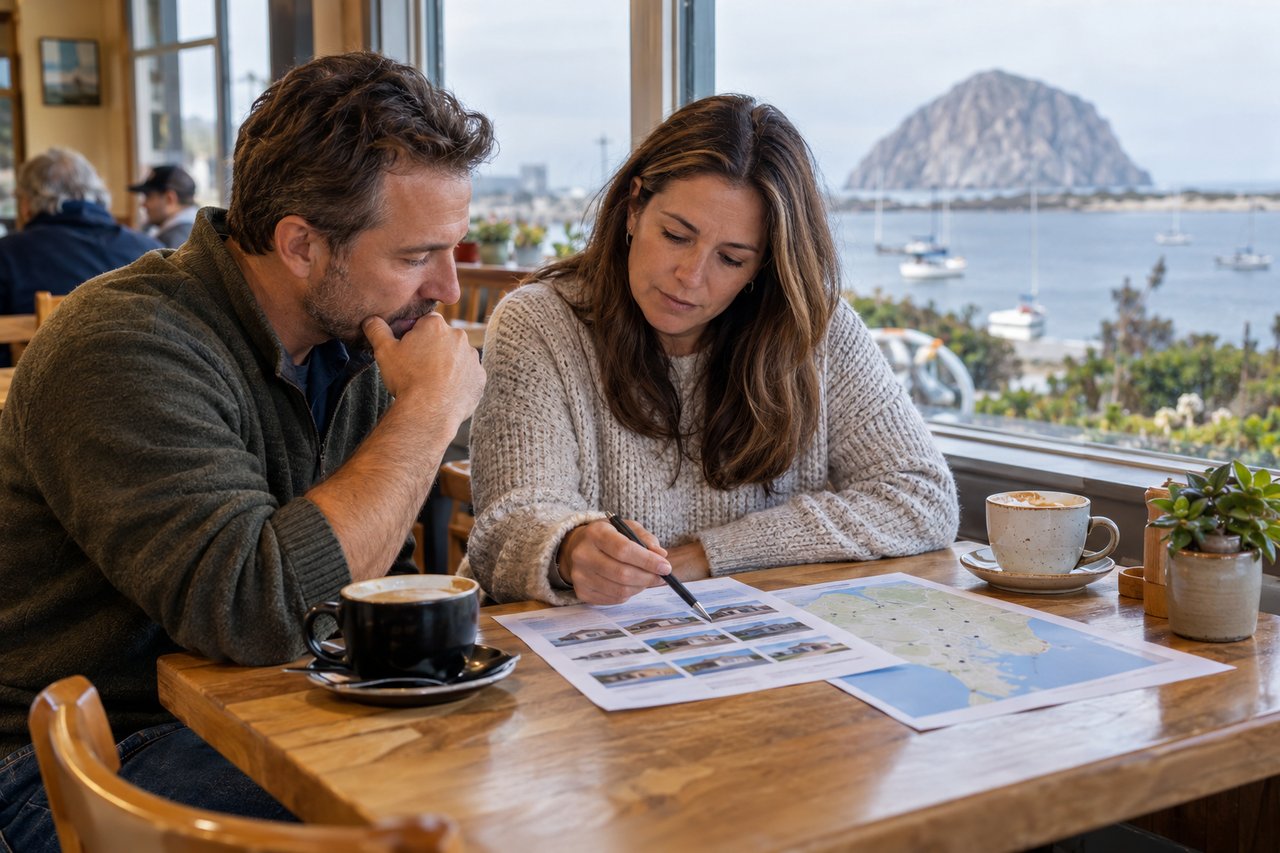
Amber Johnson | October 4, 2026
Use the flow of new listings to frame choices without treating a single week as the whole market.
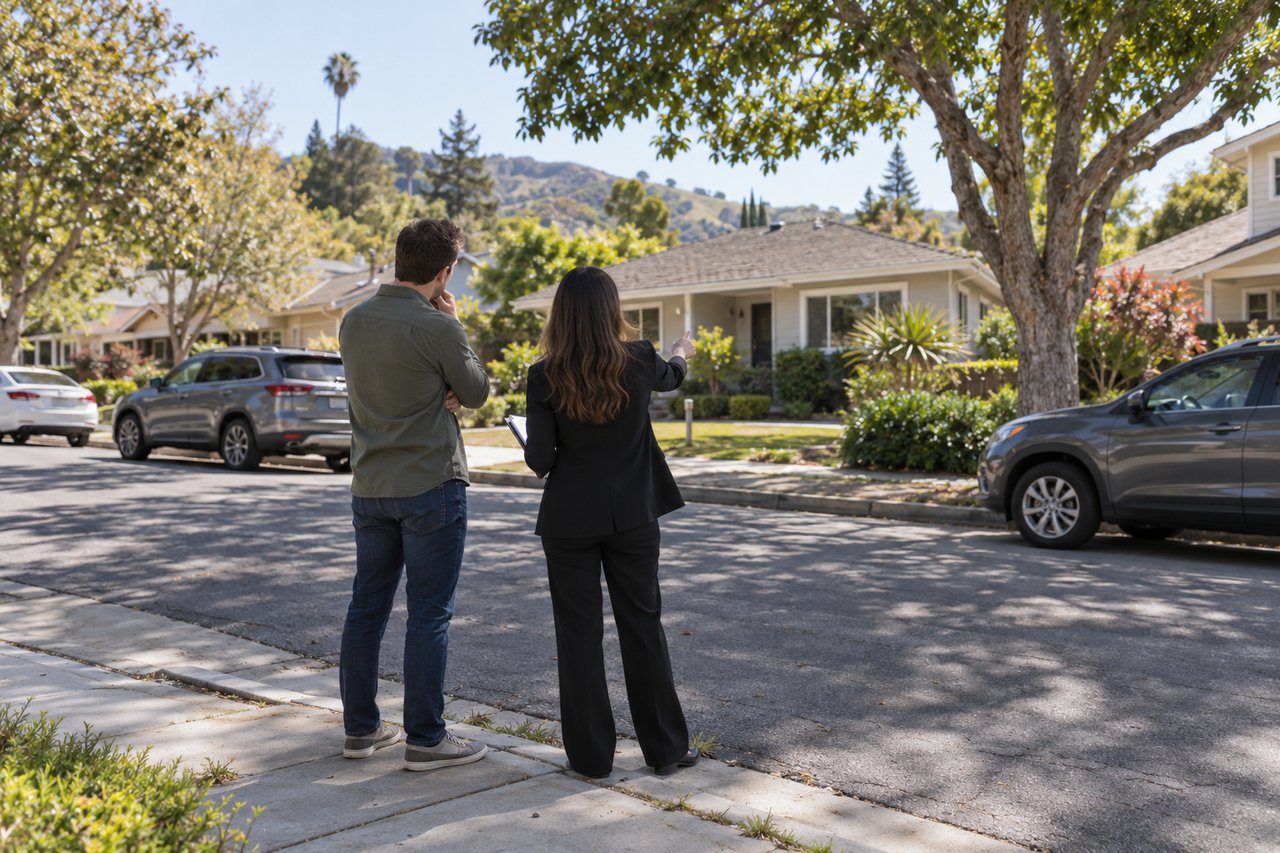
Amber Johnson | October 3, 2026
Look closely at parking, street activity, property condition, and everyday fit before making an offer.
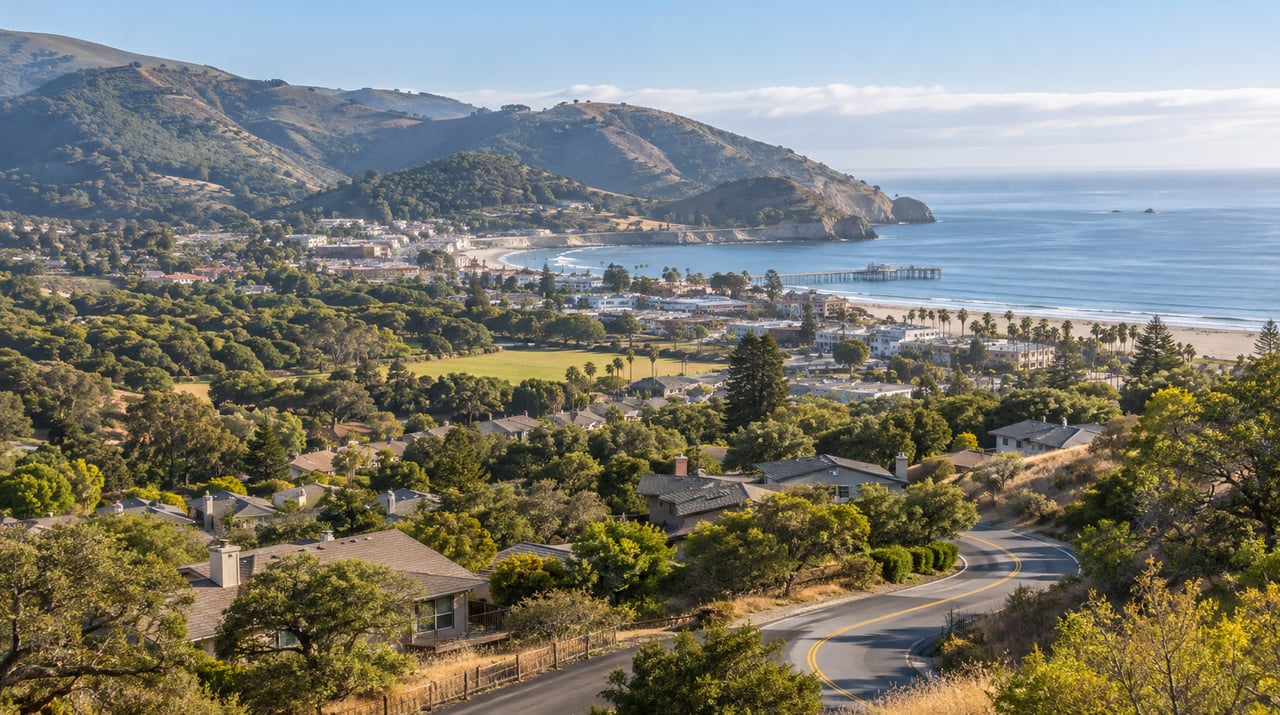
Amber Johnson | October 3, 2026
Compare the feel of the inland valley with the walkable beach village before choosing where to live.
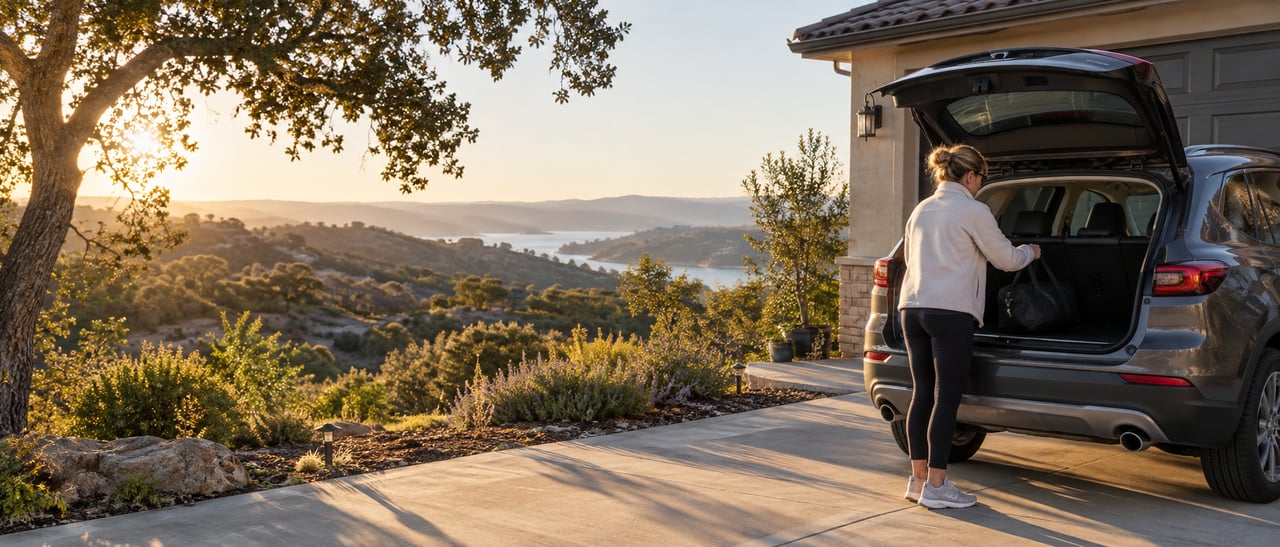
Amber Johnson | October 3, 2026
Consider the daily drive, household routine, and community fit before choosing a home near Lake Nacimiento.
You’ve got questions and we can’t wait to answer them.
Amber Johnson, Founder
Pillar Real Estate
805.835.3425
DRE# 01925434
1345 Park Street
Paso Robles, CA 93446