How Does Living in San Miguel Change Between Town and Rural Acreage?
October 4, 2026
October 4, 2026
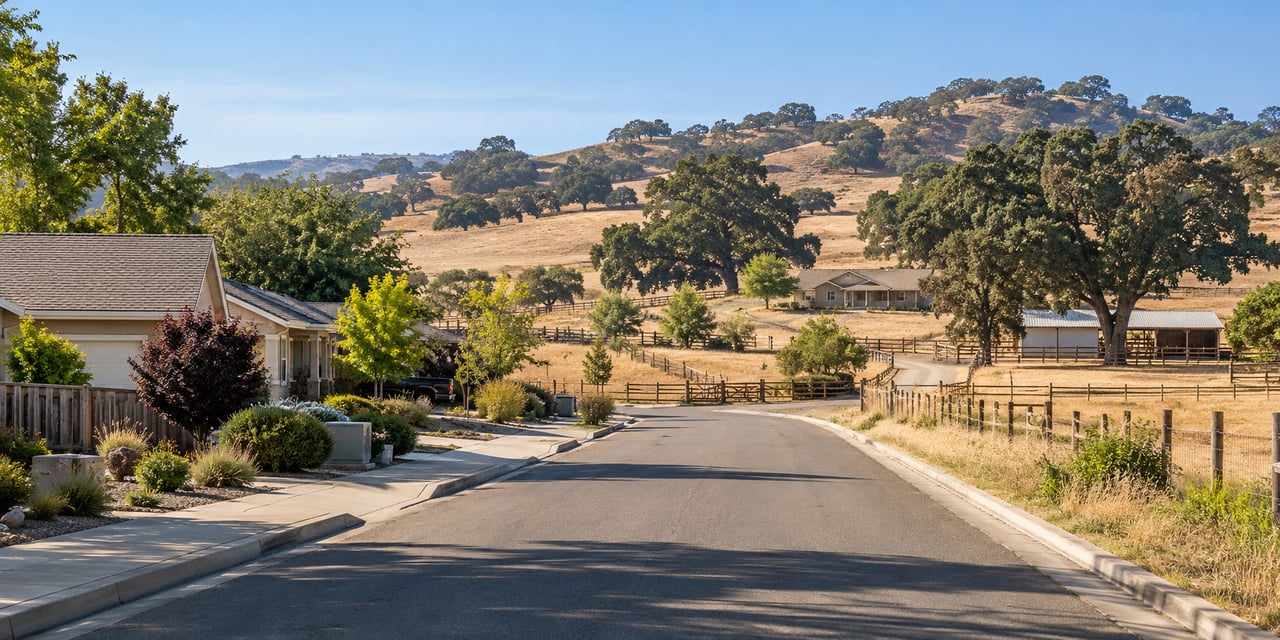
Living in San Miguel can feel very different depending on whether you choose a home in town or a rural property with acreage. A home near the town center may offer a smaller lot, a more familiar neighborhood pattern, and a simpler maintenance routine. Rural acreage may provide more space, privacy, and flexibility, but it can also bring private systems, longer driveways, fencing, land care, and more responsibility.
Neither setting is automatically better. The right choice depends on how you want to spend your time, which property systems you are comfortable managing, and what makes sense for your goals. Here’s the thing. Buyers sometimes focus on the amount of land and overlook the daily routine that comes with it. The better comparison is not just house versus acreage. It is one lifestyle, budget, and maintenance plan versus another.
Before comparing listings, picture an ordinary Tuesday. How much time do you want to spend outside maintaining the property? Do you want neighbors nearby, or does privacy matter more? Will you keep animals, store equipment, garden, or use an outbuilding? How often do you drive into Paso Robles or another community for work, school, appointments, or errands?
A home in town can appeal to someone who wants a more manageable lot and a straightforward residential routine. A rural property may appeal to someone who values elbow room and is comfortable treating the land as part of the home. The acreage is not simply extra scenery. It is something you will use, monitor, and maintain.
If you are still getting familiar with the community, Living in San Miguel, CA: What You Need to Know Before Moving offers a broader introduction. Use that local context, then evaluate each property based on the life you expect to live there.
Acreage can sound impressive on paper, but the total parcel size does not tell you how much of the land is practical for your plans. Slope, drainage, access, vegetation, easements, fencing, soil conditions, and existing improvements can all affect how the property works.
Walk the land. Do not stop at the house or the first flat area. Look at how vehicles enter, where water moves during rain, how the property is fenced, and which areas appear accessible for normal maintenance. If you want horses, livestock, a garden, a shop, or additional parking, confirm that the layout supports that use. Then verify what is legally permitted rather than relying on appearances.
A smaller in-town lot can be easier to understand. You can usually see the boundaries and the relationship between the home, yard, street, and neighboring properties. That does not mean there are no questions. Buyers should still review surveys or title information when appropriate, confirm easements, inspect drainage, and understand any restrictions that affect the property.
Utilities are one of the biggest practical differences between an in-town home and rural acreage. Some properties may connect to public or community services. Others may depend on a private well, septic system, propane, or other property-specific arrangements. Never assume the setup based only on location or lot size.
Ask how water is supplied, where wastewater is handled, what powers the home, and which providers serve the exact address. If a property has a well, review available records and order the inspections that make sense for the transaction. Learn about production, storage, water quality, equipment, and maintenance. If it has a septic system, identify the tank and disposal area, review records, and understand its condition and capacity.
Internet and cellular service also deserve an address-specific check. This matters for remote work, home security, streaming, and everyday communication. A coverage map is a starting point, not a guarantee. Contact providers, test service at the property, and ask what equipment or installation work may be required.
These systems can work very well when they are understood and maintained. The issue is not whether private systems are good or bad. It is whether you know what you are buying and have room in your budget for ongoing care and eventual replacement.
On an in-town property, the inspection process may concentrate heavily on the home, garage, yard, and visible site conditions. On acreage, the due diligence list often becomes longer because there are more components to evaluate.
Depending on the property, you may need to review wells, septic, fencing, gates, barns, shops, retaining features, private roads, drainage, trees, tanks, generators, or other improvements. Some structures may have been built or modified over time. Confirm permits and intended uses through the appropriate records and professionals.
Read Buying a Home With Land in San Miguel, CA: What You Need to Know before touring rural options. It can help you build a property-specific inspection plan instead of treating acreage like a standard residential purchase.
A rural property can offer the space many buyers want. It can also require more time, equipment, and planning. Vegetation management, fencing repairs, driveway care, pest control, tree work, water equipment, outbuildings, and seasonal cleanup may become regular parts of ownership.
Ask the seller how the property is maintained now. Which jobs do they handle personally? Which require a contractor? What equipment stays, and what will you need to buy? Are there recurring service schedules or recent repairs? The answers help turn a vague idea of maintenance into a realistic annual plan.
An in-town property may have fewer land-related responsibilities, but it still deserves a careful review. Smaller lots can have close property lines, shared fences, street parking considerations, drainage between neighboring parcels, and outdoor spaces that need regular care. The workload may be different, not nonexistent.
Be honest about your time. If maintaining land sounds satisfying, acreage may be a good fit. If you want your weekends available for other priorities, a home in town may support that goal more comfortably.
Access changes how a property feels every day. In town, buyers may focus on driveway space, street width, parking, and how easily they can reach nearby services. On a rural parcel, the questions may include road surface, gate access, driveway length, turnaround space, delivery access, and how emergency or service vehicles can reach the home.
Drive to the property more than once. Visit during the hours you expect to commute or run errands. If there is a private or shared road, understand who maintains it and whether a written agreement exists. Ask how deliveries, trash service, contractors, trailers, and larger vehicles use the property.
Think about guests too. A driveway that feels simple in daylight may require more planning at night. Parking that works for two daily vehicles may feel limited during holidays or gatherings. These details rarely appear in listing photos, but they shape the ownership experience.
Privacy is one of the strongest reasons buyers consider acreage. More distance between homes can create a sense of quiet and independence. It can also mean fewer casual interactions, more responsibility for security and maintenance, and a longer trip when you need something quickly.
Town living may offer a stronger sense of neighborhood proximity. You may see people walking, hear more everyday activity, and have homes closer to yours. Some buyers find that comforting. Others prefer more separation.
The community has a distinct identity in both settings. San Miguel: Small Town Charm and Historic Heart gives a useful sense of the area’s character. Your task is to decide whether you want to experience that character from a neighborhood street or from a property farther outside the town pattern.
Insurance availability and cost should be investigated before you become emotionally committed to a property. Conditions can vary by address, construction, access, surrounding vegetation, and the insurer’s guidelines. Get property-specific quotes early and ask what inspections or improvements may be required.
For rural properties, review defensible space, vegetation management, driveway clearance, water resources, and emergency access with the appropriate professionals. Ask how the current owner handles seasonal maintenance. If the property uses a gate, confirm that emergency access is addressed.
In-town homes need their own safety review. Look at street access, neighboring vegetation, roof and exterior condition, drainage, and the home’s systems. The goal is not to assume one setting is safe and the other is risky. It is to understand the specific property before you make an offer.
Purchase price is only one part of the comparison. Estimate insurance, utilities, routine maintenance, yard or land care, equipment, inspections, and reserves for larger repairs. Rural ownership may involve costs that arrive less frequently but require more planning, such as well equipment, septic service, fencing, road work, or outbuilding repairs.
An in-town home may have a smaller physical footprint to maintain, but the price, condition, utility structure, and immediate repair needs still matter. Compare actual properties, not assumptions. A well-maintained acreage property may have a clearer short-term budget than an in-town home with deferred work. The reverse can also be true.
Ask for records when they are available. Then create a reserve plan based on the inspection findings and your intended use. A clear budget makes it easier to recognize which property supports your goals without creating unwanted pressure after closing.
Use the same core questions for both settings so the comparison stays practical:
These questions help you compare daily ownership rather than reacting only to lot size, finishes, or a view.
Choose a home in town if you value a more compact property, closer neighbors, and a simpler land-maintenance routine. Consider rural acreage if you want more room and flexibility and are prepared to manage the systems, access, and upkeep that may come with it.
There is no universal answer. It depends on your situation. Start with your nonnegotiables, inspect the complete property, and price the full ownership plan. Then compare how each option supports your real routine.
If you are deciding where to buy, Is San Miguel, CA a Good Place to Buy a Home? can help you frame the larger decision. When you are ready to tour, I can help you compare in-town homes and rural properties through the same clear due diligence process from start to finish.
Amber Johnson
Founder, Pillar Real Estate
805.835.3425
[email protected]
1345 Park St. Paso Robles, CA 93446
DRE# 01925434
Website: https://pillarrealestate.com/
Amber Johnson | October 4, 2026
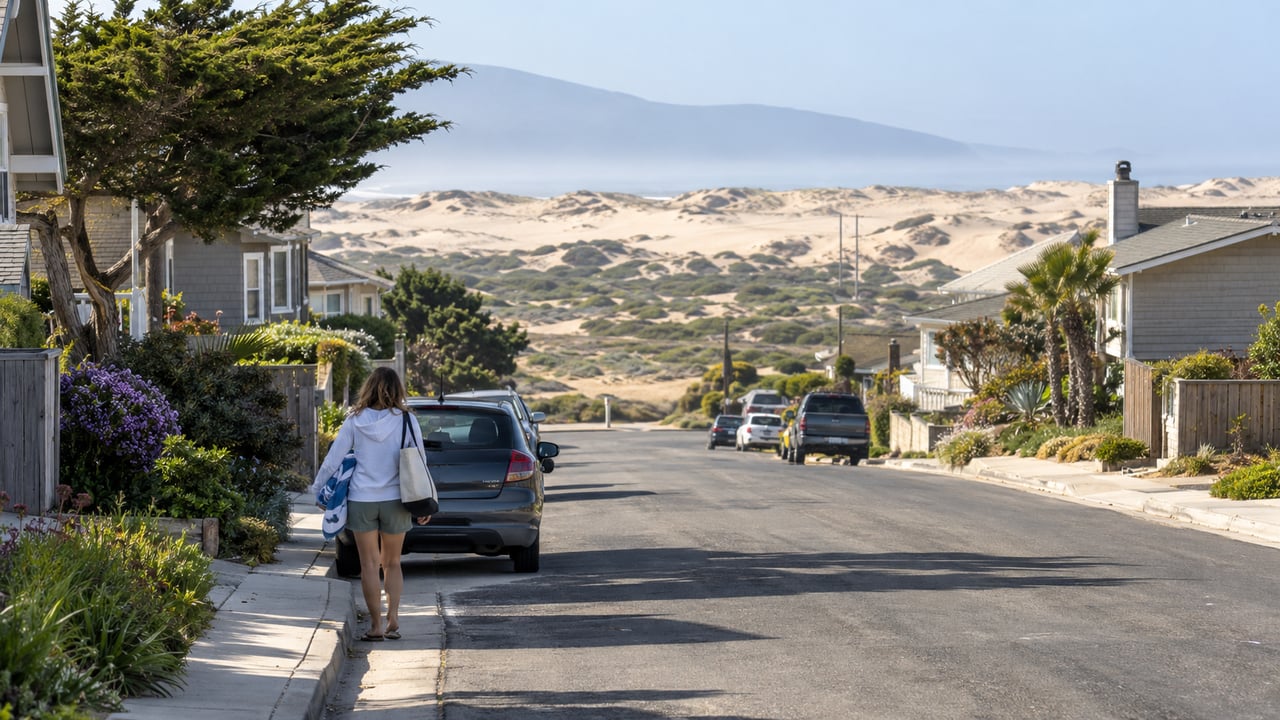
Consider coastal weather, recreation activity, neighborhood streets, sand, noise, and everyday errands before choosing a home.
Amber Johnson | October 4, 2026
Compare lot size, utilities, maintenance, access, and daily routines before choosing a San Miguel setting.
Amber Johnson | October 4, 2026
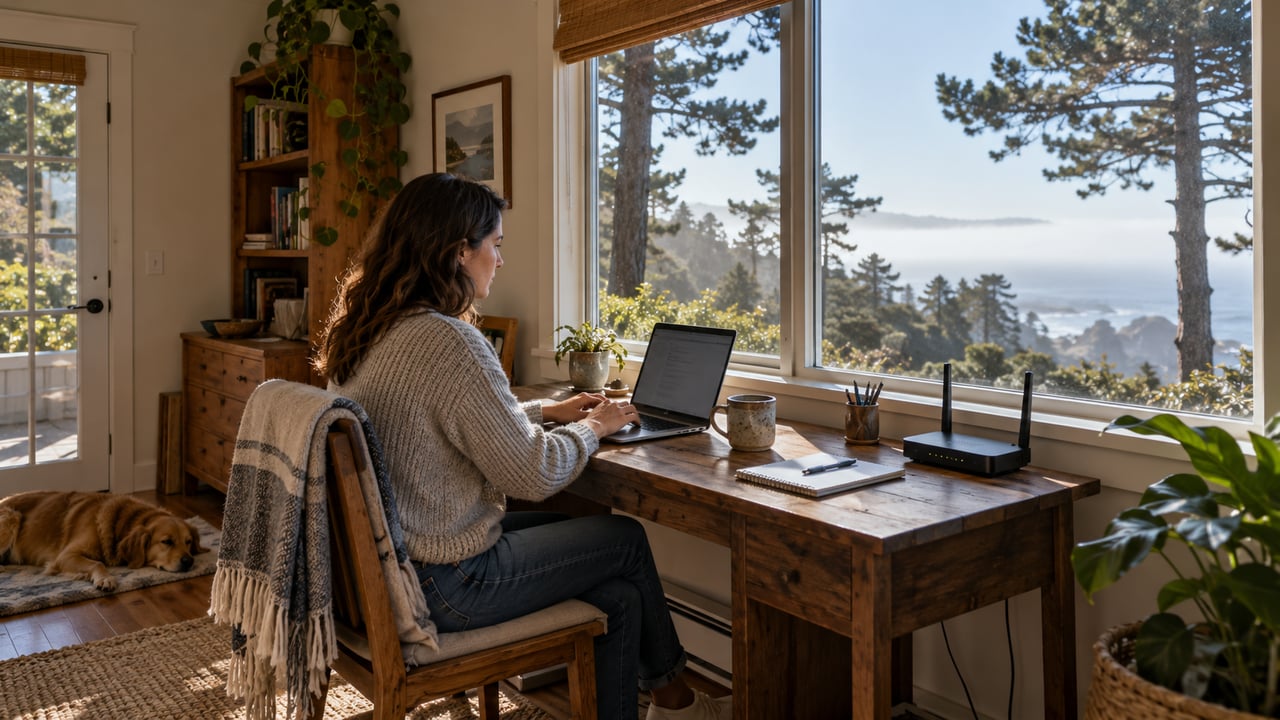
Consider internet service, backup plans, coastal weather, workspace needs, and everyday errands before moving.
Amber Johnson | October 4, 2026
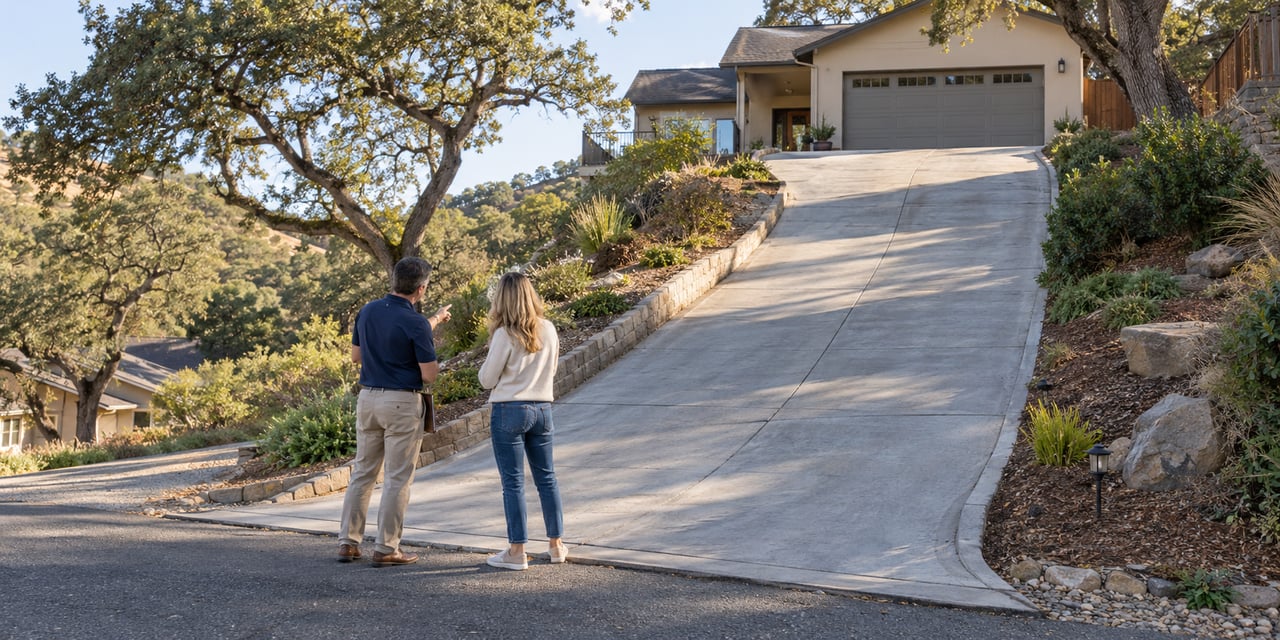
Show access, parking, turnaround space, and the property’s strongest features so buyers can assess the tradeoff clearly.
Amber Johnson | October 4, 2026
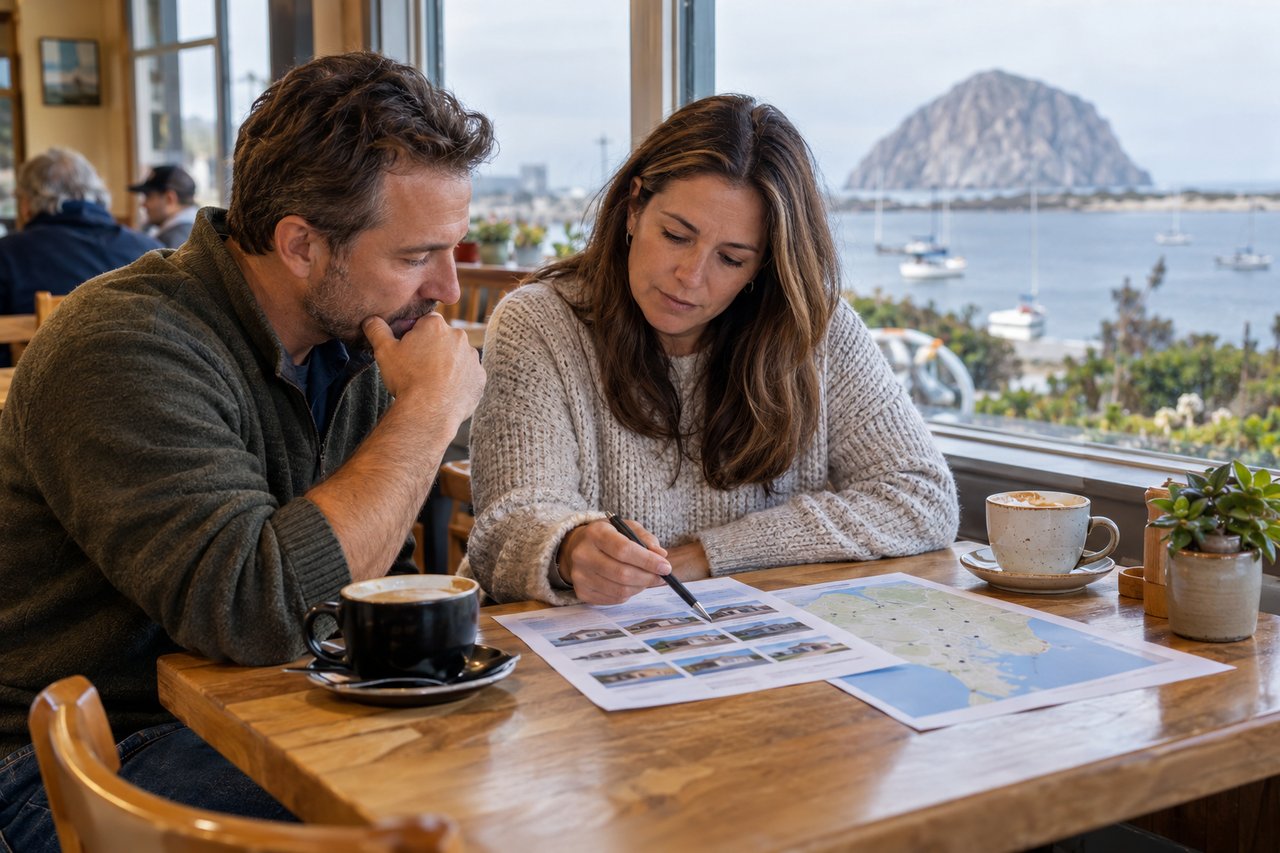
Use the flow of new listings to frame choices without treating a single week as the whole market.
Amber Johnson | October 3, 2026
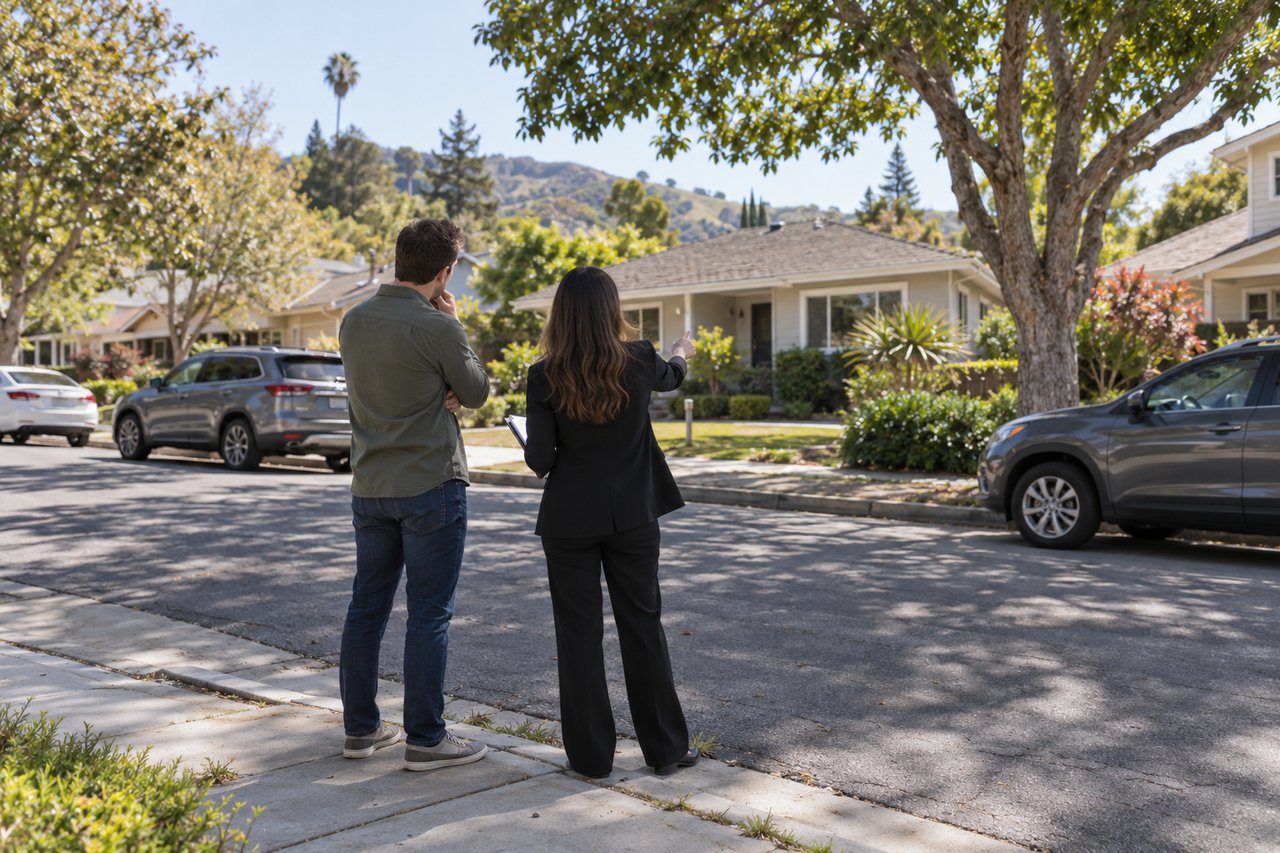
Look closely at parking, street activity, property condition, and everyday fit before making an offer.
Amber Johnson | October 3, 2026
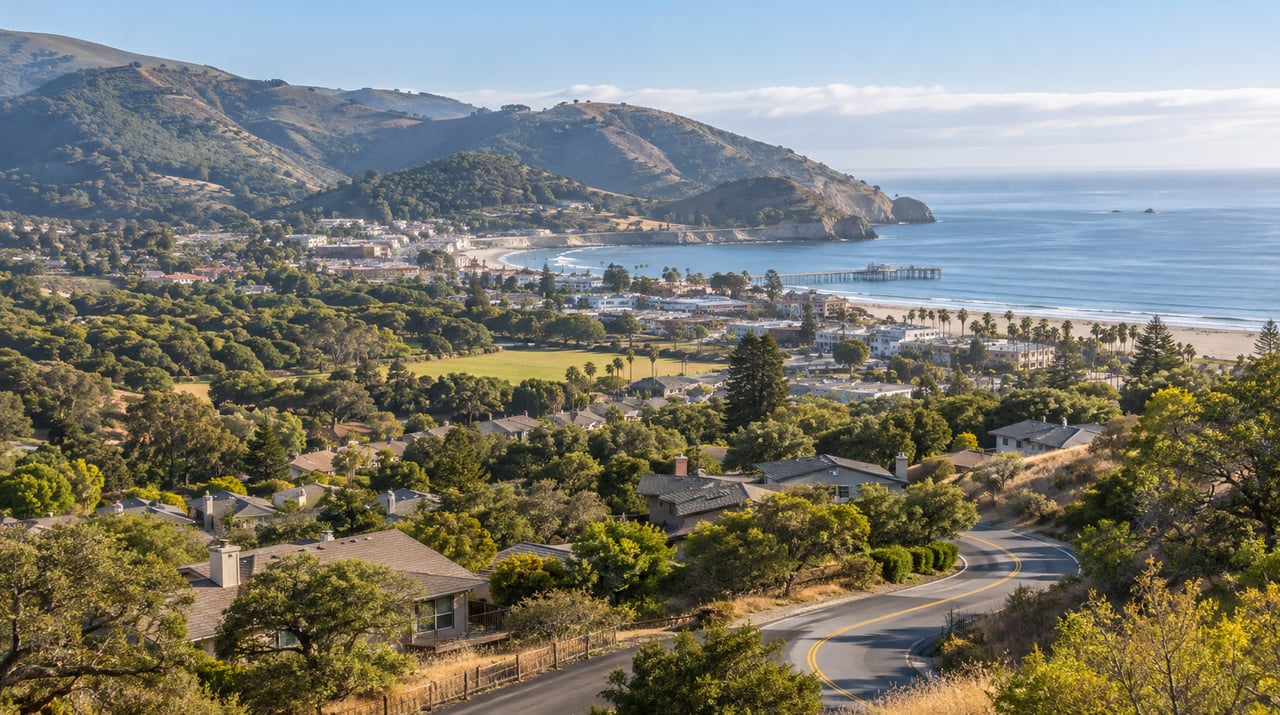
Compare the feel of the inland valley with the walkable beach village before choosing where to live.
Amber Johnson | October 3, 2026
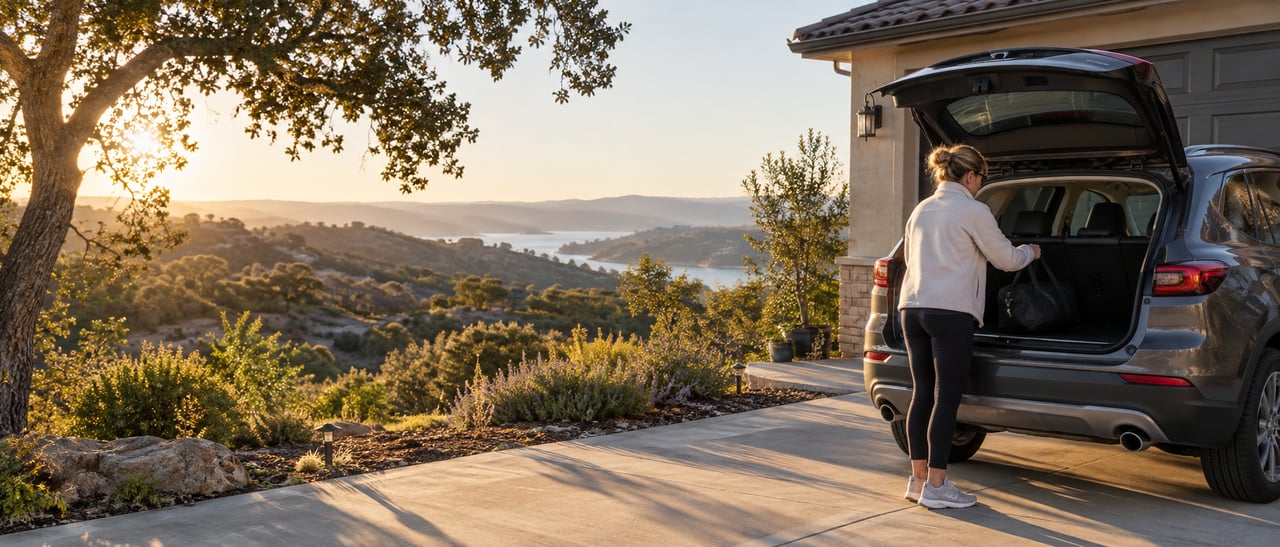
Consider the daily drive, household routine, and community fit before choosing a home near Lake Nacimiento.

Amber Johnson | October 3, 2026
You’ve got questions and we can’t wait to answer them.
Amber Johnson, Founder
Pillar Real Estate
805.835.3425
DRE# 01925434
1345 Park Street
Paso Robles, CA 93446