What Is Everyday Life Like near Morro Bay State Park?
October 30, 2026

October 30, 2026
Living near Morro Bay State Park can make a shoreline walk part of an ordinary day. Whether it makes a good home base depends on the actual house, its route to the park and your other daily trips.
That distinction matters when you're buying. A beautiful afternoon by the bay can tell you that you love the park. It can't tell you whether a particular home works on a busy Tuesday.
I'm Amber Johnson, founder of Pillar Real Estate in Paso Robles. I help San Luis Obispo County buyers and relocating households connect the home search to the life they actually want. For this part of Morro Bay, I'd evaluate the park experience, the residential setting and the errand routine separately.
The appeal is easy to understand. You can build time outdoors into your week without making every outing a major event. But start with the specific activity you'd repeat, rather than a general wish to live near nature.
California State Parks describes the Marina Peninsula Trail as a loop with compacted-soil and boardwalk surfaces beside the bay and estuary. Its trailhead is at the east end of the state park marina parking lot. The park also includes the Museum of Natural History, with exhibits about the area's natural and cultural history.
Those are real places to consider in a daily routine. They aren't promises of direct access from every nearby property. A listing described as near the state park may still involve a drive, a crossing or a route you don't enjoy.
Ask yourself what the outing would look like after work. Would you change shoes and walk from home? Would you drive over for a short loop? Either can work, but they create different routines.
A map is a starting point. Your actual route is the next check.
Begin at the front door of a home you're considering. Follow the route you'd really use to reach a public park entrance or trailhead. Notice the walking surface, crossings, visibility and any sections that feel uncomfortable to you.
Don't assume a path across an open-looking parcel is a public connection. Confirm access rather than treating a shortcut as part of the property. The same goes for claims about a private gate or an informal neighborhood route.
If you'd usually drive, make that trip too. Find out how the arrival, parking and return feel at the time you'd use them. A convenient outing for one household may feel like another stop on an already full calendar.
Mobility needs deserve their own review. A generally accessible park trail doesn't establish that the route from a particular home is suitable. Evaluate both parts, including the home itself, with the person who will use them.
It's tempting to picture an hour outside every morning. Your work schedule may leave you fifteen minutes.
Choose a realistic window and test it. Arrive before an ordinary workday or after the time you'd usually finish. See whether getting out the door, reaching the park and returning fits comfortably.
Try a less convenient visit as well. Bring the jacket and shoes you'd actually keep ready. Notice whether wind, cool air or a change in daylight affects your interest in going out.
You're not looking for perfect conditions. You're checking whether the routine remains appealing when the day doesn't cooperate. A home purchase should work beyond the version of coastal life you see during one sunny showing.
If walking throughout town matters as much as park access, read our discussion of moving to Morro Bay for a walkable coastal routine. The park connection and your practical errand routes may lead to different conclusions.
Here's the thing: liking this setting doesn't make every nearby house the right purchase.
Look at the rooms you use most, the stairs, storage, parking and outdoor space. Consider where wet shoes, walking gear or a muddy dog would go. Small details can make a regular outdoor habit easier to maintain.
Spend time inside with the windows open and closed when possible. Listen from the rooms where you'd work, rest or sleep. Don't label the entire area quiet or busy based on one observation.
Ask the seller for available property information and review it with the appropriate professionals. Condition, drainage and maintenance deserve attention at the individual home. Proximity to the bay doesn't tell you how a particular building has been cared for.
I'd also separate an attractive view from usable outdoor space. A patio that suits your preferred time outside may matter more than a view you mainly notice in photographs. It depends on your situation.
A shoreline path won't handle your grocery run, medical appointment or commute.
Write down your actual destinations before comparing homes. Include the places you visit regularly, the people you help and the trips you can't easily move to another time. Then start those routes at each property's address.
Test a combined trip. Leave the house, make an errand, return home and see whether you still want to go for that walk. This gives you a more useful picture than timing the park trip alone.
Households often have different definitions of convenient. One person may value an easy outdoor break. Another may need a practical departure for work. Put both needs on the page so the park doesn't unintentionally decide everything.
For a broader sense of the city, our Morro Bay lifestyle guide can help frame your questions. Use that background alongside a visit to the specific home, rather than expecting one description to fit every address.
The park is shared space. Your experience may change with other visitors, recreation and the time you choose to go.
Visit on an ordinary weekday and a weekend if you can. Look at how you arrive, where people gather and whether the experience still fits what you want. Don't draw a year-round conclusion from either visit alone.
If you prefer a solitary walk, try the time you'd actually have available. If you enjoy being around other people, observe that too. Neither preference makes the location better or worse for everyone.
Check current California State Parks notices, fees, access conditions and activity rules before building a routine around them. Dog access and other recreation rules can vary by location. A general impression that the park is nearby isn't enough to confirm a particular use.
Let wildlife and habitat remain part of the setting without expecting a certain sighting on demand. The value of a regular outing may be the time outside itself.
You don't have to choose between loving the park and considering another part of town.
Compare a park-adjacent option with a home that meets your other priorities particularly well. Use the same questions for both: How does the house function? What is the real park trip? How do errands and work fit?
Our comparison of living in Morro Heights or the Cloisters offers another way to think through location choices. The point is to compare actual homes and daily routes, without assuming a neighborhood name settles the decision.
Keep the purchase budget in that comparison. If one home stretches your comfort level, decide whether its particular access or features justify that tradeoff for you. Don't assign an automatic dollar value to being near the park.
A seller's description may emphasize recreation. Your decision should include the practical parts that don't fit in a listing headline.
Build a short trial day around a serious candidate. Begin at the address, travel to a regular destination, return and take the park outing you expect to repeat. Finish by spending time in the home.
Make notes immediately afterward. Record what felt easy, what required effort and what still needs confirmation. Separate observations from assumptions so an unanswered question doesn't quietly become a reason to buy.
Include everyone whose routine will change. If a household member can't attend, test their route and discuss the details with them. A shared home works better when the location supports more than one person's favorite activity.
Then choose your nonnegotiables. You might need comfortable public access, a manageable work trip or a home without certain stairs. Keeping those priorities clear makes it easier to appreciate a lovely setting without overlooking a poor fit.
Everyday life near Morro Bay State Park can include frequent outdoor breaks, shoreline walks and time beside the estuary. It also includes groceries, work, home upkeep and the ordinary demands you bring with you.
The right strategy is to test both parts. Confirm the park connection, assess the individual property and check the trips that will fill your week. That's how a location you enjoy visiting becomes a place you can confidently consider living.
If you're considering buying near Morro Bay State Park, let's talk through your priorities and the homes that fit them. I'll help you ask specific questions before the setting makes the decision for you.
Connect with me at Sell With Amber to start a practical plan for your next move.
Amber
Pillar Real Estate | Amber Johnson, Founder
805.835.3425 | [email protected]
1345 Park St. Paso Robles, CA 93446 | DRE# 01925434
Featured image adapted from “Morro bay state park marina boardwalk.jpg,” photographed by Joyce Cory (docentjoyce), September 30, 2012, via Wikimedia Commons. Licensed under CC BY 2.0. AI-assisted horizontal crop and lighting adaptation; the reference's geographic features are retained.
Amber Johnson | November 28, 2026
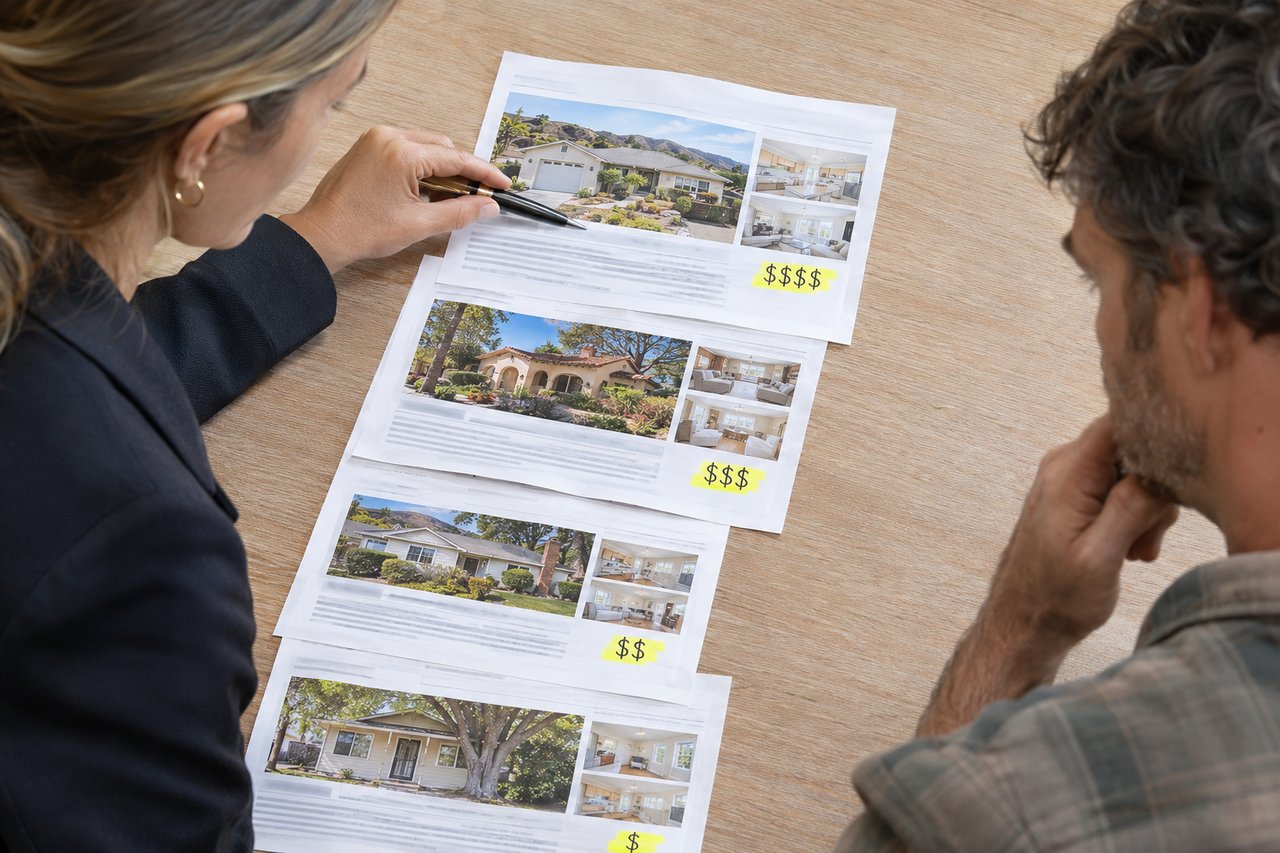
Read the listing history alongside condition, competition and the current asking price.
Amber Johnson | November 28, 2026
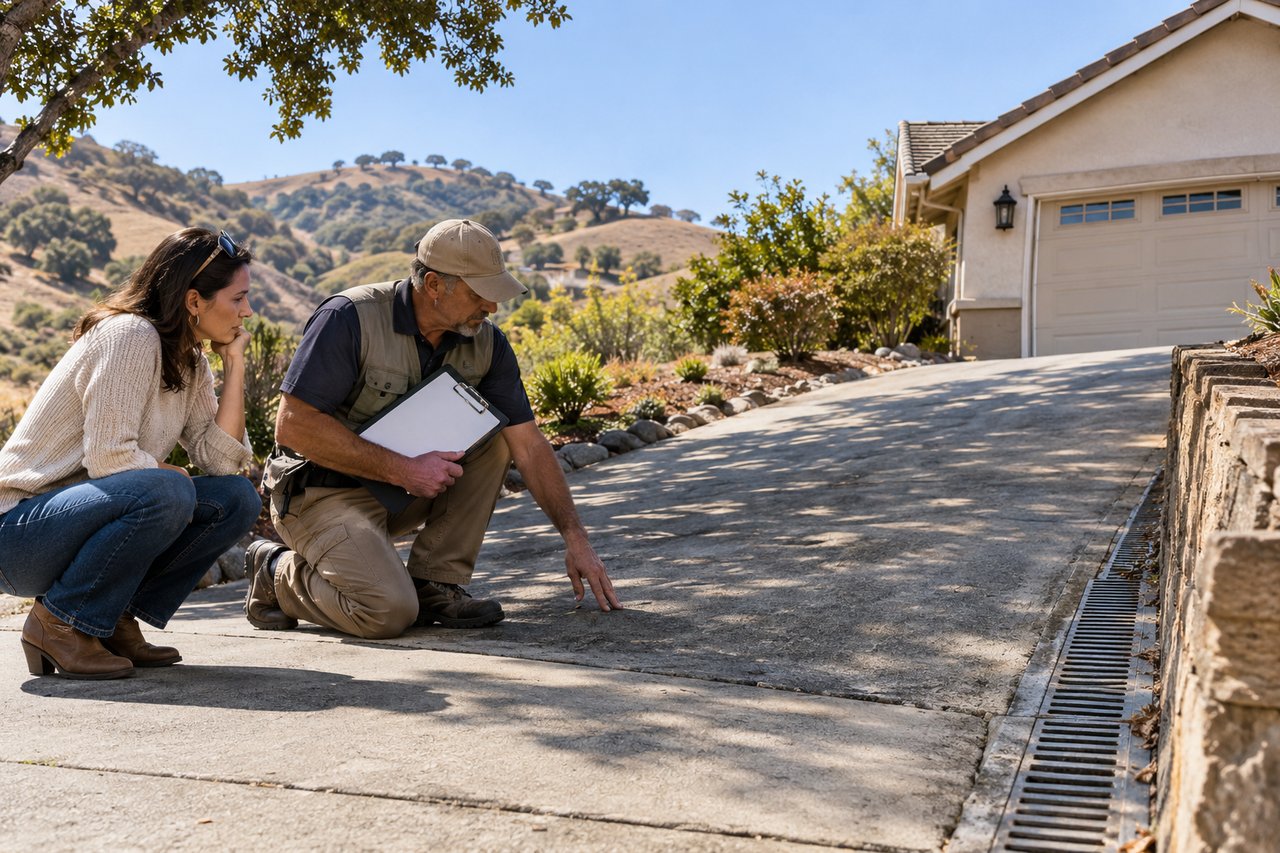
Consider access, drainage and everyday vehicle use before deciding the slope works.
Amber Johnson | November 27, 2026
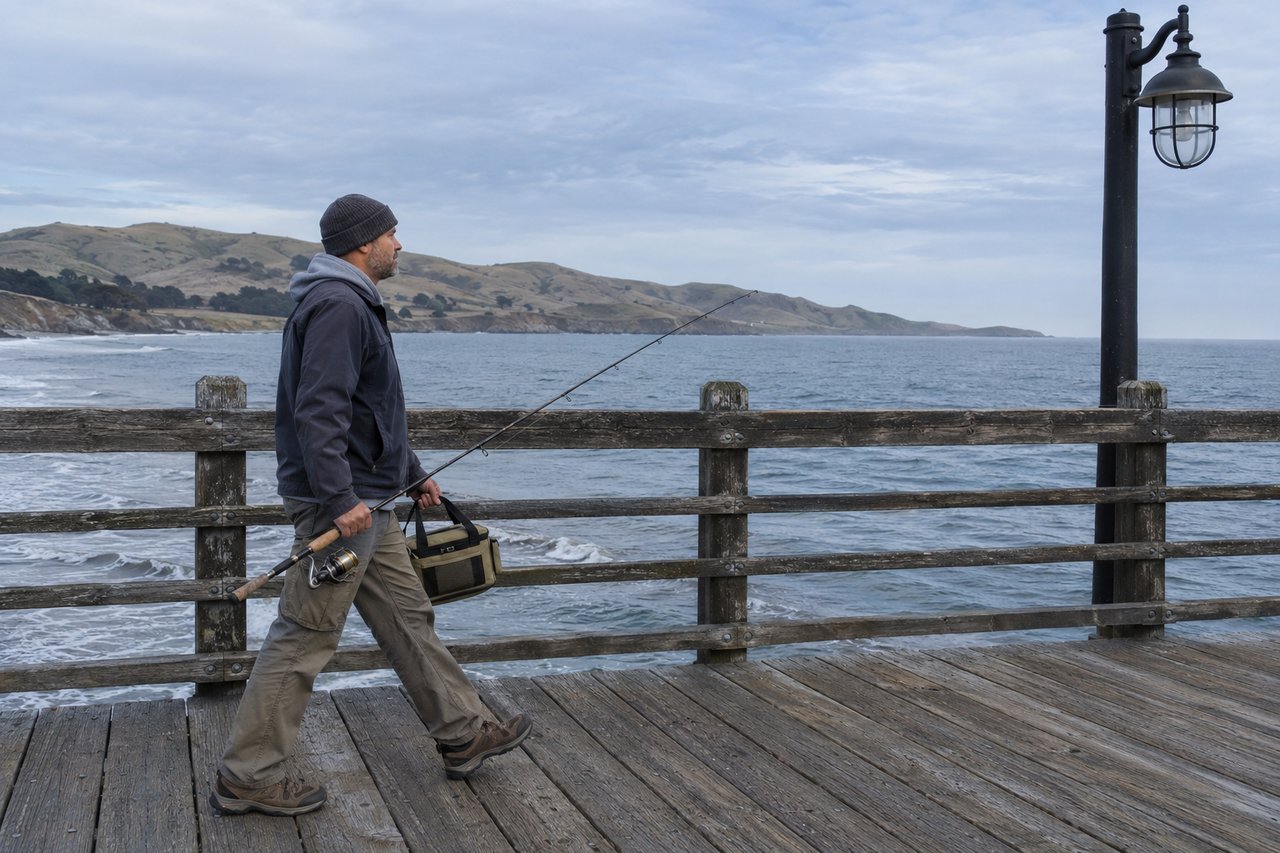
Think about access, seasonality and the routine you would actually keep.
Amber Johnson | November 27, 2026
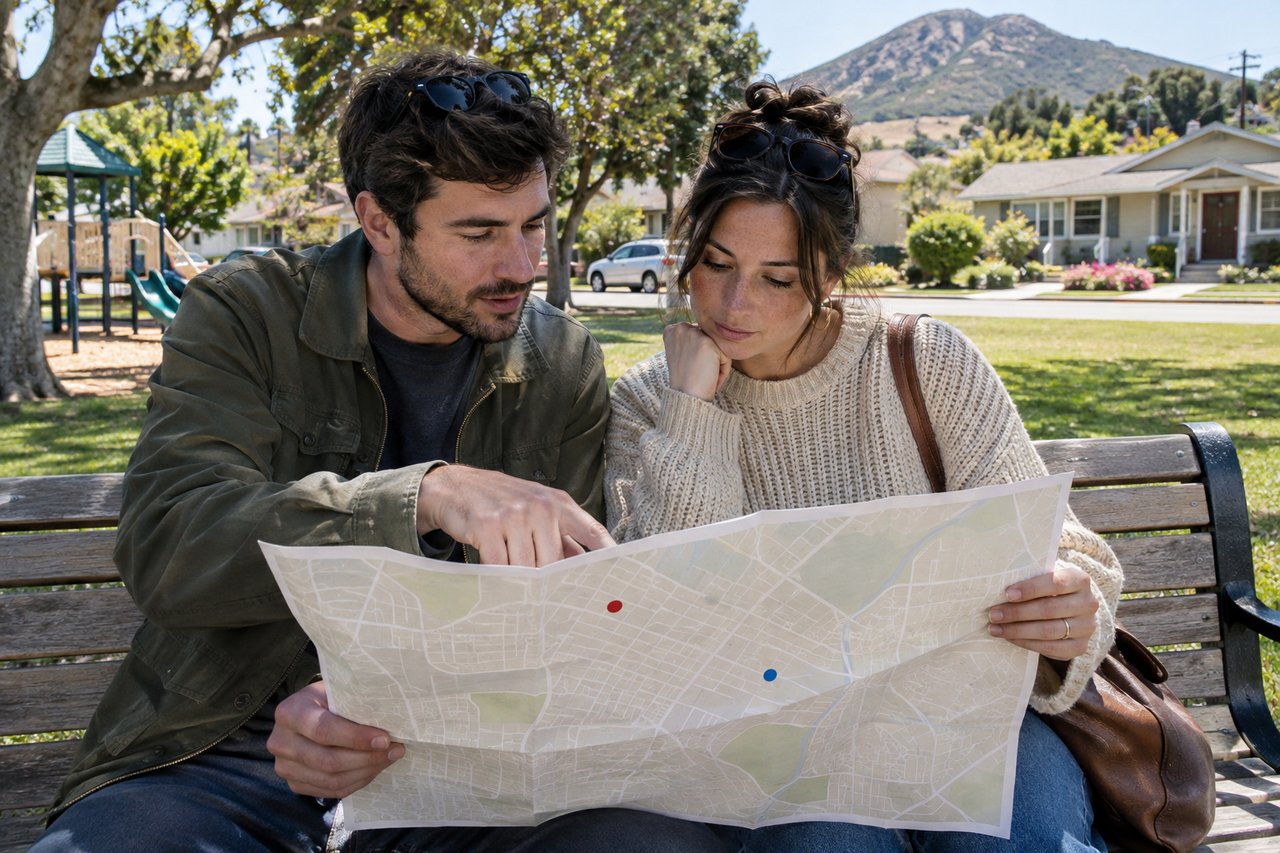
Compare the surrounding streets and daily routines, not just the park names.

Amber Johnson | November 27, 2026
Amber Johnson | November 27, 2026
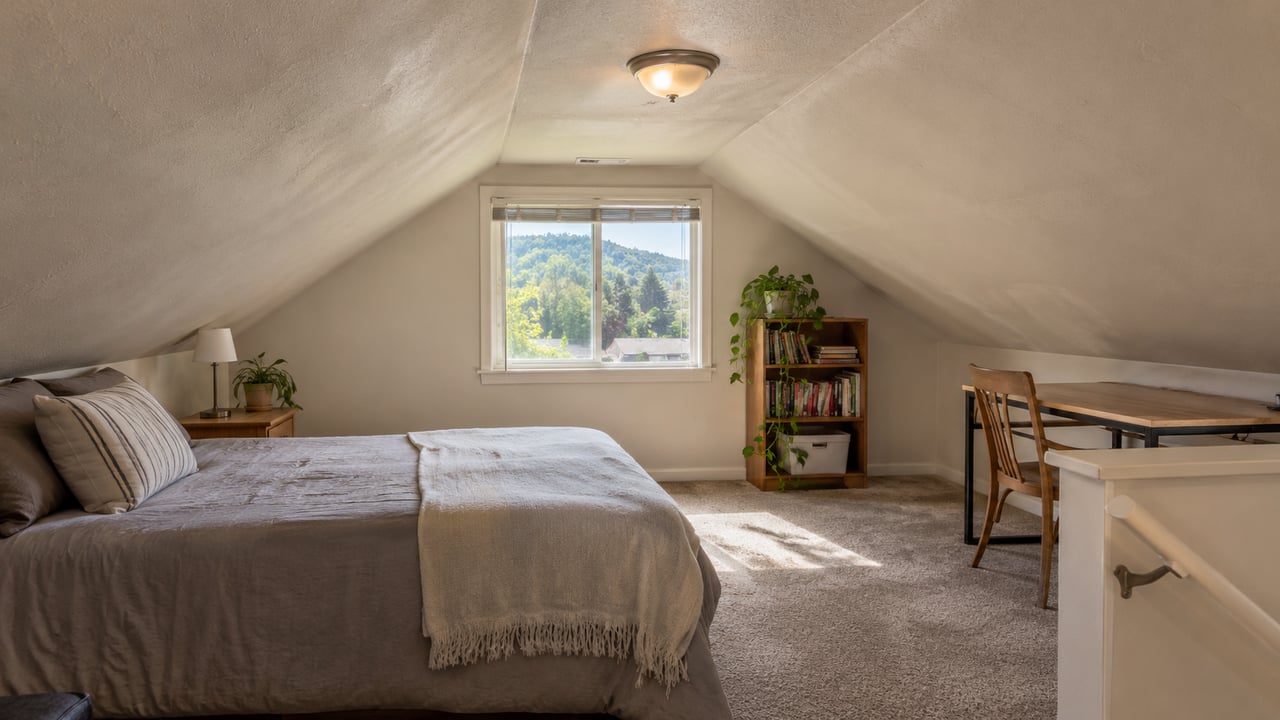
Show the space accurately and verify how it may be described before listing.

Amber Johnson | November 27, 2026
Test the actual routes between a home, shops and the places you visit most.
Amber Johnson | November 27, 2026
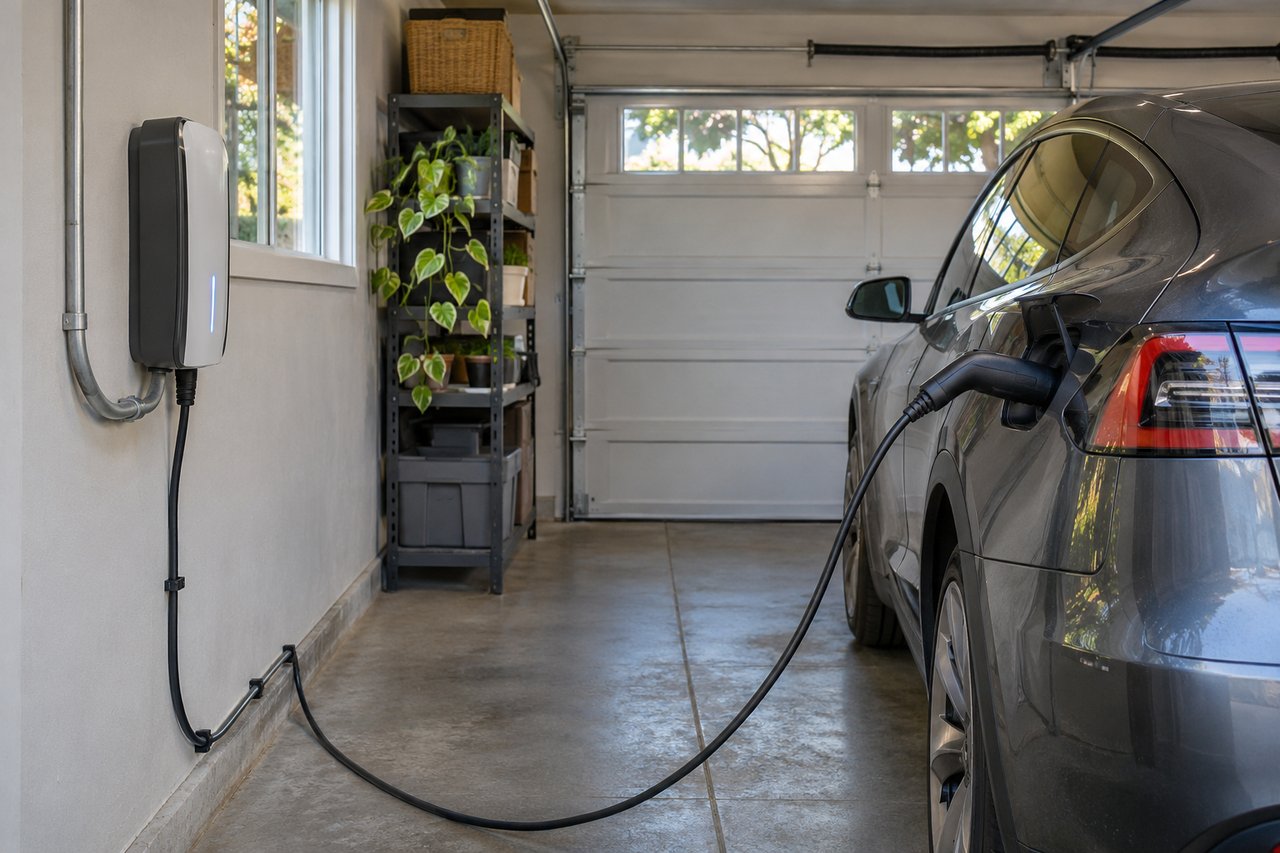
Document the charger accurately and show how the setup works for a buyer.
Amber Johnson | November 27, 2026
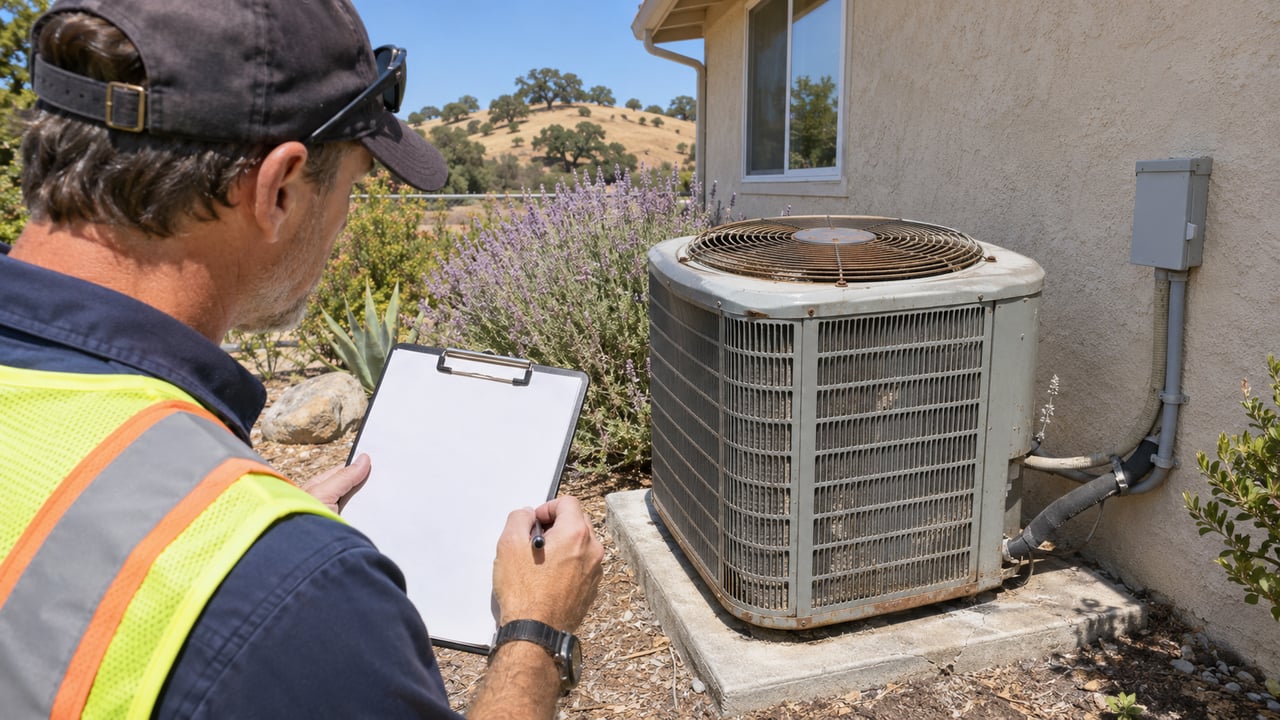
Review the unit, service history and inspection findings before planning for future costs.
You’ve got questions and we can’t wait to answer them.
Amber Johnson, Founder
Pillar Real Estate
805.835.3425
DRE# 01925434
1345 Park Street
Paso Robles, CA 93446
