Should I Move to Morro Bay If I Want a Walkable Coastal Routine?
October 9, 2026

October 9, 2026
Morro Bay can be a strong fit if you want a walkable coastal routine, but the answer depends on where you live and what you expect to accomplish without a car. A home near Downtown, the waterfront, or the Embarcadero can put coffee, restaurants, small shops, parks, and the harbor within a comfortable walk. A home farther north, higher on a hill, or deeper in a residential area may still offer a beautiful coastal setting while requiring more driving for groceries, appointments, and regular errands.
The most useful question is not, “Is Morro Bay walkable?” It is, “Can the specific home support the routine I want?” Walkability is personal. One person wants to stroll to breakfast and the waterfront. Another wants to walk to groceries, work, school, and medical appointments. Those are very different standards.
I’m Amber Johnson, founder of Pillar Real Estate. I help buyers and relocating households compare Central Coast communities around the way they actually live. In Morro Bay, that means looking beyond the ocean view and testing the streets, hills, parking, weather, and everyday destinations around each home.
Start with your real week. Write down the places you visit most often and how frequently you go. Include groceries, coffee, restaurants, work, school, medical care, exercise, parks, pet needs, and any regular trips outside town.
Then separate the list into three groups: places you want to reach on foot, places you would be comfortable biking or taking transit to, and places you expect to drive. This keeps the decision practical. You may be perfectly happy driving for a larger grocery run once a week if you can walk for coffee, lunch, and an evening along the bay.
Also think about distance in minutes rather than miles. A route that looks short on a map can feel different when it includes a hill, a busy crossing, limited sidewalks, or a strong afternoon wind. A flat ten-minute walk and a steep ten-minute walk do not create the same routine.
If you are still deciding whether the broader coastal lifestyle fits, my overview of what it is like living in Morro Bay can help you frame the larger tradeoffs before you compare individual homes.
A dramatic view can be tempting. But if walkability is one of your main reasons for moving, the location of the home should come before the view from the living room.
Homes close to Downtown and the waterfront may offer easier access to shops, restaurants, the harbor, and community activity. The tradeoff can be more visitor traffic, less predictable parking, and a busier feel at certain times. A quieter residential street may provide more separation from activity, but your daily destinations could be farther away.
North Morro Bay can feel more residential and may put some homes closer to beach access, while trips to Downtown or the Embarcadero can be longer. Areas toward the south and east can have different grades, access patterns, and relationships to Highway 1. Even within the same part of town, two homes a few blocks apart may create different walking routes.
Here’s the thing: do not assume that “close to the water” means “close to everyday errands.” The shoreline, commercial areas, residential streets, and major roads do not line up in one simple grid. Test the address, not the description.
Before you make an offer, walk from the home to two or three places that matter to you. Do it at a realistic pace. If you expect to carry groceries, bring a small bag. If you plan to walk a dog, notice shade, crossings, traffic, and the condition of the route. If you expect to bike, look at where you would feel comfortable riding and where you would secure the bicycle.
Try the route more than once when possible. A quiet weekday morning may not show you how the area feels on a sunny weekend. An afternoon visit may reveal wind, parking activity, or traffic that was not obvious earlier.
Pay attention to the return trip too. A downhill walk to coffee can become an uphill walk home. That may be fine if it matches your mobility and fitness. It may be a dealbreaker if you want an easy routine in every direction.
This kind of field test is more useful than a walkability score by itself. A score cannot tell you whether you like the exact crossing, grade, sidewalk, or distance between a particular home and the places you will use.
Morro Bay’s coastal weather is part of the appeal, but it changes how a walking routine feels. Morning fog and cool marine air are common. Some days brighten later. Wind can also affect a route, especially closer to open water.
Ask yourself whether you would still make the walk in a light jacket on a gray morning. If the answer is yes, the routine may be realistic. If you picture walking only on warm, clear days, you may use your car more often than expected.
The right clothing and a practical entry area help. Space for jackets, shoes, a reusable shopping bag, and a bicycle can make daily walking easier. Covered storage matters if outdoor gear is part of the routine. These details are not glamorous, but they often determine whether the habit lasts.
My Morro Bay lifestyle guide provides more context on the town’s everyday coastal rhythm. Use that bigger picture alongside a street-by-street review.
Morro Bay may reduce how often you drive for recreation and casual outings without eliminating the car from your life. That distinction matters.
You may be able to walk to the waterfront, lunch, a park, or a neighborhood market while still driving for a larger shopping trip, a specialist appointment, work in another city, or an airport run. If that balance sounds good, Morro Bay can support a more walkable routine even if it is not fully car-free.
If your goal is to complete nearly every daily task without a car, look carefully at the home’s distance from your essential destinations. Confirm whether the routes feel safe and reasonable for you. Do not count a destination as walkable simply because it appears within a small radius on a map.
Local and regional transit can add options. Morro Bay has local service and connections to other San Luis Obispo County communities, but routes and schedules can change. Review the current schedule around the trips you would actually take. Transit that works for an occasional outing may not match a daily commute or a tightly timed appointment.
Parking still affects daily life. Look at the home’s garage, driveway, street conditions, and guest parking. If you own more than one vehicle, confirm that the setup works without constant repositioning. If you have visitors, think about where they would park during busy periods.
A convenient parking setup can make a partly walkable routine much easier. You can leave the car at home for local outings without worrying about losing a difficult space. Secure bicycle storage can be just as important if cycling will fill the gap between walking and driving.
When you visit a property, do not evaluate parking only at the showing time. Return at an evening or weekend hour if the street’s activity matters to you. Observe, but do not assume one visit represents every day of the year.
A smaller home or attached property near activity may create an easier walking routine than a larger home farther away. The tradeoff could include less storage, less outdoor space, closer neighbors, or an association. A detached home on a quieter street may offer more privacy while adding distance and hills.
Think about the items that support your routine. Where will you keep a bicycle, beach gear, rain jackets, reusable bags, or a dog leash? Is there a comfortable place to remove sandy shoes? Can you bring groceries from the street or parking area to the kitchen without a difficult climb?
These are small questions with a big effect on daily satisfaction. The right property is not simply the closest home to Downtown. It is the home whose layout, storage, parking, and location work together for your normal week.
If you are relocating, spend time in town without treating the visit like a vacation. Stay in the part of Morro Bay you are considering. Buy groceries, walk for coffee, drive to an appointment, use a bicycle if that is part of your plan, and return home after dark.
Try one day with limited car use. Notice which trips feel easy and which require planning. This gives you a much clearer answer than a scenic weekend near the harbor.
Talk through the household schedule too. One person may work from home while another commutes. Children, pets, mobility needs, and frequent visitors can change what practical walkability means. The goal is not to prove that Morro Bay is walkable. It is to see whether Morro Bay is walkable enough for your household.
For a broader feel for the community, read about laid-back living in Morro Bay. Then return to your own list of nonnegotiables.
Should you move to Morro Bay if you want a walkable coastal routine? Possibly, and for the right household it can be an excellent match. The strongest fit is someone who values frequent walks to local destinations, accepts marine weather, and is comfortable keeping a car for some regional trips and larger errands.
The decision gets easier when you compare homes around your actual week. Map the essential destinations. Walk the routes. Test the hills. Check parking and storage. Decide how much driving still makes sense for your goals.
Thinking about moving to Morro Bay or comparing Central Coast communities? I’ll help you evaluate neighborhoods and homes around the routine you want, not just the view that catches your attention online.
Amber
Pillar Real Estate | Amber Johnson, Founder
805.835.3425 | [email protected]
1345 Park St. Paso Robles, CA 93446 | DRE# 01925434

Amber Johnson | November 15, 2026
Compare beach access, board storage, parking, work timing and seasonal conditions before planning a regular morning surf.

Amber Johnson | November 14, 2026

Amber Johnson | November 14, 2026
Compare terrain, access, coastal exposure, housing patterns and daily routes on each side of Highway 1.

Amber Johnson | November 13, 2026
Amber Johnson | November 13, 2026
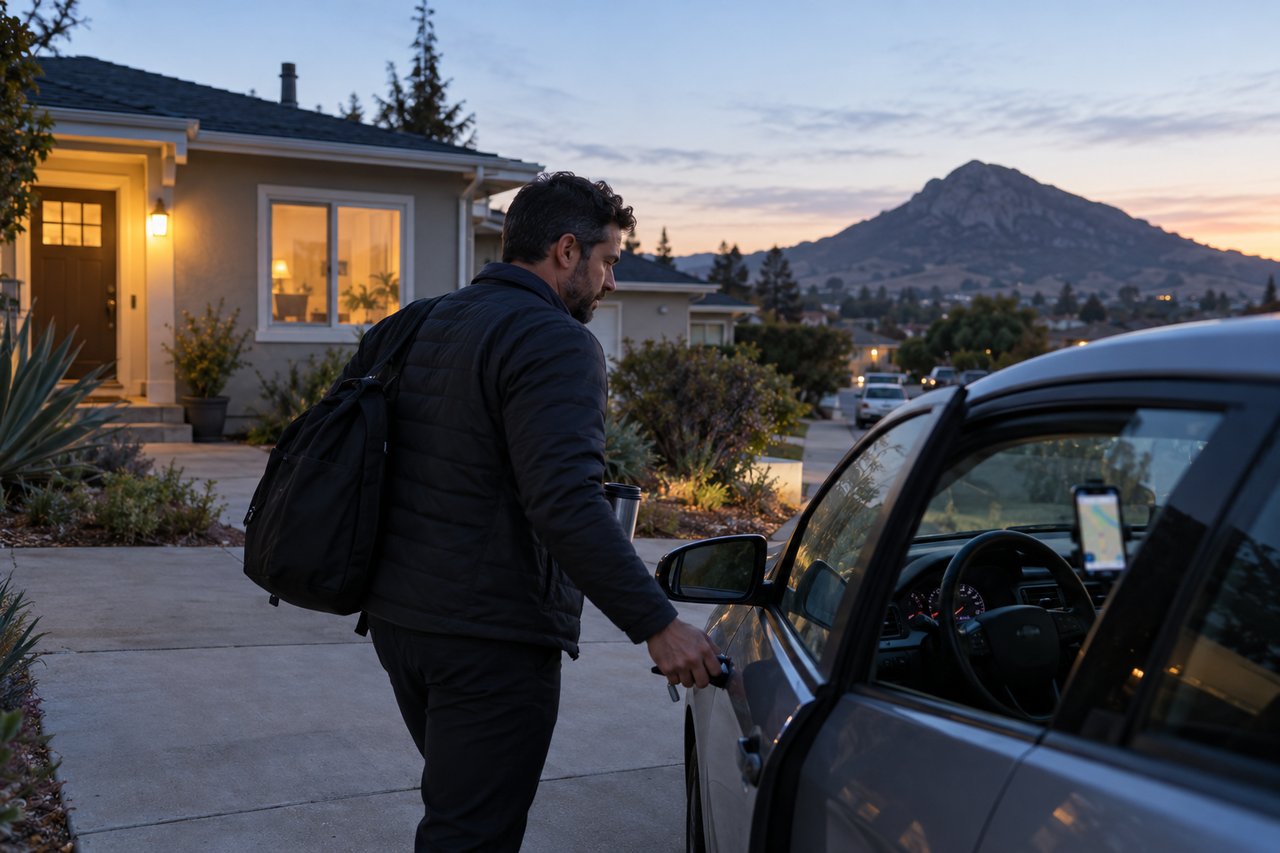
Test the route, schedule, backup plans and the trip from a specific home before deciding whether the commute fits.

Amber Johnson | November 12, 2026
Compare coating condition, underlying damage, cost and curb appeal before deciding whether repainting makes sense.

Amber Johnson | November 11, 2026

Amber Johnson | November 11, 2026

Amber Johnson | November 11, 2026
Compare appearance, operation, window condition and buyer expectations before deciding whether the units should stay.
You’ve got questions and we can’t wait to answer them.
Amber Johnson, Founder
Pillar Real Estate
805.835.3425
DRE# 01925434
1345 Park Street
Paso Robles, CA 93446