What Does the Gap Between Original List Price and Sale Price Tell Pismo Beach Buyers and Sellers?
November 4, 2026

November 4, 2026
The gap between a Pismo Beach home's original list price and its sale price shows how the final recorded price compares with the seller's starting asking price. It can help you understand a pricing path, but it doesn't tell you by itself whether the buyer got a bargain, the seller priced poorly, or the whole local market is weakening.
To interpret the gap, look at the sequence of price changes, the timing, the property, and the competing choices. Then ask what the available records actually establish. A percentage becomes useful when you know the story its underlying numbers can support.
I'm Amber Johnson, founder of Pillar Real Estate in Paso Robles. I help SLO County buyers and sellers make decisions from relevant comparisons. For Pismo Beach, I want you to understand the difference between a seller's initial asking position and evidence of a home's competitive market value.
The original list price is the asking price at the beginning of the listing history used by the report. The sale price is the recorded price at which the transaction closed. Before calculating a gap, confirm how your particular data source defines both fields.
A report may use the original price from one listing entry rather than the first time a property was marketed across every prior listing. Relisting, data corrections, or a change in the reporting period can affect what appears in the history.
Ask your agent to help reconcile the available records when the timeline is unclear. Don't combine a starting price from one source with a sale price from another without checking that they refer to the same property and relevant marketing sequence.
A property can have more than one asking price before it sells. Comparing the sale price with the first asking price answers a different question from comparing it with the asking price immediately before the agreement.
If the seller reduced the price before a buyer made an offer, part of the gap developed during the marketing period. That is different from the buyer negotiating the entire difference off the price that was current when the offer was submitted.
Our article on what price reductions tell SLO County buyers and sellers can help place those changes in context. Keep the timeline visible so a headline discount doesn't erase the sequence that produced it.
When a report presents sale price as a percentage of original list price, it is comparing those two amounts. A result below the starting price indicates a lower final recorded price. It doesn't identify the reason for that difference.
Check whether a published statistic is an average, a median, or a calculation made from a specific group of sales. Those methods can produce different results. Also verify the reporting period and whether the group includes the property types you are considering.
You don't need a complicated formula to ask a good question. Start with which transactions are included, how the starting price is defined, and what the reported number leaves out. That will tell you more than treating one percentage as a negotiating instruction.
An asking price is part of the marketing strategy. It isn't independent proof of value. A home offered above relevant alternatives may ultimately sell for less than its original asking price while still reaching a price supported by the competition.
Another seller may begin closer to the range buyers are willing to consider. A small gap in that transaction doesn't automatically mean the seller achieved a better outcome. You need the property details and the appropriate comparisons.
For sellers, that distinction matters before listing. Don't build a plan around leaving a large cushion simply because you expect negotiation. Discuss how the starting position is likely to affect buyer attention and the home's place among available choices.
Review the available listing dates, price changes, periods off market, pending stages, and the closing date. A long history may contain events that a single original-to-sale comparison doesn't show. Keep documented facts separate from explanations that remain unconfirmed.
A return to market can raise useful questions, but it doesn't establish that the home had a defect or that financing failed. Ask what information is available and what can appropriately be confirmed. Avoid turning an incomplete timeline into a confident story.
Then consider when the price comparison became relevant. A buyer choosing among homes after several reductions faced a different set of asking prices than someone who visited at the beginning. The final gap should be read in that context.
The recorded sale price does not describe every financial term of the transaction. Credits, repairs, included items, and other negotiated provisions can affect the parties' outcomes without being fully explained by a price ratio.
Don't assume those terms from the gap. A lower sale price isn't proof of a particular credit, and a sale near the asking price isn't proof that no concessions were involved. Use confirmed information and understand any limits on what is available.
When reviewing your own offer or sale plan, compare the complete terms. Your agent, lender, and other appropriate professionals can help you understand the practical effect of the agreement rather than focusing on the headline price alone.
A Pismo Beach market summary may combine homes that compete for different buyers. A condominium, a detached house, and a property with unusual features may have different pricing histories. Combining them can conceal differences important to your decision.
Review location, condition, size, ownership structure, and other relevant features before choosing comparable transactions. A coastal address doesn't make every sale an equally useful reference. The group should reflect realistic alternatives to the home being evaluated.
Our discussion of different market conditions across Los Osos price ranges explains the broader issue of market segments. The same question applies when deciding whether a Pismo Beach statistic describes the part of the market you actually face.
Closed sales reflect agreements reached earlier, and each closing enters the report at a particular time. A short period with only a few relevant transactions can be influenced by an unusual property or pricing history. Review the sample before treating the result as a durable trend.
Compare consistent definitions across periods. If one report covers condos and houses while another includes only detached homes, their price gaps may not answer the same question. A change in the group can look like a change in conditions.
Our guide to comparing SLO County housing data with last month or last year can help you separate a useful comparison from a mismatched one. Keep the report's date and coverage alongside any number you use.
Look at current competing listings, recent agreements when appropriately available, closed comparable sales, and the property's presentation. The original-to-sale gap is one indicator among several. It shouldn't replace a property-specific pricing analysis.
Ask whether buyers have more realistic alternatives, whether comparable homes are changing prices, and how the subject home differs. Those questions help explain negotiating conditions without assuming that every seller will respond the same way.
Our article on months of inventory and what it tells sellers describes another measure of market balance. Use it with the right geography and property group rather than borrowing a number from a different market and applying it automatically to Pismo Beach.
For a buyer, a large gap can be a reason to investigate the pricing history. It is not permission to apply the same discount to every current listing. The current asking price, relevant competition, property condition, and seller response still matter.
Build an offer from supported comparisons and terms that fit your goals. Ask which information could change your view and what investigation remains necessary. A strong decision doesn't depend on guessing the seller's motivation from one number.
Also avoid anchoring to the original list price as though it establishes a discount from value. Paying less than an ambitious starting price can still mean paying more than the available evidence supports. Compare the home with the market you are buying into.
For a seller, relevant pricing histories can help test an initial strategy. Look at how similar homes were positioned, what changed, and how buyers responded. Ask whether your proposed price gives buyers a clear reason to consider the property now.
A small gap is not the only measure of success. The final terms, timing, preparation expense, and your next move all matter. Avoid choosing a starting price solely to produce a favorable-looking ratio later.
At Pillar Real Estate, I connect pricing with presentation and marketing. We can review the home's actual competition and decide what the evidence supports before listing, then use new information to reassess the plan as needed.
The original-to-sale gap can show that the final price differed from the initial asking price. With a clear timeline and relevant comparisons, it may also help explain how the property was repositioned. It cannot establish every cause or outcome on its own.
If a report leaves the definitions or sample unclear, ask for clarification before using it to make an offer or set a price. A number that cannot be explained plainly shouldn't carry the whole decision.
I help Pismo Beach buyers and sellers work through those details as part of a broader SLO County plan. We can separate the documented pricing history from assumptions and focus on the choices that make sense for your property and goals.
Visit Sell With Amber to discuss your Pismo Beach sale or move and put the available market information into practical context.
Amber
Pillar Real Estate | Amber Johnson, Founder
805.835.3425 | [email protected]
1345 Park St. Paso Robles, CA 93446 | DRE# 01925434
Amber Johnson | November 4, 2026
Understand what the gap may reflect, which price changes came first and why property type and timing still matter.

Amber Johnson | November 4, 2026
Compare the cost, timing and buyer impact of each option before choosing.

Amber Johnson | November 4, 2026
Review the well arrangement, records and equipment before committing to the property.

Amber Johnson | November 3, 2026
Think through market access, travel and how often the routine fits your week.

Amber Johnson | November 3, 2026
Compare the daily routes and home settings that matter to you in each area.

Amber Johnson | November 3, 2026
Test parking, daily routes and the layout of a specific home before deciding.

Amber Johnson | November 3, 2026
Show how the yard can be used while setting clear expectations about the slope.
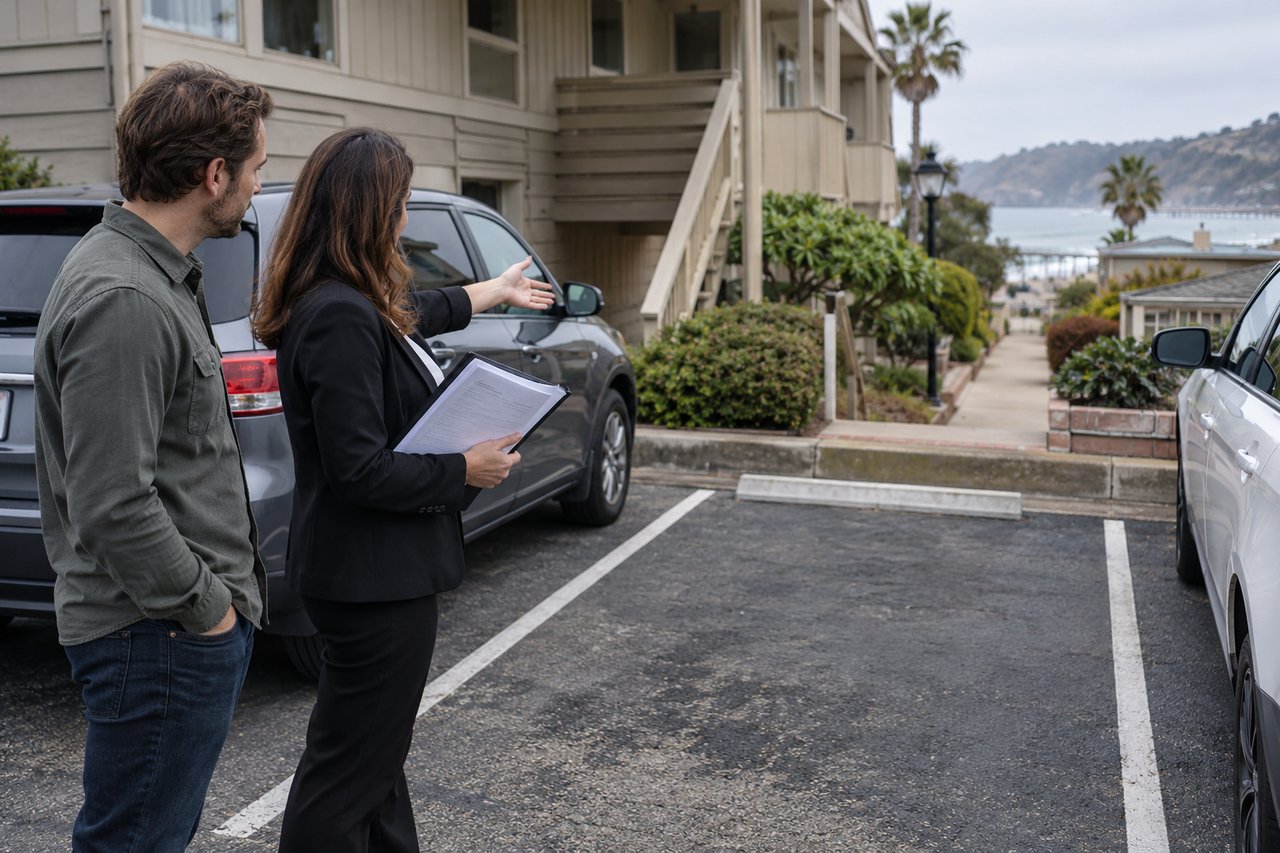
Amber Johnson | November 3, 2026
Verify the assigned space, governing documents, access, dimensions and guest-parking rules before relying on the parking arrangement.

Amber Johnson | November 3, 2026
Use both groups of listings to understand choice without assuming a single number tells the whole story.
You’ve got questions and we can’t wait to answer them.

Amber Johnson, Founder
Pillar Real Estate
805.835.3425
DRE# 01925434
1345 Park Street
Paso Robles, CA 93446