Should I Repair a Sagging Front Porch Before Selling My Nipomo Home?
November 4, 2026
November 4, 2026
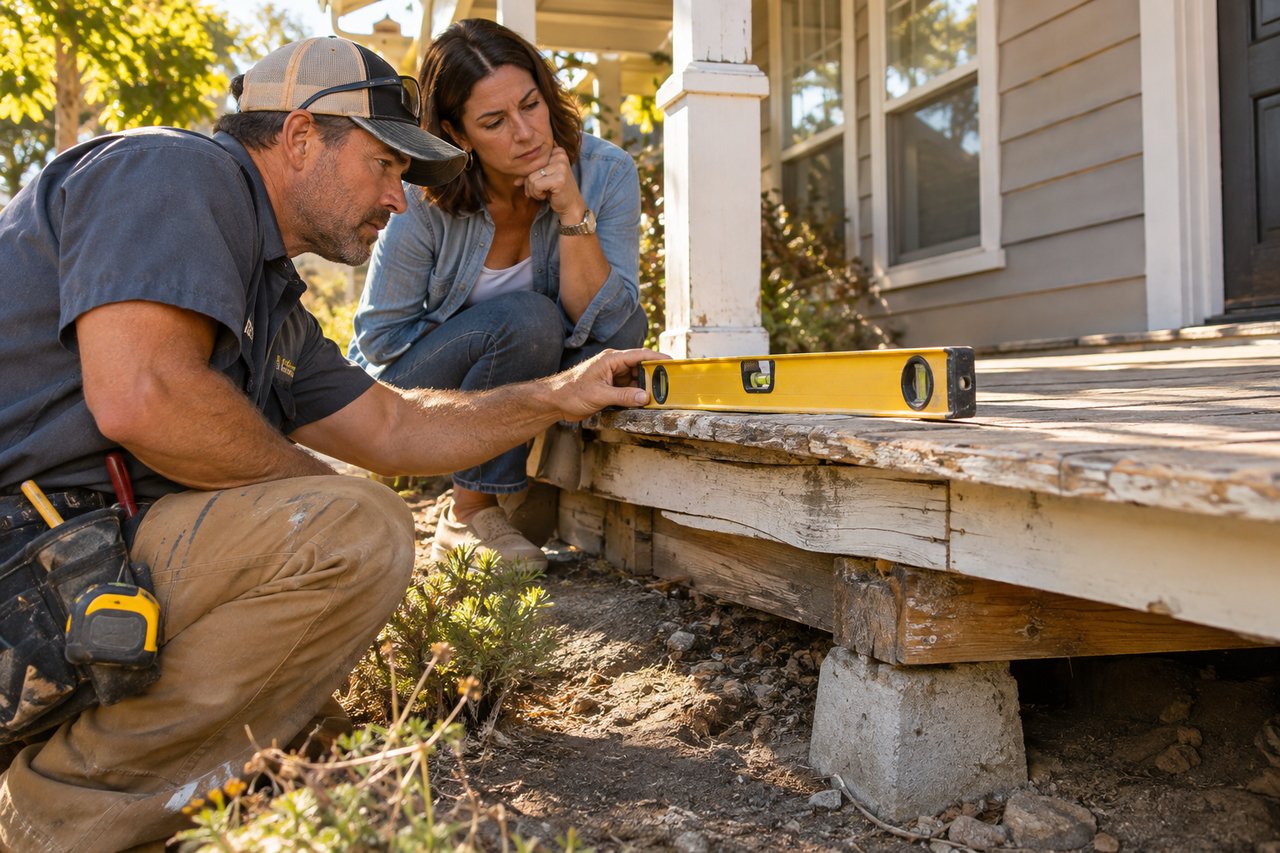
Yes, a sagging front porch needs attention before you sell your Nipomo home. Start by having the condition evaluated and finding out how to keep people away from any unsafe area. Whether you complete a repair before listing depends on what that assessment finds, the proposed work and your selling plans.
This isn't a decision I would make from a listing photo or a quick walk across the porch. A surface that looks uneven doesn't tell us why it moved. We need useful information before we decide how to prepare the house, price it and arrange buyer visits.
I'm Amber Johnson, founder of Pillar Real Estate. I help Nipomo and other SLO County homeowners prepare for a sale with a clear plan. My role is to help you connect the condition of your home with your next move, while bringing in qualified professionals for the construction questions.
Before comparing estimates, think about access. Is the porch part of the normal route to the front door? Do family members, visitors or delivery drivers use it? Tell the professional evaluating it how people enter and leave the house so they can address that practical concern.
If the porch appears unstable, don't test it by jumping, adding weight or inviting someone else to walk on it. Ask a qualified professional how to restrict access and what arrangements are appropriate. Have them consider the usable route into the home, not just the section that looks uneven.
That conversation should happen before showings begin. A sign asking buyers to be careful isn't an assessment. Your agent can coordinate appointment instructions, but instructions alone don't establish whether the porch is safe to use.
You can make the larger selling decision after you understand the condition. You don't have to decide on an expensive replacement during the first phone call. You do need a clear answer about what should happen while the issue is being evaluated.
Pull together your own observations. When did you first notice the change? Has the porch looked the same for years, or has its appearance changed recently? Are there prior repairs, reports or invoices you can share with the person inspecting it?
Take photos from a safe location. Show the whole porch, its connection to the house and the specific area that concerns you. Don't crawl beneath it or remove materials just to get a better picture. Let the professional determine what access is needed for the assessment.
Use plain descriptions such as “the outer edge looks lower” instead of declaring that a particular support has failed. You may be accurately describing what you see without knowing why it happened. Keeping those two things separate helps prevent a guess from becoming part of the sale story.
Also be clear about the limits of your history. If you bought the house with the porch already in that condition, say so. If you don't have records of a repair, don't describe it as approved or completed to a particular standard.
Start with an appropriately licensed contractor who handles this type of work. Explain that the porch appears to sag and that you're planning a sale. Ask whether their evaluation is sufficient or whether a structural engineer or another specialist needs to be involved.
A recommendation should explain what was inspected, what was found and what remains unknown. Ask whether the proposed work addresses only the walking surface or includes the supporting parts. Those are different scopes, even if the finished porch would look similar in a photograph.
Don't assume replacing the visible boards will address the reason the porch is uneven. Equally, don't assume the entire porch needs replacement before someone qualified has evaluated it. Your next expense should follow the findings rather than a guess about the worst case.
If you're comparing a visible surface concern with a broader repair, my article about repairing loose deck boards before selling offers another way to think about condition, assessment and preparation. It doesn't substitute for evaluating this porch.
Once you have a recommendation, ask for the scope in writing. Which parts are being repaired or replaced? What work is excluded? What could change the price once the project begins? An estimate is more useful when it explains those boundaries.
Ask who will determine the applicable permit and inspection requirements. For a Nipomo property, have the contractor confirm the responsible local authority and the requirements for the actual scope. Don't assume that calling a project a repair settles whether approvals are needed.
Discuss what happens to the entrance during construction. You may need a different access arrangement while the work is underway. Ask about demolition, debris, material delivery and cleanup so you can understand how the project affects both daily life and the listing schedule.
Get a realistic sequence rather than just a start date. If the work requires plans, approvals or inspections, ask where those steps fit. Also clarify whether painting, railings, steps or surrounding finishes are included or will need separate work afterward.
With that information, we can compare practical options. Completing the appropriate work before listing may make sense if you have the time and funds. It gives you an opportunity to present the completed scope and supporting records instead of leaving that work for a future negotiation.
But I wouldn't promise a specific return on the repair cost. A porch project isn't automatically a dollar-for-dollar increase in the sale price. The decision needs to account for the property's condition, available alternatives, expected timing and your broader plans.
If completing the work isn't realistic, discuss selling in the existing condition with your broker. That requires a thoughtful approach to access, documentation, disclosures and pricing. It doesn't mean leaving the porch unexplained and hoping the buyer won't ask about it.
A proposed credit is also different from a completed repair. Before relying on one, discuss the transaction details with the appropriate professionals, including the buyer's lender when relevant. Don't promise that a particular credit or repair arrangement will work for every buyer or loan.
A sagging porch can change your preparation priorities. Before spending on decorative improvements, understand this condition and its possible scope. It is easier to make a sensible budget when the most important unanswered questions are addressed first.
That doesn't mean every other project should stop indefinitely. It means separating necessary evaluation and appropriate repairs from optional presentation choices. Painting a room, buying outdoor furniture and rebuilding an entrance are different decisions with different purposes.
If you're also weighing yard changes, my discussion of whether to remove a backyard storage shed before selling in Nipomo can help you think through a separate preparation expense. Don't let an optional project consume the funds you need to understand the porch.
Keep a short list of priorities and revisit it after the estimate arrives. Some choices may become simpler once you know the scope. The goal is a preparation plan you can carry out, not an expanding collection of projects suggested by everyone who sees the house.
If you repair the porch, keep the assessment, written agreement, invoices and relevant approval or inspection records together. Ask the contractor for an explanation of the completed scope that you can understand. Keep any warranty information with those records.
Describe the work using the documentation. If only certain components were replaced, don't advertise the entire porch as new. If an issue was evaluated but no work was completed, don't describe that evaluation as a repair.
Ask what maintenance the repaired porch needs and pass along the information provided. A completed project doesn't support a promise that the porch will never need attention again. Clear records are more useful than broad reassurance.
If the plan changes during construction, keep the revised scope and costs too. That helps you explain what was actually done. Your broker can help you organize the information for the sale, while technical questions remain with the people qualified to answer them.
Decide on photography after you know whether the porch will be repaired before listing. You don't want unfinished work in the marketing photos if the plan is to complete it. You also don't want photos that disguise an unresolved condition.
Don't hide an uneven section under a rug or stage furniture over it to keep buyers from noticing. Presentation should make the home easier to understand. It shouldn't make an important condition harder to see.
If work remains incomplete, coordinate the showing plan before appointments are accepted. Ask the appropriate professional about access, then make sure the instructions reflect that advice. Revisit the plan when the condition or construction stage changes.
The porch is part of the home's first impression, but the property needs a complete and accurate presentation. For broader positioning, my article on marketing a Nipomo home with a deep lot and a small house discusses matching the home's actual features to the right buyer conversation.
Before moving forward, you should be able to explain who evaluated the porch, what they found and which option you've chosen. You should also know how people will access the home and where the supporting records are kept.
If you can't answer one of those questions yet, that's your next task. You don't need to become a construction expert. You need the right people involved and enough information to choose a sale plan that makes sense for your situation.
For a Nipomo homeowner, addressing a sagging front porch starts with safety and a qualified assessment. From there, you can compare the cost, timing and practical consequences of repairing before listing or considering a sale with the condition unresolved.
At Pillar Real Estate, I help local sellers put those choices into a clear plan from start to finish. If you're getting ready to sell your Nipomo home, visit Sell With Amber and let's talk about your property, your priorities and the next step.
Amber
Amber Johnson
Founder, Pillar Real Estate
805.835.3425
[email protected]
1345 Park St. Paso Robles, CA 93446
DRE# 01925434
Website: https://pillarrealestate.com/

Amber Johnson | November 4, 2026
Amber Johnson | November 4, 2026
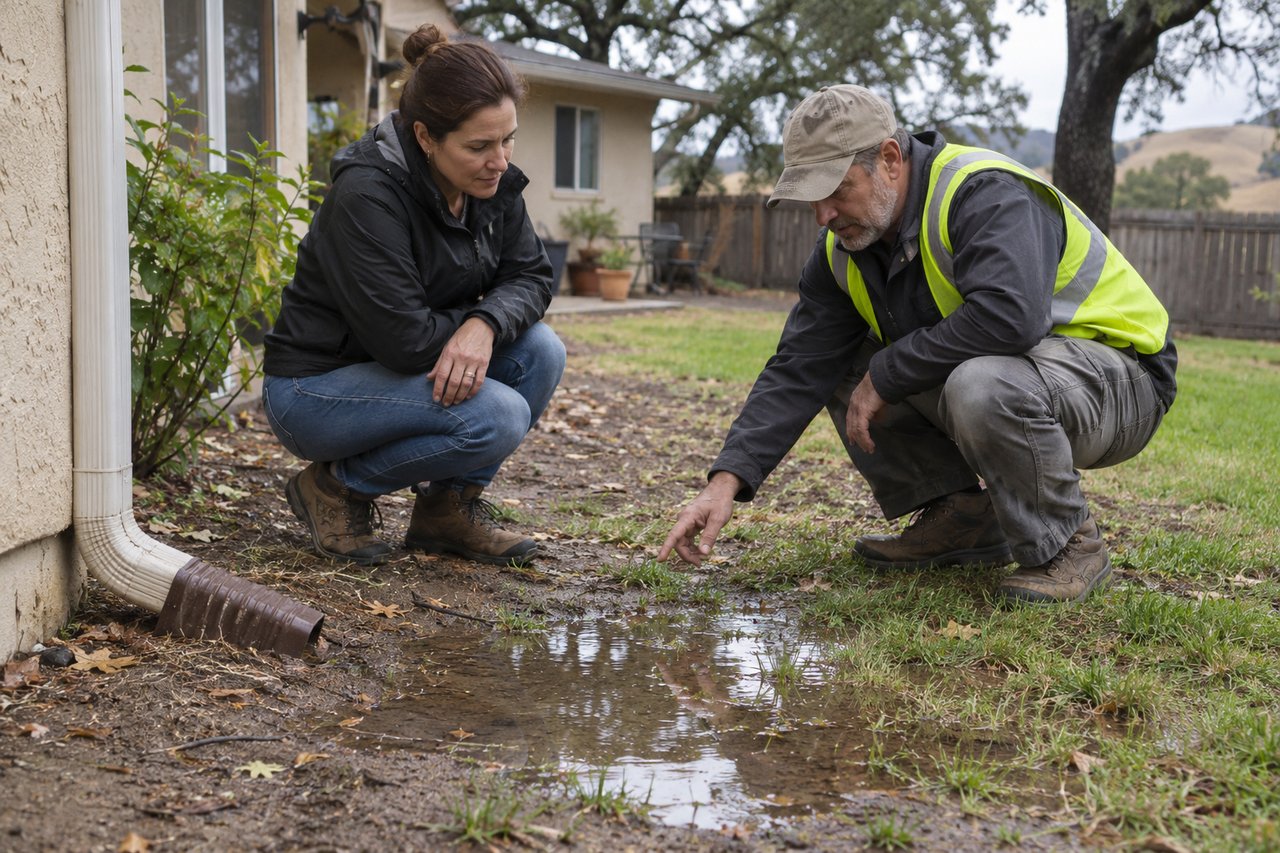
Assess the porch condition, safety and repair scope before choosing a listing plan.
Amber Johnson | November 4, 2026
Identify the cause and compare repair options before buyers see the yard.
Amber Johnson | November 4, 2026
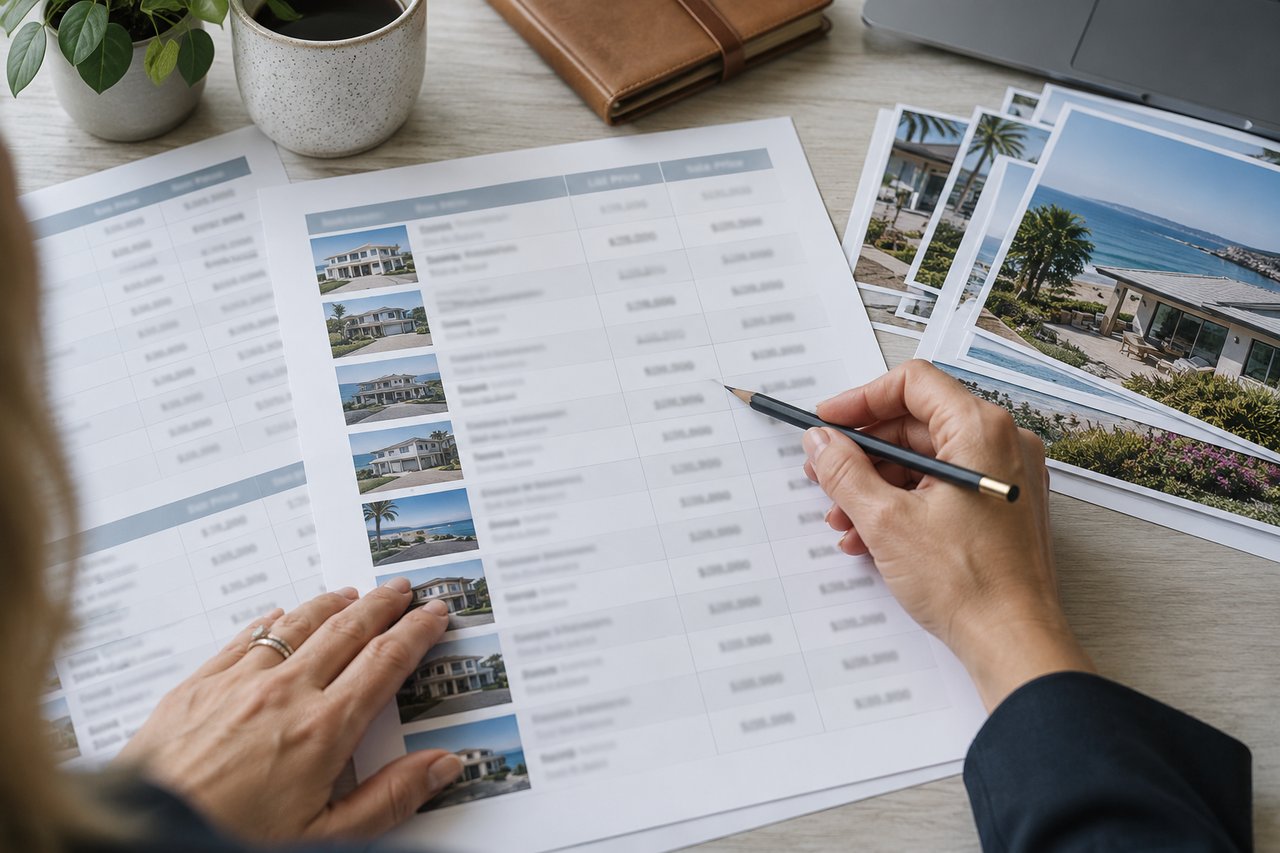
Understand what the gap may reflect, which price changes came first and why property type and timing still matter.
Amber Johnson | November 4, 2026
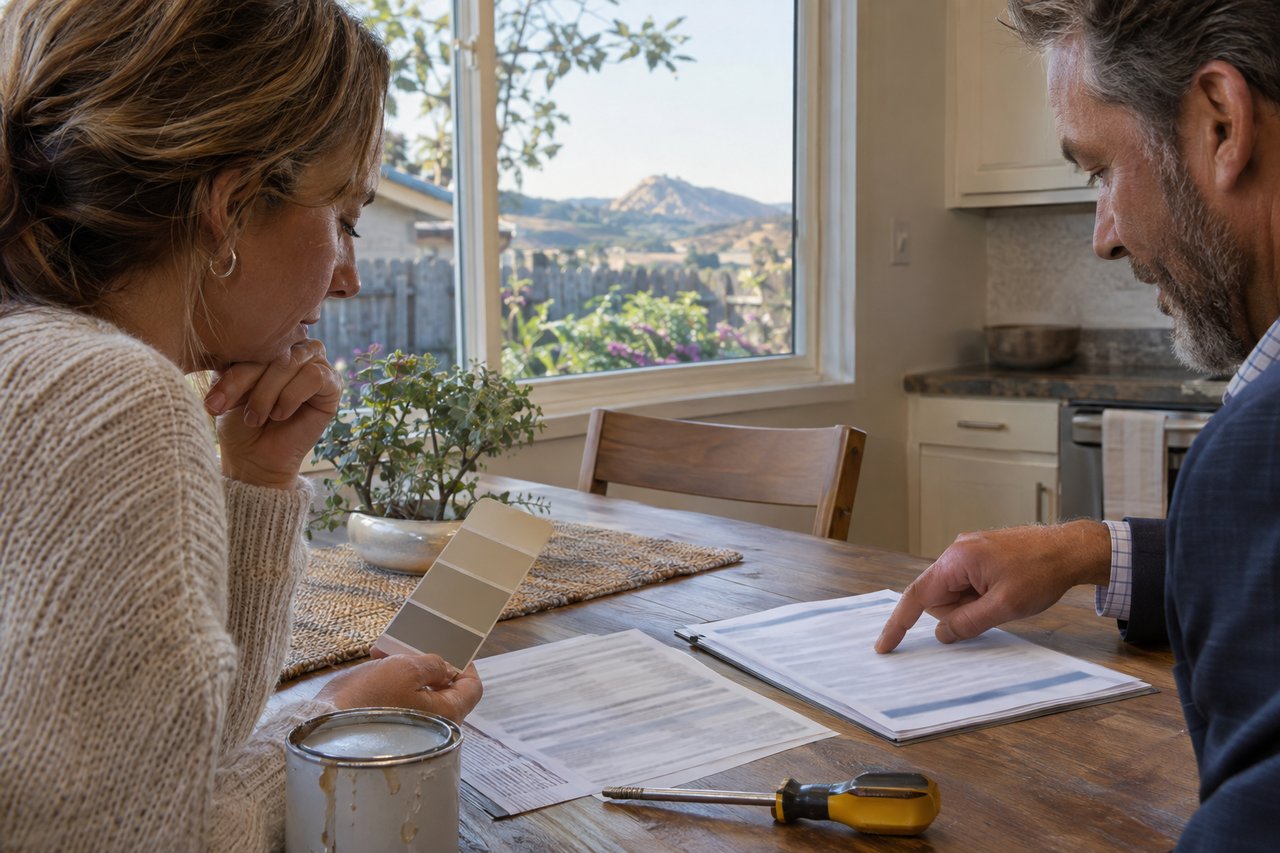
Compare the cost, timing and buyer impact of each option before choosing.

Amber Johnson | November 4, 2026
Review the well arrangement, records and equipment before committing to the property.

Amber Johnson | November 3, 2026
Think through market access, travel and how often the routine fits your week.
Amber Johnson | November 3, 2026
Compare the daily routes and home settings that matter to you in each area.

Amber Johnson | November 3, 2026
Test parking, daily routes and the layout of a specific home before deciding.
You’ve got questions and we can’t wait to answer them.

Amber Johnson, Founder
Pillar Real Estate
805.835.3425
DRE# 01925434
1345 Park Street
Paso Robles, CA 93446