How Should I Market a Nipomo Home with a Deep Lot but a Small House?
October 19, 2026
October 19, 2026
Market the house and the lot as one property, with a clear explanation of how each works today. Show the home's actual size, make the outdoor space easy to understand, and support the price with relevant comparisons. A deep lot can be a useful feature without promising a larger house, another dwelling, or a future lot split.
The mistake is assuming buyers will automatically understand the value of the extra land. Some will see room for the outdoor routine they want. Others will see maintenance. Your marketing needs to explain the property accurately enough for people to decide which description fits their needs.
I'm Amber Johnson, founder of Pillar Real Estate. I help homeowners across San Luis Obispo County, including Nipomo, work through preparation, pricing, and marketing decisions before they list. With a small house on a deep lot, I would start with the same question I ask any seller: What can this property offer a buyer without changing anything?
Start by separating confirmed features from ideas. The existing house has a particular floor plan and condition. The yard has a particular shape, grade, access, and level of upkeep. Those are the foundations of your listing.
Walk from the street to the back of the property with your agent. Note how the house sits on the lot and how someone reaches the outdoor areas. A long yard reached through a narrow side passage is different from one with a wide, usable access route. Neither should be described from an aerial photo alone.
Discuss the information supporting the advertised lot size and living area. If records disagree, resolve what can be resolved before marketing. Don't treat a fence, an old sketch, or a remembered measurement as a substitute for reliable information about a boundary.
You don't need to invent a grand use for every square foot. A clearly presented existing property gives buyers something concrete to evaluate. A list of possibilities without support gives them more questions.
The lot should not overwhelm the house in the presentation. Buyers still need to know whether the interior works for them. Show room connections, storage, access to the yard, and the spaces used every day.
Prepare the rooms so their purpose is easy to understand. Move unnecessary furniture, clear walking routes, and avoid filling a compact room with too many decorative pieces. The goal is an accurate sense of usable space, not an attempt to make every room appear larger than it is.
A floor plan can help when the layout is difficult to explain through photos. Have dimensions checked appropriately, and make sure the marketing doesn't turn an unverified room or detached structure into additional living area.
Lead with features that actually matter at this home. That might be a direct connection to the backyard, simple single-story circulation, or a practical kitchen layout. Use the verified details, rather than calling the house “small but mighty” and leaving buyers to figure out the rest.
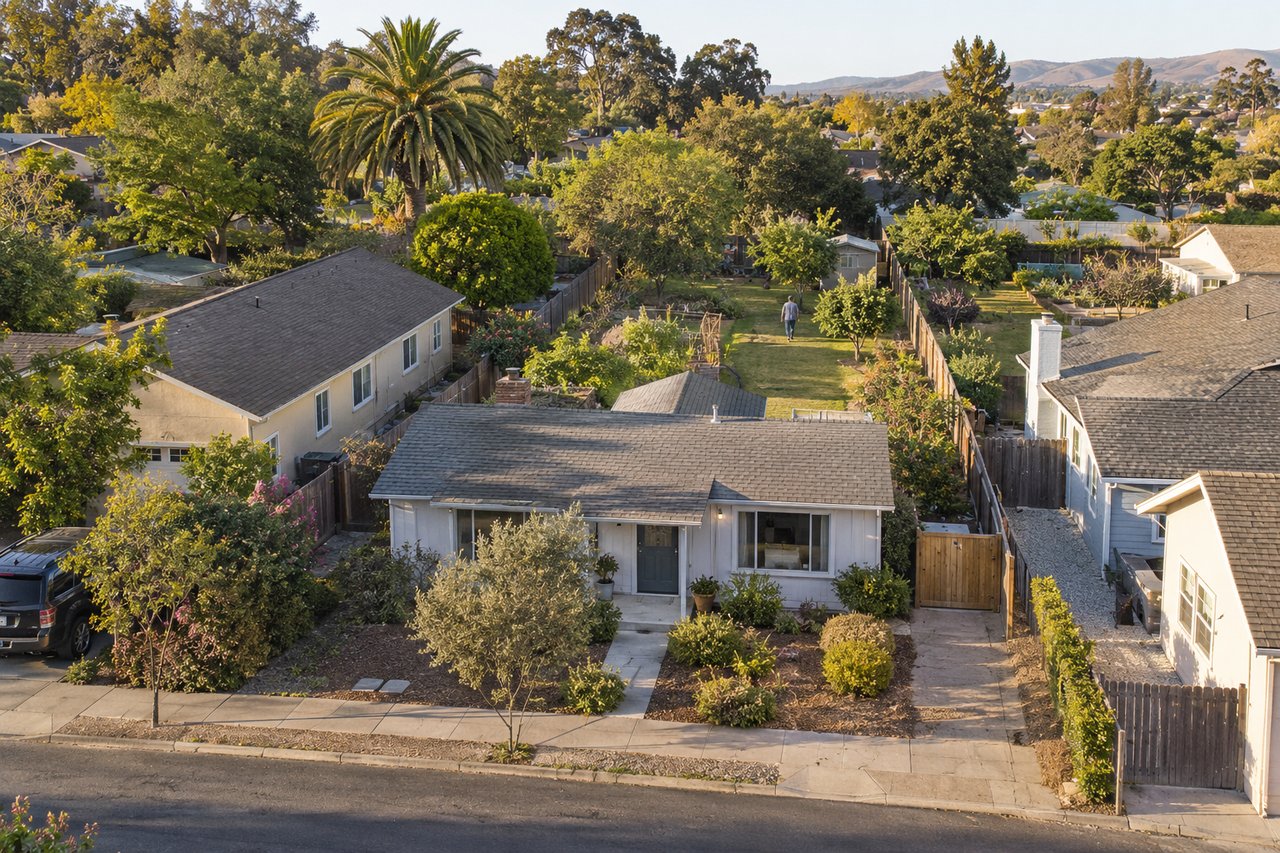
A deep lot can be surprisingly difficult to show well. A photo from the back door may flatten the distance. An aerial image may show the shape but leave buyers unsure what the ground-level experience is like.
Use a combination of views. Show the yard from the house, the house from farther back, and a representative view of the route between them. If elevated photography is appropriate, it should help explain the relationship between the small house and the longer outdoor space.
Don't use an extreme wide-angle lens to stretch the yard or crop away a relevant part of its setting. Keep neighboring structures, fences, and access conditions in honest proportion. The photos should make a showing more useful, not create an expectation the property can't meet.
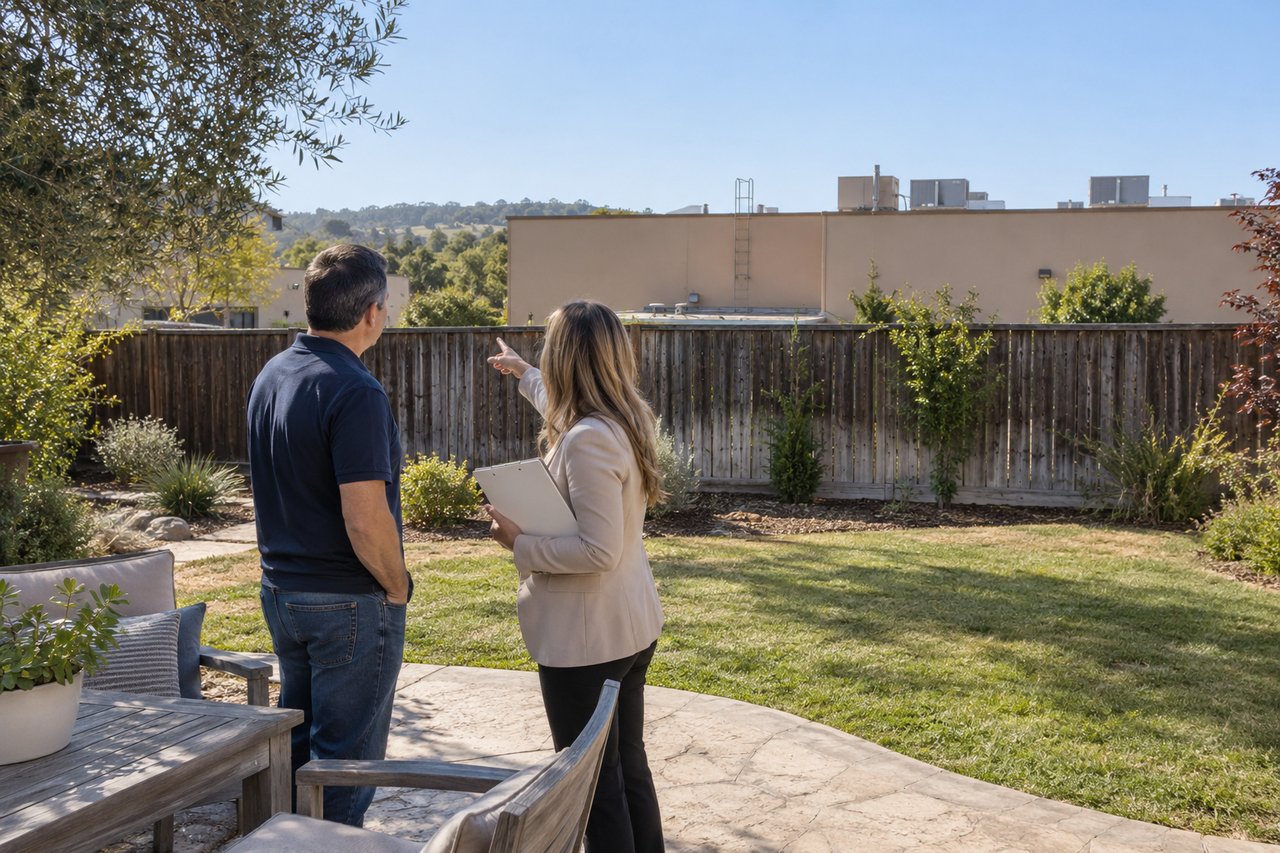
For an educational article, an illustrative image can demonstrate this house-and-lot relationship. An actual listing should use accurate photographs of the property being offered. Buyers need to see what is really there.
The total lot measurement doesn't explain everything about outdoor use. Grade, drainage, existing improvements, trees, access, and other site conditions can affect how someone experiences the space.
Show maintained areas and explain existing uses without turning them into guarantees. A current garden is a useful thing to photograph. Saying that every part of the property is suitable for a particular project is a different claim.
If the rear area is hard to reach or needs attention, don't hide it behind a beautiful patio photo. Decide whether a modest cleanup would make it easier to inspect and understand. Buyers should be able to see the property without stepping around unnecessary stored materials.
Be equally clear about upkeep. More outdoor space can suit a buyer who wants it, but maintaining it is part of the decision. An honest presentation helps attract someone who sees value in that responsibility.
Neither house size nor lot size should carry the entire pricing argument. A smaller residence with more land may compete with several different property types, depending on its condition and setting.
I would compare recent sales and available alternatives, then look closely at what makes each one different. A larger remodeled house on a compact lot isn't the same offering. An acreage property with a different level of access and upkeep isn't automatically comparable either.
Avoid adding a flat amount for each extra square foot of land without supporting evidence. Also avoid multiplying the home's living area by a broad average and assuming the yard has been accounted for. The comparison needs to reflect the actual combination a buyer is considering.
My article on pricing a home correctly in a changing SLO County market explains the broader process. For this property, the important extra work is choosing comparisons that help us understand both the residence and its outdoor space.
A buyer may ask whether the house could be enlarged or whether another structure could be added. A deep lot alone doesn't answer either question. Don't price or advertise an unverified project as though it already has approval.
For property-specific questions, identify the parcel and check with the appropriate planning authority and qualified professionals. San Luis Obispo County's zoning guidance starts with parcel information and explains that allowable uses and permit requirements need to be checked. A general description of Nipomo is not a parcel-specific determination.
If you already have plans, correspondence, or permits, organize them. Describe their actual status accurately. An owner's sketch, a past conversation, an application, and an issued approval are not interchangeable.
Don't draw an extra house onto a listing photo simply to make the lot more exciting. If a buyer's interest depends on a future project, give them a clear path to investigate it. The existing home still needs a sound marketing case of its own.
Before ordering major outdoor work, decide whether it is necessary for maintenance, access, or presentation. A complete redesign is not automatically the best use of a seller's budget.
Basic cleanup may be enough to show the lot's shape and existing uses. Clear unnecessary stored items, tidy established paths, and address obvious maintenance concerns with appropriate professional help. Avoid spending on a new feature simply because the lot has room for it.
Inside, focus on the same principle. Make the house clean, functional, and easy to view. Don't assume a costly renovation is needed to compensate for its size. Review the competing homes and your expected net proceeds before committing to optional improvements.
I share another local perspective in this Nipomo sale article. Every property needs its own preparation and pricing decisions. A previous sale is useful context, not a promise that another home will produce the same result.
The listing should make the relationship between the house and yard clear early. State the verified home and lot details, describe the layout, and explain the existing outdoor areas. Let buyers picture a routine grounded in the property as it stands.
Avoid advertising “endless possibilities” when the important possibilities haven't been checked. Be careful with “build your dream home,” “room for another unit,” or “easy expansion.” Those phrases can make a buyer think the necessary investigation is already complete.
Keep the local context specific to the address. Buyers considering Nipomo may also be comparing different settings and daily routes. Don't promise a convenient trip or a particular lifestyle without understanding the actual location.
For broader community context, my guide to living in Nipomo can help buyers begin their research. The listing itself should explain this home rather than repeat a general introduction to the area.
Arrange showings so people can evaluate both the interior and the outdoor space. Keep access practical and tell your agent about any areas that require special arrangements. A deep rear yard shouldn't feel like an unexplained area beyond the tour.
Have relevant records available through the normal transaction process. Answer questions within your knowledge and let your agent help identify when another professional is needed. Guessing about a boundary, improvement, or future use won't make the property easier to sell.
Once feedback comes in, listen for the actual obstacle. Are buyers struggling with the interior layout? Do they see the outdoor space as more upkeep than they want? Are they expecting an expansion option that the listing never should have implied?
Use those answers to review presentation and price. Don't automatically respond by spending more on the yard or repeating the same unsupported development claim in different words.
A small house on a deep Nipomo lot doesn't need to be marketed as a larger home waiting to happen. It needs a clear explanation of its current layout, outdoor use, condition, and place among the available alternatives.
That's where thoughtful marketing starts. Show the proportions honestly. Prepare what matters. Verify the information behind your claims. Then let the price and presentation work together.
If you're thinking about selling, let's look at your home and lot before you spend on changes. At Pillar Real Estate, I'll help you decide what makes sense for your property and your goals. Visit Sell With Amber to start the conversation.
Amber
Amber Johnson, Founder
Pillar Real Estate
805.835.3425
[email protected]
1345 Park St. Paso Robles, CA 93446
DRE# 01925434
Amber Johnson | October 20, 2026
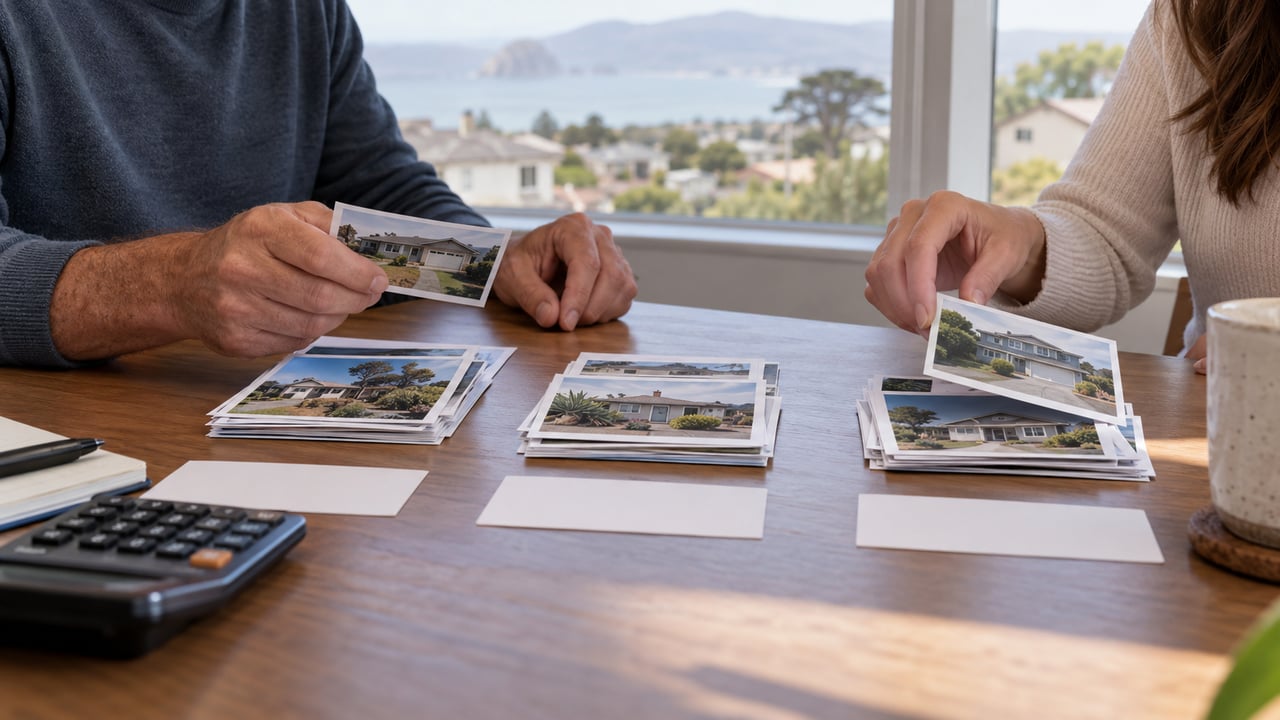
Compare a consistent property type and reporting period within relevant price brackets before treating a broad market headline as guidance for a particular home.
Amber Johnson | October 19, 2026
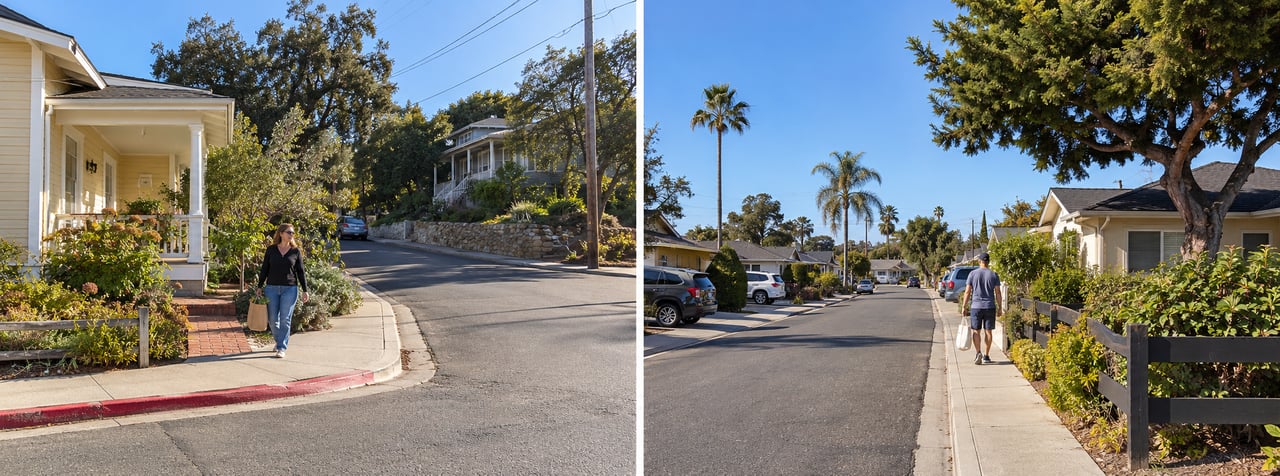
Compare your regular errands, routes, parking needs, and preferred street setting from specific homes in each area before deciding which routine fits.
Amber Johnson | October 19, 2026
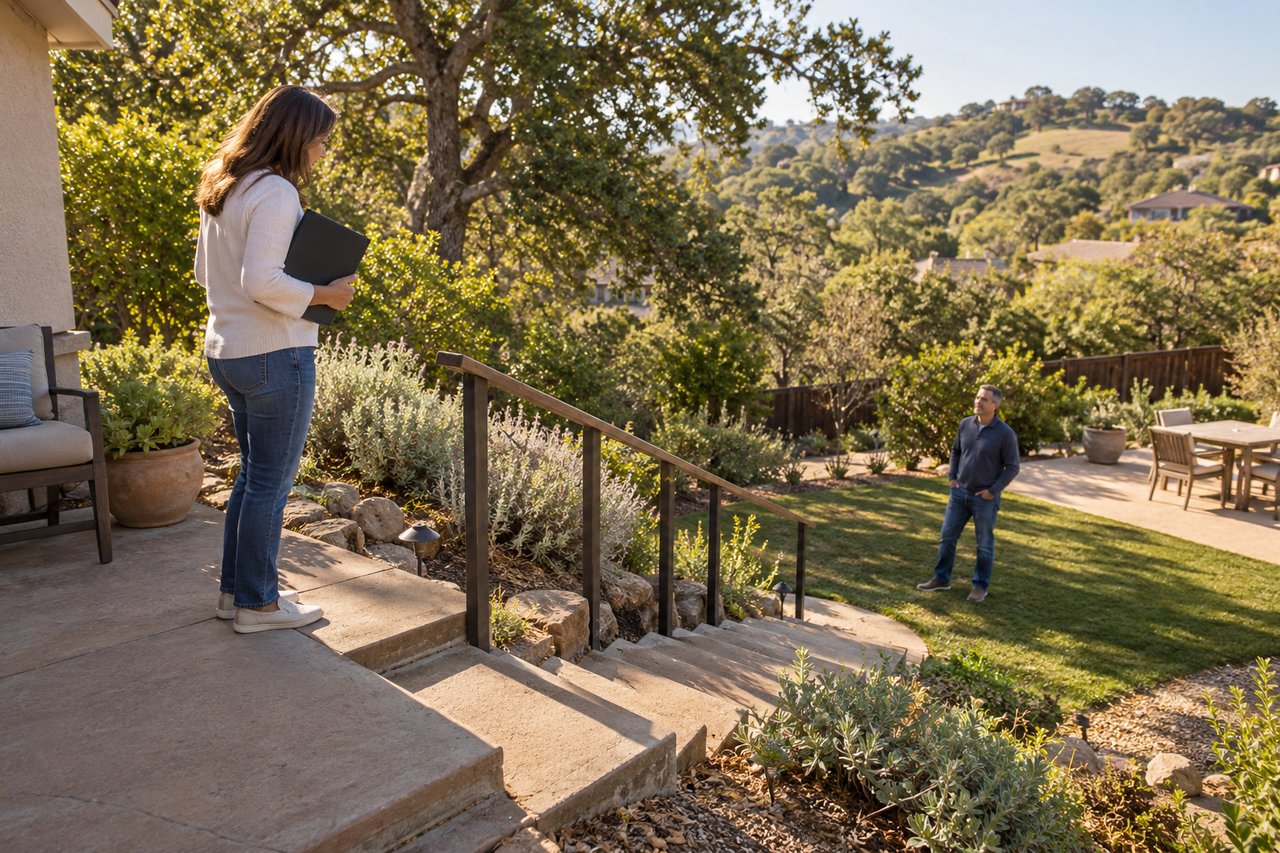
Compare everyday access, usable outdoor space, upkeep, and the views you would actually enjoy at each property rather than choosing on the view alone.
Amber Johnson | October 19, 2026
Evaluate a specific home's daytime sleeping conditions, parking, and off-hours trips against your actual work schedule before choosing where to live.

Amber Johnson | October 19, 2026
Amber Johnson | October 19, 2026
Explain how the house and outdoor space work together, choose comparable properties carefully, and separate usable space from unverified expansion possibilities.
Amber Johnson | October 19, 2026
Show the neighboring use honestly, compare homes with similar surroundings, and address buyer questions before spending money on screening or cosmetic changes.

Amber Johnson | October 19, 2026
Use the same metric and geography, separate seasonal patterns from longer-term changes, and check the report's date before treating a change as a trend.
Amber Johnson | October 18, 2026
Confirm access rights and association rules, inspect the facilities, and test whether the shared laundry routine would work before assuming an in-unit alternative is p… Read more
You’ve got questions and we can’t wait to answer them.
Amber Johnson, Founder
Pillar Real Estate
805.835.3425
DRE# 01925434
1345 Park Street
Paso Robles, CA 93446