Should I Remove a Backyard Storage Shed Before Selling My Nipomo Home?
November 1, 2026
November 1, 2026
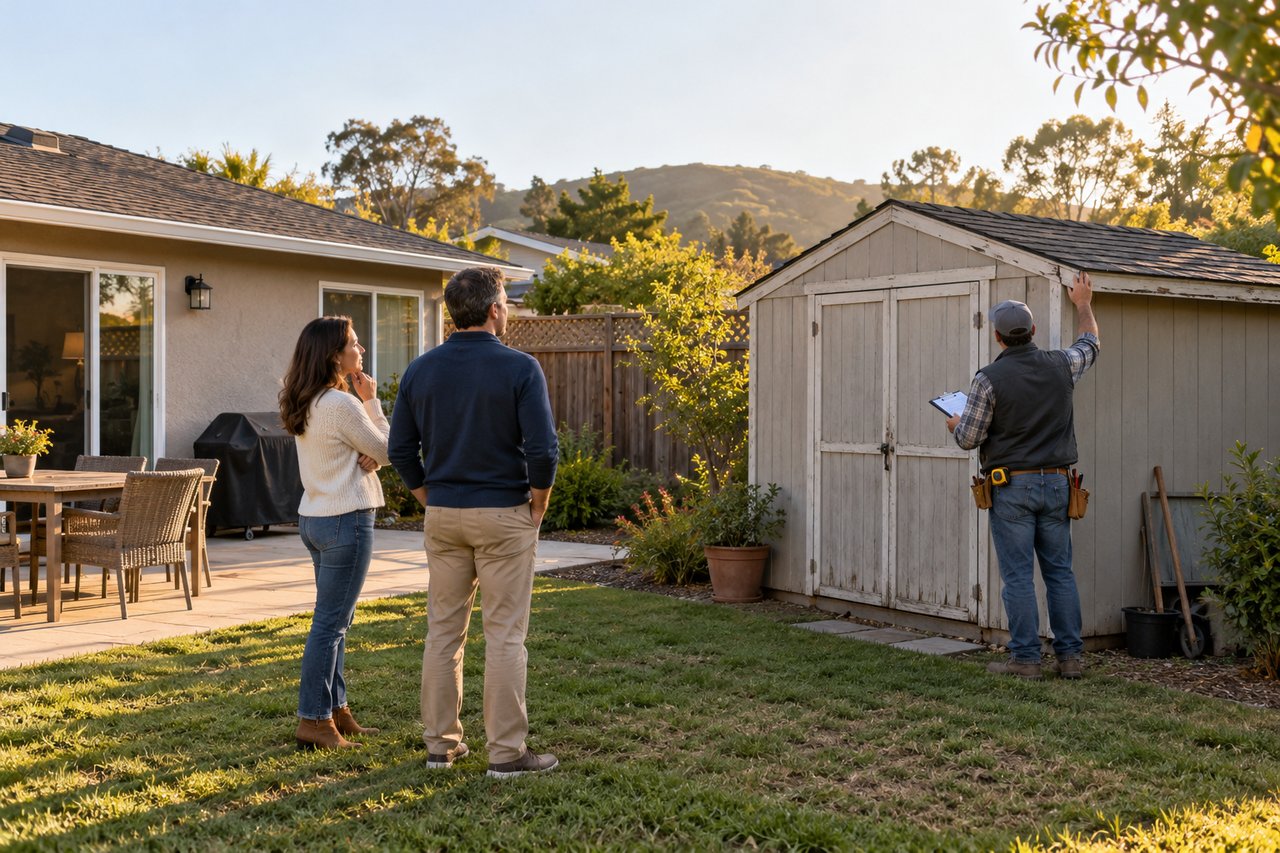
Keep, repair, or remove the shed based on its condition, documented status, usefulness, and effect on the rest of your Nipomo property. A weathered storage shed doesn't automatically need to go before you sell. But a structure with unresolved concerns shouldn't be treated as an asset simply because it provides extra space.
Start by learning what you have. Then compare the realistic options, including their cost and timing, before choosing a preparation project. Removal can create work of its own, and repair doesn't necessarily answer questions about permits, location, or use.
I'm Amber Johnson, founder of Pillar Real Estate in Paso Robles. I help SLO County sellers prepare and market the actual property in front of them. For a Nipomo home with a backyard shed, that means a clear decision based on facts, rather than assuming every buyer wants either more storage or more open yard.
Walk around the shed from a safe position. Notice the door, roof edges, siding, floor access, and the area immediately around it. If parts appear unstable or damaged, keep people away and ask an appropriate qualified professional to evaluate the structure.
Don't climb onto a questionable roof or enter an area that may be unsafe just to complete your own checklist. The useful next step is understanding the concern and the appropriate scope of work, not proving that the shed can survive another showing.
A contractor can help distinguish maintenance from a larger repair. Ask what the recommendation addresses, what additional investigation might be needed, and what cannot be established from a visual visit alone. Keep the written estimate specific enough to compare with other options.
Gather available permits, plans, receipts, installation information, and correspondence relating to the shed. Note whether there is electrical service, plumbing, or another feature that needs separate attention. A simple appearance doesn't establish what work was done or how it was approved.
Ask the appropriate local authority or qualified professional about records and requirements that apply to your particular property. Don't assume a shed is exempt from every rule because it is small, detached, or described as temporary by a previous owner.
If information is missing, identify the gap honestly. Your agent can help coordinate questions, but the marketing should not make an unsupported claim that the structure is permitted, compliant, or suitable for a different use. Repairing the roof doesn't settle those separate questions.
The relationship between the shed, the house, fencing, utilities, and access routes matters. A fence line isn't proof of a legal property boundary. A convenient location isn't proof that the structure meets any applicable setback or access requirement.
If its placement raises questions, use the appropriate records and professional guidance. Don't move a shed based on a casual measurement or assume that shifting it a few feet will resolve every issue. The right response depends on the facts at that address.
Also consider how someone reaches the shed. A narrow or obstructed route can affect practical use and any proposed repair or removal. Let a contractor evaluate equipment access before relying on an estimate that assumes an easy approach.
A shed adds practical value only when buyers can understand what it offers. Does it provide usable storage? Is the entry accessible? Can the contents be organized so the available space is clear? A crowded structure full of items you no longer use can obscure the answer.
Clear unnecessary belongings safely and keep anything that needs special disposal out of ordinary trash. If stored materials present a concern, ask the appropriate service provider how to handle them. Don't use listing preparation as a reason to rush an unsafe cleanup.
Once the space is clear, look at it again. A modest shed that functions well may support a buyer's storage routine without expensive cosmetic work. A structure that is difficult to access or maintain may need a different plan.
The shed occupies part of the property, but removing it doesn't automatically create attractive, usable outdoor space. Think about what would remain: its base, surrounding ground, utility connections, nearby planting, and the view from the house.
Would the resulting area be ready for ordinary use, or would it require additional work? A removal quote may not include restoration of the surface or landscaping. Those costs belong in the comparison before you decide that an open yard will be easier to market.
Our guide to marketing a home with a small backyard explains why usable space matters more than trying to make an area appear larger. Apply that principle here without assuming removal is the only way to create clarity.
Ask for estimates that describe the whole job. For repair, identify what will be replaced, what existing materials remain, and whether the work addresses the cause of the problem. A cosmetic patch may not resolve the concern that prompted the estimate.
For removal, ask about required approvals, utility handling, material disposal, access, the base or foundation, and the condition of the area afterward. Don't personally disconnect services or take apart a structure without the appropriate expertise and precautions.
Compare the full scope and schedule rather than just the lowest initial number. Our article on preparation spending before a home sale can help you place this decision alongside other priorities for the property.
There isn't a fixed price benefit for keeping a shed, and there isn't a universal penalty for having one. Buyers compare the whole home, including location, condition, layout, yard function, and price. The shed is one part of that comparison.
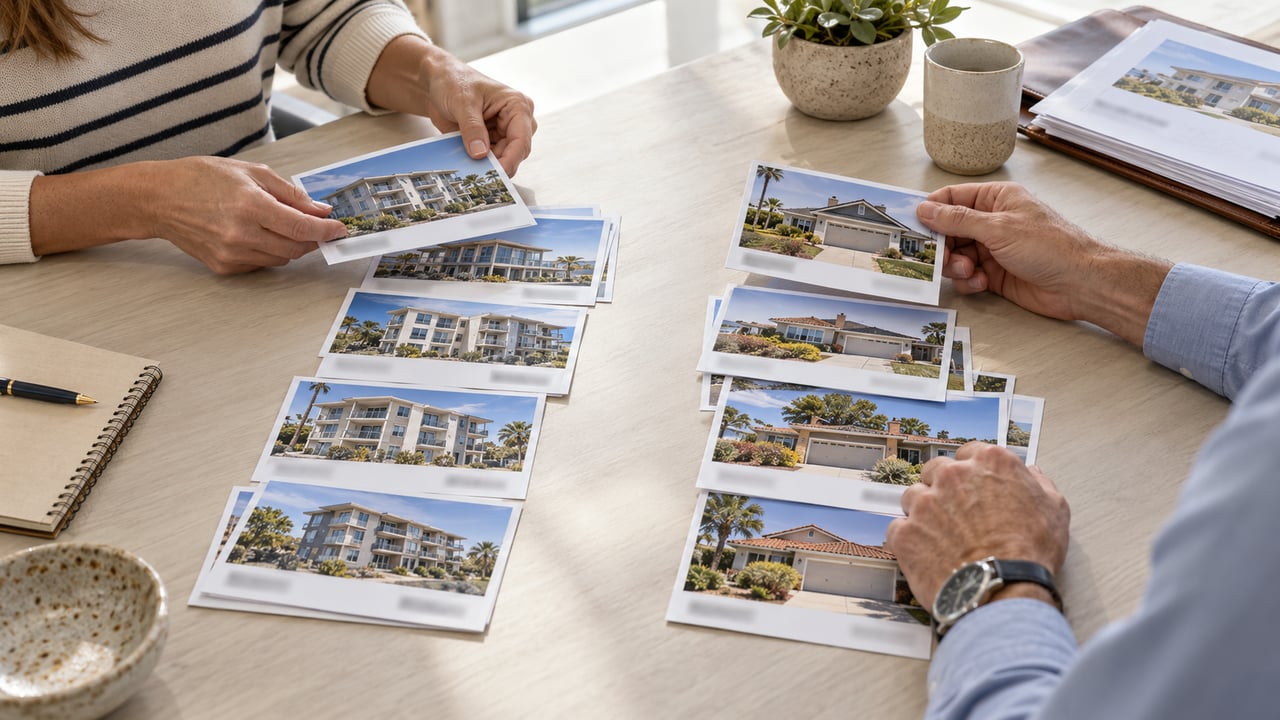
Review relevant competing and recently sold properties before committing to a major project. A different home with a larger yard or a newer outbuilding may not answer the question for your property. The comparison needs to account for meaningful differences.
At Pillar Real Estate, I would rather understand your goals and competitive position before recommending removal. Sometimes basic organization and maintenance are enough. Sometimes the condition or documentation points toward more work. It depends on your situation.
If the shed stays, describe what is actually there. Storage is different from living area, a guest unit, an office, or a permitted workshop. Don't suggest a future conversion is available without the information and approvals needed to support that claim.
Photograph the shed in context, including how it relates to the yard and house. A close-up can show condition, but it shouldn't replace an overall view. Buyers need an honest understanding of scale, access, and the space occupied by the structure.
Our discussion of marketing a Nipomo home with a deep lot and a smaller house offers another way to think about the relationship between structures and usable land. More square footage outside doesn't explain how a property functions.
Cleaning or painting a shed doesn't remove the need to address known issues appropriately. Don't arrange stored items to conceal damage or describe the structure as sound based only on its refreshed appearance. Keep your statements tied to what is documented.
If work is completed, retain invoices and relevant records. Explain the actual scope rather than implying every aspect of the structure was evaluated. If the shed remains unchanged, discuss how to present its condition accurately with your real estate professional.
Read what sellers should understand about a home inspection for the broader context. Inspection scope and findings can vary. Don't assume the shed will be ignored or that one contractor's visit predicts every later question.
Schedule any work early enough to handle cleanup and unexpected questions before photographs and showings. Check availability, required materials, disposal arrangements, and access. A project that looks small can still affect the listing timeline.
If you are moving soon, compare the practical choices with your agent instead of starting demolition because the calendar feels tight. The right plan may involve addressing a defined concern, obtaining information, or presenting the existing condition clearly.
Make sure everyone involved understands what will stay with the property and what will be removed. Don't leave buyers guessing from changing photos or an unclear description. The property they visit should match the marketing they saw.
Before deciding, ask yourself whether you can explain the shed's condition, existing use, available records, and the work you plan to complete. If one of those areas remains uncertain, resolve the question before treating a fresh coat of paint or removal as the answer.
A clear plan also helps you avoid spending twice. It is frustrating to repair a structure only to learn that a separate placement or access issue changes your options. Get the relevant information in the right order and make the decision once.
I help Nipomo homeowners sort those priorities into a selling plan that fits their property and move. We can look at what the shed contributes, what deserves professional review, and how the yard should be presented from start to finish.
Visit Sell With Amber to talk about your Nipomo home and decide whether keeping, repairing, or removing the shed makes sense for your goals.
Amber
Pillar Real Estate | Amber Johnson, Founder
805.835.3425 | [email protected]
1345 Park St. Paso Robles, CA 93446 | DRE# 01925434
Amber Johnson | November 1, 2026
Review condition, placement, permits, usefulness and removal cost before deciding whether the shed helps or distracts from the sale.
Amber Johnson | November 1, 2026
Separate the asking-price mix from closed-sale evidence before drawing conclusions about value.
Amber Johnson | October 31, 2026
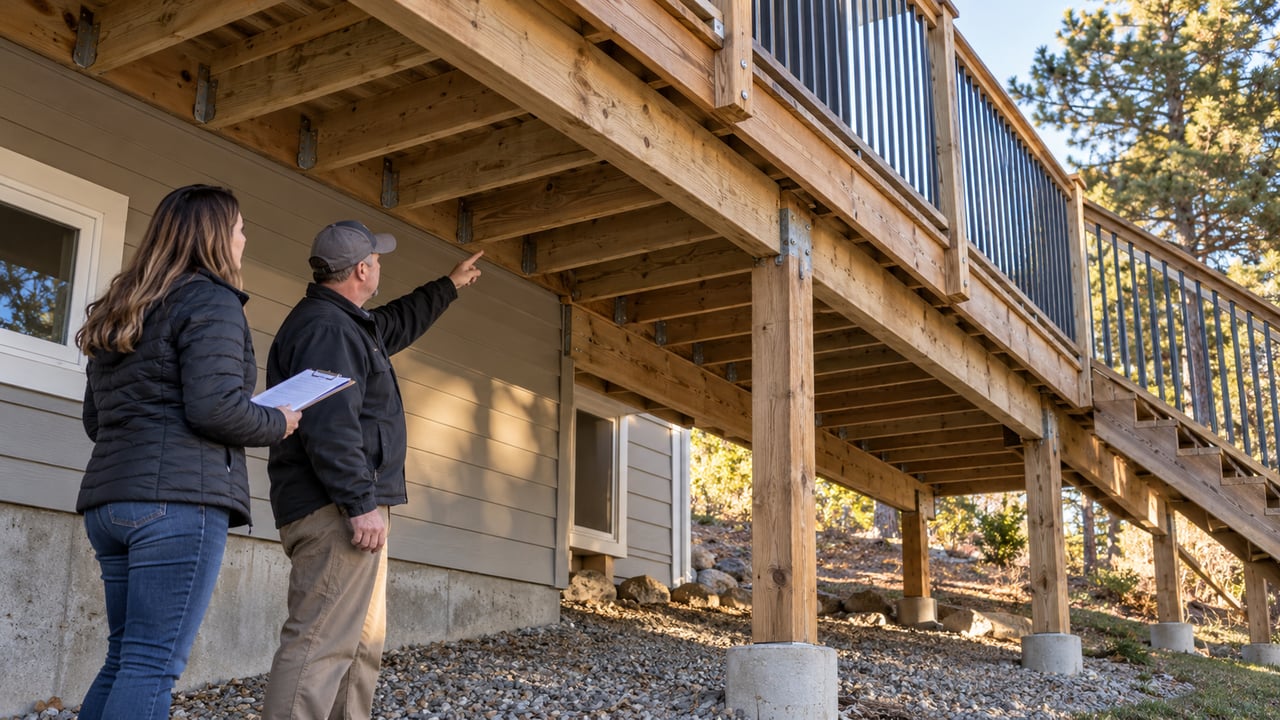
Review the structure, access, records and ongoing upkeep with the appropriate professionals.
Amber Johnson | October 31, 2026
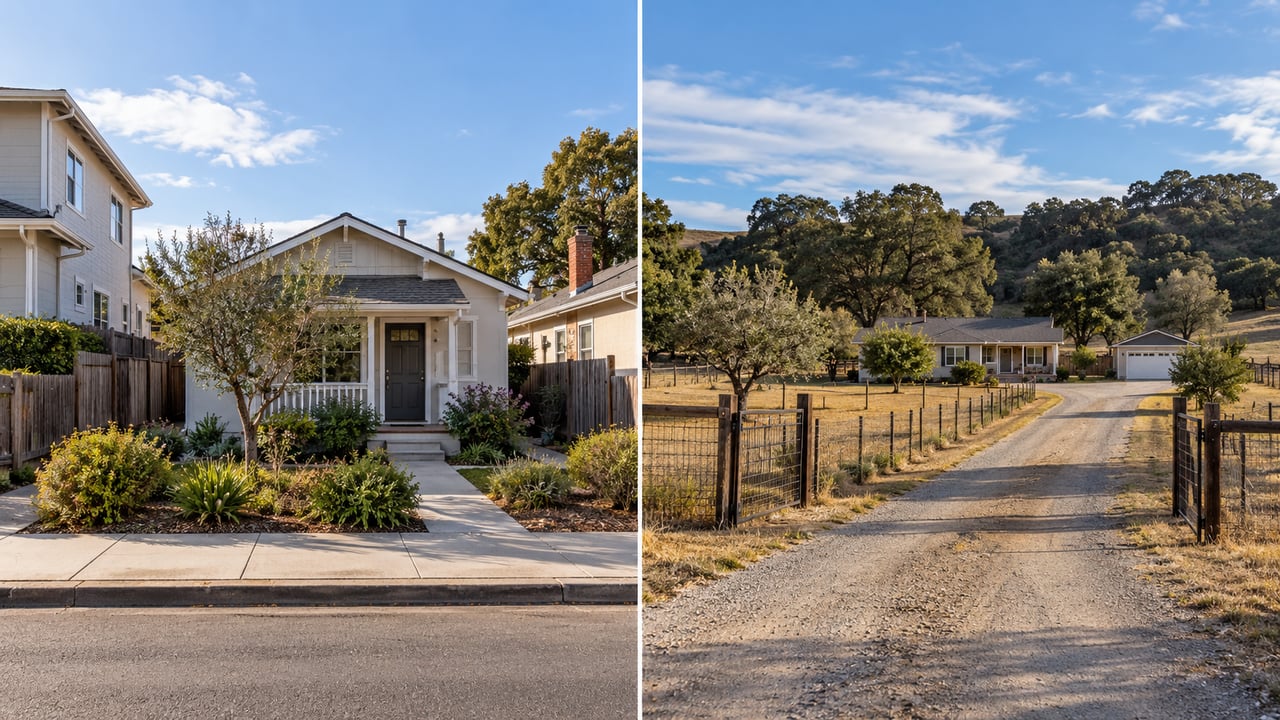
Compare access to everyday destinations with the space, upkeep and travel demands of acreage.

Amber Johnson | October 31, 2026

Amber Johnson | October 31, 2026
Compare the exact home's layout, upkeep and access to your regular destinations before deciding.
Amber Johnson | October 31, 2026
Decide whether to show dining space, a work area or both based on the room and likely buyers.

Amber Johnson | October 31, 2026
Compare leaks, finish, function and replacement cost before deciding whether older faucets need repair or replacement.

Amber Johnson | October 31, 2026
Check pool access and actual hours alongside the neighborhood and work schedule you choose.
You’ve got questions and we can’t wait to answer them.
Amber Johnson, Founder
Pillar Real Estate
805.835.3425
DRE# 01925434
1345 Park Street
Paso Robles, CA 93446