Should I Repair Loose Deck Boards Before Selling My Paso Robles Home?
September 27, 2026
September 27, 2026
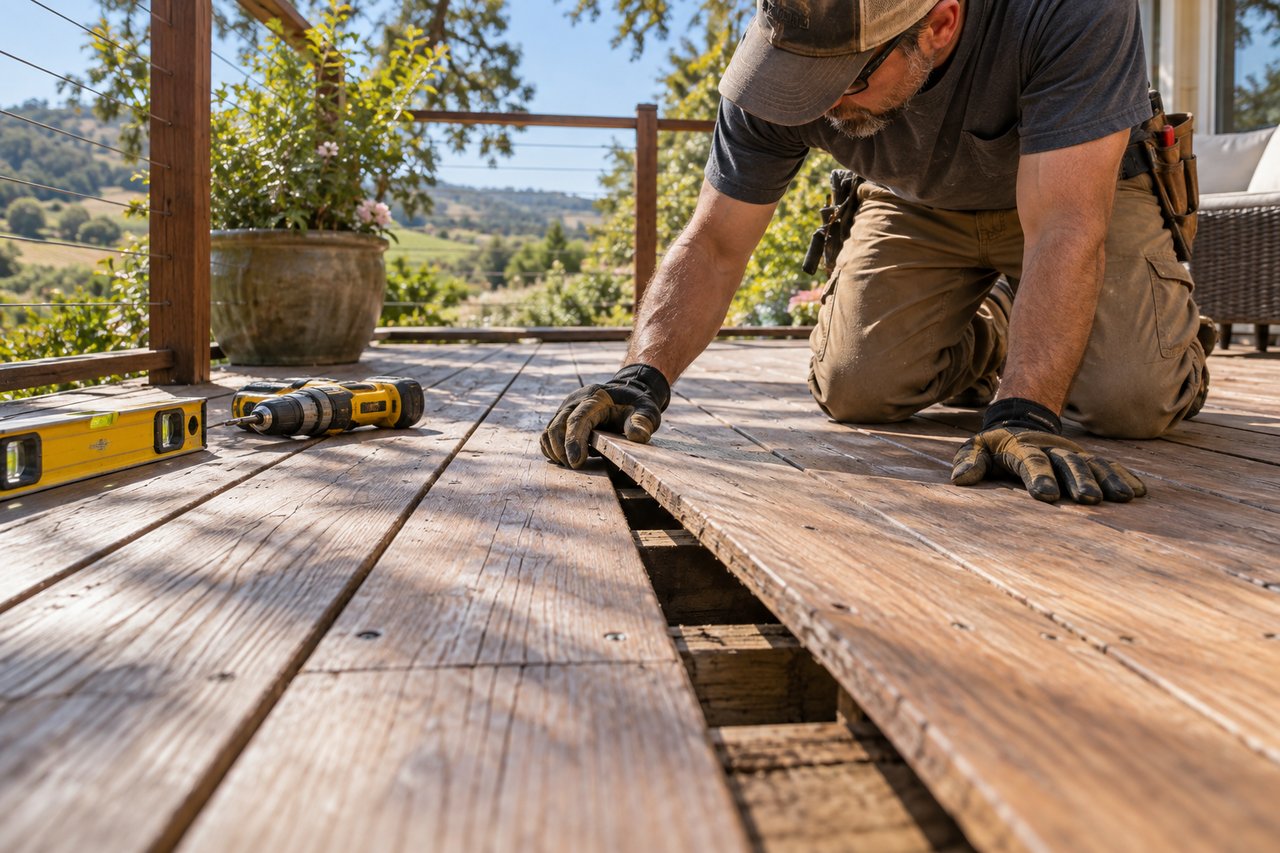
Yes, I would usually address loose deck boards before selling a Paso Robles home, especially where someone could catch a foot, where movement is obvious, or where the deck is a selling feature. A deck should feel stable when a buyer walks across it. The decision isn't simply whether to drive in a few screws. It is whether the looseness is isolated or points to a larger condition that needs a qualified assessment.
Some boards can be secured or replaced without much disruption. Others are loose because the supporting framing, fasteners, moisture exposure, or age needs attention. I recommend finding the cause before listing, obtaining a clear scope of work, and deciding how the deck fits the property's price and presentation. Here's how I would think it through with a seller.
Outdoor space is part of the experience buyers are assessing. They step from the home onto a deck, look toward the yard, and imagine using it. A board that lifts or moves underfoot interrupts that experience. It may also pose a trip risk. Even a buyer who likes a project may wonder whether one loose board is the visible sign of a more extensive problem.
That does not mean every imperfect board calls for an entirely new deck. Wood moves with weather and age. Fasteners can loosen. The important distinction is between a discrete repair and deterioration affecting the structure or safe use of the space. A seller should not make that determination from a photo alone.
My guide to which repairs to make before selling a Paso Robles home recommends looking at buyer experience, safety, and cost together. A loose deck board often scores high on the first two, but the right investment still depends on what a careful inspection reveals.
Start with a careful visual review of the entire walking surface. Note boards that rock, lift at an end, splinter, soften, or appear to have pulled away from fasteners. Check transitions at doors and stairs. Look at steps, landings, and edges where a visitor may not be watching their feet. Don't test a board by putting weight on an area you suspect is unsafe.
Look at the railing as a separate component. Does it move when gently checked? Are posts, balusters, and stair rails secure? A deck can have a loose walking board and a sound railing, or the reverse. Both matter to a buyer. If you see rot, severe movement, sagging, or uncertain support, keep people off the affected area until a qualified contractor evaluates it.
On a Paso Robles property, also consider the deck's exposure. Sun, irrigation, shade, and drainage can create different conditions even within one deck. A board near a planter or downspout may have aged differently from the rest. The location of the defect helps a professional identify the cause and propose a durable repair.
A raised board may have an insufficient or failed fastener. But it can also reflect deteriorated wood or an issue with the joist beneath it. Simply forcing it flat can hide the symptom without solving the problem. Ask a qualified carpenter or deck professional what is causing the movement and what needs to be repaired.
Get a written scope when the work involves more than a small board. It should explain whether boards, fasteners, framing, stair components, or railings need attention. Ask whether matching materials are available and whether the proposed repair will leave an obvious patch. A new board is often visibly different from weathered neighbors, which may influence whether a limited refinish makes sense. Don't assume a full refinish is automatically needed.
Keep any permit or code questions with the appropriate professional and local authority. Requirements depend on the specific work and property. I would not promise a buyer that a deck is compliant merely because a repair was completed. Clear invoices and any applicable documentation are more useful than broad claims.
If the structure is sound and only a few boards need securing or replacement, a focused repair may be a sensible pre-listing step. It lets buyers use the deck comfortably and reduces an obvious objection. Where the deck has widespread deterioration, a seller may need to compare the cost and timing of larger work with selling the home in its present condition and pricing accordingly.
The answer depends on the intended buyer and the role the deck plays in the listing. A well-maintained home marketed as ready to enjoy sends one message. A property openly positioned for substantial renovation sends another. Neither approach should conceal a known unsafe condition. My article on selling as-is or fixing up a house in Paso Robles addresses that broader choice.
Some sellers are tempted to replace the entire deck to avoid a small defect in photographs. That can be a costly reaction. Others hope buyers will overlook a board that visibly lifts. That may cost confidence. A measured assessment of condition, comparable homes, and your budget is the right strategy.
Buyers may hire inspectors who examine accessible deck components. An inspector might flag a loose board, movement in a rail, deterioration, or a condition that merits evaluation by a specialist. The precise scope varies. A pre-listing repair doesn't guarantee that no deck concerns will appear later, but understanding the condition early gives you more options.
If a report or contractor identifies a larger issue, discuss it with your agent before committing to work. You may repair it, obtain a specialist's estimate, make appropriate disclosures, or adjust your positioning. The decision should reflect the documented facts, not a fear of every possible buyer request.
My explanation of what happens when a home inspection finds problems can help frame the conversation. Buyers and sellers may negotiate repairs or credits, but those outcomes depend on the contract and the actual condition. We should prepare for that discussion with evidence.
If the deck is central to the outdoor living story, complete a sensible repair before photography when practical. A listing image may show the lifted board, and an in-person visitor will likely step on it. A finished, stable deck supports a more accurate picture of how the home can be used.
Give repairs time to be done well. Matching boards, drying, finishing, or contractor scheduling may take longer than expected. Don't schedule photos based on an assumed one-day fix if the cause has not been assessed. If the work cannot be finished, speak clearly about the current condition and any documented plans. Avoid staging furniture over the problem or blocking a view of it.
After the work, walk the repaired area with the contractor and confirm that the surface feels secure. Check for protruding fasteners and sharp edges. Save the invoice and note exactly what was replaced or secured. Maintenance records make it easier to answer buyer questions without overstating the scope.
Deck work may compete with paint, landscaping, cleaning, and other repairs for a limited budget. I would generally prioritize a condition that affects safe use over a purely cosmetic update. Still, a professional assessment may show that a larger deck project is beyond what makes sense for your goals and schedule.
Request a realistic quote and compare it with the property's overall condition and likely buyer. How prominent is the deck? Is it accessible from a main living space? Do competing homes have functional outdoor areas? Does the repair solve the issue or only make it look better temporarily? Those questions matter more than a generic claim about renovation return.
The article on how much to spend preparing a home before selling explains why spending should be tied to your property's position. At Pillar Real Estate, I help sellers make that call using the specific home and the way it compares with alternatives buyers can actually see.
Tell buyers a professional repaired loose boards if that is what happened. Don't call it a new deck. If boards were replaced but the structure wasn't evaluated, avoid claiming the entire structure is sound. If a report identified concerns and the work addressed them, keep both the report and the work record together. Buyers appreciate a clear account.
If you choose not to repair, present the condition honestly and work with your agent on pricing and disclosure. A buyer may ask for a credit or inspect further. A clear estimate can help anchor that discussion, while an unsupported guess can create confusion. The same principle applies whether the home is a simple in-town property or a larger North County acreage home.
My recommendation is to repair loose deck boards when the issue is localized and can be corrected properly before listing. If the movement suggests a larger structural concern, get an assessment first and choose a transparent plan. Don't let a quick cosmetic patch substitute for understanding the condition.
When you are preparing a Paso Robles home for sale, I can help you determine how the deck fits into the buyer's experience and the property's market position. We can decide where repair money is likely to support a clear, credible presentation.
At Pillar Real Estate, I help sellers make property-specific preparation decisions from start to finish. If a deck is on your list, let's look at it in the context of the whole home, your timeline, and your goals.
Amber
Amber Johnson
Founder, Pillar Real Estate
805.835.3425 | [email protected]
1345 Park St. Paso Robles, CA 93446 | DRE# 01925434
Amber Johnson | September 27, 2026
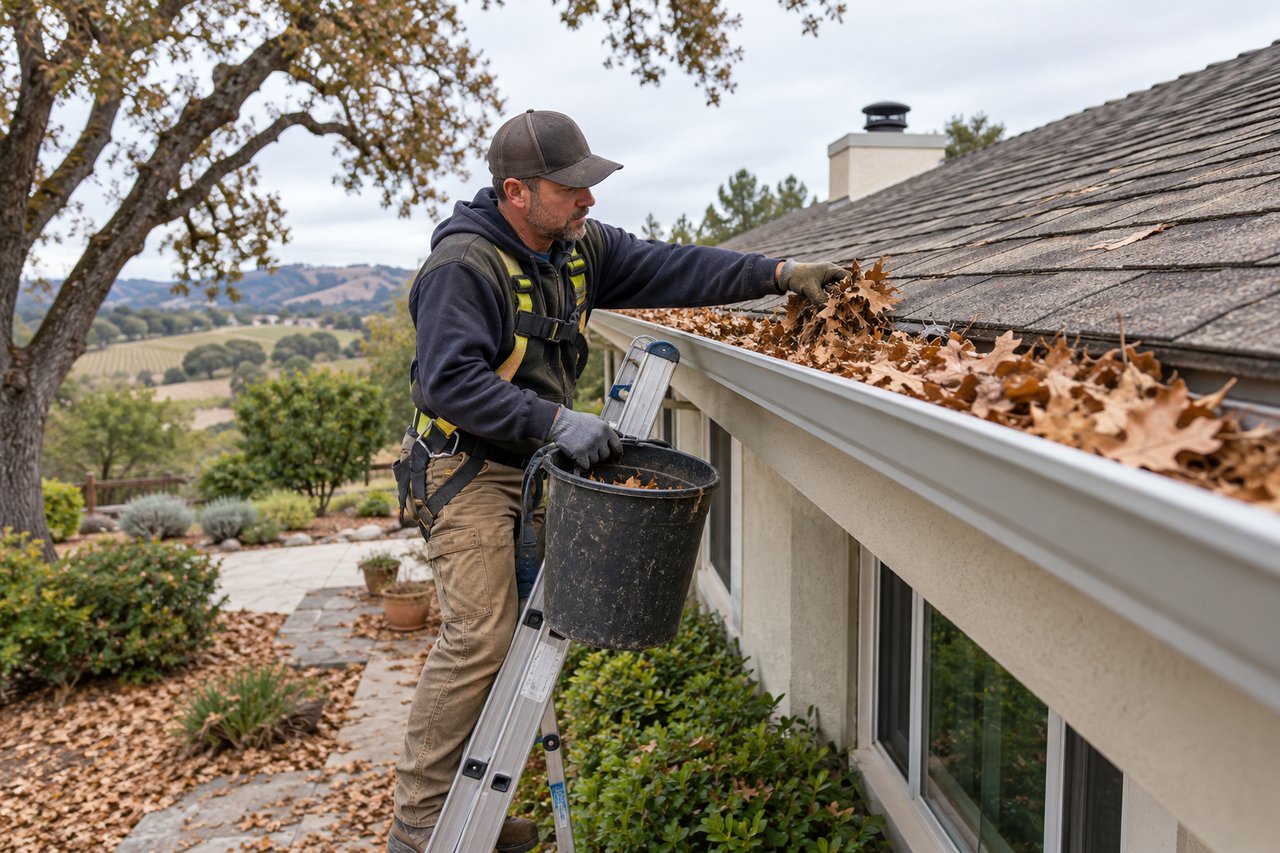
How visible debris, drainage, roofline appearance, and recent maintenance can affect the choice.

Amber Johnson | September 27, 2026
Amber Johnson | September 27, 2026
How board movement, railing condition, inspection concerns, and repair scope can shape preparation.
Amber Johnson | September 27, 2026
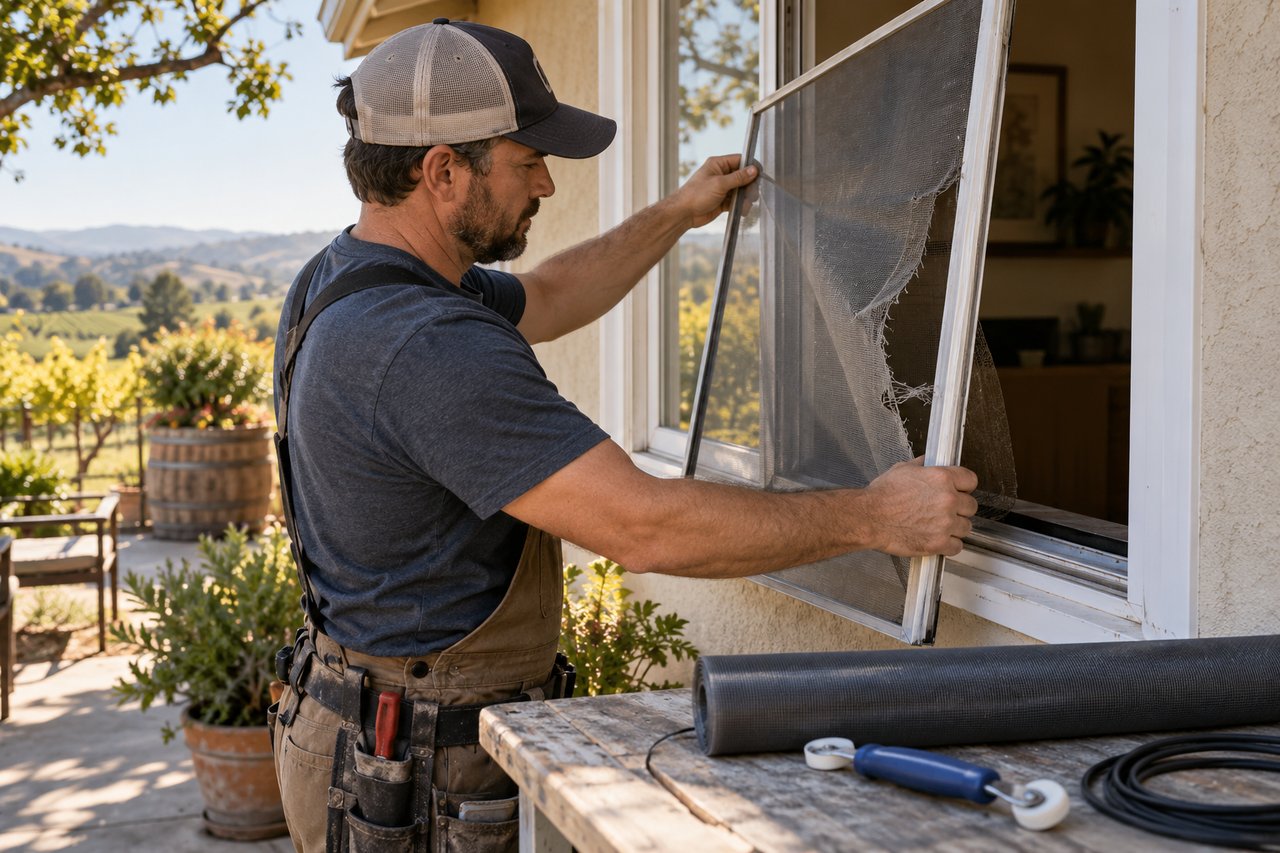
How visible tears, bent frames, repair cost, and buyer perception can guide the decision.
Amber Johnson | September 25, 2026
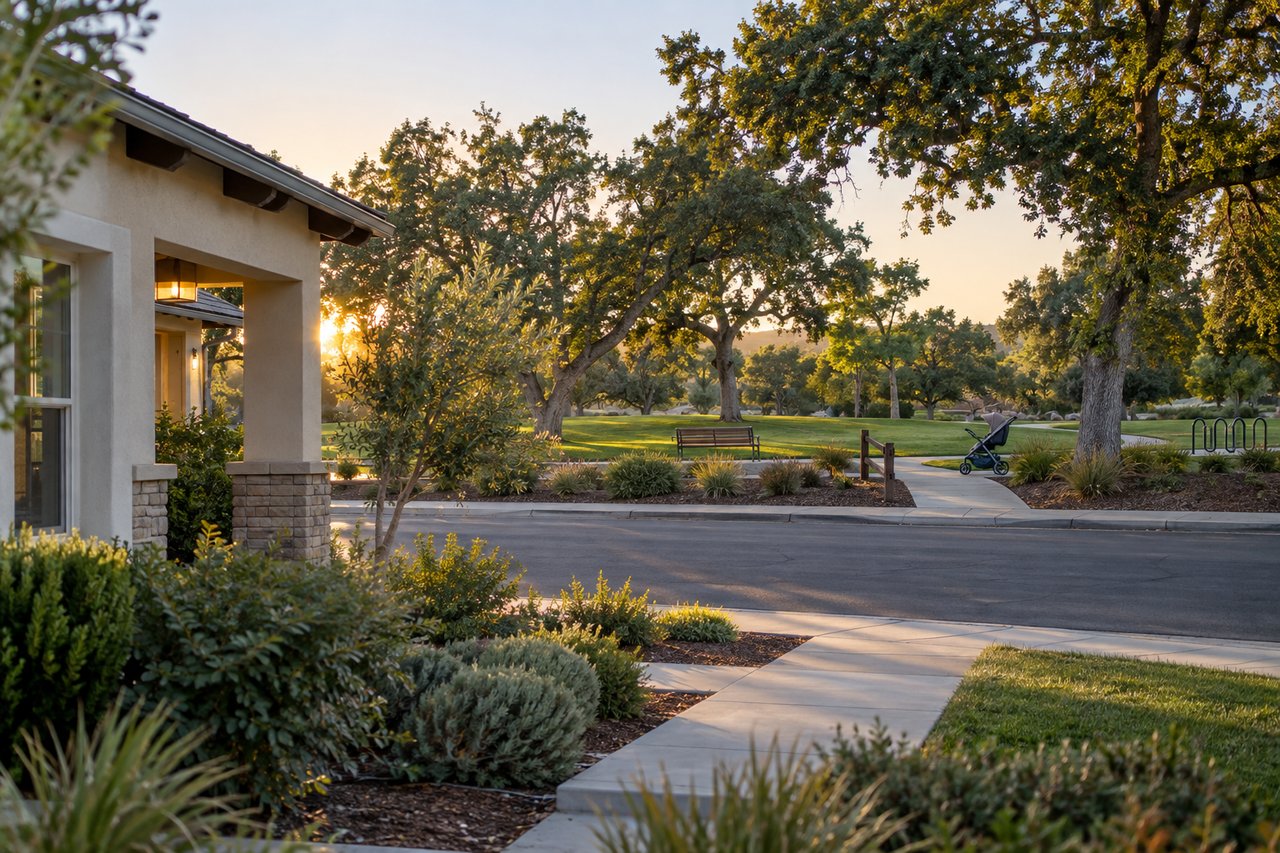
How access, activity, privacy, and the specific street setting can influence buyer interest.
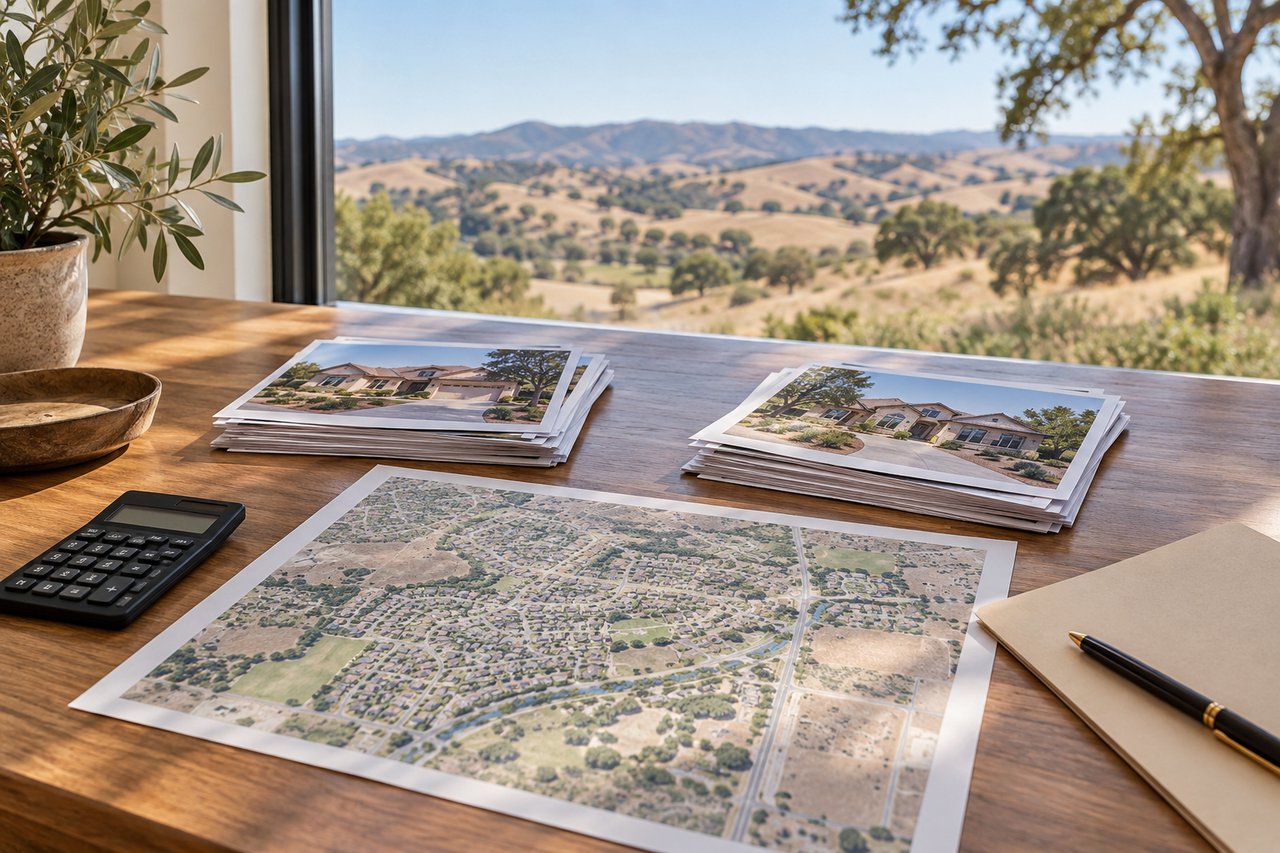
Amber Johnson | September 24, 2026
How to read pending activity alongside available homes, recent closings, and the type of property you plan to sell.
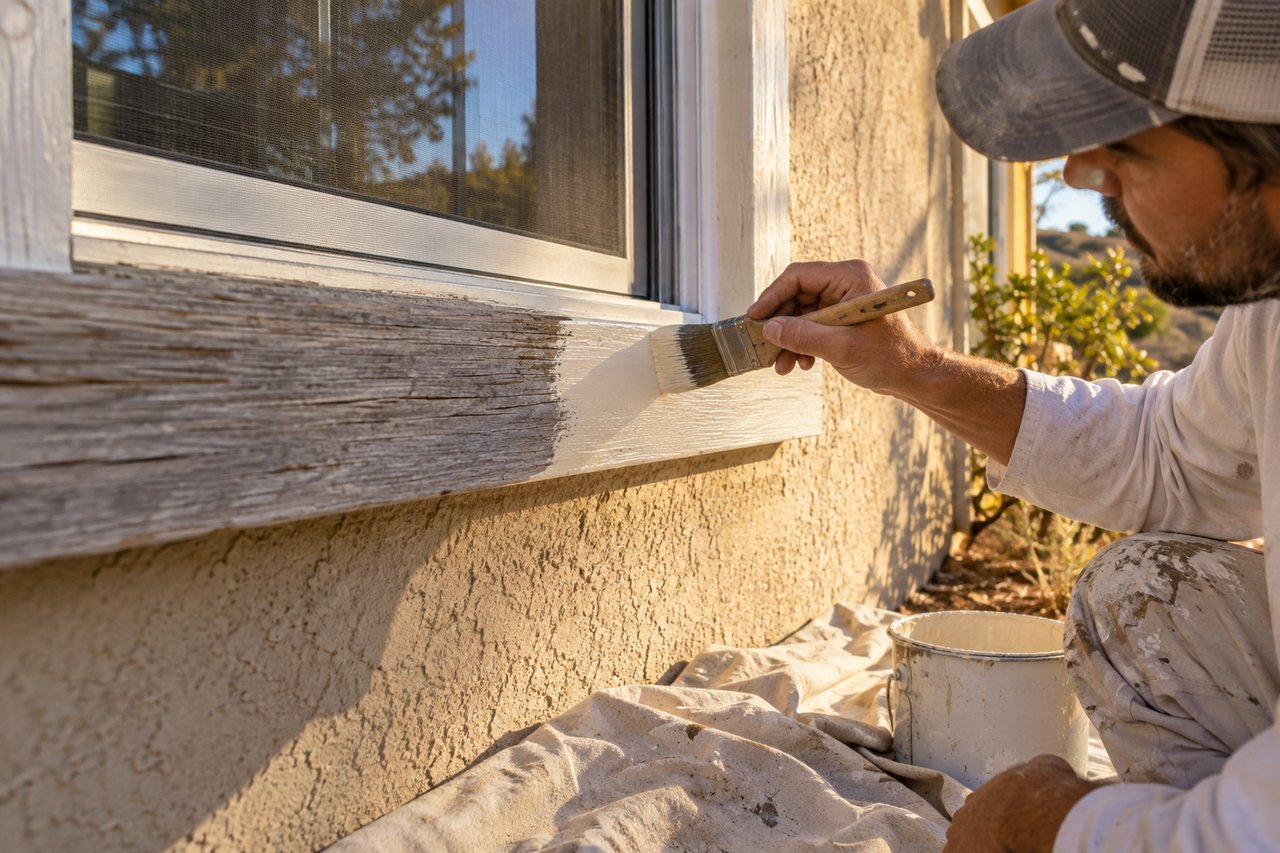
Amber Johnson | September 24, 2026
How a focused paint touch-up may affect presentation, maintenance concerns, and the preparation budget.
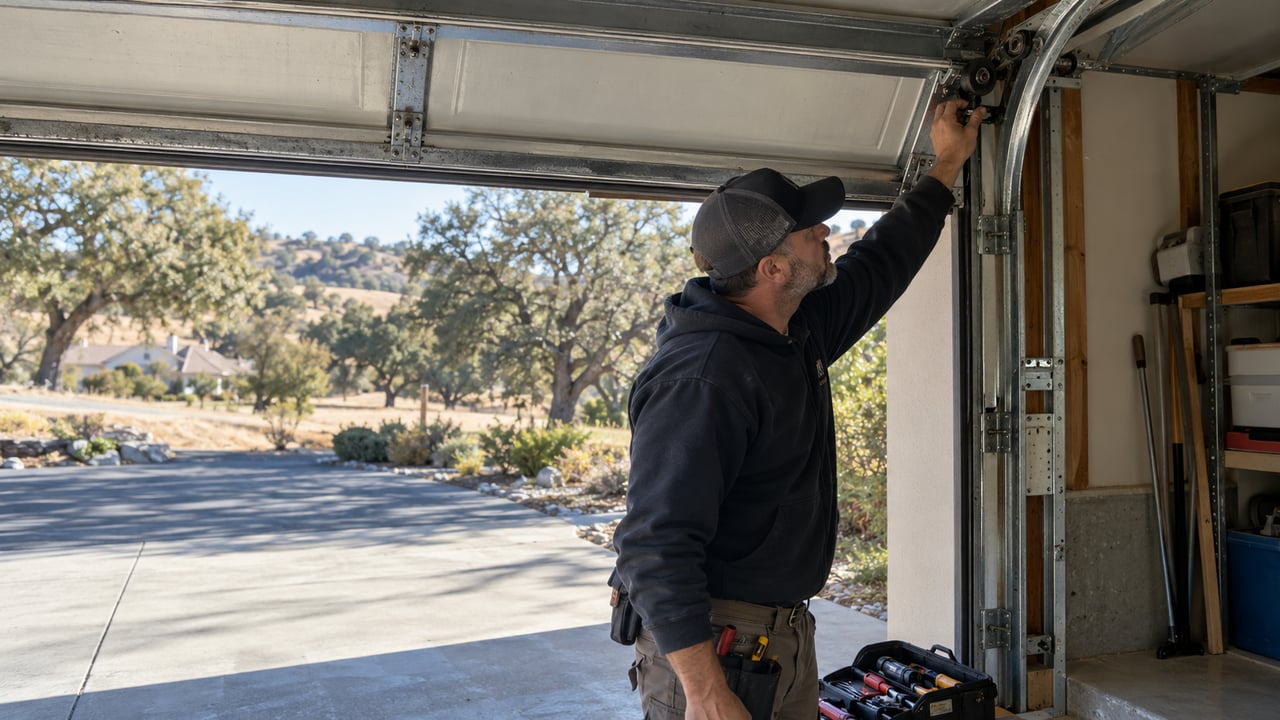
Amber Johnson | September 24, 2026
How reliable operation, visible condition, inspection concerns, and buyer use affect the repair decision.
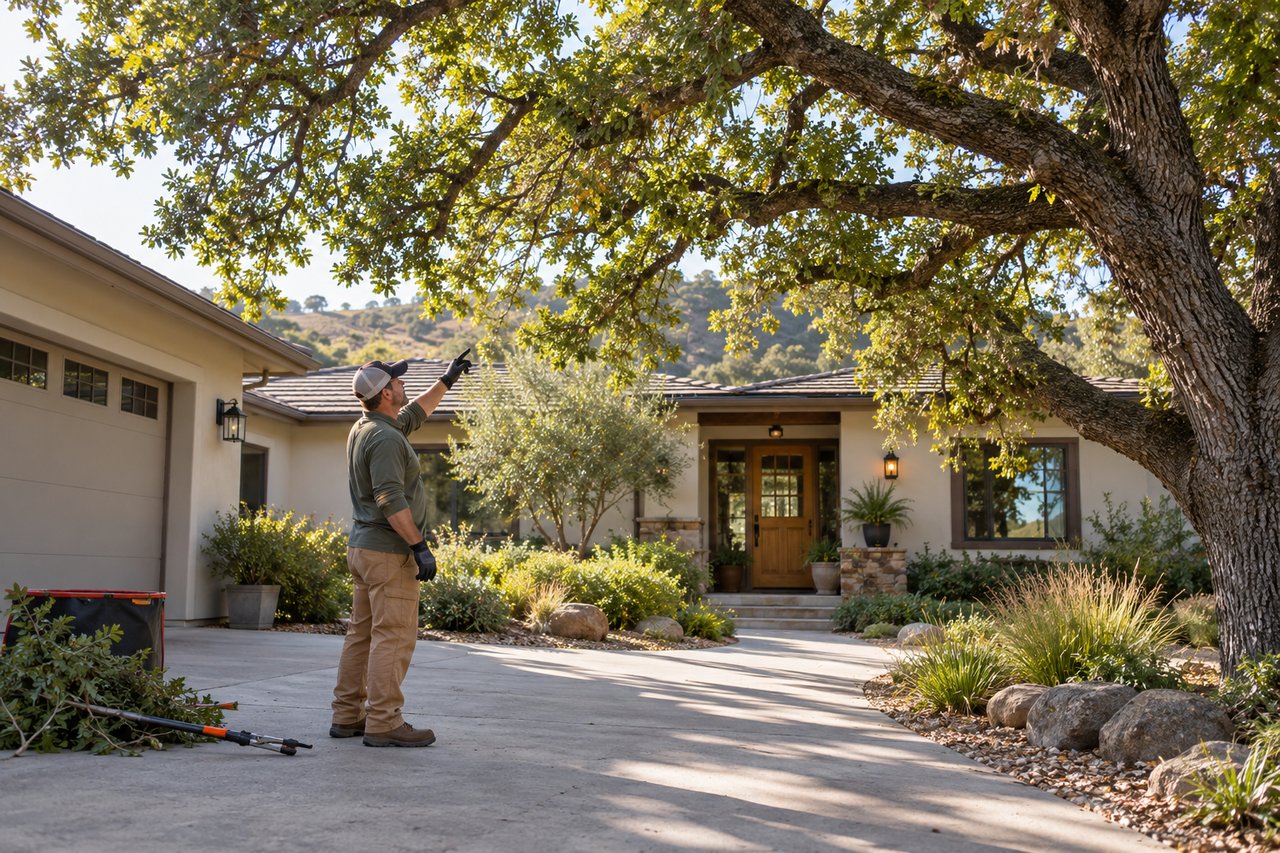
Amber Johnson | September 24, 2026
How tree condition, access, light, safety, and the property's character can guide selective trimming.
You’ve got questions and we can’t wait to answer them.

Amber Johnson, Founder
Pillar Real Estate
805.835.3425
DRE# 01925434
1345 Park Street
Paso Robles, CA 93446