Is Oceano Practical for a Household with Jobs in Both Santa Maria and San Luis Obispo?
October 25, 2026
October 25, 2026
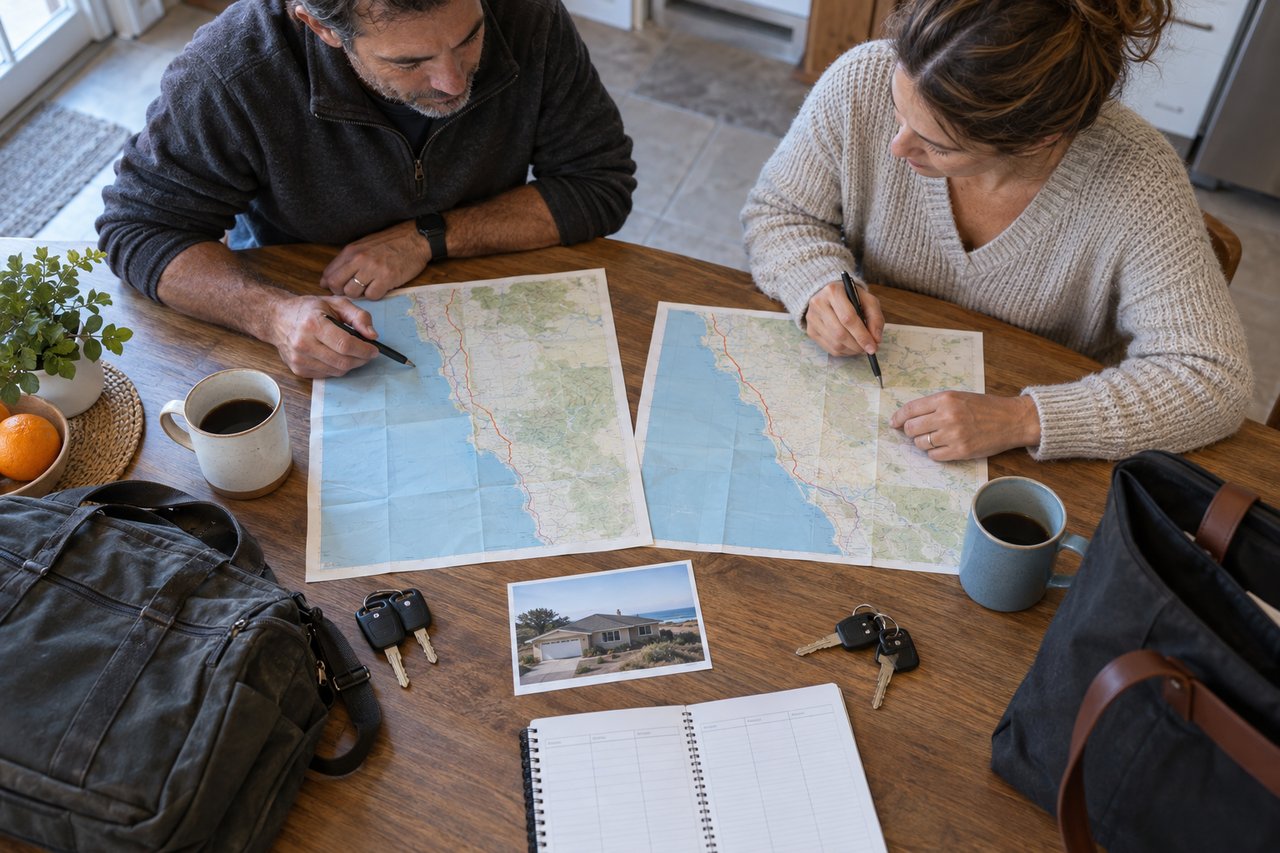
Oceano may be practical for a household with jobs in both cities, but you need to test two complete workdays. Compare the actual routes, departure times, return trips and household responsibilities from a specific home. A point on a map won't tell you whether the arrangement works every week.
The question isn't which person has the shorter drive on paper. It's whether both people can live with the combined time, cost and unpredictability. That includes mornings, late meetings, errands and the days when one person's schedule changes.
I'm Amber Johnson, founder of Pillar Real Estate. I help relocating households compare homes and communities across SLO County. When two jobs pull a household in different directions, I want the home search to reflect the whole routine before we focus on finishes or a larger yard.
Use the actual work locations rather than city centers. A job near one side of Santa Maria can involve a different trip from a job across town. The same applies in San Luis Obispo. The portion after leaving the main route still belongs in the comparison.
Write down where each person parks and how they reach the workplace from there. Include walking, building access and the time needed before a shift starts. An arrival estimate at the street is different from being ready to work.
Also note whether either person changes job sites or makes trips during the day. A household with fixed offices has a different problem from one with variable destinations. Use the pattern you expect most often, then examine the less predictable days separately.
If an employer allows flexible hours or remote days, confirm what is dependable. Don't build a purchase decision around an informal arrangement that could disappear. A home should still be manageable under the work schedule you're reasonably expected to follow.
Drive from the property's area when you would actually leave for work. Then test the return. A weekend tour can tell you whether you like the home, but it may reveal little about a weekday commute.
Repeat visits when practical. One good trip doesn't establish a guaranteed travel time. Road conditions, traffic and disruptions can vary. Record observations as examples rather than turning one test into a promise about every future day.
Use current route information and review realistic alternatives. Ask what each alternative would mean if the usual route were delayed or unavailable. A second route may exist without being a convenient everyday substitute.
Keep the testing specific to Oceano. My article on an Arroyo Grande commute to Santa Maria offers related planning questions, but it doesn't establish the drive from an Oceano address. Different starting points need their own checks.
Count how many days each person travels. A longer drive twice a week can feel different from a shorter drive required every day. Put both schedules on one calendar so you can see what the household is taking on together.
Consider how the work hours interact. If one person leaves early and the other returns late, there may be little shared time. If both leave together, transportation needs may be different. Don't assume the answer is simply to split distance evenly.
Talk about each person's tolerance for driving. One may enjoy a predictable trip while another finds it exhausting. The goal is a decision both people can sustain, with honest expectations about who carries which responsibilities.
Include occasional overtime, appointments and required in-person meetings. You don't need a perfect forecast. You do need to recognize whether ordinary changes would create a small inconvenience or a recurring problem that affects the entire household.
Look beyond the regional drive to the last part of the route. How do you reach the specific street? What is parking like at the home? Can both vehicles be stored and used conveniently without a daily shuffle?
Check the driveway and entrances in person. A property can be attractive while creating awkward departures or arrivals. Those details are easy to overlook during a relaxed showing and harder to ignore when everyone is trying to leave on time.
Review the house's own setup for workdays. Is there a place for bags, shoes and supplies? Can someone arriving from a late shift move through the home without disturbing another person? Layout can matter as much as the route.
If the property has access concerns, have them investigated appropriately. Don't assume an issue can be solved after closing through changes to a public street, neighboring land or parking rules. Verify the facts before relying on a proposed solution.
A commute often includes more than work. List the places you use for groceries, appointments, exercise and other recurring tasks. Decide which person would handle each trip and whether it can be combined with a normal route.
If childcare, school trips or caregiving are part of your household, include the actual destinations and schedules you choose. Verify applicable arrangements directly. A nearby location doesn't automatically mean that timing, availability or eligibility will meet your needs.
Plan for days when one person can't do their usual task. Could the other person reasonably cover it? Would you need paid help or another backup? It's better to understand those choices before making a housing commitment.
Community context still matters. Everyday life near the Oceano Dunes gives another view of local living. Use it alongside visits to the exact home and routes, rather than assuming all parts of Oceano feel or function the same.
Build your own budget using the vehicles, distances and schedules you expect. Include fuel or charging, maintenance, parking and other known costs. Avoid using an unsupported average when your household can estimate its actual pattern.
Think about vehicle reliability and replacement. A routine that depends on two cars has different backup needs from a one-car household. Ask what happens if a vehicle needs repairs or one person must stay late unexpectedly.
If you're considering transit or carpooling, verify current routes, operating times and connections directly with the provider. Test the full trip, including the path between home, the stop and work. An available service isn't automatically a workable commute.
Compare transportation costs with housing costs without assuming one cancels the other. A home may cost less to buy but require more driving. Another may offer a shorter trip but involve other expenses. Review the full monthly picture with your own numbers.
A workable commute doesn't make every house a good purchase. You still need inspections, document review, insurance investigation and the other checks relevant to the exact property. Don't let a location solution distract you from condition or ownership costs.
In Oceano, review property-specific issues through qualified professionals and appropriate official sources. Avoid applying one property's findings to an entire community. A question about one address should be answered for that address.
Ask your agent to help organize the investigation within the purchase timeline. If insurance, repairs or another concern affects affordability, address it early. The commute budget and homeownership budget need to coexist.
My guide to moving to San Luis Obispo County can help frame the broader move. Your final decision should still rest on the home, documents and daily arrangements you have actually verified.
If you're also looking at Nipomo, Arroyo Grande or another location, use the same checklist for each. Test both jobs, both return trips and the recurring errands. Comparing one location thoroughly with another only through an estimated drive won't give you a fair result.
The article living in Nipomo while commuting to San Luis Obispo covers a related single-destination decision. A two-job household needs the additional step of measuring how both routines interact.
A simple comparison sheet can help. Record the property, the dates and times tested, the observed trips and unresolved questions. Leave room for comfort, layout and costs. Use the sheet to support a conversation, not to hide meaningful differences behind one total score.
After testing, ask what you would willingly repeat. Would the routine still make sense during a busy month? Is one person accepting a compromise they haven't fully discussed? A clear answer is more useful than finding reasons to justify a house you already love.
Oceano is worth considering when the exact home and both work routes fit your household's priorities. It may be less practical if the combined driving, costs or backup arrangements leave too little room for daily life. There isn't one answer for every pair of jobs.
Before you commit, test the plan together. Keep the observations honest, confirm essential arrangements and compare alternatives consistently. The right strategy should support what you actually want from the move.
I'm Amber Johnson with Pillar Real Estate. If you're comparing Oceano with other SLO County communities, let's review the homes and routines that matter to you. Visit Sell With Amber to start the conversation.
Amber
Amber Johnson, Founder
Pillar Real Estate
805.835.3425
[email protected]
1345 Park St. Paso Robles, CA 93446
DRE# 01925434

Amber Johnson | November 28, 2026
Amber Johnson | November 28, 2026
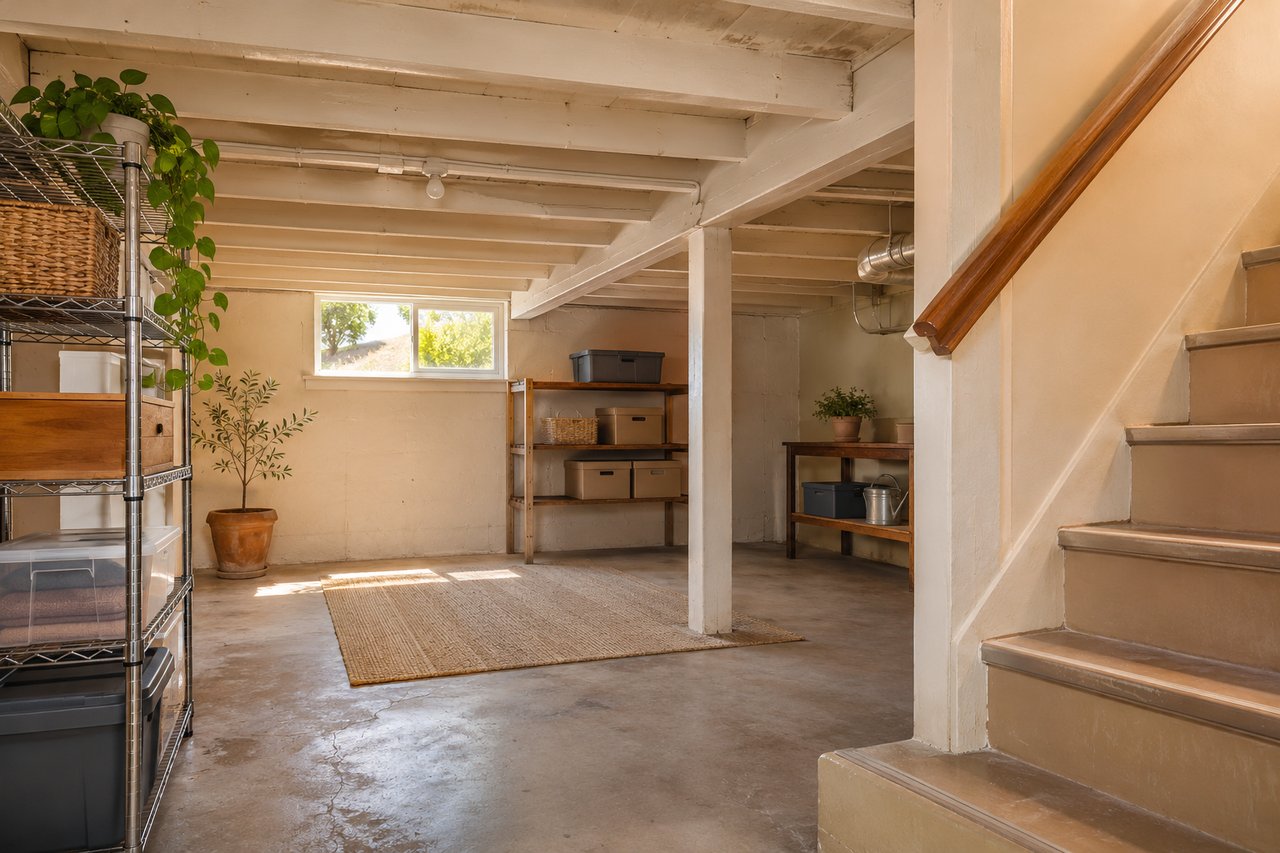
Describe the space accurately and show how it works without overstating its use.

Amber Johnson | November 28, 2026
Test the trip against your schedule, home location and tolerance for time on the road.
Amber Johnson | November 28, 2026
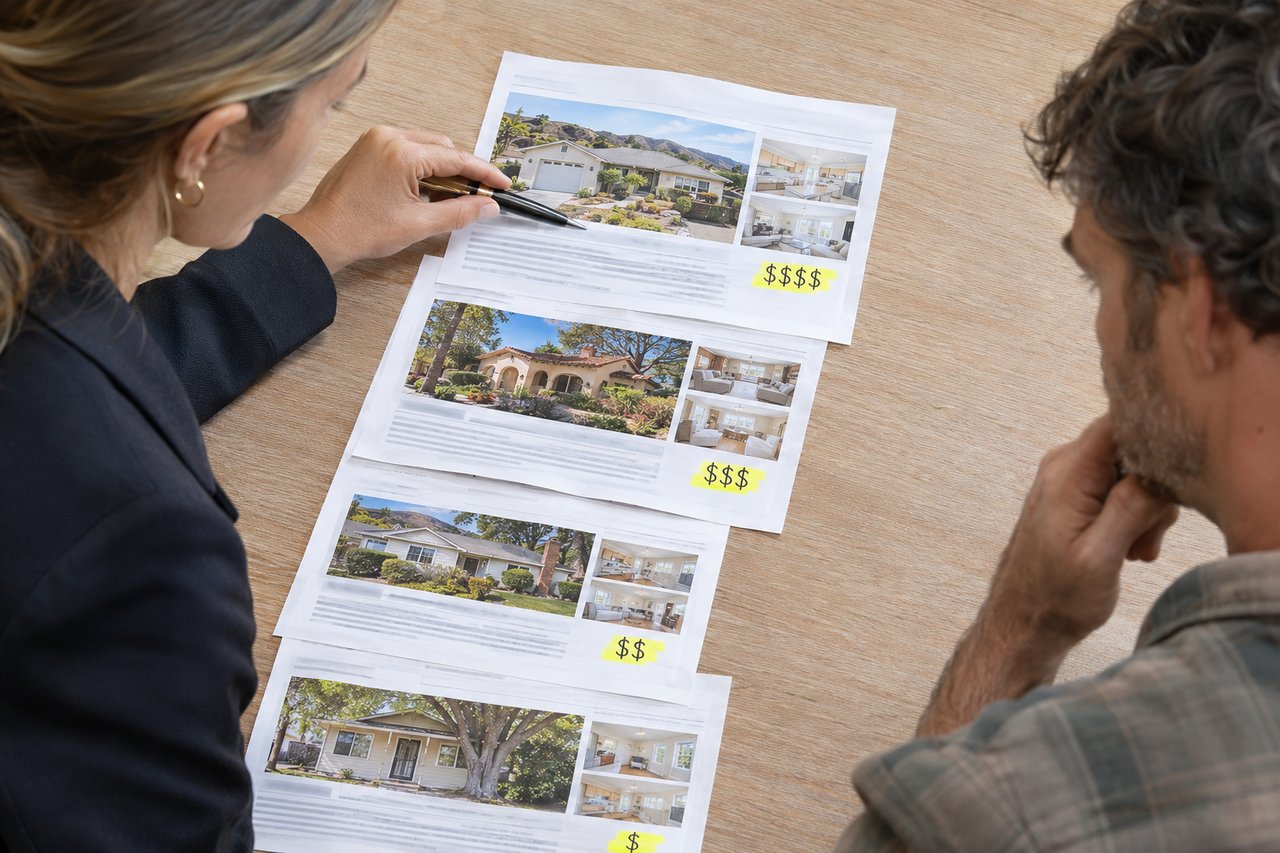
Read the listing history alongside condition, competition and the current asking price.

Amber Johnson | November 28, 2026
Consider access, drainage and everyday vehicle use before deciding the slope works.

Amber Johnson | November 27, 2026
Think about access, seasonality and the routine you would actually keep.

Amber Johnson | November 27, 2026
Compare the surrounding streets and daily routines, not just the park names.

Amber Johnson | November 27, 2026
Amber Johnson | November 27, 2026
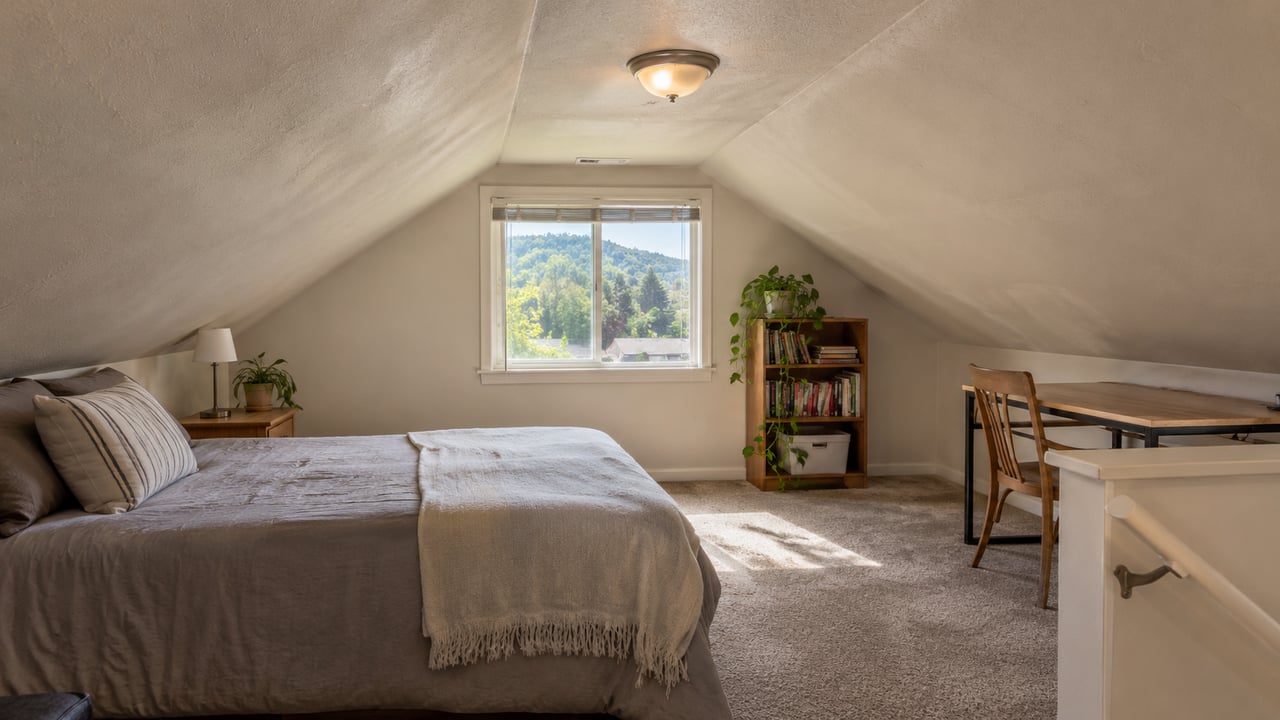
Show the space accurately and verify how it may be described before listing.
You’ve got questions and we can’t wait to answer them.

Amber Johnson, Founder
Pillar Real Estate
805.835.3425
DRE# 01925434
1345 Park Street
Paso Robles, CA 93446