Is Arroyo Grande Practical for a Household That Commutes to Santa Maria?
October 6, 2026

October 6, 2026
Arroyo Grande can be practical for a household that commutes to Santa Maria if the trip from the specific home fits your work schedule and leaves enough time for the rest of your life. The decision should account for the workplace address, arrival requirements, recurring stops, and how often you make the drive.
I'm Amber Johnson, founder of Pillar Real Estate in Paso Robles. When relocating households compare Central Coast homes, I encourage them to evaluate a regular workday before getting attached to a property. A home can offer a lot of what you want while still creating a routine that feels difficult to keep.
It depends on your situation. A flexible schedule, an occasional office day, or a household with different responsibilities can change the answer. Start with your actual week and compare realistic addresses rather than assuming every Arroyo Grande home offers the same commute.
Use the exact workplace destination. Reaching the city is not the same as reaching your job, parking, and being ready to start. The final portion of the route can matter, particularly when arrival times are fixed or your workplace has a specific access process.
Write down the time you must be ready for work, not simply the time you hope to arrive nearby. Include parking, walking, equipment, and any preparation that has to happen before your shift. This gives you a more useful starting point for deciding when to leave home.
Then identify the trip from each home you consider. Compare the route you would normally use and review current conditions when testing it. Don't assume an estimate for a central point in Arroyo Grande describes a property on a different street.
The broader article on moving to Arroyo Grande can help you organize your relocation questions. For the commute decision, keep your attention on the actual address-to-address routine.
A commute made every weekday can feel very different from one made occasionally. Count the days you expect to travel and the hours you would use the route. Include weekends or evenings if they are part of your job rather than treating a standard office schedule as universal.
If your schedule is flexible, ask what flexibility you really control. Can you choose when to leave, or does your employer expect you at a certain hour? Can you work remotely reliably, or is that arrangement subject to change? Build the housing decision around the conditions you can count on.
For shift work, think about the return trip as carefully as the morning. A household member finishing a long day may value a simpler drive home more than a person with a shorter shift. Your preferences deserve a place in the comparison.
Consider a reasonable arrival cushion. The routine should work without requiring perfect conditions every day. If a trip feels acceptable only when everything goes smoothly, that may be a sign to compare another home or another location before committing.
Drive the route when you would actually travel, if you can. An easy visit on a day off is useful for learning the area, but it doesn't fully represent the schedule you plan to keep. Use current road information to plan a test safely.
Record departure and arrival, the parking process, and how the drive felt. Don't hurry to make the result look better. You want to know what the trip is like under an ordinary approach, with the same expectations you'll have after moving.
Test the return as well. Include any regular stop you expect to make after work. A grocery trip, appointment, or pickup can alter the time and effort enough that the direct commute no longer describes your day accurately.
Repeat the comparison when practical, recognizing that a few tests won't predict every future condition. The purpose is to identify whether the routine is broadly workable and which parts need more investigation. Treat a single favorable result as information, not a guarantee.
The person traveling to Santa Maria isn't the only one affected by the location. Another household member may have work, appointments, education, or caregiving responsibilities elsewhere. Put those needs alongside the commute so you can assess the home as a shared base.
List the obligations that happen at fixed times. Decide who handles each one under the normal schedule and what happens if work runs late. A home might support one person's trip well while making a recurring responsibility difficult for someone else.
Discuss vehicle needs, too. If different people must travel at the same time, make sure the transportation plan is realistic. Consider the home's actual parking and storage without assuming an arrangement visible during a showing will meet every future need.
The discussion of why Arroyo Grande feels like home for families can raise useful lifestyle questions. Every household should still assess its own schedules and priorities rather than relying on a broad description of who an area suits.
A commute is practical when it leaves a routine you're willing to live with. Think about the activities you want to protect after work: dinner, exercise, a regular gathering, an appointment, or time at home. Decide how much flexibility those plans have.
Compare a typical day from start to finish. Include getting ready, the drive, the job, the return, and the responsibilities waiting at home. This can reveal a tradeoff that isn't obvious when you look only at a travel estimate.
Be honest about how you feel after a demanding day. Some people are comfortable driving farther for a home they prefer. Others would rather simplify the trip and make a different housing compromise. Neither answer needs to match someone else's preference.
Consider the ordinary weekends, too. Where do you expect to spend them, and how does Arroyo Grande fit those plans? The weekday commute should be acceptable on its own, but the location's role in the rest of your week can help explain why a tradeoff makes sense for your goals.
Review the full cost of the property and the routine it creates. Financing, taxes, insurance, utilities, and maintenance belong in the housing comparison. Fuel, vehicle upkeep, and any parking costs belong in the transportation comparison.
Get property-specific and household-specific estimates. Don't assume a particular city is always the less expensive choice or that a lower purchase price tells the entire story. The condition of the home and your intended use can change the practical result.
Time also has value in your decision, even if you don't assign it a number. A home with features you want may be worth a longer drive to you. Or you may decide that keeping more time at home matters more than those features.
Discuss the financing with your lender and use realistic assumptions for your ongoing routine. The right strategy is one you can sustain after the purchase, including the travel you expect to make for work.
Don't stop at deciding whether Arroyo Grande generally appeals to you. The location of a particular home, its approach roads, and the routes to your regular errands all affect daily convenience. Compare those details for the properties on your list.
Visit the block at relevant times and observe what matters to you. Check access, parking, lighting, and the layout of the property. Ask questions about any detail you can't confidently establish through a showing or the available documents.
Think about the home after you return from work. Does it provide the space and comfort you need? Are its maintenance responsibilities compatible with your schedule? A property that looks appealing but demands more upkeep than you want may change your view of the commute tradeoff.
The article on living in Arroyo Grande can help you develop a focused list of local questions. Use that list as a starting point for property-level review.
To understand the tradeoff, compare at least one realistic housing option closer to your Santa Maria workplace. Look at a home that could meet your basic needs, not an option you already know won't work. This makes the comparison fairer and more useful.
Ask what you gain by choosing Arroyo Grande and what you give up. You might prefer the home, its setting, or its relationship to other household destinations. Those benefits should be specific enough that you can explain why the travel is acceptable.
The overview of Santa Maria's Central Coast setting can help you consider that alternative. Your actual choices will still depend on available properties, your requirements, and the details you confirm during the search.
If the commute remains a concern after testing it, keep looking. A practical decision doesn't require dismissing the location entirely. It may mean choosing a different Arroyo Grande address, changing a housing preference, or favoring another home base.
Arroyo Grande may be practical when your Santa Maria trip works from the specific property, your household responsibilities remain manageable, and the housing tradeoffs fit your priorities. Those conditions are more useful than a general claim that the commute is easy or difficult.
Choose a few firm requirements before making an offer. They might include a workable arrival cushion, acceptable vehicle needs, time for an evening obligation, or a home whose maintenance fits your schedule. Use those requirements consistently as you compare properties.
If you'd like help evaluating Arroyo Grande around a Santa Maria commute, I can help you focus the search on actual homes and practical questions. Tell me where you need to go, when you need to arrive, and what you want to keep time for after work.
Amber
Amber Johnson
Founder, Pillar Real Estate
805.835.3425
[email protected]
1345 Park St. Paso Robles, CA 93446
DRE# 01925434
Website: https://pillarrealestate.com/

Amber Johnson | November 10, 2026
Learn what each listing outcome may mean, what it leaves unanswered and how price range, location and timing affect the comparison.

Amber Johnson | November 9, 2026
Amber Johnson | November 9, 2026
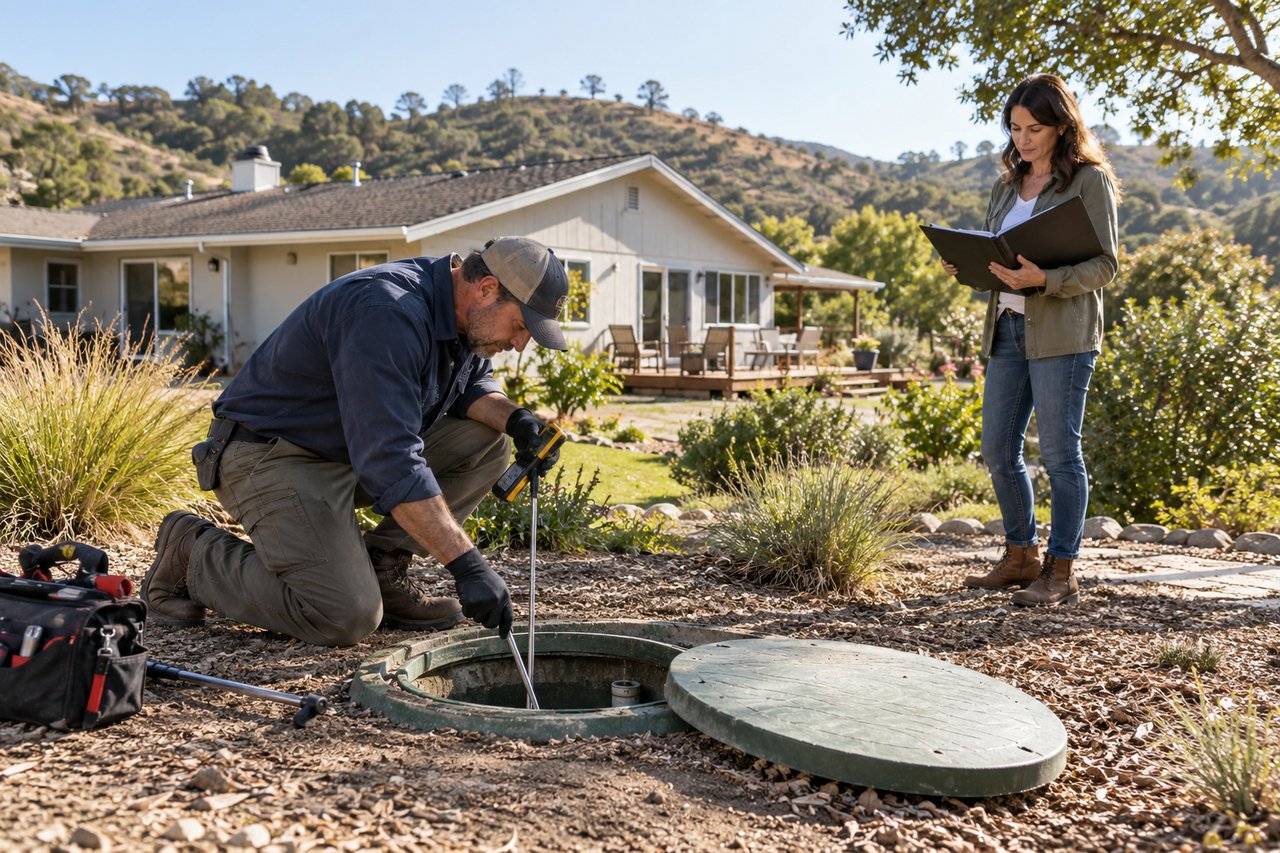
Review inspection findings, service records, capacity, access and local requirements before relying on the system.

Amber Johnson | November 8, 2026
Compare access, timing, seasonal conditions and home-to-trail logistics before building regular birdwatching into life in Los Osos.
Amber Johnson | November 8, 2026
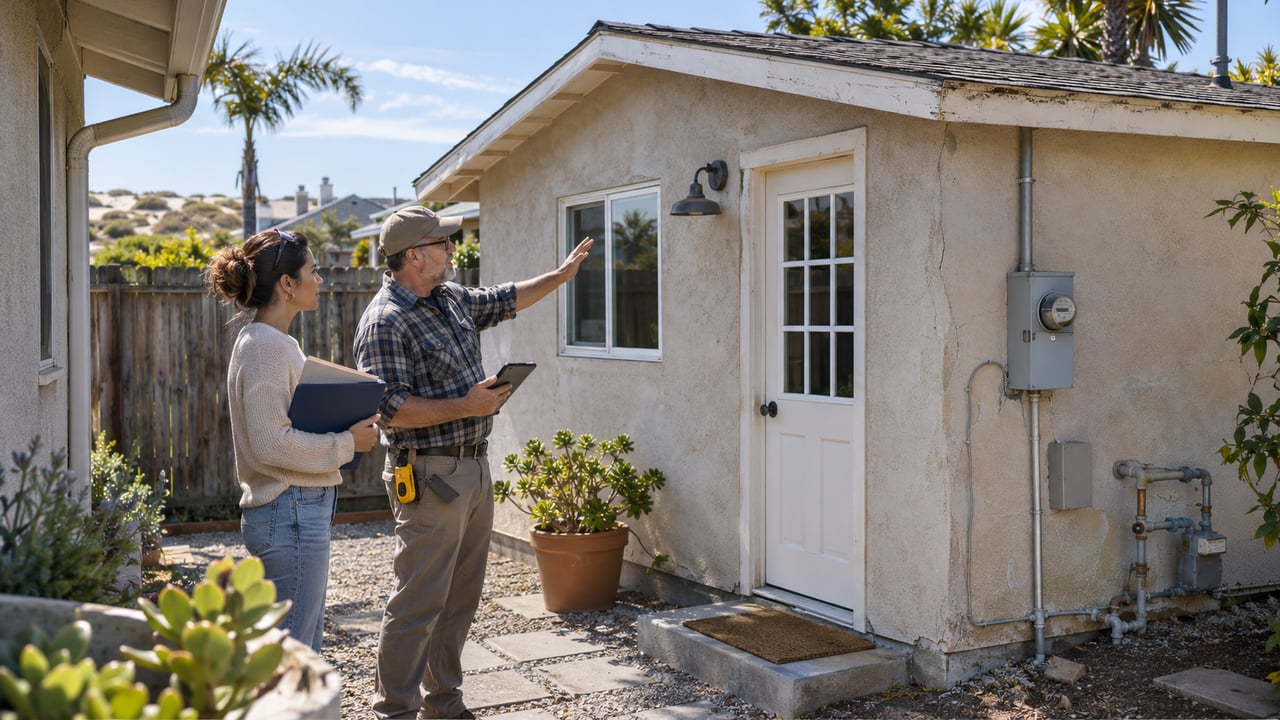
Verify the separate structure's records, condition and permitted use before counting on it.

Amber Johnson | November 7, 2026
Compare specific homes by their street setting, daily routes and access to the places you use.

Amber Johnson | November 7, 2026
Test school logistics, activities and daily routes from the specific home you are considering.

Amber Johnson | November 7, 2026
Amber Johnson | November 7, 2026
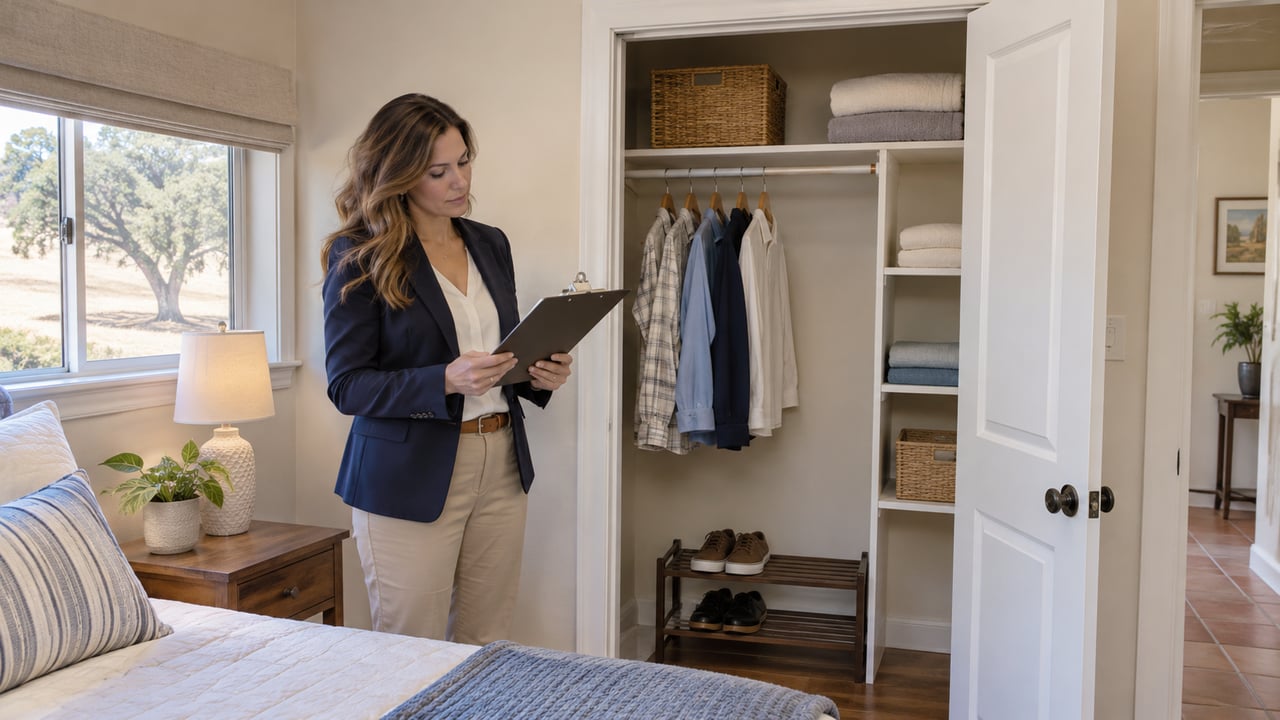
Show usable storage honestly and help buyers see how the home's layout fits daily life.
You’ve got questions and we can’t wait to answer them.
Amber Johnson, Founder
Pillar Real Estate
805.835.3425
DRE# 01925434
1345 Park Street
Paso Robles, CA 93446