How Should I Price a San Luis Obispo Home with an ADU?
October 2, 2026

October 2, 2026
Pricing a San Luis Obispo home with an ADU starts with one important rule: do not simply add the estimated value of the main house and the estimated value of a second home. Buyers, appraisers, and lenders look at the property as one sale. The ADU may add meaningful value, but the amount depends on its permits, condition, privacy, utility setup, access, and the buyers most likely to want it.
The right strategy is to evaluate the main residence first, then study what the ADU contributes to the whole property. That contribution is not the same for every home. A permitted, well-designed unit with separate access may appeal to a wider buyer pool than an informal converted space. An ADU that shares a yard and utilities can still be useful, but buyers may view it differently.
Here is the practical answer. Price from the best available comparable sales, document the ADU carefully, and avoid treating projected rent or construction cost as automatic market value. Then choose a list price that reflects how buyers will experience the entire property.
Before deciding what the ADU is worth, establish a reasonable range for the primary residence. Look at recent sales with similar location, lot characteristics, age, condition, bedroom and bathroom count, parking, and overall living area. A comparative market analysis helps organize those similarities and differences.
This creates a starting point, not the final answer. If the main home needs repairs, has an unusual floor plan, or sits on a lot with limited outdoor space, those details still matter. The presence of an ADU does not erase weaknesses in the primary residence. It also should not cause the main house to be compared with larger homes that have no secondary unit and serve a different buyer.
San Luis Obispo neighborhoods can vary block by block. Lot layout, parking, nearby uses, and the relationship between the two dwellings can change how buyers respond. That is why a local review of the property is more useful than applying a broad price per square foot to the combined structures.
The paperwork matters. Before pricing, gather permits, approved plans, final inspection records, and any documents that show the unit's legal use and completion. Do not rely on how a room has been used or how it appears in an old listing. Confirm what the city or county records actually support.
This is especially important when a garage, workshop, lower level, or detached structure was converted over time. A finished space with a kitchen and bathroom may look like an ADU, but its permit history can affect financing, appraisal treatment, insurance questions, and buyer confidence. If records are incomplete, address that before marketing rather than letting buyers discover it during escrow.
For a basic explanation of how these units function, see what accessory dwelling units are and how they may benefit a property. My earlier overview of whether an ADU is right for a homeowner also covers the practical side of having another living space on one lot.
Market value comes from buyer demand. Ask who is likely to see a real benefit in this particular unit.
The unit's physical relationship to the main home influences all of those uses. A detached ADU with its own entrance can feel more independent. An attached unit may be more convenient for family members who want to stay close. Neither arrangement is automatically better. It depends on the buyer's priorities and how well the property supports the intended use.
Look at parking, outdoor areas, storage, laundry, sound separation, and how someone reaches the unit. If the only path crosses the main home's private patio, that may reduce the sense of independence. If the unit has a clear entrance and a defined outdoor area, buyers may understand its function immediately.
Combining the square footage of the main home and ADU, then multiplying by a neighborhood average, can produce a misleading number. The two structures may differ in age, finish quality, ceiling height, utility, and buyer appeal. A small ADU is not necessarily valued at the same rate as the primary residence.
Price per square foot is one reference point. It is not a complete pricing method. The market may give more weight to the main home and then recognize the ADU through an adjustment based on comparable properties. When close ADU sales are limited, the analysis requires more judgment and a clear explanation of why each comparison is useful.
That is also why construction cost is not a reliable shortcut. The amount an owner spent to build or remodel the unit may be important to the owner, but buyers do not reimburse every dollar automatically. They compare the finished property with their alternatives.
The best comparison is usually a recent nearby sale with a similar main home and a similar legal ADU. Sometimes that sale does not exist. In that case, use a layered analysis.
First, compare the primary residence with similar homes in the same area. Second, look for local sales with ADUs, guest units, or other permitted secondary living spaces, even if their main homes are not identical. Third, study how buyers responded to those properties. Days on market, price changes, condition, and the final sale can help explain whether the extra unit expanded demand.
Be careful with loosely related properties. A duplex, a house with an unpermitted conversion, and a single-family home with a permitted ADU are not interchangeable. They may serve different buyers and receive different financing treatment. The goal is not to collect the largest possible list of comps. It is to identify the sales that help explain buyer behavior.
A strong pricing recommendation should show the logic. Which sales support the main residence? Which ones help measure the usefulness of the second unit? What adjustments are reasonable? Where is the evidence limited? Honest analysis creates more confidence than an inflated number built on weak comparisons.
Some buyers may consider possible rental income when evaluating an ADU. That can increase interest, but projected rent is not the same as guaranteed value. Rental use may depend on local rules, permit status, insurance, utility costs, financing, and the owner's plans. Sellers should not advertise income claims they cannot support.
If the unit has an established rental history, organize the records that can be shared appropriately. If it has not been rented, avoid presenting an optimistic estimate as a proven result. A buyer may ask a property manager, lender, insurance professional, tax adviser, or local agency for guidance specific to the proposed use.
The question is not only, “How much rent could this produce?” It is also, “How many qualified buyers will pay more for this flexibility?” A multigenerational household may value the unit even without rental income. Another buyer may prefer a larger yard or a bigger primary home. Pricing needs to reflect both the opportunity and the tradeoffs.
Buyers will want to understand how the property works day to day. Are utilities shared or separately metered? Does each dwelling have its own heating and cooling? Is there adequate parking? Who maintains the yard? Are there separate trash arrangements? These details influence usability and operating costs.
Clear answers make the ADU easier to evaluate. Uncertainty can make buyers cautious, especially when they are already trying to understand financing and insurance. Gather invoices, warranty information, utility details, and relevant permits before the listing goes live. Do not guess if a technical answer is unclear.
Condition matters too. A newer ADU can still have deferred maintenance. Check water intrusion, appliances, heating, ventilation, plumbing fixtures, exterior finishes, and access paths. A pre-listing inspection may make sense for some properties. It depends on your situation and what will help buyers evaluate the property with fewer unknowns.
A buyer may be enthusiastic about the ADU while the lender and appraiser take a more measured approach. The appraiser must support the property's market value using available evidence. If comparable ADU sales are scarce, good documentation becomes even more important.
Prepare a package with permits, plans, square footage information, improvements, utility details, and the strongest relevant sales. The appraiser still makes an independent determination, but organized facts reduce avoidable confusion. Do not assume the ADU's cost or projected income will be accepted dollar for dollar.
The property's highest offer is only useful if the buyer can complete the purchase. A price that depends on an unsupported ADU premium may create an appraisal problem later. That does not mean underpricing the home. It means choosing a number that can be explained with evidence.
Once the analysis is complete, decide how to position the property. My guide to choosing the right listing price in San Luis Obispo County explains why the launch price affects visibility and buyer response.
An ADU should be a clear part of the marketing, not a footnote. Professional photography should show the relationship between the two dwellings, the access, and the outdoor areas. The description should explain the verified features without making promises about a buyer's future use.
The pricing strategy should also recognize the search ranges buyers use. A small increase intended to capture every dollar of the ADU may push the property into a different search bracket and reduce exposure. On the other hand, ignoring a well-permitted and useful unit may leave value on the table. The right number balances the evidence, the likely buyer pool, and your goals.
Before setting the price, I recommend that a San Luis Obispo seller gather:
Then walk the property with a local agent before spending money on changes. The main home and ADU should feel connected as one well-presented property, but each space also needs a clear purpose. Sometimes a small cleanup, better pathway, or simpler furniture plan makes that relationship easier for buyers to understand.
Here is the thing: the ADU's value is not hiding in a single formula. It comes from legality, function, condition, privacy, and demand. When those pieces are documented and marketed clearly, buyers can make a more confident decision.
If you are preparing to sell a San Luis Obispo home with an ADU, I can review the main house, the secondary unit, the available comparable sales, and the buyer pool most likely to value the property. We can build a pricing and marketing plan that makes sense for your goals.
Visit Sell With Amber to start the conversation.
Amber
Pillar Real Estate | Amber Johnson, Founder
805.835.3425 | [email protected]
1345 Park St. Paso Robles, CA 93446 | DRE# 01925434
Website: pillarrealestate.com

Amber Johnson | October 2, 2026
Amber Johnson | October 2, 2026
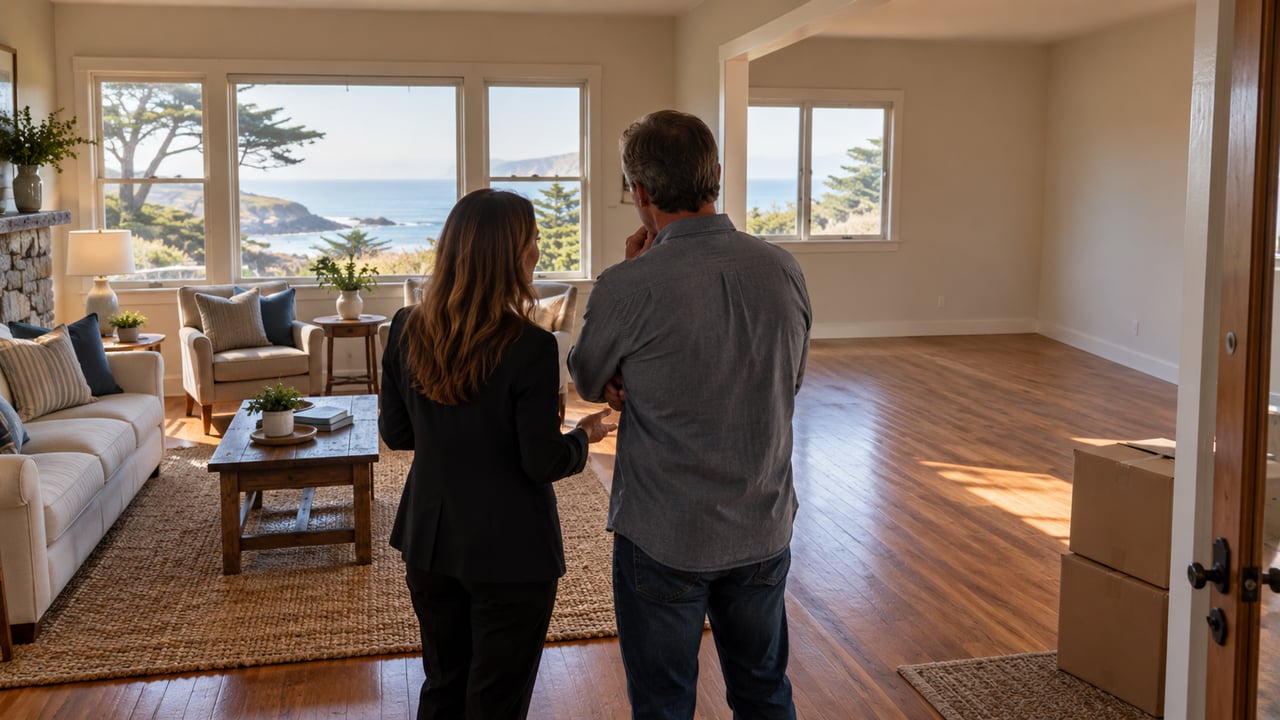
Assess the main home and accessory unit, permitted details, comparable sales, and the likely buyer pool.
Amber Johnson | October 2, 2026
Compare buyer expectations, photography, showings, moving plans, and what a furniture decision may cost.
Amber Johnson | October 1, 2026
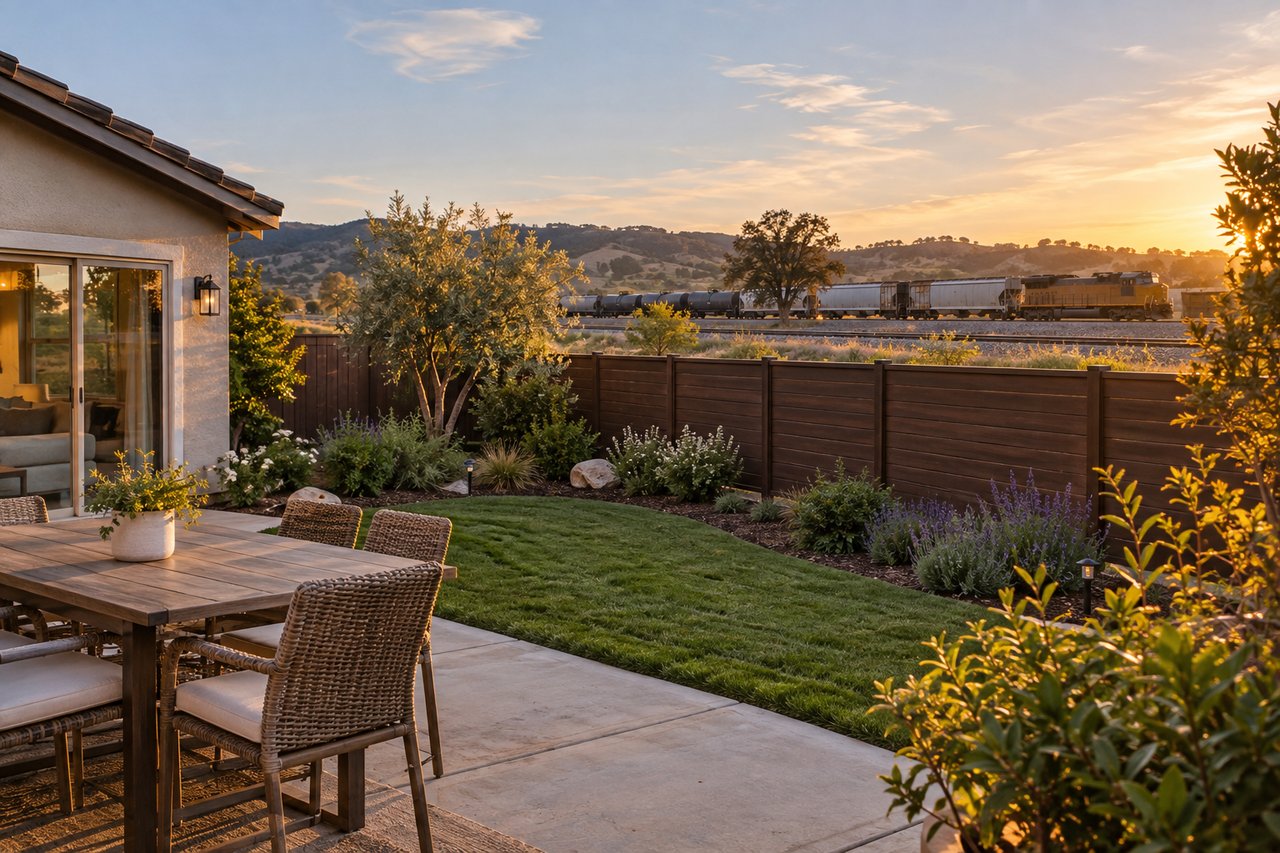
How train frequency, noise, crossings, property position, and buyer preferences can influence demand.
Amber Johnson | September 30, 2026
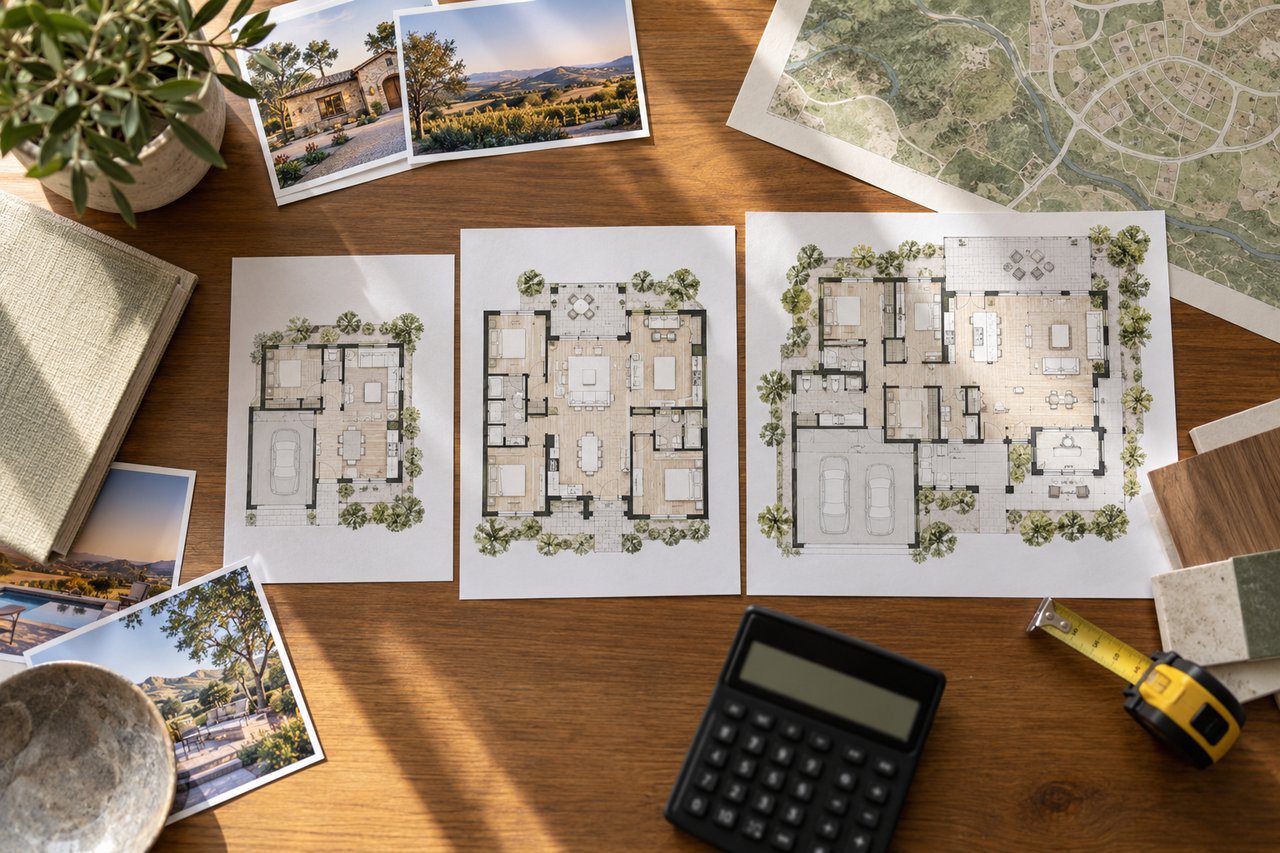
How home size, condition, lot, location, and comparable sales can limit what this metric means.
Amber Johnson | September 30, 2026
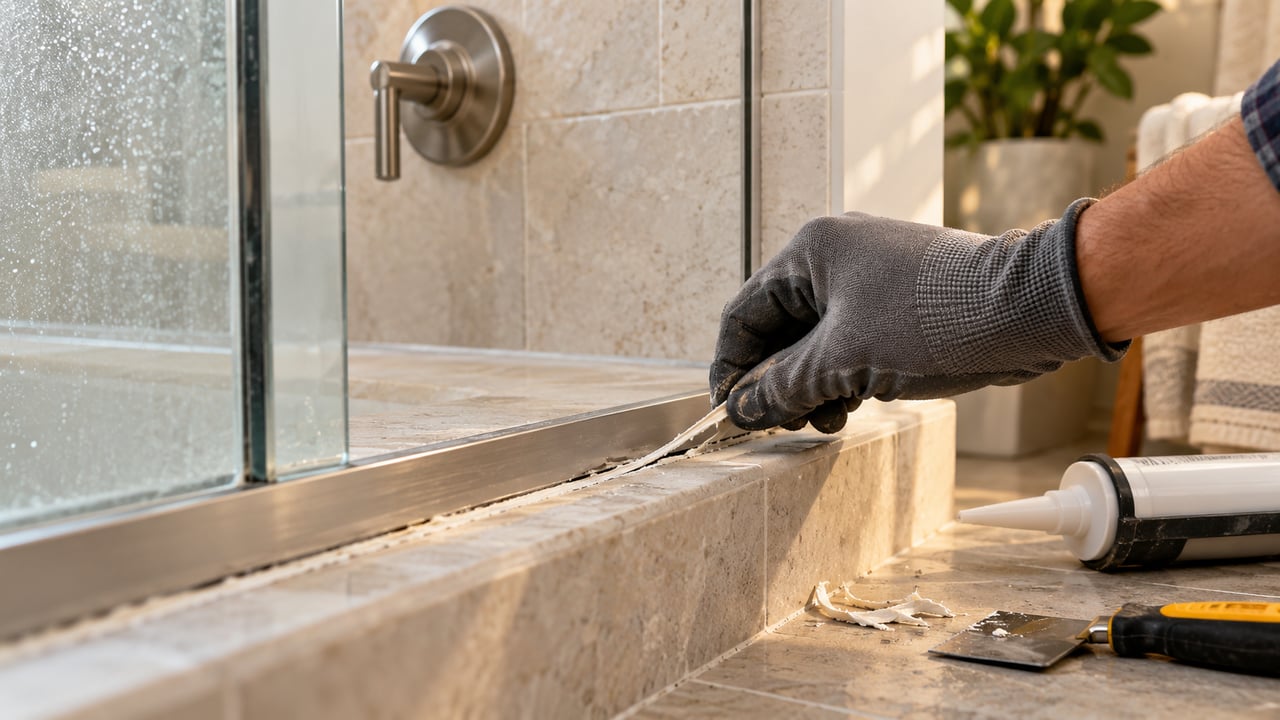
How worn sealant, moisture protection, appearance, and project scope can guide the decision.
Amber Johnson | September 30, 2026
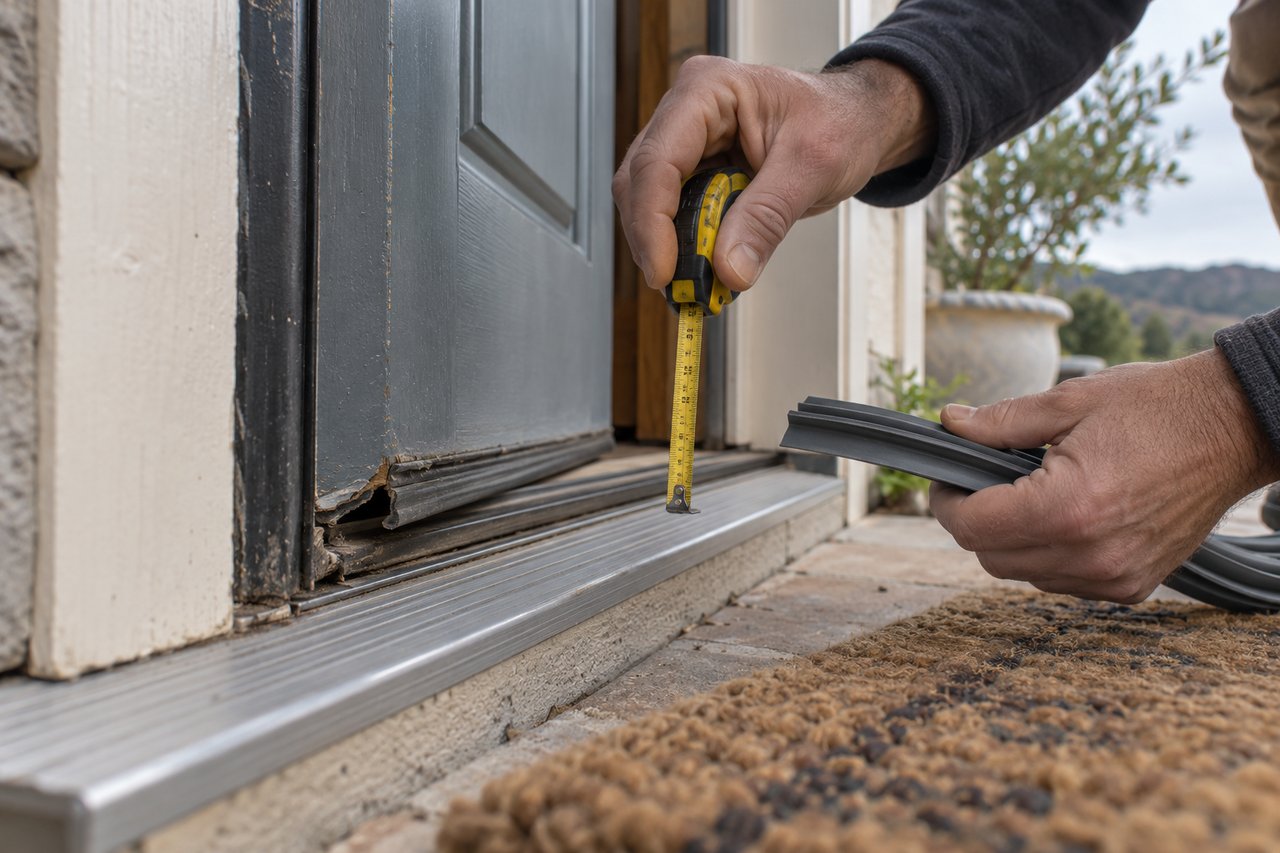
How air gaps, door operation, comfort concerns, and replacement cost can shape the decision.

Amber Johnson | September 30, 2026
How ventilation, sound, moisture control, and repair scope can help determine the next step.

Amber Johnson | September 30, 2026
You’ve got questions and we can’t wait to answer them.
Amber Johnson, Founder
Pillar Real Estate
805.835.3425
DRE# 01925434
1345 Park Street
Paso Robles, CA 93446