Should I Repair a Noisy Bathroom Exhaust Fan Before Selling My Paso Robles Home?
September 30, 2026
September 30, 2026
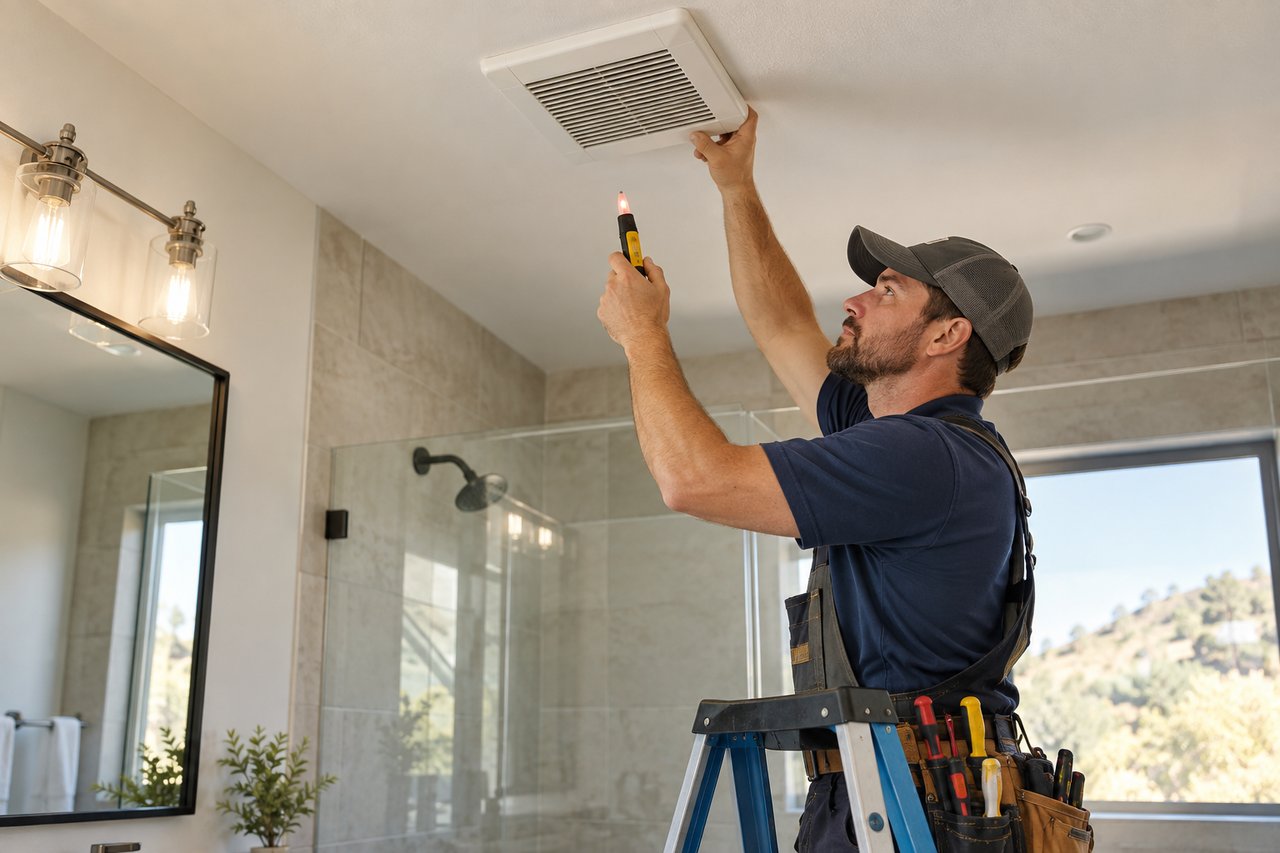
Yes, a noisy bathroom exhaust fan is usually worth addressing before you sell a Paso Robles home. The sound may come from a loose grille, accumulated dust, a worn motor, a vibrating housing, or a damper that is not moving correctly. Some causes are simple. Others point to a fan that is no longer ventilating the room as well as it should.
The decision is not only about noise. A bathroom fan helps move humid air out of the room. Buyers may hear rattling, grinding, humming, or squealing during a showing and wonder whether the fan works, whether moisture has been managed, or whether an electrical repair is waiting for them. If the fan can be made quiet and dependable with a focused repair, taking care of it before listing often makes sense.
Small maintenance issues can shape how buyers experience a home. A fan that rattles loudly when someone flips the switch may seem minor, but it creates an immediate question. Is the grille loose? Is the motor failing? Does the fan actually exhaust outside? Has the bathroom had enough ventilation?
Buyers do not always know the difference between a loose cover and a worn-out motor. They only know what they can see and hear. A seller who corrects the issue removes one distraction and helps the bathroom feel maintained. That is especially useful when the rest of the room is clean, functional, and ready to show.
This does not mean every older fan needs replacement. The right strategy is to identify the source of the noise, confirm that the fan is moving air, and choose a repair that matches the condition. My guide to repairs to consider before selling a home in Paso Robles explains how to prioritize small maintenance items within the larger preparation plan.
Different sounds can point to different problems. A light vibration may come from a loose grille or housing. A repetitive tapping sound may involve the fan wheel or another moving part. Grinding or squealing can indicate wear inside the motor. A fluttering sound may come from a backdraft damper or exterior vent cover.
Sound alone is not a complete diagnosis. Dust buildup, loose fasteners, an aging motor, a poorly supported housing, or an issue in the duct can all affect how a fan operates. The safest approach is to have a qualified electrician or appropriate ventilation professional inspect the unit when the cause is not obvious.
Do not assume the fan is working properly simply because it makes noise. The fan should move air through the duct and discharge it where the system was designed to terminate. A quiet motor with a blocked or disconnected duct is not a successful repair. The goal is reliable ventilation, not just a quieter switch.
A full fan replacement may not be necessary when the noise comes from a loose grille, a minor vibration, or a serviceable component. Cleaning accessible dust, securing the cover, or correcting a loose mounting point may solve the problem. Any work involving wiring, the motor assembly, or access above the ceiling should be handled by someone qualified for that scope.
After the repair, run the fan long enough to confirm that the sound does not return. Listen from inside the bathroom and from the nearby hall or bedroom. Check that the grille sits evenly and does not move. Confirm that the switch works normally and that there is no burning smell, heat, or intermittent operation.
A focused repair is a good outcome when the existing fan is appropriate for the room and continues to ventilate effectively. Sellers do not need to replace every older fixture simply because a newer model exists. A dependable fan that operates without unusual noise can be perfectly reasonable for the sale.
Replacement may make more sense when the motor is failing, parts are unavailable, the fan stops and starts, the housing is damaged, or the unit is not moving enough air. It may also be appropriate when the fan is unusually loud even after service or does not fit the way the bathroom is used.
The replacement decision should consider more than the visible grille. Fan size, duct configuration, termination point, electrical connection, room size, and access all affect the work. A professional can determine whether a new motor assembly fits the existing housing or whether the full unit should be replaced.
A seller should also avoid choosing a fan based only on the lowest purchase price. A mismatched or poorly installed unit can create new noise, weak airflow, or additional ceiling work. The best repair is the one that solves the actual problem and leaves the system operating as intended.
Bathroom ventilation matters because showers and baths add moisture to the air. A working exhaust fan helps move that humid air out of the room. When a fan is noisy, weak, or not vented correctly, moisture may remain on mirrors, walls, and other surfaces longer than it should.
Look at the entire room before deciding that the fan is the only concern. Peeling paint, staining, recurring condensation, softened materials, or visible growth deserve closer evaluation. Do not cover a moisture symptom with fresh paint or caulk without understanding why it appeared.
If there are signs of moisture damage, the project is no longer limited to sound. A qualified professional may need to inspect the fan, duct, roof or wall termination, and affected materials. That information helps you decide what to repair and what to disclose before the property reaches the market.
Home inspectors commonly operate bathroom fans and note visible or functional concerns. A fan that makes an unusual noise, does not turn on, moves little air, or appears improperly vented may be included in the report. The inspector may not identify the exact failed component, which can leave the buyer asking for further evaluation.
Handling a straightforward problem before the inspection can reduce that uncertainty. If the issue is more involved, learning about it early gives you time to obtain a professional opinion and decide how it fits the sale strategy. My article on what happens when a home inspection finds problems explains how inspection findings can lead to questions, repair requests, or negotiations.
No repair guarantees that a buyer will not raise other concerns. The value is clarity. A functioning, quiet fan is one less item competing for attention during the inspection period.
You can sell a home without correcting every maintenance item. The question is whether leaving this one alone supports your goals. If the fan only needs a small adjustment or service, leaving it noisy may save very little while making the bathroom feel neglected.
If the issue involves an inaccessible duct, damaged housing, moisture, or a larger electrical scope, the decision may be different. Get enough information to understand the condition before choosing the as-is route. Selling as-is should be a deliberate pricing and negotiation strategy, not a substitute for finding out what is wrong.
For sellers comparing those options, my guide to selling a Paso Robles home as-is or fixing it up can help frame the decision.
Start with diagnosis, not a replacement budget. A loose cover and a worn motor are different projects. A fan with a short, accessible duct is different from a unit with difficult attic access or a duct that needs correction.
Ask what is needed to make the fan safe, dependable, and effective. Then compare that scope with the condition of the bathroom, the home's price position, the listing timeline, and other preparation priorities. A recently updated bathroom may justify a clean replacement if the old fan is the one obvious weak point. In a more original bathroom, a sound repair may be enough.
Spend where the work improves function and buyer confidence. Avoid turning one noisy component into an unnecessary bathroom remodel. My article on how much to spend preparing a home before selling offers a practical framework for balancing competing projects.
In most cases, repair a noisy bathroom exhaust fan before selling your Paso Robles home. A fan that works quietly helps the bathroom feel maintained and removes an easy source of buyer concern. The repair may be as limited as securing or servicing the existing unit, but a worn motor, damaged housing, weak airflow, or ventilation problem may call for replacement or further evaluation.
Find the cause first. Confirm that the fan is moving air and that there are no signs of moisture damage. Then choose the smallest reliable repair that makes sense for the home and your goals.
If you want a clear plan for deciding which pre-listing repairs matter, Sell With Amber. I help Paso Robles homeowners focus on the work that supports a strong presentation without spending money on projects buyers may not value.
Amber Johnson, Founder
Pillar Real Estate
805.835.3425
[email protected]
1345 Park St. Paso Robles, CA 93446
DRE# 01925434
Amber Johnson | September 30, 2026
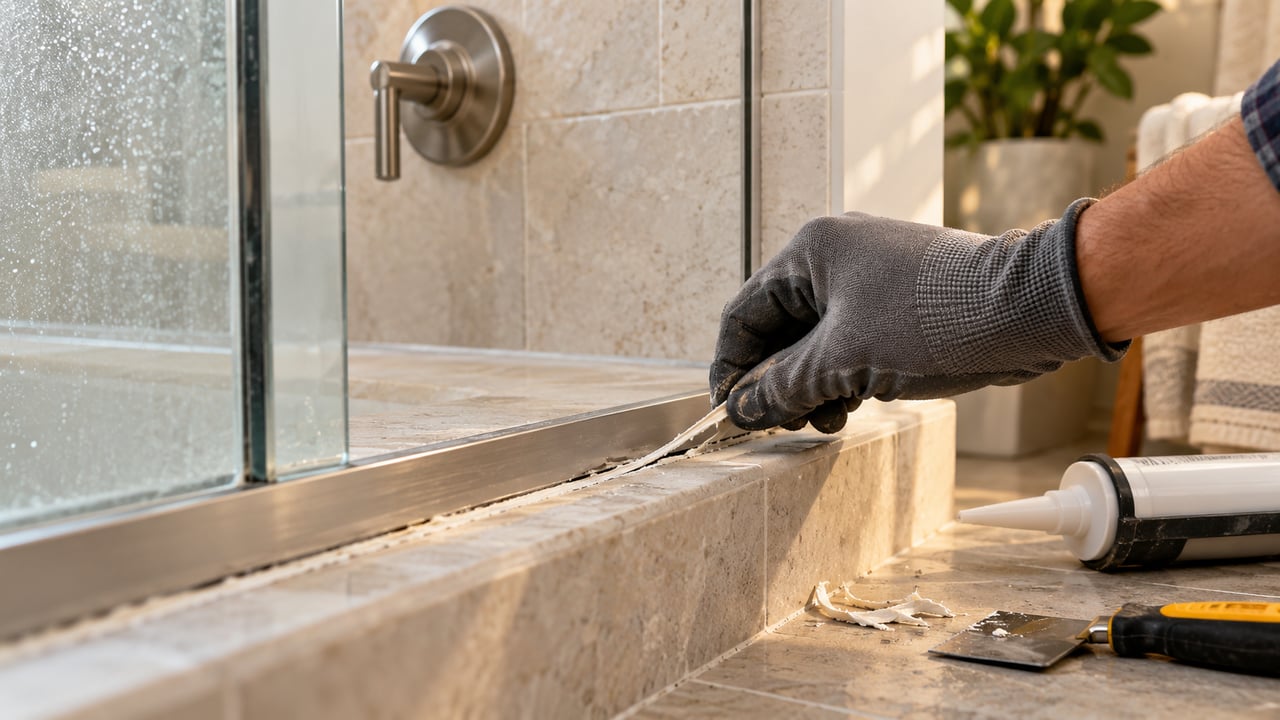
How worn sealant, moisture protection, appearance, and project scope can guide the decision.
Amber Johnson | September 30, 2026
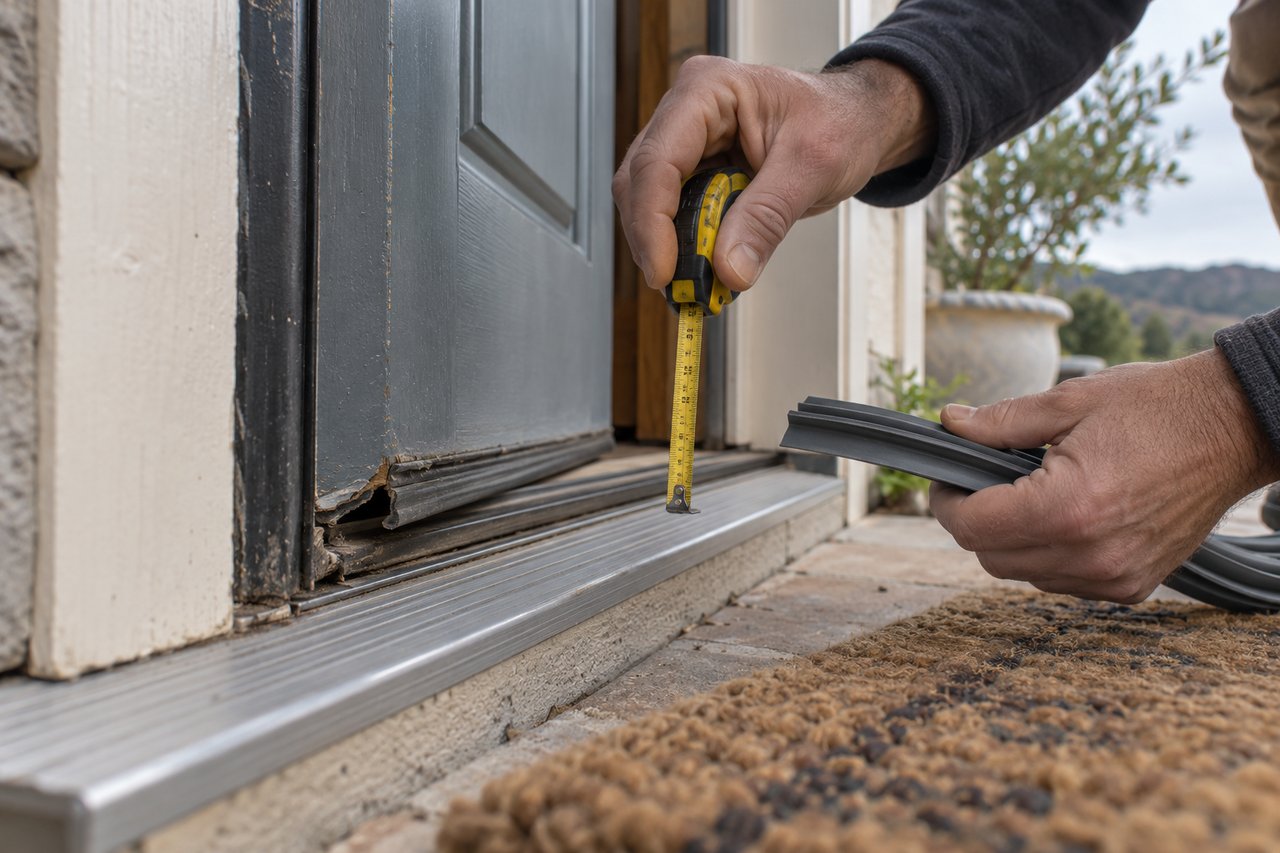
How air gaps, door operation, comfort concerns, and replacement cost can shape the decision.
Amber Johnson | September 30, 2026
How ventilation, sound, moisture control, and repair scope can help determine the next step.

Amber Johnson | September 30, 2026
Amber Johnson | September 30, 2026
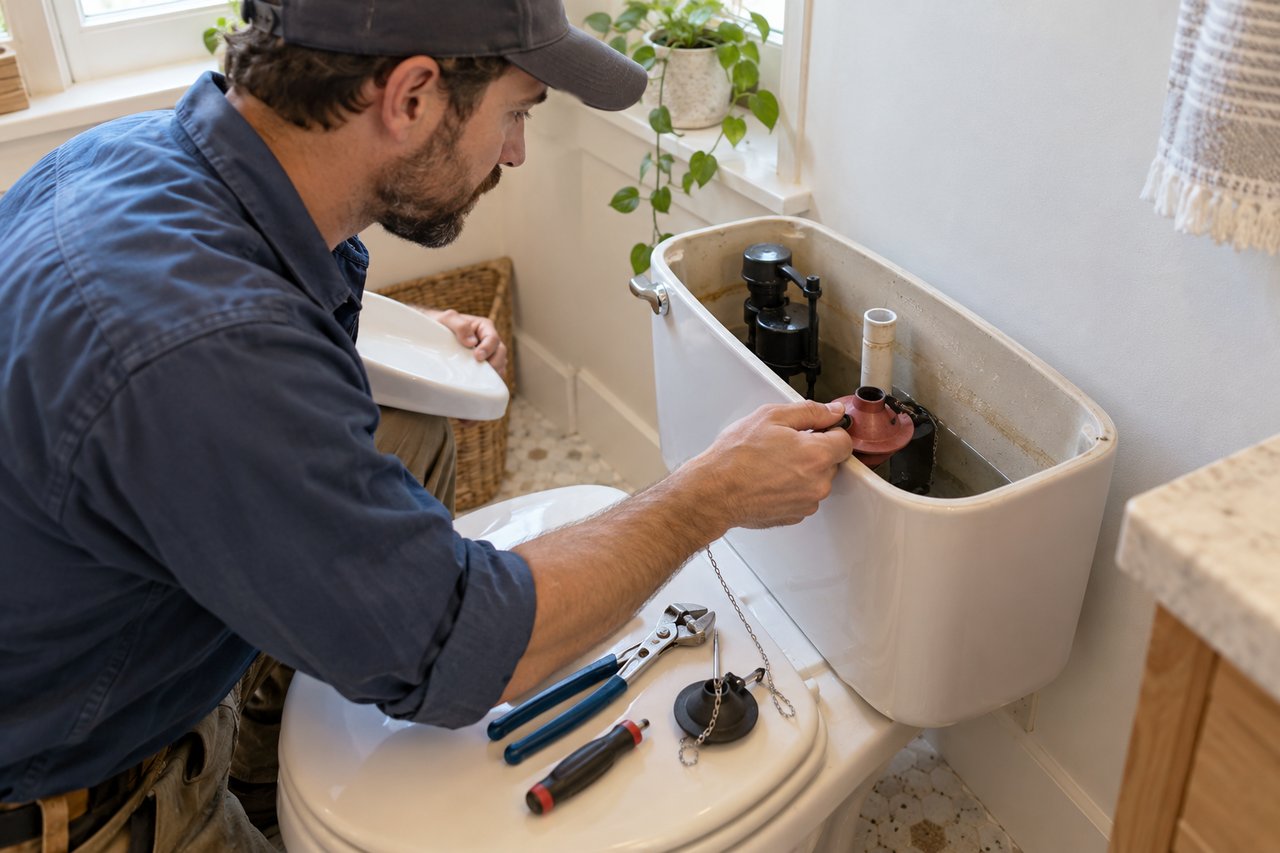
How water waste, visible condition, inspection concerns, and repair scope can guide the decision.

Amber Johnson | September 30, 2026
How aircraft noise, access, property position, and buyer preferences can influence demand.

Amber Johnson | September 29, 2026
How market pace, pricing, competition, and property condition can shape the meaning of this number.

Amber Johnson | September 29, 2026
How safety, proximity to structures, removal cost, and curb appeal can shape the decision.
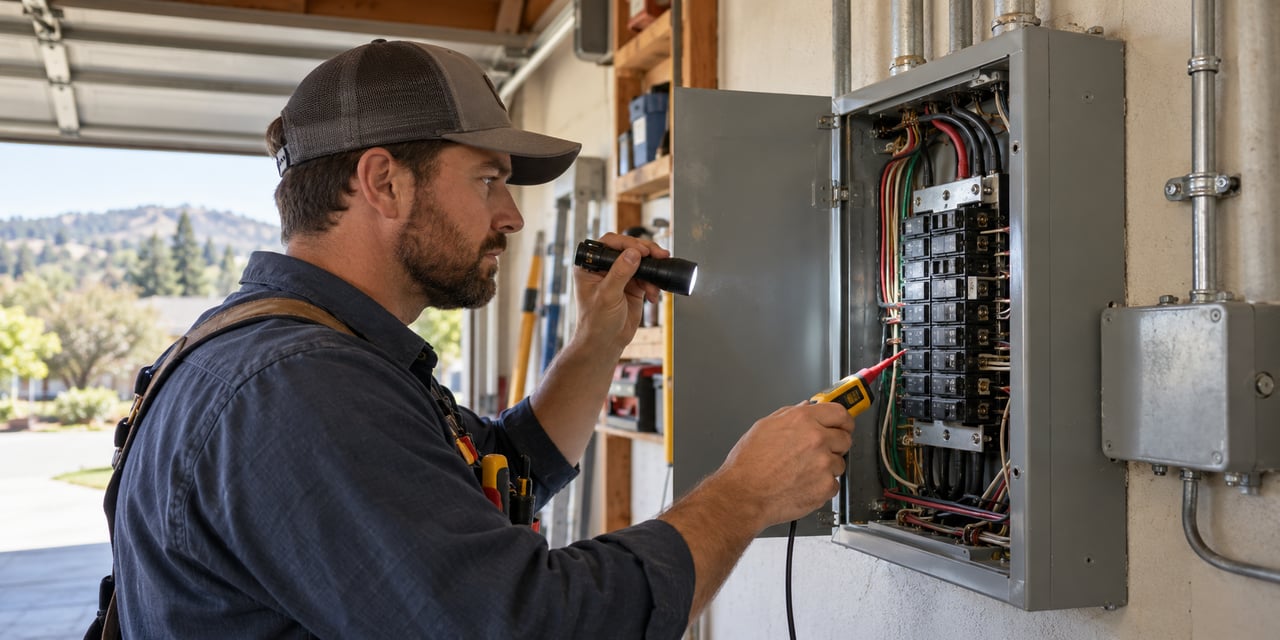
Amber Johnson | September 29, 2026
How panel age, labeling, visible condition, and buyer confidence can influence preparation.
You’ve got questions and we can’t wait to answer them.

Amber Johnson, Founder
Pillar Real Estate
805.835.3425
DRE# 01925434
1345 Park Street
Paso Robles, CA 93446