Should I Sell My Cambria Home Furnished or Empty?
October 2, 2026

October 2, 2026
If you are selling a Cambria home, you do not need to keep every room furnished until closing. You also do not need to clear everything out before the first photograph. The right choice is the one that helps buyers understand the rooms, shows the property's best features honestly, and fits your moving schedule. I would start with a room-by-room plan instead of treating the whole house as one decision.
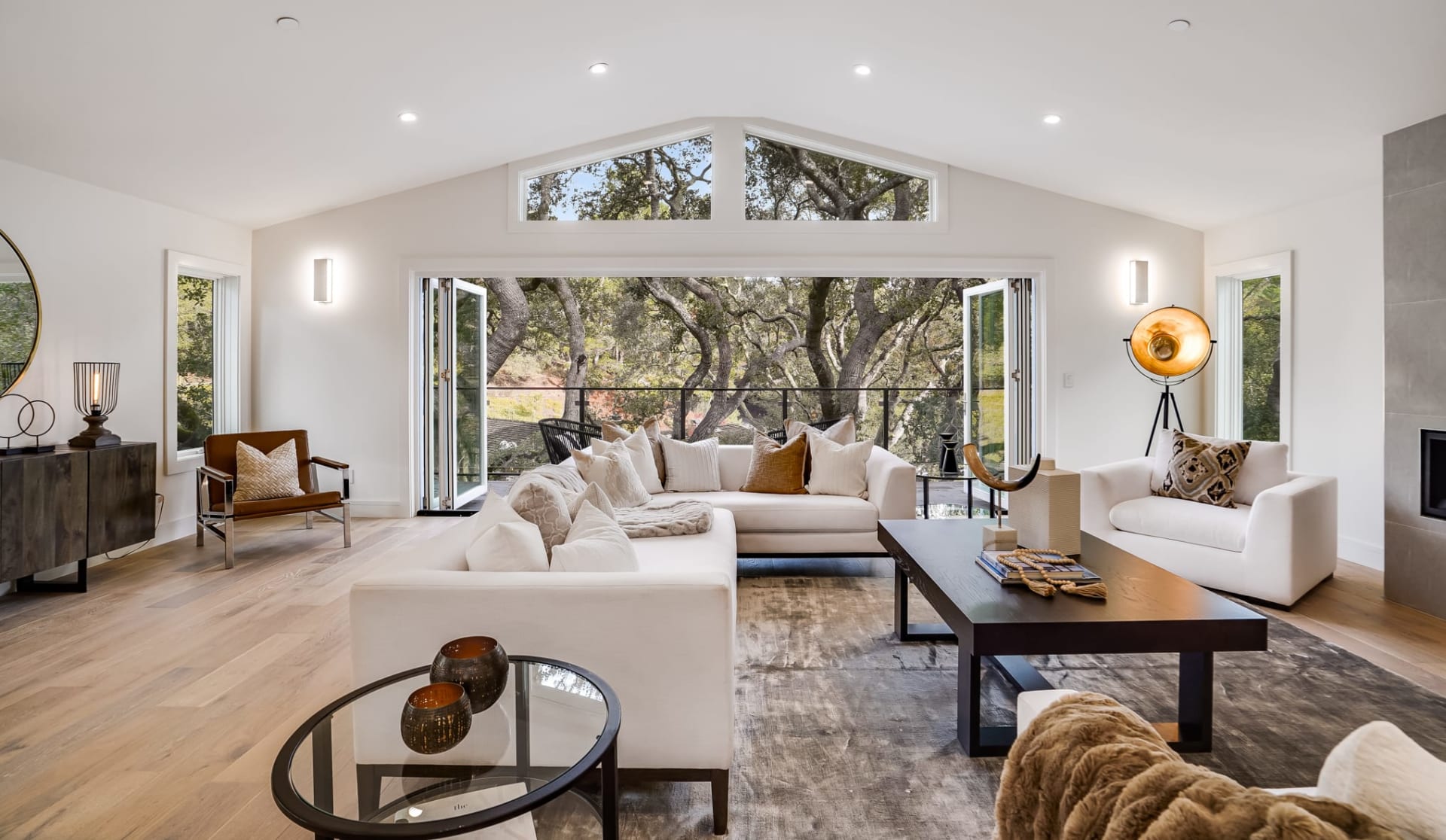
A furnished home can feel welcoming and help buyers judge scale. An empty home can feel clean and make it easier for buyers to picture their own belongings. Either can work. Furniture that blocks a window or makes a room feel crowded can hurt the presentation, while a completely bare room may leave buyers guessing about its size or purpose. The question is what each space needs to communicate.
Before deciding what stays, walk through the home as a buyer would. Enter through the front door, move through the living areas, and look toward the windows. Can you see the layout clearly? Is there a natural place for a dining table, a desk, or a reading chair? Does the furniture make that answer easier, or does it get in the way?
In Cambria, homes can differ substantially in size, floor plan, lot setting, and the relationship between indoor rooms and outdoor space. A compact cottage needs a different presentation from a larger home with several living areas. Some buyers may care most about the light and outlook. Others need to understand where everyday furniture will fit. I would not apply the same furniture plan to both.
Take photographs from the angles likely to appear in the listing. A room that feels comfortable in person can look crowded through a camera lens. On the other hand, an empty room may photograph like a blank rectangle even though it has a useful shape. The listing photos should make the space clear without promising a lifestyle the property cannot support.
Keep furniture when it shows a room's function and still leaves enough open floor space for people to move naturally. A modest sofa and two chairs may make a living room's scale obvious. A small dining table can show that meals fit comfortably in a space that might otherwise be hard to read. In a flexible room, one desk or guest bed can answer the buyer's question about how it could be used.
Condition matters. Worn, oversized, or highly personal pieces can pull attention away from the property. So can too many small tables, collections, and accessories. You do not have to make the house look anonymous. You do want buyers to remember the home rather than the belongings. My earlier guide to what to remove before listing offers a useful way to separate the items that help from the ones that compete with the rooms.
Furniture can also soften a room that has an awkward shape or an unclear focal point. The key is to use just enough. If a bedroom holds a bed, two nightstands, a dresser, and extra chairs but leaves no easy path around the bed, removing pieces may do more than adding decor. Fewer, well-placed items usually tell a clearer story.
Sometimes moving everything out is the practical answer. You may already live elsewhere. The furniture may be needed in your next home. It may be expensive to keep utilities, storage, or a moving schedule organized around a later sale. An empty property is also easier to clean thoroughly and can give buyers an unobstructed look at floors, walls, and windows.
Vacant does not mean neglected. Before photography, check that every room is clean, the lighting works, and the temperature is comfortable for showings. Repair small issues that become more visible once furniture is gone. An empty wall can call attention to scuffs. A bare floor can make wear easier to notice. You want the clarity of a vacant home without creating an impression that the property has been forgotten.
If you have already moved, showing logistics deserve a plan. Decide who checks the property, turns lights on when needed, and confirms it is secure after visits. My article on handling showings after moving out covers those practical details. The town is different, but the need for a clear showing routine is the same.
Living in a furnished home and preparing one for sale are different jobs. Your furniture has to support your daily life. Listing presentation asks whether each piece helps a buyer understand the property. That may mean rearranging what you own, taking a few pieces to storage, or bringing in a limited number of items after you move. It does not automatically mean paying to furnish every room.
Think in terms of the first impression and the most important spaces. A buyer should understand the main living area, the primary bedroom, and any room whose purpose is not obvious. A secondary bedroom that is plainly a bedroom may need little help. A narrow room with several possible uses may benefit from one carefully chosen piece. The goal is clarity, not a furniture showroom.
Professional staging may be useful when the home is empty and a few key rooms need context. It may also be unnecessary if the layout reads well and the home's strongest features are already clear. Look at the cost beside the likely benefit, the time available, and the buyer pool for your particular property. For a wider look at the choices, see Home Staging 101. I would still make the final call based on this Cambria home, not a general checklist.
For each room, ask four questions. What is this room's main purpose? Which feature should a buyer notice first? Does the current furniture make the space look larger and easier to use? What will happen to those pieces when you move? Those answers usually point toward one of three choices: keep and simplify, remove and leave empty, or add a small amount of staging.
Pay special attention to windows, doorways, and circulation. A chair placed in front of a window may make the room feel cozy but hide the outlook. A large table can make an otherwise useful dining area look tight. A bed pushed against a wall may make it seem as though the room cannot hold it comfortably. Small changes in placement can matter more than buying anything new.
Check closets and storage areas too. Buyers generally understand that a home in use contains belongings, but packed storage can make capacity hard to judge. If you are moving soon, sorting those spaces early can help both the sale and the move. Leave enough in place to show what the area is for, then remove what makes access difficult.
Most buyers will meet your home online before they walk through it. The furniture decision should therefore be made before photography, not after the listing goes live. A clear photo sequence helps buyers understand how the rooms connect. If the main living room is furnished in the photos but empty at the first showing, that difference should not leave buyers confused about what is included with the sale.
At Pillar Real Estate, I think about the listing and the marketing together. A room can be attractive in person yet difficult to explain in a photo. I would rather move a chair, open a sightline, or leave a space empty than use a pretty image that hides the layout. Buyers need to know what they are considering. Good presentation makes the home easier to understand from the first click through the showing.
Virtual staging can help illustrate a vacant room, but it should be identified clearly and should not cover up a condition issue or misstate the scale. Physical furniture is not always necessary for effective photos. The best approach depends on the actual rooms and how the images will be used. Honest visual context builds more confidence than a polished picture that does not match the visit.
If you plan to leave furniture in place, make a list of what will be removed before closing and what, if anything, you might offer separately. Do not assume a buyer knows the difference between a built-in item and movable furniture. Clear communication early prevents avoidable questions later. If a buyer asks for specific pieces, address that request in the transaction documents with the appropriate professionals instead of relying on a casual conversation.
Furniture can also complicate timing. If your next home needs the sofa immediately, keeping it for weeks of showings may be unrealistic. If your Cambria home is a second property and you live elsewhere, repeated trips to adjust or remove pieces may add effort. Make a schedule for photography, launch, showings, and the final move. That schedule may settle the furniture question faster than a design debate.
There is no prize for spending more on preparation than the property needs. I want sellers to understand where effort is likely to help and where it is simply extra work. If the room already photographs well with a few pieces, keep it simple. If the pieces are hurting the impression, move them. If the home is vacant and still easy to understand, you may be done.
Cambria attracts people with different reasons for wanting to live there. A buyer considering a primary residence may test the daily function of each room. Another may focus on a quieter setting and how the home supports time away. Neither group needs a made-up story. They need to see the property's real layout, condition, and setting. For local context, my piece on Cambria's setting and everyday appeal offers a closer look at the place around the home.
Here is the practical answer: sell furnished when your existing pieces help show scale and function without crowding the rooms. Sell empty when that creates a cleaner, more honest presentation or makes the move manageable. Use limited staging only where an important space needs explanation. A mix of those choices often makes the most sense.
If you are unsure, ask for an in-person review before paying for storage, movers, or staging. We can walk through the house, check the likely photo angles, and make a short plan for each room. It depends on your situation, and a clear plan is better than guessing from generic advice.
If you are deciding whether to sell your Cambria home furnished or empty, I can help you weigh the rooms, the buyer's first impression, and your moving timeline. Visit Sell With Amber to start that conversation.
Amber
Pillar Real Estate | Amber Johnson, Founder
805.835.3425 | [email protected]
1345 Park St. Paso Robles, CA 93446 | DRE# 01925434
Website: pillarrealestate.com
Amber Johnson | October 2, 2026
Compare buyer expectations, photography, showings, moving plans, and what a furniture decision may cost.

Amber Johnson | October 1, 2026
How train frequency, noise, crossings, property position, and buyer preferences can influence demand.
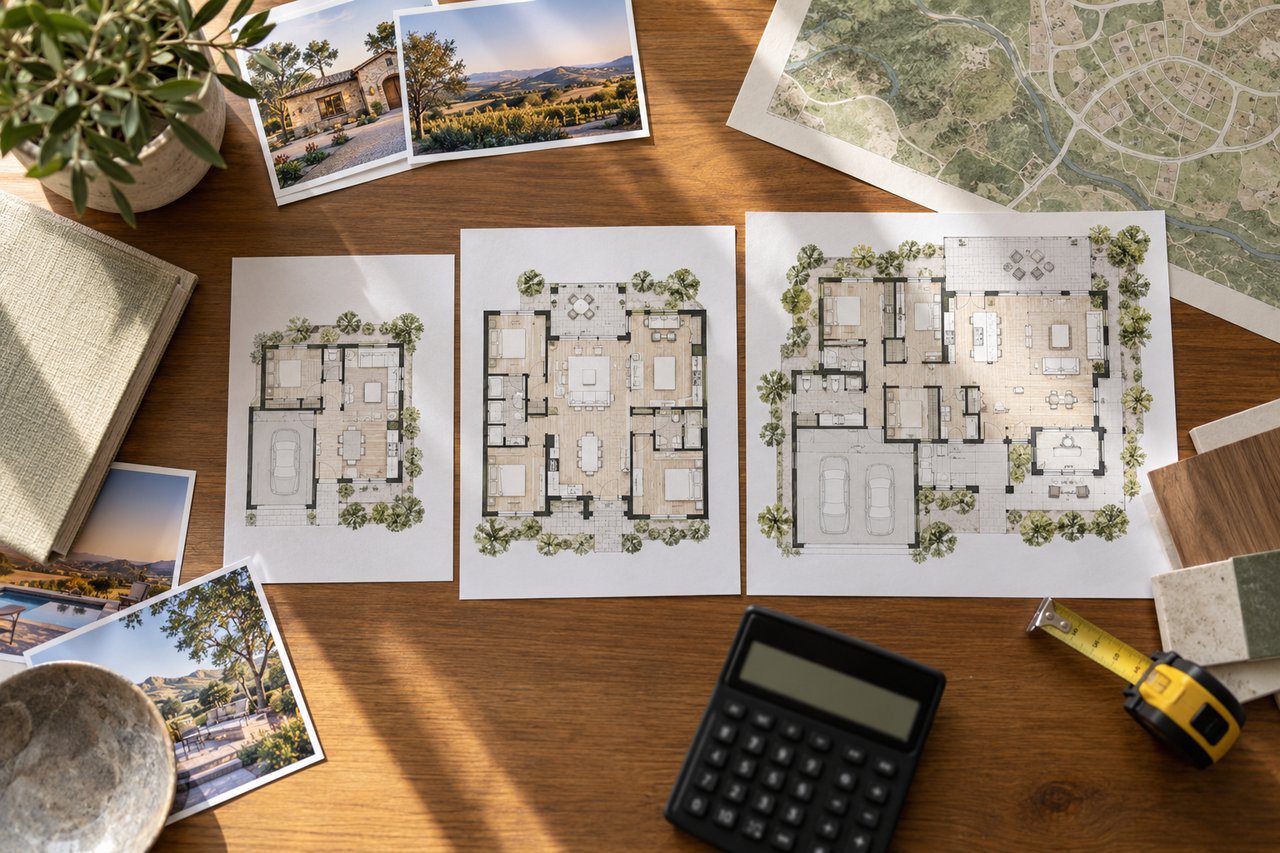
Amber Johnson | September 30, 2026
How home size, condition, lot, location, and comparable sales can limit what this metric means.

Amber Johnson | September 30, 2026
How worn sealant, moisture protection, appearance, and project scope can guide the decision.
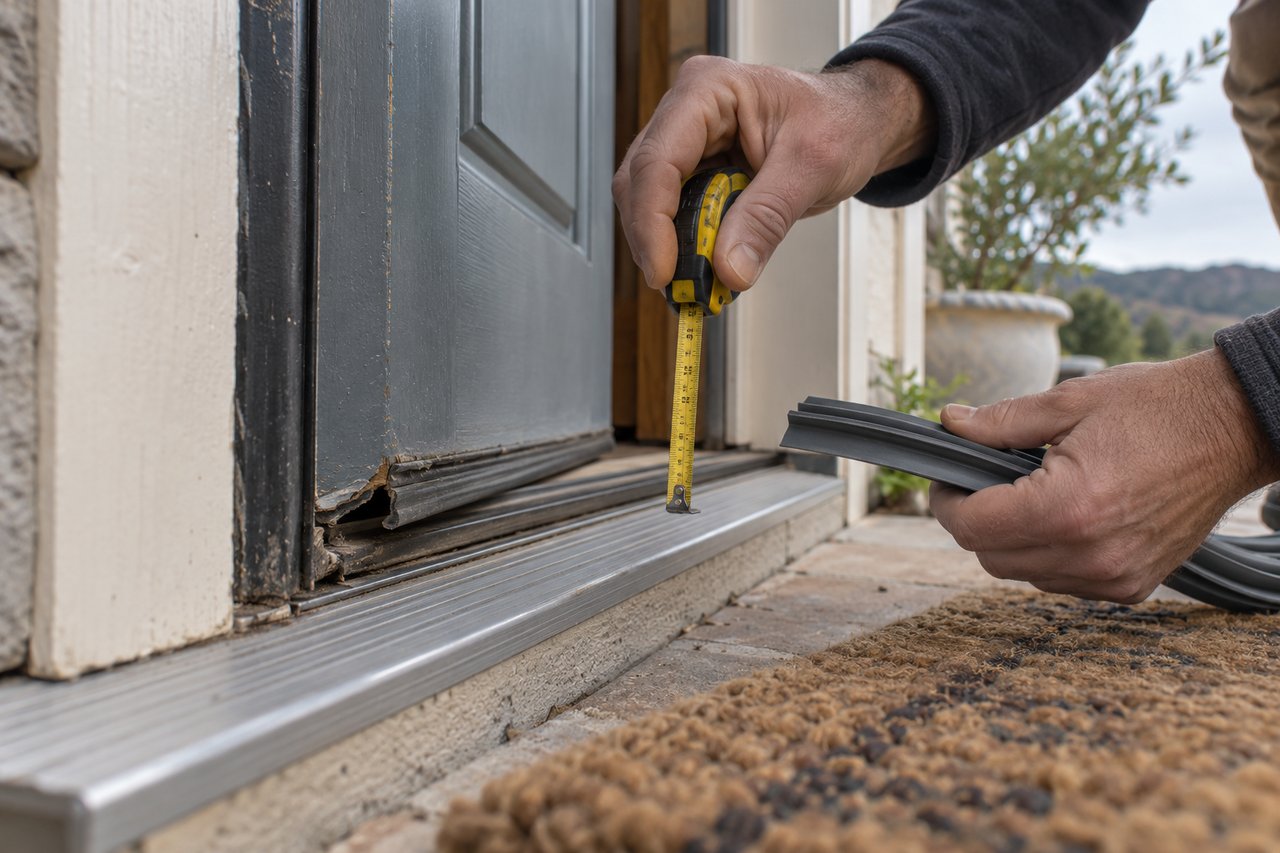
Amber Johnson | September 30, 2026
How air gaps, door operation, comfort concerns, and replacement cost can shape the decision.

Amber Johnson | September 30, 2026
How ventilation, sound, moisture control, and repair scope can help determine the next step.

Amber Johnson | September 30, 2026
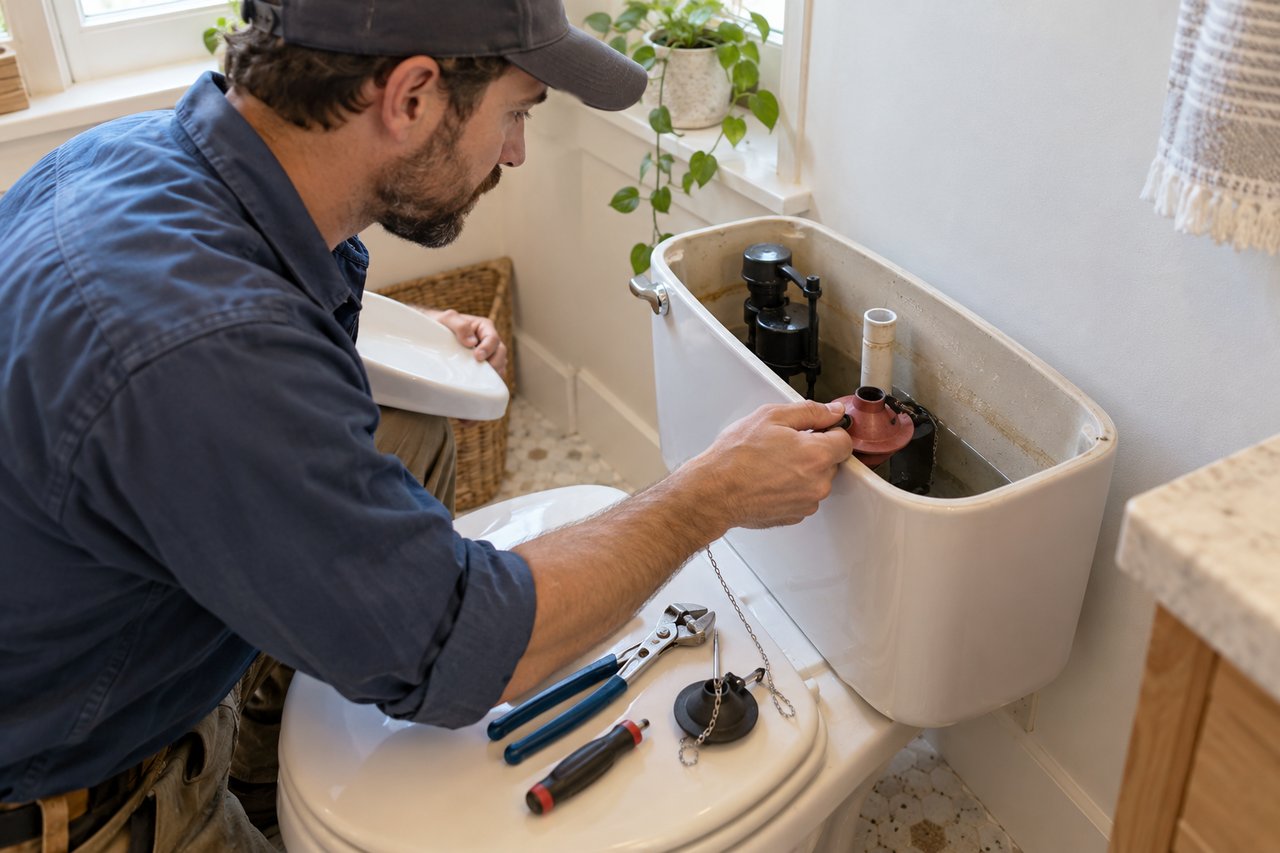
Amber Johnson | September 30, 2026
How water waste, visible condition, inspection concerns, and repair scope can guide the decision.

Amber Johnson | September 30, 2026
How aircraft noise, access, property position, and buyer preferences can influence demand.
You’ve got questions and we can’t wait to answer them.
Amber Johnson, Founder
Pillar Real Estate
805.835.3425
DRE# 01925434
1345 Park Street
Paso Robles, CA 93446