What Should Paso Robles Sellers Be Ready to Negotiate This Fall?
September 21, 2026

September 21, 2026
Paso Robles sellers should be ready to negotiate more than the headline price this fall. Buyer credits, inspection repairs, closing dates, appraisal protections, financing timelines, included property, and access before closing can all affect whether an offer works for your goals.
That does not mean sellers should expect to give in on every request. It means the strongest position comes from knowing your priorities before an offer arrives. A seller who understands the likely net proceeds, preferred timeline, repair limits, and acceptable risk can respond with a clear strategy instead of making decisions under pressure.
Here is the thing. Negotiation is not a single moment after an offer comes in. It can continue through inspections, appraisal, loan approval, and closing. The terms you accept at the beginning shape what is likely to happen later.
Before discussing specific terms, decide what a successful sale looks like for you. One seller may care most about the highest possible net proceeds. Another may need a firm closing date to purchase the next home. A third may value certainty because the property is vacant, inherited, or expensive to maintain.
Write down your priorities in order. Consider:
This list gives Amber Johnson and Pillar Real Estate a practical framework for comparing offers and responding to changes. It also prevents one attractive number from distracting you from a term that could cause a bigger problem.
The offered price matters, but it should never be reviewed alone. A higher price paired with a large credit request, weak financing, broad contingencies, or a difficult timeline may produce less certainty or lower proceeds than a cleaner offer.
Look at the complete package. What is the buyer actually offering after requested credits? How much are they putting down? Is the lender prepared? What contingencies remain? Does the closing date work with your move? Is the buyer asking you to include items you planned to take?
If the offer is below your target, your response may address more than price. You could counter the price, reduce a requested credit, shorten a contingency period, adjust the closing date, or make another change that improves the overall fit.
The article on what sellers can negotiate in San Luis Obispo County provides a wider view of the terms that may be available. The right response depends on the offer, the property, and what matters most to you.
Some buyers use seller credits to reduce the cash they need at closing, address a financing need, or help with a temporary interest-rate strategy. A credit request does not automatically make the offer weak. It changes the economics.
For example, an offer near your target price may include a request for closing-cost assistance. The useful question is not simply whether you want to pay the buyer's costs. The useful question is what the credit does to your net proceeds and whether the full offer remains competitive.
A buyer may also ask for a credit instead of requesting a price reduction. Those two changes can affect the parties differently. Your agent and escrow professional can help estimate the net, while the buyer's lender must confirm what the loan program allows.
Review what seller-concession requests can signal in Paso Robles for more context. The request itself is information. It may reflect affordability pressure, loan structure, competition, or a buyer trying to preserve cash after closing.
Even after you accept an offer, the inspection period may create a second round of negotiation. Buyers can raise concerns about the roof, drainage, electrical systems, plumbing, heating and cooling, pests, septic, well equipment, or other property conditions.
Sellers should be ready for several possible requests:
The right response depends on the contract, the evidence, the cost, the buyer's position, and your alternatives. A minor request may be worth resolving to protect a solid transaction. A vague or excessive request may require documentation, estimates, or a firmer response.
Do not agree to work that cannot be completed properly before closing. Rushed repairs can create new questions. When a credit is practical and permitted, it may give the buyer control over the work after ownership transfers. When the issue affects safety, financing, insurance, or habitability, additional professional guidance may be needed.
Timing can carry real value. A buyer who can close on your preferred date may solve a problem that a slightly higher price does not. A buyer who needs a long escrow may be fine for one seller and unworkable for another.
Think beyond the closing date. When will you move? Do you need proceeds from this sale to complete another purchase? Is the property occupied by a tenant? Are contractors, movers, or family members involved? Will you need a short period of possession after closing?
If you ask to remain after closing, the buyer may want a written occupancy agreement, a deposit, daily charges, insurance details, and a firm move-out date. These terms deserve the same attention as price because ownership has already changed.
Likewise, be prepared for a buyer to request an extension if the loan, appraisal, or another part of the transaction takes longer than expected. You may agree, decline, or negotiate terms that compensate for the added time and protect your plans.
A financed buyer's lender may require an appraisal. If the appraisal supports the price, the transaction can continue under the agreed terms. If it comes in lower, the contract and appraisal contingency determine what options are available.
Sellers should understand whether the buyer has an appraisal contingency, an appraisal-gap commitment, or another term addressing a shortfall. A high offered price does not have the same strength if the buyer has not shown how they would handle a low appraisal.
Possible responses may include challenging the appraisal with relevant information, reducing the price, asking the buyer to bring additional cash, meeting somewhere between the two numbers, or enforcing the contract as written. The right choice depends on the agreement, your backup options, and the support for the original price.
The buyer's loan type, down payment, lender preparation, and contingency periods affect risk. A seller may prefer a well-supported financed offer over a higher offer with unanswered questions.
Review the lender's approval information and ask what remains. Has income, credit, and available funds been reviewed? Is the loan dependent on the buyer selling another property? Are there financing conditions tied to the home itself?
Contingency periods also matter. Buyers need reasonable time for inspections, loan work, and appraisal. Sellers need a process that continues moving forward. The goal is not to remove every buyer protection. It is to create a clear schedule and require timely decisions.
Negotiations sometimes become surprisingly emotional over items that were not discussed before the offer. Refrigerators, wine coolers, washers and dryers, wall-mounted televisions, security equipment, outdoor furniture, tractors, tools, and decorative fixtures can all cause confusion.
Before listing, identify what will stay and what will go. If an item is attached to the property or could look permanent to a buyer, address it clearly in the listing and contract. If a buyer asks for personal property, decide whether it has meaningful value to you and whether including it affects the deal.
For rural Paso Robles properties, this discussion may include water tanks, generators, gates, farm equipment, sheds, irrigation components, or propane tanks. Ownership and transfer details should be verified rather than assumed.
If the home is already listed and buyer response is weaker than expected, sellers may need to evaluate price before an offer arrives. Showings, feedback, competing listings, online activity, and new sales can help show whether the property is positioned correctly.
Waiting can be the right choice when the listing is new, the buyer pool is narrow, or the data still supports the price. A strategic adjustment may be better when the home is being passed over and the market evidence has changed.
Read more about deciding whether to lower the price or give the listing more time. The decision should be based on the response to your specific home, not a fixed number of days or a generic rule.
A reasonable request is not always one you should accept. A frustrating request is not always one you should reject. Bring the decision back to your goals and the likely alternatives.
Ask:
This is where a collaborative negotiation approach matters. The goal is not to win every point. It is to protect the terms that matter most and solve problems without giving away value unnecessarily.
Fall buyers may bring different schedules and pressures than buyers earlier in the year. School calendars, holidays, weather, travel, rate changes, and year-end plans can influence timing. Those factors do not produce one predictable market for every property.
The current position of your home matters more. A well-prepared property with strong buyer interest gives a seller more options. A home competing with several similar listings may need more flexibility. The latest Paso Robles seller market overview can help frame the discussion, but your pricing and negotiation plan should still reflect the specific property.
Prepare for negotiations around price, credits, repairs, appraisal, financing, timing, possession, and included items. Then decide in advance which terms support your goals and which create unacceptable risk.
Amber Johnson and Pillar Real Estate help Paso Robles sellers compare the complete offer, understand the practical tradeoffs, and respond with a clear local strategy from start to finish.
If you’re thinking about selling and want a step-by-step overview of how the process works from preparation to closing, I’ve created a seller resource that walks through what to expect.
This is a helpful place to start if you’re gathering information and weighing your options.
Amber
Amber Johnson, Founder
Pillar Real Estate
805.835.3425
[email protected]
1345 Park St. Paso Robles, CA 93446
DRE# 01925434

Amber Johnson | October 16, 2026
Amber Johnson | October 15, 2026
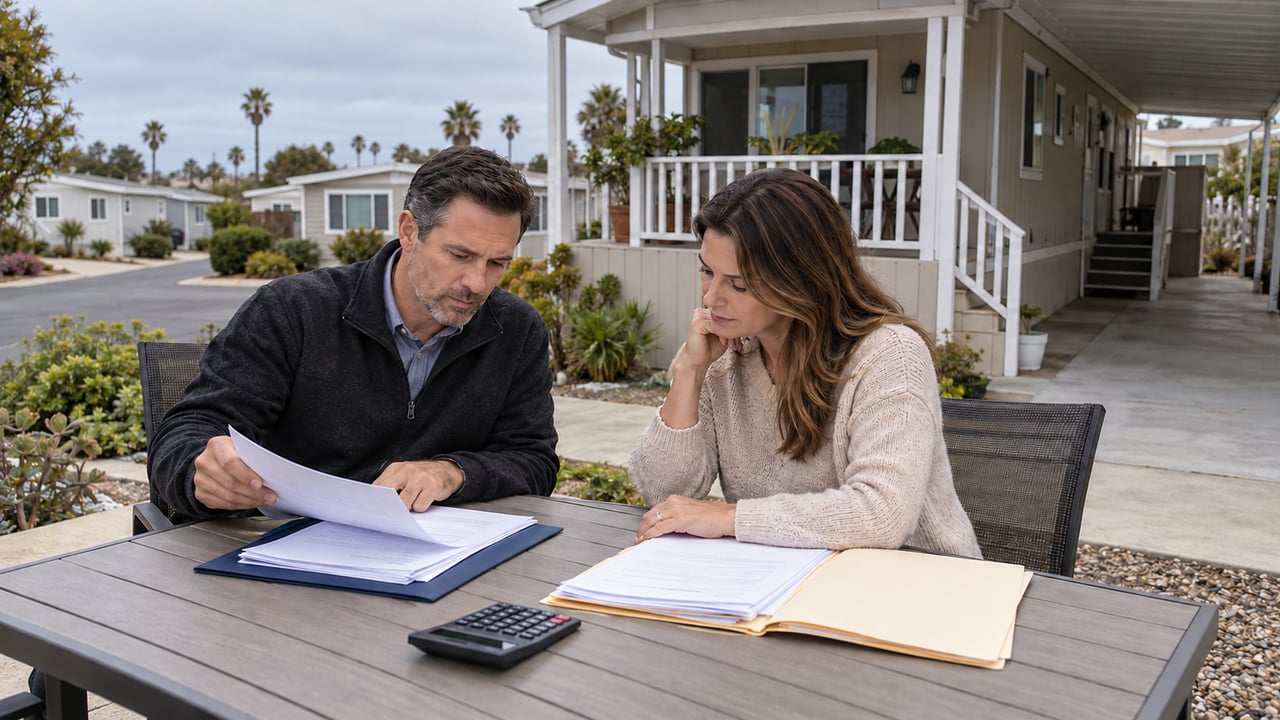
Separate the home purchase from the land arrangement, then review park approval, space costs, financing, condition, rules, and resale considerations.

Amber Johnson | October 15, 2026
Look beyond a weekend visit to consider walking routes, nearby businesses, street activity, parking, and everyday trips from a specific address.

Amber Johnson | October 15, 2026
Compare an in-town routine with a more rural setting by weighing errands, property upkeep, road access, utilities, and time spent driving.

Amber Johnson | October 15, 2026

Amber Johnson | October 15, 2026
Test overlapping work schedules, shopping trips, appointments, transportation alternatives, and backup plans before choosing a home.
Amber Johnson | October 15, 2026
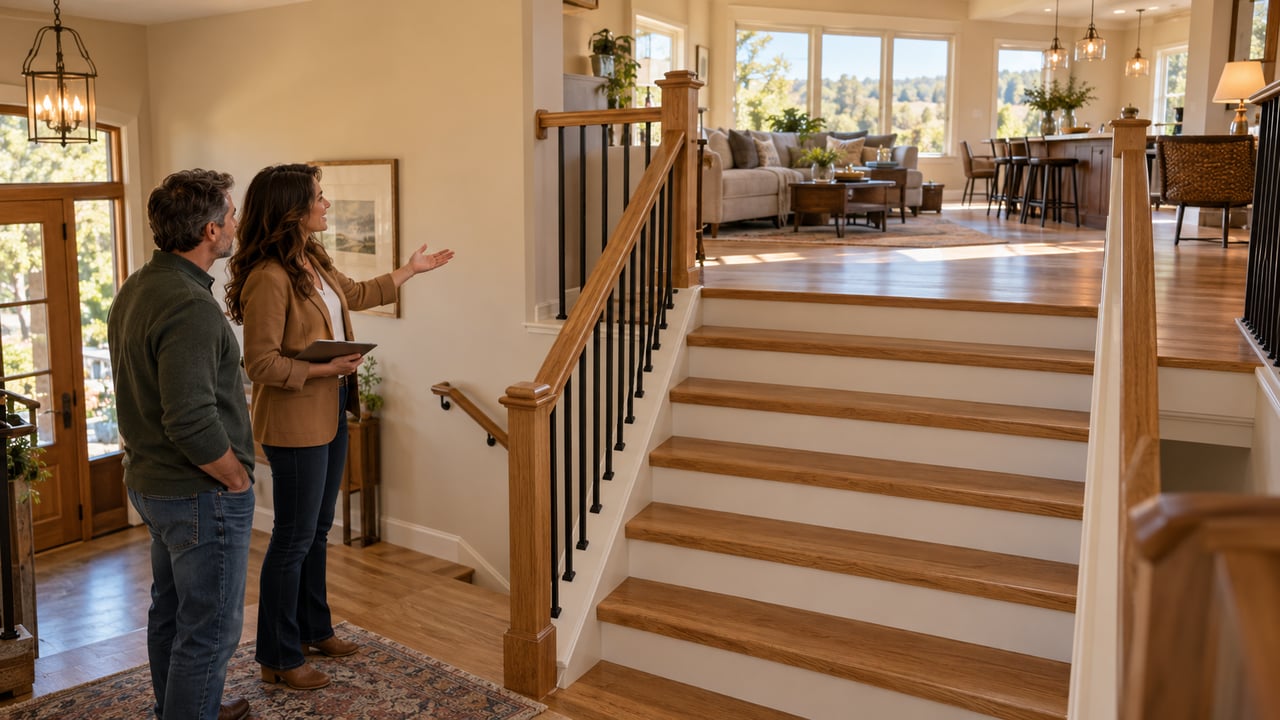
Help buyers understand the layout through accurate photos, clear descriptions, thoughtful showing access, and a property-specific selling plan.

Amber Johnson | October 15, 2026
Use price per square foot as context, then account for property type, location, views, condition, lot, and the limits of a small data set.

Amber Johnson | October 14, 2026
Consider beach access, wind, fog, parking, visitor activity, errands, and the routines that come with living near the shoreline.
You’ve got questions and we can’t wait to answer them.

Amber Johnson, Founder
Pillar Real Estate
805.835.3425
DRE# 01925434
1345 Park Street
Paso Robles, CA 93446