National POW/MIA Recognition Day: Honoring Those Who Served and Those Still Missing
September 18, 2026
September 18, 2026
National POW/MIA Recognition Day: Honoring Those Who Served and Those Still Missing
Some stories have an ending.
Others leave families waiting for answers that may never come.
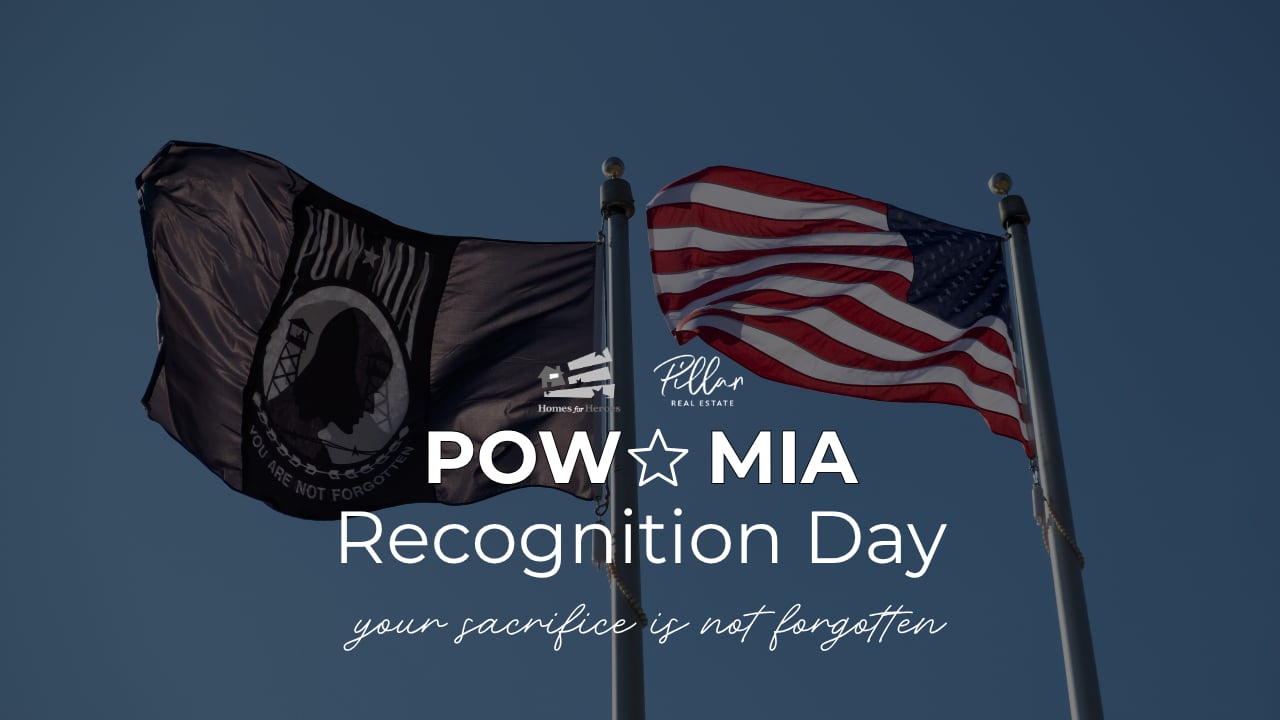
National POW/MIA Recognition Day is a time to honor American service members who endured captivity and remember those who remain missing in action.
It is also a day to remember their families.
Behind every name is someone who was loved.
A son.
A daughter.
A husband or wife.
A parent.
A friend.
A fellow service member.
For those families, words like "prisoner of war" and "missing in action" aren't simply parts of military history.
They're personal.
That's why remembrance matters.
We honor those who endured captivity.
We remember those who did not come home.
And we stand with the families who have carried their stories across generations.
Behind Every Name Is a Person
POW stands for Prisoner of War.
MIA stands for Missing in Action.
They're short acronyms representing stories that are anything but simple.
Some American service members endured captivity and eventually returned home.
Others remain missing.
Behind every designation is a person who had a family, friends, plans, memories, and a life beyond military service.
And when someone doesn't return, their absence becomes part of the lives of everyone who loved them.
Children grow up.
Parents grow older.
Families change.
Decades pass.
But the person who didn't come home remains part of the family.
National POW/MIA Recognition Day asks us not to allow those people to become just another name in history.
We Honor Those Who Endured Captivity
National POW/MIA Recognition Day gives us an opportunity to recognize former prisoners of war and what they endured while serving our country.
For many, returning home did not mean leaving the experience behind.
The effects of captivity could follow service members long after their return.
Their families lived with those experiences too.
Recognizing former prisoners of war means more than acknowledging that they survived.
It means recognizing their sacrifice.
Their endurance.
Their service.
And the lives they built after coming home.
Their stories deserve to be remembered.
We Remember Those Who Remain Missing
There is a particular weight to the word "missing."
It means questions remain.
For families, those questions can last years.
Sometimes decades.
What happened?
Where were they last seen?
Could new information still be discovered?
Will our family ever know?
Most of us will never understand what it feels like to live with those questions.
National POW/MIA Recognition Day reminds us that some military families have carried them for generations.
Time passing doesn't make their loved one less important.
And it doesn't make their story complete.
Behind Every Missing Service Member Is a Family
Military service already asks a great deal of families.
Deployments.
Time apart.
Moves.
Missed birthdays and holidays.
Changing plans.
And the knowledge that someone they love may be placed in danger.
For POW/MIA families, that uncertainty can take on an entirely different meaning.
Waiting becomes part of the story.
Waiting for information.
Waiting for records.
Waiting for news.
Waiting for an answer.
Sometimes answers come.
Sometimes they don't.
That's why the words "You Are Not Forgotten" carry so much meaning.
They're a promise to remember the service member.
They're also a promise to remember the family.
Why “Until They Are All Home” Matters
"Until they are all home" is more than a phrase.
It's a commitment.
It says that years passing don't erase someone from our country's memory.
It says that a missing service member still matters.
Their family still matters.
Their story still matters.
For most Americans, POW/MIA Recognition Day comes once each year.
For families who are missing someone, remembrance isn't confined to one day.
They carry it with them.
Our responsibility is much simpler.
Don't forget.
Why Remembrance Still Matters
As decades pass, history naturally becomes more distant.
Events become dates.
Battles become paragraphs in textbooks.
Names become lists.
But history happened to real people.
Remembering keeps people at the center of the story.
When we recognize prisoners of war, we're remembering people who endured circumstances most of us can barely imagine.
When we remember those missing in action, we're recognizing lives whose stories remain unresolved.
And when we recognize their families, we're acknowledging another kind of sacrifice.
The sacrifice of waiting.
The Meaning Behind “You Are Not Forgotten”
Those four words appear with POW/MIA remembrance for a reason.
You Are Not Forgotten.
They're simple.
But they carry a promise.
We haven't forgotten those who endured captivity.
We haven't forgotten those who remain missing.
We haven't forgotten the families who waited.
We haven't forgotten the fellow service members who still remember the people who didn't return with them.
Remembrance doesn't change what happened.
But it ensures someone's service and sacrifice aren't allowed to disappear simply because time has passed.
Military Service Is a Family Commitment
One thing I have come to appreciate even more through working with military members and veterans through Homes for Heroes is that service rarely affects only the person wearing the uniform.
Families serve in their own way too.
They adjust.
They move.
They wait.
They spend long stretches apart.
They celebrate homecomings.
They change plans.
And sometimes they carry stories and memories long after active service has ended.
Homes for Heroes gives me an opportunity to serve people who have spent part of their lives serving our country.
I'm grateful for that.
But National POW/MIA Recognition Day isn't about business.
It's about people.
Today, remembrance comes first.
Remembering Here in San Luis Obispo County
Military service isn't something that exists only in history books or communities surrounding military bases.
Veterans and military families are part of San Luis Obispo County too.
They live in Paso Robles.
Templeton.
Atascadero.
San Miguel.
San Luis Obispo.
And communities throughout the Central Coast.
They're business owners.
Parents.
Coaches.
Teachers.
Volunteers.
Coworkers.
Friends.
Neighbors.
Sometimes we know someone served.
Sometimes we don't.
Some veterans share their stories openly.
Others don't talk much about that part of their lives.
Either way, their service remains part of our community.
National POW/MIA Recognition Day gives us a reason to pay attention.
Teaching the Next Generation to Remember
Every generation eventually becomes responsible for remembering events it didn't personally experience.
That's how history stays human.
Younger Americans may see POW and MIA written together without fully understanding what those letters represent.
It's worth explaining.
They represent people.
People who served.
People who endured captivity.
People who never returned home.
Families who waited.
Friends and fellow service members who remembered them.
Teaching children about POW/MIA remembrance doesn't require explaining every detail of war.
It can begin with something much simpler.
Why does that flag say "You Are Not Forgotten?"
Who are we remembering?
Why does it matter?
Those conversations keep the stories alive.
Remembrance Doesn't Require a Big Gesture
You don't need to do something elaborate to recognize National POW/MIA Recognition Day.
Sometimes remembrance is quiet.
Take a moment to think about those who didn't come home.
Learn the story of a service member you didn't know before.
Listen when a veteran talks about someone they served with.
Thank a military family.
Explain the meaning of the POW/MIA flag to your children.
Attend a local observance if one is available.
Or simply stop for a moment when you see the flag instead of passing it by.
Small acts still carry a message.
The person mattered.
The sacrifice mattered.
The family matters.
More Than a Hashtag
Social media gives us an easy way to recognize days like this.
There's value in that.
A post may be the reason someone learns what POW/MIA Recognition Day means.
But remembrance should go a little further than sharing a graphic.
It should make us think.
Who are we remembering?
What did they endure?
Who waited for them?
What happens when a family never receives the answer it hoped for?
Those questions remind us that behind every military designation is a human story.
That's where remembrance becomes meaningful.
We Remember. We Honor. We Will Never Forget.
National POW/MIA Recognition Day carries a simple message.
Remember.
Remember the Americans who endured captivity.
Remember those who remain missing.
Remember the families who waited and the families who still carry their stories.
Remember the fellow service members who came home without someone who served beside them.
And remember that time passing doesn't diminish someone's service or the value of their life.
To our former prisoners of war, we honor you.
To those who remain missing, we remember you.
To the families who have carried memories, questions, hope, and sacrifice across generations, we stand with you.
You are not forgotten.
Until they are all home, we remember.
Amber Johnson, Founder
Pillar Real Estate
805.835.3425
[email protected]
1345 Park St. Paso Robles, CA 93446
DRE# 01925434
Amber Johnson | September 18, 2026
Amber Johnson | September 18, 2026

Amber Johnson | September 18, 2026
How wells, septic systems, acreage, access, and the buyer pool shape a rural-property sale.

Amber Johnson | September 17, 2026
What concession requests can signal about buyer leverage, affordability, and current negotiations.

Amber Johnson | September 17, 2026
What sellers should know about owned, financed, and leased solar before listing.

Amber Johnson | September 17, 2026
How roof condition, insurance, buyer financing, and repair costs can shape the right decision.

Amber Johnson | September 17, 2026

Amber Johnson | September 17, 2026

Amber Johnson | September 17, 2026
How tenant occupancy can affect timing, showings, communication, and the selling process.
You’ve got questions and we can’t wait to answer them.

Amber Johnson, Founder
Pillar Real Estate
805.835.3425
DRE# 01925434
1345 Park Street
Paso Robles, CA 93446