What Makes Selling a Rural Paso Robles Property Different?
September 18, 2026
September 18, 2026
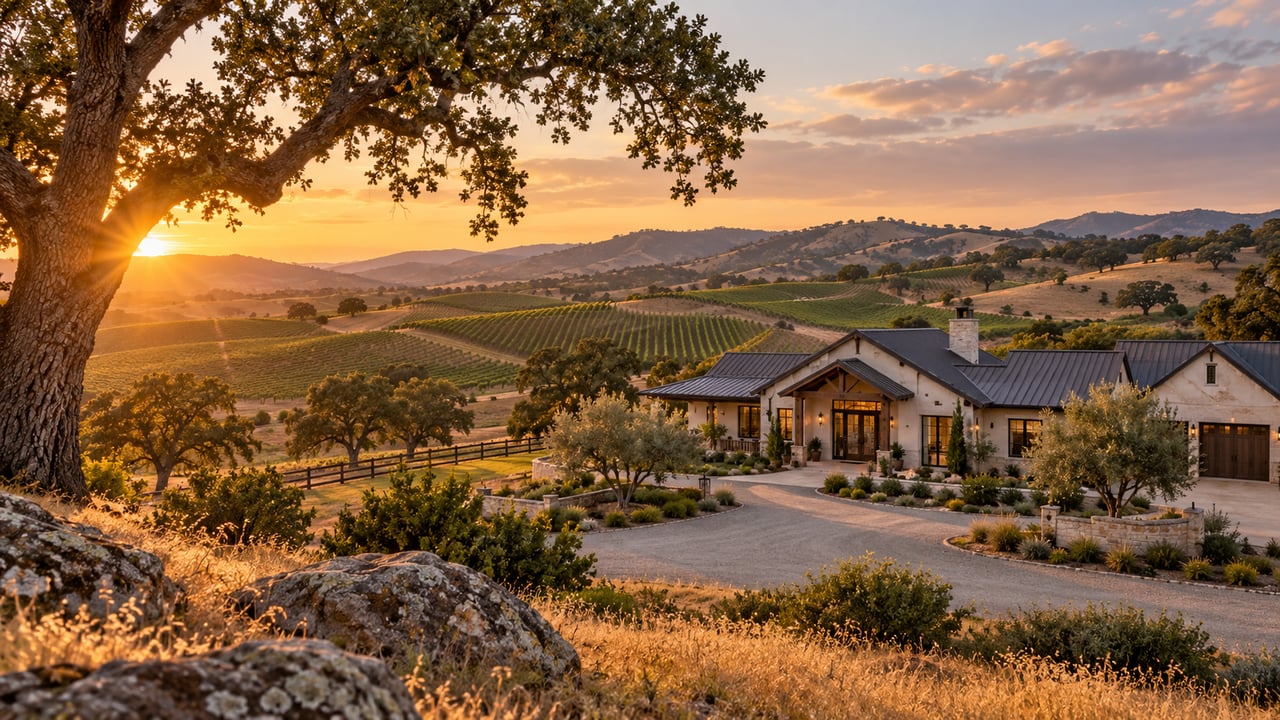
Selling a rural Paso Robles property is different because the buyer is evaluating more than the house.
The well, septic system, acreage, roads, access, utilities, land use, outbuildings, fencing, fire considerations, and maintenance demands can all affect the buyer’s decision. An in-town buyer can often compare one home with another using familiar features. A rural buyer needs to understand an entire property system.
That does not make the sale harder by definition. It makes preparation and buyer targeting more important.
Rural properties also vary widely. Five usable acres close to town may attract a different buyer than steep land reached by a private road. A vineyard, horse setup, workshop, second unit, or agricultural use changes the questions again. The right strategy begins with the property you actually have.
Many buyers say they want acreage. Fewer have thought through well maintenance, septic systems, long driveways, fencing, insurance, equipment storage, defensible space, and the time required to care for land.
The marketing should help serious buyers understand both the appeal and the responsibility. Privacy, views, space, animals, gardening, workshops, and distance from neighbors may be exactly what they want. The same features may not work for a buyer who needs quick access to schools, services, or a daily commute.
This is why whether rural Paso Robles living is the right fit is useful context. The seller is not trying to convince every buyer. The goal is to reach the people who value the property and can care for it.
An in-town home usually connects to a public water system. A rural property may rely on a private well, shared well, spring, storage tank, hauled water, or another arrangement. Buyers will want to know the source, performance, equipment, water quality, and maintenance history.
Gather well records, drilling information, pump invoices, storage details, treatment information, shared-well agreements, testing records, and any known production data. If the property has multiple wells or an inactive well, identify them accurately.
A current well inspection or test may give buyers better information. The appropriate scope depends on the property and intended use. Flow at one moment does not promise future production, and water quality can change. Avoid guaranteeing supply or suitability.
Buyers who are new to acreage may benefit from an overview of living with a private well in Paso Robles. Good marketing answers common questions without turning assumptions into promises.
Septic systems are another major difference. Sellers should gather permit information, installation records, pumping and service receipts, inspection reports, repair history, and the location of the tank and disposal area when known.
Buyers may ask about system type, capacity, age, condition, access, and how the system relates to the home’s bedroom count or planned use. If there is an accessory structure, second unit, or expansion idea, the buyer should complete appropriate due diligence rather than assume the existing system can support it.
A seller may choose to have the system inspected or serviced before listing. That can reduce uncertainty, but the scope should fit the property and local requirements. Use qualified professionals and keep the report available.
The article Septic Systems in Paso Robles: A Homebuyer’s Guide explains the basic buyer concerns. Sellers should expect those questions and prepare the answers they can document.
Two properties with the same acreage can offer very different utility. Buyers look at topography, access, usable areas, soil, drainage, vegetation, fencing, exposure, privacy, and the relationship between improvements and property lines.
Do not market all acreage as equally usable. A survey, parcel map, legal description, easement information, or other records may help explain the property. If boundaries are not obvious, say so and let the buyer investigate.
The condition of the land matters too. Erosion, drainage, dead trees, dumped material, abandoned equipment, animal areas, and overgrown vegetation can affect first impressions and due diligence. Rural cleanup takes time. Start early.
For a buyer-focused view of the questions acreage raises, see what buyers should know about Paso Robles acreage.
Confirm how the property is reached. Is access directly from a public road, through a recorded easement, over a private road, or through a shared maintenance arrangement? Who maintains gates, culverts, bridges, and road surfaces? Are there seasonal issues?
Buyers, lenders, title professionals, and insurers may ask for documentation. A road that has worked through a handshake for decades can still raise questions when ownership changes. Gather recorded agreements and known maintenance information before listing.
Physical access matters as much as legal access. Large moving trucks, emergency vehicles, horse trailers, delivery vehicles, and construction equipment may need enough width, clearance, grade, and turning space. Describe the actual property rather than making broad claims.
Rural properties can have propane, electric heating, wood stoves, generators, solar systems, private electrical infrastructure, water storage, satellite internet, or limited cellular service. Buyers need to know what serves the home and which systems are owned, leased, shared, or subject to an agreement.
Collect propane tank ownership records, solar documents, generator service information, utility bills when useful, internet options, and maintenance records for major equipment. If the property has a separate meter, agricultural service, or power to outbuildings, document it.
Do not promise internet speed or cellular coverage. Those can vary by provider, location, equipment, and even the part of the property where someone stands. Encourage buyers to verify the services they need.
Barns, shops, arenas, sheds, guest spaces, offices, greenhouses, and storage structures can add significant appeal. They can also raise permit, condition, utility, and insurance questions.
Gather permit history and construction records when available. Identify electrical, plumbing, heating, and water service. Explain current use without promising that a future use is allowed. A buyer who wants horses, a business, short-term lodging, agricultural production, or an additional residence should confirm land-use and permit requirements.
Clear marketing separates verified facts from possibility. “Insulated workshop with electrical service” is more useful than “perfect for any business.” Specific language builds trust and helps the right buyer recognize value.
Location, access, vegetation, roof condition, water supply, outbuildings, prior claims, and distance from emergency services may affect insurance options. Buyers should investigate coverage early, not after removing contingencies.
Sellers can help by addressing obvious maintenance, improving access to property information, and keeping records for major systems. They should not promise that a buyer will receive the same policy or price as the current owner.
If vegetation management or defensible-space work is needed, determine what can reasonably be completed before photography and showings. The property should look cared for without hiding the natural character that attracts rural buyers.
A standard home inspection may be only one part of the buyer’s review. Depending on the property, buyers may investigate the well, water quality, septic system, roof, pest conditions, outbuildings, chimney, propane, solar, generator, drainage, road, boundaries, easements, zoning, insurance, and environmental concerns.
Sellers should expect a longer list without assuming every inspection will produce a repair demand. Due diligence is how the buyer learns the property.
Pre-listing inspections can be useful when a seller wants to reduce unknowns, but they should be selected for the actual property. There is no universal package for every rural sale.
Comparable sales may be limited. One property may have a newer home but less usable land. Another may have better water, a larger shop, easier access, or a superior location. Acreage alone does not explain the difference.
A local pricing analysis should compare the house, land, systems, improvements, utility, condition, and buyer appeal. It should also account for current competition. Buyers compare what is available, even when no two rural properties match.
The different areas for acreage around Paso Robles can attract different priorities. Proximity to town, road conditions, views, terrain, parcel size, surrounding uses, and property setup all affect the buyer’s response.
Golden-hour views matter. So do the pump house, shop access, fencing, barn layout, storage, driveway, garden, equipment areas, and relation between the home and land.
Professional photography should establish the setting and help buyers understand the property. Aerial images can provide context when used accurately. Maps and diagrams may help explain improvements, but they should not be presented as a survey unless they are one.
Prepare the practical areas. Remove debris. Organize tools and equipment. Repair obvious gate and fence problems. Make utility spaces accessible. Trim vegetation where appropriate. A buyer who sees good stewardship is more comfortable evaluating a complex property.
Selling rural property is different because the property asks more questions. Preparation gives buyers better answers.
Amber Johnson and Pillar Real Estate bring local Paso Robles and North County experience to acreage and rural sales. The right strategy connects the home, land, systems, documentation, and buyer pool so the property is presented clearly from start to finish.
If you're thinking about selling and want a step-by-step overview of how the process works from preparation to closing, I've created a seller resource that walks through what to expect.
sellwithamber.pillarrealestate.com
This is a helpful place to start if you're gathering information and weighing your options.
Amber
Amber Johnson, Founder
Pillar Real Estate
805.835.3425
[email protected]
1345 Park St. Paso Robles, CA 93446
DRE# 01925434
Amber Johnson | September 18, 2026
How wells, septic systems, acreage, access, and the buyer pool shape a rural-property sale.
Amber Johnson | September 17, 2026
What concession requests can signal about buyer leverage, affordability, and current negotiations.
Amber Johnson | September 17, 2026
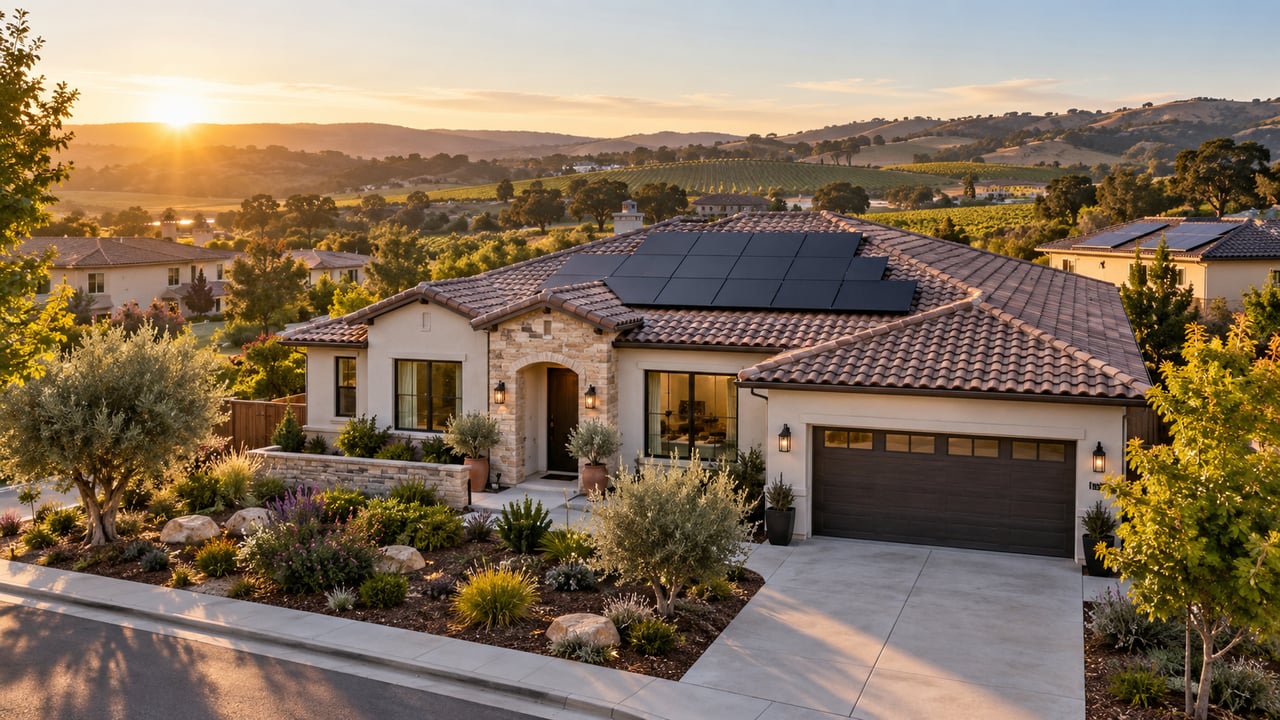
What sellers should know about owned, financed, and leased solar before listing.
Amber Johnson | September 17, 2026
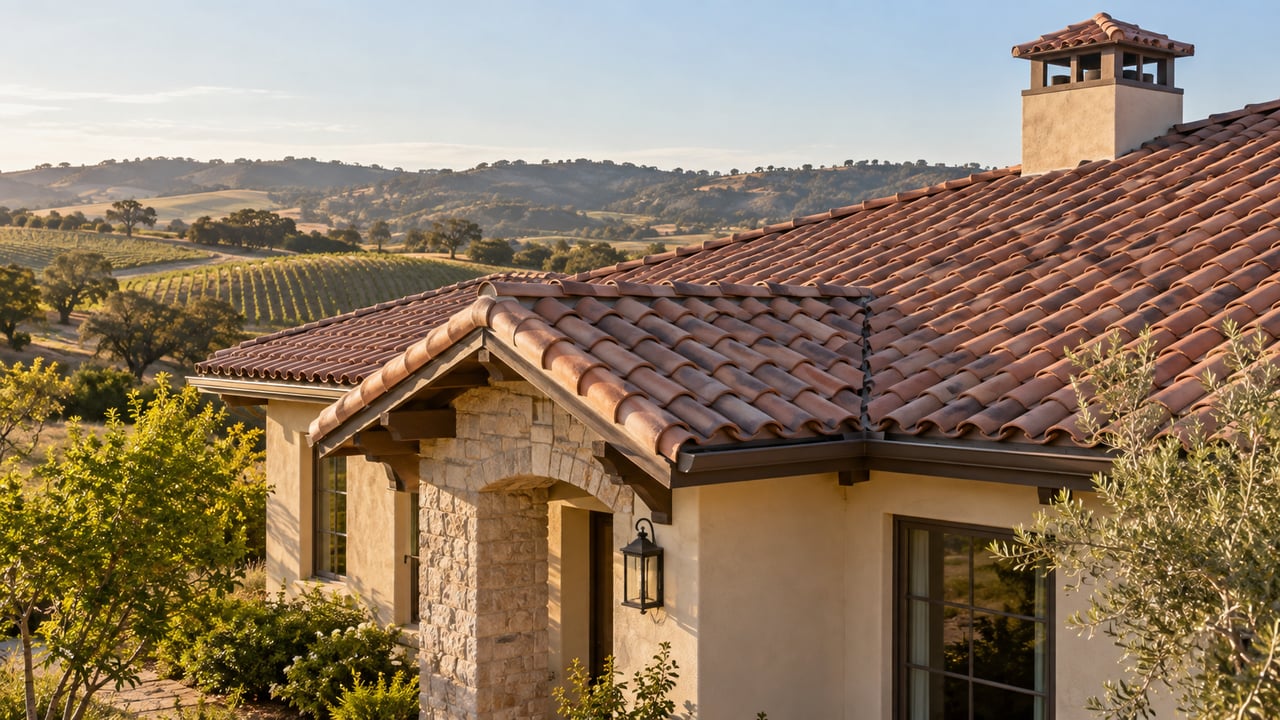
How roof condition, insurance, buyer financing, and repair costs can shape the right decision.
Amber Johnson | September 17, 2026

Amber Johnson | September 17, 2026
Amber Johnson | September 17, 2026
How tenant occupancy can affect timing, showings, communication, and the selling process.
Amber Johnson | September 17, 2026
What Paso Robles sellers should understand about permits, disclosures, buyer concerns, and preparing before listing.
Amber Johnson | September 17, 2026
How to compare price, contingencies, financing, timing, and risk before accepting an offer.
You’ve got questions and we can’t wait to answer them.
Amber Johnson, Founder
Pillar Real Estate
805.835.3425
DRE# 01925434
1345 Park Street
Paso Robles, CA 93446