How Should I Sell an Arroyo Grande Home with a Garage Conversion?
October 12, 2026
October 12, 2026
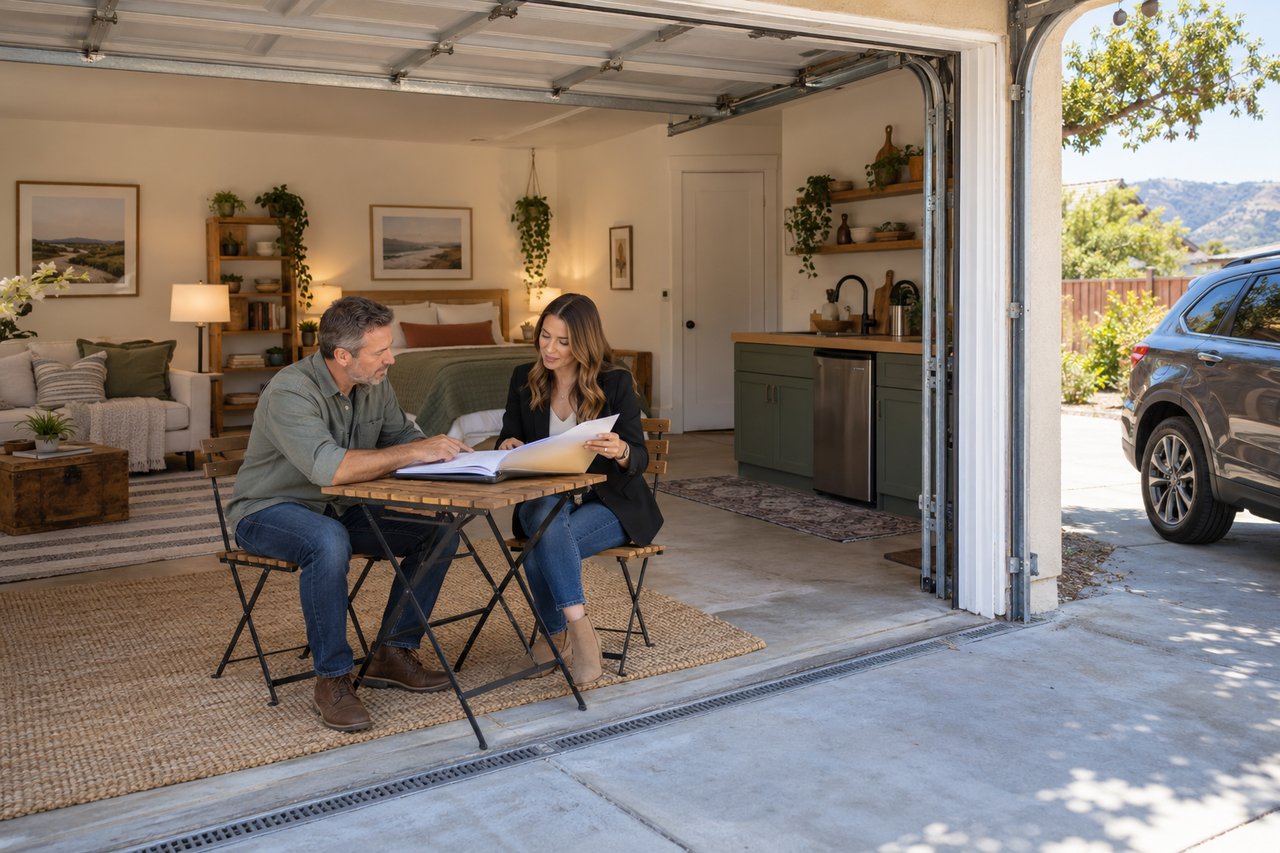
A garage conversion can be useful, attractive, and completely appropriate for the way you live. It can also create questions when you sell. Buyers may want to know whether the work was permitted, how the space is counted, where they will park, and whether their lender or insurer will view the conversion the same way you do.
The best approach is to answer those questions before the home goes on the market. Start with records, get clear about what the room can honestly be called, and decide whether the right strategy is to keep the conversion, improve it, or restore the garage. Then price and market the property around the facts.
Here’s the thing. A garage conversion is not automatically a problem. Uncertainty is the problem. The more clearly we can explain the space, the easier it is for an Arroyo Grande buyer to evaluate the home with confidence.
A finished room can look like a bedroom, office, studio, gym, or guest suite. Its appearance does not establish its legal use. Before we decide how to describe it, I want to know what the public record says.
Gather any plans, permits, inspection cards, contractor invoices, and final approvals you have. If the work predates your ownership, your file may be incomplete. That is common. The next step is to check available records with the City of Arroyo Grande and confirm which agency has jurisdiction over the property. A mailing address alone does not always answer that question.
We are looking for a few basic facts:
If the conversion includes a kitchen, bathroom, separate entrance, or sleeping area, the questions may be more detailed. California housing rules have changed over time, and local requirements depend on the property and the work performed. That is why I do not guess from photos. A seller should confirm the record with the appropriate building department and seek qualified legal, tax, design, or construction advice when needed.
Marketing language matters. If a converted garage is not approved as living area or does not meet the requirements for a bedroom, we should not present it as one. We can still describe its actual features and the way it may function for a buyer, but the wording has to match the documentation.
That may mean calling it a finished bonus area, hobby room, work-from-home space, gym, or flexible-use room. The right label depends on the records and physical features. This is similar to marketing an Arroyo Grande home with a bonus room that is not a bedroom. The goal is not to make the room sound smaller. The goal is to make the description accurate enough that a buyer understands what is being offered.
We also need to be consistent. The listing remarks, photography, floor plan, room count, square footage, and seller disclosures should not tell different stories. A polished listing can still be clear about what is permitted, what is not confirmed, and what a buyer should verify.
California sellers generally have disclosure duties, and a garage conversion is not something to hide behind careful wording. If you know the approximate date of the work, who performed it, what permits were obtained, or that permits were not obtained, organize that information early. If you do not know, say that rather than creating certainty that does not exist.
Good disclosure is specific. “Garage converted by prior owner; seller has no records” is more useful than silence, but the exact form and wording should be reviewed with the professionals involved in your transaction. If an inspection or contractor evaluation reveals a concern, preserve the report and discuss how it should be disclosed.
This is not just paperwork. Buyers often become more cautious when they discover an issue late. When information is available from the start, they can decide whether the property makes sense for their goals before writing an offer. That can reduce surprises during inspections, appraisal, lending, and insurance review.
A beautiful conversion can still have practical defects. Before spending money on paint, flooring, or staging, look at the basics. A qualified professional may need to evaluate electrical work, moisture control, insulation, ventilation, heating, windows, exits, ceiling height, fire separation, and any plumbing that was added.
The inspection scope should fit the property. For example, a converted attached garage may raise different questions than a detached structure. A room with a bathroom or cooking area may require a closer review than a simple finished office. If the original garage slab sits lower than the house, drainage and water entry deserve attention.
This is where a hyperlocal preparation plan matters. Generic advice may tell you to make the room prettier. The better question is whether the buyer pool will see the conversion as credible, safe, and easy to understand. Sometimes a targeted inspection or records review does more for buyer confidence than another round of cosmetic work.
The conversion adds interior utility, but it may also remove enclosed parking and storage. Both sides affect value.
Walk through the property as a buyer would. Is there enough driveway parking? Can vehicles enter and exit without awkward maneuvering? Is street parking practical under applicable local rules? Where will bikes, tools, holiday boxes, surfboards, and gardening equipment go? Does the lot have a legal shed or another storage solution?
In Arroyo Grande, buyer priorities can vary by neighborhood, lot size, and daily routine. A buyer who needs a home office may appreciate the conversion. A buyer with multiple vehicles, workshop equipment, or substantial storage needs may prefer an intact garage. The listing should help each buyer understand the tradeoff instead of pretending it does not exist.
Parking can also intersect with permit requirements. If the conversion changed required parking or site conditions, confirm that with the proper agency. Do not assume a wide driveway resolves every question.
Once we understand the records and condition, there are usually three broad paths.
This can make sense when the space is documented, functional, well finished, and likely to appeal to the target buyer. The listing can show its genuine use while making the parking and storage plan easy to see.
If records are incomplete or the current configuration differs from what was approved, you may ask the City and qualified professionals what would be required to address it. That process may involve plans, inspections, corrections, fees, or other work. The answer is property-specific, so get a real scope and timeline before promising anything to a buyer.
Restoration may make sense when the conversion is poorly executed, the buyer pool strongly values parking, or legalization would not support your timing and budget. But do not start demolition based on fear. First compare the likely cost, sale timing, buyer response, and effect on value.
It depends on your situation. The right choice for a compact in-town property may be different from the right choice for a home with abundant driveway space and a detached storage building.
A converted garage does not automatically add value dollar for dollar. It also does not automatically reduce value. The effect depends on permit status, finish quality, utility, parking, storage, neighborhood expectations, and the needs of the most likely buyers.
We should compare the home with several groups of recent sales when available: homes with intact garages, homes with documented conversions, and homes offering similar flexible space elsewhere. The most useful comparison may not be the house with the closest gross square footage. It may be the home that offers the closest combination of approved living area, parking, condition, and lot utility.
If the conversion cannot be counted in the same way as approved living area, the pricing analysis should reflect that. I would rather explain the distinction clearly than build a price around square footage a buyer, appraiser, or lender may not accept. For a broader look at the process, see how to price a home to sell in Arroyo Grande.
Even when a buyer loves the space, other parties may ask questions. An appraiser may distinguish approved living area from other finished space. A lender may require more documentation or repairs. An insurer may ask how the room is used and whether the work was permitted. Different programs and companies can reach different conclusions.
The seller cannot control every decision, but preparation helps. Keep the permit file, floor plan, inspection reports, repair invoices, and disclosures organized. Make them available through the transaction process as appropriate. If a buyer’s loan has particular property standards, encourage early review rather than waiting until the final week.
This is also why we should evaluate the buyer’s financing and contingencies as part of an offer, not just the price. A strong-looking offer can become less certain if the conversion is incompatible with the buyer’s loan or insurance plan.
The photography should show how the room functions and how it connects to the rest of the property. It should also show the driveway, remaining parking, storage, exterior access, and any original garage features that help buyers understand the layout.
The copy can lead with practical use. Maybe the room supports remote work, hobbies, exercise, media, or overflow space. Then the listing can state the documentation and limitations plainly. Buyers looking at an Arroyo Grande home want to understand the whole property, not just one staged room. This seller-focused overview of what Arroyo Grande buyers look for can help frame the larger preparation plan.
If you are managing the sale from somewhere else, the same records, inspection, and contractor work can still be coordinated with a clear local plan. Here is more on selling an Arroyo Grande home while living in another city.
To sell an Arroyo Grande home with a garage conversion, replace uncertainty with documentation. Confirm permits and approved use, disclose known facts, evaluate condition, and show buyers the parking and storage tradeoffs. Then choose whether keeping, correcting, or restoring the space makes sense for your goals.
You do not need to decide all of this alone. I can help you compare the likely buyer response, organize the preparation plan, and position the property with clear, accurate marketing from start to finish.
Thinking about selling an Arroyo Grande home with a garage conversion? Visit Sell With Amber to start with a property-specific plan.
Amber
Pillar Real Estate | Amber Johnson, Founder
805.835.3425 | [email protected]
1345 Park St. Paso Robles, CA 93446 | DRE# 01925434
Website: pillarrealestate.com
Amber Johnson | October 14, 2026
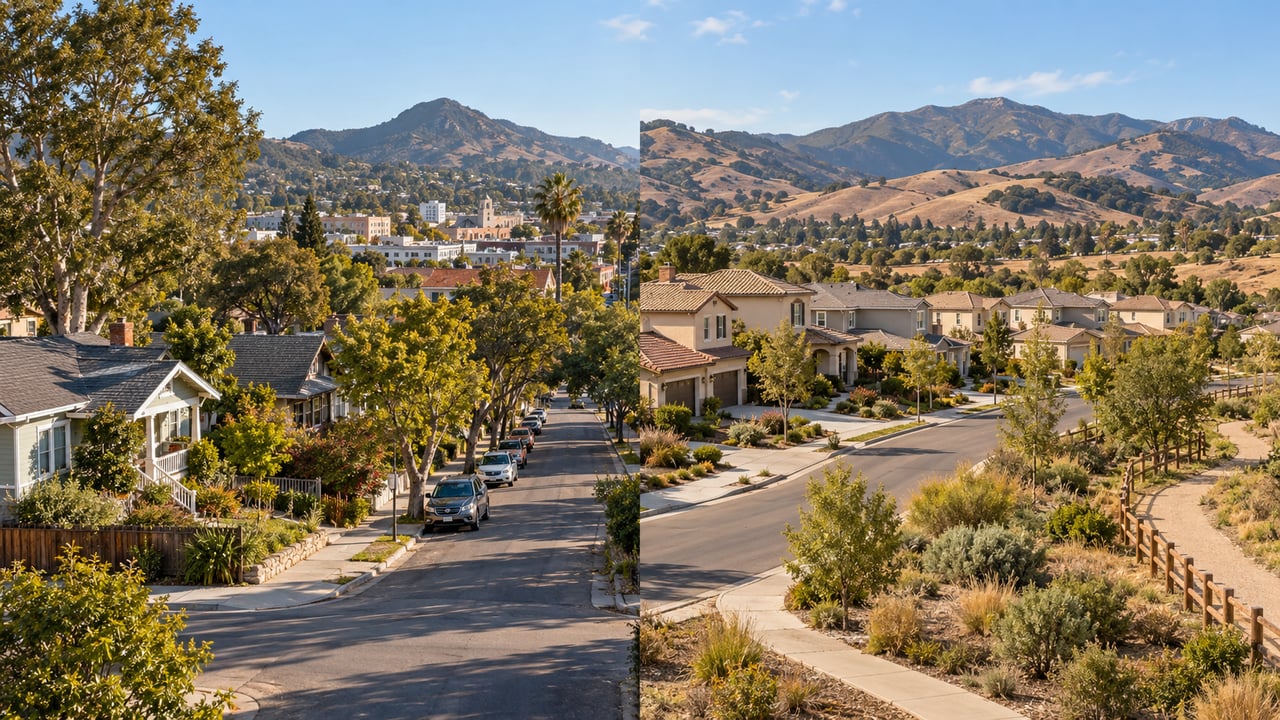
Compare street patterns, access, housing character, nearby services, outdoor options, and the routines each setting supports.
Amber Johnson | October 14, 2026
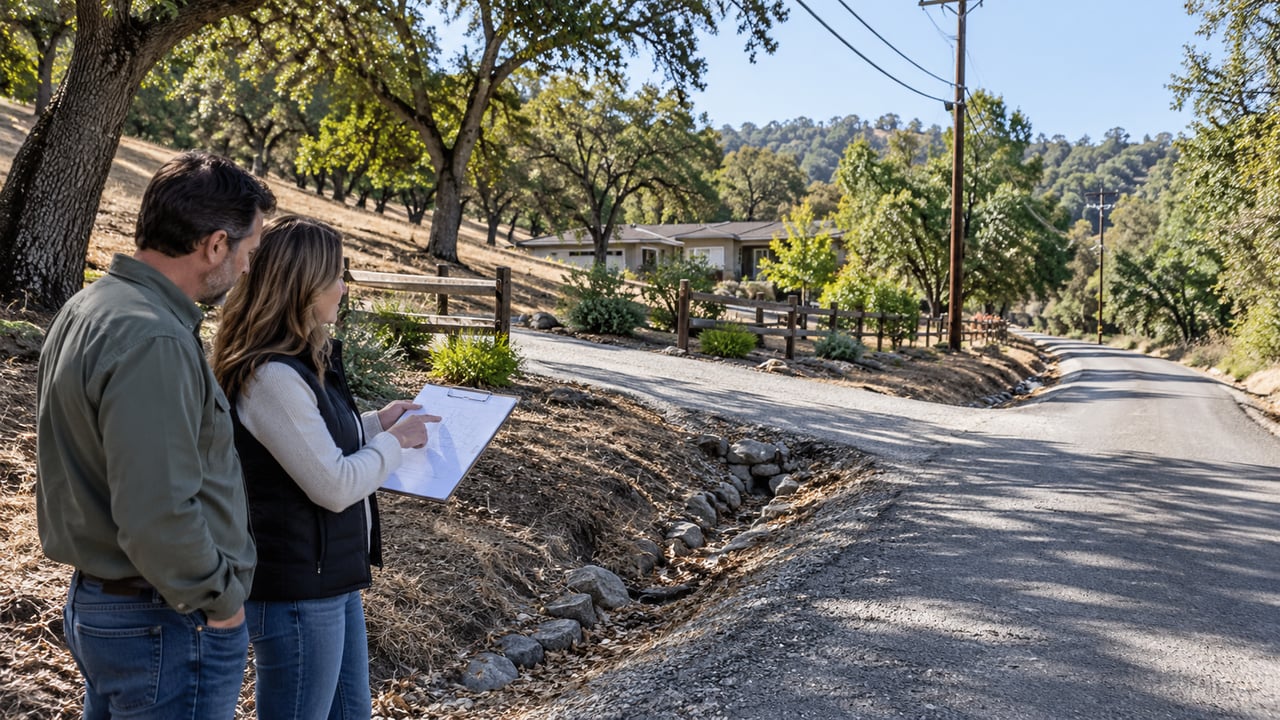
Review access rights, maintenance agreements, road condition, emergency access, drainage, utilities, financing, and insurance before committing.

Amber Johnson | October 14, 2026
Compare walkability, street activity, lot patterns, home styles, recreation, and the daily routines each area supports.

Amber Johnson | October 14, 2026
Evaluate internet reliability, workspace needs, errands, climate, neighborhood choices, and the routines that make remote work sustainable.
Amber Johnson | October 14, 2026
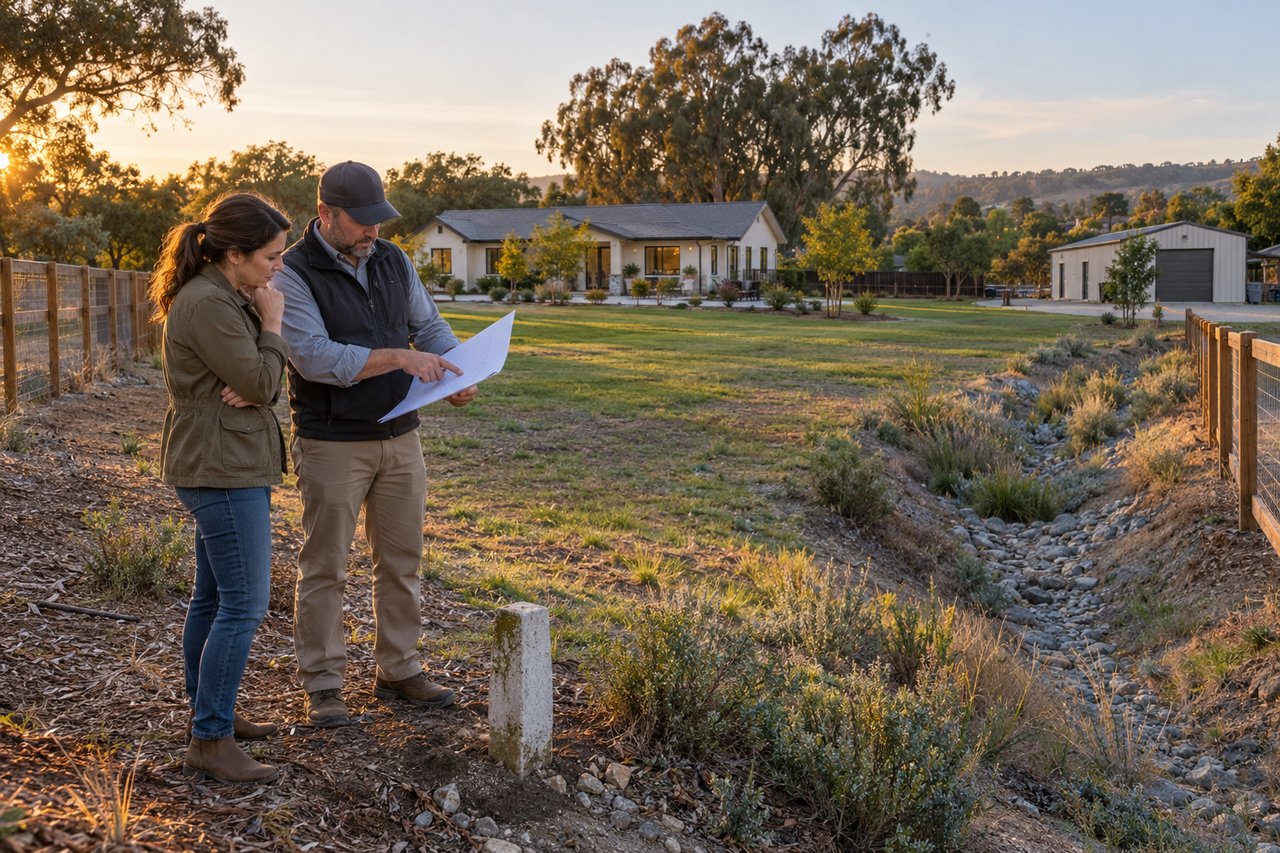
Review access, usable space, utilities, drainage, boundaries, outbuildings, and maintenance before deciding whether the property fits your plans.

Amber Johnson | October 13, 2026
Look at the daily rhythm, coastal access, neighborhood activity, parking patterns, and tradeoffs around this Shell Beach landmark.

Amber Johnson | October 13, 2026
Compare elevation, atmosphere, access, daily routines, and housing tradeoffs between two distinct Los Osos settings.

Amber Johnson | October 13, 2026

Amber Johnson | October 13, 2026
Compare access, setting, home styles, daily routines, and the practical tradeoffs on each side of Templeton.
You’ve got questions and we can’t wait to answer them.
Amber Johnson, Founder
Pillar Real Estate
805.835.3425
DRE# 01925434
1345 Park Street
Paso Robles, CA 93446