How Should I Market a Grover Beach Home Without a Garage?
October 3, 2026
October 3, 2026
Market a Grover Beach home without a garage by making the parking and storage situation easy to understand, showing how the property works in daily life, and pricing it against the right competing homes. Do not hide the missing garage. Give buyers enough information to decide whether the tradeoff fits their priorities.
A garage can matter to buyers, especially when they want covered parking, workshop space, or room for bikes and beach gear. But it is only one part of the property. A home may still offer a useful driveway, a practical floor plan, a good yard, convenient access, or other features that carry more weight for the right buyer.
I am Amber Johnson with Pillar Real Estate. I help San Luis Obispo County sellers identify what buyers will notice, prepare for the questions they will ask, and position the property with a clear plan. For a Grover Beach home without a garage, the right strategy starts with honesty and strong presentation.
Buyers will notice that the home has no garage. If the listing photos or description seem designed to avoid the subject, the omission can create doubt. Buyers may wonder whether parking is difficult, storage is limited, or another problem is being left unexplained.
Address the layout plainly. State what the property does offer, such as off-street parking, a long driveway, a gated side area, an outdoor shed, or interior storage. Only describe features that actually exist and can be verified.
The goal is not to apologize for the home. It is to help a buyer evaluate it correctly. A person who expects a two-car garage may rule it out, and that is useful information. A buyer who cares more about the location, yard, price range, or interior layout may keep reading because the practical details are clear.
Local context also matters. Buyers researching the pros and cons of living in Grover Beach are comparing more than one property feature. Your marketing should show how this particular home fits the way someone might live in the community.
Before photography or copywriting, document the parking arrangement. Measure the usable driveway if vehicle fit may be a question. Confirm whether a gate, fence, curb cut, or shared access affects how the space works. If the property has an easement or shared driveway, review the available records and disclosures instead of making assumptions.
Street parking should not be presented as guaranteed private parking. Public rules, posted restrictions, and neighborhood conditions can change. If street parking is relevant, buyers should verify the current requirements for themselves.
Also check whether any former garage was converted, removed, or altered. Permit history and seller disclosures should be handled through the proper channels. A listing description is not the place to make an uncertain claim about past improvements.
Clear facts prevent problems later. They also give the photographer and marketing team better direction. If the driveway comfortably accommodates the seller's vehicles, show it clean and unobstructed. If access is narrow, do not use a distorted camera angle to make it look wider.
When buyers see a home without a garage, they often start looking for the items that normally live in one. Tools, bicycles, holiday decorations, surfboards, sports equipment, and bulk household supplies still need a place.
That means storage deserves extra attention before the home is photographed. Remove excess items from closets, utility areas, patios, and side yards. Buyers should be able to see the storage that exists without being distracted by everything the seller has accumulated.
If there is a shed, photograph it and explain its function accurately. Clean it out enough to show the usable space. If it has power, work surfaces, or built-in shelving, confirm those details before advertising them.
Do not rush to add a new shed or other improvement simply because the home lacks a garage. The right investment depends on the property, the likely buyer, local requirements, and the seller's goals. Sometimes better organization and cleaner presentation do more than an expensive last-minute project.
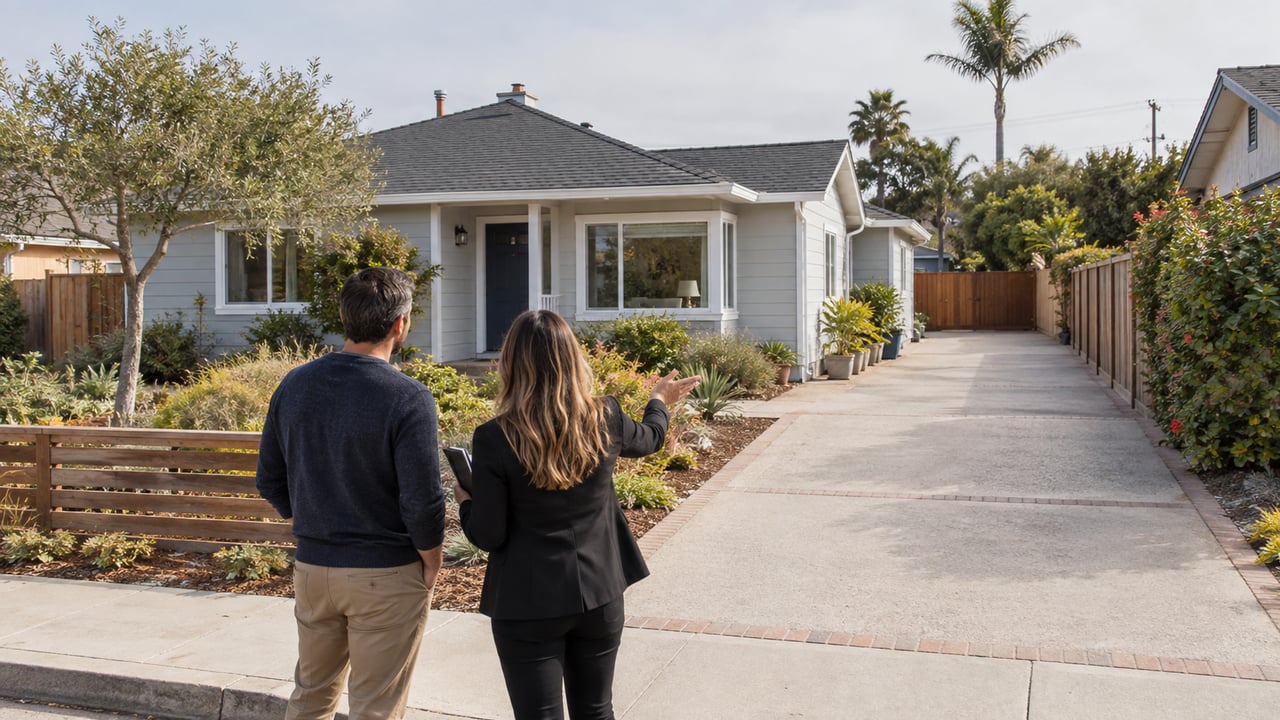
Exterior photography should show the front of the home, the driveway, and the route from the parking area to the entrance. A buyer should understand the layout before scheduling a showing.
Start with a strong front image that presents the home honestly. Then add supporting angles that show driveway length, gate clearance, side access, and any separate storage. If the yard provides room for hobbies or outdoor living, include it without implying that it can legally be converted to parking or a future garage.
The camera position matters. An image taken from the street can show how the home relates to the driveway. A second image from the parking area can show the walk to the front door. Close photos of an organized shed or storage wall can help buyers see how their belongings might fit.
Good photography is not about making the garage issue disappear. It is about removing uncertainty while showing the rest of the property at its best.
The first sentence of the listing should not be “no garage.” It should lead with the strongest truthful reason a buyer would choose the property. That could be the floor plan, lot use, outdoor space, condition, location, natural light, or another feature supported by the home.
Then explain the parking and storage arrangement before a buyer has to search for it. A clear description might mention off-street driveway parking and a dedicated storage shed. The exact language should match the property.
This follows a basic marketing rule: position the home for what buyers actually want, then give them the facts they need to assess the tradeoffs. My article on what makes buyers choose one showing over another explains why clarity, presentation, and perceived fit matter so much online.
Generic claims are not helpful. “Perfect coastal home” does not tell a buyer how the property works. Specific details do.
A home without a garage should not be marketed as though every buyer will see it the same way. The likely audience may include buyers who have one vehicle, people who value yard space more than covered parking, households that use alternative storage, or buyers focused on entering a particular area or price range.
That does not mean guessing who will buy the home or excluding anyone. It means identifying the practical benefits that may matter most and making sure the marketing communicates them.
The online campaign can focus on the full property story: the usable spaces, everyday convenience, condition, and lifestyle fit. Professional photography, short-form video, listing copy, and paid digital distribution should all support the same positioning.
There is a real difference between listing a property and marketing it. My overview of digital marketing for a home sale explains how targeted exposure and deliberate presentation work together. A home with a notable tradeoff needs that coordination even more.
Pricing should reflect the whole property, including the absence of a garage. The mistake is assuming either that the garage does not matter or that it automatically creates a fixed discount.
Buyer reaction depends on the available alternatives. A smaller home with a garage may compete differently from a larger home with better living space and no garage. A property with a short driveway is different from one with useful off-street parking and a separate storage structure.
Review recent sales and current listings for overall similarity. Look at location, lot use, condition, square footage, parking, storage, and major improvements. If truly comparable garage-free sales are limited, use several relevant examples and explain the adjustments carefully.
The list price should invite the right buyers to compare the home fairly. Overpricing can make the missing garage feel like proof that the seller is ignoring the market. Strategic pricing lets the property's other benefits compete.
Before the first showing, gather clear answers to the likely questions:
If an answer is unknown, say so and direct the buyer to the appropriate source. Do not improvise. Accurate information builds more confidence than a quick answer that later changes.
Parking should be simple during showings. Move extra vehicles when possible so buyers can see the driveway. Open gates that are intended to be used, secure pets, and make storage areas accessible.
Inside the home, avoid using bedrooms or living areas as overflow garage storage. That makes buyers feel the lack of space twice. Pack seasonal and rarely used items before photography so the home and storage areas both feel functional.
Leave useful documentation available through the normal disclosure process. A site plan, permit record, or clear note about included storage may answer questions that photos cannot.
Buyers may also want to understand the surrounding community. A resource such as Grover Beach: Where Coast Meets Community can provide broader local context while the listing itself stays focused on the property.
It may be tempting to tell buyers they can build a garage later. Unless a qualified professional and the appropriate public agency have confirmed what is allowed, that statement can create unnecessary risk.
Lot size alone does not establish buildability. Setbacks, access, utilities, easements, lot coverage, design requirements, and other rules may affect what can be constructed. Marketing can say that a buyer may investigate future options, but it should not present an unverified project as a solution.
The current home should make sense based on what exists today. Any future improvement belongs in the buyer's own due diligence.
After launch, track the questions and reactions from buyers and agents. If several people are confused about parking or storage, improve the photos, remarks, or showing information. If buyers understand the layout but object to the price, that is a different issue.
Not every comment requires a change. One buyer may need a workshop and reject any property without a garage. That does not mean the home is poorly marketed. It means that buyer is not the match.
Look for patterns. The right strategy responds to repeated evidence while protecting the home's strongest positioning.
A Grover Beach home without a garage can still compete when the marketing is honest, specific, and built around the whole property. Confirm the parking facts. Show the storage. Use photography that explains the layout. Price against the right alternatives. Then put the home in front of buyers whose priorities fit what it offers.
If you are preparing to sell, I can help you decide which improvements make sense, identify the likely buyer, and build a marketing plan around your property rather than a generic checklist.
Visit Sell With Amber to start the conversation.
Amber
Pillar Real Estate | Amber Johnson, Founder
805.835.3425 | [email protected]
1345 Park St. Paso Robles, CA 93446 | DRE# 01925434
Website: pillarrealestate.com

Amber Johnson | October 26, 2026
Compare trail access, drive time, terrain and weather with the routine you actually want before choosing an Atascadero home.
Amber Johnson | October 25, 2026
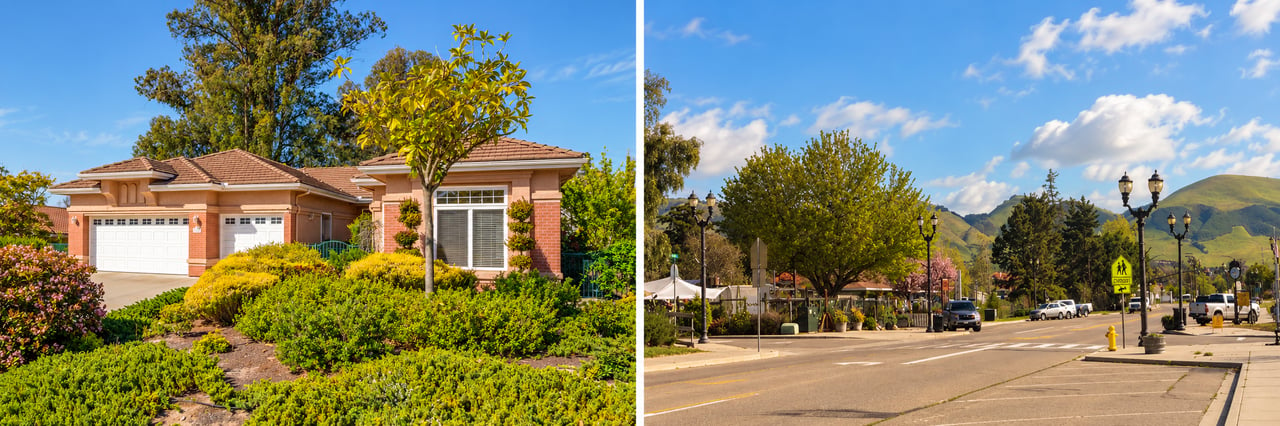
Compare home settings, road patterns, community amenities and daily routes before choosing between these two Nipomo areas.
Amber Johnson | October 25, 2026
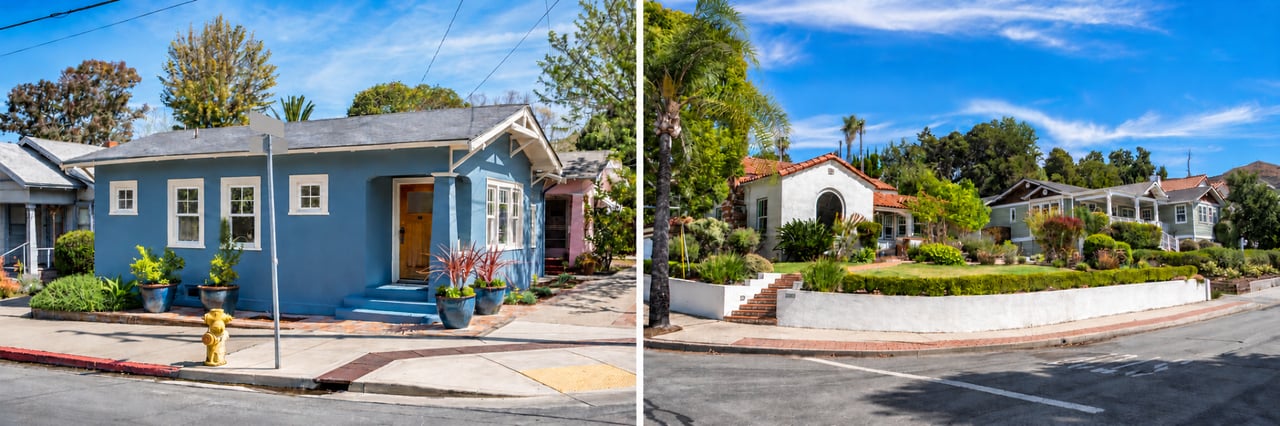
Compare housing patterns, access, street activity and daily routes before choosing between these San Luis Obispo areas.
Amber Johnson | October 25, 2026
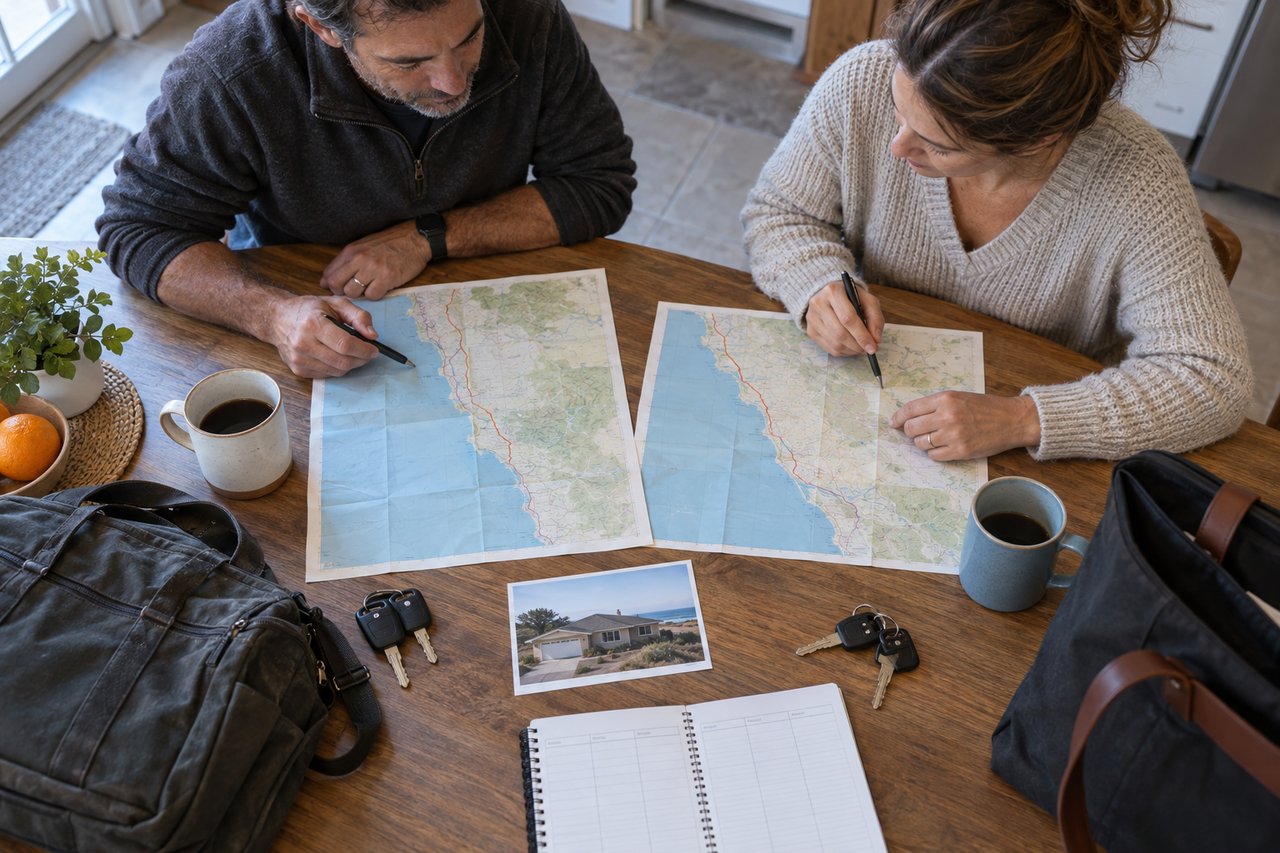
Test both routes, work schedules and the trip from a specific home before deciding whether Oceano supports the household's routine.
Amber Johnson | October 25, 2026
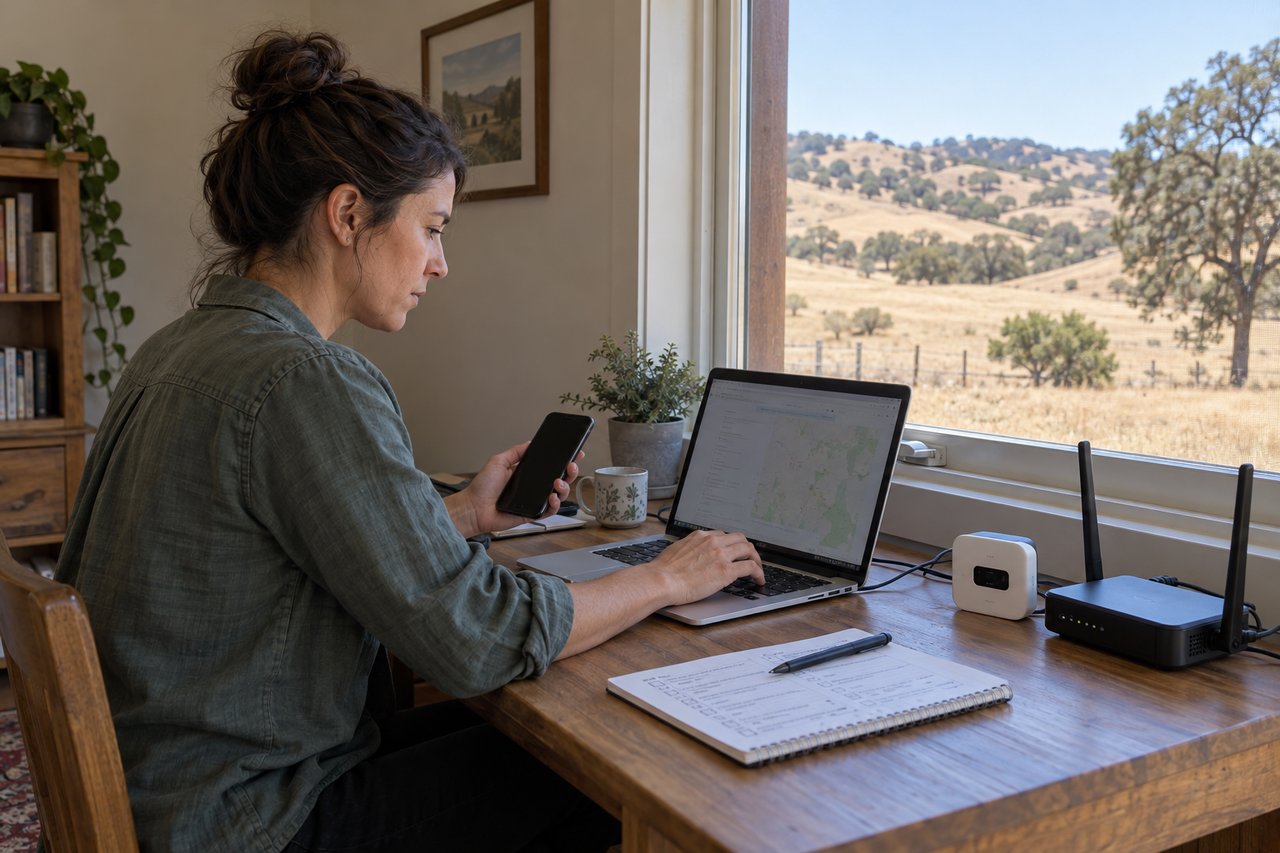
Verify service at the exact address, backup connectivity, power reliability and workspace needs before choosing a Creston property.
Amber Johnson | October 25, 2026
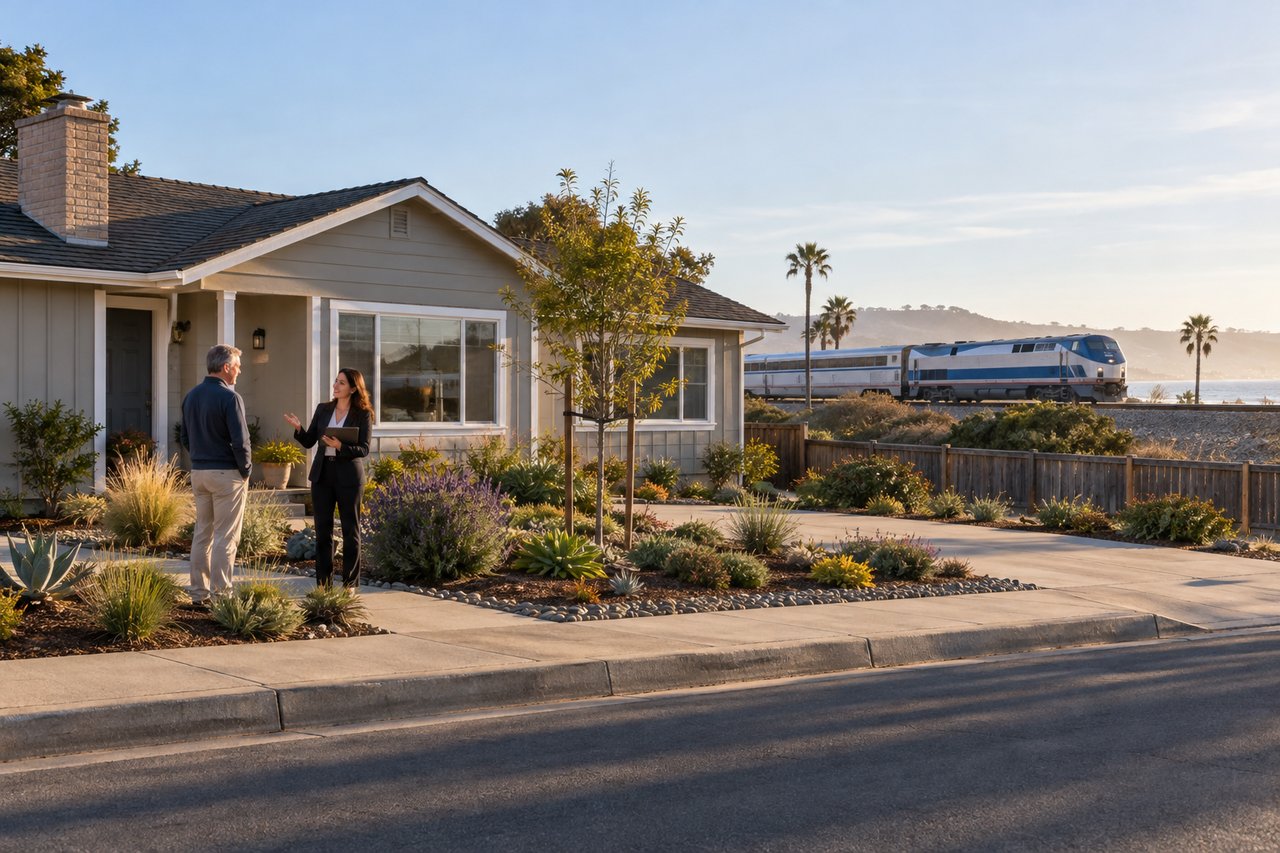
Set buyer expectations with accurate positioning, thoughtful presentation and firsthand checks at different times of day.

Amber Johnson | October 24, 2026

Amber Johnson | October 21, 2026

Amber Johnson | October 21, 2026
You’ve got questions and we can’t wait to answer them.
Amber Johnson, Founder
Pillar Real Estate
805.835.3425
DRE# 01925434
1345 Park Street
Paso Robles, CA 93446