What Should Buyers Check Before Buying a Hillside Home in Cayucos?
October 8, 2026
October 8, 2026
Review drainage, retaining walls, access, parking, coastal exposure, insurance, disclosures, and the inspections that fit the property.
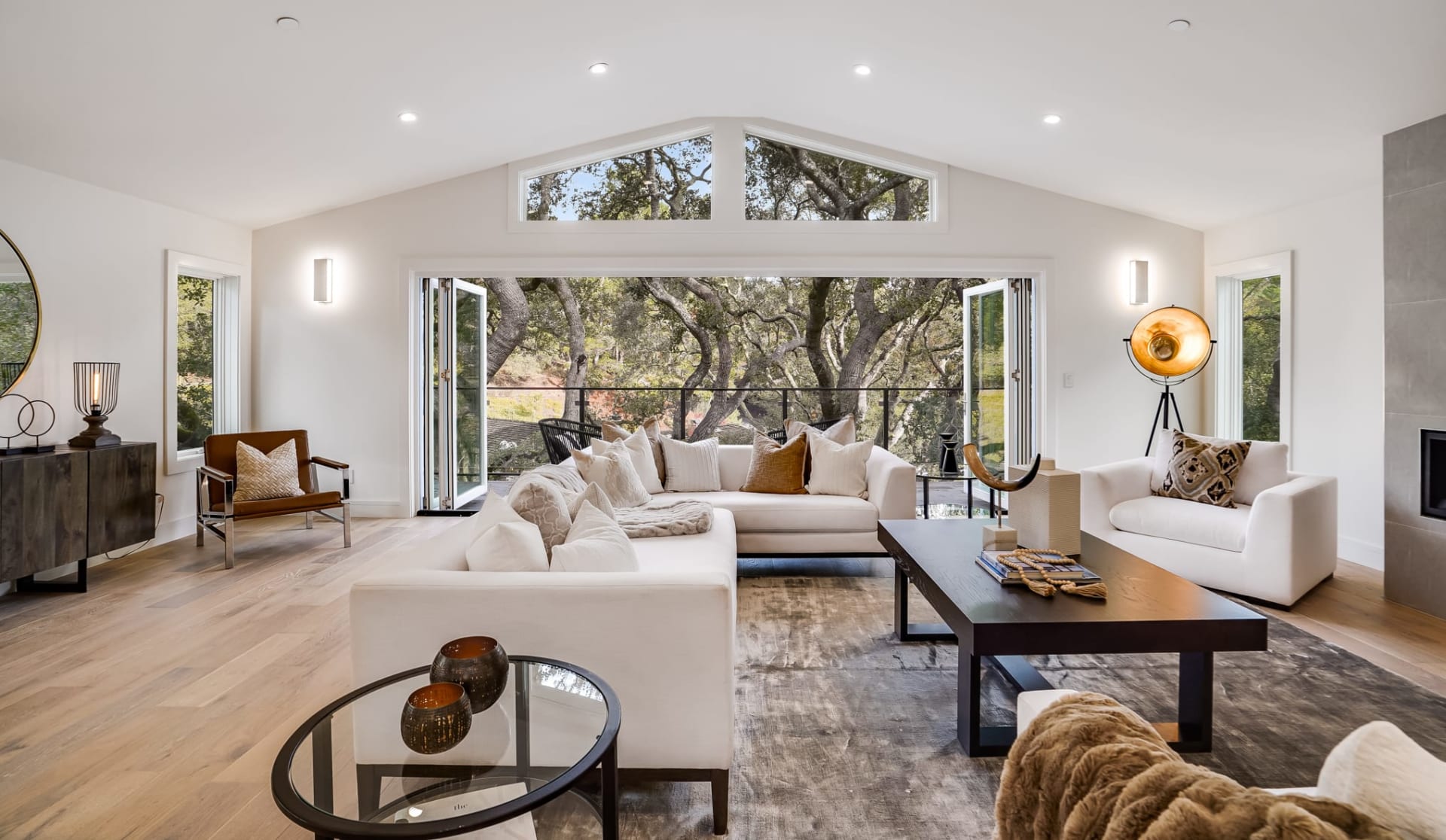
A hillside home in Cayucos can offer something that is hard to duplicate: elevation, coastal light, changing views, and a sense of separation from the activity closer to town. It can also ask more of a buyer than a level-lot home. The right question is not simply whether the view is worth it. The better question is whether the site, structure, access, and ongoing responsibilities fit the way you plan to live.
I encourage buyers to treat the hillside itself as part of the house. The slope influences drainage, foundations, retaining walls, driveways, landscaping, parking, and how wind and moisture reach the property. A beautiful home can still be a poor fit if the everyday access is inconvenient or if important site improvements have not been documented and maintained.
That does not mean hillside homes should be avoided. It means the due diligence needs to match the property. At Pillar Real Estate, I help buyers slow the process down enough to understand what they are buying, which questions still need answers, and which specialists may be appropriate before contingency deadlines arrive.
When you first walk the property, look beyond the windows and decks. Notice how the home sits on the slope. Where does the ground rise above the structure? Where does it fall away? Which areas appear to collect water, and where would runoff naturally travel during a storm?
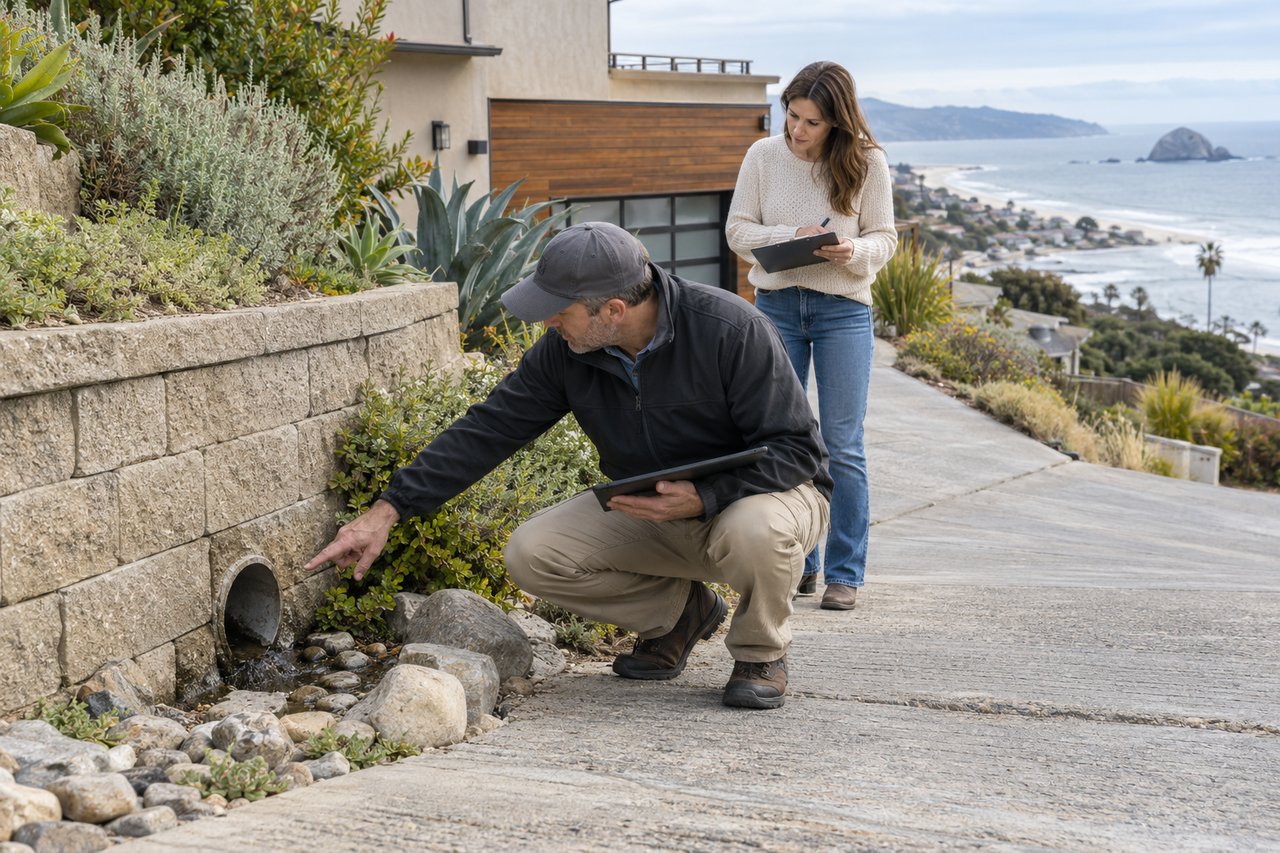
Look for visible drainage features such as swales, area drains, downspout extensions, culverts, channels, and outlets. Then ask where those features discharge. A drain that simply moves water toward a neighboring parcel, a retaining wall, or another part of the foundation may not be solving the full problem.
Also pay attention to changes in grading. Fresh soil, new landscaping, patched concrete, or a recently rebuilt slope can be completely reasonable, but they should prompt questions. What work was done? Why was it needed? Was it permitted when required? Are there plans, invoices, engineering documents, or warranties available?
Your general home inspection is an important starting point, but a steep or complex site may justify additional evaluation by an appropriate licensed professional. The goal is not to collect inspections for their own sake. It is to match the expertise to the conditions you can actually see and the concerns raised in disclosures or reports.
Drainage deserves special attention because water follows gravity, whether a buyer has planned for it or not. On a hillside parcel, roof runoff, driveway runoff, irrigation, and natural surface flow can all move toward lower portions of the site. Small drainage problems can also be seasonal, so a dry-day showing does not tell the whole story.
Ask the seller what happens during sustained rain. Have drains backed up? Has water crossed the driveway, entered a crawlspace, or collected near the foundation? Have any pumps, drains, retaining features, or erosion controls been installed or repaired? Seller disclosures, inspection reports, maintenance records, and direct questions should be read together rather than in isolation.
Check gutters and downspouts for secure connections and logical discharge points. Look for staining, soil movement, exposed roots, sediment deposits, cracking, or areas where landscaping appears to have been washed away. None of these observations alone proves a major problem, but each can help an inspector decide where to look more closely.
For a broader sense of how inspections fit into the buying process, review what buyers should expect during a home inspection in SLO County. A good inspection period is not about demanding a perfect property. It is about understanding condition, prioritizing concerns, and making decisions with clearer information.
Retaining walls may support landscaping, a driveway, a patio, or part of the buildable area around the home. Their importance depends on their location, height, design, drainage, and the load they carry. A decorative garden wall is different from a substantial wall supporting a steep slope or vehicle area.
Walk the length of visible walls when access is safe. Note leaning, bowing, separation, cracking, displaced blocks, erosion at the base, or persistent moisture. Look for drainage outlets and ask whether they remain clear. If a wall appears newer than the house, ask when it was installed and whether plans or permits are available.
A general inspector may recommend further evaluation when a wall, slope, or foundation condition falls outside the scope of a standard inspection. That recommendation should be taken seriously and addressed within the contract timeline. The appropriate next step depends on the specific condition, so avoid relying on casual assurances or a neighbor's experience with a different property.
Documentation matters here. Engineering plans, permits, repair invoices, drainage designs, and maintenance records can help you understand whether the work was intentional and how it should be cared for. Missing paperwork is not automatically a deal breaker, but it can affect the questions you ask, the risk you accept, and the professionals you consult.
A hillside driveway can look manageable when it is empty and the weather is clear. Try to imagine the normal routines: two vehicles leaving at different times, guests arriving after dark, deliveries, trash collection, moving day, and anyone with limited mobility. If the property includes a garage, confirm that your vehicle can enter, turn, and exit comfortably.
Ask yourself practical questions. Is there enough room to back safely? Can guests park without blocking access? How steep is the walk from the parking area to the entrance? Are steps, rails, surfaces, and lighting appropriate for the people who will use them? Will a low vehicle scrape? Is street parking available, restricted, or impractical?
Access can also affect service and maintenance. Consider how contractors, emergency responders, delivery vehicles, and landscaping crews would reach the property. If there is shared access, a private road, or an easement, review the available documents and understand who maintains what. The title and disclosure package may contain information that is easy to overlook if your attention is only on the house.
Cayucos combines hillside conditions with a coastal environment. Wind, marine air, sun exposure, and moisture patterns can affect different parts of a property in different ways. A protected side of the home may weather differently from an exposed deck, railing, roof edge, window assembly, or exterior fastener.
During inspections, look closely at exterior wood, metal components, paint, sealants, windows, doors, decks, and roof transitions. Ask about recent repairs and the owner's maintenance routine. If a deck or elevated exterior structure is central to the home's appeal, make sure its condition and support are evaluated with appropriate care.
Living near the coast can be a wonderful fit, but it helps to understand the tradeoffs before you buy. The discussion in Is Living Near the Beach in San Luis Obispo County Worth It? can help you think through the balance between coastal lifestyle and ongoing property care. If the home is close to the water or especially exposed, what to know before buying an oceanfront home in San Luis Obispo County offers additional questions that may be relevant even when the property is not directly oceanfront.
Insurance should be part of your early due diligence. Property characteristics, location, access, rebuilding considerations, prior claims, and the insurer's own underwriting guidelines can influence availability and cost. Do not assume that a current policy can simply be transferred or that an online estimate is a firm quote.
Contact a qualified insurance professional as early as practical and provide accurate property information. Ask what documentation the carrier needs, what conditions may affect coverage, and whether any inspections or corrections are required. Confirm coverage and cost in a way that aligns with your contract and lender requirements.
For a useful overview, read Navigating Homeowners Insurance in California: What Buyers & Sellers Need to Know. Insurance questions are property-specific, so the article is a starting point rather than a substitute for a quote on the home you are considering.
A hillside property may have information spread across several places: seller disclosures, inspection reports, permits, plans, invoices, title documents, natural hazard information, insurance communications, and prior repair records. Read them as one connected story.
If the seller reports drainage work, look for the related invoice or plan. If an inspection mentions movement, compare that note with any engineering or repair documentation. If a permit record shows substantial work, confirm what was completed and whether the available records match the visible improvements.
Pay attention to unresolved recommendations. A report that says to monitor, repair, or obtain further evaluation is not the same as proof that the issue was addressed. Ask for clarification, and let the appropriate professional explain what the current condition means.
Do not rely on the age of the home as a shortcut. Newer construction can still have site-specific concerns, and an older home may have years of thoughtful maintenance and useful documentation. The quality of the available information matters more than a simple assumption based on the year built.
The inspection plan should respond to the home's actual features. A general home inspection is typically foundational, but the property may also call for focused evaluation of drainage, foundation conditions, retaining walls, roof and exterior assemblies, decks, sewer or septic components, pests, or other systems.
The professionals you choose should be properly qualified for the work they are being asked to evaluate. Ask about scope, limitations, and whether additional review is recommended. Keep the purchase contract timeline in view so that appointments, reports, follow-up questions, and decisions happen before the relevant deadlines.
It is also important to distinguish between a condition that needs immediate action and one that requires normal monitoring or maintenance. A written report and a direct conversation with the inspector can help. If the concern is significant or outside the inspector's expertise, obtain the next level of evaluation rather than guessing.
Due diligence is not limited to defects. It should also answer whether the home works for you. Walk the property at a realistic pace. Carry something from the parking area to the kitchen. Notice the grade between outdoor spaces. Think about pets, children, aging relatives, hobbies, bicycles, surfboards, trash bins, groceries, and guests.
Visit at different times if the transaction allows. Coastal fog, afternoon wind, sun exposure, traffic, and neighborhood activity may feel different from the conditions during your first showing. Spend enough time to understand the setting rather than treating the view as the whole experience.
If you are still learning the community, Cayucos Uncovered: Hidden Coastal Charms You'll Want to Visit provides helpful local context. A property decision becomes clearer when you consider the home and the routines around it together.
Before removing contingencies, make sure you have addressed the questions that apply to the property:
A hillside home in Cayucos may be exactly what you want. The strongest purchase decision is the one that holds up after the excitement of the view is matched with a careful review of drainage, retaining features, access, coastal exposure, insurance, documentation, and daily usability.
My role is to help you organize that process, keep the property-specific questions in focus, and connect each decision to the timelines in your purchase. Amber Johnson and Pillar Real Estate work with Central Coast buyers who want local guidance without pressure or vague reassurance. You deserve to understand both the appeal and the responsibilities before you move forward.
If you are considering a hillside home in Cayucos or elsewhere in San Luis Obispo County, I am happy to help you build a due-diligence plan around the property in front of you.
Amber
Pillar Real Estate | Amber Johnson, Founder
805.835.3425 | [email protected]
1345 Park St. Paso Robles, CA 93446 | DRE# 01925434
Amber Johnson | November 5, 2026
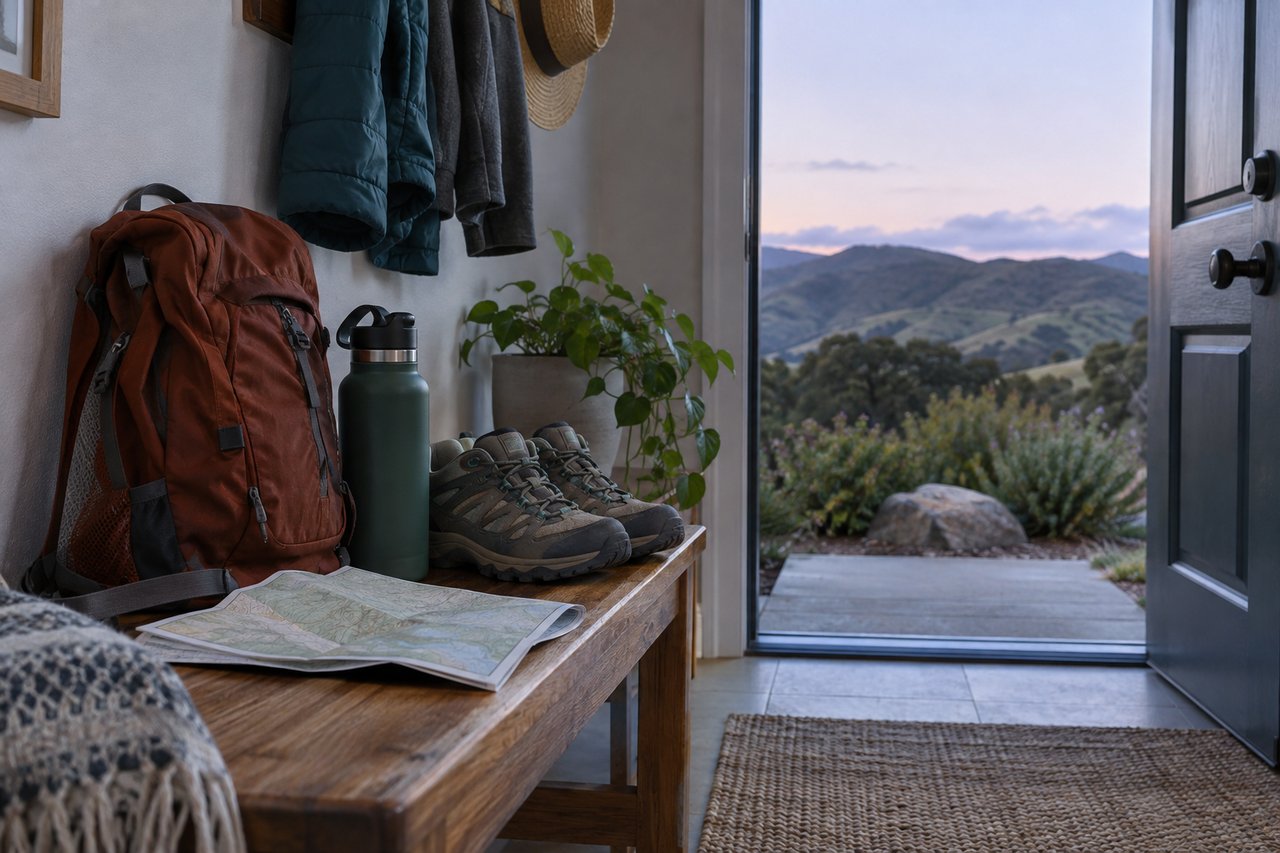
Compare trail access and travel time from a specific home with your weekly schedule.
Amber Johnson | November 4, 2026
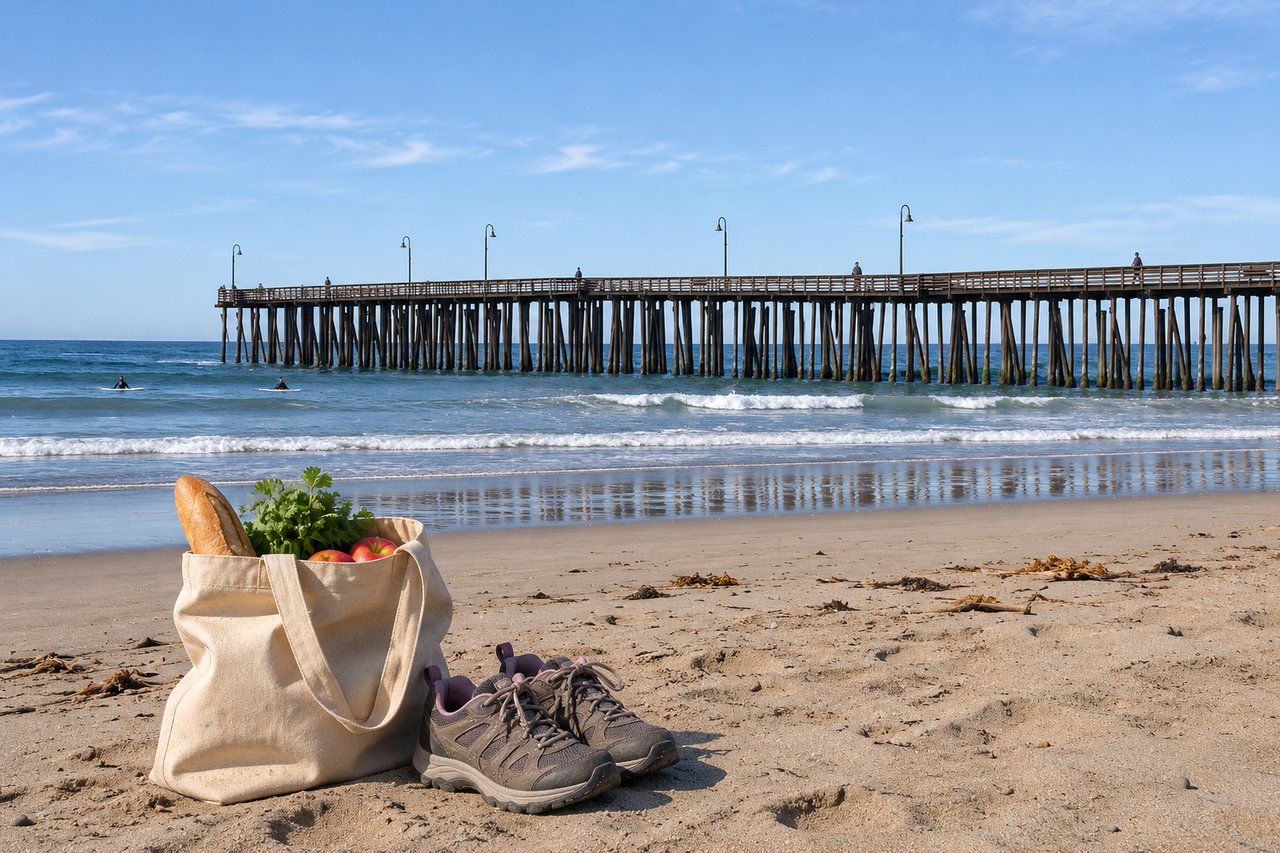
Consider the beach access, visitor activity and errands around a specific home.

Amber Johnson | November 4, 2026
Test service at a specific address against your workday needs before buying.

Amber Johnson | November 4, 2026
Amber Johnson | November 4, 2026
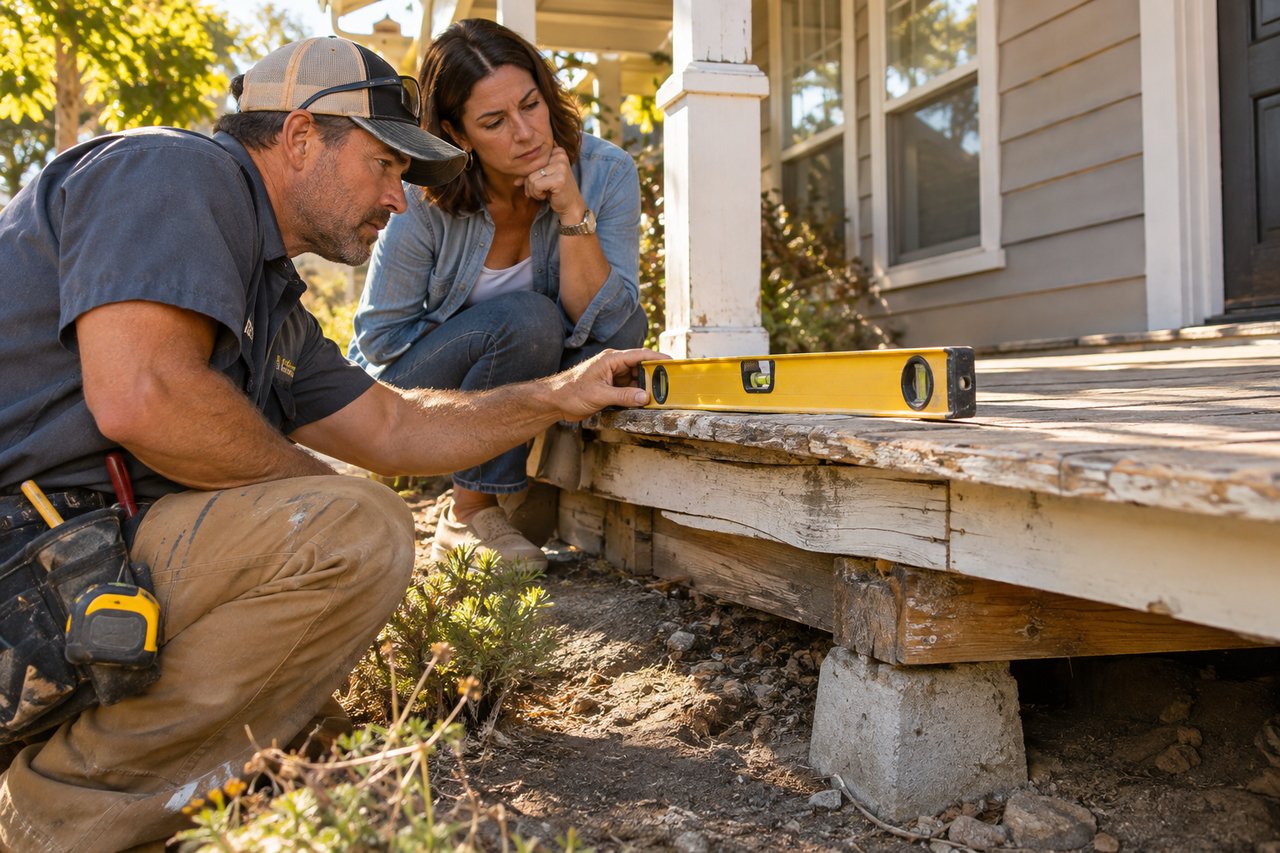
Assess the porch condition, safety and repair scope before choosing a listing plan.
Amber Johnson | November 4, 2026
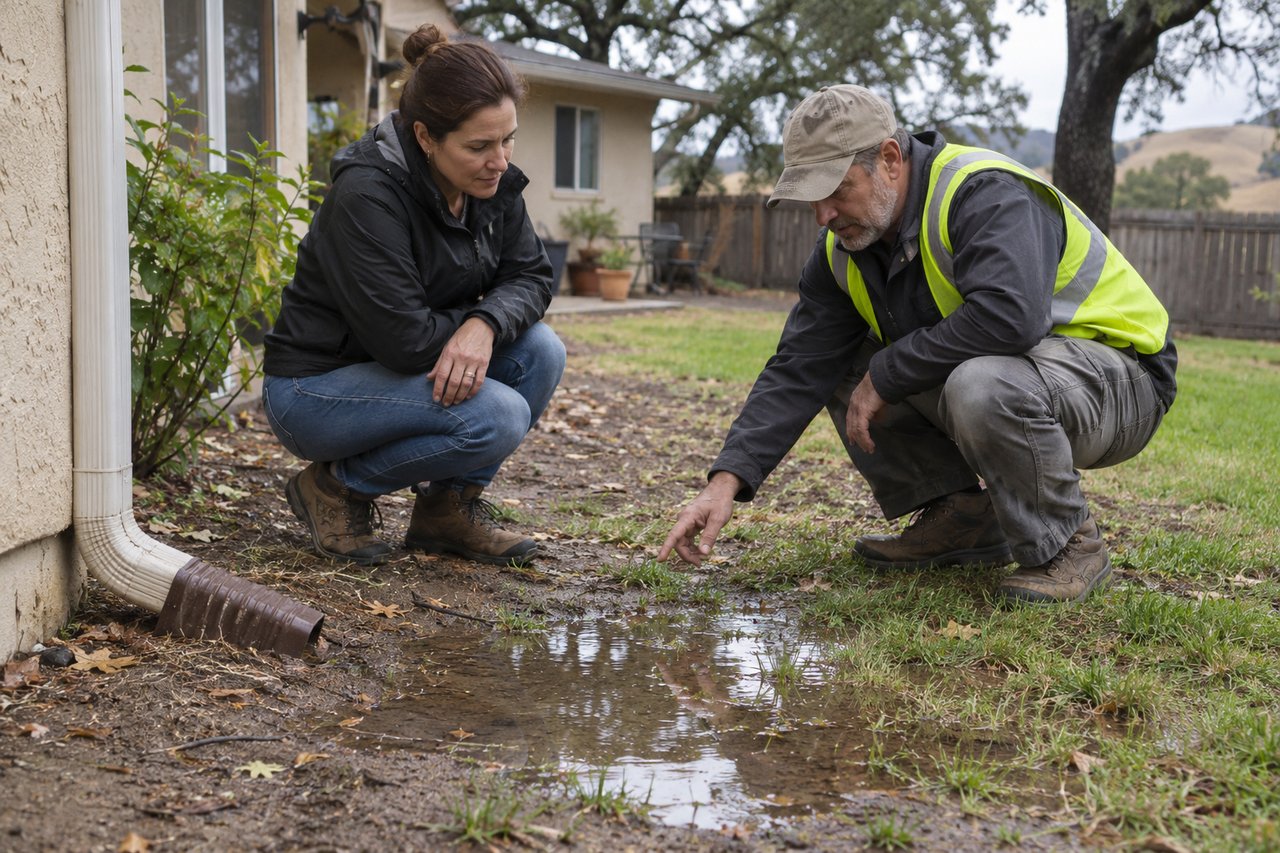
Identify the cause and compare repair options before buyers see the yard.
Amber Johnson | November 4, 2026
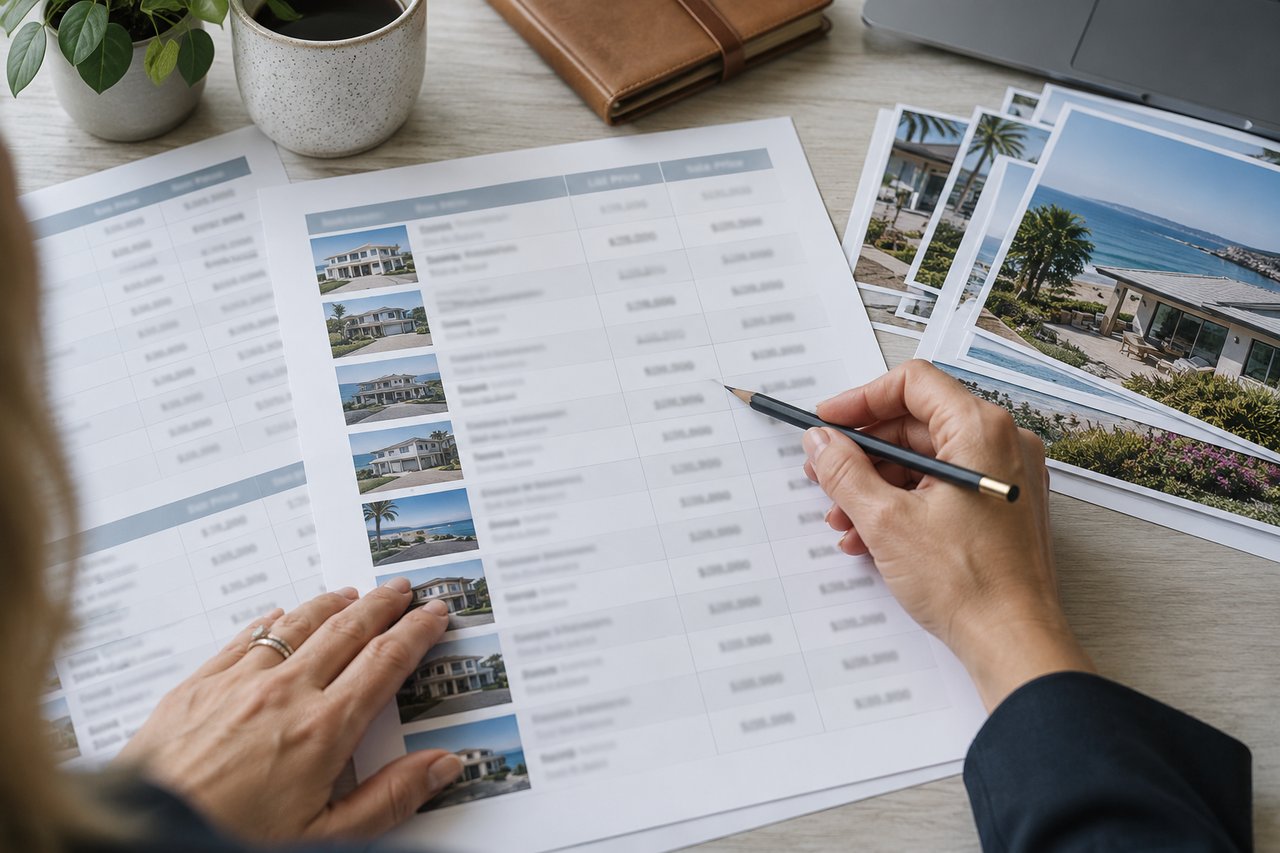
Understand what the gap may reflect, which price changes came first and why property type and timing still matter.
Amber Johnson | November 4, 2026
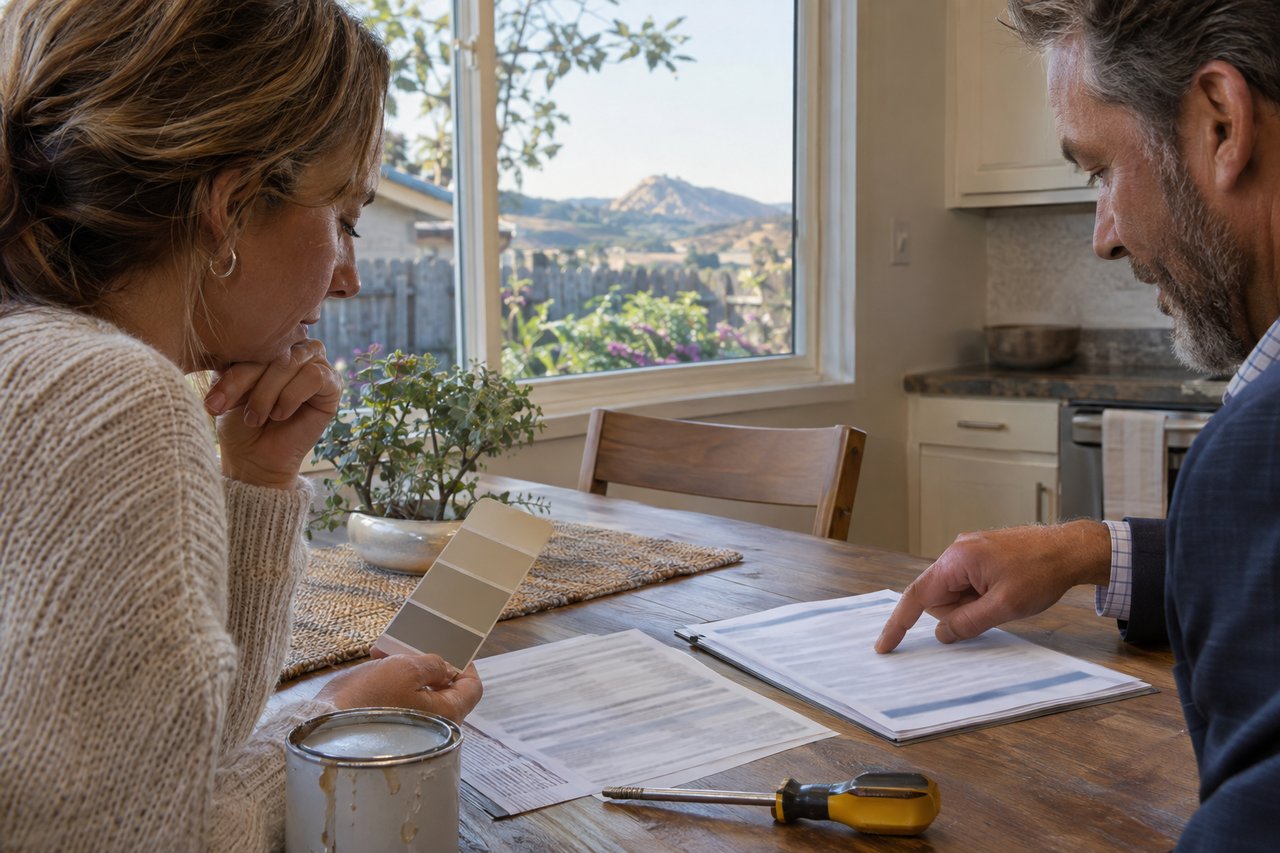
Compare the cost, timing and buyer impact of each option before choosing.
Amber Johnson | November 4, 2026
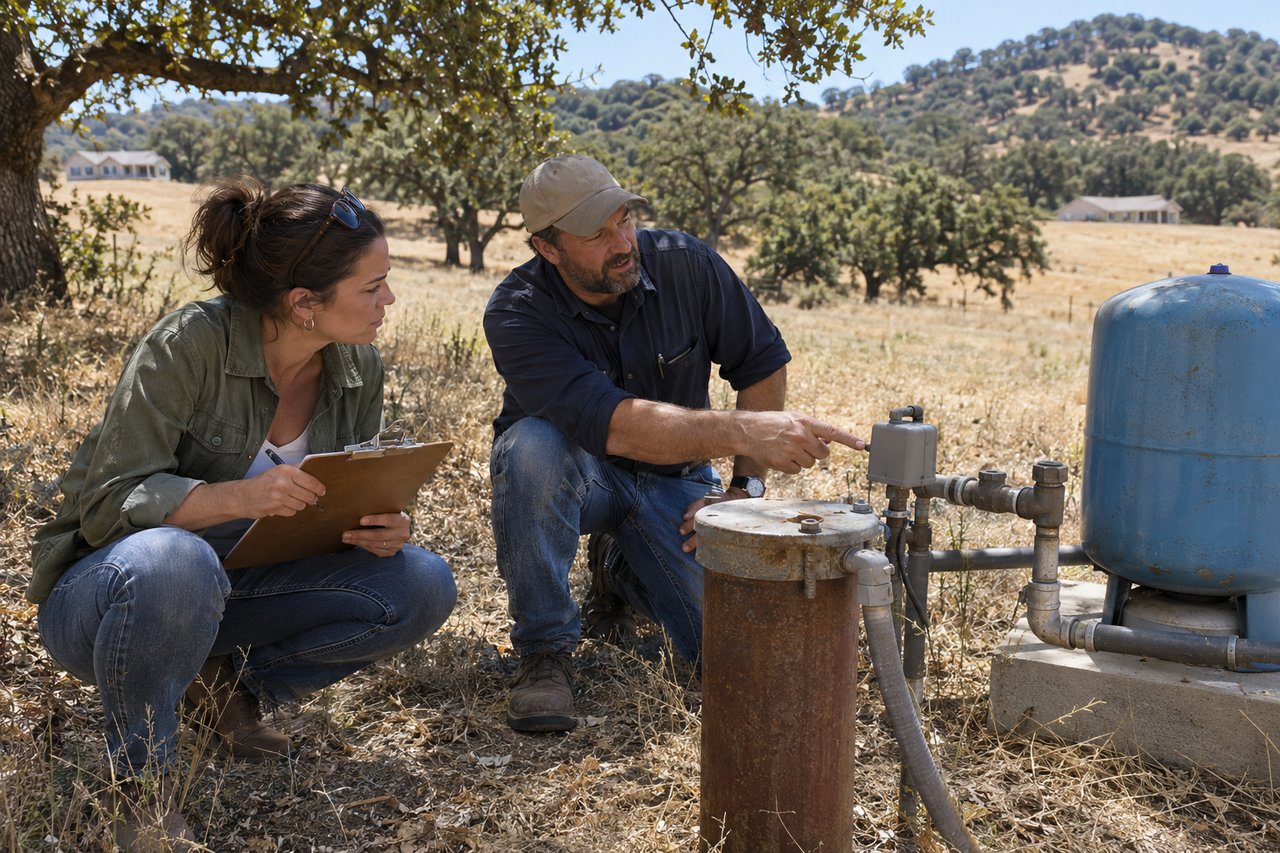
Review the well arrangement, records and equipment before committing to the property.
You’ve got questions and we can’t wait to answer them.
Amber Johnson, Founder
Pillar Real Estate
805.835.3425
DRE# 01925434
1345 Park Street
Paso Robles, CA 93446