What Should Buyers Check Before Buying a Heritage Ranch Home with an Elevated Deck?
October 31, 2026
October 31, 2026
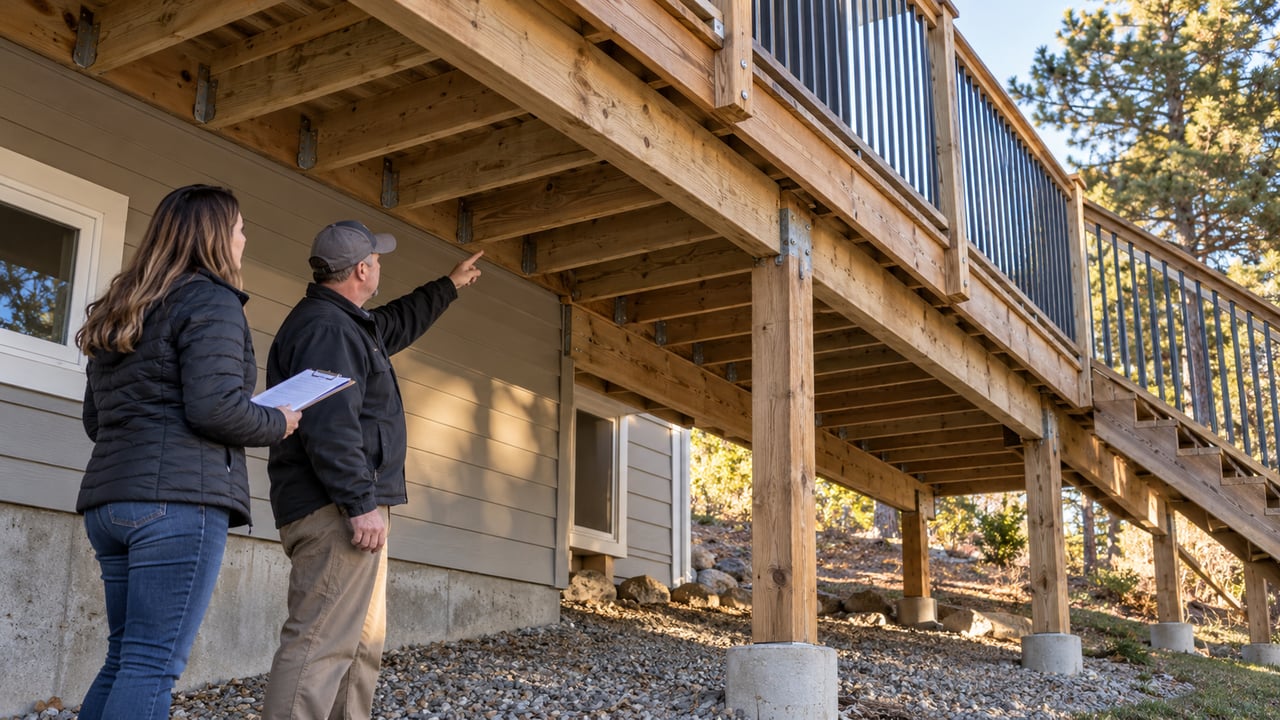
Before buying a Heritage Ranch home with an elevated deck, check its documented history, present condition, safe access and likely upkeep with the appropriate professionals. Look at the entire structure, including what is underneath it, rather than deciding from the surface boards or the view. Then compare what you learn with how you actually plan to use the space.
A deck can be a meaningful part of a home’s everyday appeal. It can also leave buyers with questions that a showing alone cannot answer. Fresh stain, attractive furniture and a pleasant outlook do not establish structural condition. As Amber Johnson, founder of Pillar Real Estate in Paso Robles, I help buyers organize those questions before they become decisions under pressure.
Here’s how I would approach an elevated deck when evaluating a Heritage Ranch property.
Walk through the property with your agent and identify exactly what is included. Is the deck attached to the house, freestanding, covered or connected to exterior stairs? Does it serve one room or several? Is there usable space beneath it? Note anything you cannot see safely, and turn those gaps into questions for the inspection.
Ask which parts are original and which have been repaired, extended or replaced. A new walking surface does not necessarily mean the supports and connections are new. Likewise, a description such as “recently updated” needs a clear explanation of the work performed. Request dates, invoices and the names of the people who did the work when those records are available.
The broader community fit matters too. My guide to living in Heritage Ranch can help frame that decision, while your deck review should stay specific to the home you are considering.
Ask the seller for available plans, permits, inspection records and documentation of repairs. Match the records to the structure you see today. An older drawing may not describe a later extension, changed stair location or replacement covering. Missing paperwork is a reason to investigate further, rather than a basis for inventing a reassuring explanation.
Confirm the applicable permitting authority and ask property-specific questions about the work. San Luis Obispo County provides construction-permit and inspection services for work within its jurisdiction. Ask what records can be retrieved for this particular address and scope. If an association review applies, establish its separate requirements through the association rather than assuming a government permit answers that question.
Keep the roles of those records clear. A completed inspection associated with past work documents that process; it does not substitute for an assessment of the deck’s current condition. Similarly, a seller’s repair invoice can explain what was paid for without proving that every related concern has been resolved. Have the appropriate professional interpret the evidence.
Before the inspection, tell the inspector that the elevated deck is a priority. Ask what the inspection includes, how accessible areas will be reviewed and how limitations will be documented. Do not assume that a routine home inspection includes engineering calculations, concealed construction or a definitive opinion on every possible future use.
The overview of what a home inspector looks at is a useful starting point for discussing scope. For this property, ask the inspector to explain which findings they can evaluate and which require another professional. If specialist review is recommended, arrange it while you still have an opportunity to consider the results under your purchase agreement.
Read the written report, not just the brief conversation at the property. Distinguish observed conditions from areas that were inaccessible. “Not visible” is an unanswered question. Ask what additional access or evaluation would be needed, who should perform it and whether a conclusion can reasonably be reached before your decision deadline.
The deck’s visible boards are only one part of the review. Ask the inspector about supports, connections, stairs and the way the deck meets the house. Moisture protection at that junction also deserves attention. The North American Deck and Railing Association identifies decay, flashing, fasteners, railings and stairs among the items to consider in a deck check.
Let a qualified professional assess suspected deterioration, corrosion, movement or questionable alterations. Photographs of the underside can help you understand a report, but they do not establish whether a connection is adequate. Where finishes or other obstructions conceal important details, ask whether further evaluation by a qualified design professional is appropriate.
Do not climb beneath unsafe areas, pull at components or try a homemade load test. If a professional advises restricting access, follow that advice. The goal is to understand the property through a suitable inspection, not to prove anything by walking a group of people onto the deck.
Think about the route you will use repeatedly. Follow the path from the interior door to the deck and, where safe, toward the yard. Ask the inspector about the condition of stairs, guards, handrails and the transition at the doorway. Have concerns about applicable requirements reviewed rather than judging compliance from appearance.
Practical fit is a separate question from technical condition. Would you carry meals outside? Will pets need access to the yard? How would a visitor move between levels? Consider the people who will use the home regularly and whether the arrangement suits them. A deck can be well suited to one household’s routine and awkward for another.
Notice lighting, the visibility of changes in level and where outdoor items would sit. Ask about any areas that seem difficult to navigate. Do not assume that adding a gate, changing a stair or enclosing part of the deck will be simple or permitted. Investigate desired changes before relying on them as part of your purchase decision.
An elevated outdoor space is connected to the rest of the property. Look at the ground below, the route around the home and how maintenance workers could access the structure. Ask the inspector to identify concerns they observe and the appropriate next step. Ground conditions or drainage questions may call for a different specialist than the person reviewing the deck boards.
For buyers weighing different property layouts, comparing a hillside home with a flatter Heritage Ranch lot can help clarify the lifestyle tradeoffs. Keep your conclusions tied to each actual property. A neighborhood name or general lot description cannot tell you the condition or maintenance demands of a particular structure.
Also consider what you would need to reach for ordinary care. Could the underside be inspected again? Would landscaping block access? Ask a contractor how access affects the proposed work rather than assuming a repair is straightforward because the affected area looks small from above.
Tell the inspector or relevant design professional what you hope to do on the deck. Ordinary outdoor seating, heavy planters, a storage cabinet and a proposed hot tub are different planning questions. Do not infer that a deck can support an item simply because it physically fits or because a similar item appears in listing photographs.
If you are considering heavier equipment or a change in use, request a property-specific professional assessment before proceeding. Ask what information is needed and whether additional design, approval or construction would be involved. Avoid purchasing equipment on the assumption that a later adjustment will solve any issue.
The same care applies to a proposed roof, enclosure or stair alteration. A purchase should not depend on an unverified improvement. You may decide the current layout works as it stands, that more investigation is necessary or that a different property better fits your plans. Each is a reasonable outcome when it follows the available evidence.
Ask the seller how the deck has been maintained and request available service records. What products were used? When were repairs made? Were any recurring concerns reported? Have an appropriate contractor explain what care is suitable for the actual materials and condition rather than adopting a generic maintenance calendar.
If work is recommended, obtain a written scope and an estimate from a qualified provider. Clarify what is included, what remains concealed and what could change after work begins. A surface treatment and structural repair are not interchangeable. The useful question is what this deck needs, with what level of certainty.
Consider both the initial work and the ongoing attention you are willing to give the property. Buyers who want a simple outdoor routine may view the same maintenance needs differently from buyers comfortable coordinating periodic work. Be honest about your preferences. An attractive feature should also fit the way you want to own and care for a home.
Put the open questions in one place: records still requested, inspection findings, specialist recommendations and proposed repairs. Identify who is responsible for each answer and when it is expected. That keeps a reassuring conversation from accidentally replacing a necessary written response.
Your agent can help organize communications and discuss purchase-agreement options; the inspector, contractor and design professional supply opinions within their own expertise. If a repair is proposed, clarify the scope, documentation and any appropriate follow-up review. Do not treat an agreement to address a concern as evidence that the work has already been completed.
The right decision depends on what is confirmed, what remains uncertain and your comfort with the responsibilities involved. I help Heritage Ranch buyers connect those details to their larger move, while keeping technical questions with the professionals qualified to answer them.
If your next purchase also involves selling a home, visit Sell With Amber to start planning that side of the move. We can discuss how the purchase and sale fit together, along with the property questions you want answered before moving forward.
Amber
Pillar Real Estate | Amber Johnson, Founder
805.835.3425 | [email protected]
1345 Park St. Paso Robles, CA 93446 | DRE# 01925434
Amber Johnson | November 28, 2026
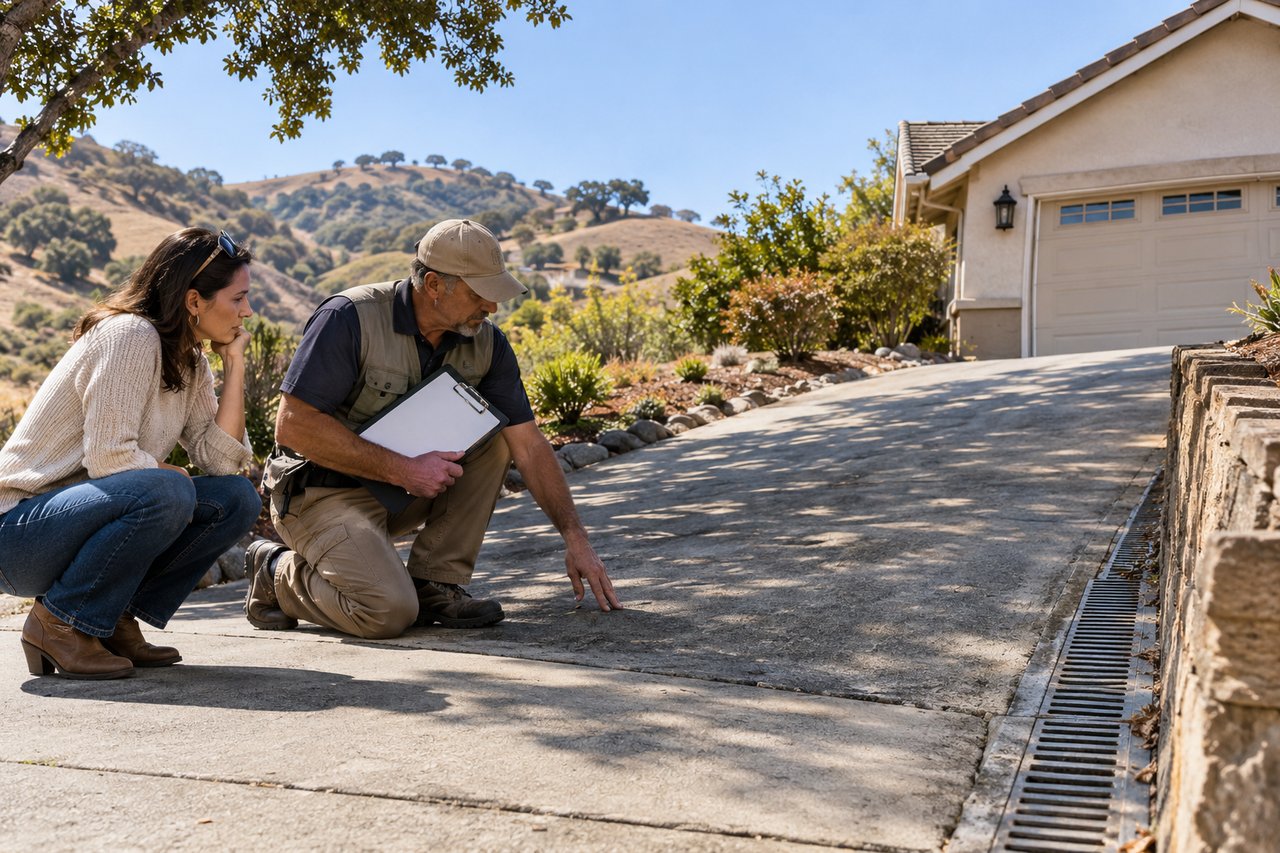
Consider access, drainage and everyday vehicle use before deciding the slope works.

Amber Johnson | November 27, 2026
Think about access, seasonality and the routine you would actually keep.

Amber Johnson | November 27, 2026
Compare the surrounding streets and daily routines, not just the park names.

Amber Johnson | November 27, 2026
Amber Johnson | November 27, 2026
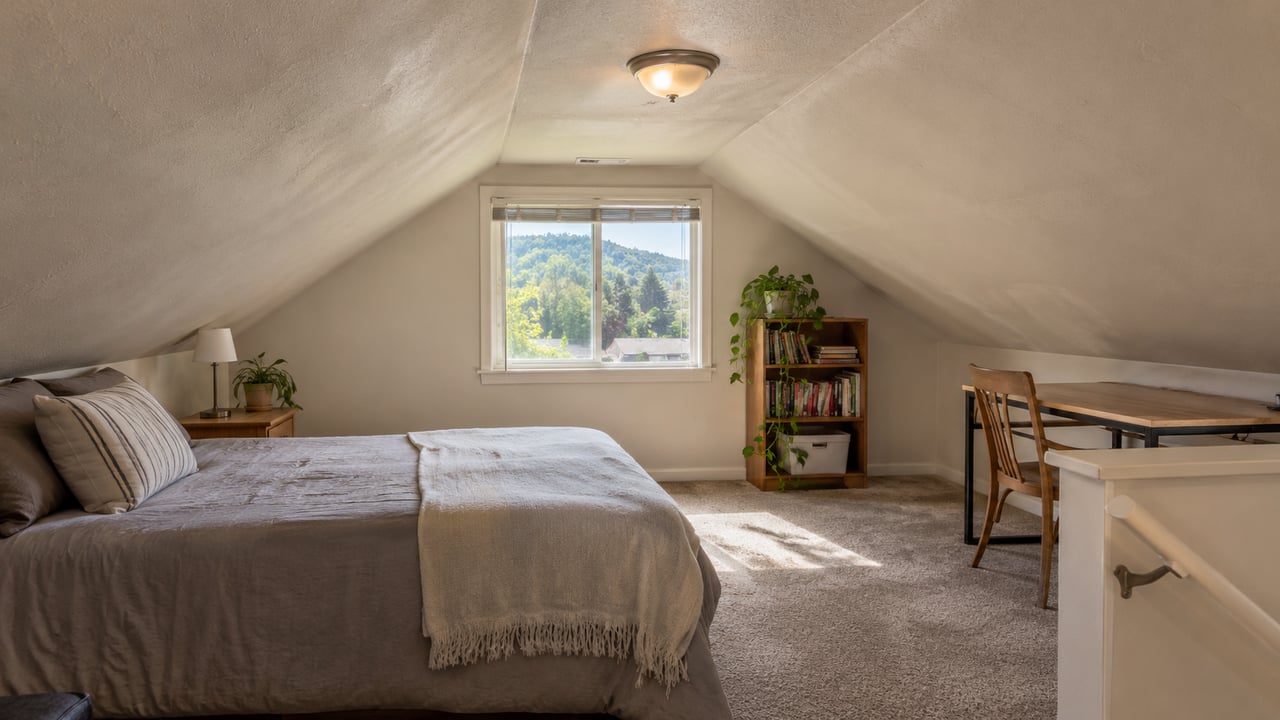
Show the space accurately and verify how it may be described before listing.

Amber Johnson | November 27, 2026
Test the actual routes between a home, shops and the places you visit most.

Amber Johnson | November 27, 2026
Document the charger accurately and show how the setup works for a buyer.
Amber Johnson | November 27, 2026
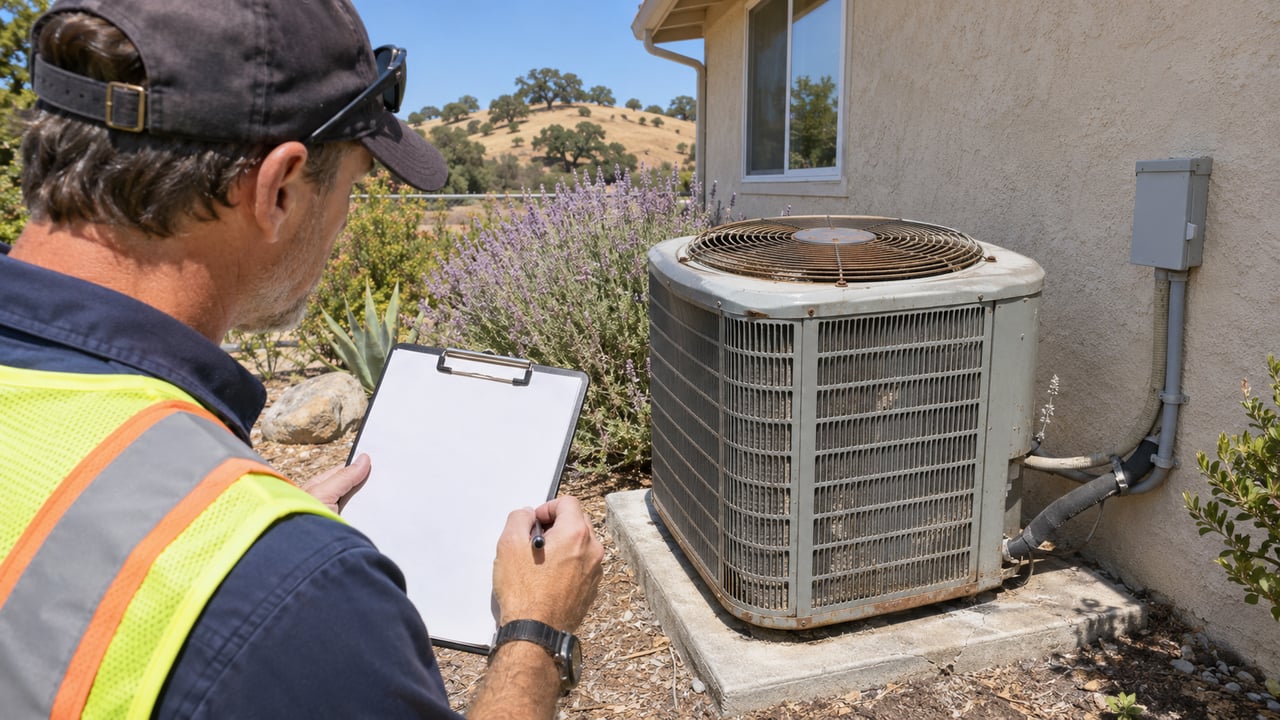
Review the unit, service history and inspection findings before planning for future costs.

Amber Johnson | November 26, 2026
Look at where you would live, when you would walk and what access feels realistic.
You’ve got questions and we can’t wait to answer them.
Amber Johnson, Founder
Pillar Real Estate
805.835.3425
DRE# 01925434
1345 Park Street
Paso Robles, CA 93446