What Does a Home Inspector Look At?
August 18, 2026
August 18, 2026
For many buyers...
The home inspection feels like one of the biggest unknowns.
"What if they find something serious?"
"Will they inspect everything?"
"Does the seller have to fix whatever shows up?"
These are some of the most common questions I hear.
The good news is that a home inspection isn't meant to scare you.
It's meant to help you better understand the home you're buying.
If you're buying a home in Paso Robles, Templeton, Atascadero, San Miguel, or anywhere in San Luis Obispo County, knowing what a home inspector does can make the process much less stressful.
I’m a real estate agent in Paso Robles, CA helping buyers and sellers throughout San Luis Obispo County make informed decisions through clear communication, thoughtful guidance, and practical education. After more than 13 years in real estate, I’ve learned that buyers feel much more confident when they understand what to expect before the inspection ever begins.
The inspection isn't about finding a perfect home.
It's about understanding the condition of the home you're buying.
What Is a Home Inspection?
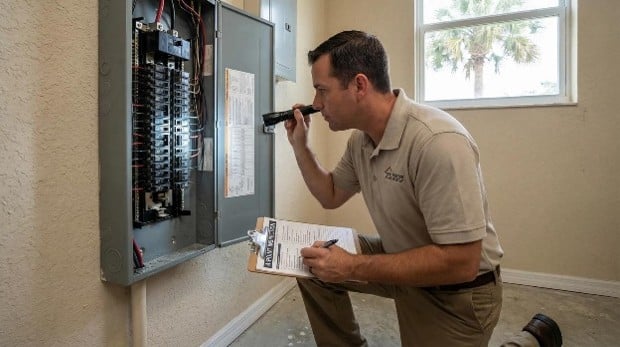
A home inspection is a visual evaluation of a property's readily accessible systems and components.
The inspector looks for signs of defects, safety concerns, deferred maintenance, and items that may need attention.
Think of it like getting a physical before making a major investment.
The inspection provides information.
It doesn't automatically determine whether you should or shouldn't buy the home.
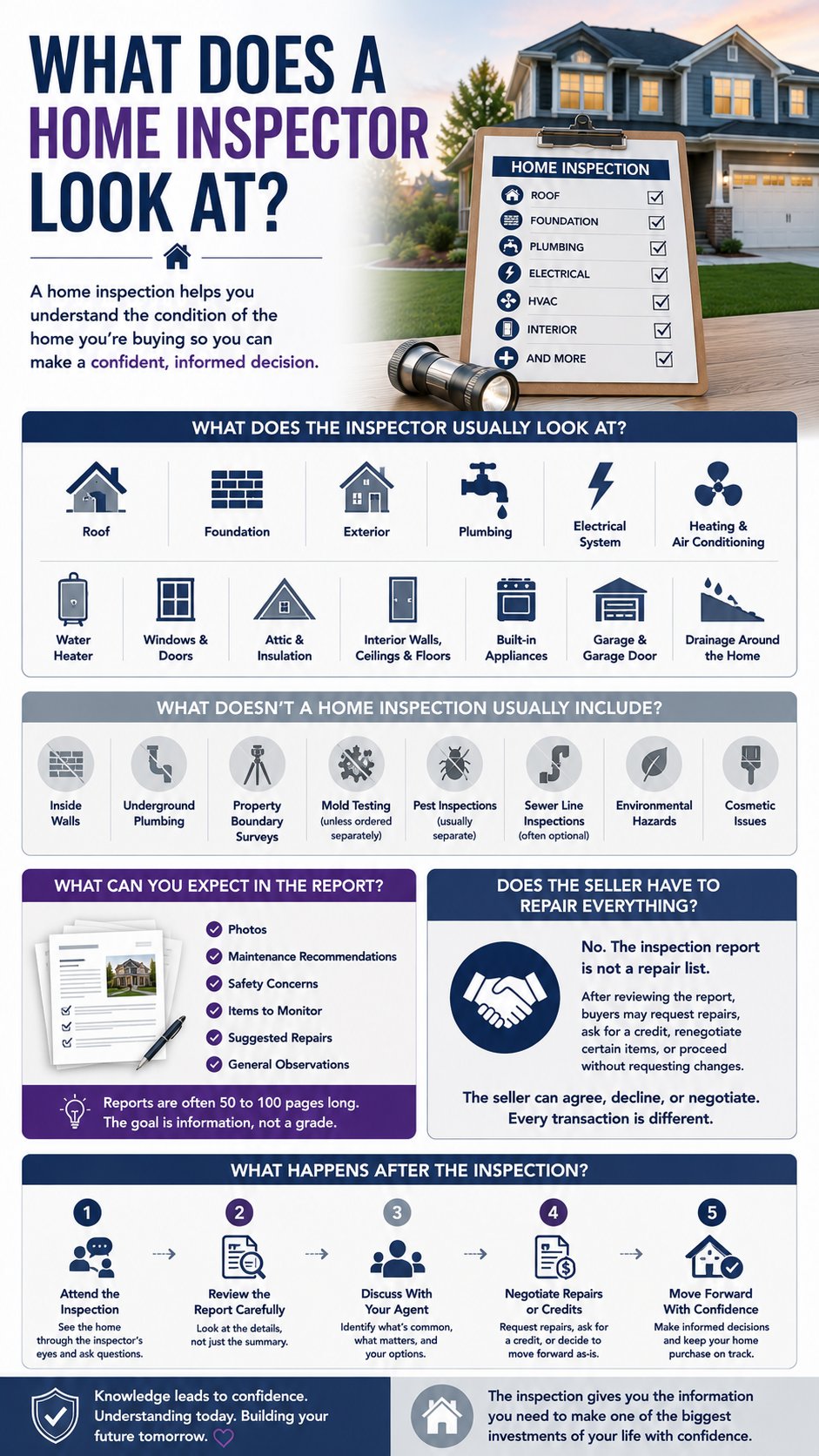
What Does the Inspector Usually Look At?
A typical home inspection includes many of the home's major components, including:
The exact scope may vary depending on the property and the inspection company.
What Doesn't a Home Inspection Usually Include?
Many buyers are surprised to learn that a standard home inspection has limits.
It typically doesn't include:
If additional inspections are recommended, your real estate agent can help you understand which ones may make sense.
What Can You Expect in the Inspection Report?
Inspection reports are often much longer than buyers expect.
It's not unusual for a report to be 50 to 100 pages.
That doesn't mean something is wrong with the home.
Most reports include:
Even newer homes usually have inspection reports with multiple findings.
The report is designed to document the home's condition, not assign a letter grade.
Does the Seller Have to Repair Everything?
No.
This is probably the biggest misconception buyers have.
An inspection report is not a repair list.
After reviewing the report, buyers may choose to request repairs, ask for a credit, renegotiate certain items, or proceed without requesting changes.
The seller can agree, decline, or negotiate.
Every transaction is different.
It depends on the condition of the home, the local market, and what both parties agree to during negotiations.
What I'm Seeing Right Now
After helping buyers throughout Paso Robles, Templeton, Atascadero, San Miguel, and San Luis Obispo County for more than 13 years, I've found that inspection reports often look much more intimidating than they really are.
Seeing dozens of pages filled with comments can feel overwhelming at first.
But most of those comments are simply observations or maintenance recommendations.
The key is understanding which items are routine, which deserve additional attention, and which may become part of the negotiation.
That's where having an experienced real estate professional makes a difference.
Instead of reacting to a long report, you can focus on the items that actually matter and make informed decisions that fit your goals.
From start to finish.
A Real-Life Example
I was working with buyers who were excited about a home they had under contract.
Everything seemed to be moving smoothly.
Then the inspection report arrived.
It was nearly 70 pages long.
Their first reaction was,
"Is this house falling apart?"
We sat down together and went through the report one section at a time.
Many of the items were simply routine maintenance recommendations.
A few were minor repairs.
And there were a couple of items we felt deserved further discussion with the seller.
By the end of the conversation, the report no longer felt overwhelming.
It became exactly what it was intended to be.
A tool to help them understand the home before moving forward.
That's why I always encourage buyers not to panic when they receive a long inspection report.
The number of pages isn't what matters.
Understanding the findings is.
The Biggest Mistake
The biggest mistake buyers make is assuming every item in an inspection report is a serious problem.
Almost every home has an inspection report with multiple observations.
Even newer homes.
Inspectors are trained to document what they see.
That doesn't mean every item needs to be repaired or negotiated.
The key is understanding which findings are maintenance items, which are safety concerns, and which deserve additional attention.
What This Process Should Feel Like
The inspection should give you confidence.
Not fear.
By the time you've reviewed the report with your real estate professional, you should understand:
What the inspector found.
Which items are common.
Which items may require additional evaluation.
And what options you have moving forward.
That's how buyers make informed decisions instead of emotional ones.
How This Connects to the Bigger Picture
In the last article, we explained the difference between an interest rate and APR so you could better understand your financing.
Now that your offer has been accepted, one of the next major milestones is the home inspection.
Understanding what the inspector is looking for helps you know what to expect before the report arrives.
Next, we'll answer another question buyers often hear during escrow:
What is a preliminary title report and why is it important?
Steps: What Happens After the Home Inspection?
Step 1: Attend the Inspection if Possible
While it's not always required, attending at least part of the inspection gives you an opportunity to see the home through the inspector's eyes and ask questions about the findings.
Step 2: Review the Report Carefully
Take time to read the report instead of focusing only on the summary.
Inspection reports often include maintenance suggestions alongside more significant observations.
Understanding the context is important.
Step 3: Discuss the Findings With Your Agent
If you're buying a home in Paso Robles, Templeton, Atascadero, San Miguel, or San Luis Obispo County, your real estate agent can help you identify which items are common, which may deserve additional attention, and what options are available under your purchase agreement.
Step 4: Decide Whether to Request Repairs or Credits
Not every issue needs to be negotiated.
Depending on the inspection findings, buyers may request repairs, ask for a credit, seek additional inspections, or decide the home's condition is acceptable as it is.
Every transaction is different.
Step 5: Move Forward With Confidence
Once you've reviewed the inspection report and understand the condition of the home, you can make informed decisions about the next steps with confidence.
So... What Does a Home Inspector Really Look At?
A home inspector evaluates many of the home's major systems and visible components to help you better understand the property's condition.
The inspection isn't about finding a perfect home.
It's about giving you the information you need to make an informed decision before closing.
The Best Inspection Is One You Understand
After helping buyers throughout San Luis Obispo County for more than 13 years, I've found that inspection reports are much less intimidating once buyers understand how to read them.
The goal isn't to create fear.
It's to provide clarity.
When you know what the findings mean and what your options are, the inspection becomes one of the most valuable parts of the home buying process.
From start to finish.
The Real Question to Ask
Instead of asking:
"Will the inspection find problems?"
Ask:
"What is the inspection telling me about the home's condition, and what does that mean for my decision?"
That's the question that helps buyers move forward with confidence.
Next Steps
If you're planning to buy a home in Paso Robles, Templeton, Atascadero, San Miguel, or San Luis Obispo County, understanding the inspection process before you write an offer can help you feel much more prepared.
Learn more about how I help buyers navigate inspections, negotiations, escrow, and closing by visiting:
👉 https://pillarrealestate.com/buying
Whether you're purchasing your first home or your next one, my goal is to help you understand every step of the process so you can make informed decisions with confidence.
From start to finish.
FAQ
What does a home inspector look at?
A home inspector typically evaluates the home's major visible systems and components, including the roof, foundation, plumbing, electrical system, HVAC, attic, windows, doors, built-in appliances, and other readily accessible areas.
Should I attend the home inspection?
Many buyers find it helpful to attend at least part of the inspection. It gives you the opportunity to ask questions, better understand the home's condition, and hear the inspector's observations firsthand.
Is a long inspection report a bad sign?
Not at all. Many inspection reports are 50 to 100 pages long because inspectors document maintenance items, observations, and photos. A lengthy report doesn't automatically mean the home has major problems.
Does the seller have to fix everything on the inspection report?
No. Buyers may request repairs or credits, but sellers are not automatically required to complete every repair. The outcome depends on the purchase agreement and negotiations between the buyer and seller.
What happens if the inspection finds significant issues?
Depending on the findings, buyers may request additional inspections, negotiate repairs or credits, move forward with the purchase, or exercise any rights available under the terms of their purchase agreement.
Why is the home inspection so important?
A home inspection helps you understand the condition of the property before closing. It provides valuable information so you can make informed decisions about one of the largest purchases you'll ever make.
Amber Johnson, Founder
Pillar Real Estate
805.835.3425
[email protected]
1345 Park St. Paso Robles, CA 93446
DRE# 01925434

Amber Johnson | September 22, 2026
Amber Johnson | September 21, 2026
How traffic patterns, privacy, parking, lot shape, and buyer preferences can influence marketing and value.
Amber Johnson | September 21, 2026
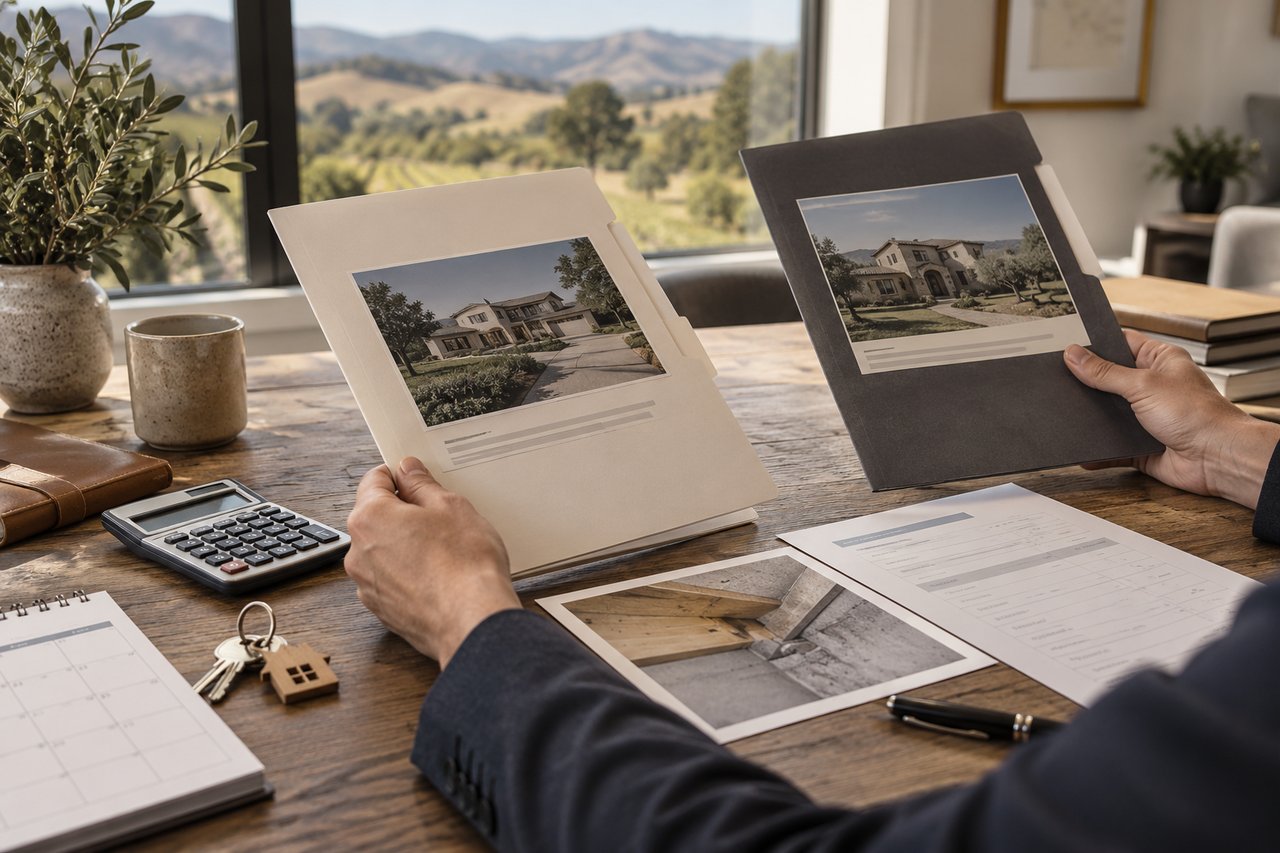
The price, credits, repairs, timing, and other terms Paso Robles sellers may need to evaluate this season.
Amber Johnson | September 21, 2026
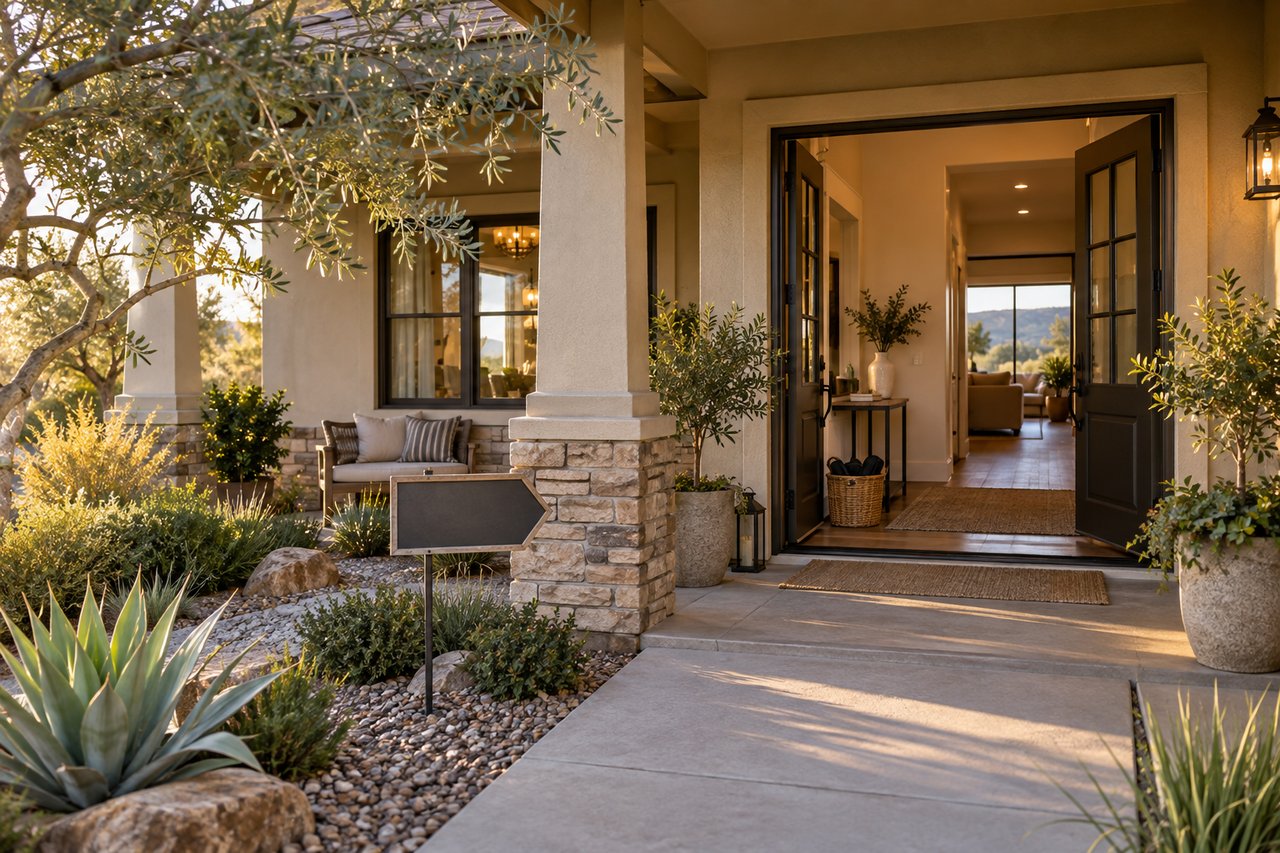
When an open house can support a launch, when private showings may matter more, and how to judge the results.
Amber Johnson | September 20, 2026
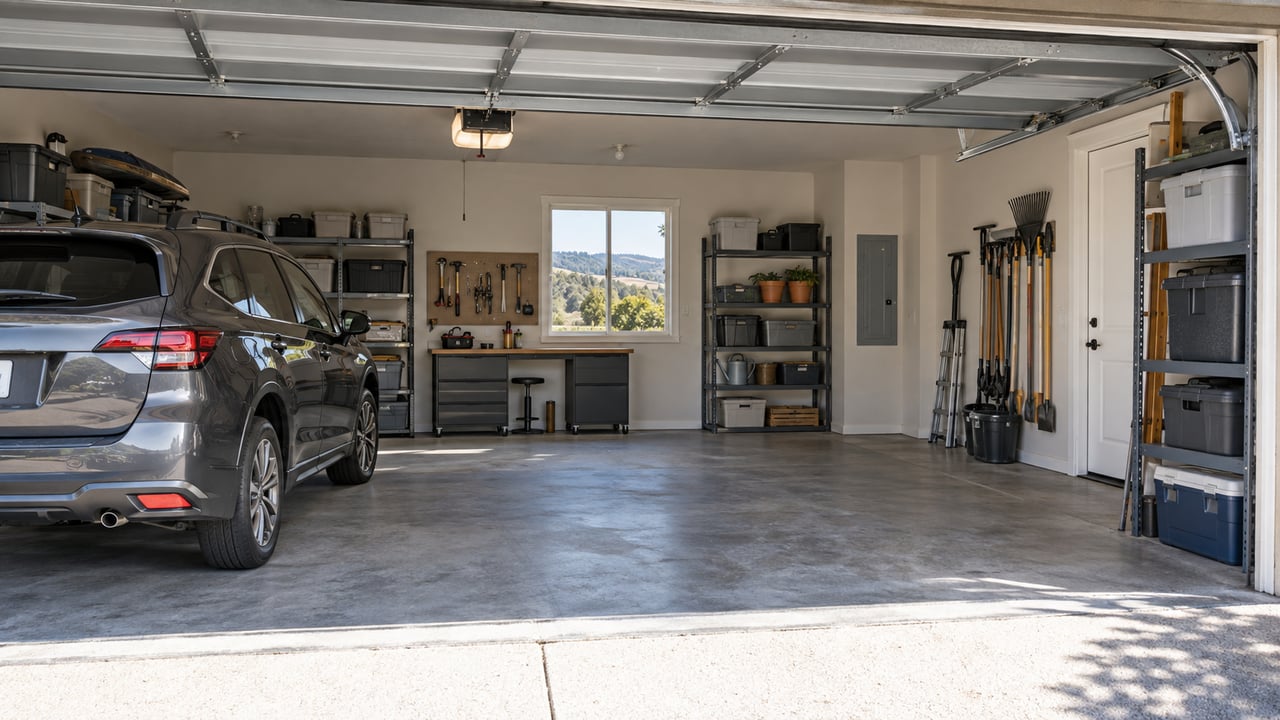
How garage organization, storage, access, and visible maintenance can influence a buyer’s overall impression.
Amber Johnson | September 20, 2026
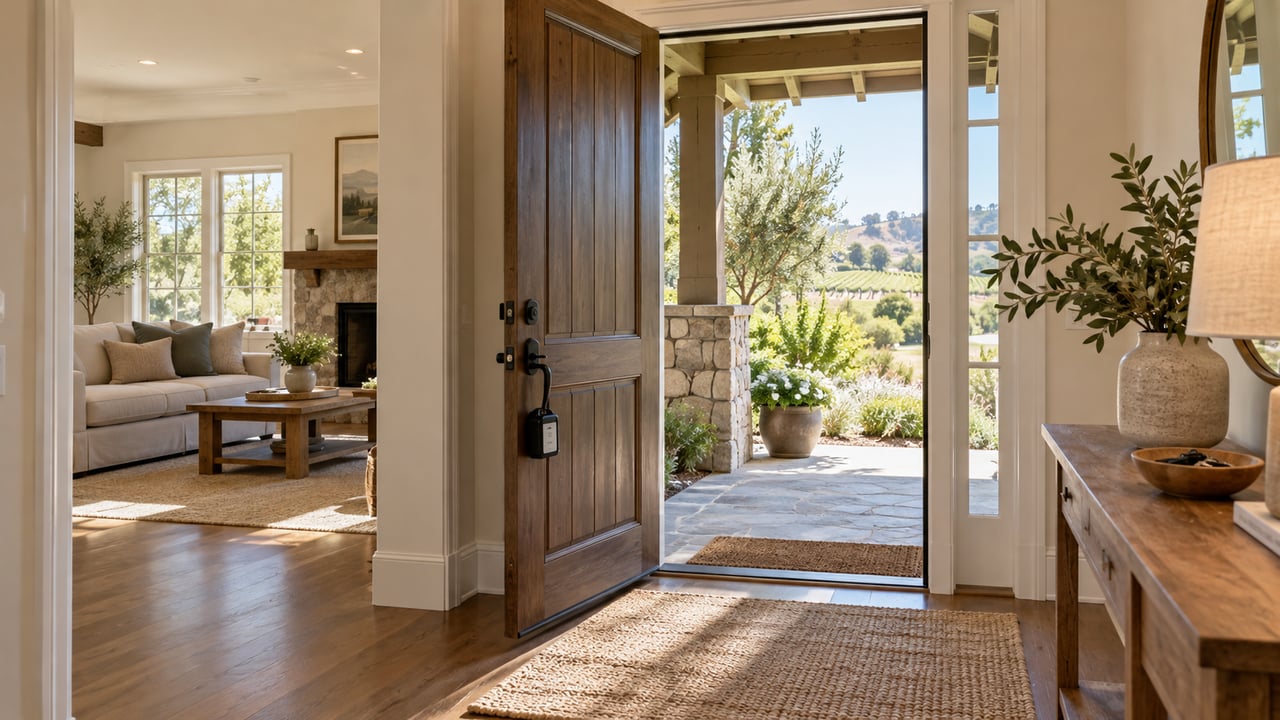
Why seller absence usually gives buyers more freedom to look, talk, and form an honest impression.
Amber Johnson | September 20, 2026
The records that help confirm ownership, payoff information, property history, and a smoother listing process.

Amber Johnson | September 18, 2026

Amber Johnson | September 18, 2026
You’ve got questions and we can’t wait to answer them.

Amber Johnson, Founder
Pillar Real Estate
805.835.3425
DRE# 01925434
1345 Park Street
Paso Robles, CA 93446